
District · Telangana
Mulugu
Mulugu brings together important Kakatiya heritage, forested landscapes and living tribal traditions in eastern Telangana.
Mulugu lies in eastern Telangana, where forested hills, streams and river country give the district a greener, more rural character than the state’s urban west. Its landscapes include Eturnagaram Wildlife Sanctuary, Laknavaram Lake and Bogatha Waterfall. The district is also home to Palampet’s Ramappa Temple, a major Kakatiya-era monument recognised as a UNESCO World Heritage Site. Medaram, within the district, hosts the Sammakka Saralamma Jatara, one of the region’s most important tribal religious gatherings. Mulugu’s identity reflects this mix of Kakatiya heritage, forest and river environments, and living Adivasi traditions; settlements and services can be widely spaced, so planning travel between attractions is useful.
Mulugu brings together important Kakatiya heritage, forested landscapes and living tribal traditions in eastern Telangana. It is best known for Medaram’s Sammakka Saralamma Jatara, the UNESCO-listed Ramappa Temple at Palampet, and outdoor sights such as Laknavaram Lake, Eturnagaram Wildlife Sanctuary and Bogatha Waterfall. The district offers a contrast to the better-known urban attractions of Telangana, with journeys that pass through rural settlements and wooded country. Visitors can combine cultural sites with nature, while allowing for longer road journeys between some attractions. This index covers published tourist places and does not imply that every local site has been documented.
The area around Palampet is closely associated with the Kakatiya kingdom, which held power across much of the eastern Deccan during the medieval period. Rudreshwara Temple, now commonly called Ramappa Temple, was built under Kakatiya patronage in the 13th century and is a major surviving expression of that era’s architecture. The wider region later came under successive Deccan powers, including the Qutb Shahi and Asaf Jahi dynasties. During the colonial period, it formed part of Hyderabad State, a princely state under the Nizams rather than a directly administered British province. Hyderabad State joined the Indian Union in 1948. The region subsequently formed part of the reorganised state of Andhra Pradesh, and Telangana became a separate state in 2014. Mulugu district was created in 2019 through state district reorganisation, with territory separated from the former Jayashankar Bhupalpally district. Tribal communities, including Koya people, have a longstanding presence in the region; Medaram’s jatara remains an important expression of local and regional traditions.
5 destination guides
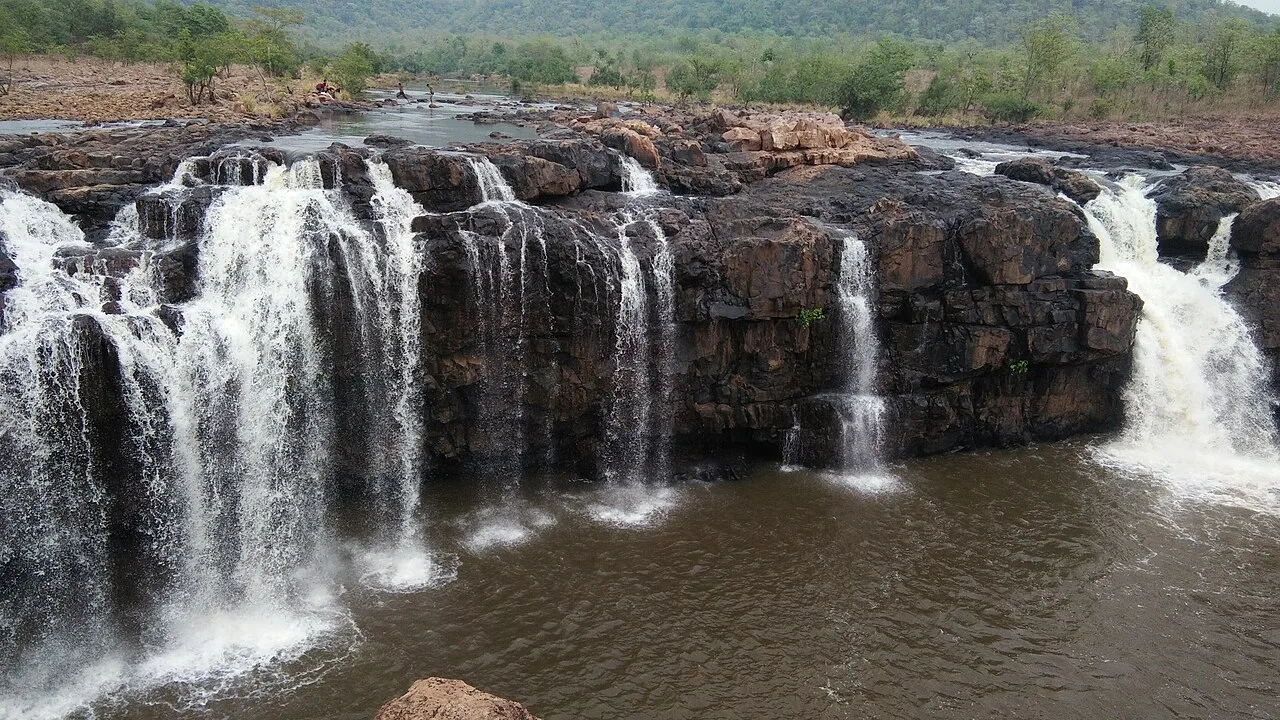
Bogatha Waterfall
Set on the Cheekupally stream in Wazeedu Mandal, Mulugu district, Bogatha is a waterfall visitors come to see, notable as the second largest in Telangana.
Eturnagaram Wildlife Sanctuary
Eturnagaram Wildlife Sanctuary is a protected area in Mulugu district, Telangana, with teak woodland and the Godavari River. Visitors also come for the biennial Sammakka Saralamma Jatara.
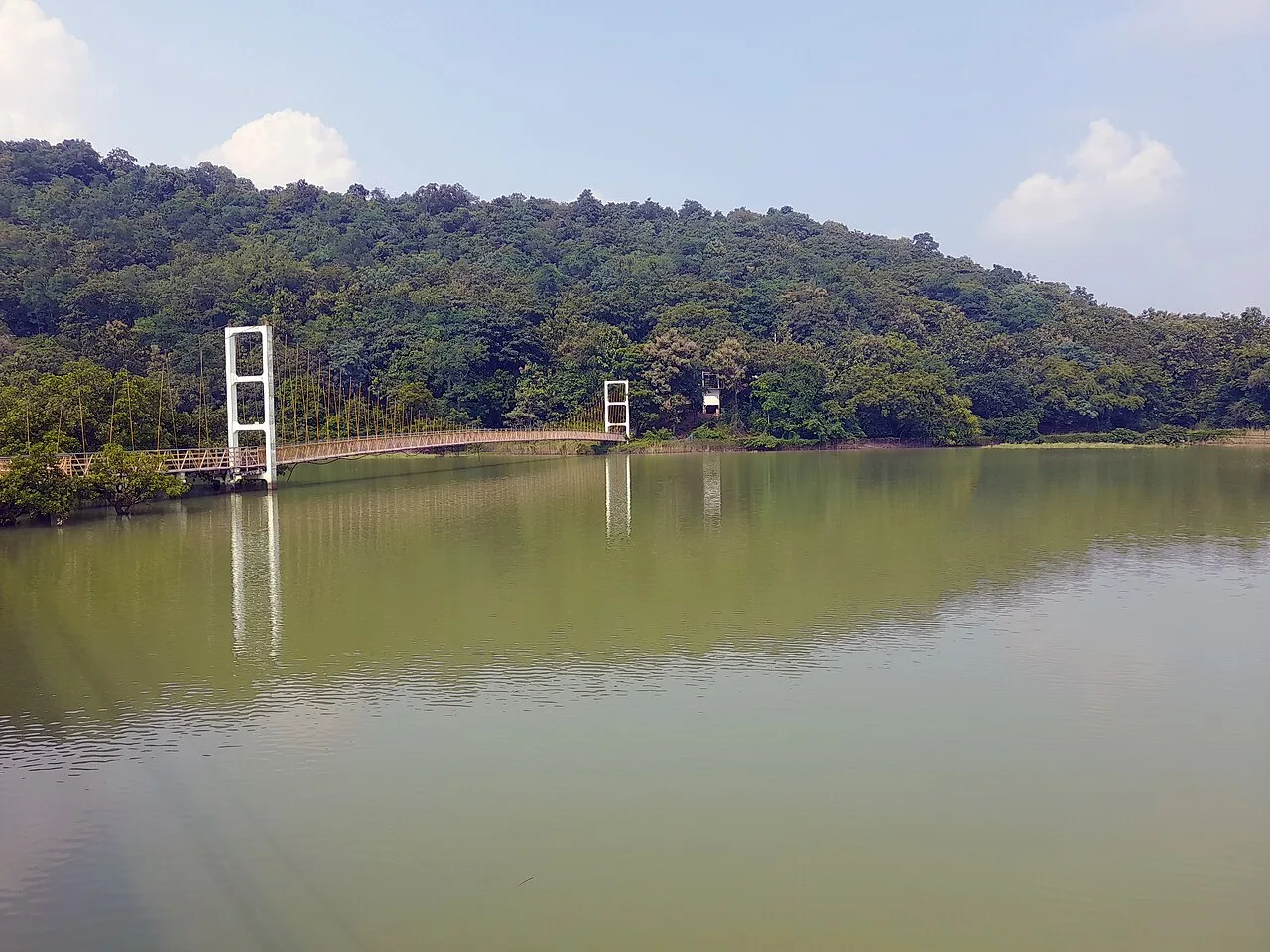
Laknavaram Lake
Laknavaram Lake is a destination in Govindaraopet mandal, within Telangana’s Mulugu district; visitors come to see the lake and its setting.
Medaram (Sammakka Saralamma Jatara)
Medaram is a village in Telangana’s Mulugu district, best known for the biennial Sammakka Saralamma Jatara, a gathering honouring the goddesses Sammakka and her daughter Sarakka.
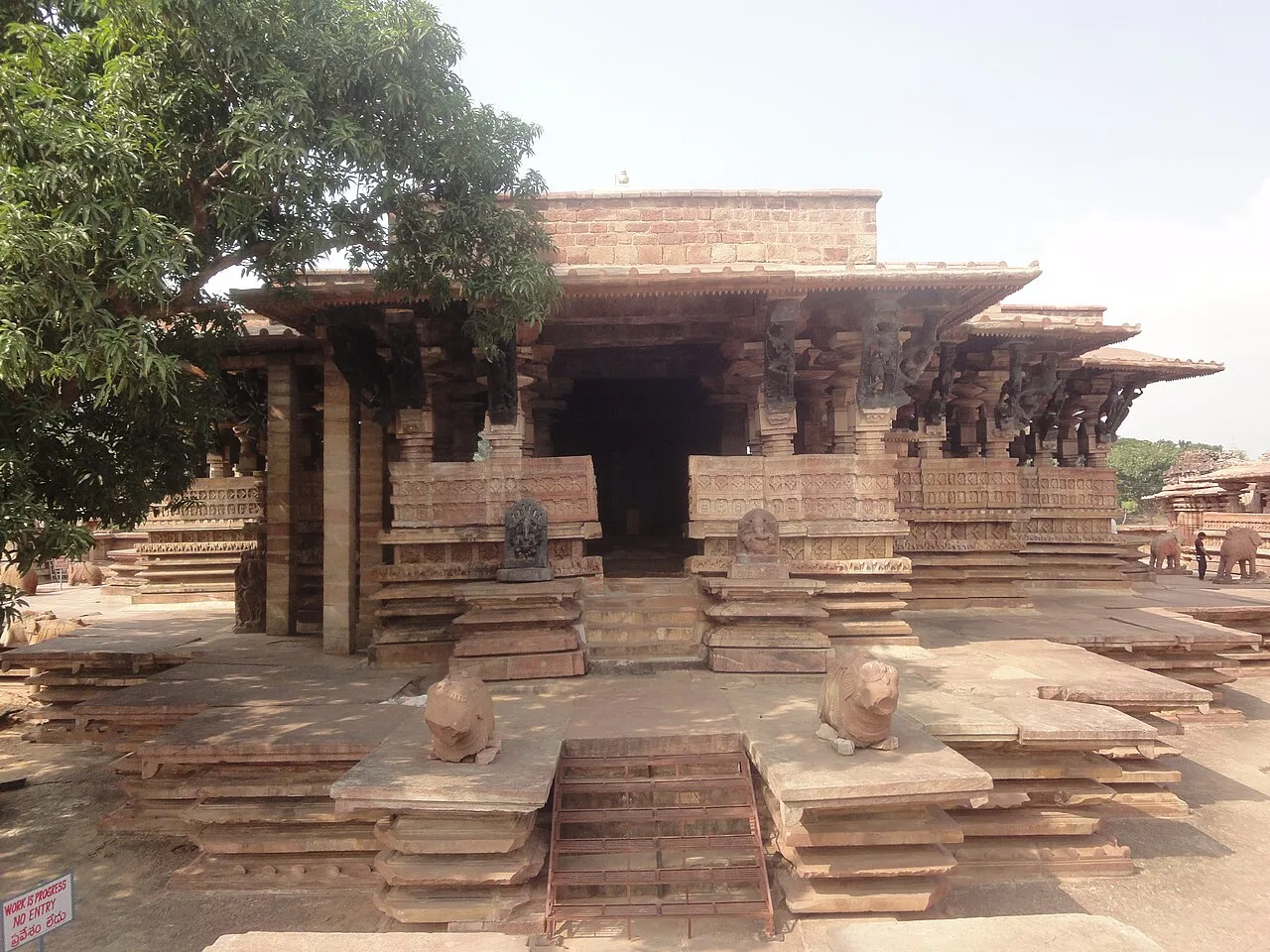
Ramappa Temple (UNESCO)
Ramappa Temple is a Kakatiya-era Hindu shrine dedicated to Shiva in Telangana. Visitors come to see its distinctive architecture, detailed stonework and the remains of its wider temple complex.
Food in Mulugu draws on Telangana’s wider rural traditions. Everyday meals commonly centre on rice, lentils, seasonal vegetables and spicy chutneys; jonna rotte (sorghum flatbread) with pachadi and sarva pindi (a savoury pan-cooked rice-flour dish) are regional favourites. Some eateries serve natu kodi, or country chicken curry, though menus vary. Sakinalu are especially associated with festive occasions such as Sankranti. Hyderabadi biryani, haleem and Irani chai belong to the broader Telangana food scene, but are more closely associated with Hyderabad than with Mulugu. In smaller places, ask what has been freshly prepared that day.
Mulugu’s cultural setting includes Adivasi communities and forest-linked traditions, but craft practices can vary between villages and are not necessarily available as visitor workshops or shops. Telangana’s wider craft heritage includes bamboo and cane work, as well as Cheriyal scroll painting and Pembarthi metalwork; the latter traditions are associated with places outside Mulugu, so they should not be presented as district specialties. Travellers interested in local work can ask community-run organisations or local cultural guides about what is made nearby, and should seek permission before photographing artisans or their work.
The district’s best-known festival is the Sammakka Saralamma Jatara at Medaram, a major tribal gathering held every two years, usually in January or February. It draws very large crowds from Telangana and neighbouring states, so road journeys can slow and accommodation in and around the area becomes scarce; arrange a stay well ahead. Bathukamma, Dussehra and Sankranti are also observed in the wider region, with celebrations varying by community and locality. Festival dates follow local calendars and change from year to year, so check current announcements before planning travel.
Mulugu lies in Telangana’s forested eastern interior, where wooded hills, rocky uplands and rural plains shape the journey between settlements. The Godavari flows along the wider region, while streams and water bodies feed attractions such as Laknavaram Lake and seasonal Bogatha Waterfall. Eturnagaram’s protected forests are a defining part of the landscape. Roads can be narrow or winding beyond larger towns, and access to some sights involves slower travel through forest or countryside. Monsoon conditions can make tracks, waterfall approaches and lakeside ground slippery.
Summer, broadly from March into June, is hot, so plan outdoor visits for cooler parts of the day and carry sun protection and drinking water. The monsoon, usually from June through September, brings greener scenery but can make rural roads and waterfall approaches wet or difficult; water flow at Bogatha varies with conditions. Winter, from roughly November to February, is generally the most comfortable season for sightseeing. These cooler months are a good choice for combining heritage and outdoor stops, though Medaram’s jatara period is exceptionally busy. Pack light clothing, a warmer layer for winter mornings, sturdy footwear and rain protection during the monsoon.
Warangal is a useful principal railway gateway for Mulugu district, with Kazipet also serving the wider region. Hyderabad’s Rajiv Gandhi International Airport is a practical main air gateway; onward travel is by road. Buses and road connections link Hyderabad and Warangal with Mulugu town, while taxis or hired vehicles are useful for reaching dispersed sights such as Medaram, Laknavaram Lake, Ramappa Temple and Bogatha Waterfall. Public transport may be less frequent for smaller villages and remote attractions, so allow flexibility and confirm the return journey before setting out. Check current services locally before travel.
Road travel is the practical way to connect the district’s sights. Mulugu town and the roads toward Eturnagaram and Medaram provide useful links, while Palampet, Laknavaram and Bogatha require onward travel through smaller towns and rural roads. State and local buses serve some main routes, but services may be less convenient for reaching individual attractions. For a multi-stop visit, a hired car or taxi offers greater flexibility; autos and shared vehicles may be available locally but should not be assumed for every leg. Confirm return transport in advance, especially for remote sites, and allow extra time in wet weather.
2 days: Ramappa Temple (UNESCO) → Laknavaram Lake; sleep night one in Mulugu. 3 days: Ramappa Temple (UNESCO) → Laknavaram Lake → Medaram (Sammakka Saralamma Jatara) → Eturnagaram Wildlife Sanctuary; sleep nights one and two in Mulugu or Eturnagaram. 4 days: Ramappa Temple (UNESCO) → Laknavaram Lake → Medaram (Sammakka Saralamma Jatara) → Eturnagaram Wildlife Sanctuary → Bogatha Waterfall; sleep night one in Mulugu, night two in Eturnagaram and night three in the Eturnagaram area.
Mulugu town is a practical base for several district visits, with simple hotels and lodges; it is also useful when joining sites by road. For the eastern forest and waterfall circuit, look for basic lodging around Eturnagaram, though choices may be limited. Stays near individual attractions can be sparse, so do not rely on finding a room on arrival, especially during the Medaram jatara. Warangal can serve as a broader base for visitors prioritising Ramappa Temple, but it adds road travel to other district sights. Check current availability and facilities before setting out.
Wear sturdy footwear around forest paths, rocky ground, lake edges and waterfalls; surfaces can be slippery during and after rain. In the sanctuary, follow local staff guidance, keep a safe distance from wildlife and do not feed animals. Carry drinking water and basic supplies, since shops and services are limited outside towns. Rural roads may be narrow, uneven or slow in monsoon conditions; avoid rushing and plan to finish remote drives before dark. Mobile connectivity can be patchy. Check current local access rules with official forest or tourism authorities before visiting protected areas; do not assume a permit is or is not required.
- Warangalabout 60 km
- Hanamkondaabout 61 km
- Jayashankar Bhupalpallyabout 64 km
- Jangaonabout 74 km
- Mahabubabadabout 82 km
- Bhadradri Kothagudemabout 100 km
- Mancherialabout 104 km
- Karimnagarabout 107 km
Straight-line distance between the centres of each district's destinations; road distance is longer.
All districts of Telangana
- Adilabad
- Bhadradri Kothagudem
- Hanamkonda
- Hyderabad
- Jagtial
- Jangaon
- Jayashankar Bhupalpally
- Jogulamba Gadwal
- Kamareddy
- Karimnagar
- Khammam
- Kumuram Bheem Asifabad
- Mahabubabad
- Mahabubnagar
- Mancherial
- Medak
- Medchal–Malkajgiri
- Nagarkurnool
- Nalgonda
- Narayanpet
- Nirmal
- Nizamabad
- Rajanna Sircilla
- Ranga Reddy
- Sangareddy
- Siddipet
- Suryapet
- Wanaparthy
- Warangal
- Yadadri Bhuvanagiri
Q: How many days should I spend in Mulugu district? A: Two days can cover a couple of major sights; allow three or four days to include the more distant forest and waterfall visits. Q: When is the best time to visit? A: November to February is generally comfortable for sightseeing, but Medaram’s jatara period is very crowded. Q: What is the best base for exploring? A: Mulugu town is a practical general base; Eturnagaram can suit an eastern forest circuit, while Warangal is useful for Ramappa Temple. Q: How do I get to the district and its attractions? A: Reach the region by road from larger Telangana towns, then use buses where available or arrange a car for multi-stop and remote visits. Q: Is Mulugu suitable for families or elderly travellers? A: Yes, with planning. Choose accessible stops, allow extra road time, and consider that forest paths, uneven ground and large jatara crowds may be challenging.
This page draws on our 5 destination guides for Mulugu and is updated as our team checks it.
Be the first to share photos, stories, advice or a helpful contact for Mulugu.
Loading…