
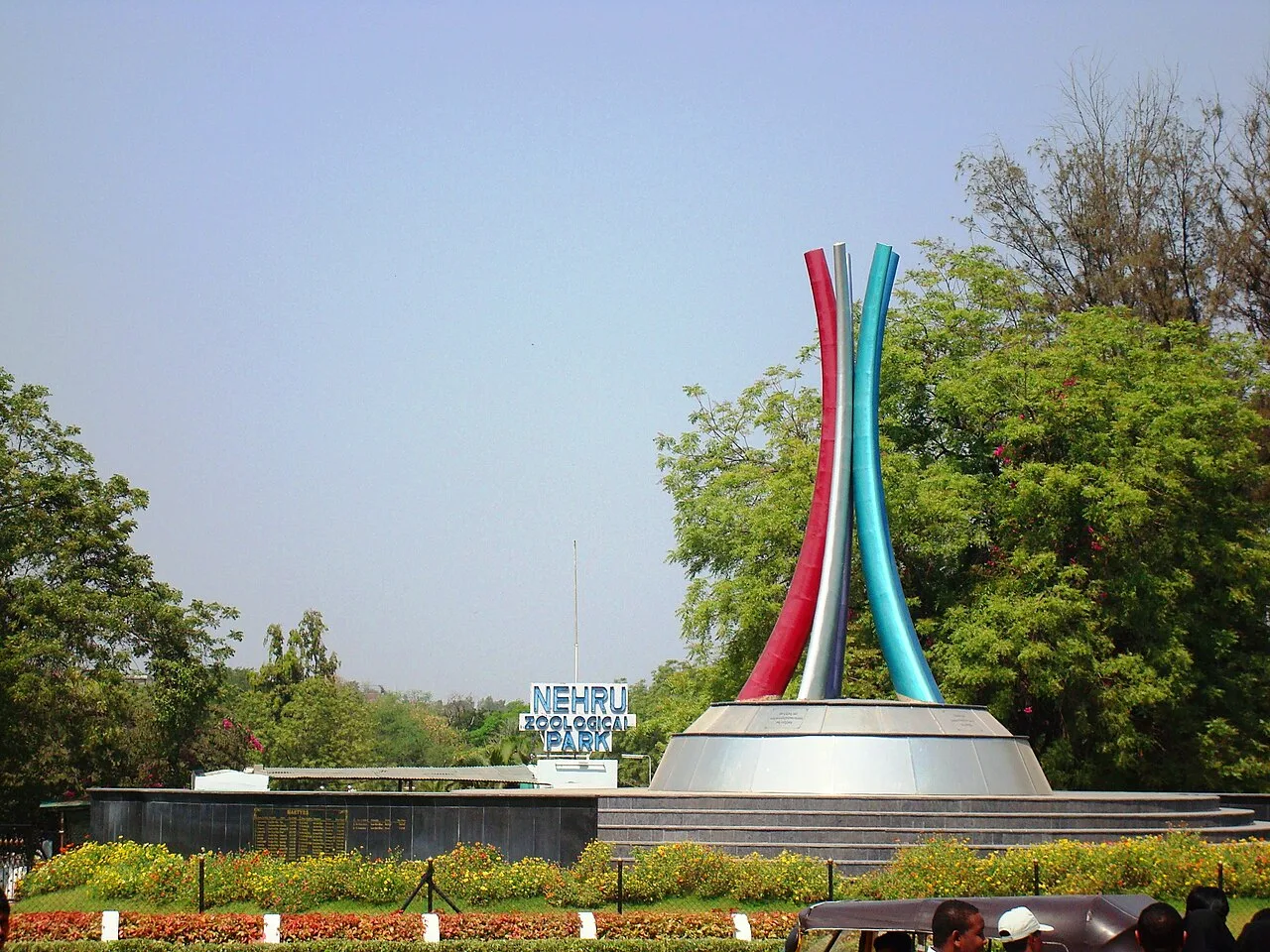
Nehru Zoological Park
Nehru Zoological Park is a zoo in Hyderabad district, Telangana, close to Mir Alam Tank in Bahadurpura. Visitors come to see the animals housed there.
Key facts · verified by Ghumoopedia editors
- Type of place
- Natural attraction
- Best time to visit
- October to February; July to September for waterfalls in Adilabad and Mulugu
- Nearest railway station
- Hyderabad Deccan (Nampally) · about 5 km (straight line)
- Verified
- 21 Nov 2026
Plan a trip from Nehru Zoological Park — a day-by-day route through places nearby.
In Hyderabad district, Telangana, Nehru Zoological Park is a zoological park near Mir Alam Tank. Its location is in Bahadurpura, placing it close to the tank within the district. The park is also called Zoo Park. It is a zoo in Hyderabad, and people visit to see the animals there. These names refer to the same place: Nehru Zoological Park, situated in Bahadurpura near Mir Alam Tank. Telangana joins the Deccan's Islamic heritage — the Qutb Shahi and Asaf Jahi monuments of Hyderabad, Golconda and the Charminar — with the Kakatiya temples and forts of Warangal and the UNESCO-listed Ramappa Temple, the Godavari pilgrim towns of Bhadrachalam, Basar and Kaleshwaram, the Buddhist heritage of Nagarjunakonda, the ikat weaves of Pochampally and the tribal forests of Mulugu, Adilabad and the Nallamala hills. Summers from March to early June are very hot and dry, often above 40 °C; the southwest monsoon brings rain from June to September and fills the waterfalls of Adilabad and Mulugu. October to February is pleasant and dry, with cool mornings in December and January. The usual best time to visit is October to February; July to September for waterfalls in Adilabad and Mulugu. Timings, fees and access arrangements must be confirmed locally. For official information, see Telangana Tourism at https://tourism.telangana.gov.in.
Why it matters
Nehru Zoological Park is a major public wildlife and recreation destination in Hyderabad, near Mir Alam Tank in Bahadurpura. It gives city residents and visitors an opportunity to learn about animals and conservation through managed exhibits and other zoo programmes. The park is among Hyderabad’s well-known family attractions and is overseen by Telangana’s forest and wildlife administration. It is recognised within India’s zoological-park framework, which is regulated by the Central Zoo Authority. Its importance is educational as well as recreational: visitors can encounter wildlife without travelling to a remote forest reserve. It is a modern zoo, not an archaeological monument or a UNESCO-listed site.
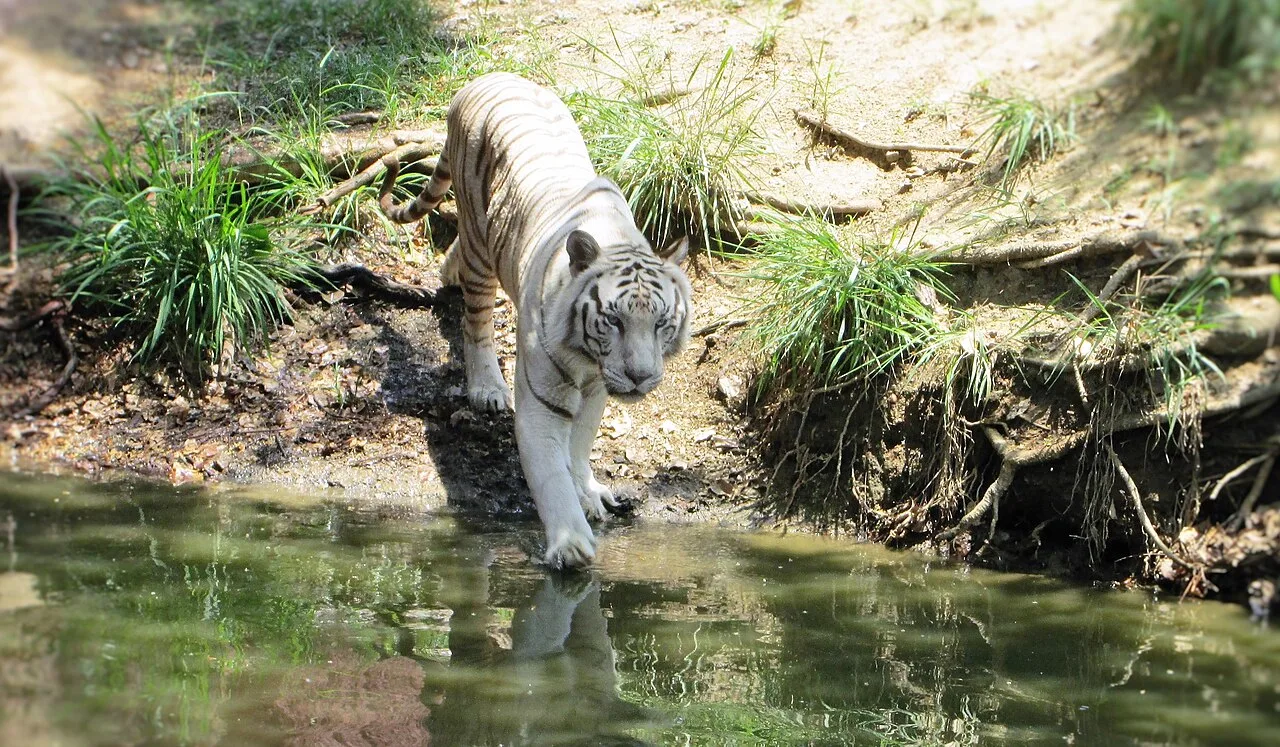
The zoo’s origins are generally traced to the late 1950s, when the Hyderabad Zoo Society took up the idea of establishing a zoological park for the city. Nehru Zoological Park opened to the public in 1963 and was named after Jawaharlal Nehru, India’s first prime minister. It was developed near Mir Alam Tank, in the Bahadurpura area, where the setting offered space for a large public attraction within Hyderabad. The park’s role has changed over time from displaying animals for recreation towards combining public access with wildlife education and conservation. As Indian zoo standards and animal-care practices have evolved, zoos have increasingly been expected to provide suitable enclosures, veterinary care and educational interpretation. Nehru Zoological Park is administered by the state’s forest and wildlife authorities and operates within the national zoo-regulation system overseen by the Central Zoo Authority. Details of particular exhibit changes, animal programmes and current visitor facilities can change; consult the park’s managing authority for the latest information. The nearby Mir Alam Tank is an older Hyderabad water body, but it is distinct from the zoo’s modern history.
Origin stories & folklore
There is no widely established origin legend for Nehru Zoological Park: it is a twentieth-century public institution with a recorded modern history. The zoo’s name honours Jawaharlal Nehru, rather than arising from a local folktale. Mir Alam Tank, beside the park, is a historic feature of Hyderabad and is sometimes part of local recollections of the area’s changing landscape. Visitors may hear personal stories about family outings or encounters with animals, but these are memories rather than documented legends. Treat stories about the tank or particular animals as local belief or anecdote unless a reliable historical source confirms them.
Spend unhurried time at Nehru Zoological Park: walk the marked paths, use official viewpoints and ask locally whether a guide, entry ticket or forest permission is needed. Weather can change quickly, so carry a rain layer even on a clear morning. A comfortable itinerary is one main visit in the morning, a local meal at midday and a short nearby stop before an afternoon return. In the hot months, plan outdoor sightseeing for early morning and late afternoon, and spend midday in a museum or a long lunch. Use the district list on this site to find other places in Hyderabad, but check the route and its condition before combining stops. If a festival is on — such as Bathukamma and Dasara in autumn, Bonalu in July–August, the biennial Medaram Sammakka Saralamma Jatara, Sankranti or Ramzan in Hyderabad's Old City — roads and stays can be busy, and the experience can be unforgettable. Leave no litter: many sites are protected by the communities around them.
Suggested itineraries
Half day: Arrive in the morning, allow about three to four hours for the main paths and exhibits, take a rest and meal break, then return to the city. Full day: Spend the morning at the zoo, pause for lunch and rest during the heat, then visit one city attraction such as Chowmahalla Palace or Charminar in the afternoon if traffic and energy allow. Gentler option: Choose a shorter section of the park, take frequent shaded breaks, and ask at the entrance which routes or visitor services best suit your mobility needs.
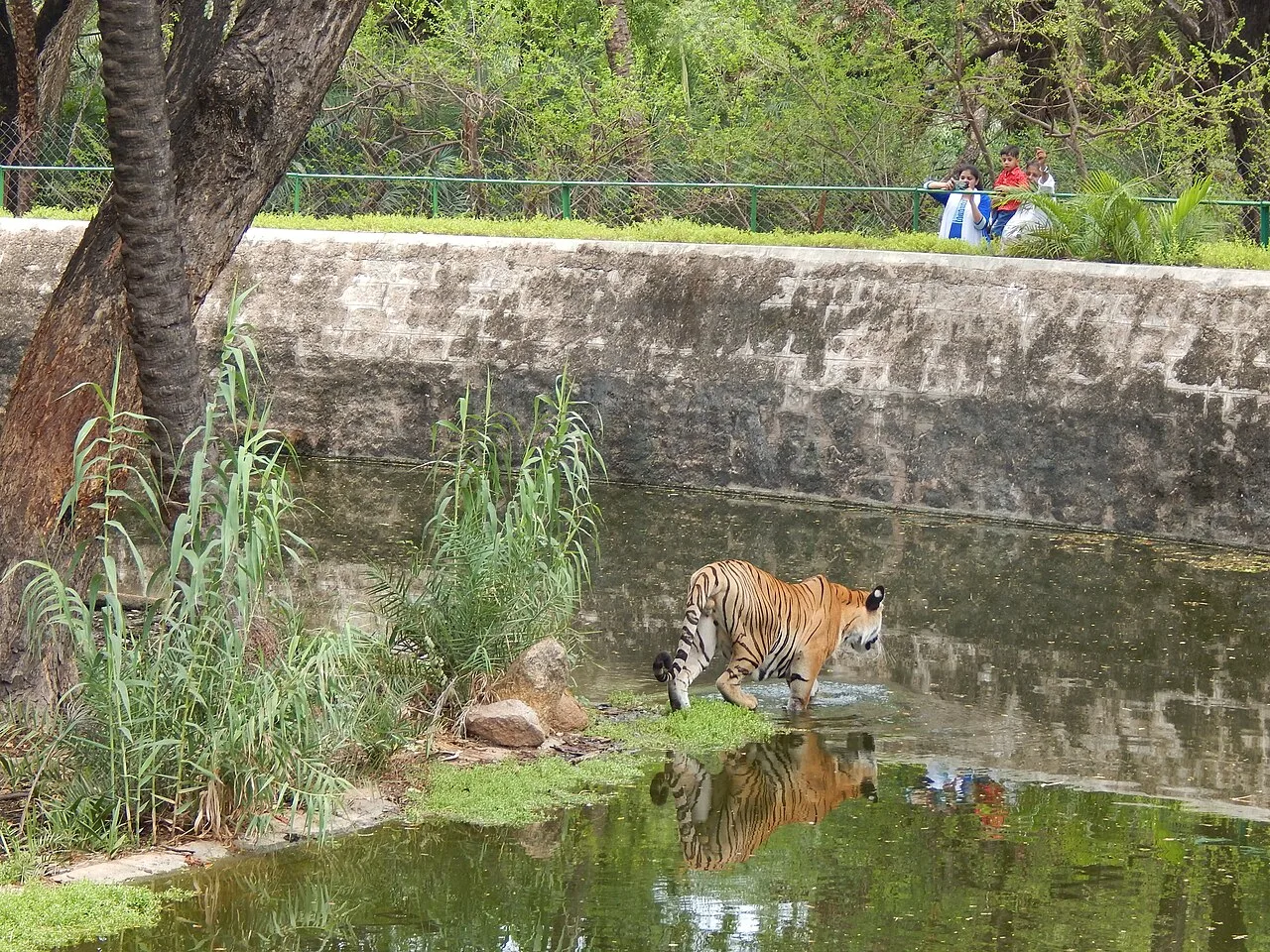
The park is part of contemporary Hyderabad’s family and school-trip culture. Visitors come from across the city and Telangana, and the atmosphere reflects Hyderabad’s multilingual character: Telugu, Urdu, Hindi and English are commonly heard in the wider city. The zoo is not a venue for a particular traditional music or dance form, but its educational visits introduce children to wildlife and conservation. Hyderabad’s food culture is easy to find nearby, from everyday South Indian and Telugu meals to the city’s well-known Deccani and Hyderabadi dishes. Visitors should follow posted rules and give animals space rather than calling, feeding or tapping on enclosures.
Local communities
The park connects visitors with the work of animal keepers, veterinarians, horticulture and maintenance staff, educators and wildlife administrators. Their roles include animal care, habitat upkeep, visitor guidance and conservation education. Residents of Bahadurpura and other Hyderabad neighbourhoods use the zoo as a leisure destination and may work in nearby transport, food and retail services. The park is also visited by school groups and families from across the region. These are urban and professional connections to a managed wildlife institution; the zoo should not be presented as a traditional community forest or as a place that grants access to Indigenous or restricted cultural knowledge.
Festivals & events
Nehru Zoological Park is not primarily a festival venue, and special events or crowd arrangements should be checked with its management. Hyderabad’s wider calendar can affect traffic and accommodation: Bonalu is celebrated in the city during the monsoon season, while Bathukamma and Dasara bring activity in autumn. Ramzan, with especially lively evenings around the Old City, follows the Islamic lunar calendar and can fall in different seasons. Sankranti is observed in January. These celebrations take place across the city rather than being specific to the zoo; on major festival days, allow extra time for road travel and expect busier visitor areas.
Local food in Telangana includes Hyderabadi dum biryani, haleem during Ramzan, mirchi ka salan, double ka meetha and qubani ka meetha, Irani chai with Osmania biscuits, and Telangana village dishes such as sarva pindi, jonna rotte with spicy pachadi, natu kodi (country chicken) curry and sakinalu during Sankranti. Ask what is fresh that day; many small eateries cook a limited daily menu. Hyderabad's Old City around Charminar is the place for biryani, haleem and late-night Irani cafés; in the districts, Telangana food is spicy and rustic, with millet rotis and tangy pachadis. Temple towns such as Yadadri, Basar and Bhadrachalam serve strictly vegetarian food. Remote sites may have no restaurant at all. Carry water and snacks, eat a proper breakfast before long drives, and ask your accommodation for a packed lunch if you are heading out early. Try a home-cooked or local thali meal when you can — it is often the best food on the route. Choose busy, clean places, drink sealed or filtered water, and carry your packaging back with you.
Shopping & local experiences
The zoo may have small visitor-side stalls, but do not rely on them for a full shopping visit. In Hyderabad, look for locally made textiles, including the region’s ikat weaving tradition, and crafts or keepsakes in established city markets. Souvenir selection and shop opening arrangements vary, so check locally and buy from reputable sellers. Nearby and Old City food stops offer a chance to try Hyderabadi and Deccani cooking, alongside everyday Telugu and South Indian meals. Choose food from clean, busy establishments and carry any waste until you can dispose of it responsibly.
The park occupies a large, landscaped site in Hyderabad’s warm Deccan environment, close to Mir Alam Tank. Its grounds combine planted shade, open paths and managed animal habitats; this is a zoological park, not an open-access wilderness reserve. The tank adds a waterside feature to the surrounding landscape, while trees and planted areas provide shade and habitat for common urban birds. Bird activity can vary with season and conditions, and sightings are never guaranteed. The zoo’s animal collection is held in managed settings, so visitors should observe from designated public areas and follow staff instructions. Hyderabad summers are intensely hot and the monsoon can bring rain; carry water, protect yourself from sun or showers, and avoid disturbing wildlife.
October to February; July to September for waterfalls in Adilabad and Mulugu
The nearest principal railway station by straight-line distance is Hyderabad Deccan (Nampally), roughly 5 km away. The nearest operating airport by straight-line distance is Rajiv Gandhi International Airport, Hyderabad, roughly 13 km away. These figures are calculated from map coordinates — actual road distance is longer. Hyderabad (Rajiv Gandhi International Airport and the Secunderabad, Nampally and Kacheguda stations) is the main gateway; Kazipet and Warangal serve the Kakatiya region, Bhadrachalam Road (Kothagudem) serves the Godavari temples, and Nizamabad, Mancherial and Adilabad serve the north. Inside Hyderabad, the Metro and MMTS suburban trains avoid the worst traffic; app cabs and autos cover the last stretch. Allow extra time at peak hours, when cross-city journeys can take more than an hour. When comparing train, bus and flight, count the complete door-to-door time: a flight saves the most time only if the onward road transfer is short, while an overnight train can save a hotel night. For Telangana, Hyderabad is well linked by air and by overnight trains from most metros; for district sites, an early express train followed by a road transfer is often quicker than driving out of the city. Book your return before you leave, because seats fill quickly on weekends, festivals and holidays. Current train numbers, timings, return services and fares are not listed here; check IRCTC and NTES for trains and the airline's own schedule for flights. No permit is needed to visit Telangana. Monuments such as Golconda Fort, the Qutb Shahi Tombs and Ramappa Temple have entry tickets (buy them online where possible), and several Hyderabad museums and palaces — including the Salar Jung Museum and Chowmahalla Palace — close on Fridays. Jungle safaris in Amrabad and Kawal tiger reserves must be booked in advance through the Telangana Forest Department and do not run in the monsoon closure season.
Confirm onward and return timings on IRCTC / NTES, the state bus operator or your airline before travel. A dash means current timings or fares have not been verified.
Getting around
Autos and app-based taxis can bring visitors to the zoo entrance from other parts of Hyderabad; local buses also serve the broader area, though routes and stops should be checked for your starting point. Hyderabad Metro and MMTS can help with longer cross-city journeys, but a road transfer may still be needed for the final stretch. Traffic around the Old City and Bahadurpura can be slow, particularly at busy periods. Parking may be available near the entrance, but check locally before relying on it. Inside the park, expect to cover ground on foot along marked visitor paths; use only transport or routes officially offered by the park.
Hours, tickets & permissions
Entry is subject to the zoo’s current admission rules and any conditions set by its managing authority. Tickets are required, and separate rules or charges may apply for cameras, special visitor activities or particular transport within the park. Restrictions can also apply to food, bags, feeding animals and access to animal areas. Carry identification if requested and follow notices at the entrance. Opening days, hours, ticket arrangements and permitted activities can change, so confirm current details with Nehru Zoological Park or the Telangana Forest Department before setting out.
Facilities
Facilities may include ticketing, toilets, drinking-water points, food or refreshment stalls, seating and parking, but availability and operating arrangements can change. Check at the entrance for current visitor services, maps, accessible facilities and any officially operated vehicles or guided activities. Food choices and cashless payment options should not be assumed, so carry essentials and confirm locally. ATMs, pharmacies and a wider choice of restaurants are more likely to be found in the surrounding city than within the park. Keep litter with you until you find a bin, and do not feed animals.
Accessibility
The zoo covers a large area, so a visit can involve substantial walking. Paths and surfaces may vary, and outdoor routes can include uneven ground, slopes or exposed stretches; shade is not continuous. Wheelchair and stroller access may be possible on some routes, but do not assume every exhibit or path is accessible. Confirm current facilities and route conditions with the park before visiting, especially if step-free access or assistance is essential. Older visitors and people with limited stamina may prefer a shorter visit, frequent rests and an early start to avoid the hottest part of the day. Bring any mobility aid you normally use.
No permit is needed to visit Telangana. Monuments such as Golconda Fort, the Qutb Shahi Tombs and Ramappa Temple have entry tickets (buy them online where possible), and several Hyderabad museums and palaces — including the Salar Jung Museum and Chowmahalla Palace — close on Fridays. Jungle safaris in Amrabad and Kawal tiger reserves must be booked in advance through the Telangana Forest Department and do not run in the monsoon closure season. Carry a photo ID at all times and save the emergency number 112 and your accommodation's contact offline. Summer heat is the main weather risk — carry water, wear a hat and avoid the midday sun; in the monsoon, allow extra time when roads flood. Stay on marked paths, keep away from cliff edges and fast water, and never approach wild animals.
Photography
Morning or later-afternoon light is generally more comfortable for walking and can be gentler for photographs than harsh midday sun. Use public paths and designated viewing areas, and check entrance notices for camera rules or any additional permissions. Avoid flash where prohibited, loud calls, tapping on glass and actions that disturb animals. Drone use should not be assumed to be permitted; seek explicit approval from the managing authority and comply with aviation rules. Be considerate when photographing other visitors, particularly children, and respect staff instructions and any restricted areas.
Choose a stay by the full journey to Nehru Zoological Park, not just the district name. Hyderabad has stays in every range: Banjara Hills, Jubilee Hills and HITEC City suit business and comfort travellers, while Abids and the Old City are closer to the heritage sights. In summer, check air-conditioning; in the monsoon, check that the property is accessible if roads flood. Book in advance for weekends, festivals and the peak season (October to February; July to September for waterfalls in Adilabad and Mulugu). Confirm the exact location, meals included, check-in time and cancellation terms in writing. Avoid sending money to unverified contacts or touts at stations. Carry some cash, as card and digital payments can be unreliable in remote areas.
Mir Alam Tank is next to the zoo and is a notable nearby landmark. Within Hyderabad, visitors may combine the park with the Old City’s Charminar, Mecca Masjid and Chowmahalla Palace, or visit the Salar Jung Museum for collections of art and historical objects. These city attractions are not all immediately adjacent to the zoo, so allow for road traffic and avoid planning too many stops in one day. Golconda Fort is another well-known Hyderabad destination, but it is a separate journey across the city. Check current access and travel conditions before combining sites.
For couples, Nehru Zoological Park rewards a slow pace: arrive early for soft light and fewer crowds, share a local meal and keep the evening free. A sunset at Golconda Fort, dinner at a heritage palace in Hyderabad, a boat ride on Laknavaram lake or an evening at Hussain Sagar makes the trip memorable. Public displays of affection can be frowned upon in conservative communities and at religious sites, so be discreet. Keep a buffer in your itinerary, because weather and road conditions can delay plans.
Q: How much time should I allow for Nehru Zoological Park? A: Allow at least half a day for a visit; the grounds are extensive, and walking pace, rests and exhibit access affect the time needed. Q: What is the best season to visit? A: October to February is generally more comfortable for outdoor sightseeing in Hyderabad. Summer heat can be severe, so plan around it and check the weather. Q: Do I need to arrange entry in advance? A: Entry is ticketed, but current booking, admission and camera rules can change. Confirm them with the park’s managing authority before travelling. Q: Is the zoo suitable for children and older visitors? A: It is a popular family destination, but involves outdoor walking. Children should remain supervised, and older visitors may prefer a shorter route with regular rests. Q: Where can I stay nearby? A: Hyderabad has accommodation across several neighbourhoods, including areas closer to the Old City and central transport links. Choose based on your onward plans and check the journey to the zoo.
Be the first to share photos, stories, advice or a helpful contact for Nehru Zoological Park.
Loading…