Ghumoopedia — Explore, Discover, Experience
Sign in
Bhongir Fort, near Bhongir

City guide · Telangana

Bhongir

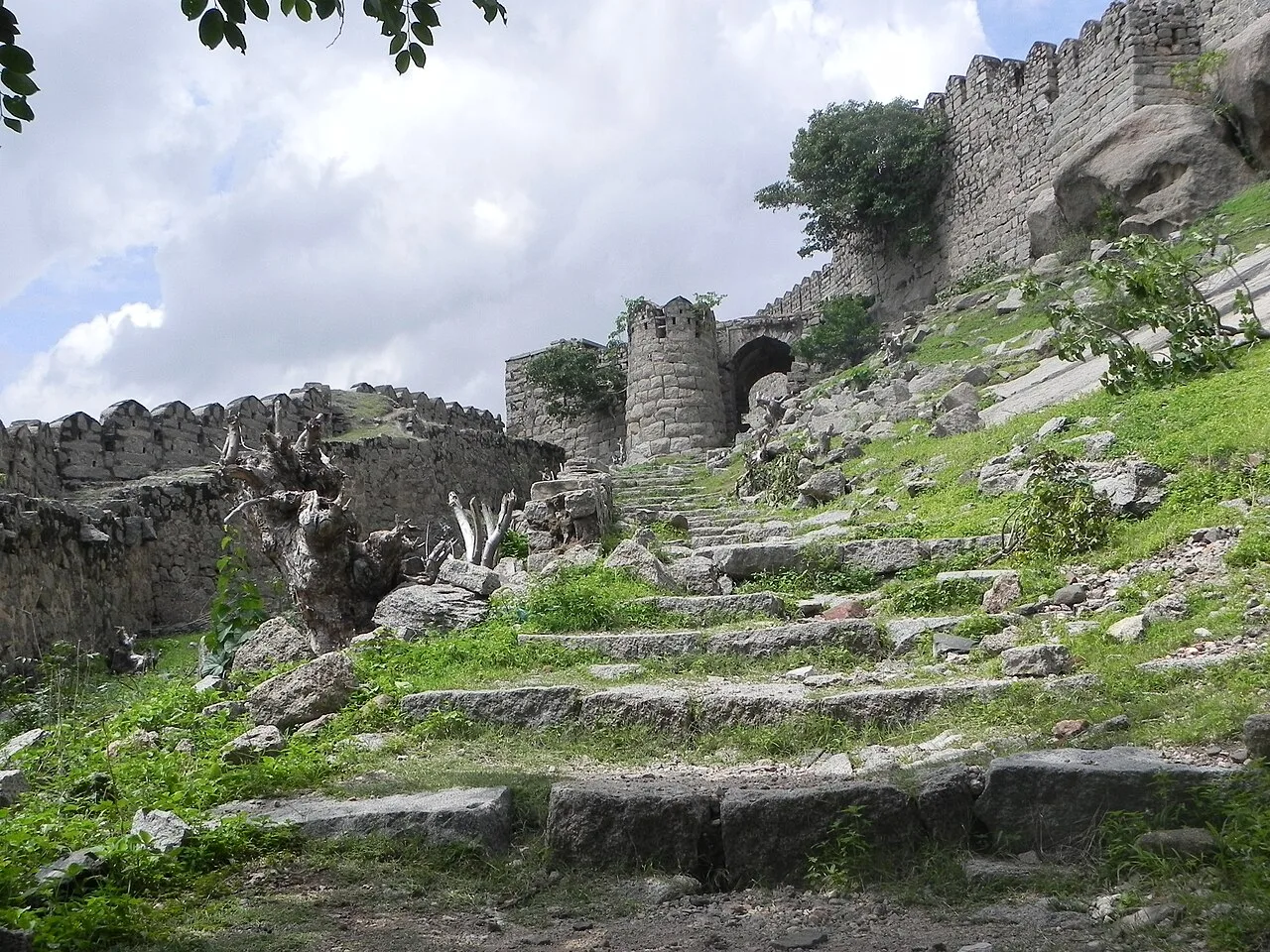
Bhongir, also called Bhuvanagiri, is a regional centre in Telangana and the headquarters of Yadadri Bhuvanagiri district. Its most recognisable landmark is Bhongir Fort, a historic stronghold set atop a striking monolithic rock beside the town.

Famous for

  • Bhongir Fort
  • Monolithic hill
  • Western Chalukya heritage
  • Yadadri temple visits
  • District headquarters

Why Bhongir matters

Bhongir, also called Bhuvanagiri, is a regional centre in Telangana and the headquarters of Yadadri Bhuvanagiri district. Its most recognisable landmark is Bhongir Fort, a historic stronghold set atop a striking monolithic rock beside the town. The steep hill and its fortifications draw visitors interested in history, architecture and panoramic views across the surrounding landscape.

The city also makes a useful base for visiting Yadadri Lakshmi Narasimha Swamy Temple, around 13 kilometres away. Bhongir lies within the Hyderabad Metropolitan Region and is connected to the state capital by road and rail, giving it a role in the movement of commuters and visitors between Hyderabad and the eastern districts. Its everyday character is that of a busy district town, with government offices, shops and local services alongside older neighbourhoods. For travellers, the appeal is the combination of a memorable hilltop fort, access to a major pilgrimage site and a glimpse of life beyond central Hyderabad.
Famous for: crafts, trade & products

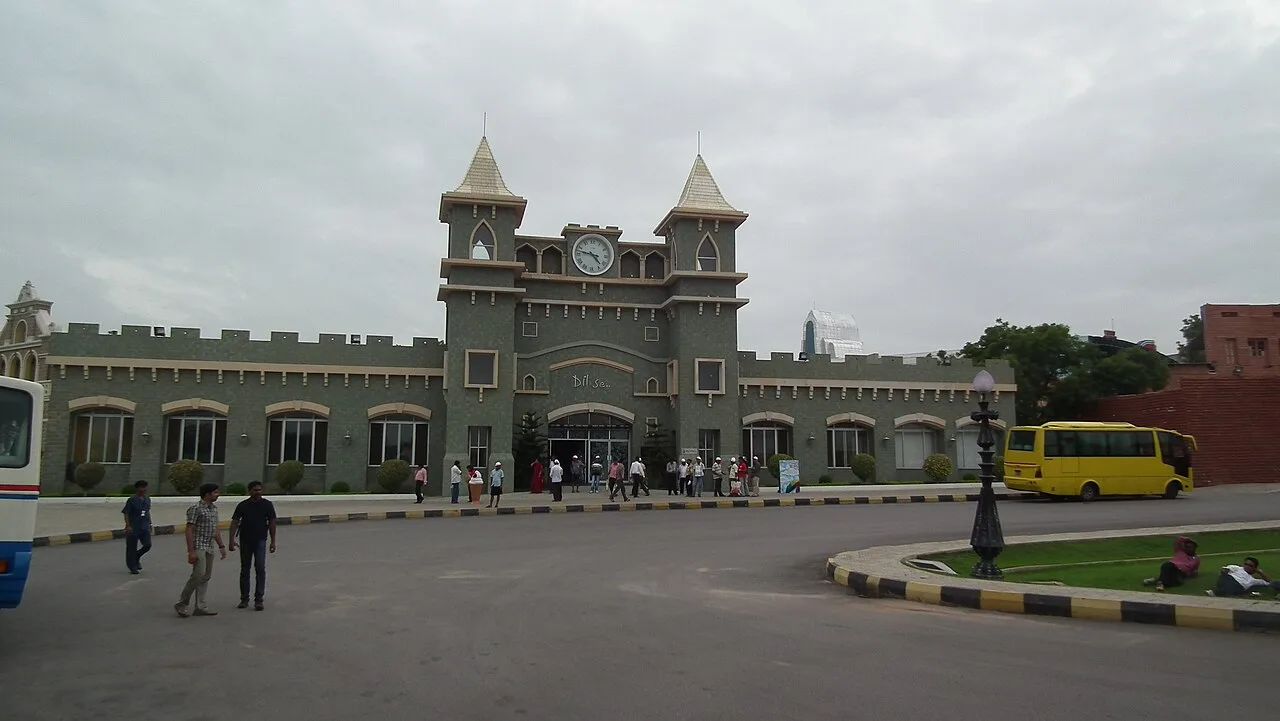
Bhongir is best known for its fort and hill rather than for a widely recognised local textile, handicraft or GI-tagged product. The town’s shops and markets mainly serve everyday needs for residents and people from nearby settlements. Visitors can browse the central commercial streets and areas around the railway station for groceries, clothing, household goods and snacks, though these are general retail areas rather than specialist craft districts.

Local trade reflects Bhongir’s role as a district headquarters and a service centre for its surrounding region. Telangana produce and everyday food items are available through neighbourhood shops and market stalls, but the city is not particularly identified with a signature manufactured product. Travellers seeking the state’s better-known handloom traditions or craft shopping will generally find a wider selection in larger centres such as Hyderabad. Near Yadadri temple, stalls and shops cater to pilgrims with पूजा items, devotional souvenirs and offerings; these are convenient for temple visits rather than representative of a distinct Bhongir craft tradition. The fort remains the city’s clearest cultural landmark and the principal reason many visitors stop here.

History

Bhongir grew around the dramatic rock fortress now known as Bhongir Fort. The fort is generally dated to the 10th century and associated with Western Chalukya ruler Tribhuvanamalla Vikramaditya VI; its earlier name, Tribhuvanagiri, is understood to have evolved into Bhuvanagiri and then Bhongir. Its elevated, defensible position made it a significant stronghold. The site is also associated with the Kakatiya period, including Queen Rudramadevi and Prataparudra II.

The fort later came under Qutb Shahi rule and, after the Mughal conquest of Golconda, Mughal control. In the early 18th century, Telangana leader Sarvai Papanna is said to have taken Bhongir. During the colonial era, the town remained part of Hyderabad State under the Nizams, within the broader system of British paramountcy. It became part of independent India with Hyderabad State’s integration. Civic administration developed in the 20th century, and Bhongir’s modern role expanded as transport links and district-level government services grew. It is now the headquarters of Yadadri Bhuvanagiri district.

Food, festivals & culture

Telugu is the principal language of everyday life, while Urdu is also spoken in the region. Bhongir’s food is typical of Telangana: rice, lentils, spicy curries and pulusu are common, with jowar-based dishes and snacks also found. Local eateries serve familiar South Indian meals and regional favourites; the town is not especially known for one signature dish or sweet. Hyderabad-style biryani and other popular foods are available in the wider area.

Bathukamma, celebrated in the post-monsoon season, and Bonalu, usually held during the monsoon months, are important Telangana festivals. Sankranti in mid-January brings harvest-season observances, while Dasara and the Muslim festivals of Ramzan and Eid are also marked. The nearby Yadadri Lakshmi Narasimha Swamy Temple is a major focus for worship and pilgrimage, and its festival calendar draws visitors to the area. Folk forms such as dappu drumming and Oggu Katha belong to the broader regional cultural tradition and may feature at community celebrations.

Visiting the city

October to February is generally the most comfortable season to explore Bhongir and climb to the fort; summer can be very hot, while monsoon weather may make rocky paths slippery. The nearest major airport is Rajiv Gandhi International Airport in Hyderabad. Bhongir railway station, also referred to as Bhuvanagiri station, serves the town, and road connections link it with Hyderabad and nearby centres.

Auto-rickshaws and local taxis are useful for getting around, including for the trip to Yadadri temple. Allow time to explore the fort hill and the old town below it; the central streets and railway-station area offer a look at everyday commerce. Wear sturdy footwear for the fort’s uneven climb, carry water and take care on exposed or steep sections.

Trips from the city

Nearest places to visit from Bhongir

Our closest destination guides, by straight-line distance.

Bhongir Fort

1 km away · Yadadri Bhuvanagiri district

Bhongir Fort

Bhongir Fort, also known as Bhuvanagiri Fort, is a stronghold in Telangana that visitors come to see for its elevated rocky setting within Bhongir.

Yadagirigutta (Yadadri) Temple

10 km away · Yadadri Bhuvanagiri district

Yadagirigutta (Yadadri) Temple

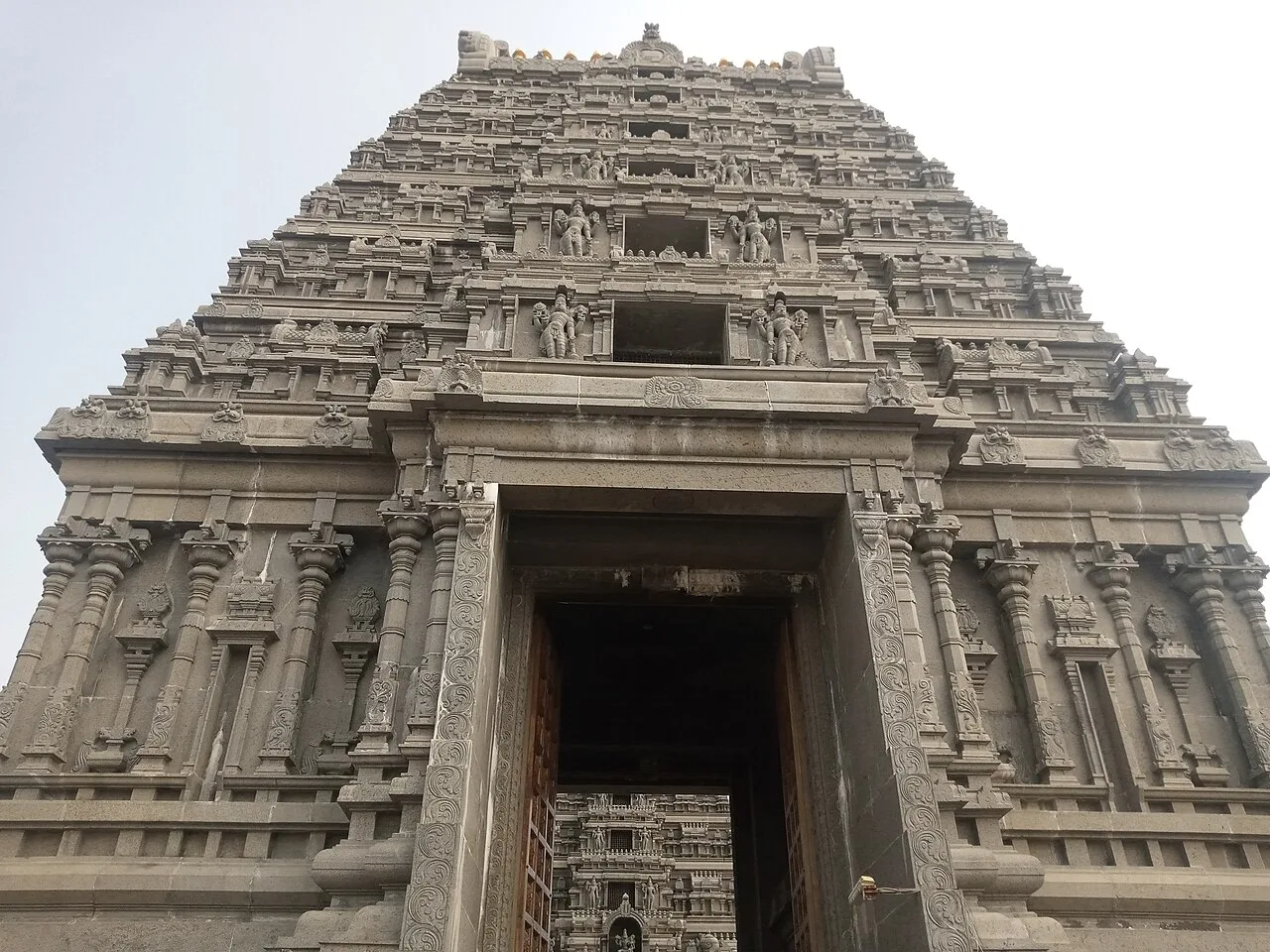
Yadadri Temple is a Hindu shrine near Yadagirigutta in Telangana’s Yadadri Bhuvanagiri district. Visitors come to worship Narasimha, an avatar of Vishnu.

20 km away · Yadadri Bhuvanagiri district

Pochampally Ikat Village

Bhoodan Pochampally is a census town in Telangana known for its handloom Ikat sarees. Visitors are drawn by its textile production and the many looms used to make them.

29 km away · Yadadri Bhuvanagiri district

Koyalagudem

Koyalagudem is a village in Telangana’s Yadadri Bhuvanagiri district. Visitors may be interested in its Ikat handloom industry, which makes cotton and silk textiles for domestic use and export.

31 km away · Jangaon district

Pembarthi Brassware Village

Pembarthi is a Telangana village known for brassware and metalworking. Visitors come to see the statues and presentation awards fashioned by its skilled artisans.

Ramoji Film City

36 km away · Ranga Reddy district

Ramoji Film City

Ramoji Film City is a large film-production complex in Telangana, near Hyderabad. Visitors come for its studio facilities, film sets, natural landscapes and amusement park.

Shamirpet Lake

36 km away · Medchal–Malkajgiri district

Shamirpet Lake

Shamirpet Lake, also called Pelle Cheruvu, is a man-made water body in Telangana, close to Hyderabad. Visitors come to see the lake and spend time beside it.

Hussain Sagar

45 km away · Hyderabad district

Hussain Sagar

Hussain Sagar is a lake in Hyderabad, known for its heart-like shape and the Gautama Buddha statue at its centre. Visitors come to see these features and the setting between Hyderabad and Secunderabad.

Map

Bhongir on the map

  1. 1Bhongir Fort
  2. 2Yadagirigutta (Yadadri) Temple
  3. 3Pochampally Ikat Village
  4. 4Koyalagudem
  5. 5Pembarthi Brassware Village
  6. 6Ramoji Film City
  7. 7Shamirpet Lake
  8. 8Hussain Sagar

Telangana

Other cities to explore