Ghumoopedia — Explore, Discover, Experience
Sign in
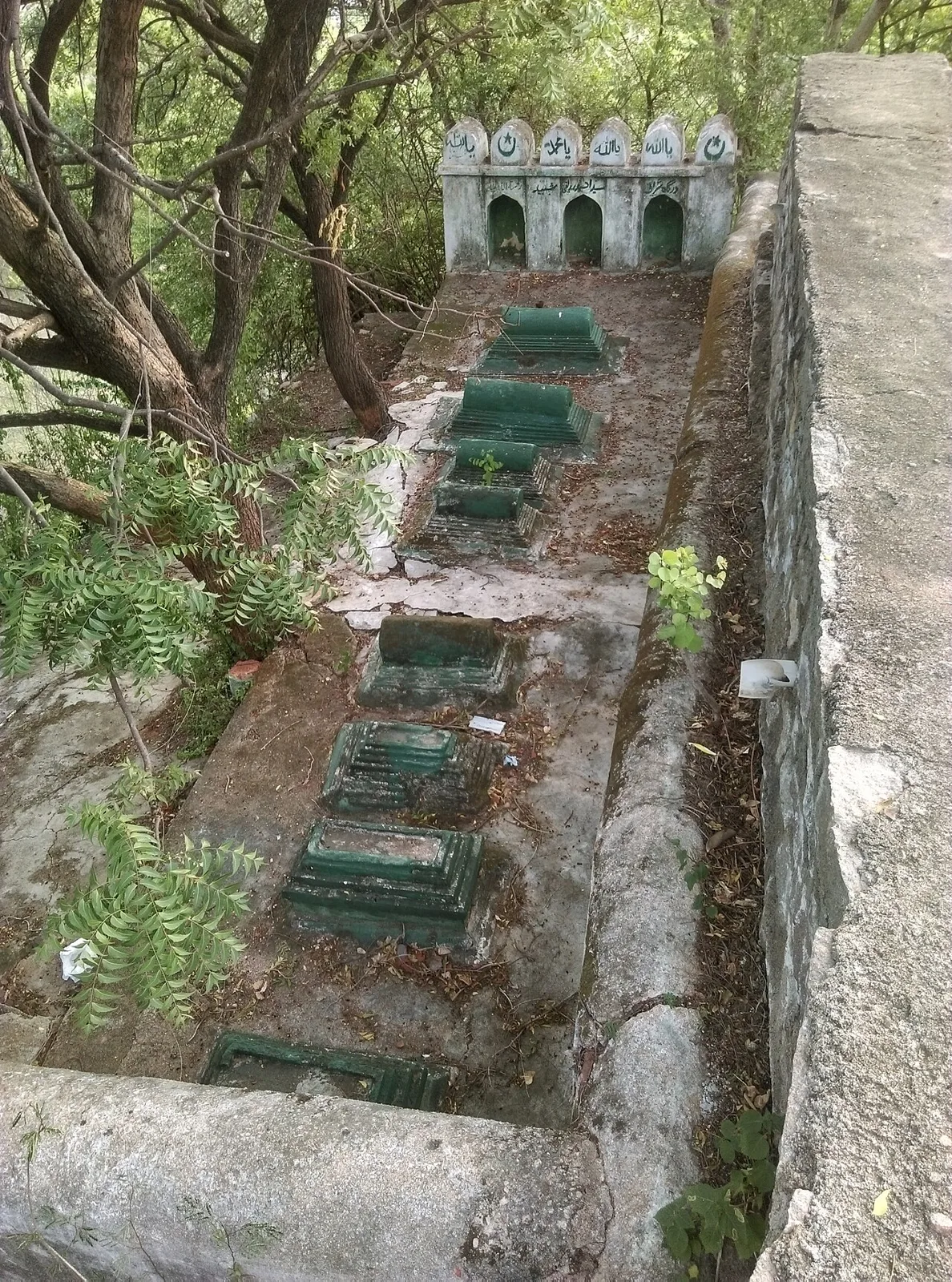
Nizamabad Fort, near Bodhan

City guide · Telangana

Bodhan

Bodhan is a historic town in Nizamabad district and a commercial centre for the surrounding part of north Telangana. Its importance reaches back to ancient Podana, associated with the Asmaka region, and continues through layers of religious, political and industrial history.

Famous for

  • Historic temple heritage
  • Sugar industry legacy
  • Buddhist heritage
  • Bhimuni Gutta
  • Pampa tradition

Why Bodhan matters

Bodhan is a historic town in Nizamabad district and a commercial centre for the surrounding part of north Telangana. Its importance reaches back to ancient Podana, associated with the Asmaka region, and continues through layers of religious, political and industrial history. Today, local trade and services connect Bodhan with nearby settlements, while its sugar-industry legacy recalls a period of major growth in the twentieth century.

Visitors come for places of worship and heritage sites, including Sri Ekachakreshwara Temple and Sri Indranarayana Temple, noted locally for its pillared architecture. Buddhist traces and traditions associated with the Jain poet Pampa add to the town’s historical interest. At Rakasipet, Bhimuni Gutta is linked in local tradition with the story of Bhima and Bakasura; nearby water sites such as Pandu Teertha also carry local legends. Bodhan is best explored as a working town with a long past, rather than as a resort destination.
Famous for: crafts, trade & products

Bodhan’s most distinctive commercial association is sugar. A large sugar factory developed here under the Nizams and helped shape employment and trade in the twentieth century. Its history is an important part of the town’s identity, though visitors should not assume that factory premises are open to the public or that production is currently under way. Sugar and everyday goods may be found through local retailers and grocery shops.

The town is not especially known for a signature textile, handicraft or GI-tagged product. For practical shopping, explore the central market and bazaar streets, where local shops serve residents and nearby villages with household goods, clothing and provisions. These are everyday retail areas rather than specialist craft markets. Bodhan’s cultural appeal is more closely tied to its temples, historical associations and industrial past than to a particular artisan tradition. Visitors looking for regional handlooms or crafts may find a wider selection in larger Telangana centres, while Bodhan’s own shops offer a glimpse of local trade and daily life.

History

Bodhan is identified with ancient Podana or Podanapura, associated with the Asmaka Mahajanapada. It later held importance under the Satavahanas and is linked with the Vemulawada Chalukya ruler Vinayaditya, who is said to have made it a capital. The town’s history also reflects the influence of the Rashtrakutas, Kakatiyas, Bahmani Sultans and Qutb Shahis. Local Jain tradition connects Bodhan with the poet Pampa, whose samadhi is believed to be here, while Buddhist remains point to the area’s place on older religious and trade routes.

During the colonial period, Bodhan was part of the princely state of Hyderabad under the Nizams, rather than a directly administered British town. Its modern growth accelerated with the development of a major sugar factory during the reign of the seventh Nizam. The industry brought employment and trade, helping Bodhan expand as a regional town. It is now part of Telangana and remains an important market centre for nearby communities.

Food, festivals & culture

Daily life in Bodhan reflects the Telugu-speaking culture of Telangana, alongside Urdu and other languages used in the region. Local meals commonly draw on rice, lentils, seasonal vegetables and chilli-based preparations; jonna rotti and dishes such as sarva pindi are familiar regional foods. Sweets including ariselu and boorelu are often prepared for celebrations, though Bodhan is not especially known for a distinct signature dish.

Bathukamma and Dasara are celebrated in autumn, with Bathukamma’s floral gatherings especially associated with Telangana. Bonalu is observed during the monsoon season, while Sankranti brings harvest-time customs in January; Eid celebrations follow the Islamic calendar. Temple worship is part of community life at Sri Ekachakreshwara and Sri Indranarayana temples, and local shrines draw devotees through the year. Folk songs and dances form part of seasonal and religious gatherings. The town’s heritage also includes Buddhist and Jain associations, reflected in its historical sites and traditions.

Visiting the city

October to February is generally the most comfortable season to visit; summers can be very hot, and monsoon travel may bring rain. Nanded Airport is geographically closer, though flight services may be limited. Rajiv Gandhi International Airport in Hyderabad is the main commercial gateway used by many visitors. Bodhan railway station serves the town, while Nizamabad Junction is a nearby rail hub with broader connections.

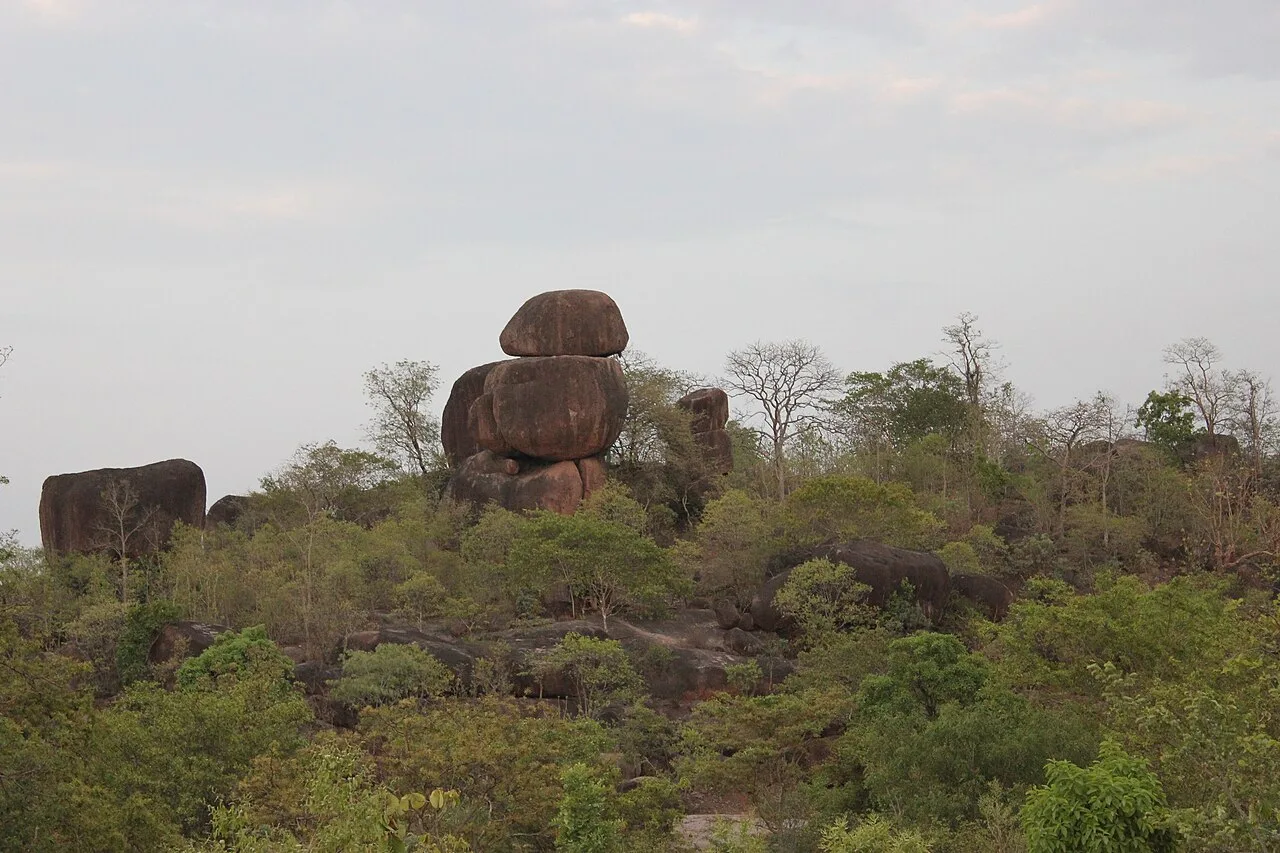
Auto-rickshaws, local buses and hired cars are practical ways to get around. Explore the older temple areas for Sri Ekachakreshwara and Sri Indranarayana temples, then visit Rakasipet for Bhimuni Gutta. Pandu Teertha and Chakra Teertha offer further local historical and religious context. Amdapur, a nearby village with temples, can be considered as a short excursion; check local access before setting out.

Trips from the city

Nearest places to visit from Bodhan

Our closest destination guides, by straight-line distance.

Nizamabad Fort

20 km away · Nizamabad district

Nizamabad Fort

Nizamabad Fort, also called Nizamabad Quilla, is a tenth-century stronghold in Telangana. Visitors come to see its hilltop temple and distinctive pillar, while the temple is a place of worship for Hindu devotees.

Basar Gnana Saraswati Temple

25 km away · Nirmal district

Basar Gnana Saraswati Temple

Basar Gnana Saraswati Temple is a Hindu shrine dedicated to Saraswati. Families visit with children for Akshara abyasam, a ceremony marking the beginning of learning.

Nizam Sagar Dam

51 km away · Nizamabad district

Nizam Sagar Dam

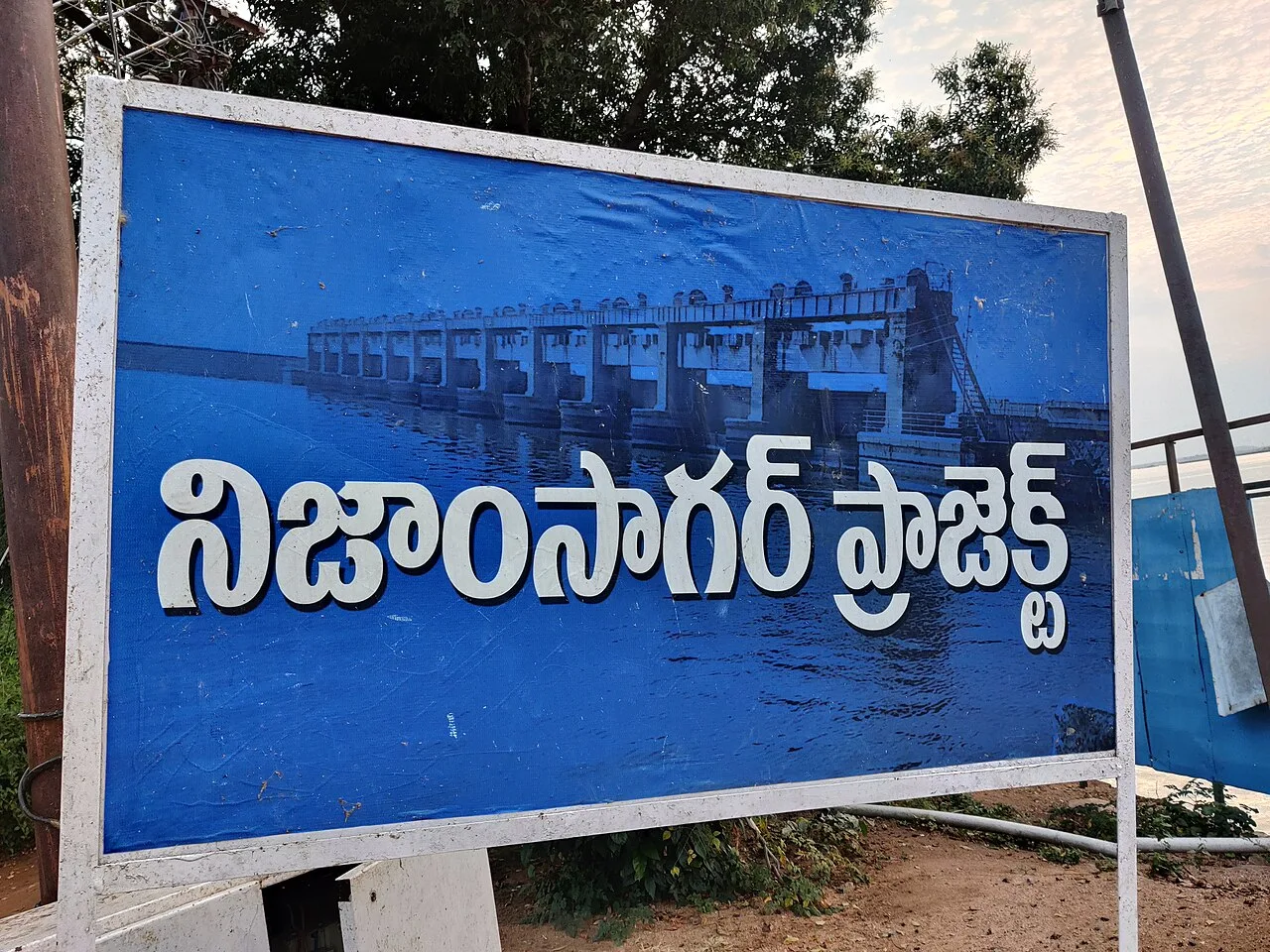
Nizam Sagar is a dam and reservoir on the Manjira River in Telangana, named for Hyderabad’s Nizam. Visitors come to view Telangana’s oldest dam and its reservoir.

Pocharam Wildlife Sanctuary

68 km away · Medak district

Pocharam Wildlife Sanctuary

Pocharam Wildlife Sanctuary is a forest reserve across Medak and Kamareddy districts in Telangana, attracting visitors with its bird and mammal life and ecotourism centre.

74 km away · Kamareddy district

Domakonda

Domakonda is a village in Telangana’s Kamareddy district, within Domakonda mandal. The stated details establish its location but do not identify a particular attraction or reason for visiting.

Kondagattu Anjaneya Temple

76 km away · Jagtial district

Kondagattu Anjaneya Temple

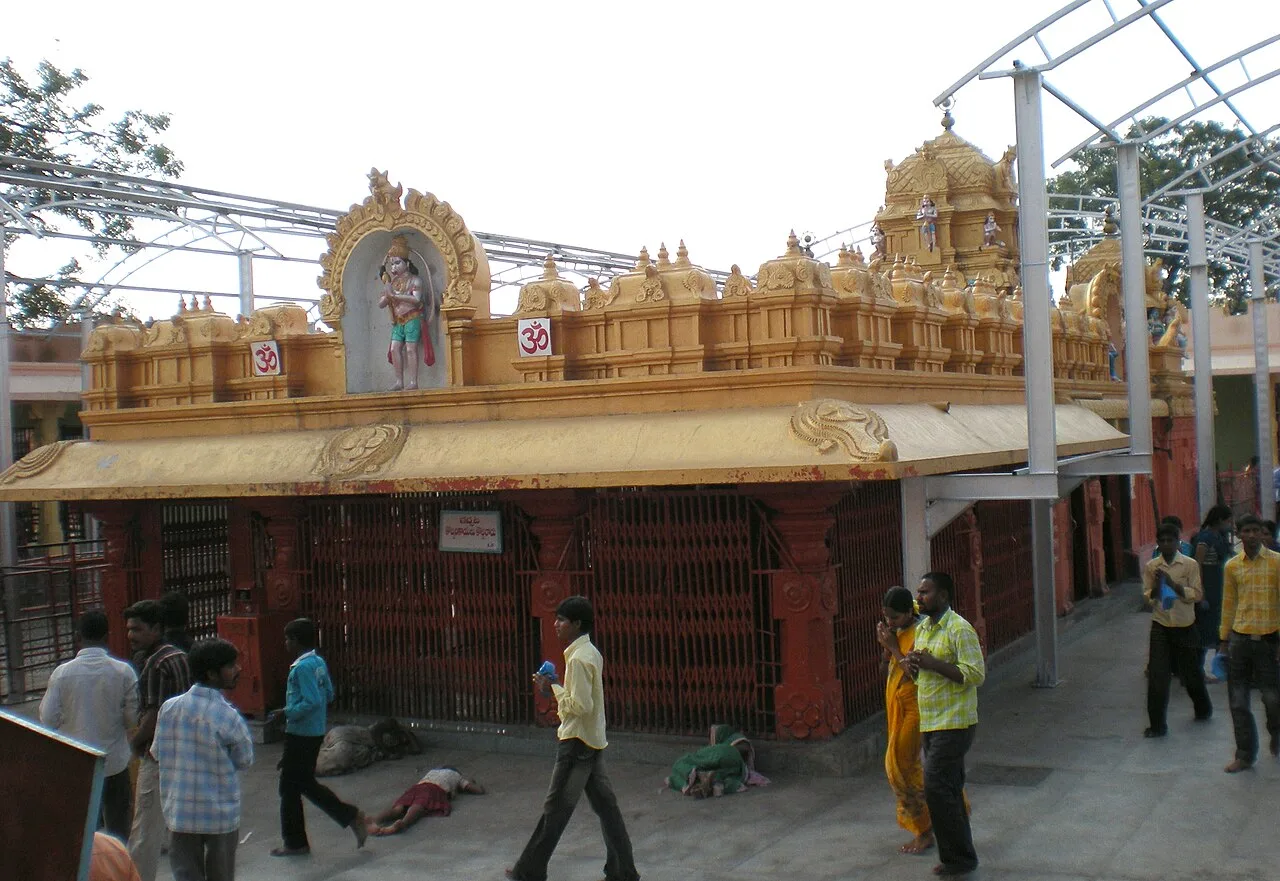
Kondagattu Anjaneya Temple is a shrine in Telangana devoted to Lord Anjaneya Swamy. People visit to worship the deity at the temple in Muthyumpeta village.

Medak Cathedral

79 km away · Medak district

Medak Cathedral

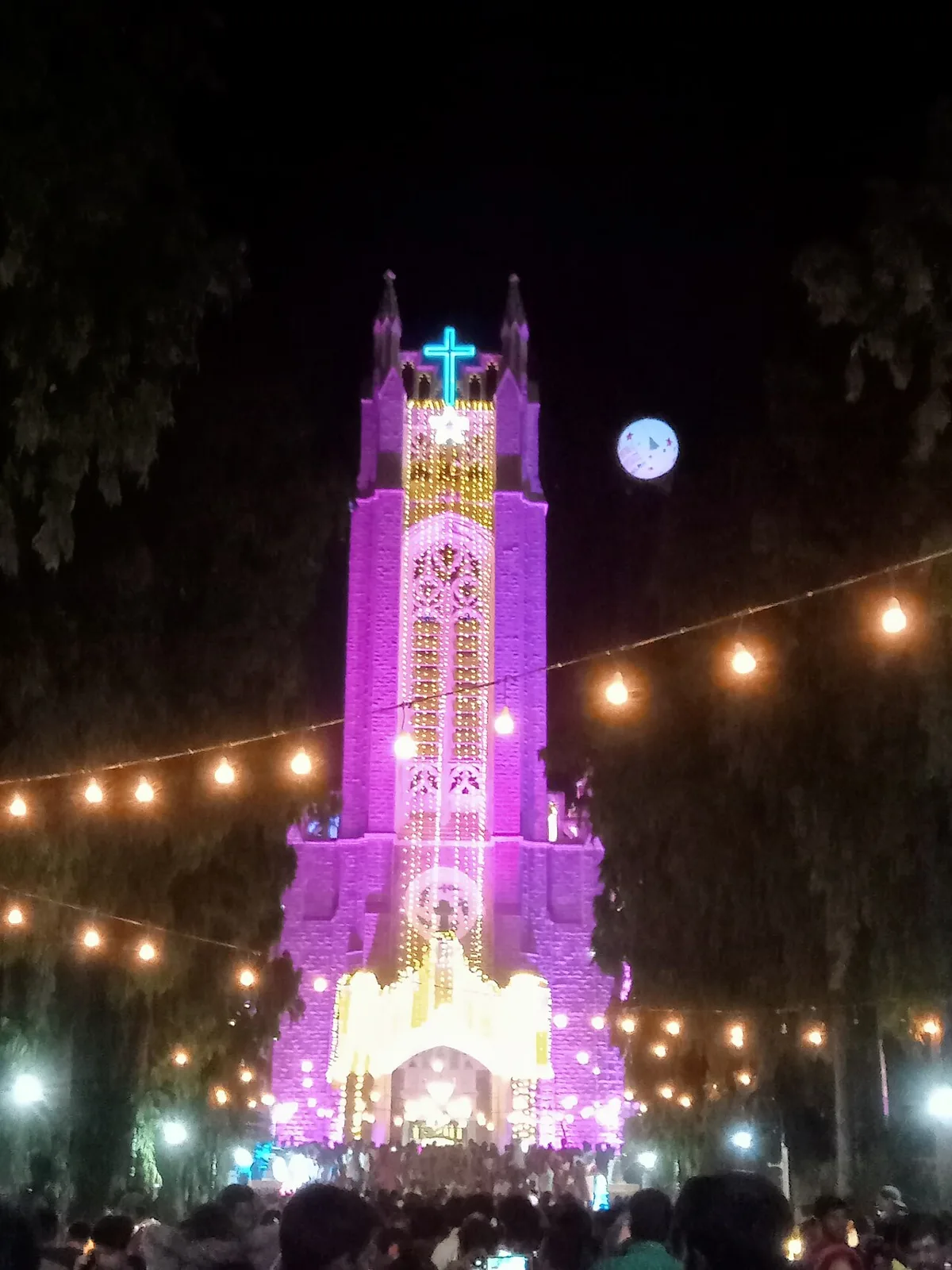
Medak Cathedral is a major church in Telangana, recognised among India’s largest. Visitors come to see its scale and its longstanding role as the cathedral for the Diocese of Medak.

Medak Fort

79 km away · Medak district

Medak Fort

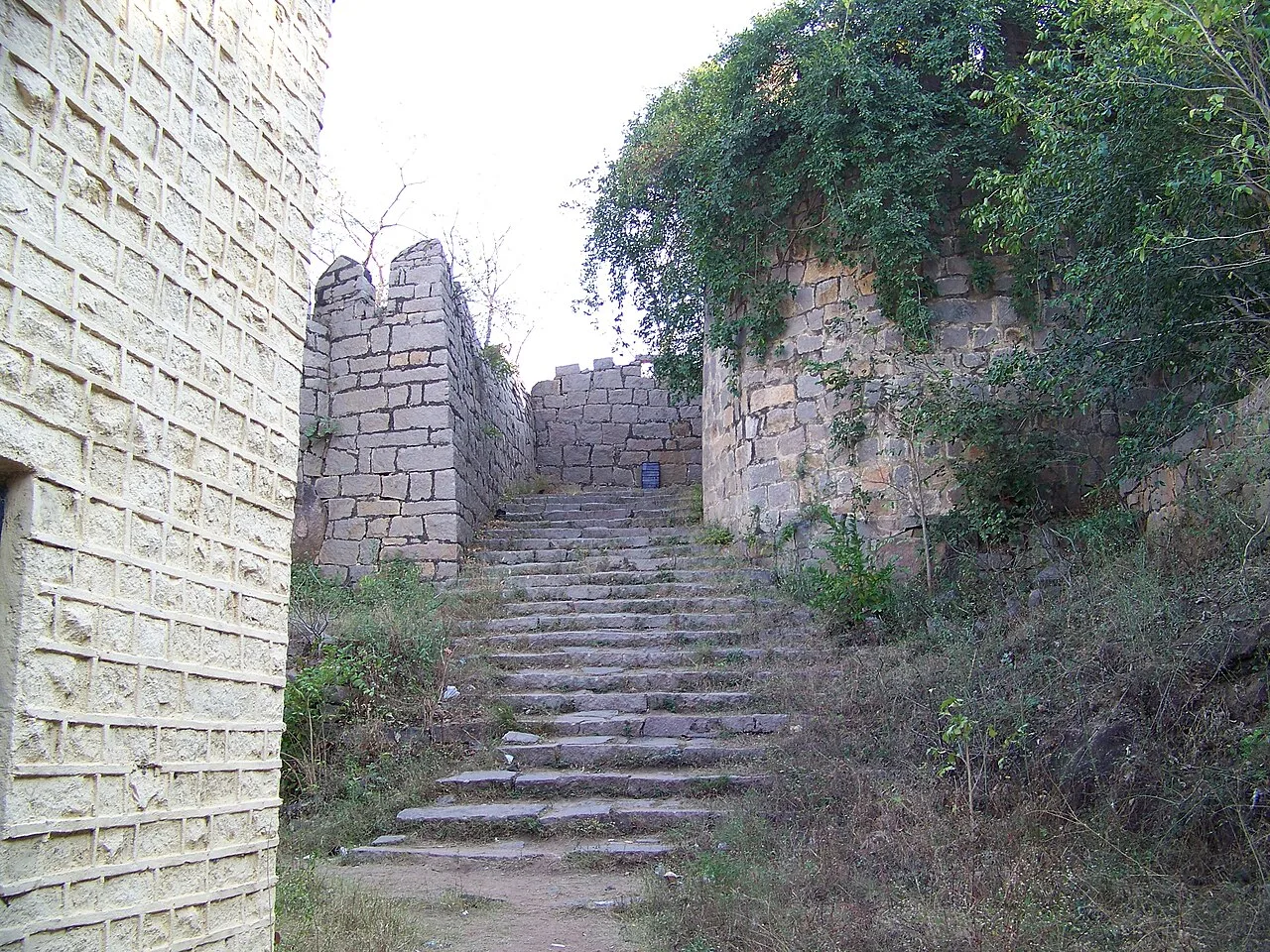
This hilltop stronghold in Telangana’s Medak district reflects the history of several medieval powers. Visitors come to see its historic citadel and three named gateways.

Map

Bodhan on the map

  1. 1Nizamabad Fort
  2. 2Basar Gnana Saraswati Temple
  3. 3Nizam Sagar Dam
  4. 4Pocharam Wildlife Sanctuary
  5. 5Domakonda
  6. 6Kondagattu Anjaneya Temple
  7. 7Medak Cathedral
  8. 8Medak Fort

Telangana

Other cities to explore