Ghumoopedia — Explore, Discover, Experience
Sign in
Elgandal Fort, near Sircilla

City guide · Telangana

Sircilla

Sircilla is the administrative centre of Rajanna Sircilla district and one of Telangana’s best-known textile towns. Its many power looms, dyeing and processing units make textiles central to local livelihoods and give the town an industrial character distinct from the region’s better-known temple destinations.

Famous for

  • Power-loom textiles
  • Textile processing
  • Telangana weaving industry
  • Vemulawada temple nearby

Why Sircilla matters

Sircilla is the administrative centre of Rajanna Sircilla district and one of Telangana’s best-known textile towns. Its many power looms, dyeing and processing units make textiles central to local livelihoods and give the town an industrial character distinct from the region’s better-known temple destinations. The government has proposed developing Sircilla and Warangal as a mega textile zone, reflecting the town’s continuing role in the state’s textile sector.

Visitors come to see the town’s working textile economy and to use it as a base for exploring this part of Telangana. Vemulawada, home to the well-known Rajarajeshwara Swamy Temple, is about 10 km away. Sircilla also has a place in modern regional history: the first Visalandhra Mahasabha in Telangana was held here during the Visalandhra movement. Set beside the Manair River, it is a practical stop for travellers moving between Karimnagar, Siddipet and other district centres, as well as a destination for those interested in Telangana’s textile production.
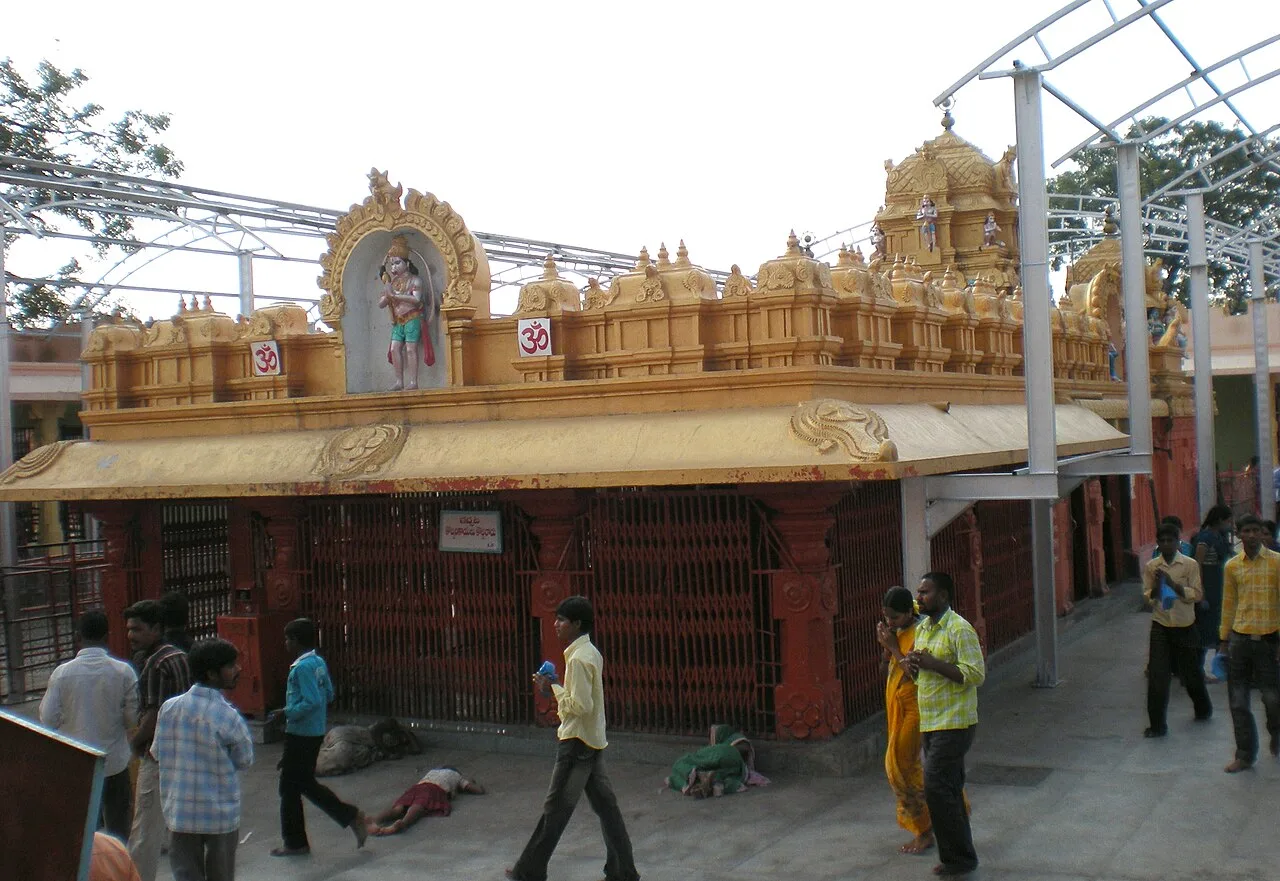
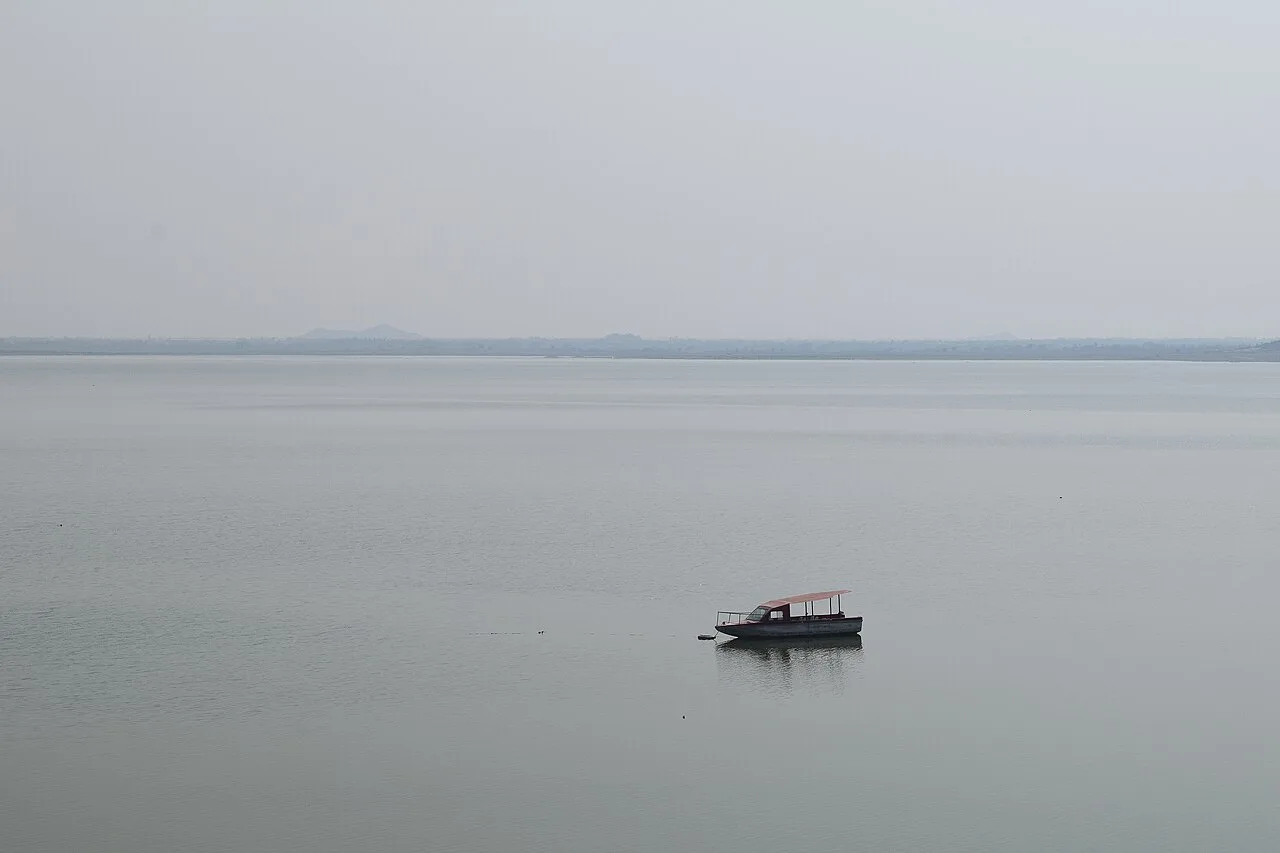
Famous for: crafts, trade & products

Sircilla is best known for power-loom cloth and the network of weaving, dyeing and textile-processing businesses that supports its industry. The town’s output is associated with everyday fabrics and manufactured textiles rather than a single signature handloom weave. Visitors can look for textile shops in the town centre and ask locally about sales from weaving or processing units; access to factory premises may need to be arranged directly. The town’s busy production areas offer a sense of how textile work shapes local commerce, though they are working industrial spaces rather than visitor attractions.

Sircilla’s reputation rests chiefly on its textile industry, not on a widely established GI-tagged craft or a specific handicraft tradition. It is therefore useful to check the fibre, construction and place of manufacture when buying cloth, and not assume that all locally sold textiles are handwoven. The industry is also part of wider development plans: Sircilla has been proposed alongside Warangal for a mega textile zone. For a contrasting regional craft experience, travellers can explore handloom traditions elsewhere in Telangana, while treating Sircilla primarily as a centre of power-loom production.

History

Sircilla’s history is closely tied to the wider Telangana and Deccan region. During the colonial period, the area formed part of Hyderabad State, a princely state under British paramountcy; the town’s modern identity, however, is more strongly associated with its textile economy than with surviving colonial-era landmarks. Its location on the Manair River and its connections with nearby regional centres helped it serve as a local hub.

A notable political milestone came during the Visalandhra movement, when the first Visalandhra Mahasabha in Telangana was held in Sircilla. In the modern era, the growth of power looms and textile processing transformed the town’s economy and public identity. Sircilla Municipality was established in 1952, and the town is now the headquarters of Rajanna Sircilla district. Its continuing development is linked to the textile sector, including plans proposed by the Telangana government to develop it as part of a larger textile zone with Warangal.

Food, festivals & culture

Telugu is the main language of everyday life, with Urdu also heard in the region. Sircilla shares the food and festive traditions of Telangana: meals commonly feature rice, lentils, chilli-rich curries and seasonal vegetables, while jonna rotte and sarva pindi are familiar regional foods. Sweets and savoury snacks are especially prominent around celebrations, though the town is not defined by one widely recognised signature dish.

Bathukamma, celebrated in the monsoon-to-autumn season, is an important Telangana festival, while Dasara and Sankranti bring family gatherings, worship and festive foods. Bonalu is also observed in parts of the state during the summer festival season. Local temples and mosques serve neighbourhood communities; the major nearby pilgrimage destination is the Rajarajeshwara Swamy Temple at Vemulawada. Telangana folk performance traditions, including dappu drumming, kolatam and Oggu Katha, are part of the broader cultural setting and may be encountered during community or festival events.

Visiting the city

The cooler months, roughly October to February, are generally the most comfortable time to visit; summers can be very hot, and monsoon weather may affect road journeys. Hyderabad’s Rajiv Gandhi International Airport is the main air gateway. Sircilla railway station is the town’s rail stop on the Manoharabad–Kothapalli broad-gauge line. Road links connect it with Karimnagar, Siddipet and other district centres.

Auto-rickshaws and local vehicles are useful for getting around town; arrange a car or taxi for nearby excursions such as Vemulawada. Explore the central market area for shops and everyday town life, and ask locally about textile outlets or production units. Industrial areas are mainly workplaces, so visitors should confirm access before setting out. Sircilla also makes a convenient base for short regional trips.

Trips from the city

Nearest places to visit from Sircilla

Our closest destination guides, by straight-line distance.

12 km away · Rajanna Sircilla district

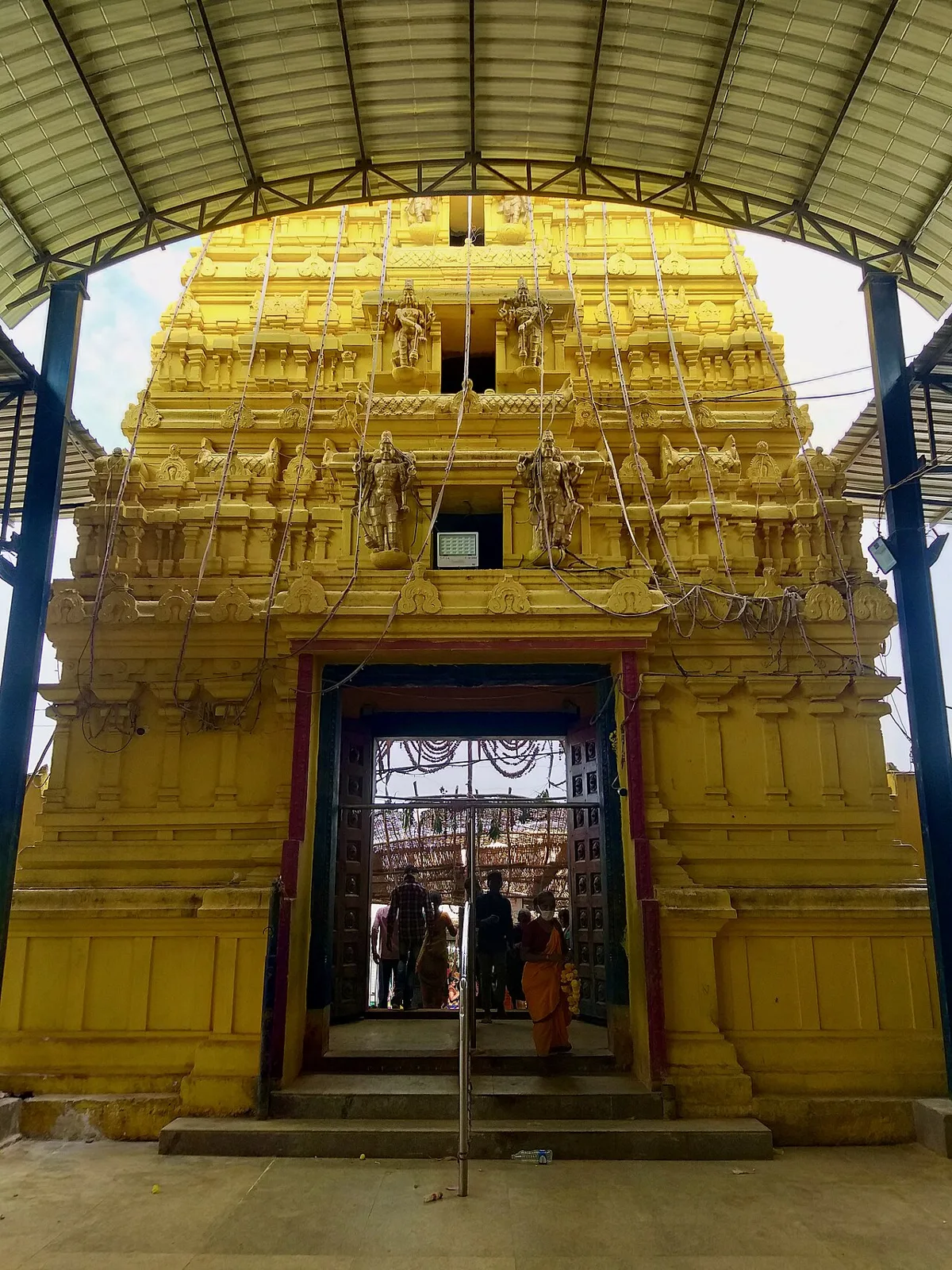
Vemulawada Raja Rajeshwara Temple

A Hindu shrine in Telangana, Vemulawada Raja Rajeshwara Temple is devoted to Shiva; visitors come to worship, while its location connects it with the history of the Vemulawada Chalukyas.

Elgandal Fort

25 km away · Karimnagar district

Elgandal Fort

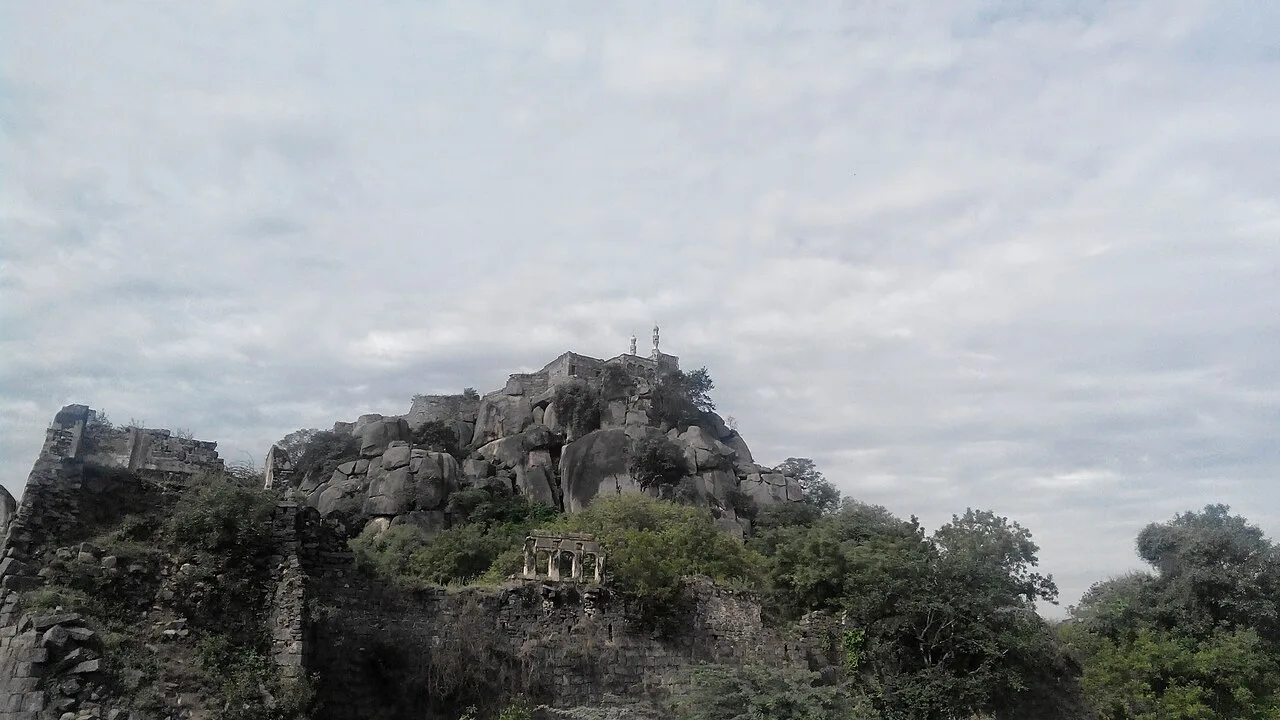
Elgandal Fort is a historic stronghold in Telangana, near Karimnagar and the Manair River. Visitors can explore its connections to successive rulers and its former role as a regional headquarters.

Kondagattu Anjaneya Temple

27 km away · Jagtial district

Kondagattu Anjaneya Temple

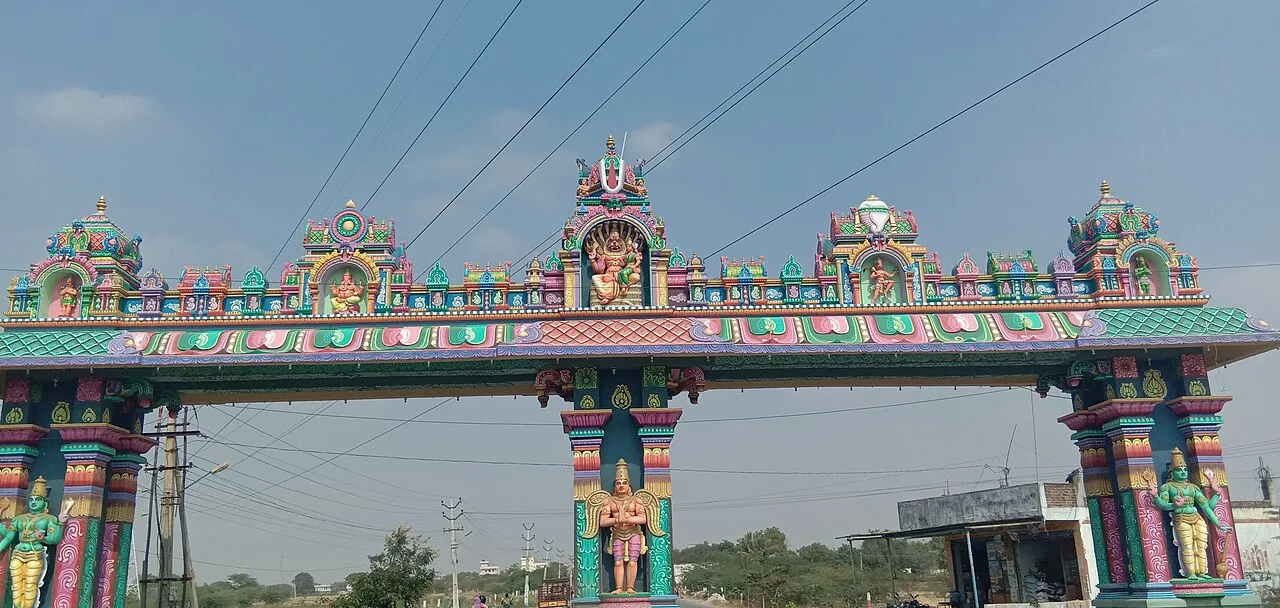
Kondagattu Anjaneya Temple is a shrine in Telangana devoted to Lord Anjaneya Swamy. People visit to worship the deity at the temple in Muthyumpeta village.

Lower Manair Dam

34 km away · Karimnagar district

Lower Manair Dam

Lower Manair Dam is a Telangana structure on the Manair River, built between 1974 and 1985. Visitors interested in irrigation infrastructure may value its role in serving a 163,000-hectare area.

42 km away · Kamareddy district

Domakonda

Domakonda is a village in Telangana’s Kamareddy district, within Domakonda mandal. The stated details establish its location but do not identify a particular attraction or reason for visiting.

Komuravelli Mallanna Temple

52 km away · Siddipet district

Komuravelli Mallanna Temple

This hilltop Hindu shrine in Komuravelli, Siddipet district, honours Mallanna, a form of Shiva. Visitors come to worship him, including Maharashtrian devotees who know him as Khandoba.

Cheriyal

54 km away · Siddipet district

Cheriyal

Cheriyal is a village in Telangana’s Siddipet district, known for Nakashi families who make painted story scrolls and masks. Visitors come to learn about this regional art and its mythological themes.

Medak Cathedral

68 km away · Medak district

Medak Cathedral

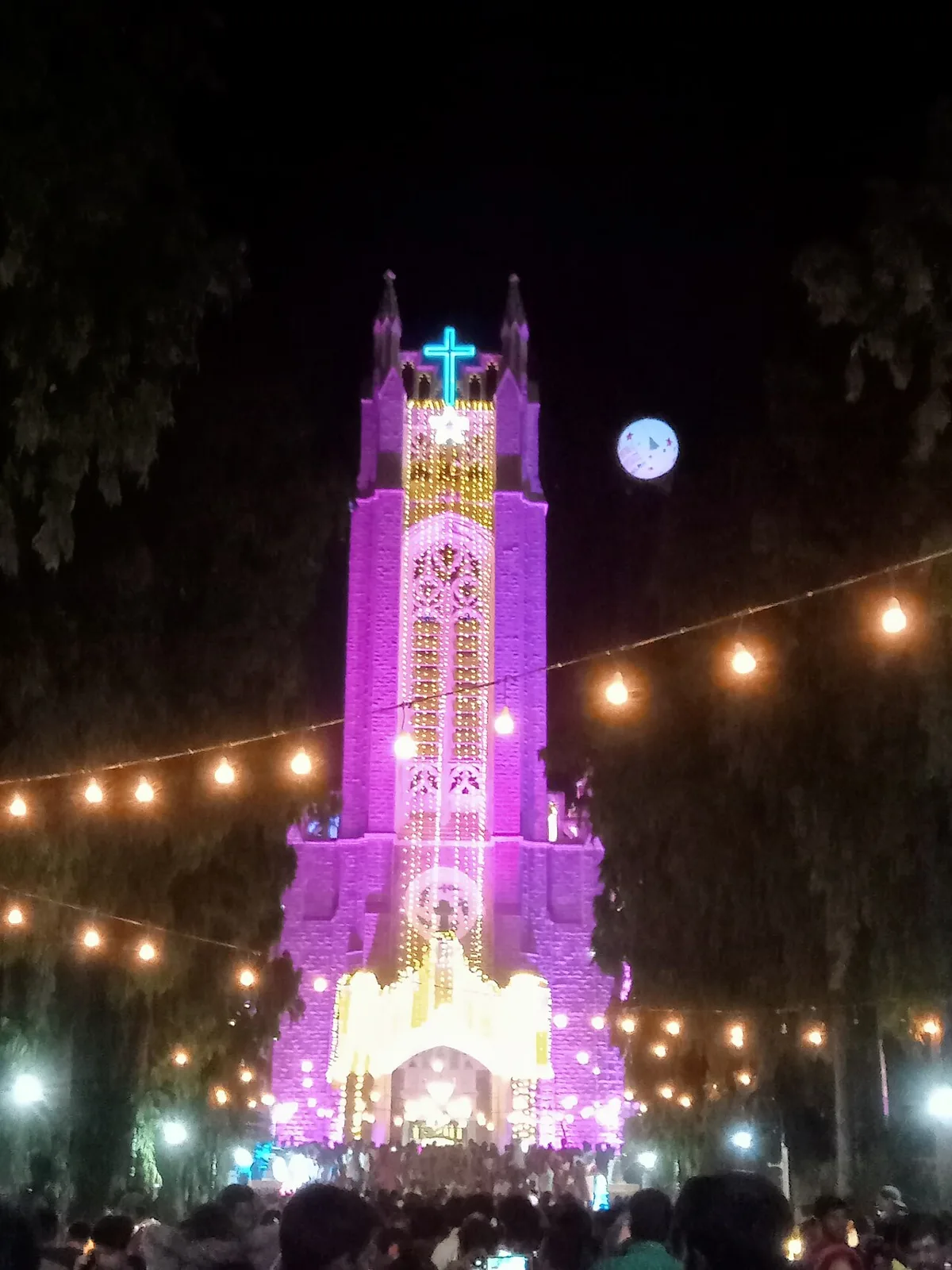
Medak Cathedral is a major church in Telangana, recognised among India’s largest. Visitors come to see its scale and its longstanding role as the cathedral for the Diocese of Medak.

Map

Sircilla on the map

  1. 1Vemulawada Raja Rajeshwara Temple
  2. 2Elgandal Fort
  3. 3Kondagattu Anjaneya Temple
  4. 4Lower Manair Dam
  5. 5Domakonda
  6. 6Komuravelli Mallanna Temple
  7. 7Cheriyal
  8. 8Medak Cathedral

Telangana

Other cities to explore