
District · Andhra Pradesh
Guntur
Guntur offers a view of Andhra Pradesh’s productive inland plains and a city shaped by agricultural trade, especially the chilli economy.
Guntur combines the cultivated plains of the Krishna river region with a busy urban centre known for agricultural trade, particularly chillies. Fields, settlements and village water bodies shape much of its landscape; Uppalapadu, near Guntur city, offers a rewarding introduction to the area's birdlife. The wider historical Guntur region brings together Buddhist archaeology, hill forts and Hindu pilgrimage traditions. Amaravati Mahachaitya, built in phases over several centuries, preserves the memory of a major Buddhist centre, while Kondaveedu Fort and Kotappakonda add hilltop heritage and religious significance. These three destinations now lie in neighbouring Palnadu district, rather than present-day Guntur. Travellers should therefore distinguish current administrative boundaries from the broader cultural region when planning excursions from Guntur city.
Guntur offers a view of Andhra Pradesh’s productive inland plains and a city shaped by agricultural trade, especially the chilli economy. Its fields, village tanks and busy markets contrast with the quieter bird habitat at Uppalapadu, close to the city. Guntur is also a practical base for exploring the wider historic region, where Buddhist heritage and hilltop pilgrimage sites are prominent. Travellers should note that Amaravati Mahachaitya, Kondaveedu Fort and Kotappakonda are now in neighbouring Palnadu district, not present-day Guntur. The district suits visitors interested in everyday regional life, rural landscapes and heritage excursions planned across current administrative boundaries.
The wider Guntur region has a long history of settlement and religious exchange. The Buddhist centre associated with Amaravati Mahachaitya, now in Palnadu district, developed over several centuries; the area was also connected with early Andhra dynasties, including the Satavahanas and Ikshvakus. In later periods, parts of the region came under successive powers such as the Eastern Chalukyas, Kakatiyas and Vijayanagara rulers, followed by the Qutb Shahis and other Deccan authorities. These histories belong to a broader region and should not be read as a record of sites all lying within today’s Guntur district. During the colonial era, the area came under British administration and was incorporated into the Madras Presidency. It became part of Andhra State after that state was formed in 1953, and then Andhra Pradesh in 1956. Andhra Pradesh reorganised its districts in 2022: present-day Guntur was reduced in extent, with Palnadu formed as a separate neighbouring district. This change places several familiar historic destinations outside Guntur’s current boundary.
4 destination guides · 3 on the map
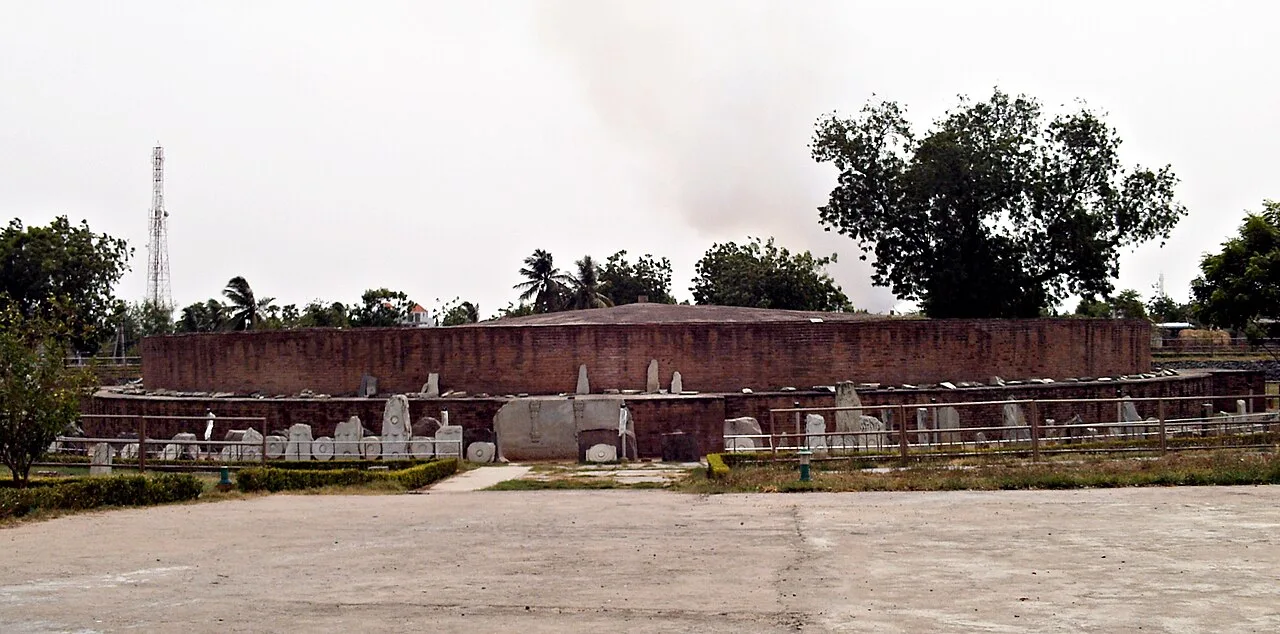
Amaravati Mahachaitya (Great Stupa)
Amaravati Mahachaitya is the remains of a major Buddhist stupa in Andhra Pradesh. Visitors come to see its archaeological remains and learn about its influential sculpture and history.
Kondaveedu Fort
Kondaveedu Fort is a hill stronghold in Andhra Pradesh, known for its association with the Reddy dynasty and a succession of rulers. Visitors explore its ruined fortifications and the remains of magazines and storehouses.
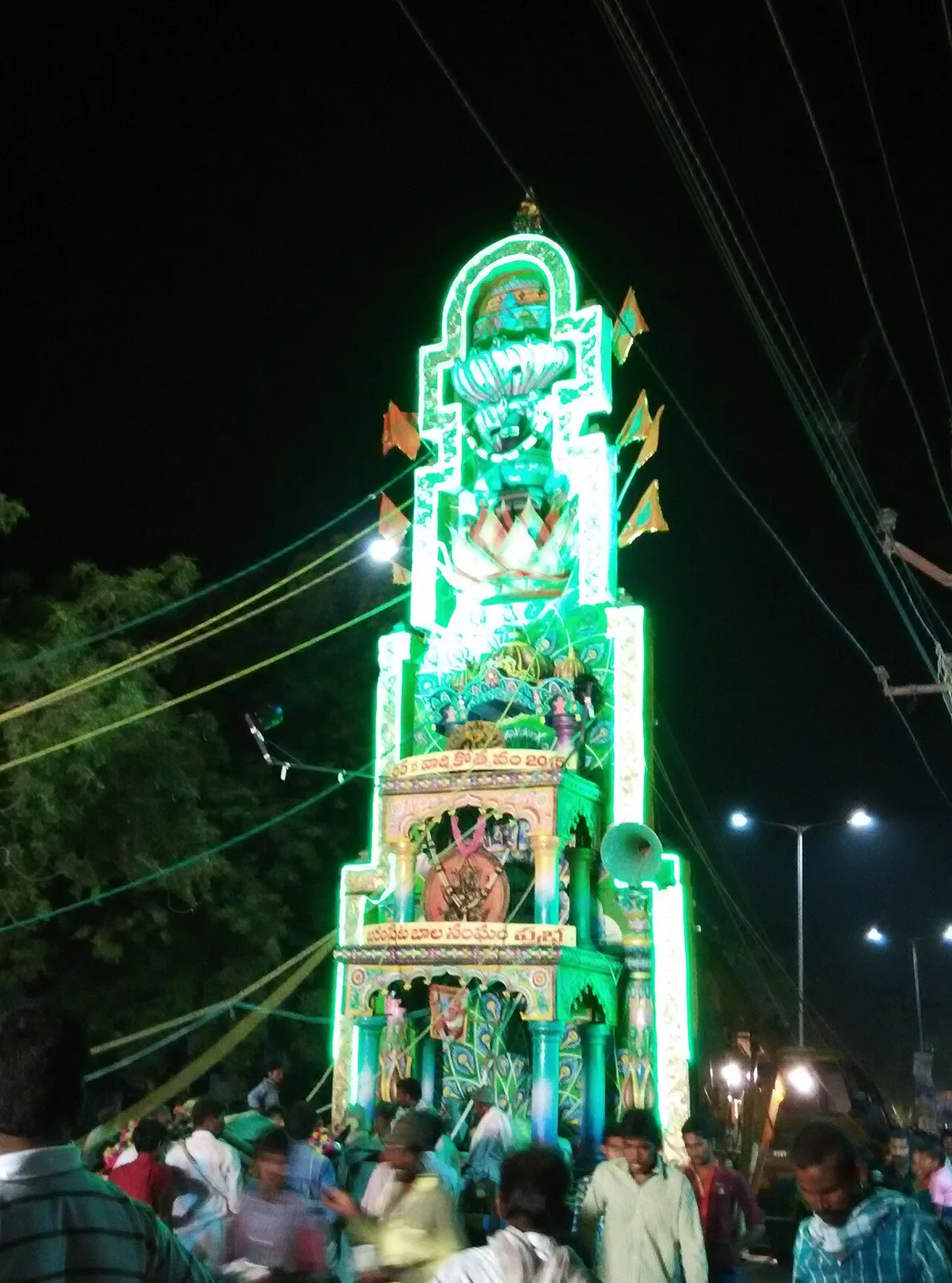
Kotappakonda Temple
A Hindu pilgrimage destination in Palnadu district, Andhra Pradesh, Kotappakonda is visited for the Trikoteswara Swamy Temple, a shrine to Shiva on the hill.
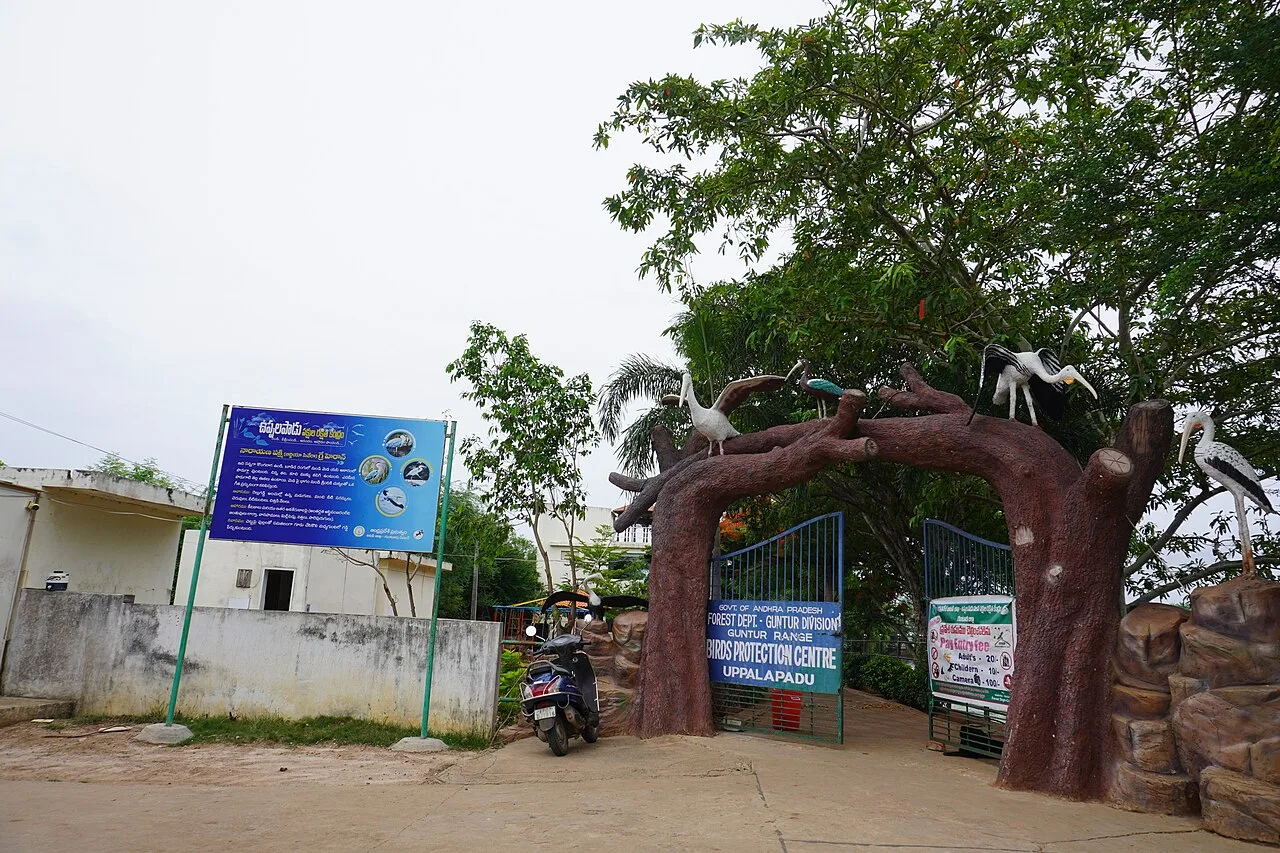
Uppalapadu Bird Sanctuary
Uppalapadu Bird Sanctuary is a wetland refuge centred on the village’s water tanks, where visitors can observe pelicans, storks and other migratory and resident birds.
Guntur's association with chilli cultivation and trade makes heat an important part of its food identity, although meals offer more than spice. Across the wider Andhra region, rice-based meals commonly include pappu, vegetable preparations, pickles and curd. Gongura and avakaya are familiar accompaniments, while pesarattu, sometimes served with upma, is a popular breakfast choice. Pulihora provides another widely enjoyed rice preparation. These are regional traditions rather than dishes exclusive to Guntur. Ask smaller eateries what has been cooked that day, request milder seasoning if needed, and finish with curd rice for a gentler end to the meal.
Mangalagiri, in Guntur district, is an established handloom centre associated with cotton saris and dress materials. Its weaving tradition is particularly recognised for fine cotton fabric and characteristic zari borders. Buying through a weaving cooperative or an established seller can help visitors understand the difference between handwoven and powerloom cloth. In the wider historical region, the sculptural legacy of Amaravati is equally important: its Buddhist reliefs are central to the Amaravati school of art, though the archaeological site itself now belongs to Palnadu district.
Sankranti, celebrated in January, is a major harvest festival across the region, with family gatherings, decorated homes and increased travel. Ugadi in spring and Dasara in autumn are also observed in Guntur city and surrounding settlements. Maha Shivaratri brings pilgrimage crowds to Kotappakonda, now in Palnadu district, while religious observances draw visitors to the wider Amaravati area. During prominent festival periods, buses and roads can be busier and accommodation may be harder to secure near pilgrimage centres. Check local arrangements before travelling, particularly for events beyond Guntur district.
Present-day Guntur is mainly a settled inland plain, with cultivated fields, towns and village water bodies. The Krishna river and its canal network influence the eastern agricultural landscape, while tanks and wetlands provide habitat for birds, including at Uppalapadu. The district has no coastline. Hill terrain and the prominent hill sites of the wider Guntur region, including Kondaveedu and Kotappakonda, lie across the boundary in Palnadu district. Most travel within Guntur is by road across relatively level country; excursions to Palnadu involve routes that become steeper near hill sites.
Guntur has hot summers, a monsoon season and a generally milder, drier winter. Summer days can feel intense, so outdoor visits are more comfortable early or later in the day. Monsoon conditions can bring heavy showers and affect rural roads, birding and hill excursions. The cooler months, broadly from late autumn into winter, are usually the most comfortable period to visit; winter is also a useful season for birdwatching at Uppalapadu, though wildlife sightings vary. Carry sun protection, a hat and drinking water year-round. For monsoon travel, pack rain protection and check road conditions; light layers can be useful on cooler winter mornings.
Guntur Junction is the main railway gateway for Guntur city, while Vijayawada Junction offers another major rail connection for the region. Vijayawada Airport at Gannavaram is the principal nearby airport. Road links connect Guntur with Vijayawada and neighbouring towns, and APSRTC buses provide intercity and district travel. Autos and taxis are practical for local journeys and onward visits to Uppalapadu. Excursions to Amaravati Mahachaitya, Kondaveedu Fort and Kotappakonda cross into Palnadu district; confirm onward transport and return options before setting out, especially for hill sites. Check current services locally.
Guntur city is the main base for local travel, with autos and taxis useful for short journeys and visits to Uppalapadu. APSRTC buses connect Guntur with Vijayawada and other towns, while rail services provide links from Guntur Junction. For more flexible rural travel, arrange a taxi locally and confirm the return plan before setting out. Excursions to Amaravati Mahachaitya, Kondaveedu Fort and Kotappakonda cross into Palnadu district; public transport may not serve the final approach or hill sections conveniently. Local buses and shared vehicles vary by route, so check current services in Guntur or the relevant town.
2 days: Uppalapadu Bird Sanctuary; sleep night 1 in Guntur. 3 days: Uppalapadu Bird Sanctuary → Amaravati Mahachaitya (Great Stupa); sleep nights 1 and 2 in Guntur. 4 days: Uppalapadu Bird Sanctuary → Amaravati Mahachaitya (Great Stupa) → Kondaveedu Fort → Kotappakonda Temple; sleep nights 1 and 2 in Guntur, night 3 in Narasaraopet or Guntur.
Guntur city is the most practical base for Uppalapadu and for rail, bus and taxi connections. It has the broadest choice of hotels and guesthouses in the district. For excursions into Palnadu, Narasaraopet can reduce backtracking to Kondaveedu and Kotappakonda, while Guntur remains a workable base if you prefer to avoid changing rooms. Smaller settlements have fewer facilities. Pilgrim lodgings or dharamshalas may be available near religious centres, but standards and access vary; confirm arrangements before relying on them. Homestay options should also be checked locally.
Carry drinking water and sun protection, and avoid strenuous outdoor visits during the hottest part of the day. At Uppalapadu, keep a respectful distance from birds, stay on permitted paths and do not feed wildlife. Monsoon rain can make rural roads slippery or difficult, while hill approaches in Palnadu may be steep; use suitable footwear and allow time for the return journey. Check local road and transport conditions before visiting outlying sites, and do not assume mobile connectivity throughout rural or hill areas. Use treated or sealed drinking water. Follow site notices and confirm any current access requirements with official local sources.
- NTRabout 47 km
- Bapatlaabout 53 km
- Krishnaabout 67 km
- Suryapet · Telanganaabout 97 km
- Palnaduabout 101 km
- Khammam · Telanganaabout 104 km
- Eluruabout 111 km
- Nalgonda · Telanganaabout 115 km
Straight-line distance between the centres of each district's destinations; road distance is longer.
Q: How many days should I spend in Guntur? A: Two days suit a visit centred on Guntur city and Uppalapadu. Allow three or four days if adding the heritage sites across the boundary in Palnadu. Q: When is the best time to visit? A: The cooler months from late autumn into winter are generally most comfortable, and winter is useful for birdwatching. Expect heat in summer and rain during monsoon. Q: What is the best base for visiting the district? A: Guntur city is the most convenient base for Uppalapadu and transport connections. Narasaraopet can help with excursions to Palnadu’s hill sites. Q: How do I get to Guntur? A: Guntur Junction is the main rail gateway. Vijayawada Airport and Vijayawada Junction provide additional regional connections, with onward road travel to Guntur. Q: Is Guntur suitable for families or elderly travellers? A: Yes, city visits and road trips can suit families and many older travellers. Hill approaches may involve uneven or steep ground, so assess mobility needs and arrange suitable transport.
This page draws on our 4 destination guides for Guntur and is updated as our team checks it.
Be the first to share photos, stories, advice or a helpful contact for Guntur.
Loading…