Ghumoopedia — Explore, Discover, Experience
Sign in
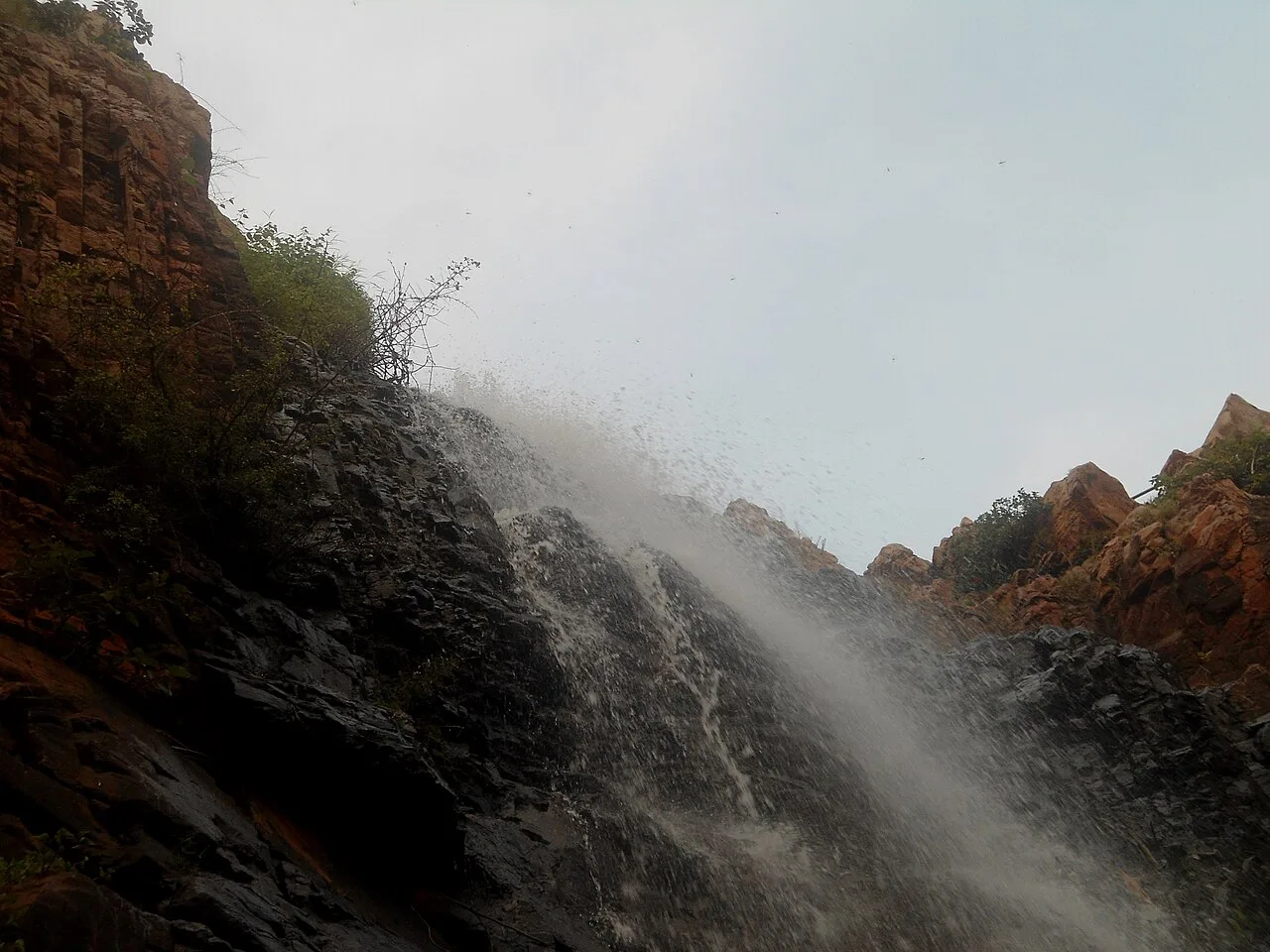
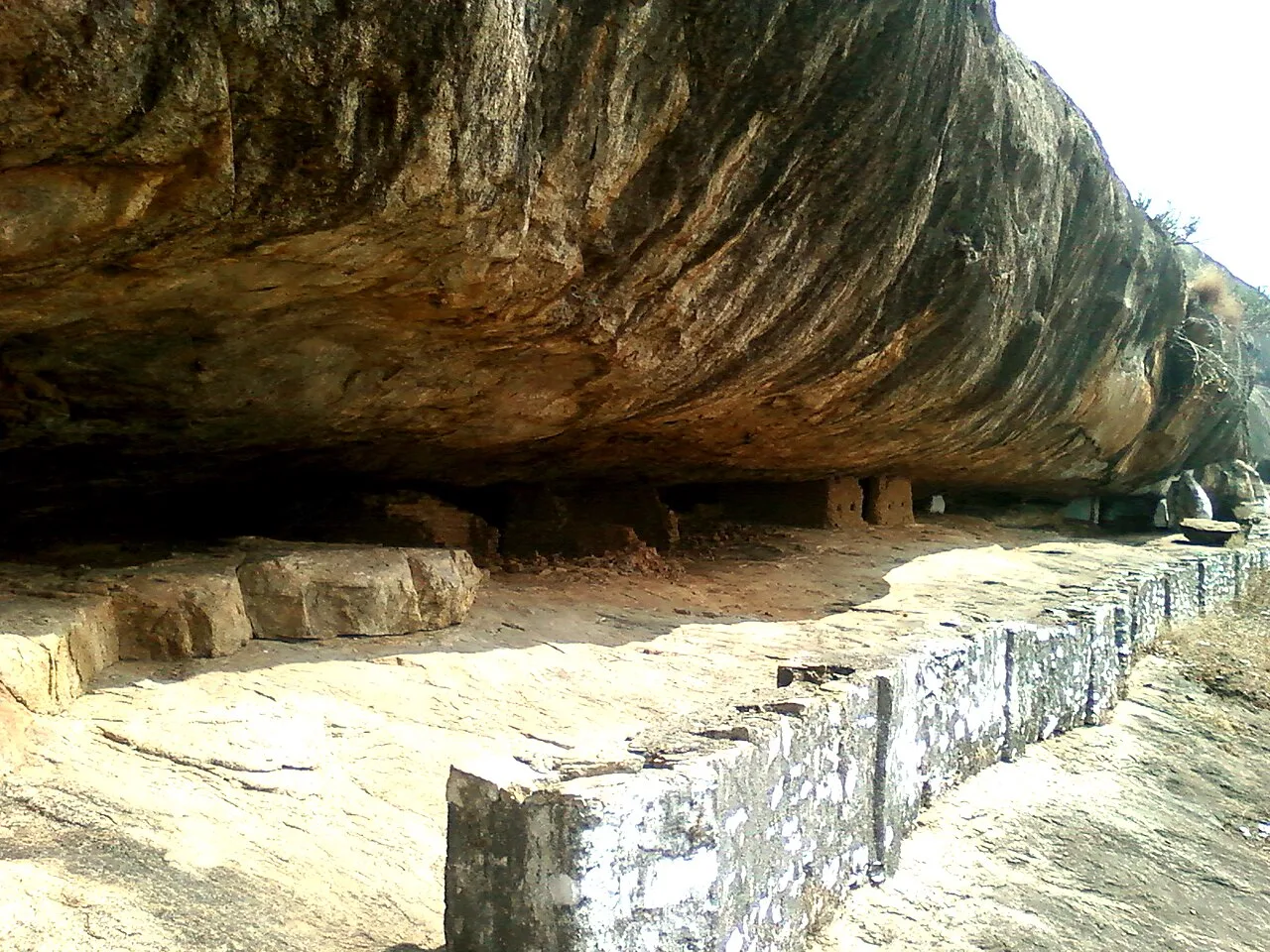
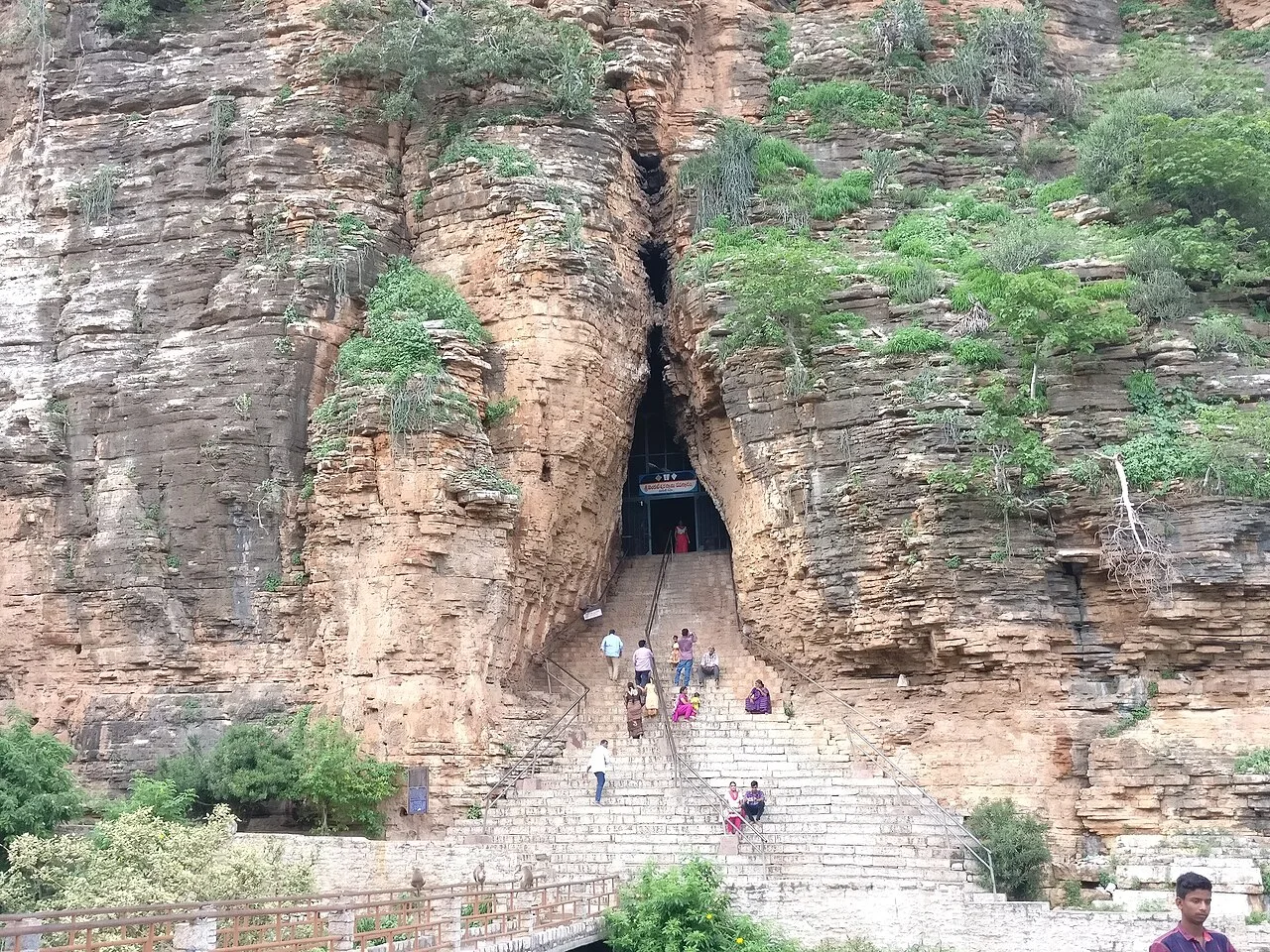
Ahobilam Nava Narasimha Temples, Andhra Pradesh

State · South India

Andhra Pradesh

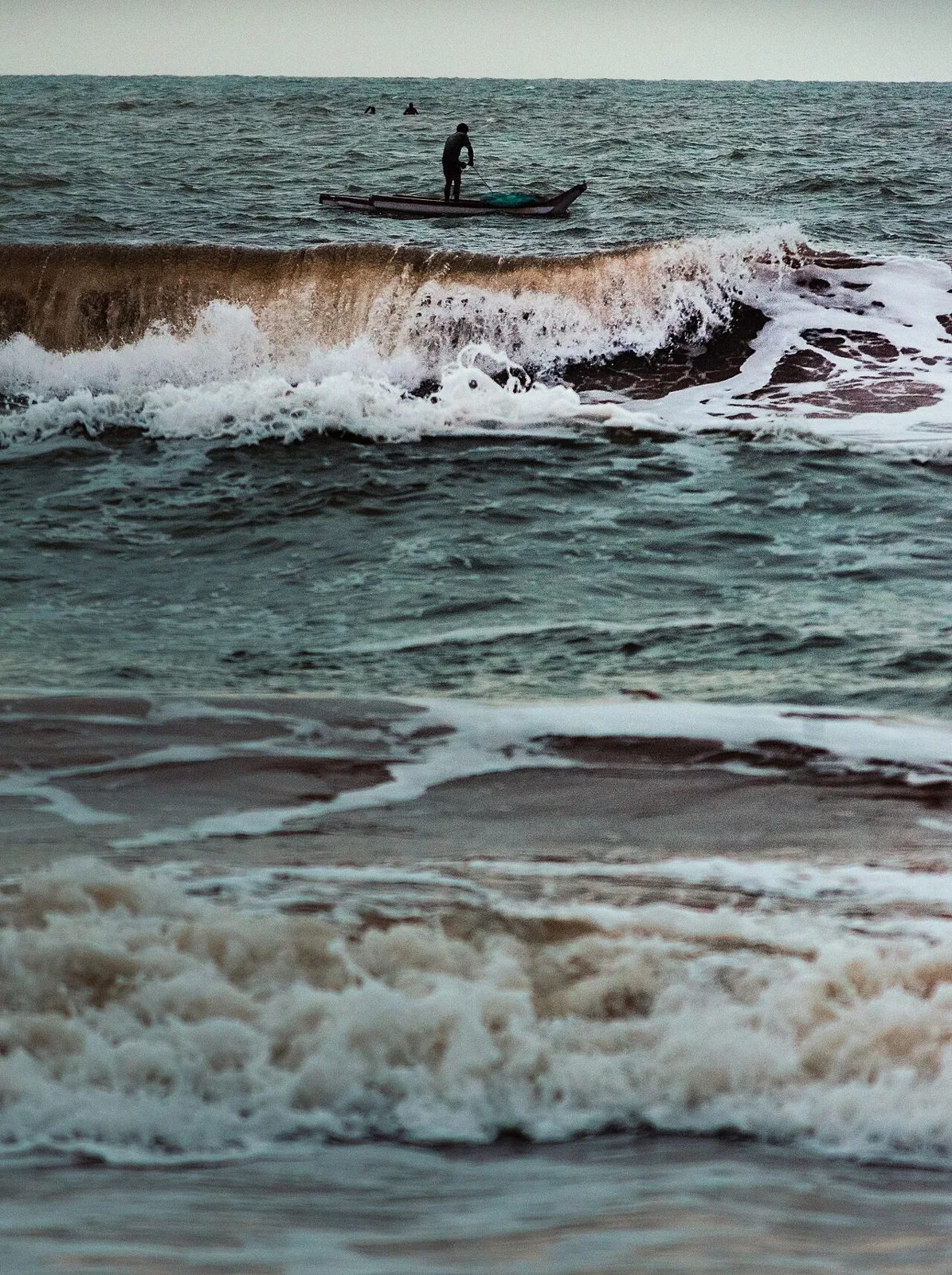
A long Bay of Bengal coast, the Eastern Ghats and the pilgrim hill of Tirumala.

Capital
Amaravati
Districts
22
Destinations
76

Overview

Understanding Andhra Pradesh

Culture

Kuchipudi dance and Kalamkari painting.

Food

  • Gongura pickle
  • Pesarattu

Festivals

  • Sankranti
  • Tirumala Brahmotsavam

Experiences here

  • Spiritual
  • Beach
  • Heritage
  • Tribal

Verified by the Ghumoopedia editorial team on 21 Nov 2026. Written and reviewed by Ghumoopedia's editors. Timings, fees and permits can change, so check them with the managing authority shortly before you travel.

The complete guide

Andhra Pradesh: a traveller's guide

Why visit

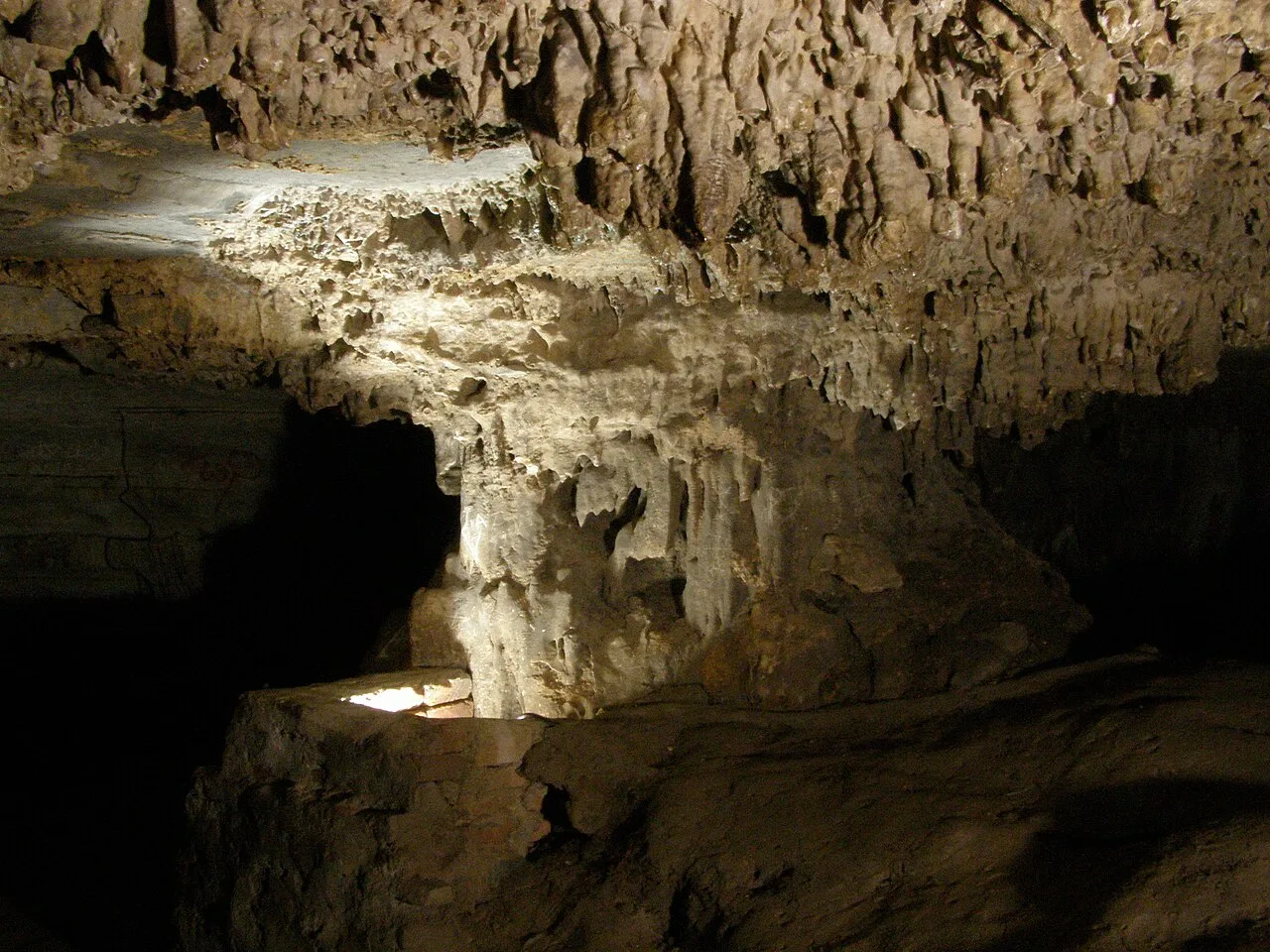
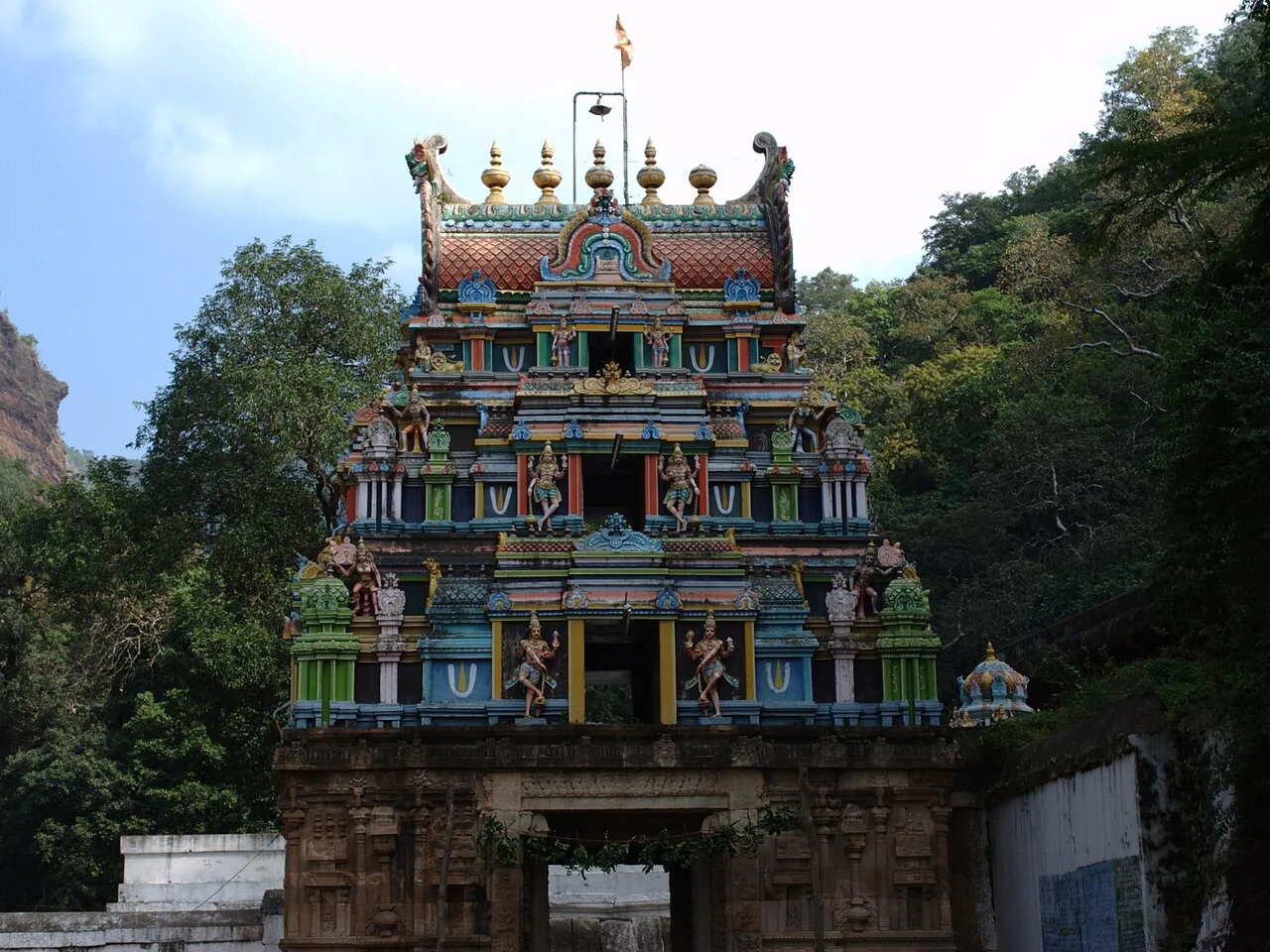
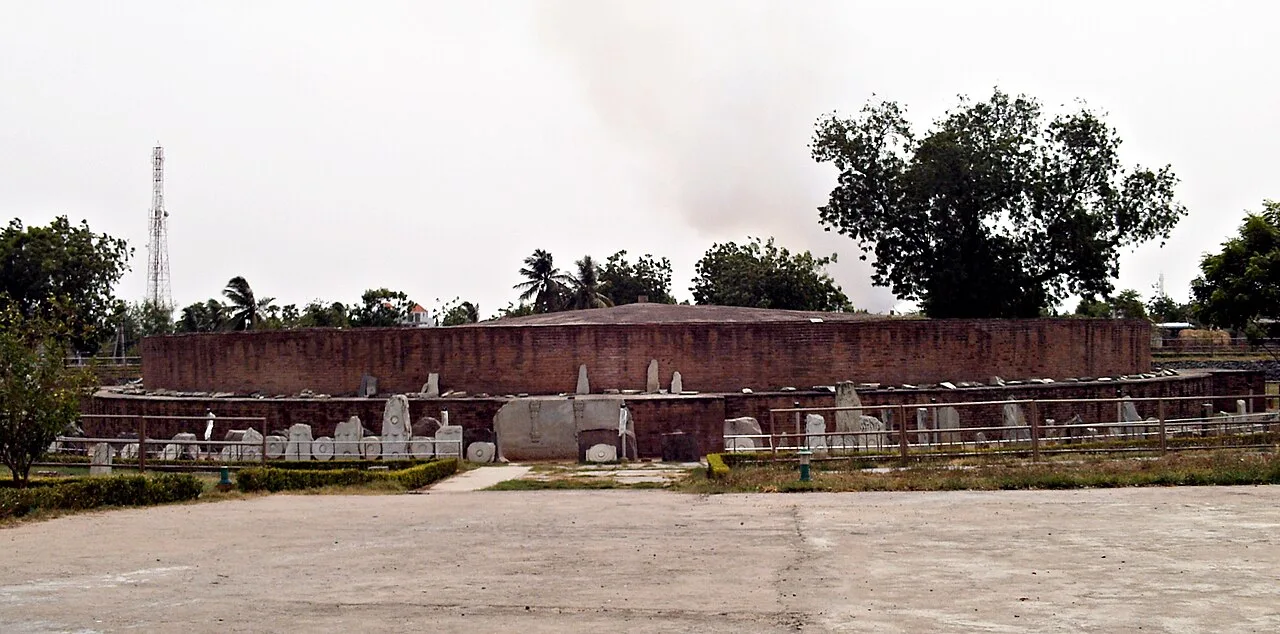
Andhra Pradesh brings together a long Bay of Bengal shoreline, fertile river deltas, Eastern Ghats forests and some of India’s best-known pilgrimage sites. Its varied routes suit very different trips: follow temple circuits through Tirupati, Srisailam and Ahobilam; explore Buddhist and historic sites around Amaravati and the Krishna valley; or mix beaches, port cities and coastal food. Inland, forts and rugged landscapes make rewarding stops, from Gandikota Gorge and Fort to Gooty Fort and Orvakal Rock Garden. The state’s capital region, Amaravati, sits near the Krishna River and the remains of the Amaravati Mahachaitya.

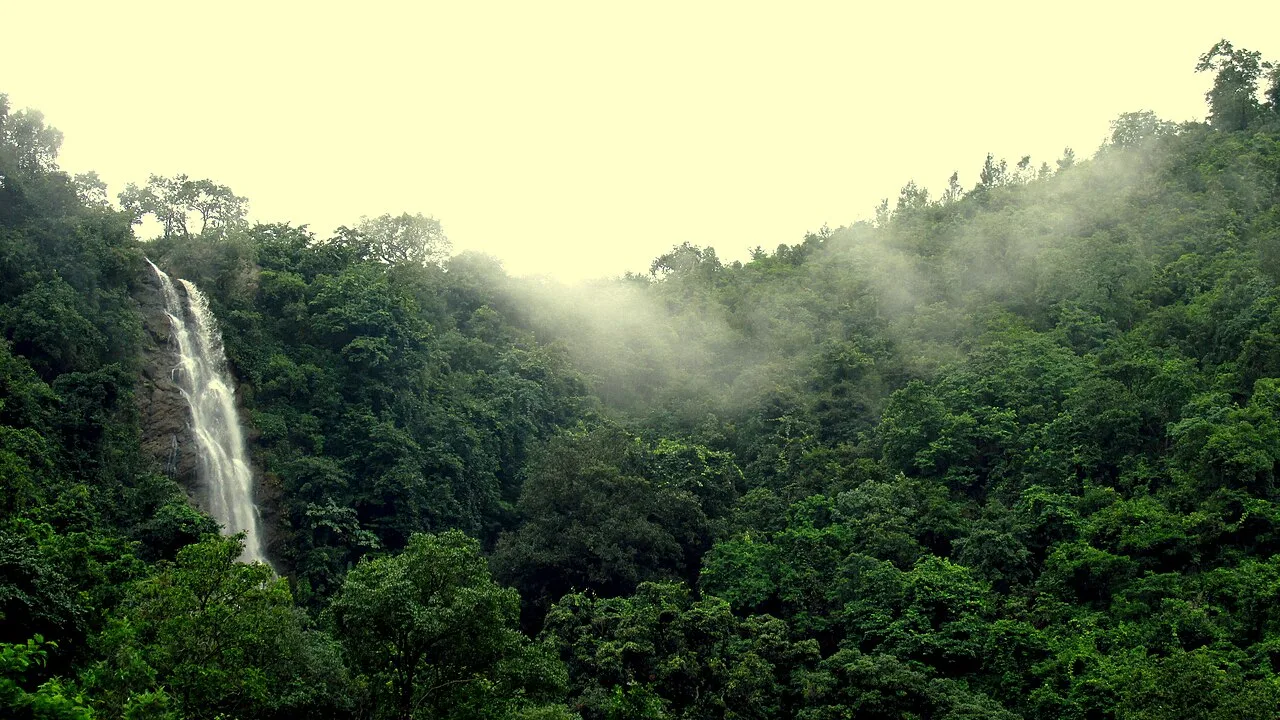
Visitors can also head into the highlands for Araku Valley, Borra Caves and waterfalls, or seek cooler elevations around Lambasingi and Horsley Hills. Kuchipudi dance, Kalamkari painting, handloom traditions and a distinctive, often chilli-forward cuisine give the journey a strong cultural thread. Andhra Pradesh works well for a focused pilgrimage, a family road trip, a heritage itinerary or a longer journey that alternates coast, countryside and hill country. Distances are substantial, so choosing a region or linking nearby destinations usually makes for a more relaxed visit.
Landscape & climate

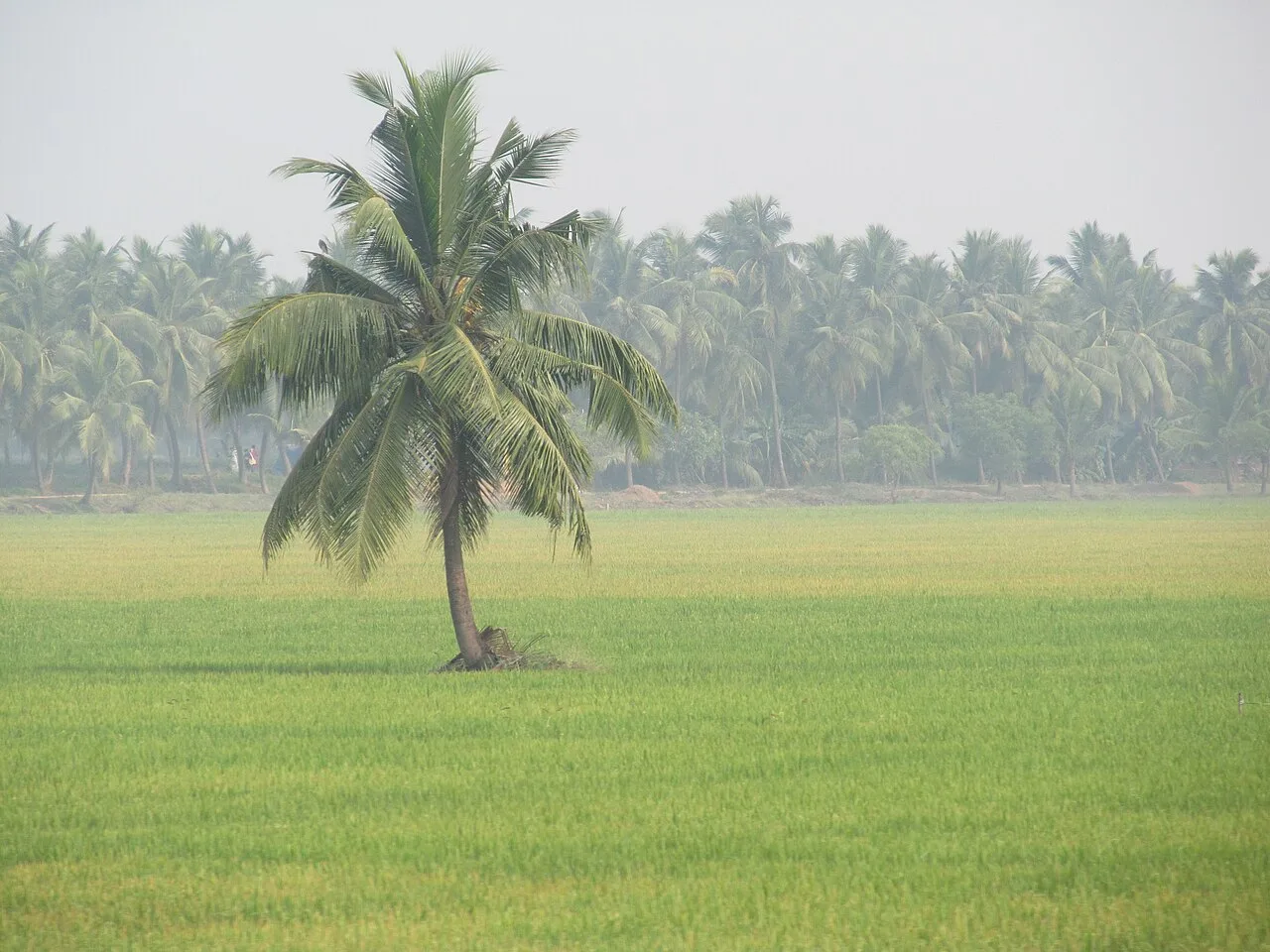
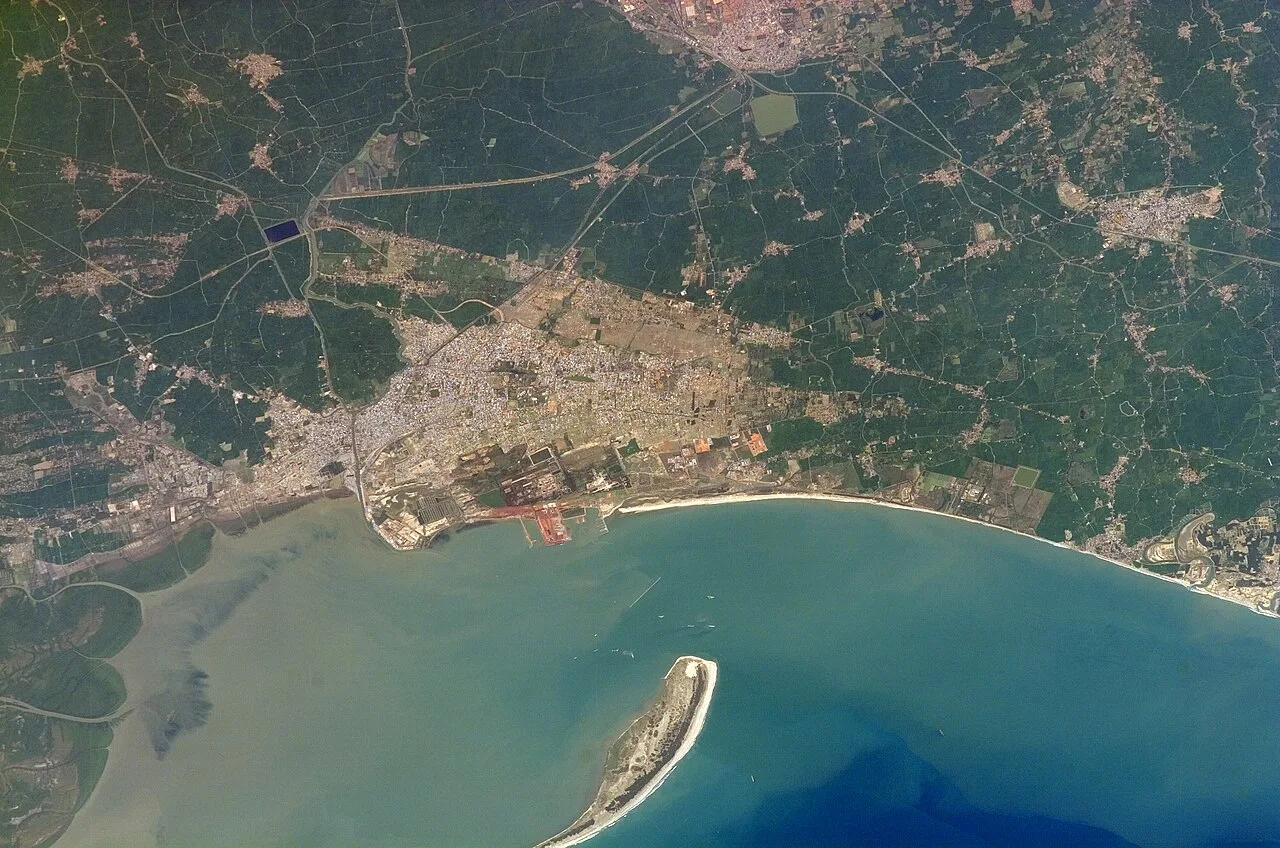
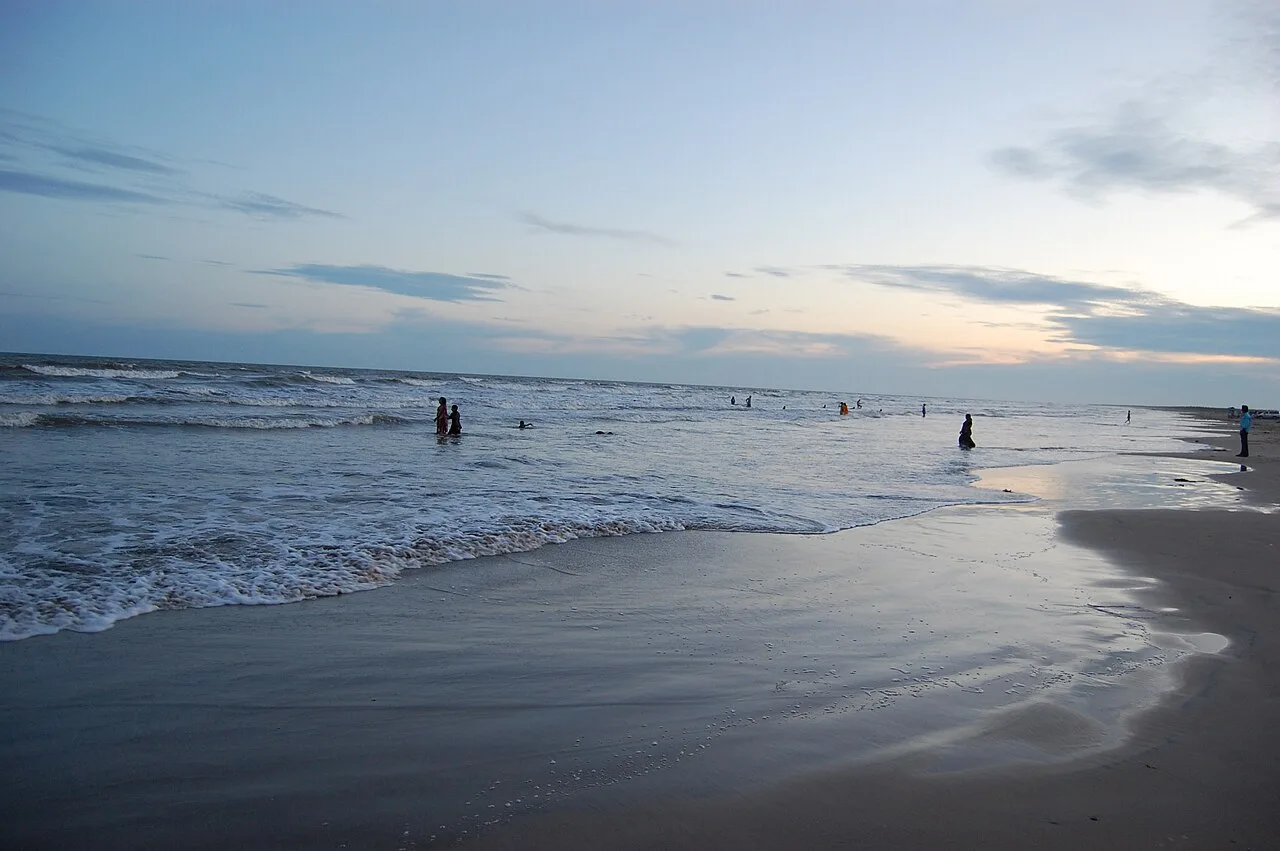
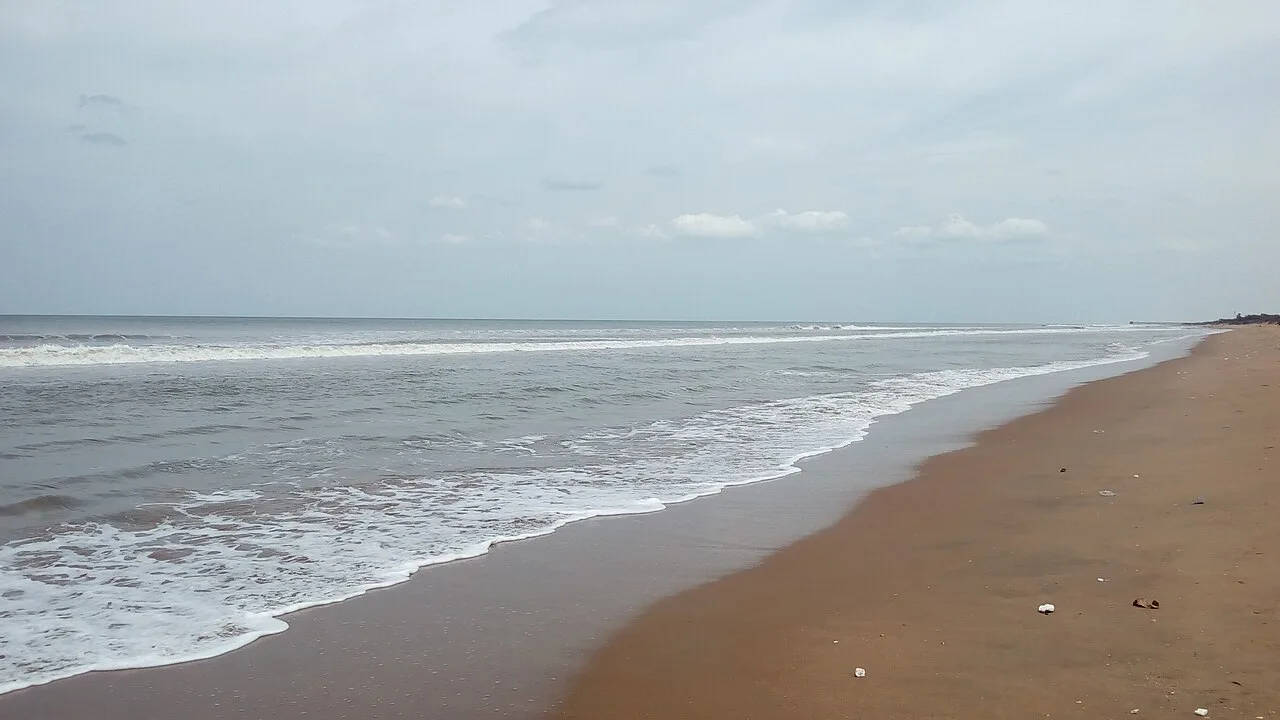
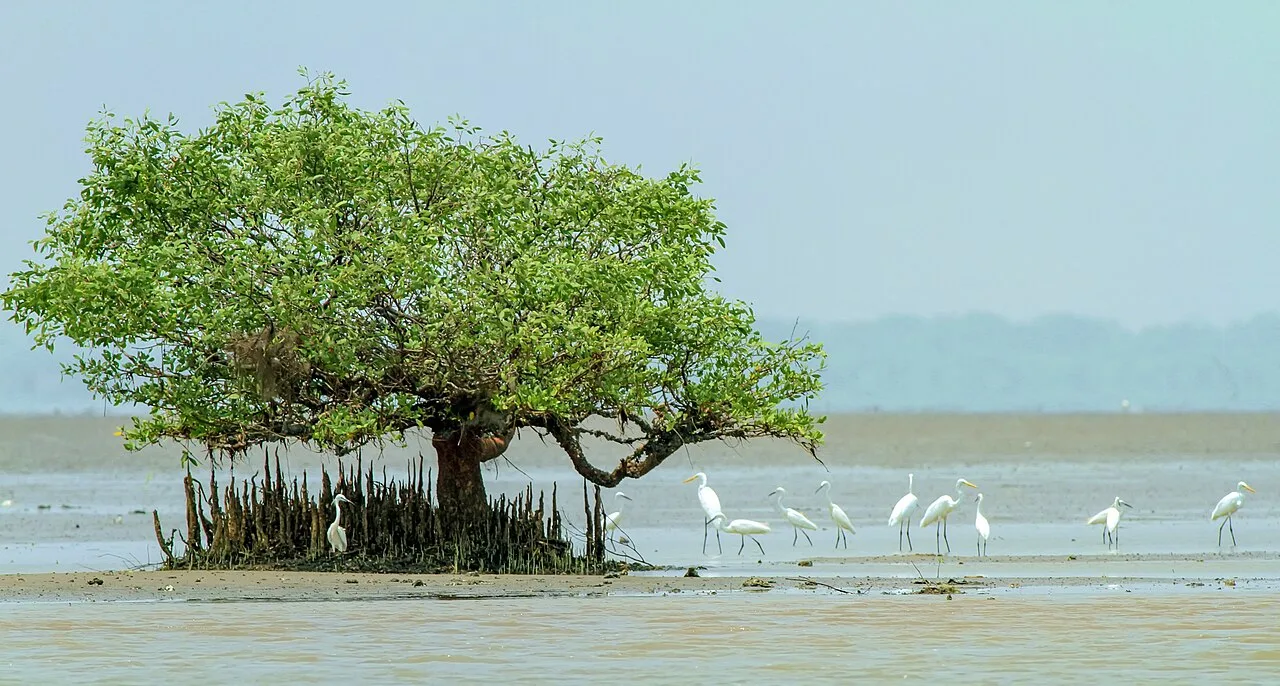
The Bay of Bengal shapes the eastern edge of Andhra Pradesh, with beaches, lagoons, estuaries and broad river deltas. The Godavari and Krishna spread into fertile coastal plains before reaching the sea; the Pennar crosses the drier south. Kolleru Lake lies between the Krishna and Godavari delta regions, while Pulicat Lake extends along the southern coast. Beaches range from the urban sweep of Visakhapatnam and Rushikonda to quieter stretches such as Uppada, Suryalanka and Mypadu. Coastal landscapes are productive and densely settled, with rice fields, aquaculture and fishing villages alongside towns and ports.
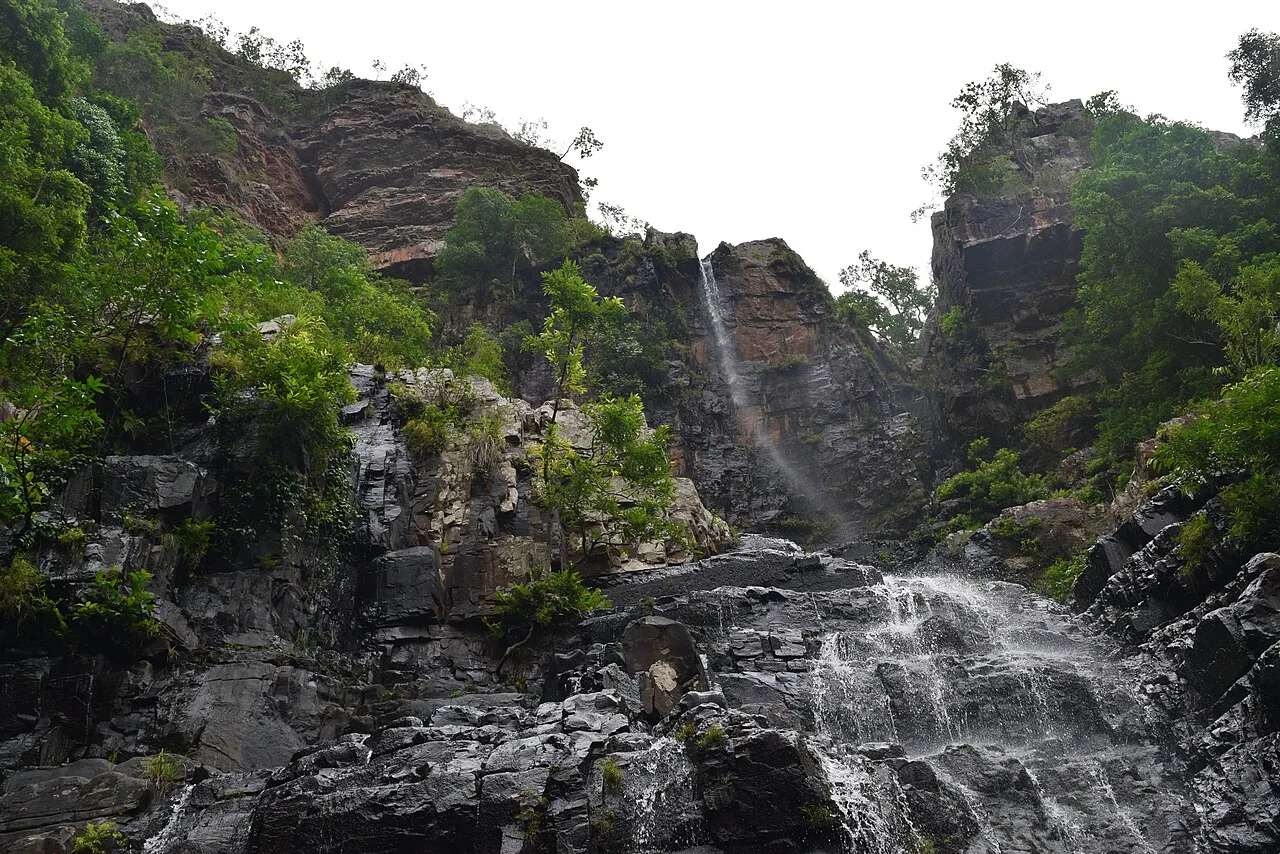
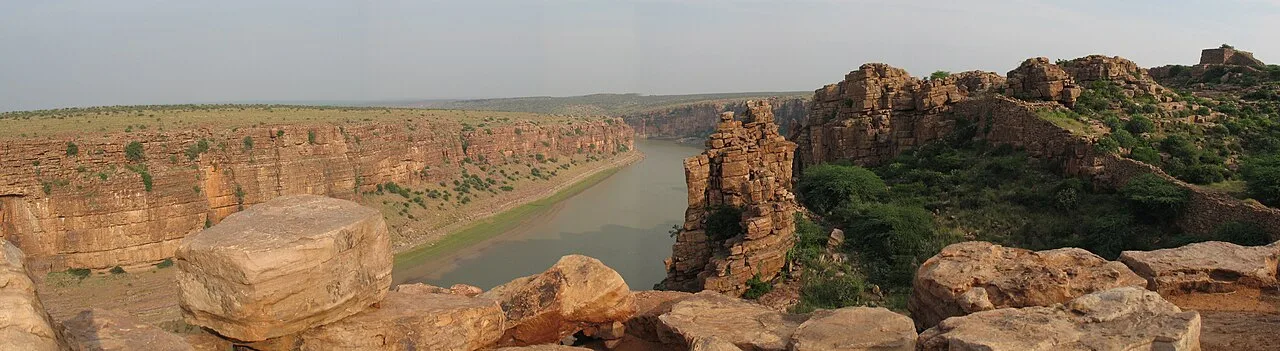
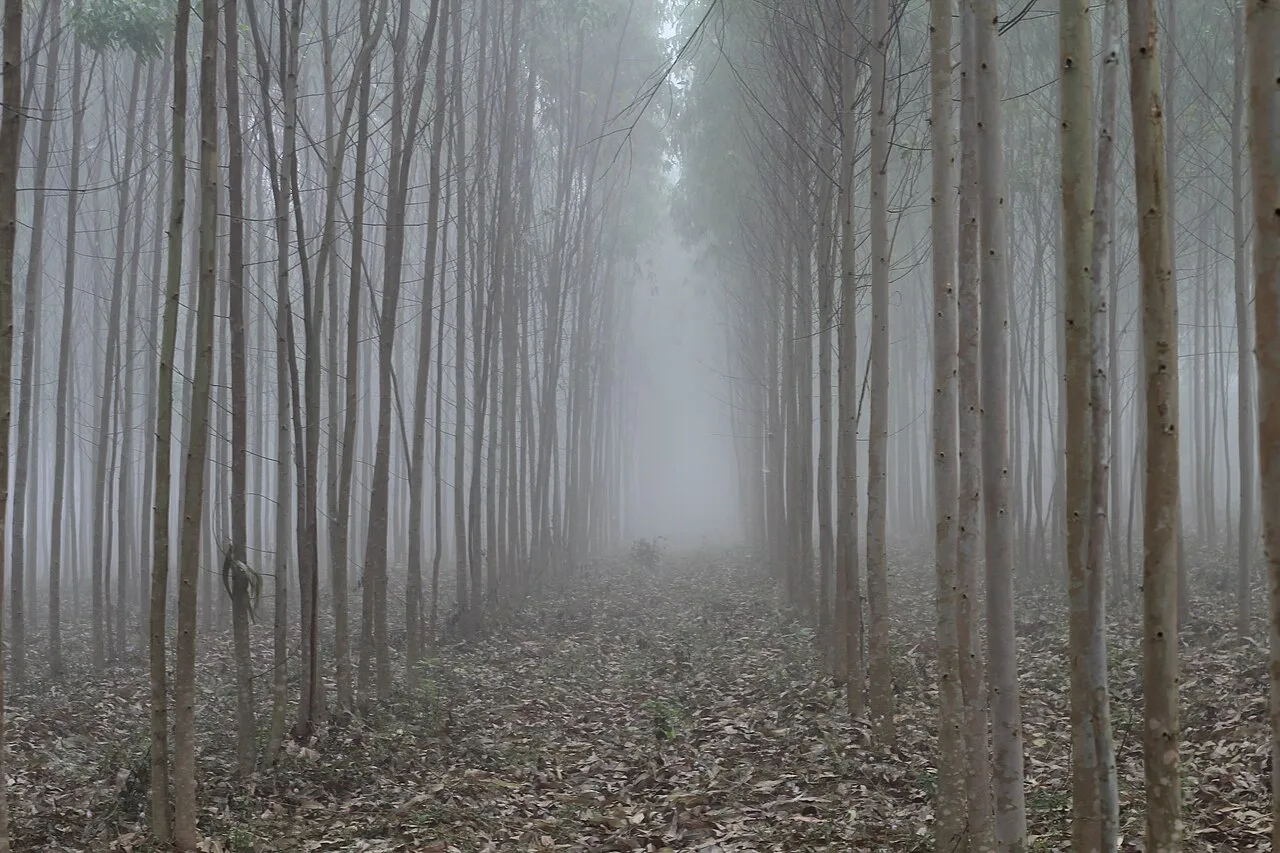
The Eastern Ghats rise inland, broken into ranges and valleys rather than forming one continuous wall. In the north, forested highlands around Araku and the Alluri Sitharama Raju region contain caves, waterfalls and tribal communities; Papikondalu follows a dramatic section of the Godavari. The southern and western districts become increasingly dry, with rocky plateaus, scrub and granite outcrops around places such as Gandikota and Orvakal. Summers are generally hot, especially inland. The southwest monsoon usually brings rain from around June into September, while the northeast monsoon is important to the southern coast in autumn and early winter. The coast is humid and can be affected by cyclones; hill areas are cooler, particularly in winter, but conditions vary with elevation.

History & heritage

Andhra Pradesh’s history is visible in Buddhist remains, temple towns, forts and port settlements. The ancient region was associated with the Satavahanas, whose power spread across much of the Deccan, and later with the Ikshvakus, who patronised Buddhist establishments in the Krishna valley. The Amaravati Mahachaitya, built and enlarged over several centuries from around the third century BCE, became a major Buddhist centre; its carved remains are now dispersed between local and international collections. The Eastern Chalukyas ruled from Vengi and helped shape the region’s political and literary life. Telugu literature grew under royal and courtly patronage, while Hindu temple traditions flourished in places including Srisailam and Tirupati.

In later centuries, parts of the region came under the Kakatiyas, the Vijayanagara Empire and successive Deccan sultanates. Vijayanagara influence is especially apparent in Rayalaseema’s forts and temple architecture. Coastal settlements and inland routes were also drawn into changing networks of trade and power. Much of the coast became part of the Madras Presidency under British rule; Yanam, by contrast, was a French settlement and is now part of the Union Territory of Puducherry. The region’s modern political history was shaped by the demand for a Telugu-speaking state. Andhra State was created in 1953 from Telugu-speaking areas of Madras State, with Kurnool as its capital. In 1956 it was joined with the Telugu-speaking districts of the former Hyderabad State to form Andhra Pradesh, whose capital was Hyderabad. In 2014, Telangana became a separate state and Hyderabad was assigned as its capital, with a transition period for Andhra Pradesh. Amaravati was selected for Andhra Pradesh’s capital region, and its development has continued amid changing plans and public debate.

Culture, people & festivals

Telugu is the principal language and the state’s official language; Urdu is also widely spoken, especially in towns and among Muslim communities. English is used in education, business and tourism, while local speech reflects regional histories and migrations. Coastal Andhra, Rayalaseema and the northern hill districts each have distinct customs and foodways. Adivasi communities in the Eastern Ghats—including groups such as the Konda Dora and Bagata—maintain their own languages, arts and customary practices. Hinduism is the largest faith, alongside Muslim and Christian communities, and Buddhist heritage remains an important part of the state’s historical landscape.

Kuchipudi, a classical dance tradition associated with a village of the same name, is among Andhra Pradesh’s best-known arts. Carnatic music, devotional singing, folk performance and storytelling are also part of cultural life. Sankranti, usually celebrated in January, is a major harvest festival, marked in many places by decorated homes, family gatherings, kite-flying and seasonal foods. Ugadi, the Telugu New Year, usually falls in March or April. Tirumala Brahmotsavam, generally held in September or October according to the Hindu lunar calendar, draws large numbers of pilgrims; dates vary each year. Dasara and Deepavali are widely observed, while local temple festivals fill calendars throughout the year. At a festival or sacred site, follow posted guidance on photography, footwear and access, and allow room for worshippers and processions.

Food & flavours

Rice is the everyday staple across much of the state, served with pappu (lentils), vegetable dishes, pickles and chutneys. Andhra cooking is known for assertive seasoning, though heat levels vary by household and region. Gongura, the tart leaf of sorrel, is made into a signature pickle and also cooked with lentils or meat. Pesarattu, a savoury green-gram crepe, is a popular breakfast, often served with ginger chutney and sometimes paired with upma. Other familiar dishes include pulihora, spiced tamarind rice; avakaya, a mango pickle; and hearty meals of rice, dal, vegetables and rasam. Coastal menus commonly feature fish, prawns and other seafood, while Rayalaseema cooking often leans on millets and robust meat preparations.

Regional specialities make good reasons to pause along a route. Atreyapuram is associated with delicate, layered pootharekulu, while Kakinada is known for its crunchy kaja sweet. Tirupati laddu is temple prasadam with a protected geographical identity, distributed under temple arrangements rather than simply treated as an ordinary shop sweet. Ariselu, made with rice flour and jaggery, is especially associated with festive occasions such as Sankranti. Vegetarian options are widely available, particularly around pilgrimage centres, but ingredients and preparation practices differ. Ask about chilli, fish or meat stock, and dietary restrictions when ordering; “mild” can still mean noticeably spicy in some kitchens.

Crafts, textiles & what to buy

Andhra Pradesh’s textile traditions include silk and cotton weaving as well as painted and printed cloth. Uppada Jamdani sarees are woven in the coastal village of Uppada; Dharmavaram is known for silk sarees, Venkatagiri for fine cotton and silk weaves, and Mangalagiri for handloom fabrics and sarees. Kalamkari, made using hand-drawn or block-printed designs and natural or other dyes, has two prominent traditions: Srikalahasti’s narrative hand-painted work and Machilipatnam’s block-printed textiles. These named traditions include products with geographical indication recognition; ask sellers about origin and production method when provenance matters.

For non-textile crafts, Kondapalli near Vijayawada is known for lightweight painted wooden toys, while Etikoppaka is associated with lacquered wooden toys and turned craftwork. Bobbili has a celebrated veena-making tradition, and Budithi is noted for bell-metal and brass work. Narasapur is recognised for crochet lace, including garments and home goods. Look for locally made pieces through established cooperatives, craft outlets or workshops, and remember that handwork can vary in finish and price. A small textile or toy is easier to carry than fragile metalwork; request suitable packing for delicate purchases and check any airline baggage rules before travelling.

Getting there & getting around

Visakhapatnam, Vijayawada (near Gannavaram), Tirupati, Rajahmundry, Kadapa and Kurnool (Orvakal) are among the state’s airports; routes and connections change, so check current services before planning. Vijayawada and Visakhapatnam are major rail gateways. Other useful rail junctions include Guntur, Rajamahendravaram, Nellore, Tirupati and Renigunta, as well as Guntakal for routes through the interior. Rail is practical for longer north–south journeys, while buses and hired vehicles connect many towns and attractions. Some hill, forest and temple destinations require a final road leg, and travel times can be affected by winding roads or seasonal weather.

National Highway 16 follows much of the eastern corridor between the Chennai and Kolkata regions, linking coastal cities including Nellore, Vijayawada and Visakhapatnam. NH 65 connects the Vijayawada area westward towards Hyderabad, while NH 44 and NH 40 serve important inland routes through Rayalaseema. NH 216 runs along parts of the coast. State highways and local roads reach places such as Ahobilam, Gandikota, Araku Valley, Lambasingi and Papikondalu access points; for remote destinations, arrange onward transport in advance. City buses, auto-rickshaws and app-based or local taxis are useful in larger centres, but availability is more limited outside them. For multi-stop trips, a car with a local driver can simplify logistics. Confirm road access and any forest-area guidance with official local sources before setting out.

When to go & travel tips

October to February is generally the most comfortable period for a broad tour, with cooler conditions inland and pleasant days in many coastal areas. The northern hill country around Araku is attractive in the cooler months; summer can be hot, though higher elevations may feel milder. Coastal beaches and delta towns are easiest to enjoy outside peak heat and heavy rain, but the Bay of Bengal cyclone season can disrupt autumn travel. The southern coast, including Nellore, receives useful northeast-monsoon rain, so check forecasts and road conditions in October and November. Monsoon visits can bring lush scenery, but waterfalls and forest roads may be affected by rain.

Pack breathable clothing, sun protection, a hat, insect repellent and a refillable water bottle; add a light layer for winter evenings in the hills and rain protection during monsoon months. Carry modest clothing for temples and follow local rules on footwear, photography and restricted areas. Remove shoes where requested, dress respectfully at places of worship, and ask before photographing people or ceremonies. Keep drinking water and essential medicines with you on long rural drives. Access rules may apply in protected forests or particular tribal areas; confirm requirements with official forest, tourism or district authorities before travelling, rather than assuming entry is unrestricted. Check cyclone and weather advisories during the rainy season, and avoid swimming where currents, surf or warning flags make conditions unsafe.

Highlights

Where to begin

City by city

Cities & hubs of Andhra Pradesh

Every sight is grouped under its city — places within about 12 km together, day trips within 40 km alongside — even across district lines. Open a city to see its attractions.

See every city, town and village of Andhra Pradesh

Dolphin's Nose
Visakhapatnam7 places to see

Dolphin's Nose · INS Kursura Submarine Museum · Kailasagiri · RK Beach

Bapu Museum
Vijayawada6 places to see

Bapu Museum · Bhavani Island · Kanaka Durga Temple, Vijayawada · Kondapalli Fort

Ethipothala Falls
Macharla4 places to see

Ethipothala Falls · Durgi Stone-Carving Village · Nagarjuna Sagar Dam · Nagarjunakonda

Araku Valley
Araku Valley3 places to see

Borra Caves · Katiki Waterfalls

Rajahmundry (Rajamahendravaram)
Rajahmundry (Rajamahendravaram)3 places to see

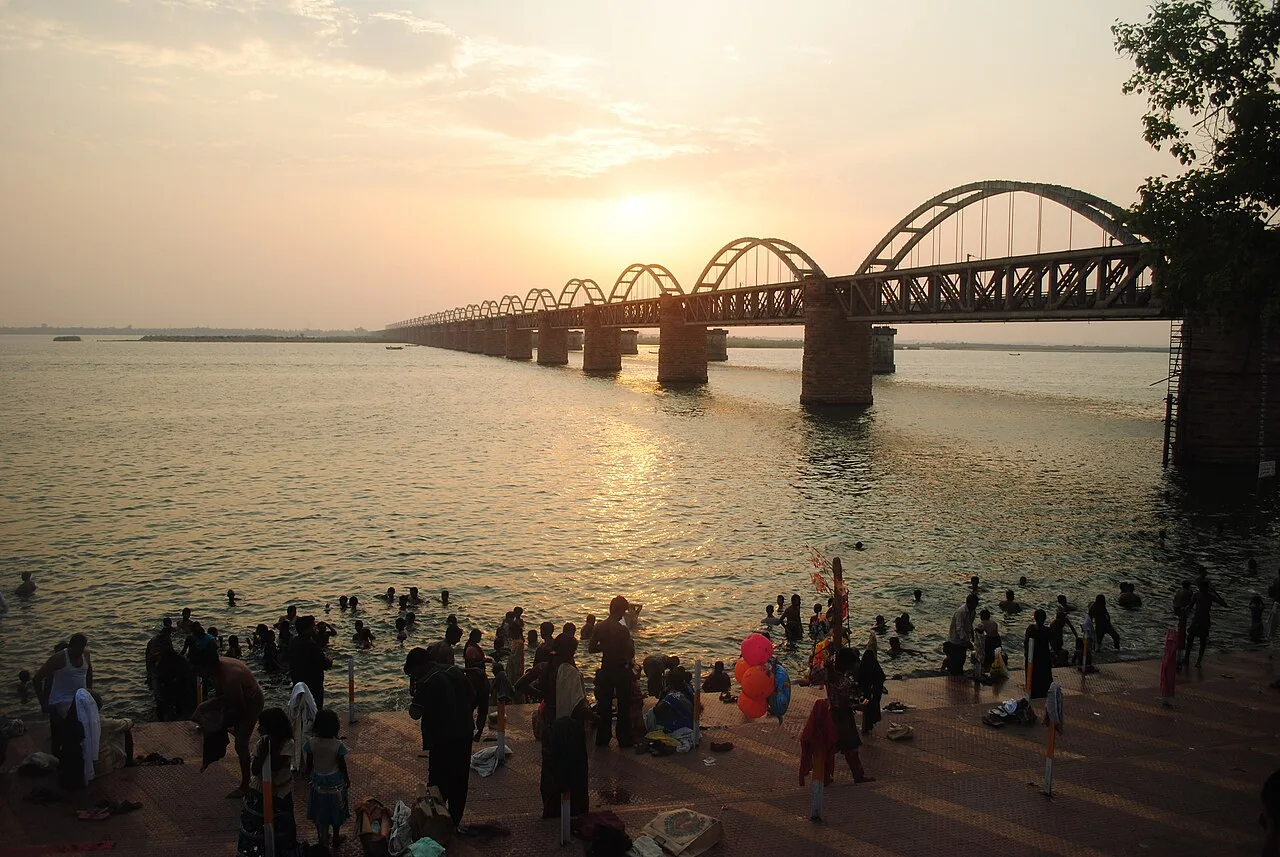
Dowleswaram Barrage · Godavari Bridge

Dwaraka Tirumala Temple
Kaikalur2 places to see

Dwaraka Tirumala Temple · Kolleru Lake

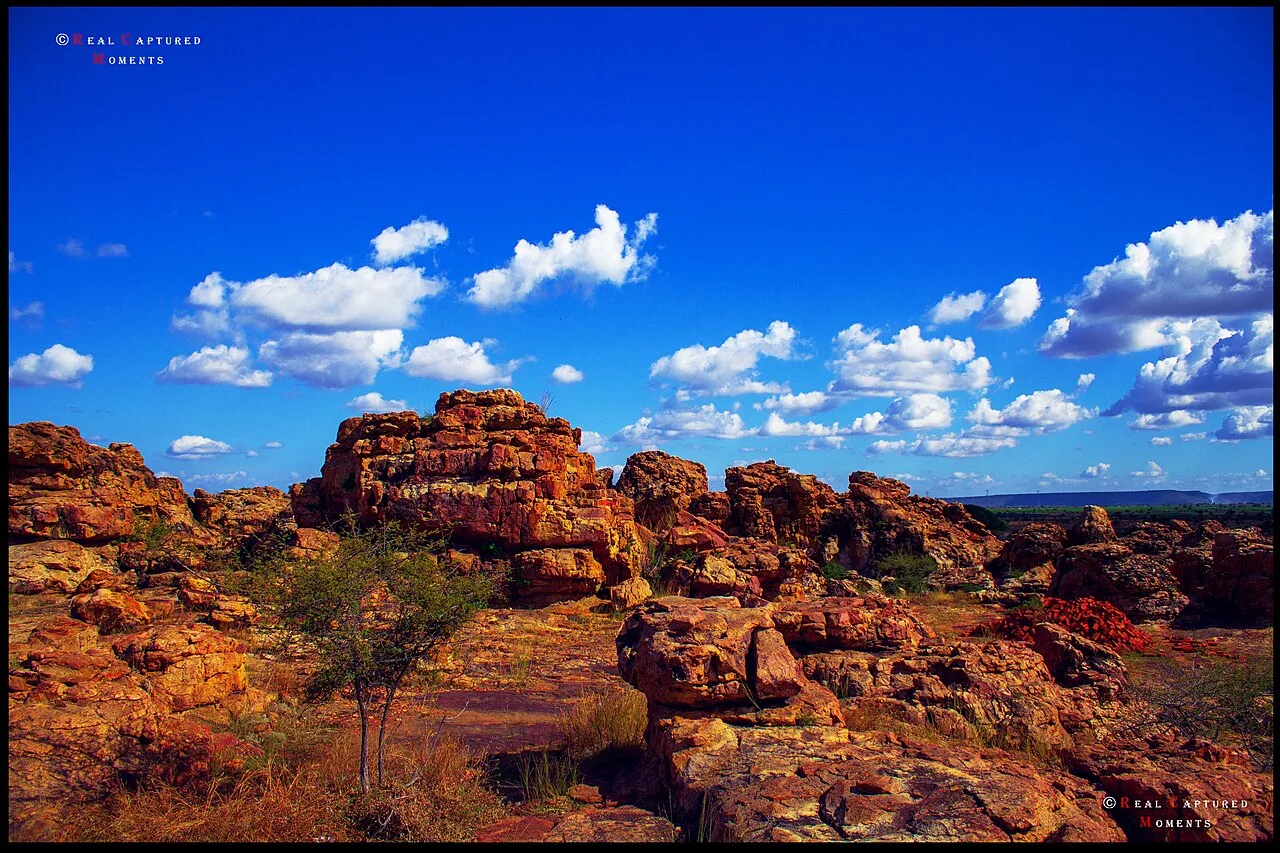
Orvakal Rock Garden
Nandi Kotkur2 places to see

Orvakal Rock Garden · Rollapadu Wildlife Sanctuary

Uppada Beach
Pithapuram2 places to see

Uppada Beach · Uppada Jamdani Weaving Village

Maredumilli Forest
Polavaram2 places to see

Maredumilli Forest · Papikondalu Hills

Arasavalli Sun Temple
Srikakulam2 places to see

Arasavalli Sun Temple · Srikurmam Temple

Kapila Theertham
Tirupati2 places to see

Kapila Theertham · Tirumala Venkateswara Temple

Ramatheertham Temple
Vizianagaram2 places to see

Ramatheertham Temple · Vizianagaram Fort

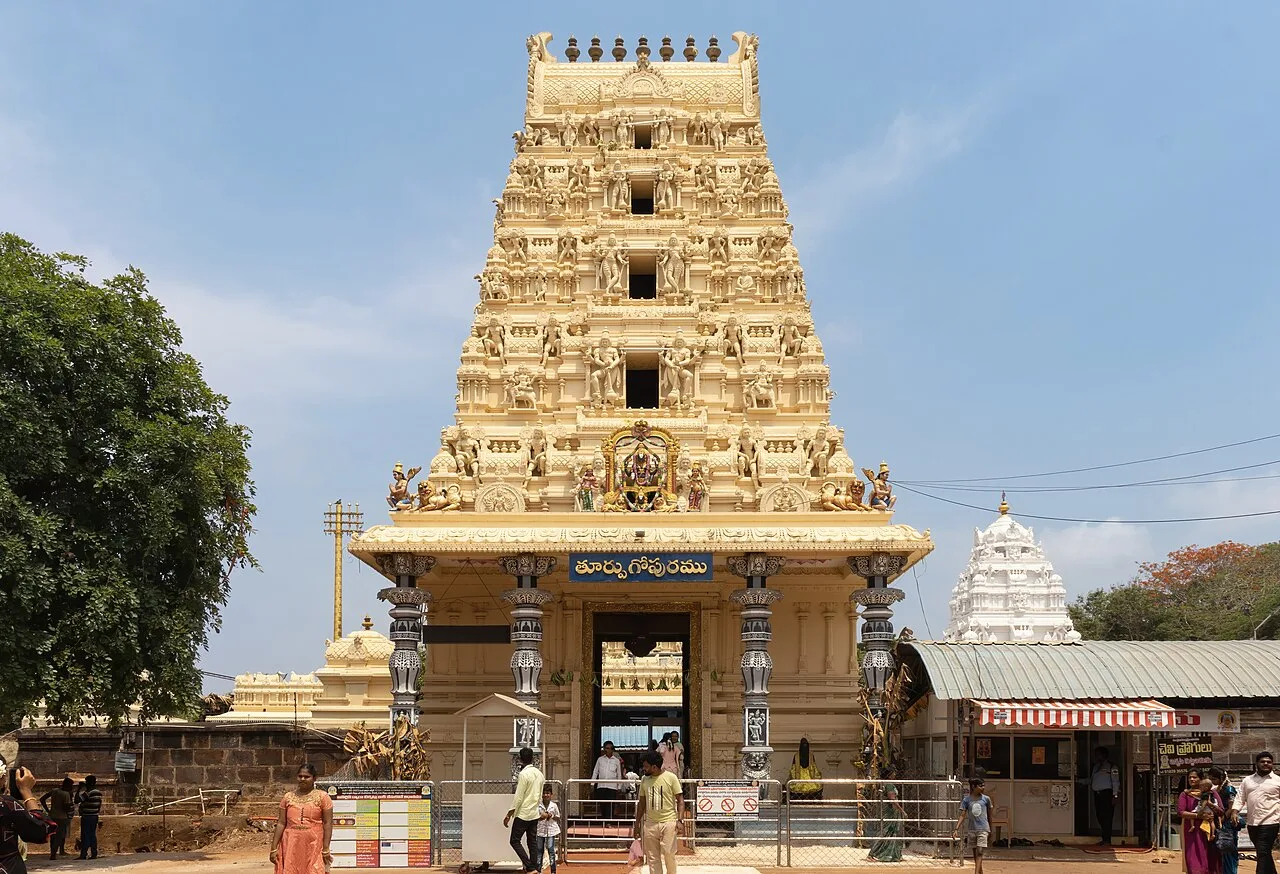
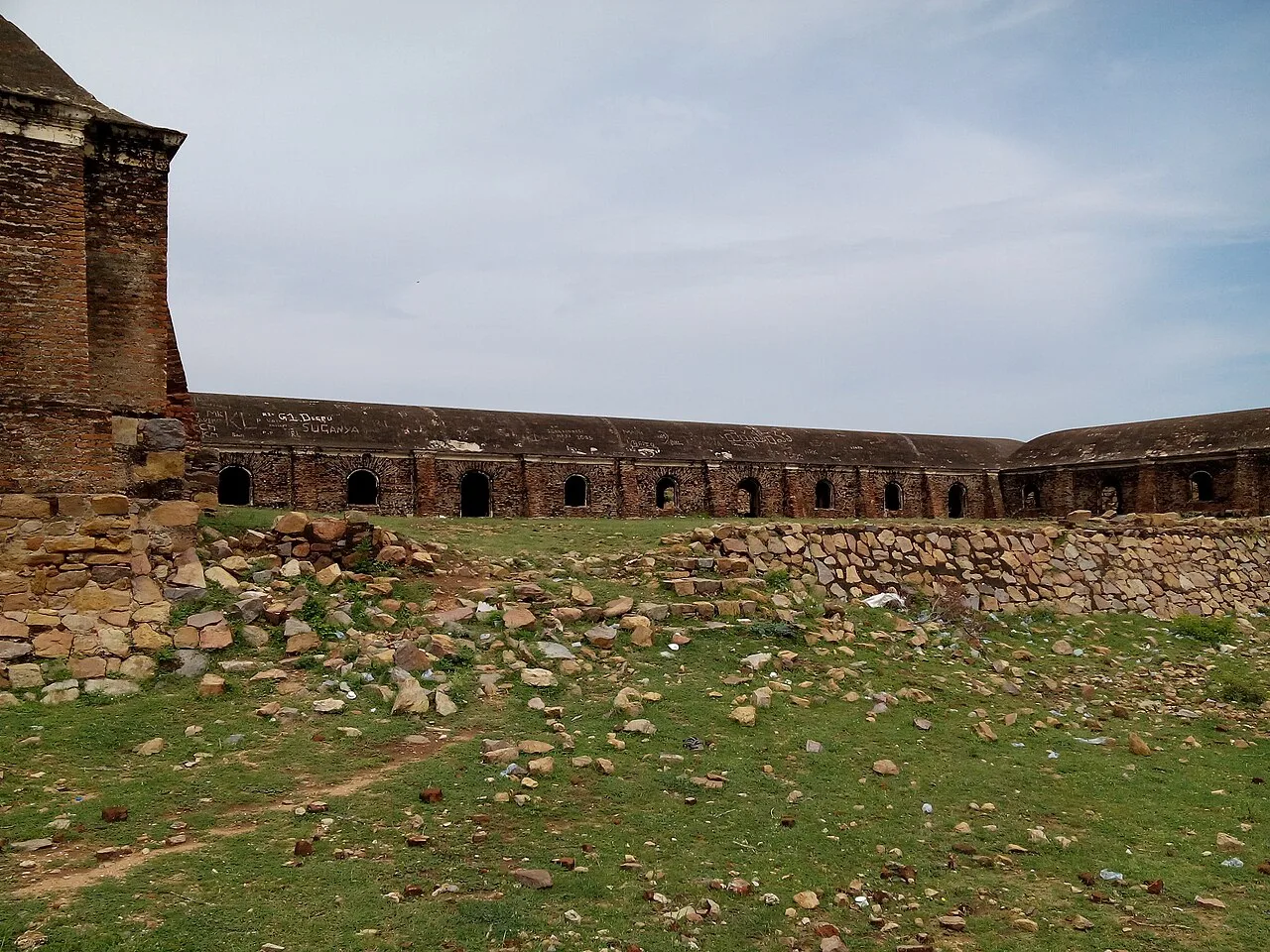
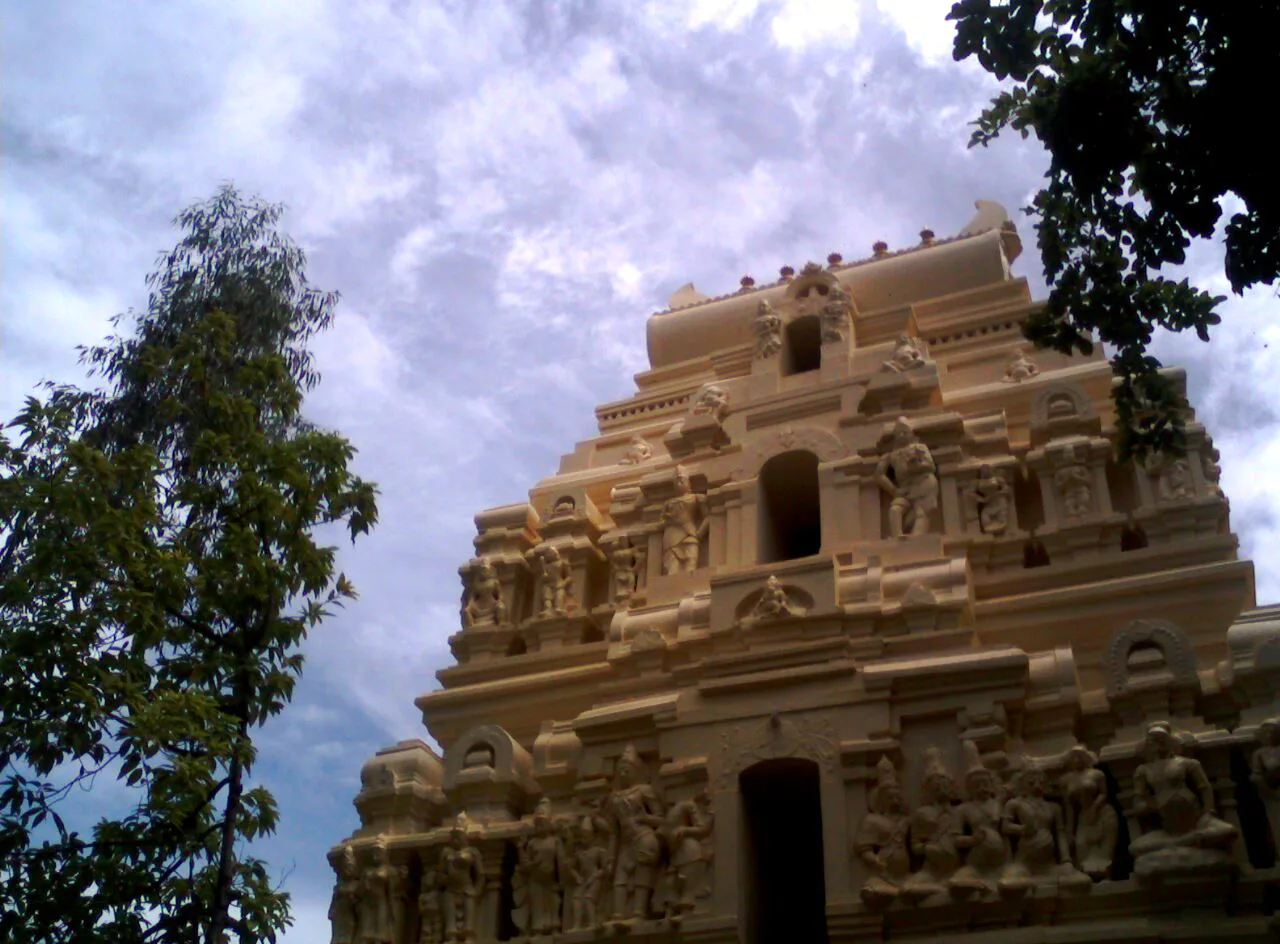
Ahobilam Nava Narasimha Temples
Ahobilam1 place to see

Ahobilam Nava Narasimha Temples

Amaravati Mahachaitya (Great Stupa)
Amaravati1 place to see

Amaravati Mahachaitya (Great Stupa)

Yaganti temple
Banaganapalli1 place to see

Yaganti temple

Suryalanka Beach
Bapatla1 place to see

Suryalanka Beach

Bhimavaram
Bhimavaram1 place to see

Sights in and around Bhimavaram

Kanipakam Vinayaka Temple
Chittoor1 place to see

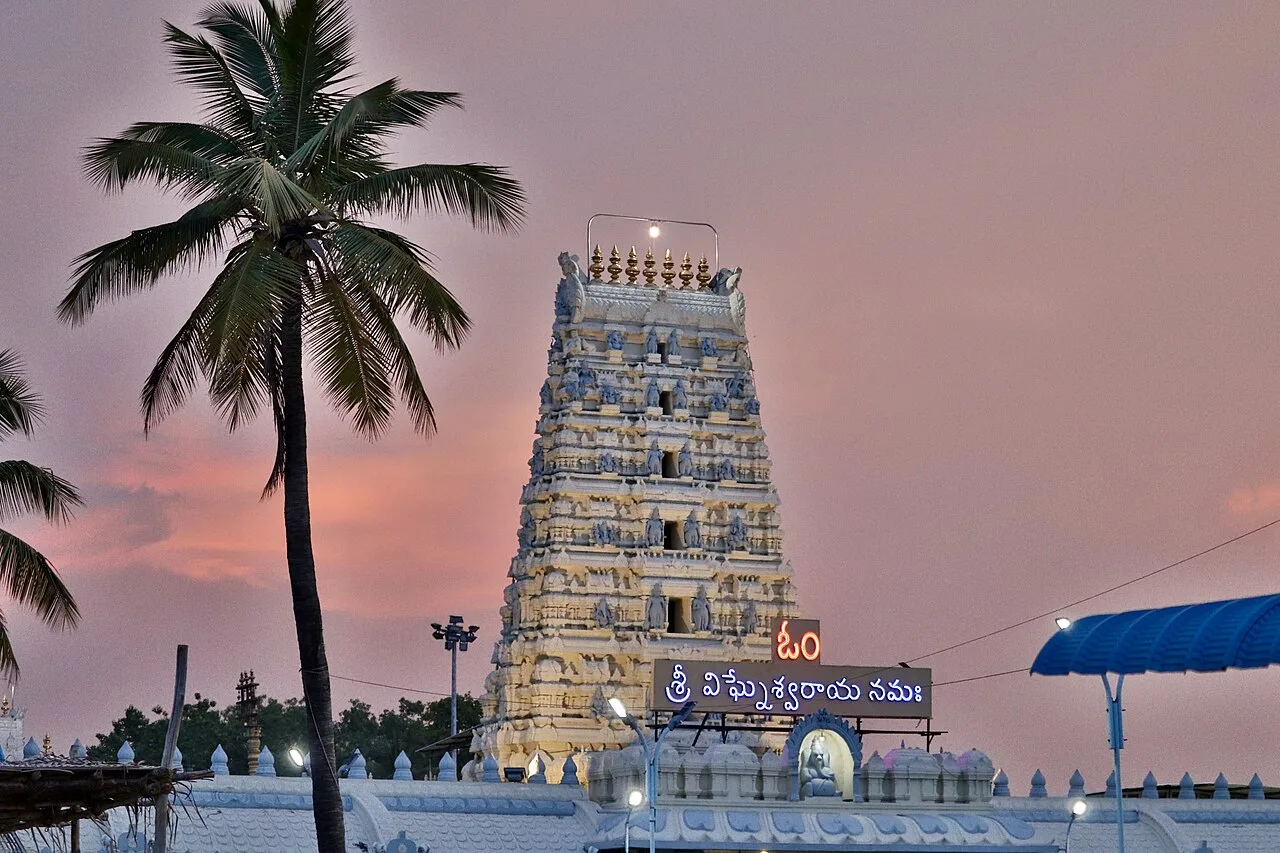
Kanipakam Vinayaka Temple

Guntupalli Buddhist Caves
Eluru1 place to see

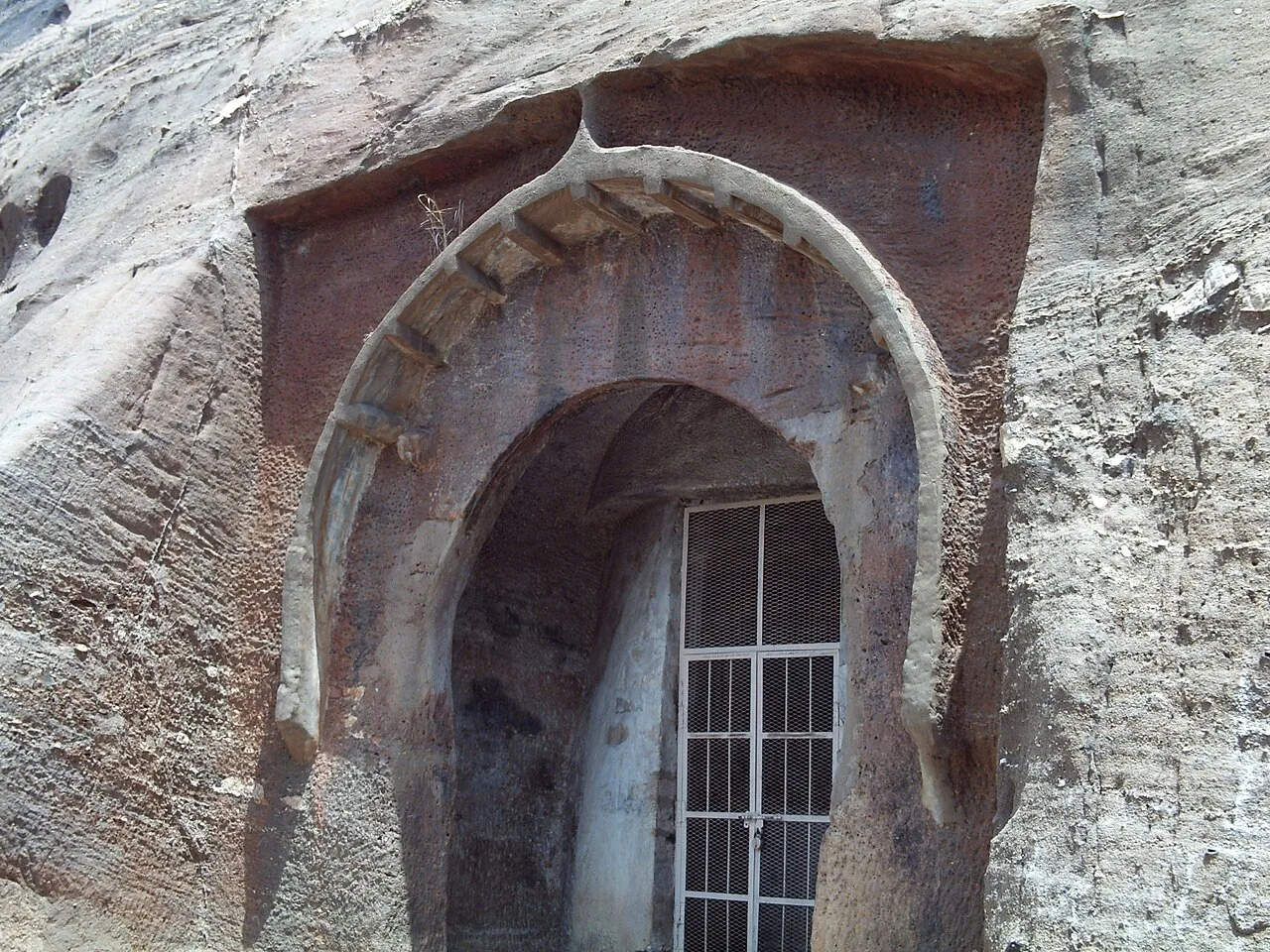
Guntupalli Buddhist Caves

Gandikota Gorge and Fort
Gandikota1 place to see

Gandikota Gorge and Fort

Gooty Fort
Gutti1 place to see

Gooty Fort

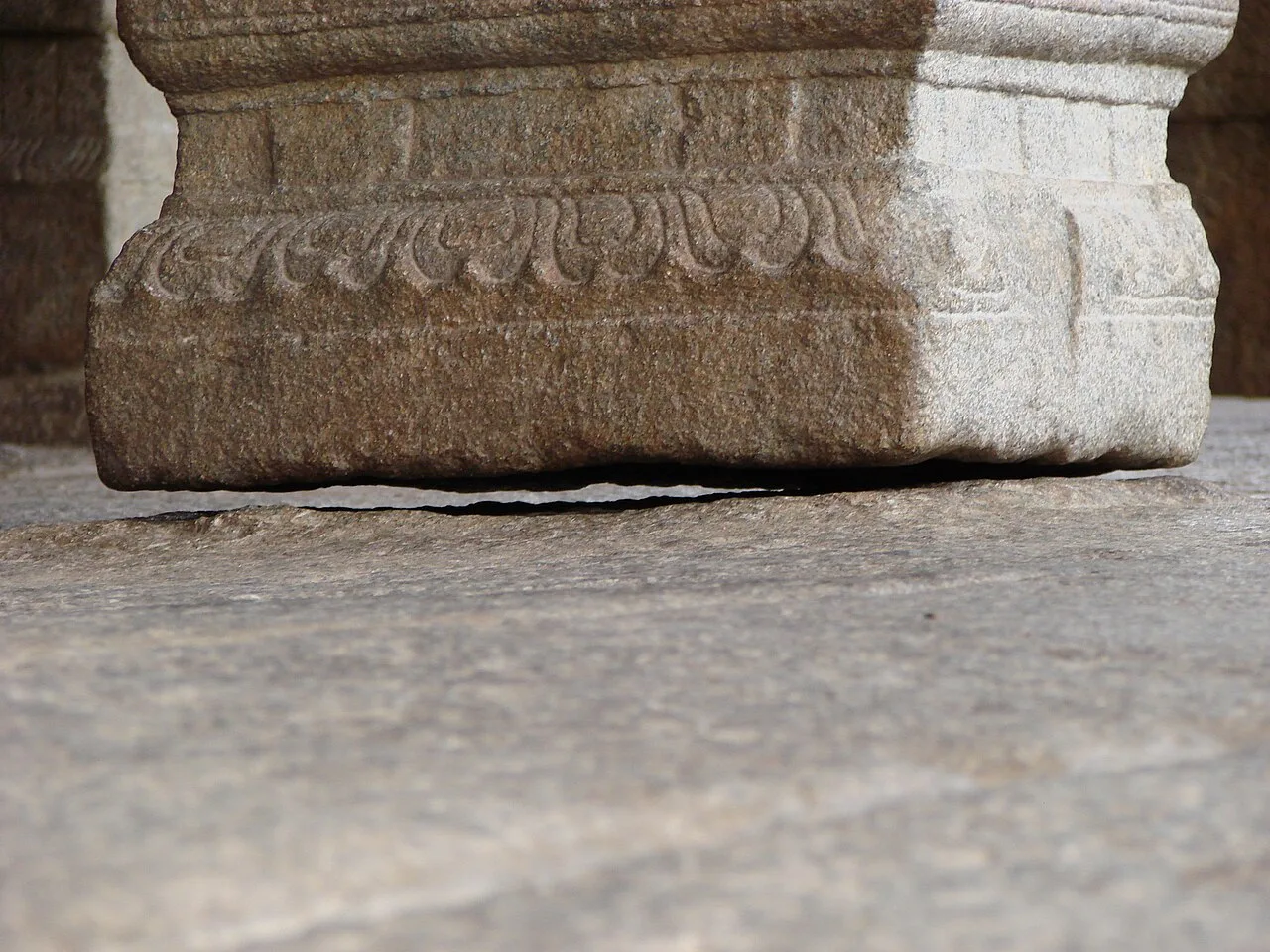
Lepakshi Veerabhadra Temple
Hindupur1 place to see

Lepakshi Veerabhadra Temple

Kadapa1 place to see

Ameen Peer Dargah

Hope Island, Kakinada
Kakinada1 place to see

Hope Island, Kakinada

Manginapudi Beach
Kanuru1 place to see

Manginapudi Beach

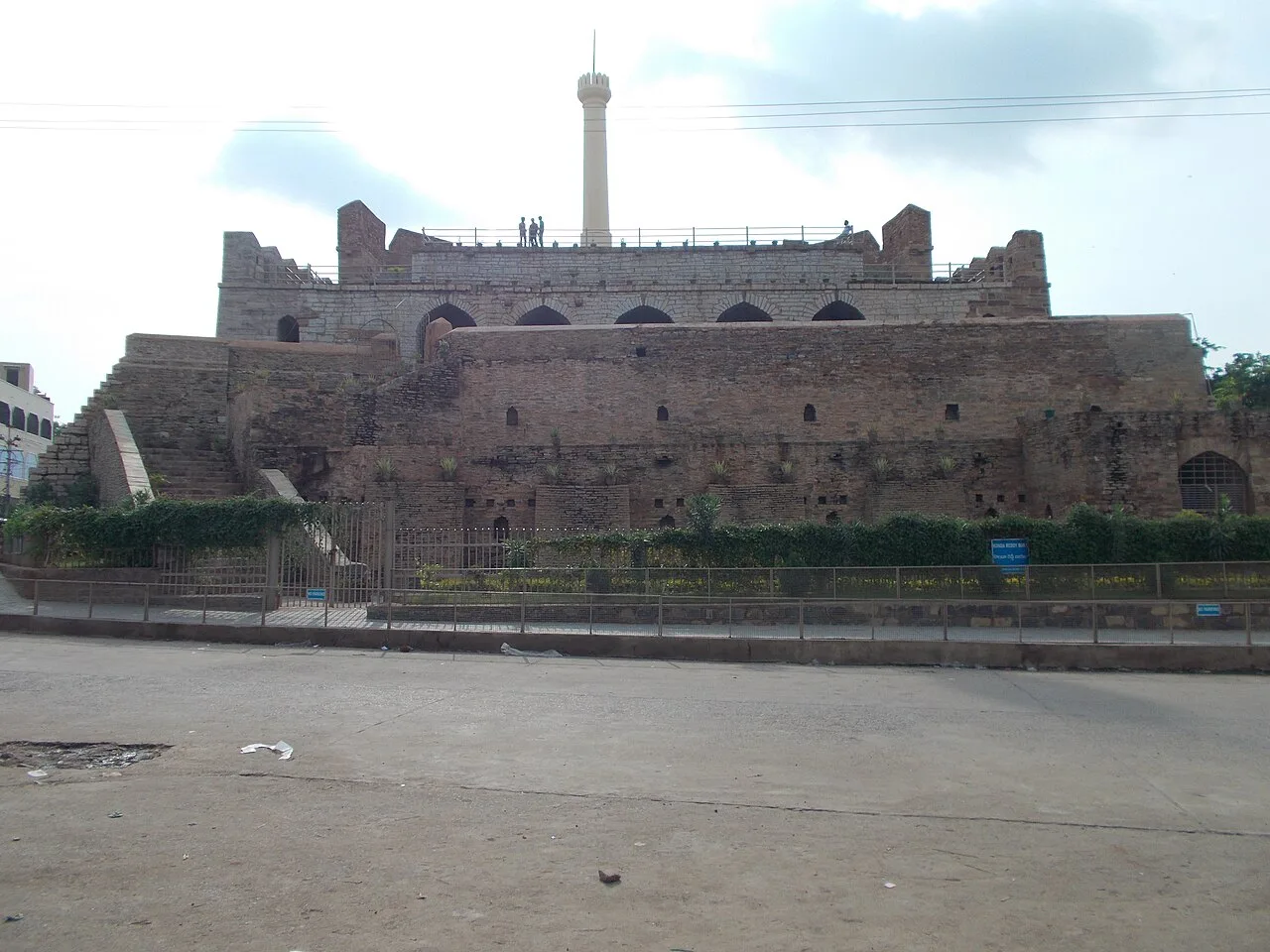
Konda Reddy Fort
Kurnool1 place to see

Konda Reddy Fort

Machilipatnam1 place to see

Pedana (Kalamkari Village)

Horsley Hills
Madanapalle1 place to see

Horsley Hills

Mahanandi Temple
Nandyal1 place to see

Mahanandi Temple

Narasapuram1 place to see

Antarvedi Temple and Beach

Kotappakonda Temple
Narasaraopet1 place to see

Kotappakonda Temple

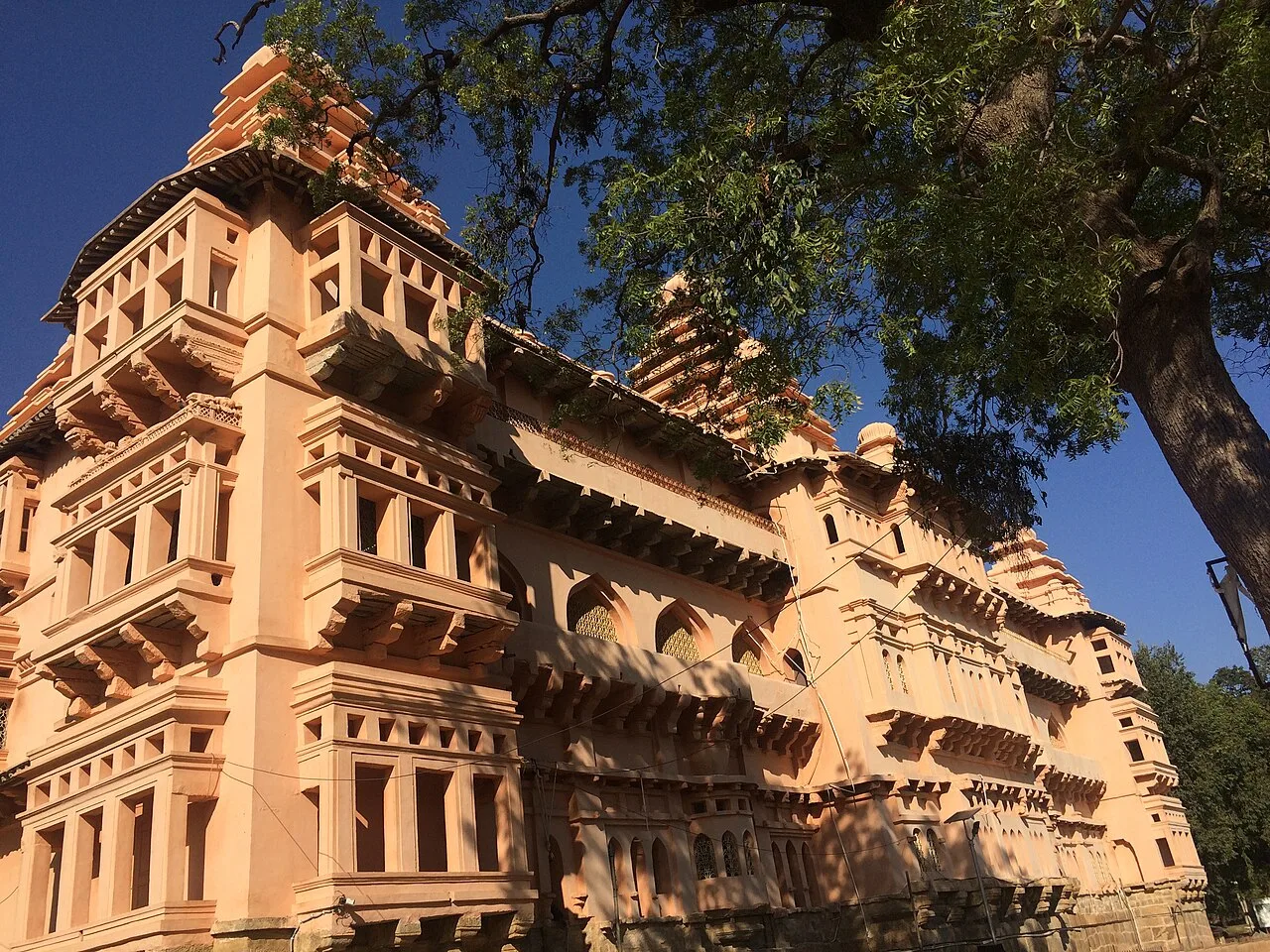
Chandragiri Fort, Tirupati
Narasinga Puram1 place to see

Chandragiri Fort, Tirupati

Lambasingi
Narsipatnam1 place to see

Lambasingi

Nelapattu Bird Sanctuary
Nayudupeta1 place to see

Nelapattu Bird Sanctuary

Mypadu Beach
Nellore1 place to see

Mypadu Beach

Phirangipuram1 place to see

Kondaveedu Fort

Puttaparthi (Prasanthi Nilayam)
Puttaparthi1 place to see

Sights in and around Puttaparthi

Rajampet1 place to see

Penchalakona Temple

Baruva Beach
Sompeta1 place to see

Baruva Beach

Srikalahasti Temple
Srikalahasti1 place to see

Srikalahasti Temple

Srisailam (Mallikarjuna Jyotirlinga)
Srisailam1 place to see

Srisailam (Mallikarjuna Jyotirlinga)

Pulicat Lake
Sullurpeta1 place to see

Pulicat Lake

Belum Caves
Thummalamenta1 place to see

Belum Caves

Talakona Waterfalls
Tirumala1 place to see

Talakona Waterfalls

Coringa Wildlife Sanctuary
Yanam1 place to see

Coringa Wildlife Sanctuary

Away from the cities — 6 more places by district

District discovery

Andhra Pradesh: 22 districts covered

Open a district to see its destinations and neighbours. More districts are added as our team writes them.

22 of 22 districts have destination guides

Destinations

Every guide in this state

Open a district to see its cities and towns, villages and places to see.

Alluri Sitharama Raju4 places
Anantapur3 places
Bapatla1 place

Places to see

Chittoor1 place

Places to see

East Godavari5 places
Eluru2 places
Guntur4 places
Kakinada4 places
Konaseema1 place
Krishna4 places
Kurnool2 places
Nandyal6 places
NTR4 places
Palnadu4 places
Sri Potti Sriramulu Nellore5 places
Sri Sathya Sai2 places
Srikakulam3 places
Tirupati7 places
Visakhapatnam7 places
Vizianagaram2 places
West Godavari2 places

Cities & towns

Places to see

YSR3 places

Festivals & fairs

The calendar here

Full calendar

Festivals of Andhra Pradesh through the year

Usual season and where each is best known. Exact dates follow local calendars — linked festivals have dated guides.

  • UgadiMarch–AprilTelugu new year.
  • Sankrantithree days, JanuaryBhogi, Sankranti, Kanuma. Famous in the Godavari districts, especially Konaseema and East Godavari.
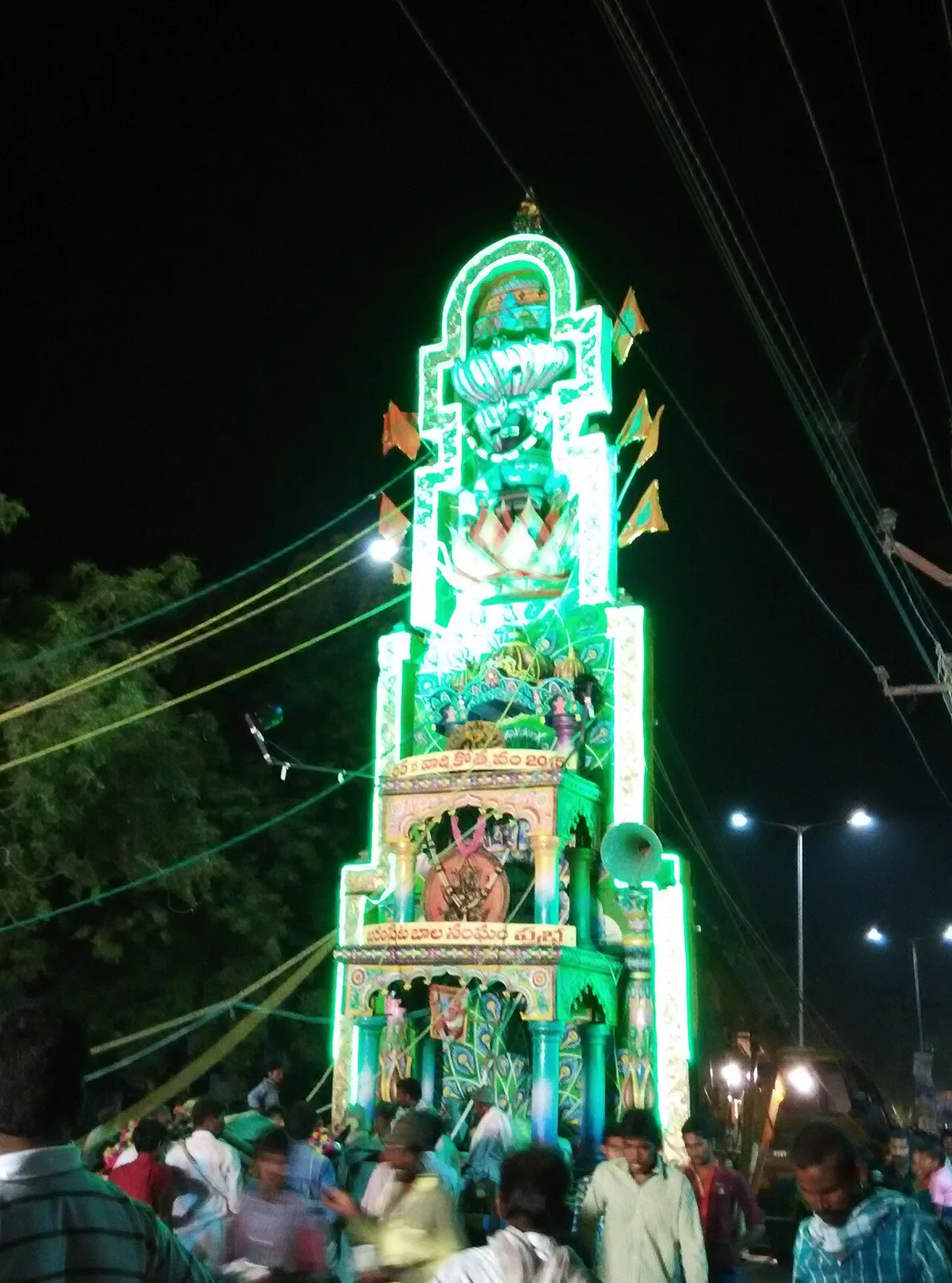
  • Tirumala BrahmotsavamSeptember–OctoberTirupati district.
  • Vaikunta EkadasiDecember–JanuaryTirumala.
  • Godavari and Krishna Pushkaralueach every 12 years
  • Ratha SaptamiJanuary–FebruaryArasavalli, Srikakulam district.
  • Simhachalam ChandanotsavamApril–MayVisakhapatnam.
  • Maha ShivaratriSrisailam, Nandyal district.
  • Gangamma JataraMayTirupati.
  • Vinayaka ChavithiAugust–September
From travellers and locals

Be the first to share photos, stories, advice or a helpful contact for Andhra Pradesh.

Loading…