Ghumoopedia — Explore, Discover, Experience
Sign in
Kapila Theertham, near Nagari

City guide · Andhra Pradesh

Nagari

Nagari is a small regional town in Andhra Pradesh’s Chittoor district, serving as the headquarters of Nagari mandal and an administrative and market centre for surrounding settlements. Its position near the Andhra Pradesh–Tamil Nadu border gives it a cross-border character: Telugu is prominent, while Tamil language and influences are also part of everyday life.

Famous for

  • Nagari Hills
  • Nagari Nose rock formation
  • Nagari mandal headquarters
  • Andhra–Tamil Nadu border setting

Why Nagari matters

Nagari is a small regional town in Andhra Pradesh’s Chittoor district, serving as the headquarters of Nagari mandal and an administrative and market centre for surrounding settlements. Its position near the Andhra Pradesh–Tamil Nadu border gives it a cross-border character: Telugu is prominent, while Tamil language and influences are also part of everyday life. The town is connected by road with larger centres in the region, including Tirupati, and can serve as a quieter base for exploring the local countryside.

The most distinctive natural feature nearby is the Nagari Hills, associated with the striking rock formation known as Nagari Nose. The hills draw visitors interested in scenery and outdoor exploration, though conditions and access can vary. Nagari is not a major resort destination; its appeal is chiefly its landscape, local-town atmosphere and practical role in the region. Visitors may also use it as a stop while travelling between towns in southern Andhra Pradesh and northern Tamil Nadu. Local temples, shops and everyday markets offer a glimpse of life in a border-area mandal centre.
Famous for: crafts, trade & products

Nagari is better known as a local administrative and trading town than as a nationally recognised centre for a particular craft or branded product. The available information does not establish a distinctive Nagari textile, handicraft or GI-tagged product, so visitors should be cautious about claims that a product is exclusive to the town. Everyday retail is the more reliable way to explore its commercial life: the central shopping streets and market area serve residents from Nagari and nearby villages.

Shops generally cater to ordinary needs, including clothing, household goods and provisions; availability changes, and specialist selections may be broader in larger regional centres such as Tirupati. For local produce or seasonal goods, ask at the market or with residents, since offerings can vary through the year. The town’s wider identity is closely tied to the Nagari Hills and the dramatic Nagari Nose formation, rather than to a major manufacturing or tourism industry. Travellers looking specifically for recognised Andhra crafts or GI products may need to seek them in other towns and verify their origin before buying.

History

Nagari’s history is best understood in the context of the wider Chittoor region, a corridor shaped over centuries by South Indian kingdoms and changing political boundaries. The region experienced the influence of powers including the Pallavas, Cholas and Vijayanagara rulers; authority later shifted through successor administrations before the area came under British rule. These broad regional histories do not necessarily document specific events in Nagari itself, so local claims about particular rulers or monuments should be treated carefully.

In modern times, Nagari developed as a service and market centre for its surrounding settlements. Its position close to the Tamil Nadu border has encouraged everyday movement and exchange across state lines. Administrative changes have also shaped its role: Nagari is the headquarters of Nagari mandal and is associated with the Nagari revenue division. Today, its civic importance is primarily regional, while its nearby hills give the town a distinctive landscape and a modest draw for visitors.

Food, festivals & culture

Nagari’s food reflects the meeting of Andhra and Tamil influences. Rice-based meals, lentils, vegetable curries, pickles and chutneys are familiar choices, alongside widely available South Indian dishes such as idli and dosa. Local eateries are the most practical places to sample everyday cooking; particular sweets or dishes should not be assumed to be unique to Nagari. Telugu is the principal language of the area, and Tamil is also understood and spoken by many people because of the town’s border location.

The annual festival calendar commonly follows the wider regional pattern. Sankranti, usually in January, is marked around the harvest season; Ugadi falls in March or April; and Dasara and Deepavali are observed in autumn, with dates varying by the lunar calendar. Temple worship and local religious observances are part of community life, though festival schedules differ between temples and villages. The town’s temples provide places for worship, while music and dance are most visible during religious occasions and community celebrations rather than as a major visitor-facing performance scene.

Visiting the city

The cooler months, roughly November to February, are generally the most comfortable for exploring Nagari and the surrounding hills. Summer can be hot, while monsoon weather may affect outdoor plans. The nearest airport is Tirupati Airport at Renigunta. Nagari railway station serves the town; Tirupati is a larger rail hub for onward connections. Road travel is useful for reaching nearby settlements and the Nagari Hills, and local taxis or auto-rickshaws may be available, though arrangements are best confirmed on arrival.

Begin around the town centre and market streets for shops, food and everyday activity, then explore the foothill outskirts for views of the Nagari landscape. Nagari Nose is a notable natural feature, but check local advice on access and conditions before setting out. Nagari works better as a short stop or quiet base than as a full-service tourist centre.

Trips from the city

Nearest places to visit from Nagari

Our closest destination guides, by straight-line distance.

Kapila Theertham

41 km away · Tirupati district

Kapila Theertham

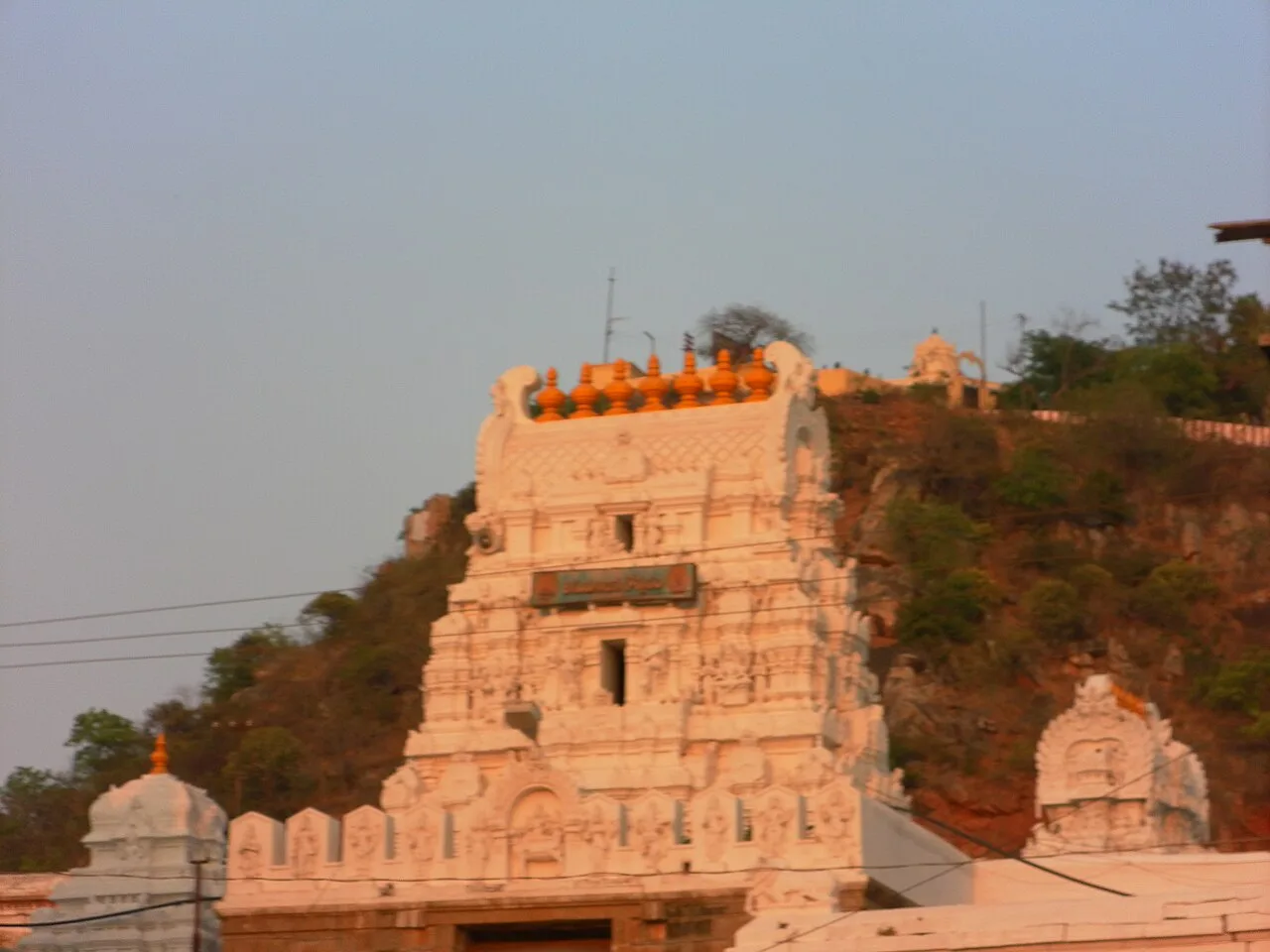
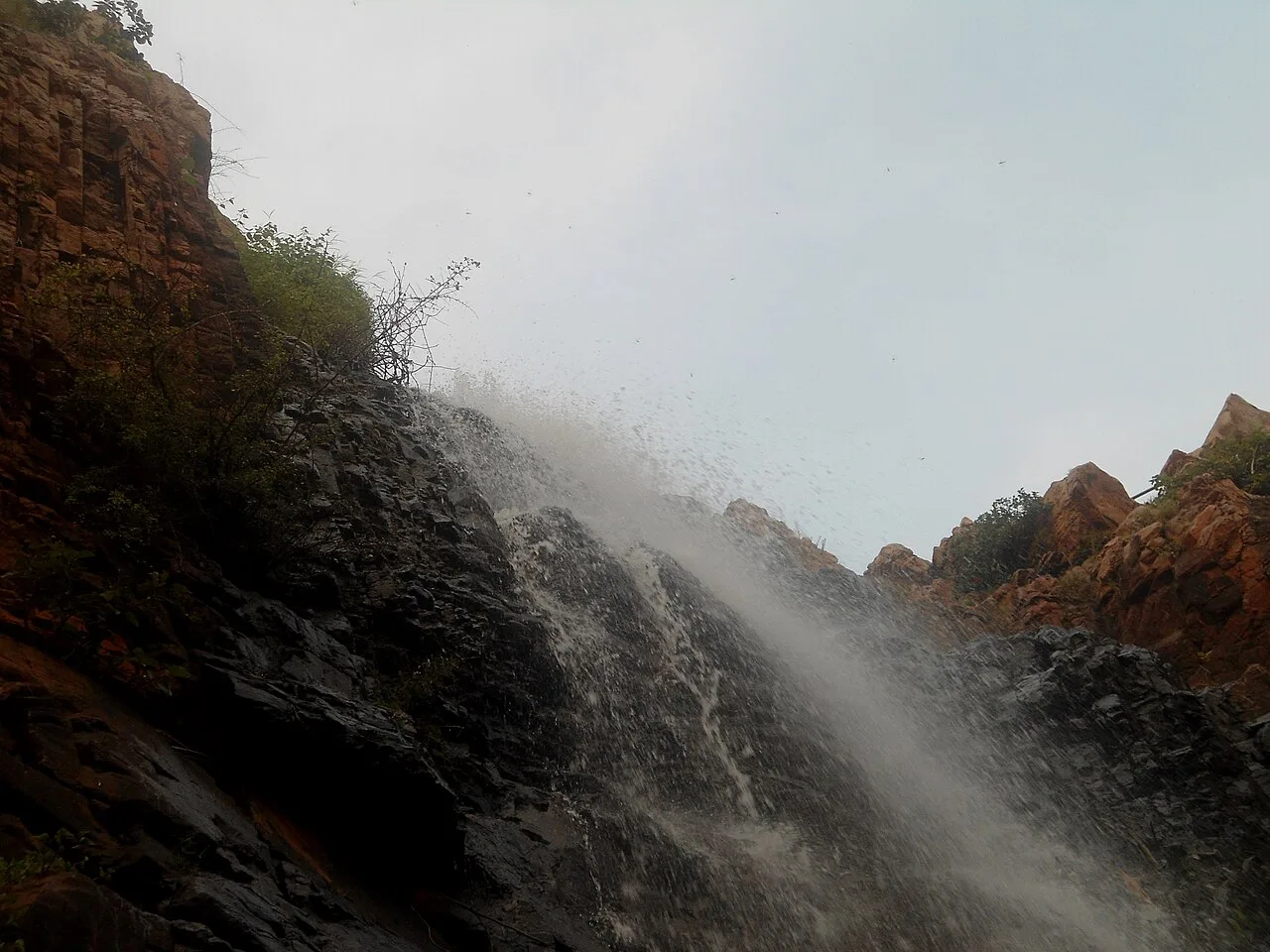
Kapila Theertham is a small Shaivite shrine and sacred bathing place in Tirupati, Andhra Pradesh. Visitors come to worship Shiva, known here as Kapileswara, and see the temple tank.

Chandragiri Fort, Tirupati

42 km away · Tirupati district

Chandragiri Fort, Tirupati

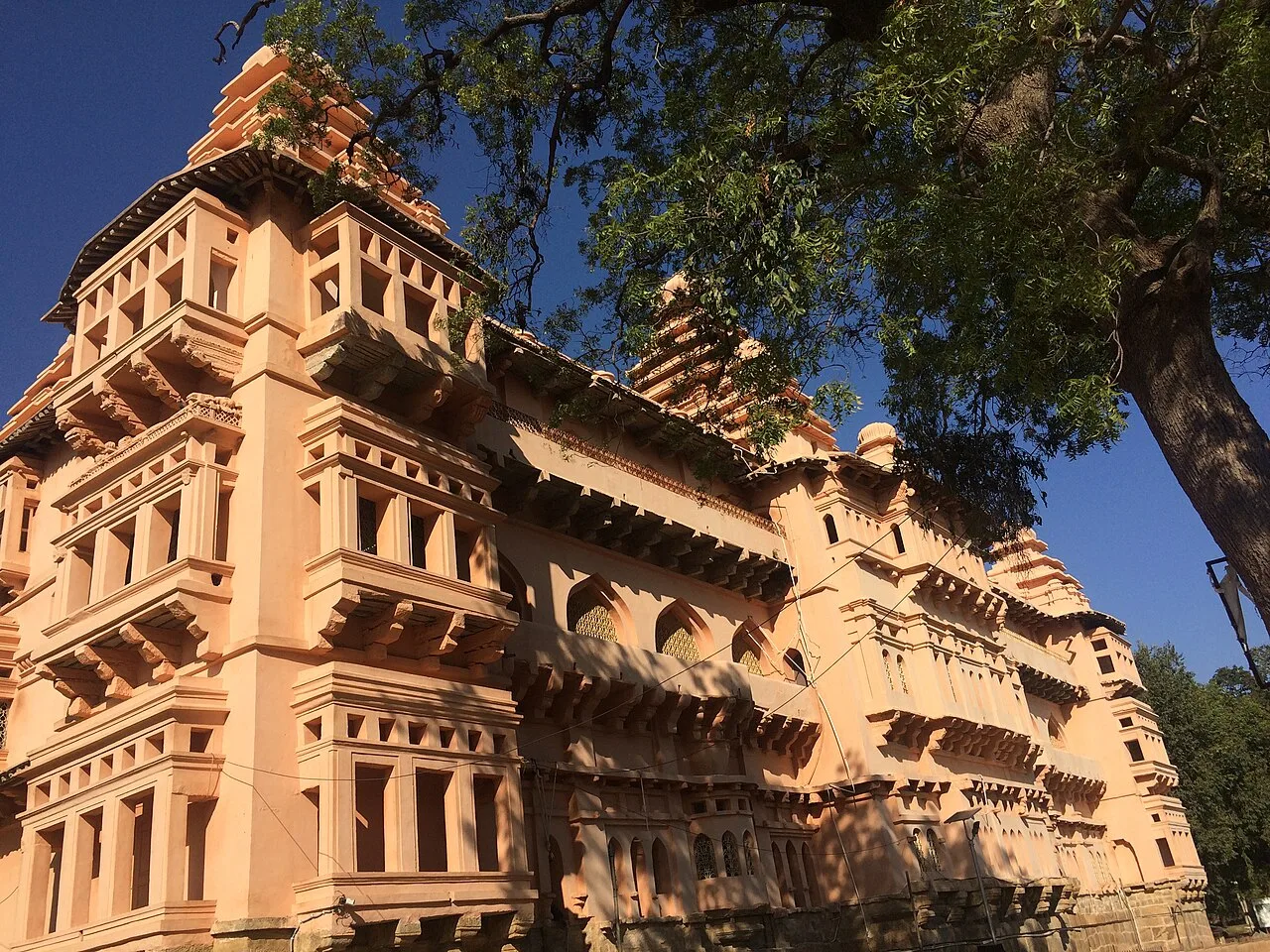
Chandragiri Fort is a historic stronghold in Tirupati district, Andhra Pradesh, notable for its rectangular bastions and steep moat. Visitors come to see its fortifications and learn about its past.

Tirumala Venkateswara Temple

48 km away · Tirupati district

Tirumala Venkateswara Temple

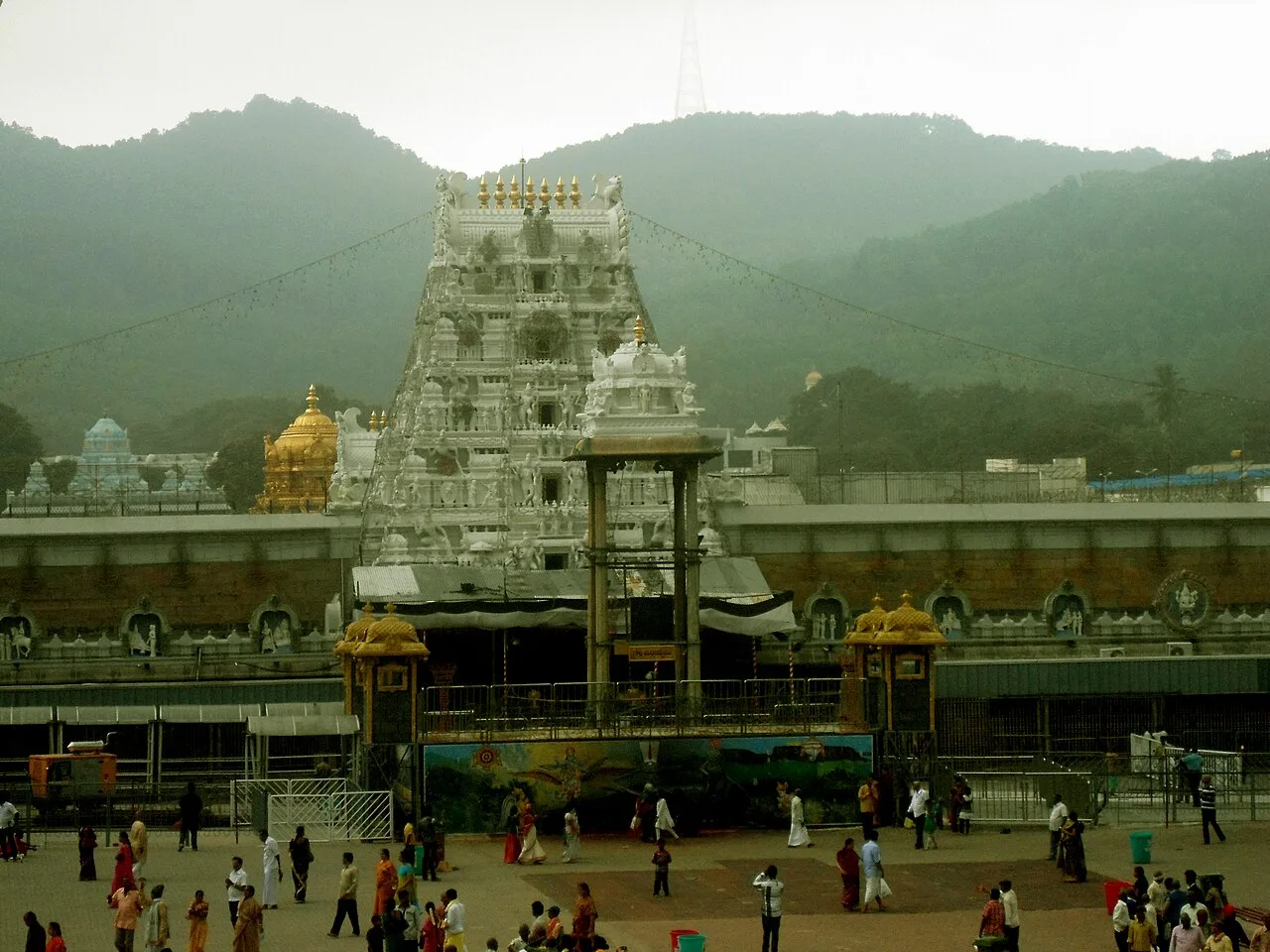
Set among Tirumala’s seven peaks, this Hindu shrine honours Venkateswara, a form of Vishnu. People visit to worship the deity, who is associated with protection during Kali Yuga.

Srikalahasti Temple

49 km away · Tirupati district

Srikalahasti Temple

Srikalahasti Temple is a Shiva shrine in Andhra Pradesh, visited for its Vayu Lingam and its associations with Rahu-Ketu worship and the Kannappa legend.

Kanipakam Vinayaka Temple

54 km away · Tirupati district

Kanipakam Vinayaka Temple

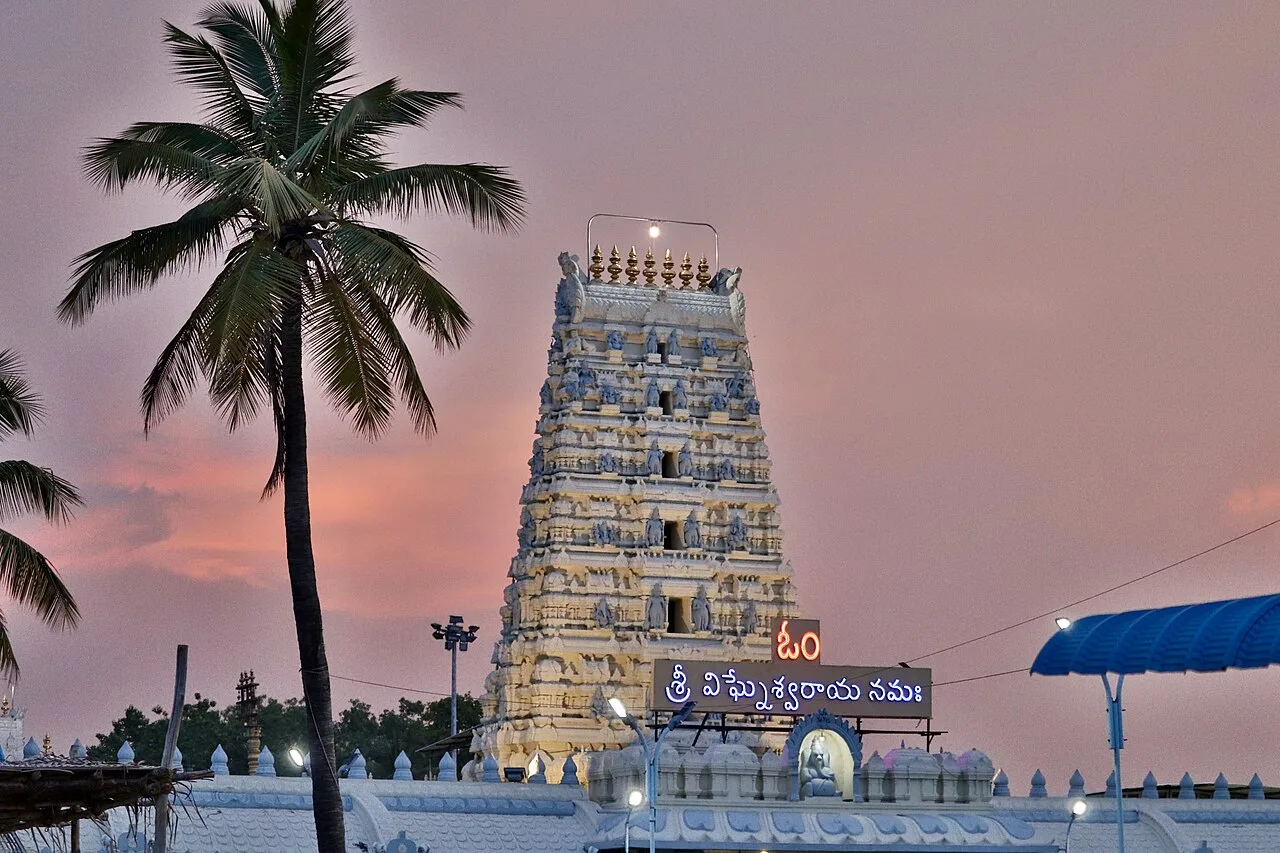
Kanipakam Vinayaka Temple is a place of worship in Andhra Pradesh, in the town of Kanipakam. Visitors come to worship Vinayaka.

Talakona Waterfalls

68 km away · Tirupati district

Talakona Waterfalls

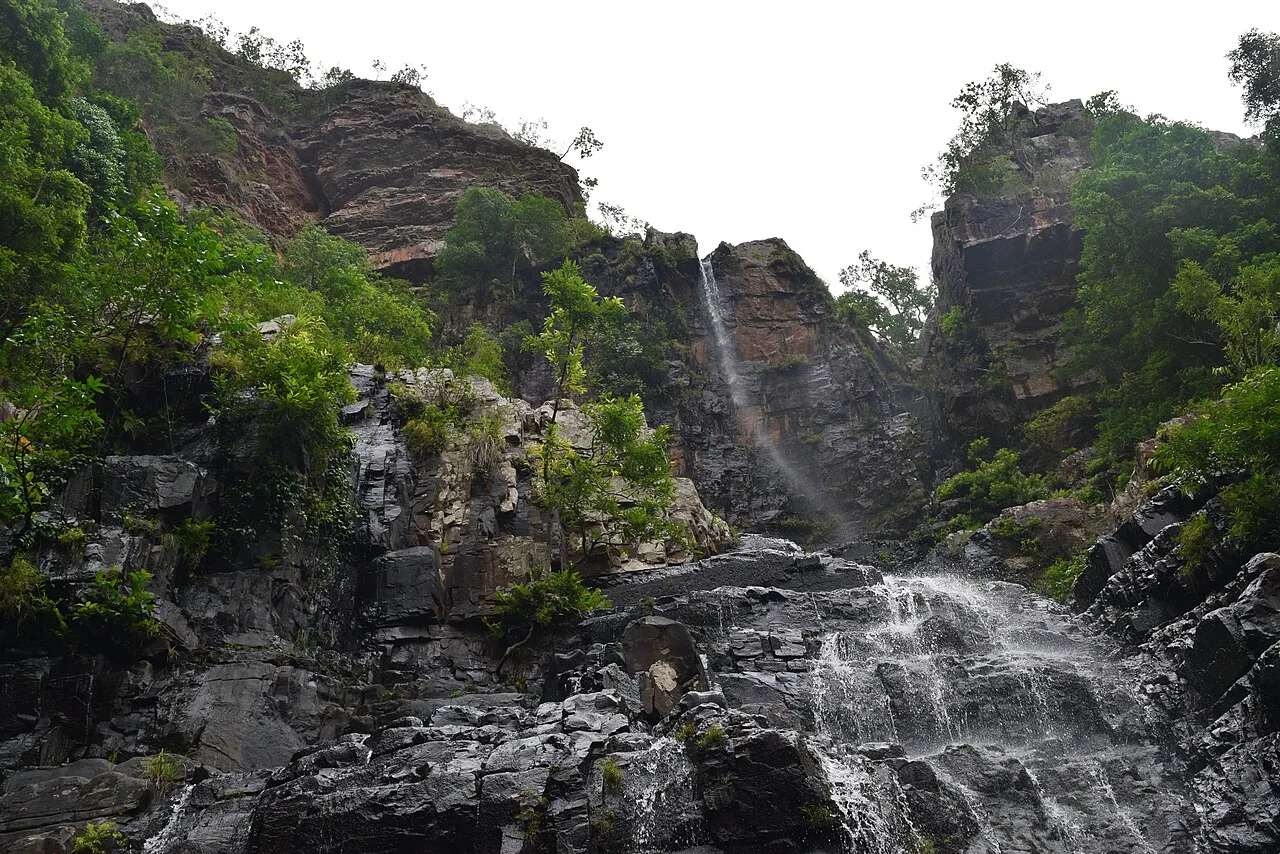
Talakona is a waterfall destination in Andhra Pradesh’s Tirupati district, drawing visitors for its high cascade, forest setting, wildlife and nearby Lord Siddheswara Swamy Temple.

Nelapattu Bird Sanctuary

69 km away · Sri Potti Sriramulu Nellore district

Nelapattu Bird Sanctuary

Nelapattu Bird Sanctuary is a bird sanctuary in Tirupati district, Andhra Pradesh, India, near the village of Nelapattu.

Pulicat Lake

69 km away · Sri Potti Sriramulu Nellore district

Pulicat Lake

Pulicat Lake is India’s second-largest brackish-water lagoon, covering 759 square kilometres and ranking after Chilika. Visitors come to experience its wetland setting and Pulicat Lake Bird Sanctuary.

Map

Nagari on the map

  1. 1Kapila Theertham
  2. 2Chandragiri Fort, Tirupati
  3. 3Tirumala Venkateswara Temple
  4. 4Srikalahasti Temple
  5. 5Kanipakam Vinayaka Temple
  6. 6Talakona Waterfalls
  7. 7Nelapattu Bird Sanctuary
  8. 8Pulicat Lake

Andhra Pradesh

Other cities to explore