
Ghumoopedia — Explore, Discover, Experience
Sign in
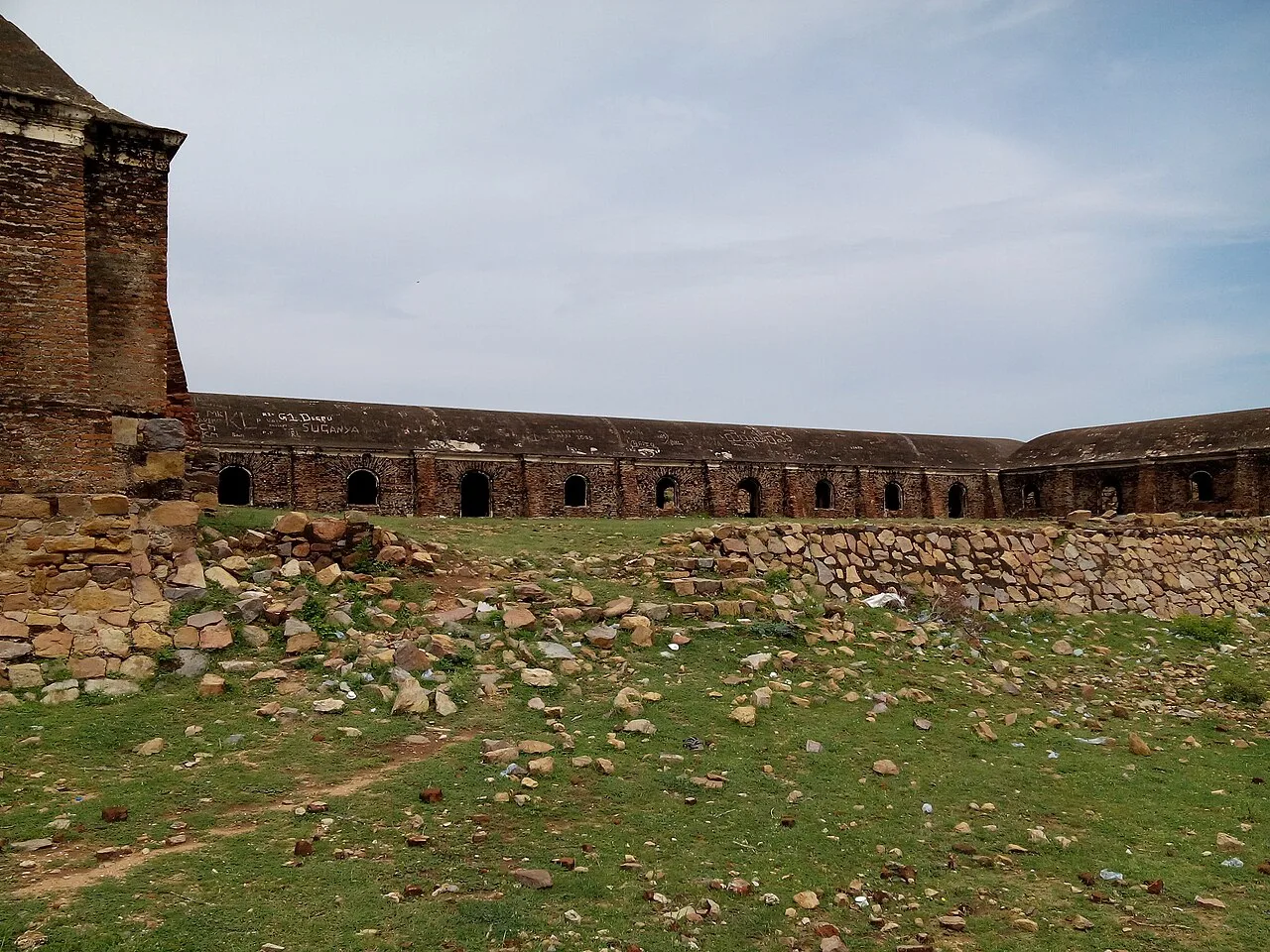
Gooty Fort, near Gutti

City guide · Andhra Pradesh

Gutti

Gooty, also spelled Gooty or Guththi, is a historic town in Andhra Pradesh’s Anantapur district and the headquarters of Gooty mandal. Its most prominent landmark is Gooty Hill Fort, a complex of walls and gateways spread across a rocky hill above the town.

Famous for

  • Gooty Hill Fort
  • Chalukya-era fortifications
  • Murari Rao’s residence
  • Narasimha shrine
In the city
1
District
Anantapur

Why Gutti matters

Gooty, also spelled Gooty or Guththi, is a historic town in Andhra Pradesh’s Anantapur district and the headquarters of Gooty mandal. Its most prominent landmark is Gooty Hill Fort, a complex of walls and gateways spread across a rocky hill above the town. The climb and the broad views over the surrounding dry landscape make the fort the main draw for visitors interested in history and heritage.

Gooty also has a place in the story of the Deccan’s changing kingdoms: its fort passed through the hands of the Chalukyas, Vijayanagara rulers, the Qutb Shahi dynasty, the Mughals, the Marathas and the British. Today, the town serves local residents and nearby settlements as a centre for administration, transport and everyday trade. Its railway station and road connections make it a useful stop for travellers moving through the Anantapur region. Visitors generally come for the fort and its historic setting rather than for a large collection of museums or specialised shopping districts.

Famous for: crafts, trade & products

Gooty is best known for its hill fort and layered military history, rather than for a signature textile, handicraft or GI-tagged product. The fort’s stone walls, gateways and hilltop setting are the town’s defining heritage attraction. Within the fort precinct, the Narasimha shrine and nearby damaged inscriptions offer clues to its earlier history; the surviving fortifications include work associated with the late Chalukya period. Maratha ruler Murari Rao later repaired the fort and made it his residence.

The town’s shops and local markets mainly serve everyday needs. Visitors can look around the central commercial streets and market areas for groceries, household goods and seasonal produce, but should not expect a dedicated craft bazaar or a recognised speciality-shopping district. Agriculture and regional exchange shape much of the surrounding economy, with produce typical of the wider Anantapur region appearing in local trade. For distinctive handicrafts, textiles or larger retail options, travellers may find more choice in bigger regional centres. Gooty’s most distinctive offering remains its fort and the historical landscape around it.

History

Inscriptions on rocks near the Narasimha shrine inside Gooty Fort are badly damaged, but appear to date from the reign of Western Chalukya king Vikramaditya VI, in the late 11th or early 12th century. The earliest surviving fortifications are also associated with the late Chalukya period. The fort later came under Vijayanagara rule and, during the reign of Venkata II, passed to the Qutb Shahi dynasty. Mughal control followed their conquest of Golconda.

Around 1746, Maratha general Murari Rao captured Gooty. He later made the fort his residence, repaired it and commissioned decorative work on some gateways. In 1775, Mysore ruler Hyder Ali besieged the fort; Murari Rao surrendered after water supplies ran short. The East India Company subsequently took control. Thomas Munro, a Company administrator, is buried in the cemetery at the fort’s foothill. In modern times, Gooty has developed as a mandal headquarters and a regional road and rail stop, while the fort remains its most visible link to the past.

Food, festivals & culture

Everyday food in Gooty reflects Rayalaseema tastes: meals often include rice, lentils, vegetable curries and tangy or chilli-rich preparations. Ragi sangati, a firm millet dish commonly eaten with curry, is part of the broader regional food tradition. Local eateries and homes may also serve pulusu, a sour stew, and seasonal sweets, though Gooty is not especially known for a signature sweet or food product.

Telugu is the main language of daily life; Urdu and English may also be heard. Ugadi, the Telugu New Year in spring, and Sankranti in January are widely observed, while Dasara celebrations take place in autumn. Temple festivals add to the local calendar, with celebrations varying by shrine and year. Music and dance are connected to wider Andhra and Rayalaseema traditions, including devotional singing and performances at festivals rather than a distinct Gooty-specific style. The Narasimha shrine within the fort and temples around town offer places to see local devotional practice; visitors should dress respectfully and follow any posted guidance.

Visiting the city

The cooler months, roughly October to February, are generally the most comfortable time to visit; summer can be very hot, especially when exploring the exposed hill fort. The nearest airport is Sri Sathya Sai Airport at Puttaparthi, but scheduled services may be limited, so check current connections; Kempegowda International Airport in Bengaluru is a larger alternative. Gooty railway station serves the town and is the main station for visitors arriving by train.

Auto-rickshaws and local taxis can help with trips between the station, town centre and fort. The central market streets are useful for a short walk and everyday refreshments, while the fort and its foothill cemetery are the main heritage areas to explore. Wear sturdy shoes and carry water for the uphill visit. Check local conditions before setting out, as access and facilities at historic sites can vary.

Attractions

Places to visit in Gutti

Sights within about 12 km of each other, even when they fall in different districts.

Map

Gutti on the map

  1. 1Gooty Fort

Andhra Pradesh

Other cities to explore