
Ghumoopedia — Explore, Discover, Experience
Sign in
Araku Valley, near Araku Valley

City guide · Andhra Pradesh

Araku Valley

Araku Valley is a hill station in the Eastern Ghats of Andhra Pradesh, known for its cool highland setting, forested slopes and strong links to Adivasi communities. It is an important visitor destination in the region, drawing travellers from Visakhapatnam for its scenic rail journey, coffee-growing landscapes and nearby natural attractions.

Famous for

  • Araku Valley coffee
  • Bamboo-cooked fish
  • Tribal honey
  • Eastern Ghats scenery
  • Dhimsa dance
In the city
1
Nearby
2
District
Alluri Sitharama Raju

Why Araku Valley matters

Araku Valley is a hill station in the Eastern Ghats of Andhra Pradesh, known for its cool highland setting, forested slopes and strong links to Adivasi communities. It is an important visitor destination in the region, drawing travellers from Visakhapatnam for its scenic rail journey, coffee-growing landscapes and nearby natural attractions. The valley’s coffee, particularly its Arabica, has helped give Araku a wider identity beyond tourism.

Visitors come to see the hills and plantations, learn about local tribal cultures and sample regional foods, including fish or chicken cooked in bamboo. The Tribal Museum and local markets offer an introduction to the area’s communities and crafts, while nearby viewpoints, waterfalls and caves make the valley a base for exploring the Eastern Ghats. Coffee and honey production also support livelihoods, with cultivation and processing involving local growers and cooperatives. Araku’s appeal lies in this combination of landscape, agricultural heritage and living culture rather than a single monument or attraction.
Famous for: crafts, trade & products

Araku is best known for coffee grown in the valley, especially Arabica associated with local tribal farming. Araku Valley Arabica Coffee has a Geographical Indication tag. Coffee cultivation expanded through public agencies and cooperative initiatives, and growers continue to shape the product’s identity. Visitors can look for locally produced coffee, flavoured honey and other regional goods at shops and stalls in Araku, as well as through Girijan Cooperative outlets where available.

Apiculture is another local activity, and several varieties of flavoured honey are produced commercially. Bamboo-cooked fish is a distinctive regional speciality; bamboo chicken is also commonly encountered on menus and at food stalls. Tribal handicrafts and bamboo items may be found in local markets and at cultural attractions such as the Tribal Museum. These are primarily community-made products rather than large-scale factory goods. Araku is not a major textile or industrial centre, so visitors seeking its characteristic products should focus on coffee, honey, bamboo-based foods and locally made crafts. Stock and availability can vary between outlets and seasons.

History

Araku’s past is closely tied to the Adivasi communities who have lived across the Eastern Ghats, rather than to a large royal capital or a single celebrated court. The valley’s social and cultural life developed around village communities, forest resources and cultivation. British-era plantation activity introduced commercial crops to parts of the Eastern Ghats, and tea and coffee later became associated with the wider region.

After independence, government agencies encouraged coffee cultivation in Araku. The Andhra Pradesh Forest Department developed plantations, and the Coffee Board involved the Andhra Pradesh Girijan Cooperative Corporation in promoting coffee among tribal farmers. Plantation development was later supported through cooperative and forest-development bodies, with cultivated land transferred to tribal families. These programmes helped establish coffee as a local livelihood and a defining product. In more recent decades, improved rail and road access from Visakhapatnam, together with interest in the valley’s scenery and tribal culture, has strengthened tourism and brought Araku wider recognition.

Food, festivals & culture

Araku’s food reflects local ingredients and cooking traditions. Bamboo-cooked fish is a well-known speciality, and bamboo chicken is also served in the area. Coffee is central to the valley’s identity, while honey and seasonal produce appear in local markets. Rather than being known for a signature sweet, Araku is more closely associated with its coffee, honey and distinctive savoury dishes.

Adivasi traditions are visible in community celebrations, music and the energetic Dhimsa dance, often performed at festivals and cultural events. Harvest observances and major regional festivals such as Sankranti are celebrated, with timings and customs varying among communities. Telugu is widely used, alongside Adivasi languages and dialects in local communities; Odia may also be heard given the area’s proximity to Odisha. The Tribal Museum provides an introduction to regional lifeways, while village shrines, temples and sacred natural places form part of local worship. Visitors should treat performances and religious spaces with respect and ask before photographing people or ceremonies.

Visiting the city

October to March is generally a comfortable season to visit, with pleasant conditions for exploring the hills. June to October brings much of the region’s rain, which can make travel and outdoor plans less predictable. The nearest major airport is Visakhapatnam Airport. Araku railway station, on the Kothavalasa–Kirandul line, serves the valley; road connections also link it with Visakhapatnam.

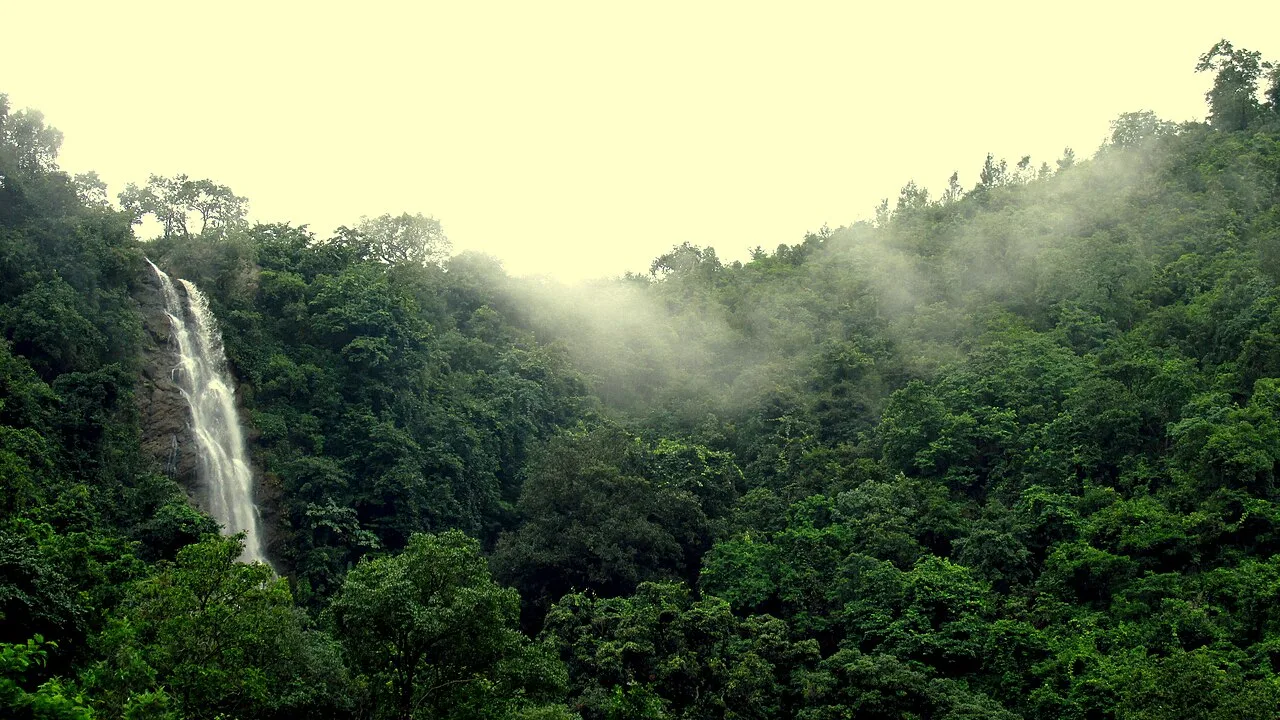
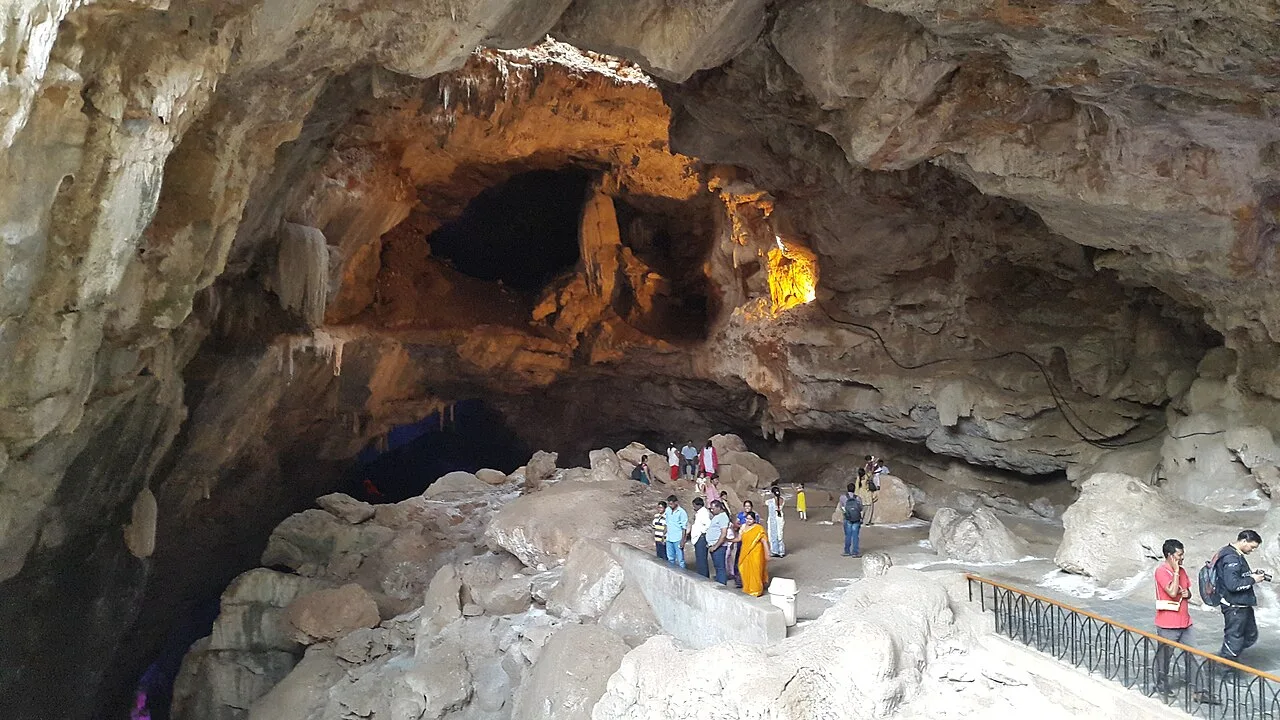
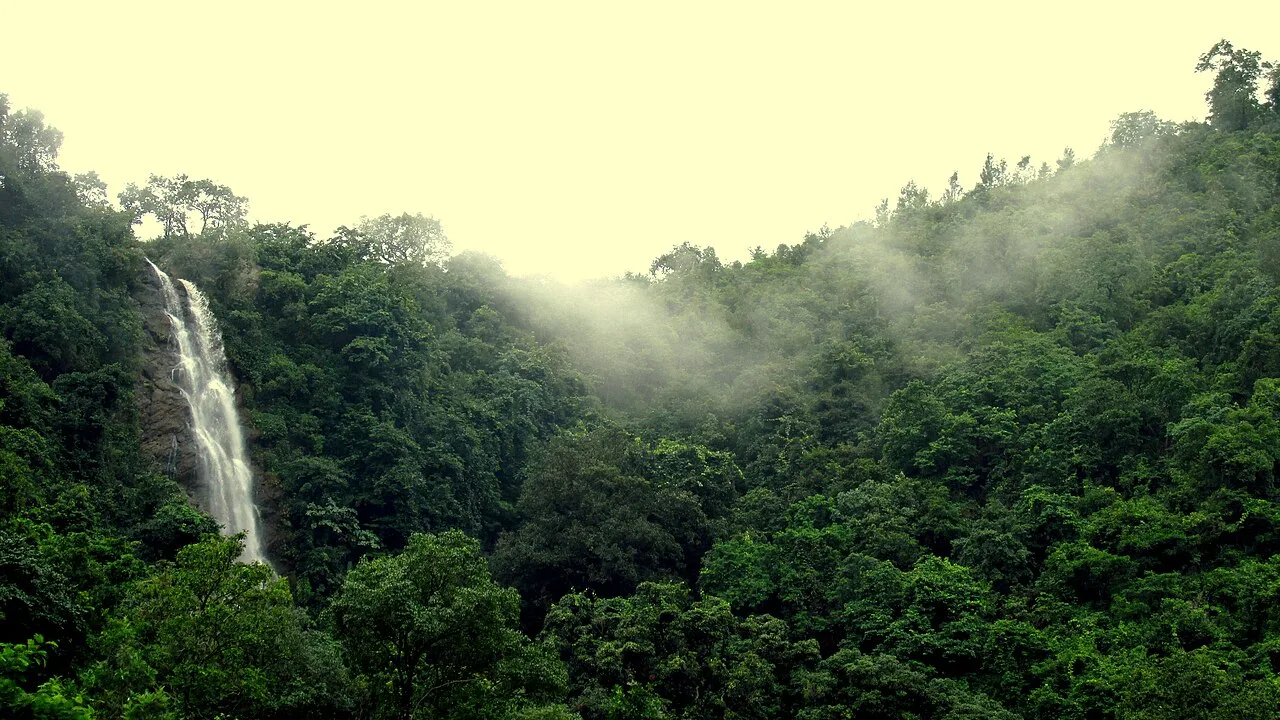
Within Araku, local taxis and other road transport are useful for reaching viewpoints, plantations and nearby attractions. The town centre is a practical base for markets, food and the Tribal Museum. Explore the surrounding coffee-growing areas and villages for a closer look at the valley’s landscape and livelihoods. Borra Caves and nearby waterfalls are popular excursions from the valley, but road conditions and access can vary, especially during the rainy season.

Attractions

Places to visit in Araku Valley

Sights within about 12 km of each other, even when they fall in different districts.

Short trips

Around Araku Valley

Within about 40 km — easy half-day or day trips from the city.

Map

Araku Valley on the map

  1. 1Araku Valley
  2. 2Borra Caves
  3. 3Katiki Waterfalls

Andhra Pradesh

Other cities to explore