
Ghumoopedia — Explore, Discover, Experience
Sign in
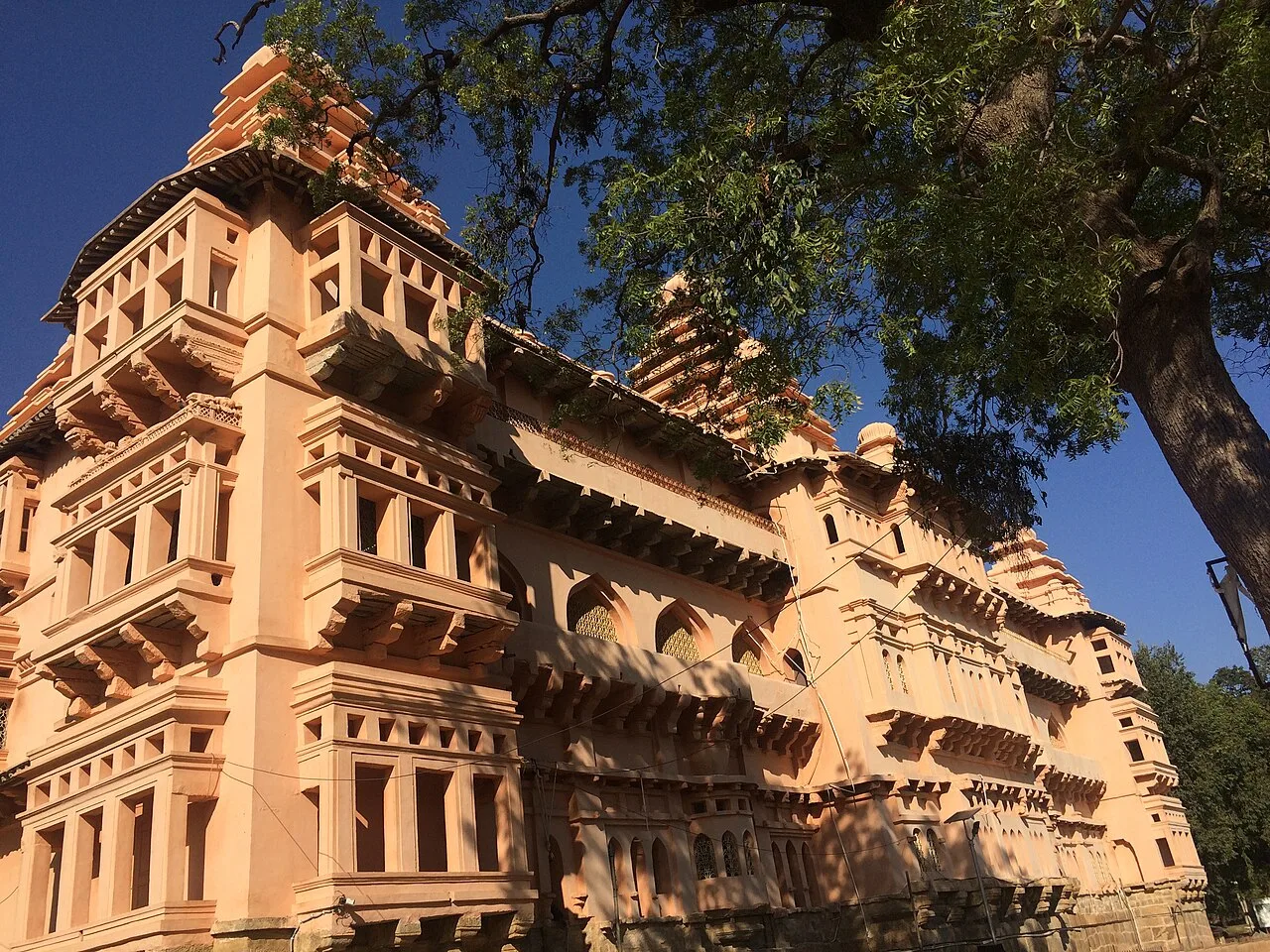
Chandragiri Fort, Tirupati, near Narasinga Puram

City guide · Andhra Pradesh

Narasinga Puram

Narasinga Puram is a small settlement in Andhra Pradesh’s Tirupati region, better suited to a quiet, locally focused visit than to a long urban sightseeing itinerary. Its strongest point of interest is its association with worship of Lord Narasimha, a form of Vishnu; visitors come chiefly for the local place of worship and the atmosphere of a traditional Andhra settlement.

Famous for

  • Lakshmi Narasimha worship
  • Local temple traditions
  • Tirupati-region access
  • Rural Andhra surroundings
In the city
1
District
Tirupati

Why Narasinga Puram matters

Narasinga Puram is a small settlement in Andhra Pradesh’s Tirupati region, better suited to a quiet, locally focused visit than to a long urban sightseeing itinerary. Its strongest point of interest is its association with worship of Lord Narasimha, a form of Vishnu; visitors come chiefly for the local place of worship and the atmosphere of a traditional Andhra settlement. The larger draw nearby is Tirupati, whose major temples and visitor facilities make it the region’s principal travel hub.

The settlement matters locally as part of a landscape of villages, farms and religious sites around Tirupati. It is not widely known as a centre for large industries, shopping or a distinct handicraft tradition, so visitors should keep expectations modest and plan practical needs through Tirupati. A visit can suit travellers interested in local devotional life or looking to explore beyond the better-known pilgrimage circuit. The town’s appeal lies in its religious association and rural setting rather than a large collection of attractions.

Famous for: crafts, trade & products

Narasinga Puram is chiefly associated with local worship of Lord Narasimha. It is not broadly recognised as a major centre for handloom sarees, handicrafts, a GI-tagged product or a specialised industry. Visitors should therefore avoid expecting a dedicated craft market or a signature local product. Small shops serve everyday needs, while Tirupati offers a much wider choice of retail and visitor services.

For regional crafts, religious souvenirs and a broader selection of Andhra products, visitors can look in Tirupati’s established shopping areas and around its pilgrimage destinations. These are more practical places to browse than Narasinga Puram itself. As with any small settlement, availability can vary, and locally made goods should not be assumed to be exclusive to the town. The area’s identity is primarily devotional and rural rather than commercial: a visit is more likely to centre on a place of worship and nearby countryside than on shopping. Travellers seeking a specific textile, craft or food product may wish to arrange that purchase in Tirupati.

History

This part of southern Andhra Pradesh has long been shaped by temple worship, farming and movement between settlements and pilgrimage centres. Successive powers, including the Pallavas, Cholas and Vijayanagara rulers, influenced the region’s religious and political landscape; that broader history should not be taken as proof that each dynasty directly governed or built at Narasinga Puram.

Under British rule, the wider area formed part of the Madras Presidency. In modern times, roads, public services and growing pilgrimage travel have strengthened links with Tirupati, which is the region’s principal hub. Narasinga Puram has remained a small settlement rather than developing into a major industrial or administrative city. Its continuing significance is chiefly local, connected with worship and the everyday life of the surrounding countryside.

Food, festivals & culture

Daily life reflects the Telugu-speaking culture of southern Andhra Pradesh. Telugu is the main language; visitors may also encounter people who understand Tamil or English, particularly along routes serving Tirupati. Food is typically based on rice, lentils, vegetables and familiar Andhra seasonings. Idli, dosa and other South Indian tiffin dishes are common choices in the wider area, while sweets such as laddu are readily associated with the Tirupati pilgrimage region. Narasinga Puram itself is not especially known for a distinctive cuisine or a celebrated local sweet.

Religious observances are central to community life. Narasimha Jayanti, usually observed in April or May, is associated with worship of Lord Narasimha, while festivals such as Sankranti in January, Ugadi in March or April, and Deepavali in autumn are celebrated across the region. Temple visits, devotional singing and Telugu music form part of the broader cultural setting. Visitors should dress respectfully at places of worship and check locally for any specific customs or festival arrangements.

Visiting the city

The cooler months from October to February are generally the most comfortable for visiting; summer can be hot, and the monsoon season may bring rain. Tirupati Airport, at Renigunta, is the nearest major airport serving the area, while Tirupati Railway Station is the main rail gateway. From either, continue by road; local buses, taxis and auto-rickshaws may be available, though services within a small settlement can be limited.

The main reason to spend time in Narasinga Puram is its local place of worship and the surrounding rural setting. Tirupati is the practical base for accommodation, meals and wider sightseeing, including its major pilgrimage sites. Chandragiri and other nearby attractions can be considered as part of a regional road trip. Confirm local transport and temple access before setting out, especially on festival days.

Attractions

Places to visit in Narasinga Puram

Sights within about 12 km of each other, even when they fall in different districts.

Map

Narasinga Puram on the map

  1. 1Chandragiri Fort, Tirupati

Andhra Pradesh

Other cities to explore