
Ghumoopedia — Explore, Discover, Experience
Sign in
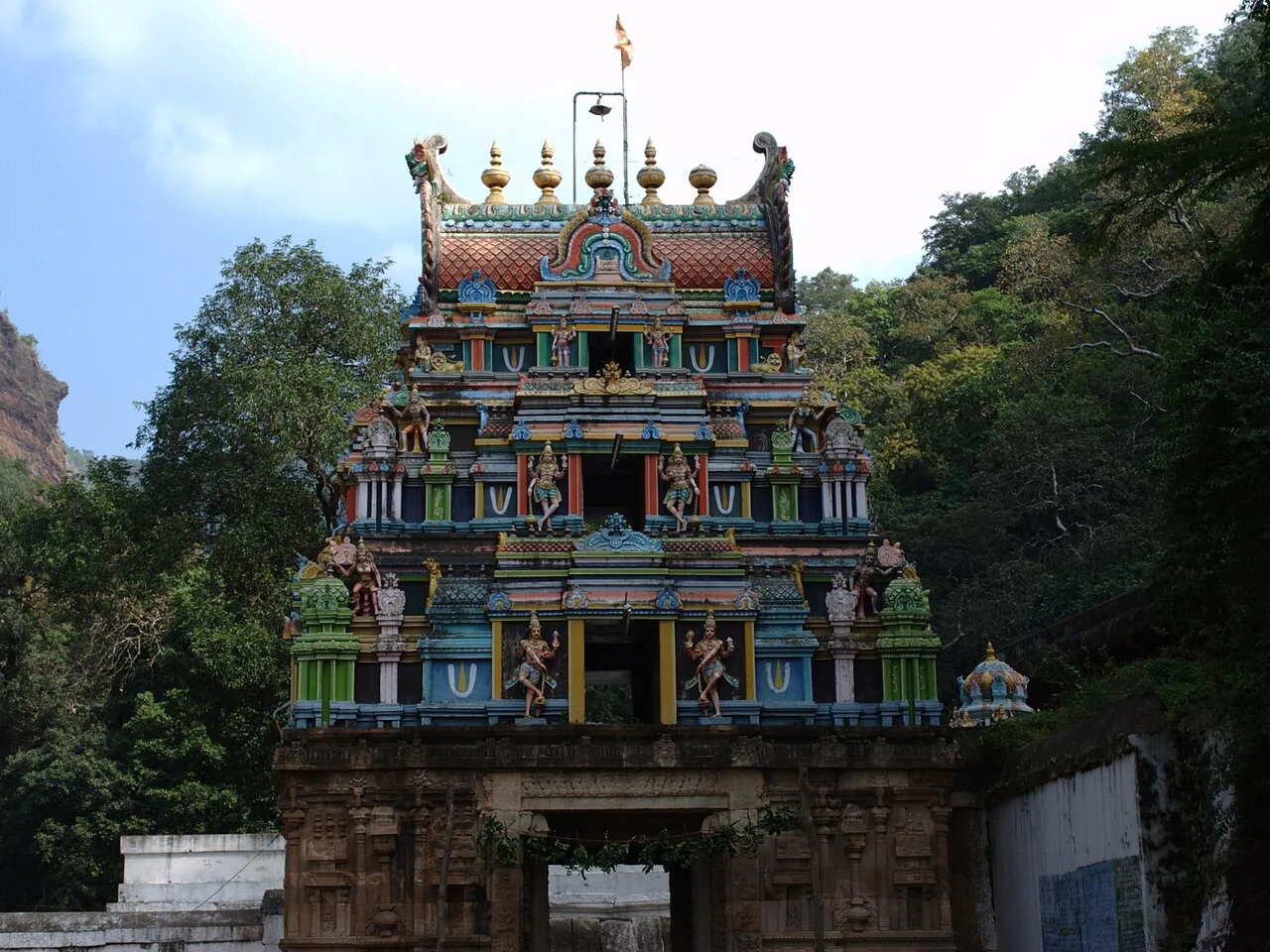
Ahobilam Nava Narasimha Temples, near Ahobilam

City guide · Andhra Pradesh

Ahobilam

Ahobilam is a major pilgrimage centre in Nandyal district, best known for its temples dedicated to Narasimha, Vishnu’s man-lion avatar. Set among the forested hills and ravines of the Eastern Ghats, it draws devotees as well as visitors interested in temple architecture, religious history and landscape.

Famous for

  • Narasimha temples
  • Upper Ahobilam gorge
  • Prahladavarada temple
  • Ahobila Matha
  • Eastern Ghats pilgrimage
In the city
1
District
Nandyal

Why Ahobilam matters

Ahobilam is a major pilgrimage centre in Nandyal district, best known for its temples dedicated to Narasimha, Vishnu’s man-lion avatar. Set among the forested hills and ravines of the Eastern Ghats, it draws devotees as well as visitors interested in temple architecture, religious history and landscape. The site is traditionally associated with nine forms of Narasimha and is counted among the 108 Divya Desams honoured in the Tamil Vaishnava tradition.

The town is divided into Lower and Upper Ahobilam, about eight kilometres apart. Lower Ahobilam is the main settlement and has the Prahladavarada temple, while Upper Ahobilam lies in a steep, wooded gorge with a group of hillside shrines. Reaching some of these temples involves walking on uneven paths, making the setting part of the pilgrimage. Ahobilam is also the birthplace of Ahobila Matha, a Vaishnava religious institution. Its importance today rests on this combination of active worship, historic shrines and a distinctive mountain environment.

Famous for: crafts, trade & products

Ahobilam is known primarily for pilgrimage rather than for a particular textile, handicraft, industrial product or major market. Its best-known institutions and visitor destinations are the Narasimha shrines and Ahobila Matha. The Prahladavarada temple in Lower Ahobilam is the principal shrine in the settlement; the nine hillside shrines are spread through Upper Ahobilam and its ravine. Temple offerings and devotional items serve pilgrims, but the town is not widely identified with a specialised craft or a locally established GI-tagged product.

Visitors looking for everyday supplies, transport connections or a wider choice of shops can check the local market in Lower Ahobilam or shop in larger nearby towns such as Allagadda and Nandyal. These are more practical places to ask about regional produce and general shopping, rather than expecting a dedicated craft bazaar in the temple area. As availability can vary, travellers seeking a particular Andhra textile, handicraft or packaged food should confirm its local availability before making a special trip. In Ahobilam, the principal draw is the sacred landscape and its temples, not commercial shopping.

History

Ahobilam’s early history is not fully documented, though its religious reputation is centuries old. The Tamil devotional poet Thirumangai Alvar praised the site in the Periyatirumoḻi, a work of the ninth century; later Sanskrit and Telugu texts also refer to it. Inscriptions and other evidence point to patronage by the Kakatiya and Reddi dynasties during the thirteenth and fourteenth centuries.

The clearest record of royal support comes from the Vijayanagara period. The Saluva rulers supported the shrines from the fifteenth century, and the Tuluva dynasty continued that patronage in the sixteenth century. Krishnadevaraya also visited and supported the temples. The Lower Ahobilam Prahladavarada temple took shape principally in this era. Ahobila Matha, founded during the medieval period, became an important Vaishnava institution. After Vijayanagara power declined, the site lost imperial support. In 1579, Murahari Rao, a commander of the Golconda Sultanate, raided the temple complex; the shrine was sacked and a jewelled image was taken to Golconda. Ahobilam is now within Allagadda mandal of Nandyal district.

Food, festivals & culture

Temple worship shapes daily life and visitor culture in Ahobilam. Telugu is the principal local language; Sanskrit recitation and devotional singing are heard in religious settings. The nine Narasimha shrines in Upper Ahobilam and the Prahladavarada temple in Lower Ahobilam are the central places of worship. Ahobila Matha adds to the town’s longstanding Vaishnava identity. Rituals and temple observances follow the Hindu calendar, so activity can be especially lively during major religious occasions.

Narasimha Jayanti, observed in the spring, is an important festival for devotees of Narasimha. The temples also hold annual celebrations and processions, including Brahmotsavam observances; their timing follows the lunar calendar and can vary by year. Food available to visitors is generally familiar Andhra fare, such as rice-based meals, lentils, vegetable curries and savoury accompaniments. Temple prasadam is part of the devotional experience, though offerings and availability vary. Ahobilam is not especially known for a distinct local sweet or a separate food tradition, so visitors seeking a broader choice of restaurants may find more options in larger nearby towns.

Visiting the city

The cooler months, roughly October to February, are generally more comfortable for visiting and walking between shrines. Summer can be hot, while monsoon rain may make the forest paths and rocky approaches slippery. Kadapa Airport is the nearest commonly used airport, and Nandyal railway station is the main railhead for reaching the area. From there, travellers typically continue by road; local vehicles can connect Lower and Upper Ahobilam, but arrangements may be limited, so plan ahead.

Lower Ahobilam is the best base for the main temple and basic services. Set aside time for Upper Ahobilam, where the shrines lie along a steep gorge and some require walking on uneven terrain. Wear sturdy footwear, carry water, and check locally on path conditions before setting out. Allagadda and Nandyal are useful nearby towns for broader transport and shopping needs.

Attractions

Places to visit in Ahobilam

Sights within about 12 km of each other, even when they fall in different districts.

Map

Ahobilam on the map

  1. 1Ahobilam Nava Narasimha Temples

Andhra Pradesh

Other cities to explore