
Ghumoopedia — Explore, Discover, Experience
Sign in
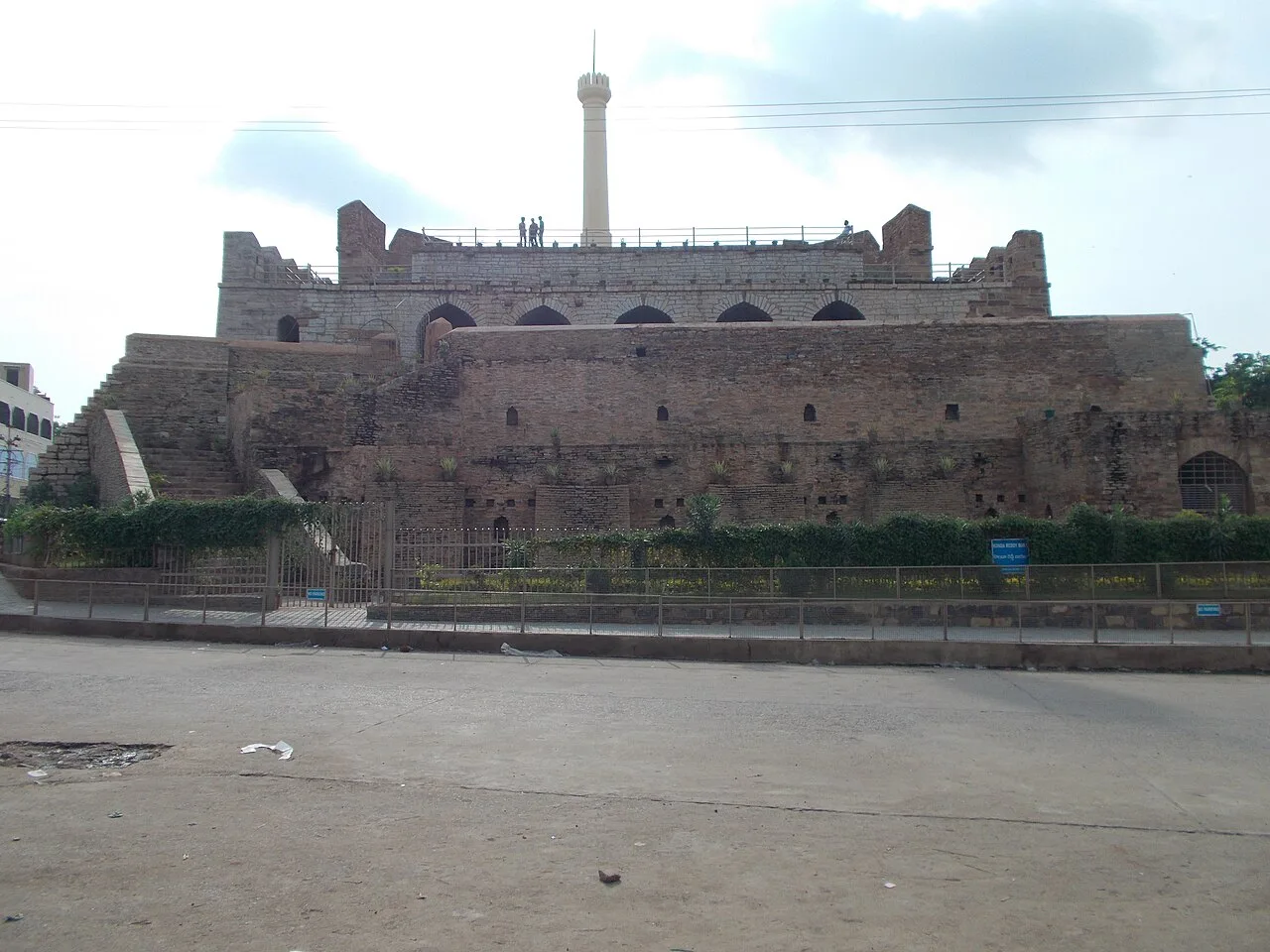
Konda Reddy Fort, near Kurnool

City guide · Andhra Pradesh

Kurnool

Kurnool is a major administrative and commercial centre in Andhra Pradesh’s Rayalaseema region. It stands near the meeting of the Tungabhadra and Hundri rivers and serves as the headquarters of Kurnool district.

Famous for

  • Konda Reddy Fort
  • Gateway to Rayalaseema
  • Former Andhra State capital
  • Tungabhadra river setting
  • Orvakal Rock Garden
  • Monsoon diamond lore
In the city
1
District
Kurnool

Why Kurnool matters

Kurnool is a major administrative and commercial centre in Andhra Pradesh’s Rayalaseema region. It stands near the meeting of the Tungabhadra and Hundri rivers and serves as the headquarters of Kurnool district. Its location has long made it a passage between the Deccan and southern India; the city is still a useful base for travel around the district and adjoining parts of the region. Kurnool is often called the Gateway to Rayalaseema.

The city’s best-known historic landmark is Konda Reddy Fort, a remnant of its 16th-century past. Kurnool also has a notable place in modern state history: it was the capital of Andhra State from 1953 until the formation of Andhra Pradesh in 1956. Visitors come for the fort, the river setting and nearby attractions such as Orvakal Rock Garden. Further excursions in the district can include Belum Caves, Yaganti and sites of prehistoric rock art. Local lore also links the area’s exposed soils after monsoon rains with the search for diamonds.

Famous for: crafts, trade & products

Kurnool is better known for regional trade, public services and its historic role than for a single signature textile, handicraft or GI-tagged product. Its shops serve residents from the surrounding Rayalaseema countryside, with everyday clothing, household goods, food staples and agricultural produce among the kinds of goods found in the city. Visitors can browse the central commercial streets and bazaar areas, including those around the old town and Konda Reddy Fort, for general shopping and local provisions.

The surrounding district’s economy has links to agriculture and transport, while Kurnool itself is an important centre for administration, education and healthcare. Kurnool Medical College is one of the city’s notable institutions. The Kurnool–Cuddapah Canal, originally developed for transport and later used for irrigation, reflects the area’s connection to water management and farming. There is no widely established city-specific saree or craft market that defines Kurnool as a shopping destination; for distinctive regional crafts or specialist products, ask locally about current makers and outlets rather than assuming a particular item is made here.

History

The settlement appears in historical records as Kandanavōlu or Kandanōlu. Tradition connects the name with bullock-cart caravans greasing their wheels at a Tungabhadra crossing. Kurnool developed as a transit point on the river’s southern bank and was under the influence of several powers, including the Chalukyas, Rashtrakutas and Kakatiyas, before becoming part of the Vijayanagara realm. Konda Reddy Fort is associated with the 16th-century Vijayanagara period.

In the 17th century, Abdul Wahab Khan established control over the area. Mughal authority followed, and Kurnool was later ruled by Nawabs. The East India Company took control in 1839, ending the Nawab’s rule. After independence, Kurnool became the capital of Andhra State in 1953. It held that role until Andhra Pradesh was formed in 1956, when Hyderabad became the capital. In later decades Kurnool expanded as a district headquarters and regional centre for administration, education, healthcare and trade.

Food, festivals & culture

Kurnool shares the food traditions of Rayalaseema and Andhra Pradesh. Meals commonly feature rice, lentils, vegetables, chilli-rich pickles and regional spice blends. Ragi sangati, jonna rotti and hearty curries are familiar across the wider region, though menus vary from household to household. Local eateries offer Andhra-style meals and snacks, while sweets and savouries are available in the city’s central shopping areas.

Telugu is the principal language of everyday life; Urdu is also spoken, alongside English in education and official settings. Sankranti, usually in January, and Ugadi in spring are important seasonal celebrations, while Dasara and Deepavali are observed in autumn. Muslim communities mark Ramadan and Eid, and Muharram is also observed. Temples, mosques and churches reflect the city’s varied religious life. Kurnool’s places of worship include the Shiva temple at Jagannatha Gattu; religious observances and family gatherings are central to local cultural life.

Visiting the city

The cooler months from October to February are generally the most comfortable for exploring Kurnool. Summers can be very hot, while the monsoon season brings rain. The nearest airport is Kurnool Airport at Orvakal; Hyderabad’s Rajiv Gandhi International Airport is a larger alternative for air connections. Kurnool City railway station is the main station serving the city.

Auto-rickshaws, local buses and taxis are useful for getting around. Begin in the old-town area around Konda Reddy Fort, then explore the central bazaar streets and the city’s river-side setting. Jagannatha Gattu is another local stop. Orvakal Rock Garden lies outside the urban centre and is suited to a separate outing; Belum Caves and Yaganti are longer district excursions. Check local conditions and transport options before setting out for sites beyond the city.

Attractions

Places to visit in Kurnool

Sights within about 12 km of each other, even when they fall in different districts.

Map

Kurnool on the map

  1. 1Konda Reddy Fort

Andhra Pradesh

Other cities to explore