
Ghumoopedia — Explore, Discover, Experience
Sign in
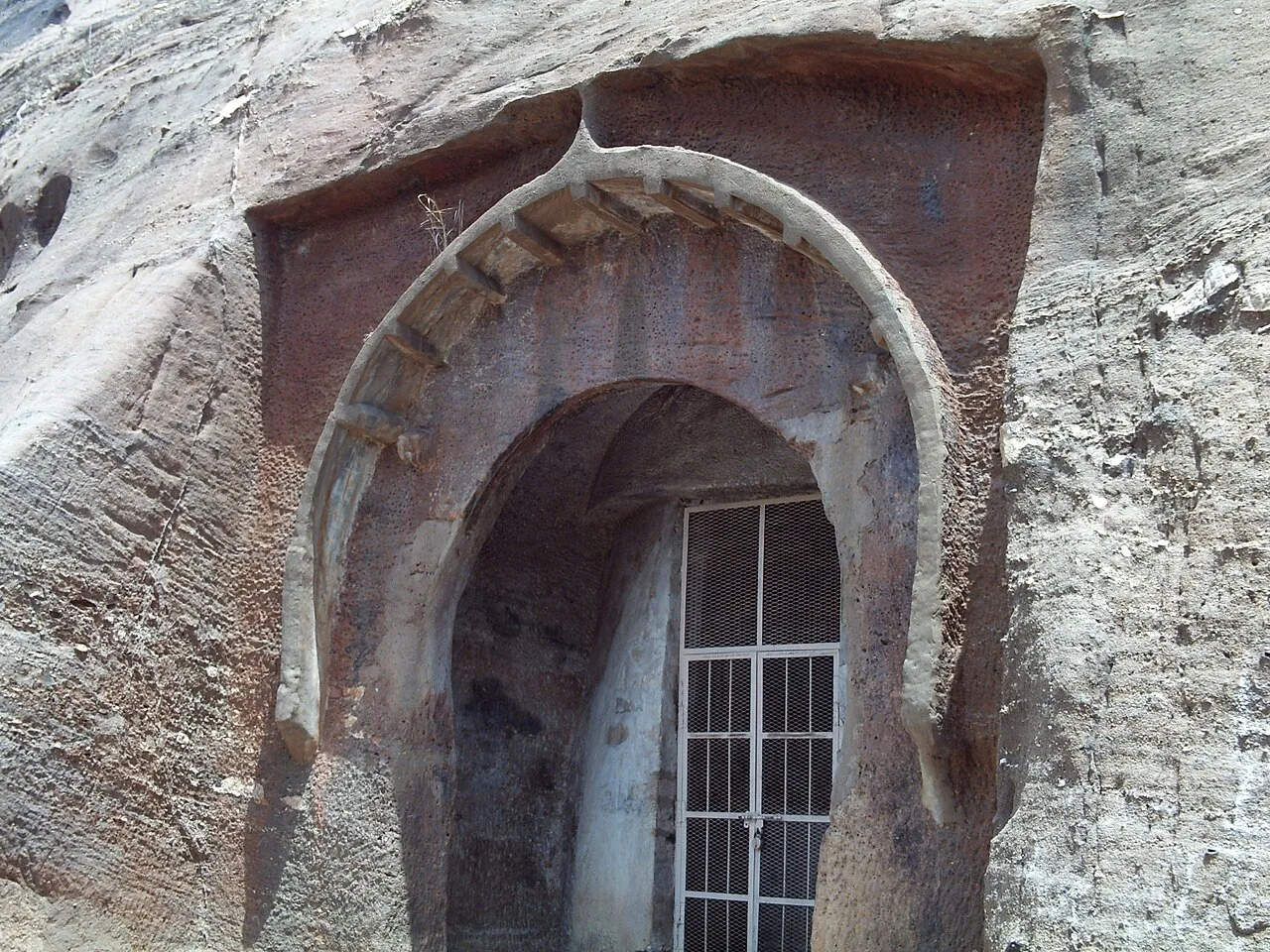
Guntupalli Buddhist Caves, near Eluru

City guide · Andhra Pradesh

Eluru

Eluru is a regional centre in Andhra Pradesh and the headquarters of Eluru district. Set in the fertile Krishna River Delta, it links agricultural communities and towns through trade, transport and public services.

Famous for

  • Eluru pile carpets
  • Kolleru Lake wetlands
  • Freshwater fish trade
  • Vengi-era heritage
  • Rice and oilseed commerce
In the city
0
Nearby
1
District
Eluru
Plan a trip

Why Eluru matters

Eluru is a regional centre in Andhra Pradesh and the headquarters of Eluru district. Set in the fertile Krishna River Delta, it links agricultural communities and towns through trade, transport and public services. Rice, fish, oilseeds and other farm products move through its markets, while educational and medical institutions serve people from across the district.

The city is especially associated with its pile carpets, a distinctive local craft, and with the wetlands of nearby Kolleru Lake, a major freshwater lake that draws visitors interested in birds and nature. Eluru’s older identity as Helapuri and its ties to the historic Vengi region give it a long place in Andhra history. The Tammileru River and canals shape its surroundings. In 2020, a mysterious illness affecting residents brought national attention and prompted a major public-health response. Today, visitors encounter a working commercial city as well as a base for exploring the region’s historic sites, lake country and rural landscapes.

Famous for: crafts, trade & products

Eluru is best known for its pile carpets, traditionally woven in wool and cotton with patterned designs. Eluru carpets are a GI-registered craft, and visitors can ask at local carpet workshops and textile shops to see the weaving and find locally made pieces. The central commercial streets are practical places to browse textiles and everyday goods; availability varies, so it is worth checking with local sellers for current makers and stock.

The city also trades in rice, oilseeds, tobacco, sugar, lemons and freshwater fish, reflecting its position amid productive delta farmland and waterways. Fish markets and food businesses are part of this trade, though they are primarily working markets rather than visitor attractions. Eluru’s wider economy includes textile and leather goods production. Its educational and medical institutions, including Sir C. R. Reddy Educational Institutions and ASRAM Medical College, draw students and patients from the surrounding region. Together, craft, agriculture, trade and education give the city an economy that extends well beyond its role as a district headquarters.

History

Eluru’s history is closely connected to Vengi, an important political and cultural centre near the present city. The area was associated with the Salankayana rulers and later the Vishnukundinas; Vengi became the capital of the Eastern Chalukyas, whose kingdom endured for centuries. Eluru was also known as Helapuri, and the name Ellore was used in the colonial period.

The region later passed through the hands of the Kakatiyas, Gajapatis and Vijayanagara rulers. Qutb Shahi authority followed, and the Mughal Empire expanded into the area in the seventeenth century. In the eighteenth century, Eluru became part of the Hyderabad Nizam’s dominions before British control brought it into the Madras Presidency and the Northern Circars administration. Colonial rule encouraged administrative and transport development. In modern Andhra Pradesh, Eluru has grown as a district centre, with commerce, carpet weaving, education and health services supporting its role in the surrounding region.

Food, festivals & culture

Telugu is the main language of daily life; Urdu and English are also heard. Food reflects the rice-growing delta and Andhra’s preference for bold seasoning: meals commonly include rice, lentils, vegetable dishes, pickles and chutneys, while freshwater fish is an important local ingredient. Sweets and savoury snacks are available in the city’s bakeries and traditional food shops, though particular specialties vary from one establishment to another.

Ugadi, the Telugu New Year in spring, and Sankranti in January are prominent festive occasions, often marked by family gatherings, special meals and decorated homes. Dasara and Deepavali are also widely observed. Hindu temples, mosques and churches reflect the city’s varied religious life, with worship and community events continuing through the year. Classical Kuchipudi dance and devotional music belong to the wider cultural traditions of Andhra Pradesh; festival programmes and local gatherings may feature music, dance and religious performance. Visitors can experience everyday city life most readily in the central markets and around places of worship.

Visiting the city

The cooler, drier months from November to February are generally the most comfortable time to visit. The nearest major airport is Vijayawada International Airport at Gannavaram; Eluru railway station is the city’s main rail stop. Road links connect Eluru with other Andhra Pradesh cities, and buses, auto-rickshaws and taxis are useful for getting around locally.

Explore the central commercial area for shops, food and a feel for everyday city life, and ask locally about carpet makers or workshops. The Tammileru riverfront offers a change of pace, while Kolleru Lake, outside the city, is a worthwhile excursion for its wetland scenery and seasonal birdlife. Check local conditions before planning time at the lake. Eluru can also serve as a base for visiting historic places and pilgrimage sites elsewhere in the district.

Short trips

Around Eluru

Within about 40 km — easy half-day or day trips from the city.

Map

Eluru on the map

  1. 1Guntupalli Buddhist Caves

Andhra Pradesh

Other cities to explore