

Ghumoopedia — Explore, Discover, Experience
Sign in
Kapila Theertham, near Tirupati

City guide · Andhra Pradesh

Tirupati

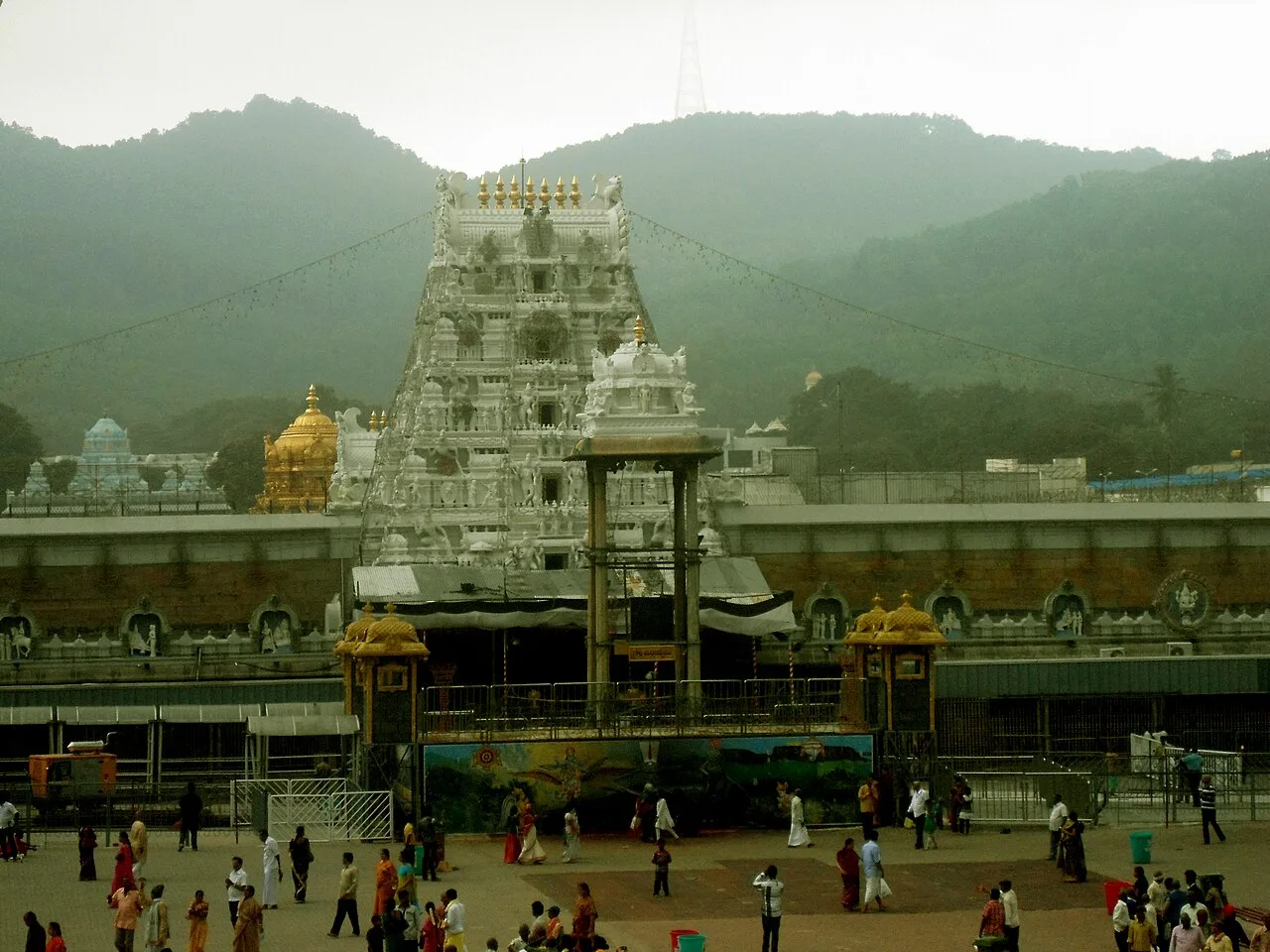
Tirupati is one of South India’s major pilgrimage centres and an important administrative and service hub in Andhra Pradesh. The city sits at the foot of the Seshachalam Hills; nearby Tirumala is home to the Venkateswara Temple, which draws worshippers from across India and abroad.

Famous for

  • Tirumala Venkateswara Temple
  • Tirupati Laddu prasadam
  • Govindaraja Swamy Temple
  • Annamacharya devotional music
  • Tirumala pilgrimage gateway
In the city
2
District
Tirupati

Why Tirupati matters

Tirupati is one of South India’s major pilgrimage centres and an important administrative and service hub in Andhra Pradesh. The city sits at the foot of the Seshachalam Hills; nearby Tirumala is home to the Venkateswara Temple, which draws worshippers from across India and abroad. Many visitors use Tirupati as their base for the hill shrine and for other temples in the surrounding region.

The city’s religious landscape extends beyond Tirumala. Govindaraja Swamy Temple anchors the historic centre, while the Padmavathi temple at Tiruchanur and Kapileswara Temple are among the other prominent places of worship. Tirupati is also the headquarters of Tirupati district and of Tirumala Tirupati Devasthanams, the institution that administers the principal hill temple. Pilgrimage supports a broad local economy in transport, accommodation, food and retail. The city also serves as a regional centre for education, healthcare and public administration. Its blend of busy modern streets, temple traditions and access to the Eastern Ghats makes it both a destination in its own right and a gateway to the wider area.
Famous for: crafts, trade & products

Tirupati is best known for religious offerings rather than for a signature textile or handicraft industry. Its most recognisable product is the Tirupati Laddu, the temple prasadam associated with the Venkateswara shrine and a registered Geographical Indication. Devotional goods such as prayer items, framed images, flowers and offerings are sold around the main temple approaches and in central commercial areas, including the Gandhi Road market district. Visitors should check which items are permitted inside temple premises before purchasing them as offerings.

The city is not generally regarded as a major saree-weaving centre. For a nearby craft tradition, Srikalahasti, to the east, is known for its hand-painted Kalamkari textiles; these can be sought in Srikalahasti or through specialist craft retailers in the region. Tirupati’s larger institutional presence is closely tied to pilgrimage: Tirumala Tirupati Devasthanams is a major religious and service organisation, while Sri Venkateswara University and other colleges contribute to the city’s educational life. Shops and markets around the railway station, temple district and central streets offer everyday goods alongside devotional souvenirs, sweets and packaged prasadam.

History

Tirupati’s history is closely connected with the temples at its centre and in the hills above it. The Venkateswara Temple preserves inscriptions recording donations and activity under several South Indian dynasties, including the Pallavas, Cholas and Vijayanagara rulers. In the medieval period, the town became an important Vaishnava centre. The growth of the lower town gathered around Govindaraja Swamy Temple, consecrated in the 12th century, and nearby settlements gradually developed into the present city.

Vijayanagara rulers, including Krishnadevaraya, made significant contributions to the hill temple. Under British rule, Tirupati formed part of the Madras Presidency, and improved transport connections helped pilgrimage and the town’s supporting services expand. In 1932, administration of the Venkateswara Temple was placed with Tirumala Tirupati Devasthanams under legislation. After independence, the city grew as a district and regional centre, with expanding transport, education and public services. More recent urban development has included planning through the Tirupati Urban Development Authority and the city’s selection for the national Smart Cities Mission.

Food, festivals & culture

Tirupati’s food reflects Andhra tastes and the needs of a large flow of pilgrims. Rice dishes, sambar, vegetable curries, dosa, idli and pesarattu are common in local eateries, while pulihora and pongal are familiar festive and temple foods. The Tirupati Laddu is the city’s best-known sweet, made as prasadam for the Venkateswara Temple. Restaurants near the temple district, railway station and central streets serve both South Indian meals and food suited to visitors from across the country.

The calendar is shaped by temple observances. The annual Brahmotsavam at Tirumala usually falls in September or October; Vaikuntha Ekadasi is observed in December or January, and Rathasapthami generally comes in January or February. Ugadi, the Telugu New Year, is celebrated in spring. Telugu is the principal language, while Tamil, Kannada, Hindi and other languages are widely heard among pilgrims. Devotional singing is central to local religious life, especially compositions associated with the 15th-century poet Annamacharya. Worship centres include the Venkateswara, Govindaraja Swamy, Kapileswara and Padmavathi temples.

Visiting the city

The cooler months from November to February are generally the most comfortable for exploring Tirupati. Summers can be very hot, while the northeast monsoon may bring rain, particularly around October and November. Tirupati International Airport, near Renigunta, is the nearest airport; Tirupati Railway Station is the city’s main rail station.

Auto-rickshaws, taxis and local buses serve the city, and buses and taxis connect it with Tirumala. For a first visit, explore the old centre around Govindaraja Swamy Temple and the busy streets near the railway station. Tiruchanur, a short trip from the centre, is home to the Padmavathi temple. Allow time for the hill journey to Tirumala, where the Venkateswara Temple and Silathoranam are among the main places to visit. Chandragiri, with its historic fort, makes a rewarding regional excursion.

Attractions

Places to visit in Tirupati

Sights within about 12 km of each other, even when they fall in different districts.

Map

Tirupati on the map

  1. 1Kapila Theertham
  2. 2Tirumala Venkateswara Temple

Andhra Pradesh

Other cities to explore