
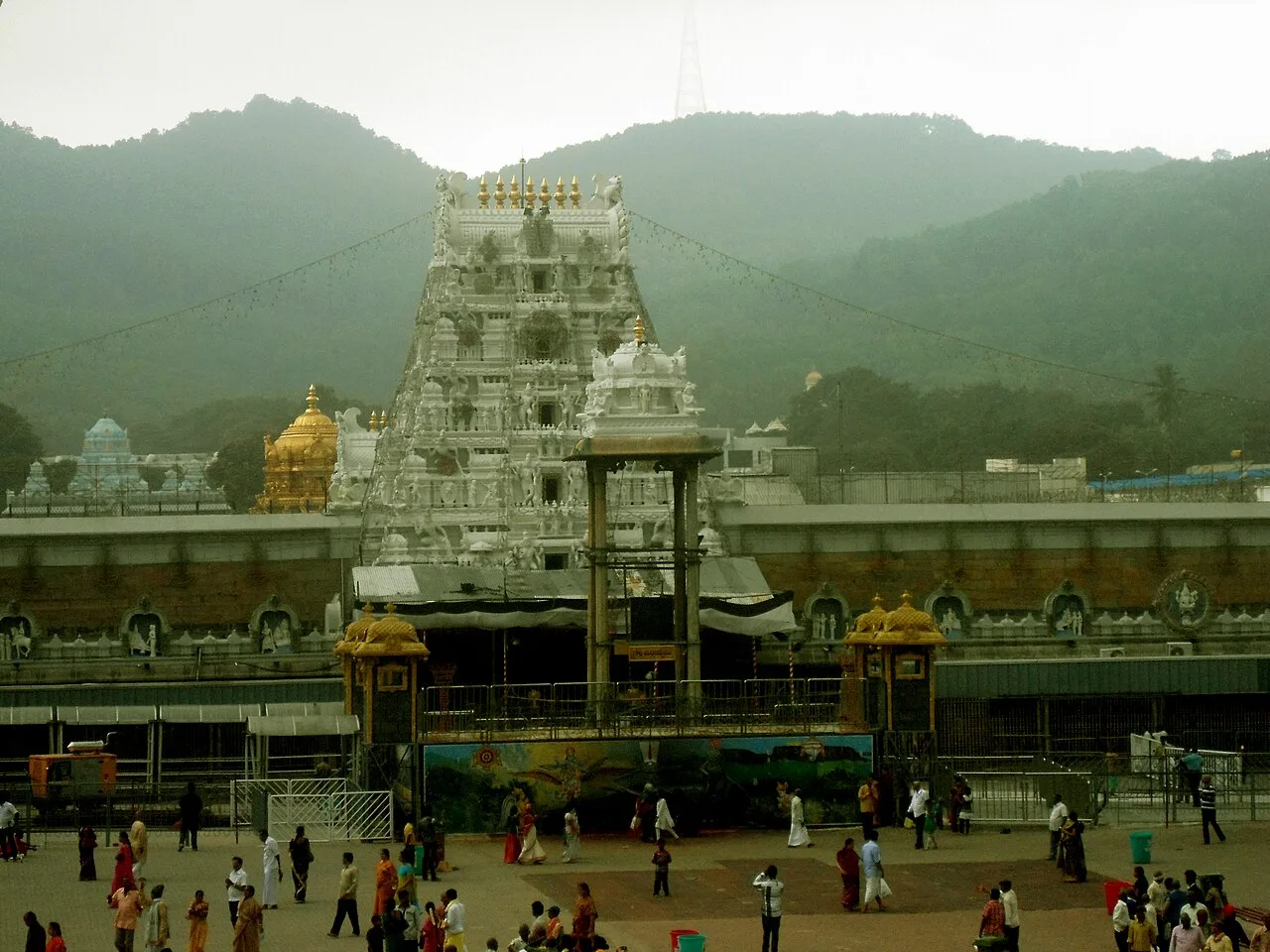
Tirumala Venkateswara Temple
Set among Tirumala’s seven peaks, this Hindu shrine honours Venkateswara, a form of Vishnu. People visit to worship the deity, who is associated with protection during Kali Yuga.
Key facts · verified by Ghumoopedia editors
- Type of place
- Temple / pilgrimage site
- Best time to visit
- November to February; Araku and Horsley Hills are pleasant for much of the year
- Nearest railway station
- Tirupati · about 10 km (straight line)
- Nearest airport
- Tirupati Airport · about 22 km (straight line)
- Verified
- 21 Nov 2026
Plan a trip from Tirumala Venkateswara Temple — a day-by-day route through places nearby.
In Tirumala, part of Tirupati Urban Mandal in Andhra Pradesh’s Tirupati district, stands a Hindu place of worship known as Tirumala Temple, Tirupati Temple, Tirupati Balaji Temple and Venkateswara Swami Temple. The shrine honours Venkateswara, a form of Vishnu. Religious belief says the deity came to earth to protect humanity from the difficulties of Kali Yuga. The place is therefore called Kaliyuga Vaikuntha, and Venkateswara is also known as Kaliyuga Prathyaksha Daivam. Other names for the deity include Balaji, Govinda and Srinivasa. Management rests with Tirumala Tirupati Devasthanams (TTD), an autonomous organisation overseen by the Andhra Pradesh Government. The state government appoints the head of TTD. Tirumala town spans about 10.33 square miles (26.75 square kilometres). The settlement lies in the Seshachalam Hills, whose peaks reach roughly 980 metres (3,220 feet) above sea level. There are seven peaks; local belief connects them with the seven heads of Adisesha. The temple occupies Venkatadri, the seventh peak, beside the southern shore of Sri Swami Pushkarini, a sacred tank. This setting gives rise to the name Temple of Seven Hills. Tradition links the temple’s origins to Tondaiman rulers, while Chola, Pandya and Vijayanagar dynasties later contributed to its enlargement and renovation. Its Dravidian architectural form is thought to have taken shape over time, beginning around 300 CE. Inside the sanctum, called Ananda Nilayam, the principal image of Venkateswara faces east. Worship follows the Vaikhanasa Agama tradition. The shrine is also counted among the eight Vishnu Swayambhu Kshetras, or sites where Vishnu is believed to have manifested himself. Andhra Pradesh stretches from the beaches and harbour hills of Visakhapatnam through the lush Godavari–Krishna delta to the sacred hills of Tirumala and the granite gorge of Gandikota, with ancient Buddhist sites at Amaravati and Nagarjunakonda, the forts of Kondaveedu and Chandragiri and the cave systems of Belum and Borra. The coast is hot and humid from March to June, the southwest monsoon brings rain from June to September, and October to December can bring cyclones off the Bay of Bengal. The pleasant season is November to February; the Eastern Ghat hills around Araku stay cooler. The usual best time to visit is November to February; Araku and Horsley Hills are pleasant for much of the year. Timings, fees and access arrangements must be confirmed locally. For official information, see Andhra Pradesh Tourism at https://aptourism.gov.in.
Why it matters
Tirumala Venkateswara Temple is one of India’s major Hindu pilgrimage destinations, drawing worshippers from across Andhra Pradesh and the wider country. The temple is dedicated to Venkateswara, a form of Vishnu, revered by devotees as a divine presence in the age of Kali. Tirumala’s setting on the seventh peak of the Seshachalam Hills gives it the familiar name “Temple of Seven Hills.” The shrine and its associated services are administered by Tirumala Tirupati Devasthanams (TTD), an autonomous body under the Government of Andhra Pradesh. The temple is an important centre of Vaishnava worship and charitable activity. No UNESCO World Heritage listing is claimed here.
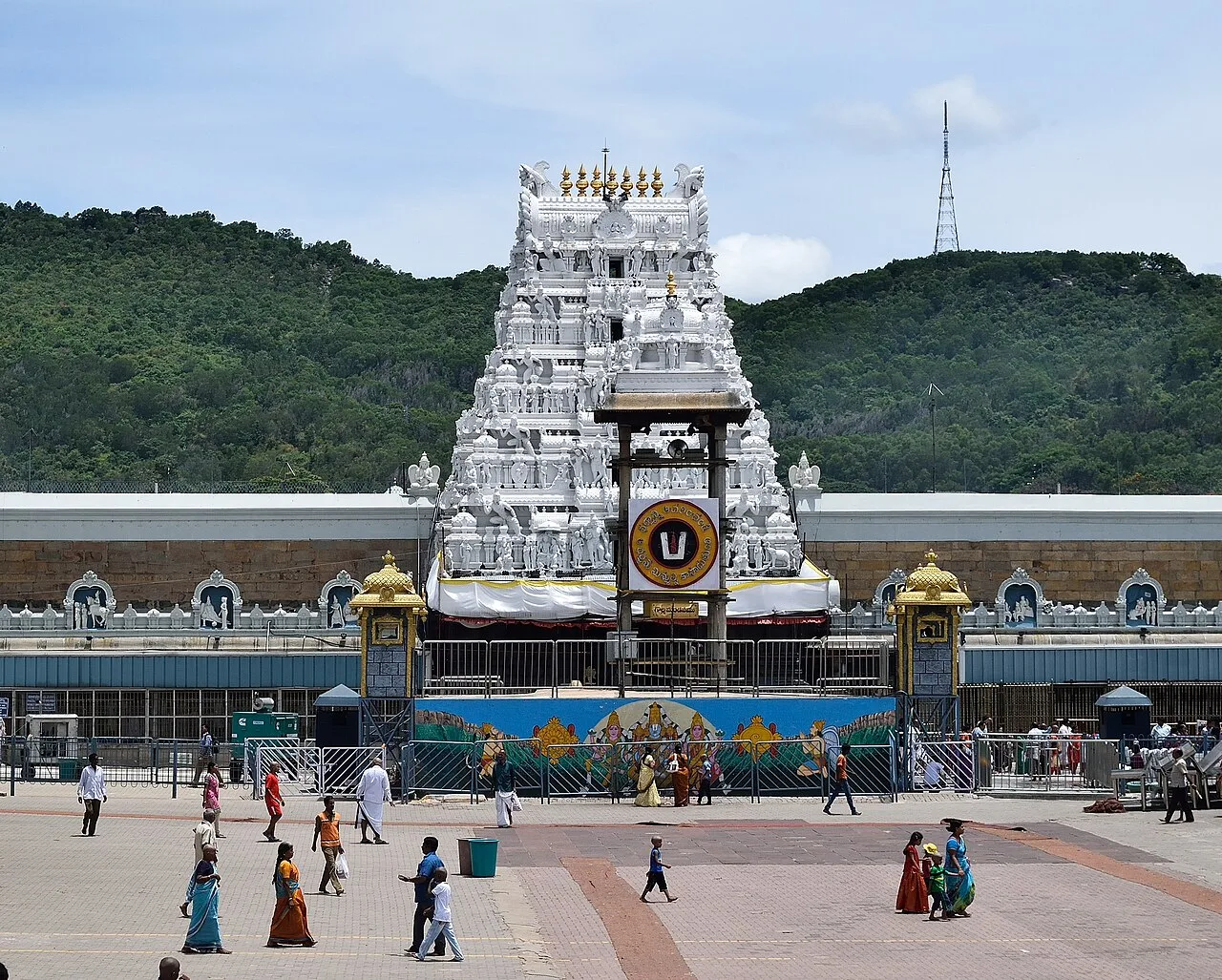
The shrine’s origins are traditionally associated with the Tondaiman rulers, while its present complex reflects centuries of additions, patronage and ritual change. The temple is generally understood to have developed over a long period, with its architecture traditionally dated from around the early centuries CE; precise dates for the earliest structures are not certain. Inscriptions and historical accounts record contributions by successive South Indian dynasties, including the Pallavas, Cholas, Pandyas and Vijayanagara rulers. Their gifts and building works helped expand the temple’s endowments, halls and ceremonial spaces. Vijayanagara patronage was particularly significant in the temple’s growth as a major centre of worship. Later rulers and local donors continued to support its upkeep and rituals. The temple follows the Vaikhanasa Agama tradition, and worship has continued through political and administrative changes. In the modern period, management was organised under Tirumala Tirupati Devasthanams, which oversees the temple and related institutions. The complex has been maintained and adapted to accommodate large numbers of pilgrims while continuing established religious practices. Historical attributions and dates vary, so individual structures should not all be assumed to belong to the same period.
Origin stories & folklore
According to local tradition, the seven peaks of the Seshachalam range represent the seven heads of Adisesha, the serpent associated with Vishnu. Tirumala’s temple stands on Venkatadri, the seventh peak, and is therefore known as the Temple of Seven Hills. Devotees believe Venkateswara appeared on earth to protect people from the hardships of Kali Yuga; this belief gives the site the devotional name Kaliyuga Vaikuntha. A related tradition identifies the deity with Srinivasa, or Balaji, and recounts his marriage to Padmavati. The nearby Sri Varahaswami shrine is also linked to the sacred landscape in local accounts. These stories are matters of religious belief and are best understood within the living traditions of worship at Tirumala.
Architecture & design
The temple is a major example of South Indian Dravidian temple architecture, developed and enlarged over many centuries. Its principal sanctum, the Garbhagriha, is called Ananda Nilayam and houses the east-facing image of Venkateswara. A gold-covered tower, or vimana, rises above the sanctum. The wider complex includes successive enclosures, gateways, halls and spaces used for worship and processions; the scale and arrangement reflect repeated additions rather than a single building campaign. Stone is the principal structural material, with carved architectural details and sculptural work on parts of the complex. The temple’s ceremonial routes connect the inner shrine with public and ritual areas, though access to some spaces is restricted. The sacred Sri Swami Pushkarini tank lies beside the temple complex. Its placement on a hilltop required the development of an extensive approach and supporting visitor infrastructure. The temple follows Vaikhanasa Agama rites, which shape how its spaces are used.
Important objects & sculptures
The central object of worship is the image of Venkateswara in the sanctum at Ananda Nilayam. The deity is richly adorned with garments, ornaments and ritual decorations, although the time available to view the image can be brief and access is controlled. Traditional descriptions of the icon include the emblems associated with Vishnu, such as the conch and discus. The sanctum’s gold-covered vimana is a prominent feature of the temple’s sacred architecture. Visitors may also notice sculpted details and inscriptions around accessible parts of the complex; inscriptions record donations and historical patronage from different periods. Not every carving or inscription is easy to see during a crowded visit, and some areas are not open to general visitors. Follow staff directions and do not stop in restricted passageways to examine details.
Religious significance
The temple is dedicated to Venkateswara, a form of Vishnu also worshipped as Balaji, Govinda and Srinivasa. It follows the Vaikhanasa Agama tradition, which guides its daily worship and ritual observances. For devotees, darshan—the act of seeing and being in the presence of the deity—is the central purpose of a visit. Offerings, prayers and the sharing of prasadam are part of the pilgrimage experience. Many pilgrims also make vows, offer their hair through the temple’s tonsure arrangements or undertake the uphill footpath pilgrimage. Practices vary among individuals and families. The site is regarded by devotees as especially significant in the present age, and its religious life continues alongside the large-scale organisation needed to manage visiting worshippers. Visitors who are unfamiliar with Hindu customs should observe quietly and follow instructions from temple staff.
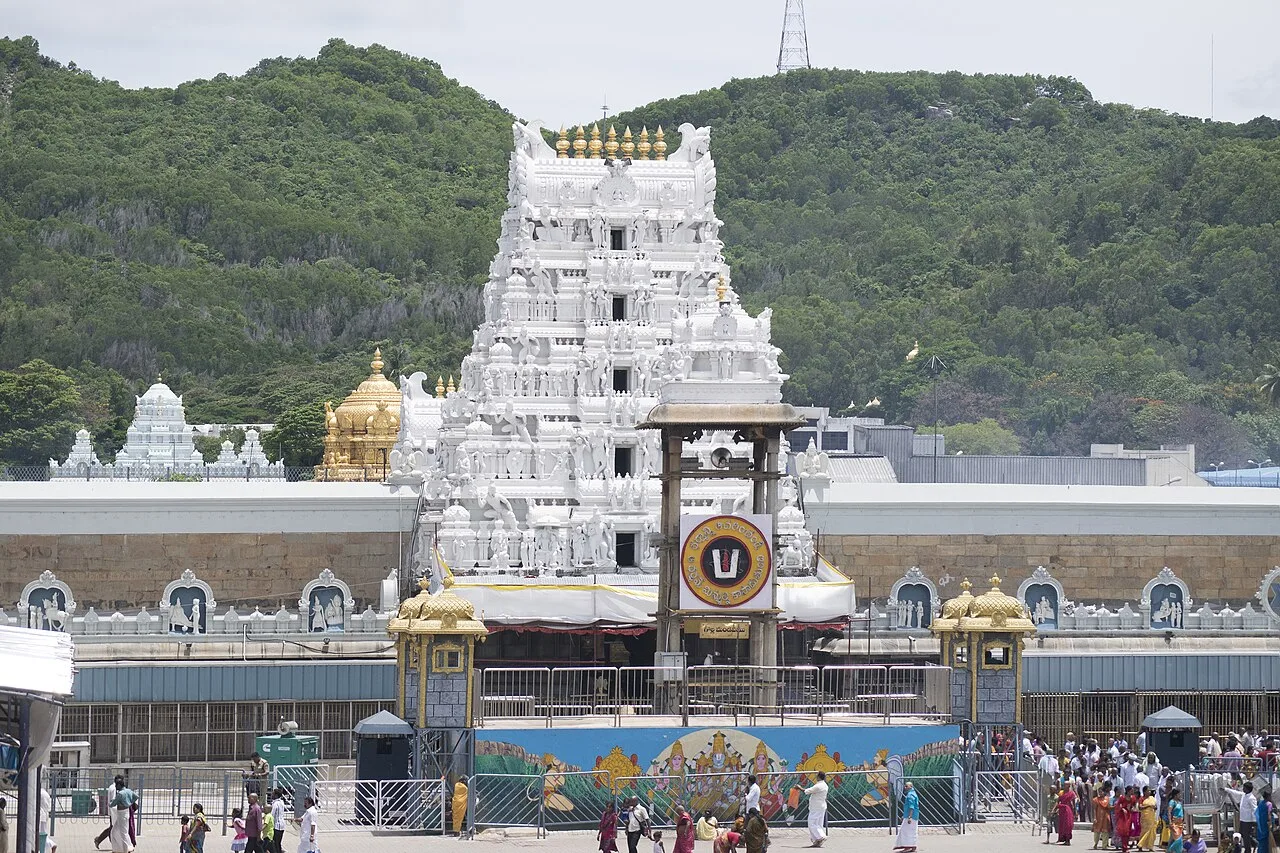
Visit Tirumala Venkateswara Temple with time to observe daily prayers and rituals respectfully. Follow the posted rules on footwear, photography, phones, head covering and dress — many major temples require modest clothing, prohibit leather items and phones inside, and have separate darshan queues; non-Hindus may not be admitted to some sanctums. Ask caretakers which areas are open to visitors, and beware of unofficial 'guides' or agents offering quick darshan for a fee. A comfortable itinerary is one main visit in the morning, a local meal at midday and a short nearby stop before an afternoon return. Use the district list on this site to find other places in Tirupati, but check the route and its condition before combining stops. If a festival is on — such as the Tirumala Brahmotsavam, the Godavari and Krishna Pushkarams, Sankranti or the Visakha Utsav — roads and stays can be busy, and the experience can be unforgettable. Leave no litter: many sites are protected by the communities around them.
Suggested itineraries
Half day: Allow about 4–6 hours for arrival, the temple visit and time for prasadam; add a short stop at Sri Swami Pushkarini if access and queues allow. Full day: Set aside most of the day for the temple and darshan, then visit one or two nearby Tirumala sites such as Silathoranam or Akasa Ganga, checking access and road conditions. Gentler option: Use a vehicle for hill travel, plan only the temple visit, allow extra rest and queue time, and skip uphill paths or additional stops.
Tirumala is a living pilgrimage centre, where devotional practice shapes the rhythms of the hill town. Telugu is widely used, alongside Tamil, Kannada, Hindi and other languages heard among pilgrims. Chants and devotional songs form part of worship, and compositions associated with the Telugu poet-saint Annamacharya are closely connected with Venkateswara devotion. Pilgrims may arrive in traditional clothing, make offerings, join queues or undertake tonsure as an act of faith. The distribution of prasadam, including the well-known Tirupati laddu, is an important part of many visits. Customs differ between worshippers; modest dress, patience and consideration for people engaged in prayer help visitors share the space respectfully.
Festivals & events
The annual Brahmotsavam, usually held in the early autumn period, is Tirumala’s principal festival and features processions and special worship. Vaikunta Ekadasi, generally observed in December or January, is another major occasion for devotees. Rathasapthami, usually in January or February, includes ceremonial processions associated with the deity. Festival observances follow the Hindu calendar, so their dates vary from year to year. Pilgrim numbers can rise sharply during these occasions, affecting queues, road access and accommodation availability. Check TTD announcements before planning a festival visit.
Local food in Andhra Pradesh includes Andhra meals on a banana leaf with fiery gongura and avakaya pickles, pesarattu with upma, pulihora, Rayalaseema ragi sangati, fresh seafood along the coast, bandar laddu and pootharekulu sweets, and Tirupati laddu prasadam. Ask what is fresh that day; many small eateries cook a limited daily menu. Andhra food is famously spicy — ask for 'medium' if you are unsure, and cool down with curd rice. In Tirupati and other temple towns the food is strictly vegetarian. Remote sites may have no restaurant at all. Carry water and snacks, eat a proper breakfast before long drives, and ask your accommodation for a packed lunch if you are heading out early. If prasad is offered, accept it according to local custom. Choose busy, clean places, drink sealed or filtered water, and carry your packaging back with you.
Shopping & local experiences
Temple-area shops and authorised counters may offer prasadam, devotional books, images, calendars and other religious souvenirs. Tirupati laddu is a well-known prasadam; obtain it through the designated distribution system and follow its current rules. In Tirupati, local markets may have textiles, devotional items and everyday travel supplies. Availability and authenticity vary, so use established shops and check product details before buying. Avoid vendors who claim that a purchase will secure special temple access or a faster darshan.
November to February; Araku and Horsley Hills are pleasant for much of the year
The nearest principal railway station by straight-line distance is Tirupati, roughly 10 km away. The nearest operating airport by straight-line distance is Tirupati Airport, roughly 22 km away. These figures are calculated from map coordinates — actual road distance is longer. Visakhapatnam, Vijayawada and Tirupati are the main rail and air gateways; Rajahmundry serves the Godavari districts, and Renigunta is the railhead for Tirumala. Free TTD buses run from Tirupati station and bus stand up the ghat road to Tirumala; private taxis and jeeps are plentiful. Walkers can climb the Alipiri or Srivari Mettu footpath steps — start before dawn in the hot months. When comparing train, bus and flight, count the complete door-to-door time: a flight saves the most time only if the onward road transfer is short, while an overnight train can save a hotel night. Book your return before you leave, because seats fill quickly on weekends, festivals and holidays. Current train numbers, timings, return services and fares are not listed here; check IRCTC and NTES for trains and the airline's own schedule for flights. No permit is needed to visit Andhra Pradesh. For Tirumala, book darshan in advance on the official TTD website — Special Entry Darshan tickets sell out weeks ahead, and the free sarva darshan queue can take many hours; the TTD dress code (dhoti or kurta-pyjama for men, saree or salwar for women) is enforced inside the temple. Forest areas such as Papikondalu and Maredumilli may need forest-department entry permission, and boats on the Godavari are run by licensed operators.
Confirm onward and return timings on IRCTC / NTES, the state bus operator or your airline before travel. A dash means current timings or fares have not been verified.
Getting around
Tirupati is the usual arrival point for travel to Tirumala. TTD buses operate between Tirupati’s main transport areas and the hill, and taxis and other local vehicles are also available. The uphill road is a ghat route; follow current vehicle and road instructions. In Tirumala, local buses and walking are useful for moving between the temple and other sites, though distances and crowd conditions should be checked locally. Parking is available in designated areas, but access can be controlled on busy days. Pilgrims may also climb the Alipiri or Srivari Mettu footpaths; these involve substantial uphill walking and are not suitable for everyone.
Hours, tickets & permissions
Entry arrangements depend on the type of darshan and may involve advance booking, a token or ticket, an identity check, or a designated queue. Availability and rules can change, particularly during festivals or periods of heavy demand. Dress requirements and restrictions on belongings also apply in temple areas. Visitors should confirm current entry procedures, hours and any fees directly with Tirumala Tirupati Devasthanams before travelling. Do not rely on unofficial agents who promise special access or a faster queue.
Facilities
Tirumala has extensive pilgrim facilities managed or supported by TTD, including organised queues, drinking-water points, toilets and food services; availability and access can vary by location and crowd levels. Accommodation, medical assistance and help desks are usually available through official channels, but should be checked and arranged in advance where possible. Parking and transport services operate in designated areas. ATMs and shops may be found around the broader pilgrim area, though visitors should not assume every service is open or convenient at a particular time. Use official TTD information for current facilities and avoid unverified booking offers.
Accessibility
Tirumala is a hilltop destination, and a visit can involve long queues, standing and walking across busy areas. The temple complex has steps and uneven or crowded sections, and not all spaces are suitable for wheelchairs or strollers. The uphill footpaths from Tirupati are strenuous and should not be treated as an accessible route. Shade and places to rest vary along routes and while queuing. Older visitors and people with limited mobility may prefer road transport, a shorter itinerary and extra time for rest. Ask TTD about current assistance and access arrangements before travel; do not assume that every queue or inner area is step-free.
No permit is needed to visit Andhra Pradesh. For Tirumala, book darshan in advance on the official TTD website — Special Entry Darshan tickets sell out weeks ahead, and the free sarva darshan queue can take many hours; the TTD dress code (dhoti or kurta-pyjama for men, saree or salwar for women) is enforced inside the temple. Forest areas such as Papikondalu and Maredumilli may need forest-department entry permission, and boats on the Godavari are run by licensed operators. Carry a photo ID at all times and save the emergency number 112 and your accommodation's contact offline. Heat in summer and heavy rain in the monsoon are the main weather risks; carry water, avoid midday sun and allow extra time when roads flood. Watch your belongings in crowds and on public transport, and follow posted instructions.
Visitor rules
Wear modest clothing appropriate for a place of worship and follow current TTD dress requirements. Remove footwear where directed and use the designated storage arrangements. Photography, phones and other personal items may be restricted in temple areas; follow signs and staff instructions rather than attempting to carry prohibited items inside. Do not enter cordoned-off spaces or disturb worshippers, rituals or queues. Keep the hill and temple surroundings clean, dispose of waste in designated bins and avoid single-use plastic where restricted. Be patient in queues and decline unofficial offers of expedited darshan.
Photography
Photography is restricted or prohibited in temple interiors and other designated areas, so check signs and ask staff before taking pictures. Do not photograph the deity, worshippers or rituals where photography is not allowed. Outdoor views of the hill landscape and public areas may offer picture opportunities, especially in softer morning or late-afternoon light, subject to local rules and weather. Drone use may require permissions and can be restricted for security or religious reasons; do not fly one without explicit authorisation. Keep cameras out of queues and avoid obstructing other visitors.
Choose a stay by the full journey to Tirumala Venkateswara Temple, not just the district name. For Tirumala, book TTD accommodation online well in advance or stay in Tirupati town, which has hotels in every range; weekends and Brahmotsavam season sell out completely. In summer, check air-conditioning; in the monsoon, check that the property is accessible if roads flood. Book in advance for weekends, festivals and the peak season (November to February; Araku and Horsley Hills are pleasant for much of the year). Confirm the exact location, meals included, check-in time and cancellation terms in writing. Avoid sending money to unverified contacts or touts at stations. Carry some cash, as card and digital payments can be unreliable in remote areas.
Within Tirumala, visitors may consider Sri Swami Pushkarini, the Sri Varahaswami shrine, Silathoranam and sites such as Akasa Ganga, subject to access and current transport arrangements. In Tirupati, Sri Padmavathi Ammavari Temple at Tiruchanur, Govindaraja Swamy Temple and Kapila Theertham are established religious stops. Chandragiri Fort offers a historical visit in the wider district. These places have their own rules, visitor patterns and travel requirements. Check current road conditions and allow sufficient time rather than attempting to combine too many stops with a temple visit.
For couples, Tirumala Venkateswara Temple rewards a slow pace: arrive early for soft light and fewer crowds, share a local meal and keep the evening free. A sunrise over the Araku valley, a Godavari cruise at dusk from Rajahmundry or a walk along Rushikonda beach makes the trip memorable. Public displays of affection can be frowned upon in conservative communities and at religious sites, so be discreet. Keep a buffer in your itinerary, because weather and road conditions can delay plans.
Q: How much time should I allow for a visit? A: Allow several hours at minimum for travel within the hill area, queues and the temple visit; festival days may require more time. Q: When is the best season to visit? A: November to February is generally more comfortable in Andhra Pradesh, though Tirumala can be busy at any time. Check weather and festival calendars before travelling. Q: Do I need to arrange entry in advance? A: Darshan arrangements vary. Check current booking, identity and queue requirements with TTD before setting out. Q: Is the visit suitable for children and older visitors? A: Families visit regularly, but crowds, waiting and walking can be tiring. Plan rest breaks and check accessibility or assistance options with TTD. Q: Where can I stay nearby? A: Accommodation is available in Tirumala and Tirupati through various providers, including TTD facilities. Check current availability and book through reliable, official channels.
Be the first to share photos, stories, advice or a helpful contact for Tirumala Venkateswara Temple.
Loading…