
District · Andhra Pradesh
Tirupati
Tirupati district, in southern Andhra Pradesh, brings together major pilgrimage centres, historic sites and forested hill country.
Tirupati district in southern Andhra Pradesh is shaped by the wooded Seshachalam hills, temple towns and busy pilgrimage routes. Tirupati city serves as the gateway to Tirumala, where the Venkateswara Temple gives the district much of its religious identity. Srikalahasti adds another important pilgrimage centre, while Kapila Theertham brings a Shaivite shrine and sacred waters to the foot of the hills. Chandragiri Fort recalls the region’s connections with the Vijayanagara rulers and offers a historical counterpoint to the temples. Talakona’s waterfall and forest surroundings reveal a quieter landscape beyond the urban bustle. Together, these places make the district a destination for worship, architectural history and carefully planned outings into the hills.
Tirupati district, in southern Andhra Pradesh, brings together major pilgrimage centres, historic sites and forested hill country. Tirupati city is the main gateway to Tirumala and the Venkateswara Temple, a defining centre of Hindu pilgrimage in the region. Srikalahasti is another important temple town, while Kapila Theertham sits at the edge of the hills within Tirupati city. Chandragiri Fort offers a glimpse of the area’s links with Vijayanagara history, and Talakona Waterfalls draws visitors to a quieter forest setting. The district suits travellers planning temple visits as well as those seeking cultural history and short nature outings.
The Tirupati region has long been shaped by pilgrimage, temple patronage and changing political powers. Pallava and Chola influence is reflected in the wider area’s temple traditions and architecture; later, Vijayanagara rulers and their local governors supported important shrines and strongholds. Chandragiri became closely associated with the later Vijayanagara kingdom, and its fort remains a reminder of that period. The region subsequently came under the authority of local powers and, during British rule, formed part of the Madras Presidency. After independence it was included in Andhra State, formed in 1953, and then Andhra Pradesh, established in 1956. For much of the modern period, Tirupati and its surrounding towns were administered within Chittoor district. Tirupati district was created in 2022 as part of Andhra Pradesh’s district reorganisation, bringing together Tirupati and other areas. Today, the district’s identity reflects both its modern administrative role and a much older history of religious travel, royal patronage and trade along routes through the southern Andhra region.
7 destination guides · 6 on the map
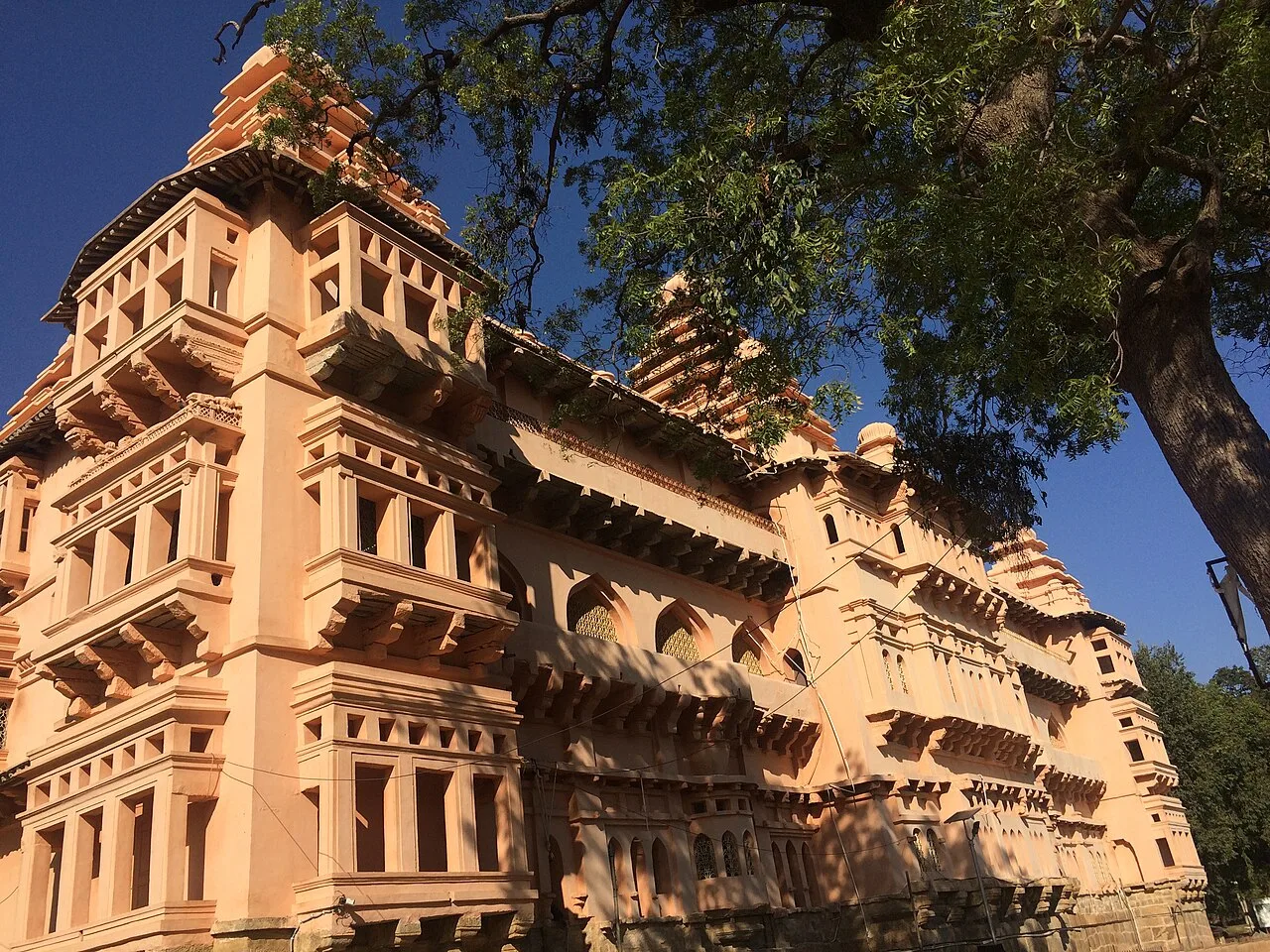
Chandragiri Fort, Tirupati
Chandragiri Fort is a historic stronghold in Tirupati district, Andhra Pradesh, notable for its rectangular bastions and steep moat. Visitors come to see its fortifications and learn about its past.
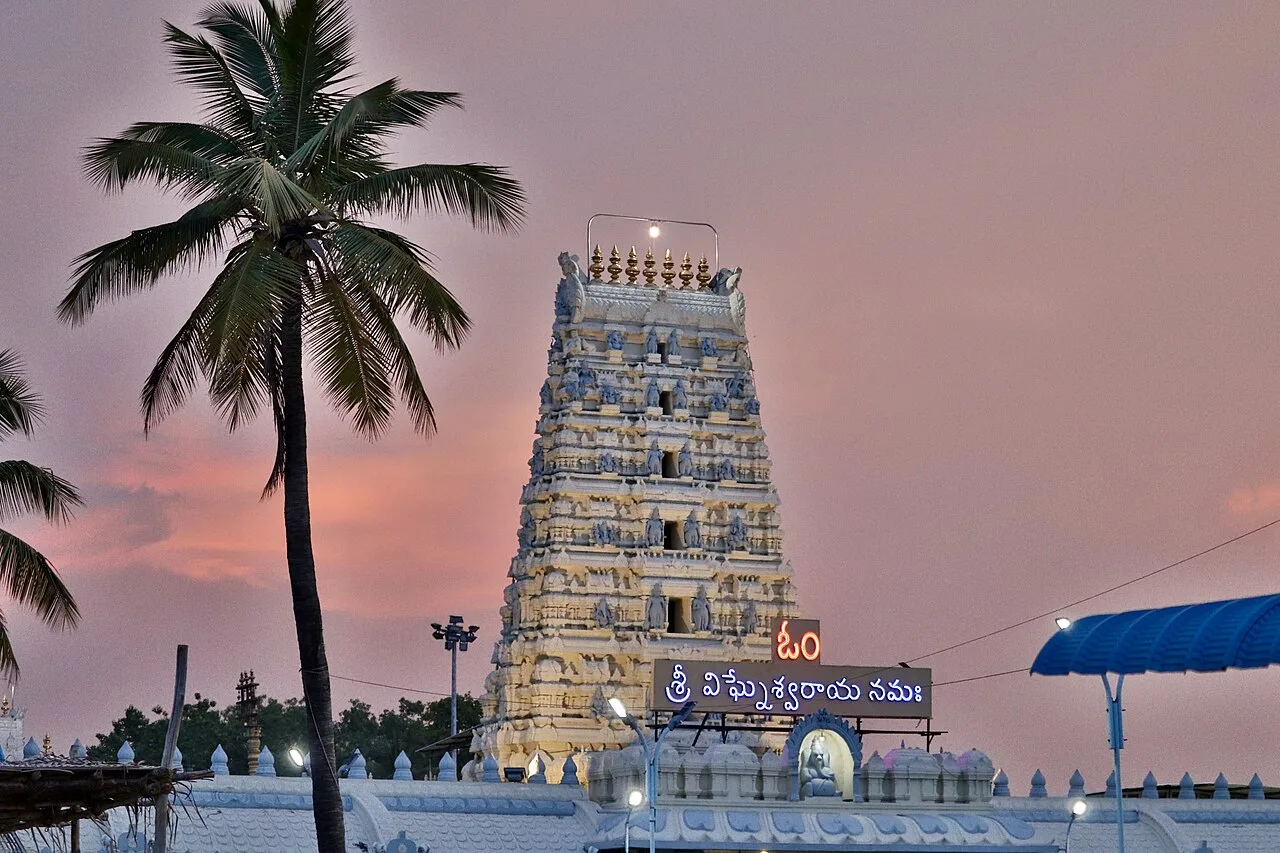
Kanipakam Vinayaka Temple
Kanipakam Vinayaka Temple is a place of worship in Andhra Pradesh, in the town of Kanipakam. Visitors come to worship Vinayaka.
Kapila Theertham
Kapila Theertham is a small Shaivite shrine and sacred bathing place in Tirupati, Andhra Pradesh. Visitors come to worship Shiva, known here as Kapileswara, and see the temple tank.
Sri Vari Museum
Sri Vari Museum is a museum or cultural centre in Tirupati district, Andhra Pradesh. Visitors may go there as a cultural destination in the district.
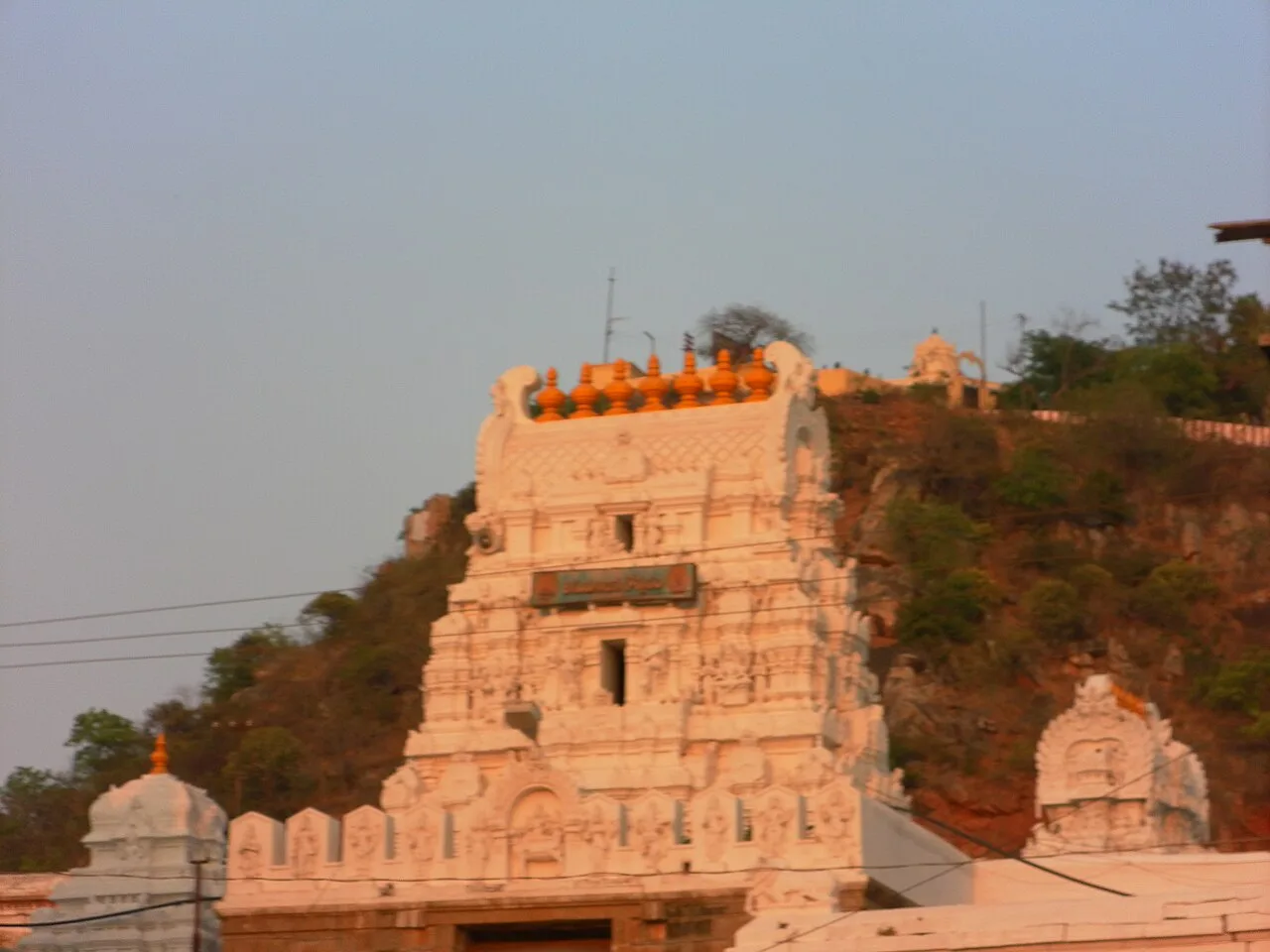
Srikalahasti Temple
Srikalahasti Temple is a Shiva shrine in Andhra Pradesh, visited for its Vayu Lingam and its associations with Rahu-Ketu worship and the Kannappa legend.
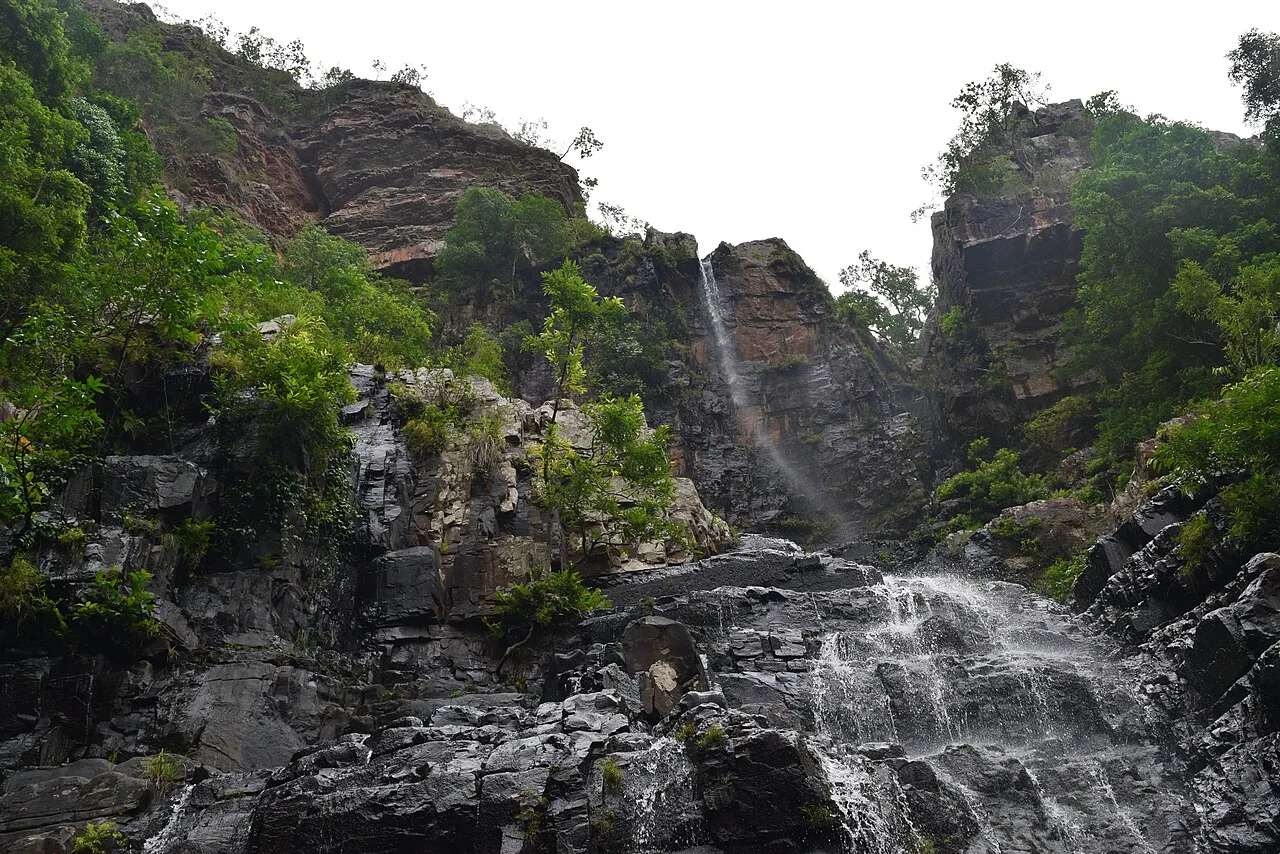
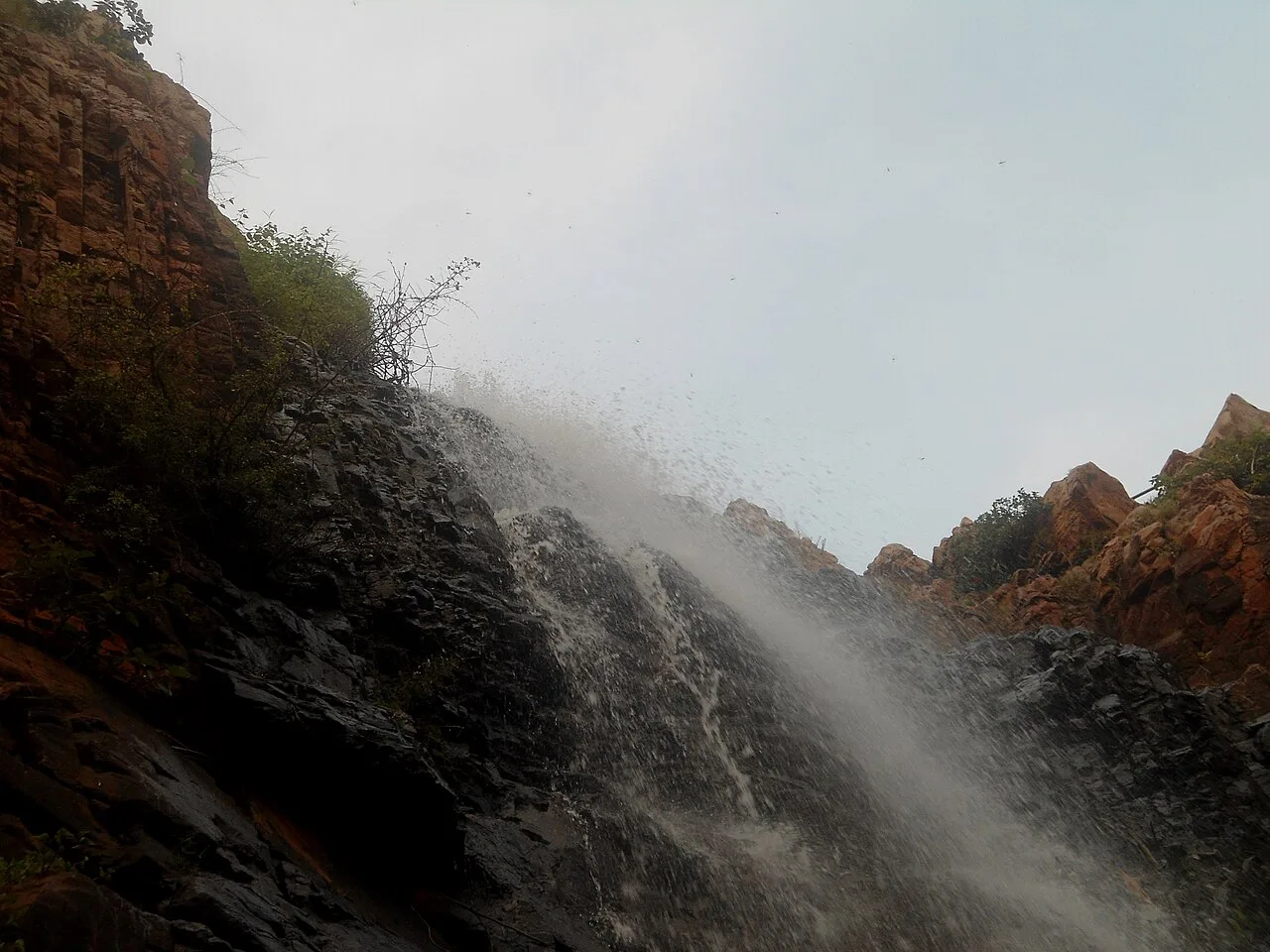
Talakona Waterfalls
Talakona is a waterfall destination in Andhra Pradesh’s Tirupati district, drawing visitors for its high cascade, forest setting, wildlife and nearby Lord Siddheswara Swamy Temple.
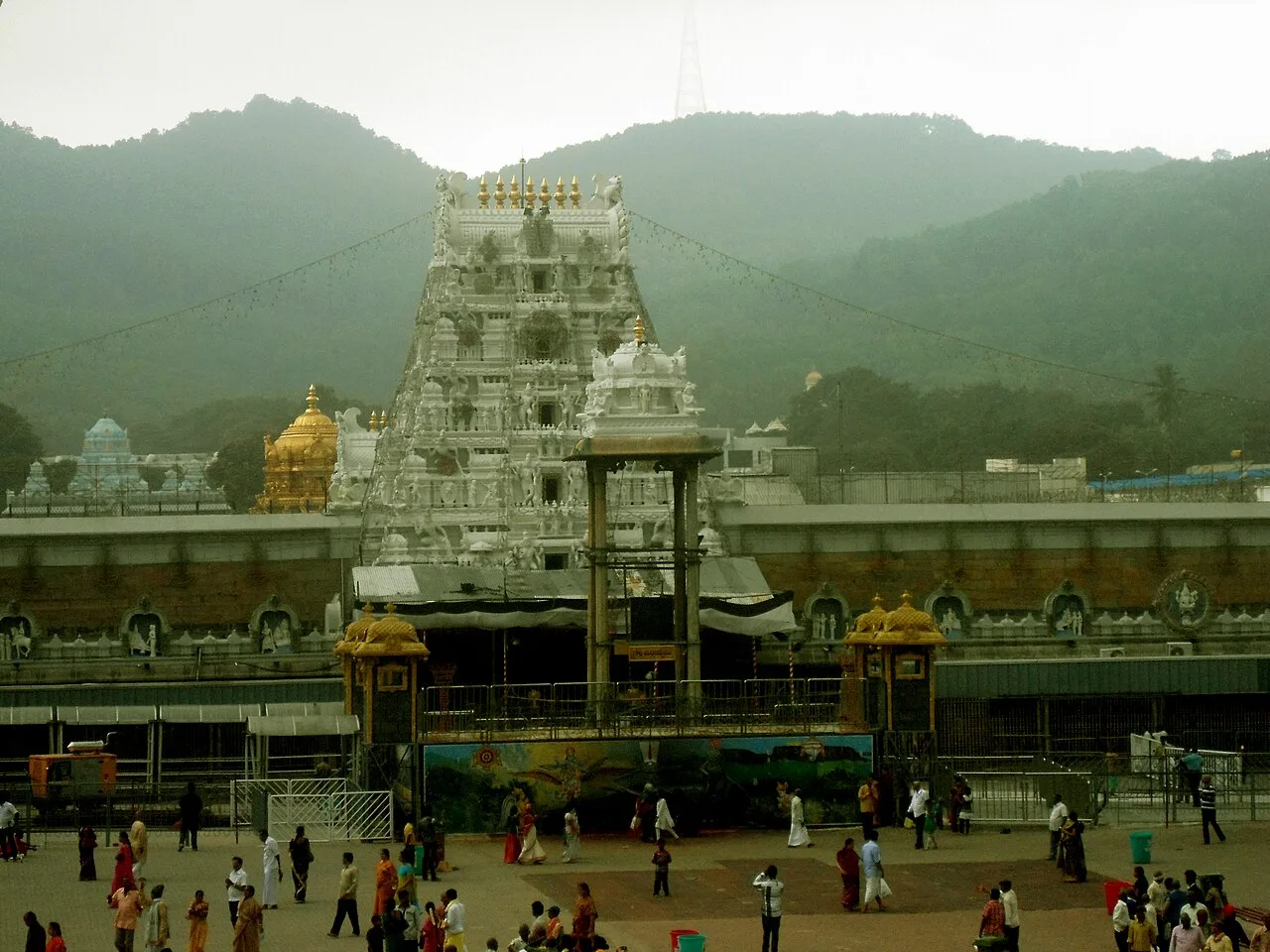
Tirumala Venkateswara Temple
Set among Tirumala’s seven peaks, this Hindu shrine honours Venkateswara, a form of Vishnu. People visit to worship the deity, who is associated with protection during Kali Yuga.
Vegetarian food is central to the pilgrimage experience, especially at Tirumala, where Tirupati laddu prasadam is closely associated with the Venkateswara Temple. Everyday options include idli, dosa, pulihora and rice meals with dal, vegetables, pickles and curd. Pesarattu, sometimes served with upma, belongs to the wider Andhra breakfast tradition. Gongura and avakaya bring the sharp, spicy flavours familiar across the state, while ragi sangati reflects the broader Rayalaseema food tradition rather than a speciality exclusive to Tirupati. Ask about the day’s menu at small eateries, request milder seasoning if needed, and finish a spicy meal with curd rice.
Srikalahasti is an established centre of hand-drawn kalamkari, a textile art associated with the district. Artists use a pen-like tool to create detailed outlines on cloth, traditionally working through several stages of treatment, dyeing and washing. Temple imagery, episodes from Hindu epics, floral borders and narrative compositions are characteristic subjects. This drawing-led tradition differs from the block-printed kalamkari associated with Machilipatnam elsewhere in Andhra Pradesh. When buying, ask whether a piece is hand-drawn or printed and how it was coloured; workshop visits, where available, can help explain the labour behind the finished textile.
Brahmotsavam at Tirumala, usually held in September or October according to the religious calendar, draws large pilgrim crowds. Vaikunta Ekadasi, generally in December or January, is another especially busy period for temple visits. Srikalahasti observes Maha Shivaratri, usually in February or March, while Tirupati’s Gangamma Jatara is commonly celebrated in May. Festival seasons can bring heavier road traffic, longer waits and high demand for rooms in Tirupati and nearby temple towns. Travellers should check current temple arrangements and book accommodation well ahead when planning around major observances.
The district extends from the Seshachalam hills, part of the Eastern Ghats, to lower plains and eastern coastal areas. The Swarnamukhi river flows through the region near Srikalahasti, while the wider district also reaches the coastal lowlands around Pulicat. Towns and pilgrimage routes are spread across varied terrain, so a visit to a forest or hill attraction is best planned as a dedicated outing rather than fitted between closely scheduled temple visits.
Summers are generally hot, especially in the lower plains, so outdoor visits are more comfortable early or later in the day. Winter, broadly from November through February, is usually the most comfortable season for combining temple visits with sightseeing. October and early spring can also work, though conditions vary. Carry light, breathable clothing, sun protection and a refillable water bottle. For monsoon travel, bring rain protection and suitable footwear; temple visitors should also pack clothing that meets the relevant shrine’s dress guidance.
Tirupati Airport is the main air gateway for visiting the district’s principal pilgrimage centres. Tirupati railway station and Renigunta Junction are useful rail arrival points; choose between them according to your onward destination and available connections. Roads link Tirupati with Chennai, Bengaluru and other towns in Andhra Pradesh, with APSRTC buses providing many intercity and district connections. Local buses, auto-rickshaws and taxis help with travel within Tirupati and to nearby attractions. Tirumala requires an uphill journey by road or designated pedestrian routes. Allow extra time for pilgrimage crowds and arrange return transport for less-connected forest outings. Check current services locally.
Tirupati is the district’s main transport hub, with road connections to Srikalahasti, Chandragiri and other towns. APSRTC and other buses serve many intercity and local routes, while autos and taxis are useful for shorter trips around Tirupati. Taxis or arranged vehicles can be more practical for Talakona and other forest-side outings, where onward public transport may be limited. Travel to Tirumala is by road or designated pedestrian routes; follow current traffic and pilgrimage arrangements. Shared vehicles may be available on some routes, but services vary. Confirm the return journey in advance, particularly for less-connected destinations.
2 days: Sri Vari Museum → Kapila Theertham → Tirumala Venkateswara Temple; sleep in Tirupati after day 1. 3 days: Chandragiri Fort → Sri Vari Museum → Kapila Theertham → Tirumala Venkateswara Temple → Srikalahasti Temple; sleep in Tirupati after days 1 and 2. 4 days: Chandragiri Fort → Sri Vari Museum → Kapila Theertham → Tirumala Venkateswara Temple → Talakona Waterfalls → Srikalahasti Temple; sleep in Tirupati after days 1, 2 and 3.
Tirupati is the most useful base for temple visits, city sights and day trips, with a broad range of hotels, guesthouses and dharamshalas. Staying here also makes it easier to arrange transport to Tirumala, though accommodation there is subject to pilgrimage demand and current arrangements. Srikalahasti can suit travellers who want to focus on its temple or break up a longer road journey; hotels and pilgrim lodging are available. For Talakona, check local accommodation and access options before setting out, as choices near forest attractions may be limited. Government lodges may be available in some areas.
Expect crowds around major temples and keep valuables secure; follow shrine instructions on queues, footwear and access. Forest outings such as Talakona require attention to weather, trail conditions and local guidance; do not approach or feed wildlife. Drink safe water and carry supplies on longer drives. Mobile coverage can be unreliable in hilly or forested areas, and road conditions may change during monsoon weather. Check current access rules with official local authorities before visiting forest areas and confirm whether any permits are required.
- Tiruvallur · Tamil Naduabout 63 km
- Vellore · Tamil Naduabout 86 km
- Sri Potti Sriramulu Nelloreabout 92 km
- Chittoorabout 100 km
- Kancheepuram · Tamil Naduabout 101 km
- Chennai · Tamil Naduabout 122 km
- YSRabout 137 km
- Kolar · Karnatakaabout 137 km
Straight-line distance between the centres of each district's destinations; road distance is longer.
Q: How many days should I spend in Tirupati district? A: Two days can cover Tirupati and Tirumala. Three or four days allow time for places such as Srikalahasti, Chandragiri Fort and Talakona. Q: When is the best time to visit? A: November to February is generally comfortable for sightseeing. Festival periods can be much busier, so plan accommodation ahead. Q: Where is the best base for visiting the district? A: Tirupati is the most practical base for the main pilgrimage sites and many day trips. Srikalahasti can suit a focused visit to its temple. Q: How do I get to the district? A: Tirupati Airport, Tirupati railway station and Renigunta Junction are useful arrival points. Road and bus connections link the district with other regional centres. Q: Is the district suitable for families or elderly travellers? A: Yes, though temple crowds, hill routes and walking distances may be demanding. Plan rest breaks and transport carefully, especially for Tirumala and forest outings.
This page draws on our 7 destination guides for Tirupati and is updated as our team checks it.
Be the first to share photos, stories, advice or a helpful contact for Tirupati.
Loading…