
District · Tamil Nadu
Tiruvallur
Tiruvallur lies in northern Tamil Nadu, on the edge of Chennai’s metropolitan region and within the historic Tondaimandalam area.
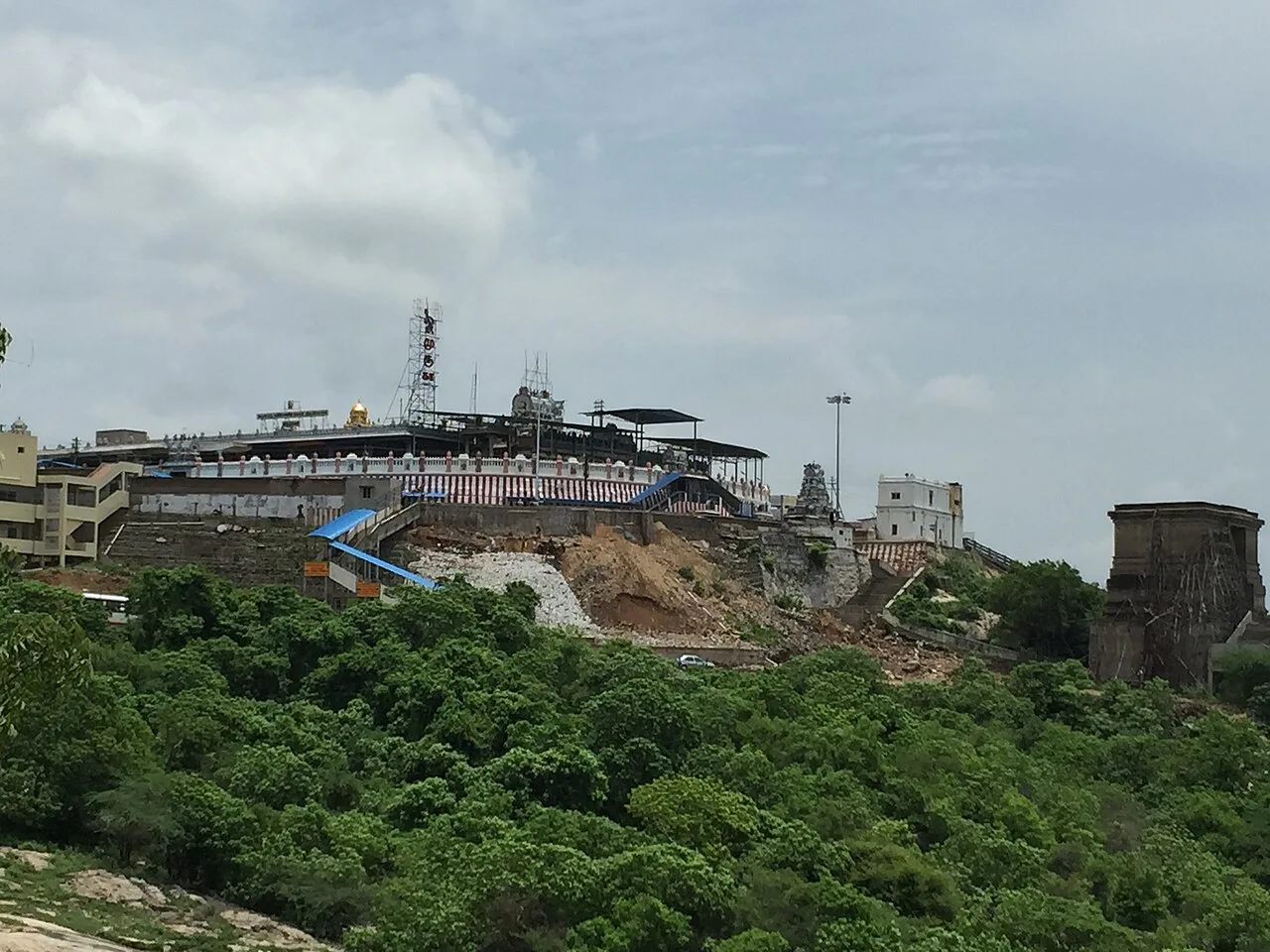
Tiruvallur district lies in northern Tamil Nadu, where Chennai’s expanding metropolitan fringe meets agricultural plains, irrigation tanks and a coastal landscape around Pulicat. Its character shifts from busy suburban and industrial settlements to villages, wetlands and temple towns. Tiruttani is a major pilgrimage centre, known for its hilltop Murugan temple, one of the deity’s six revered abodes in Tamil tradition. Tiruvallur town also has a longstanding religious identity centred on the Veeraraghava Perumal Temple. Historic shrines, seasonal cultivation and the influence of nearby Chennai together shape the district. It rewards travellers interested in living temple traditions and quieter landscapes beyond the city.
Tiruvallur lies in northern Tamil Nadu, on the edge of Chennai’s metropolitan region and within the historic Tondaimandalam area. It is best known to visitors for Tiruttani Murugan Temple, an important pilgrimage centre and one of Murugan’s six revered abodes in Tamil tradition, and for Veeraraghava Perumal Temple in Tiruvallur town. The district also offers a contrast between expanding suburbs, agricultural settlements, irrigation tanks and the wetlands around Pulicat. It suits travellers interested in active temple traditions and a glimpse of the varied landscapes beyond Chennai, rather than a single concentrated sightseeing circuit.
The district forms part of Tondaimandalam, a historic region of northern Tamil Nadu that was ruled at different times by the Pallavas and Cholas. Later, Vijayanagara rulers and their local governors held influence across the area. Tiruttani’s Murugan shrine and Tiruvallur’s Veeraraghava Perumal Temple reflect long-running religious traditions, though their histories span many periods and should not be reduced to a single dynasty. Under British rule, the region became part of the Madras Presidency; nearby settlements and transport routes developed in relation to Madras, now Chennai. After Independence, the area was administered within larger districts of the state. Tiruvallur district was formed in 1997 from the former Chengalpattu district. In recent decades, Chennai’s outward growth has reshaped parts of the district through suburban housing, transport links and industry, while farming, temple life and wetland landscapes remain part of its character.
Food in Tiruvallur largely follows the traditions of northern Tamil Nadu rather than a distinct district cuisine. Idli, dosa, pongal and vadai are familiar breakfast choices, often accompanied by chutney, sambar and filter coffee. Rice-based vegetarian meals with vegetable preparations, rasam and curd are common lunch options, sometimes served on banana leaves. Around pilgrimage centres such as Tiruttani, vegetarian eateries are practical choices. Fish dishes feature in coastal communities, while sweet shops may offer regional favourites such as adhirasam and Mysore pak. Ask smaller eateries what has been freshly prepared, since their daily selection can be limited.
Tiruvallur’s artistic heritage is most readily encountered through its temples, including sculpted pillars, religious imagery and the decorative traditions associated with worship and festivals. These belong to the wider Tamil cultural landscape rather than an exclusive district craft. Cotton handlooms and silk textiles are also part of the broader region’s material culture; neighbouring Kanchipuram is the better-established centre for silk weaving. When shopping locally, ask where an item was made and whether it is handwoven or handmade, rather than assuming that everything sold near a shrine was produced nearby.
Tiruttani’s temple calendar brings especially large gatherings for Murugan observances such as Aadi Krithigai in the Tamil month of Aadi, usually during July or August, and Thai Poosam, usually in January or February. Skanda Sashti, generally observed around October or November, is another important Murugan festival. These occasions can make the temple approach and local roads busy, and accommodation in Tiruttani may be harder to find. Vaikunta Ekadasi at Tiruvallur’s Veeraraghava Perumal Temple is also observed by devotees, with dates varying by the Hindu calendar. Check local calendars before travel.
Elsewhere in Tamil Nadu
The district is largely a low-lying plain of farms, settlements and irrigation tanks, with a more urban and industrial character closer to Chennai. The Kosasthalaiyar and Arani river systems and their associated water bodies support cultivation, though water levels vary seasonally. In the northeast, Pulicat Lagoon forms an extensive wetland and coastal landscape shared with Andhra Pradesh. Tiruttani’s temple stands on a hill, a distinct feature amid the surrounding plains. Roads and railways connect the towns, but travel to wetlands and smaller villages can take longer than the map suggests, particularly during heavy rain or busy pilgrimage periods.
Tiruvallur is generally hot for much of the year. Summer, from roughly March to June, can be uncomfortable for outdoor sightseeing, so plan temple visits for cooler parts of the day and carry water and sun protection. The northeast monsoon, usually from October into December, brings much of the region’s rain and can cause local travel disruption. The southwest monsoon may also bring showers. Winter, broadly November to February, is usually the more comfortable period for visiting, although rain can linger early in the season. Pack light, breathable clothing, a hat and sunscreen; add a compact rain layer during the monsoon months.
Chennai is the main gateway for much of Tiruvallur district, with Chennai International Airport serving onward road and rail journeys. For Tiruttani, Tirupati Airport is another option, depending on flight availability and onward transport. Tiruvallur and Tiruttani have railway stations, while Arakkonam Junction is a useful nearby interchange for the Tiruttani area. Roads connect the district with Chennai, Tirupati and neighbouring towns. Suburban trains are useful along the Chennai–Tiruvallur–Arakkonam corridor; buses, taxis and autorickshaws cover many onward journeys. Allow extra time for metropolitan traffic and temple crowds. Check current services locally.
Roads link Tiruvallur, Tiruttani and other district towns with Chennai and neighbouring regions. State and local buses serve many settlements, while autos, shared vehicles and taxis can help with shorter or less frequent connections; availability varies outside town centres. Suburban rail is useful on the Chennai–Tiruvallur–Arakkonam corridor, with Arakkonam serving as an interchange for journeys toward Tiruttani. For temple visits, arrange onward transport from the station or bus stand in advance if travelling at a busy festival time. Wetland and village trips may require a private vehicle, and boat services around Pulicat should not be assumed to operate regularly.
2 days: Tiruttani Murugan Temple; sleep in Tiruttani both nights, allowing time for the temple and a relaxed second day in town. 3 days: Tiruttani Murugan Temple; sleep in Tiruttani on the first two nights and in Tiruvallur on the third, with unhurried travel between the towns.
Tiruttani is the most practical base for a pilgrimage-focused visit, with hotels and simpler lodgings serving temple visitors. Tiruvallur town offers another base, particularly for travellers combining the district with Chennai or rail journeys. Larger towns and suburban areas have a broader range of hotels, while homestays and government accommodation may be available in some places but are not uniform across the district. Dharamshalas or other basic religious lodgings may be found near temples; confirm access and arrangements locally, especially during major festivals.
The hilltop temple approach at Tiruttani may involve steps, so visitors with limited mobility should check current access arrangements and allow time for the ascent. Heat can cause dehydration; carry drinking water and take breaks. Monsoon rain may leave roads wet or cause local flooding, so check conditions before travelling to low-lying areas. Use care around lagoon edges and do not enter the water unless local authorities confirm it is safe. Expect crowds and slower traffic during major festivals. Mobile connectivity is generally better in towns than in rural or wetland areas. No special permit is normally needed for the listed temple visit; confirm officially before entering any restricted area.
- Kancheepuramabout 38 km
- Velloreabout 60 km
- Tirupati · Andhra Pradeshabout 63 km
- Chennaiabout 71 km
- Chengalpattuabout 89 km
- Villupuramabout 105 km
- Sri Potti Sriramulu Nellore · Andhra Pradeshabout 112 km
- Tiruvannamalaiabout 121 km
Straight-line distance between the centres of each district's destinations; road distance is longer.
All districts of Tamil Nadu
- Ariyalur
- Chengalpattu
- Chennai
- Coimbatore
- Cuddalore
- Dharmapuri
- Dindigul
- Erode
- Kallakurichi
- Kancheepuram
- Kanniyakumari
- Madurai
- Mayiladuthurai
- Nagapattinam
- Namakkal
- Nilgiris
- Pudukkottai
- Ramanathapuram
- Salem
- Sivaganga
- Tenkasi
- Thanjavur
- Theni
- Thoothukudi
- Tiruchirappalli
- Tirunelveli
- Tiruvannamalai
- Tiruvarur
- Vellore
- Villupuram
- Virudhunagar
Q: How many days should I spend in Tiruvallur district? A: Two days can cover a focused visit to Tiruttani; three days allow a slower trip and time to travel between Tiruttani and Tiruvallur. Q: What is the best time to visit? A: November to February is generally more comfortable. Be prepared for rain and possible disruption during the northeast monsoon. Q: Where is the best base? A: Tiruttani is convenient for the Murugan temple, while Tiruvallur town can suit visitors using rail connections or combining the district with Chennai. Q: How do I get to the district? A: Chennai is the main gateway, with onward road and rail connections. Tiruvallur and Tiruttani have railway stations, and Arakkonam is a useful interchange for the Tiruttani area. Q: Is Tiruvallur suitable for families or elderly travellers? A: Yes, though festival crowds, heat and the hilltop approach at Tiruttani can be challenging. Plan breaks and check access arrangements if mobility is a concern.
This page draws on our 1 destination guides for Tiruvallur and is updated as our team checks it.
Be the first to share photos, stories, advice or a helpful contact for Tiruvallur.
Loading…