
District · Tamil Nadu
Cuddalore
Cuddalore lies on Tamil Nadu’s Bay of Bengal coast, south of Puducherry, and brings together temple heritage, coastal history and wetland scenery.
Cuddalore district lies on Tamil Nadu’s Bay of Bengal coast, where agricultural plains, river mouths and coastal settlements give way to distinctive wetland landscapes. Near Chidambaram, Pichavaram’s mangroves form a maze of wooded waterways best appreciated through a guided boat outing. Chidambaram’s Thillai Nataraja Temple anchors the district’s sacred identity, celebrating Shiva as the cosmic dancer and reflecting a long history of Tamil religious life and temple patronage. Cuddalore town adds a maritime and colonial strand to this history, associated with the old port and Fort St David. Together, temple streets, farming communities and fishing settlements make the district a rewarding combination of living heritage and coastal nature.
Cuddalore lies on Tamil Nadu’s Bay of Bengal coast, south of Puducherry, and brings together temple heritage, coastal history and wetland scenery. It is best known to many visitors for Chidambaram’s Thillai Nataraja Temple, an important centre of Shiva worship, and for the waterways of Pichavaram’s mangrove forest. Cuddalore town adds a maritime and colonial dimension through its historic port associations and Fort St David. The district suits travellers who want to combine a major temple visit with a quieter excursion into coastal nature, while its agricultural plains and fishing settlements offer a sense of everyday life in this part of the Coromandel Coast.
The region’s history is closely tied to the fertile Kaveri delta and the Coromandel Coast. Pallava and later Chola influence shaped temple culture and political life in the area; Chidambaram became a major centre of Shiva worship and royal patronage. Control of the region shifted among South Indian powers, including the Pandyas and Vijayanagara rulers, with local Nayak authorities governing parts of the coast in later periods. European competition brought a new chapter: the British established themselves at Fort St David near Cuddalore, and the town became involved in conflicts between British and French forces during the Carnatic Wars of the eighteenth century. Cuddalore also developed as a port and administrative centre. Under British rule, the area formed part of the wider South Arcot district of the Madras Presidency. After Indian independence it remained within South Arcot district in Madras State, later Tamil Nadu. Cuddalore became a separate district when South Arcot was divided in 1993, with Villupuram forming the other district.
2 destination guides
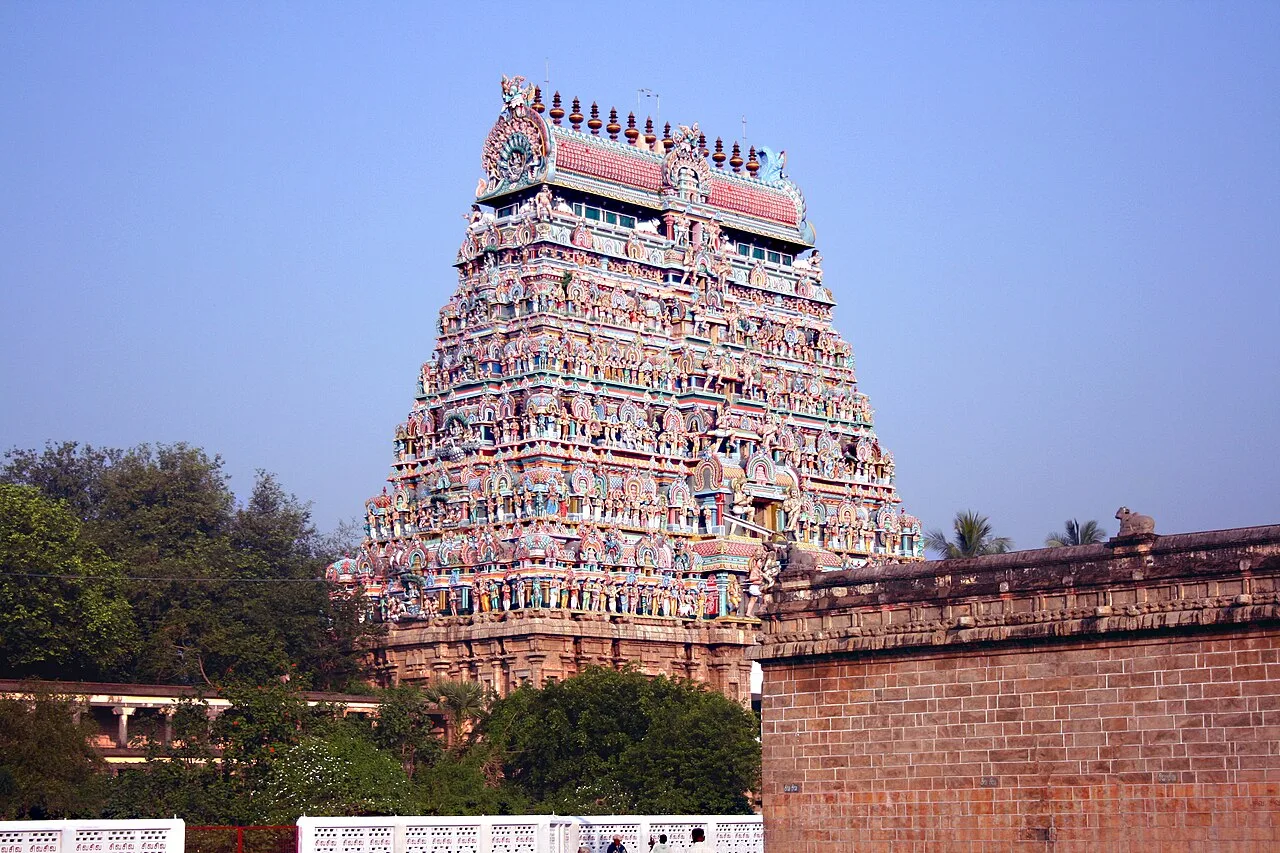
Chidambaram Nataraja Temple
Chidambaram Nataraja Temple is a historic Shaivite shrine in Tamil Nadu, dedicated to Shiva as the cosmic dancer. Visitors come for its worship, dance imagery and distinctive architectural traditions.
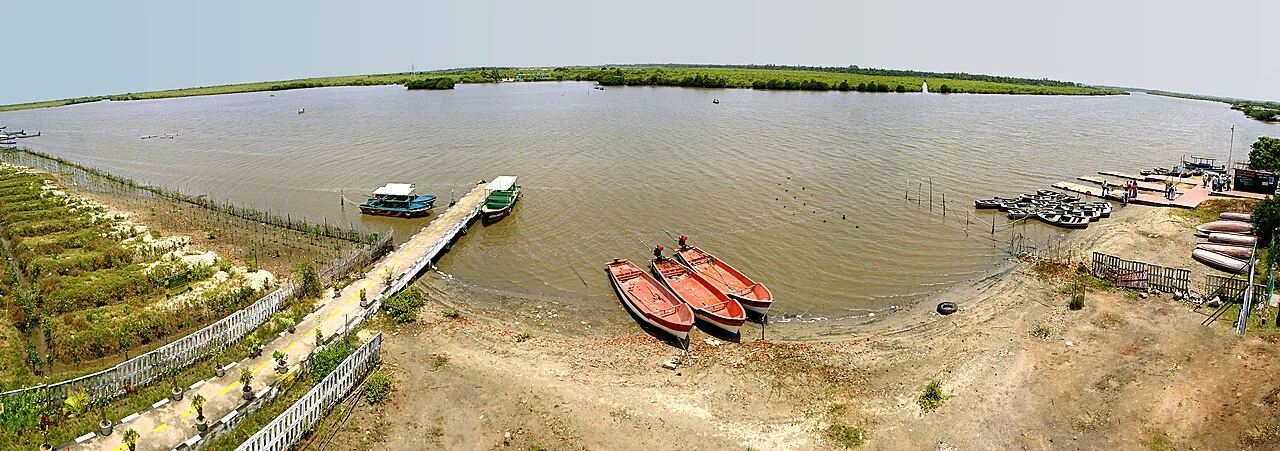
Pichavaram Mangrove Forest
Pichavaram Mangrove Forest is a mangrove wetland in Cuddalore district, Tamil Nadu. Visitors come to see the forest and its setting among the Vellar and Coleroon estuaries.
Food in Cuddalore draws on the wider Tamil tradition of rice-based meals, with idli, dosa and filter coffee familiar breakfast choices. Vegetarian lunches commonly bring rice, sambar, rasam, vegetable preparations and curd, sometimes served on a banana leaf. Along the coast, fish curries and fried fish reflect the importance of fishing communities, though availability depends on the day’s catch. Adhirasam and other Tamil sweets may appear in sweet shops or festive cooking. These foods belong to broader regional traditions rather than being exclusive to Cuddalore. In small eateries, ask what has been freshly prepared that day.
The district’s most visible artistic heritage is its temple architecture and sculpture, especially at Chidambaram, where carved forms connect religious storytelling with dance. Nataraja’s image also links the town to Tamil Nadu’s wider tradition of bronze icons, although the best-known casting centres lie elsewhere in the state. Bharatanatyam provides another regional artistic connection through its association with Shiva’s cosmic dance. For textiles and craft purchases, ask sellers where pieces were made rather than assuming that everything sold near a temple is locally produced.
Chidambaram’s temple calendar draws visitors for major Shaivite observances, especially Arudra Darshan in the Tamil month of Margazhi, usually during December or January, and Ani Thirumanjanam, usually in June or July. Natyanjali, a dance festival held around Maha Shivaratri, brings classical performers and additional visitors to Chidambaram. Temple processions and other observances can make streets busier and accommodation harder to find, particularly around the main festival periods. Dates follow the Tamil calendar and vary each year, so check locally before planning a visit.
Elsewhere in Tamil Nadu
The district is largely low-lying, with agricultural plains, coastal settlements, river channels and estuarine wetlands along the Bay of Bengal. Near Chidambaram, the Pichavaram mangroves form a network of narrow waterways and wooded islands; exploring them is typically by boat rather than on foot. Rivers and drainage channels shape local routes and can affect travel during heavy rain. The open coast and fishing villages give the district a strong maritime character, while the flat terrain makes road journeys between its main towns relatively straightforward. There are no major hill ranges in the district.
Cuddalore has a hot, humid coastal climate. Summer, broadly from March to May, can feel especially warm, so plan outdoor visits for cooler parts of the day and carry water and sun protection. The southwest monsoon brings variable rain, while the northeast monsoon, usually from October to December, is an important rainy season and can bring intense showers or storm-related disruption. Winter, from roughly December to February, is generally more comfortable for temple visits and boat outings, though rain may persist early in the season. January to March is often a practical visiting window. Pack light clothing, a hat, sunscreen, insect repellent and a rain layer in monsoon months.
Plan access around the part of the district you want to explore. Chidambaram railway station is a useful arrival point for the Nataraja Temple and onward travel to Pichavaram; Cuddalore also has rail connections. Chennai International Airport and Tiruchirappalli International Airport are possible air gateways, with onward road or rail travel required. Road links connect the district with Chennai, Puducherry and other Tamil Nadu towns. Buses serve major settlements, while taxis and autorickshaws help with shorter journeys. Arrange onward and return transport for Pichavaram, particularly if combining it with Chidambaram. Check current services locally.
Roads connect Cuddalore town and Chidambaram with other settlements and regional centres, including routes towards Puducherry. Local and intercity buses serve major towns, while autorickshaws are useful for short trips. Taxis can make it easier to combine Chidambaram with Pichavaram, especially when arranging a return journey; confirm transport availability before setting out. Pichavaram’s waterways are explored by boat, generally with local operators, rather than as a means of travelling between towns. If relying on public transport, check current services locally and allow flexibility during heavy rain or busy festival periods.
2 days: Chidambaram Nataraja Temple → Pichavaram Mangrove Forest; sleep in Chidambaram on night 1. 3 days: Chidambaram Nataraja Temple → Pichavaram Mangrove Forest; sleep in Chidambaram on nights 1 and 2.
Chidambaram is the most convenient base for visiting both the temple and Pichavaram, with hotels and simpler guesthouses, as well as some religious accommodation options. Staying there also avoids changing lodging for a short district visit. Cuddalore town offers a wider base for travellers focusing on the town and its coastal history, with hotels and basic guesthouses. Homestays and government accommodation may be available in the wider area, but options vary by season and locality. Confirm facilities and availability directly, especially during temple festivals and holiday periods.
Coastal heat and humidity can cause dehydration, so carry drinking water and take breaks in shade. During the northeast monsoon, heavy rain, flooding or storm conditions may disrupt roads and boat outings; follow local advice and avoid flooded routes. At Pichavaram, use an established boat operator, wear a life jacket if provided and follow instructions around mangrove channels and wildlife. Do not approach or feed animals. Sea conditions and currents can be hazardous, so avoid swimming unless local authorities identify a safe area. Mobile connectivity may be limited in some wetland areas. No special permit requirement is established for the listed sights, but confirm any current access rules with official local sources.
- Mayiladuthuraiabout 28 km
- Ariyalurabout 39 km
- Karaikal · Puducherryabout 56 km
- Puducherry · Puducherryabout 58 km
- Tiruvarurabout 72 km
- Thanjavurabout 78 km
- Nagapattinamabout 83 km
- Villupuramabout 100 km
Straight-line distance between the centres of each district's destinations; road distance is longer.
All districts of Tamil Nadu
- Ariyalur
- Chengalpattu
- Chennai
- Coimbatore
- Dharmapuri
- Dindigul
- Erode
- Kallakurichi
- Kancheepuram
- Kanniyakumari
- Madurai
- Mayiladuthurai
- Nagapattinam
- Namakkal
- Nilgiris
- Pudukkottai
- Ramanathapuram
- Salem
- Sivaganga
- Tenkasi
- Thanjavur
- Theni
- Thoothukudi
- Tiruchirappalli
- Tirunelveli
- Tiruvallur
- Tiruvannamalai
- Tiruvarur
- Vellore
- Villupuram
- Virudhunagar
Q: How many days should I spend in Cuddalore district? A: Two days can cover Chidambaram and Pichavaram at a steady pace; allow three days for a more relaxed visit. Q: When is the best time to visit? A: January to March is often comfortable, while October to December can bring northeast monsoon rain and travel disruption. Q: What is the best base for these sights? A: Chidambaram is the most practical base for the temple and Pichavaram; Cuddalore town suits a visit focused on the town. Q: How do I get to the district? A: Reach Cuddalore or Chidambaram by rail or road, or use Chennai or Tiruchirappalli as an air gateway and continue by road or rail. Q: Is the district suitable for families or elderly travellers? A: Yes, with planning. Temple visits may involve walking and crowds, while boat trips require boarding and following the operator’s safety guidance.
This page draws on our 2 destination guides for Cuddalore and is updated as our team checks it.
Be the first to share photos, stories, advice or a helpful contact for Cuddalore.
Loading…