
District · Tamil Nadu
Salem
Salem offers a view of Tamil Nadu beyond its major coastal cities: it is a working regional centre shaped by trade, weaving and steel production, with cultivated plains and Eastern Ghats landscapes nearby.
Salem district in northern Tamil Nadu brings together a busy industrial city, cultivated plains and the wooded slopes of the Eastern Ghats. Yercaud, in the Shevaroy Hills, offers a cooler hill landscape shaped by coffee cultivation and winding roads. To the west, the Kaveri flows through Mettur, where the colonial-era Mettur Dam, completed in 1934, remains a major landmark of irrigation and water management. Salem’s character is also tied to weaving, trade and steel production, rather than tourism alone. A visit can combine the everyday bustle of the district headquarters with time in the hills and around Mettur, revealing the contrast between Tamil Nadu’s working towns and their rural surroundings.
Salem offers a view of Tamil Nadu beyond its major coastal cities: it is a working regional centre shaped by trade, weaving and steel production, with cultivated plains and Eastern Ghats landscapes nearby. The district is best known to visitors for Yercaud’s coffee-growing hills and for Mettur Dam on the Kaveri, an important landmark in the state’s irrigation history. Salem city makes a practical base for exploring both.
Salem lies in the historic Kongu region, a territory associated over time with the Cheras and later with Chola and Pandya power. Control across the wider region shifted among Hoysala, Vijayanagara and Nayak rulers, and the Mysore kingdom. After the late-eighteenth-century conflicts between Mysore and the British, the area came under British administration. Salem district was organised under the British in the late eighteenth century; its boundaries later changed as new districts were formed. Dharmapuri was separated from Salem in 1965, and Namakkal became a separate district in 1997. Under colonial rule, Yercaud developed as a hill retreat, and coffee cultivation became part of the Shevaroy Hills’ economy. In the twentieth century, Mettur Dam, completed in 1934, strengthened irrigation and water management on the Kaveri. Salem also grew as a centre for trade, textiles and industry, including steel production. This mix of administrative change, agriculture and industrial development continues to shape the district.
2 destination guides
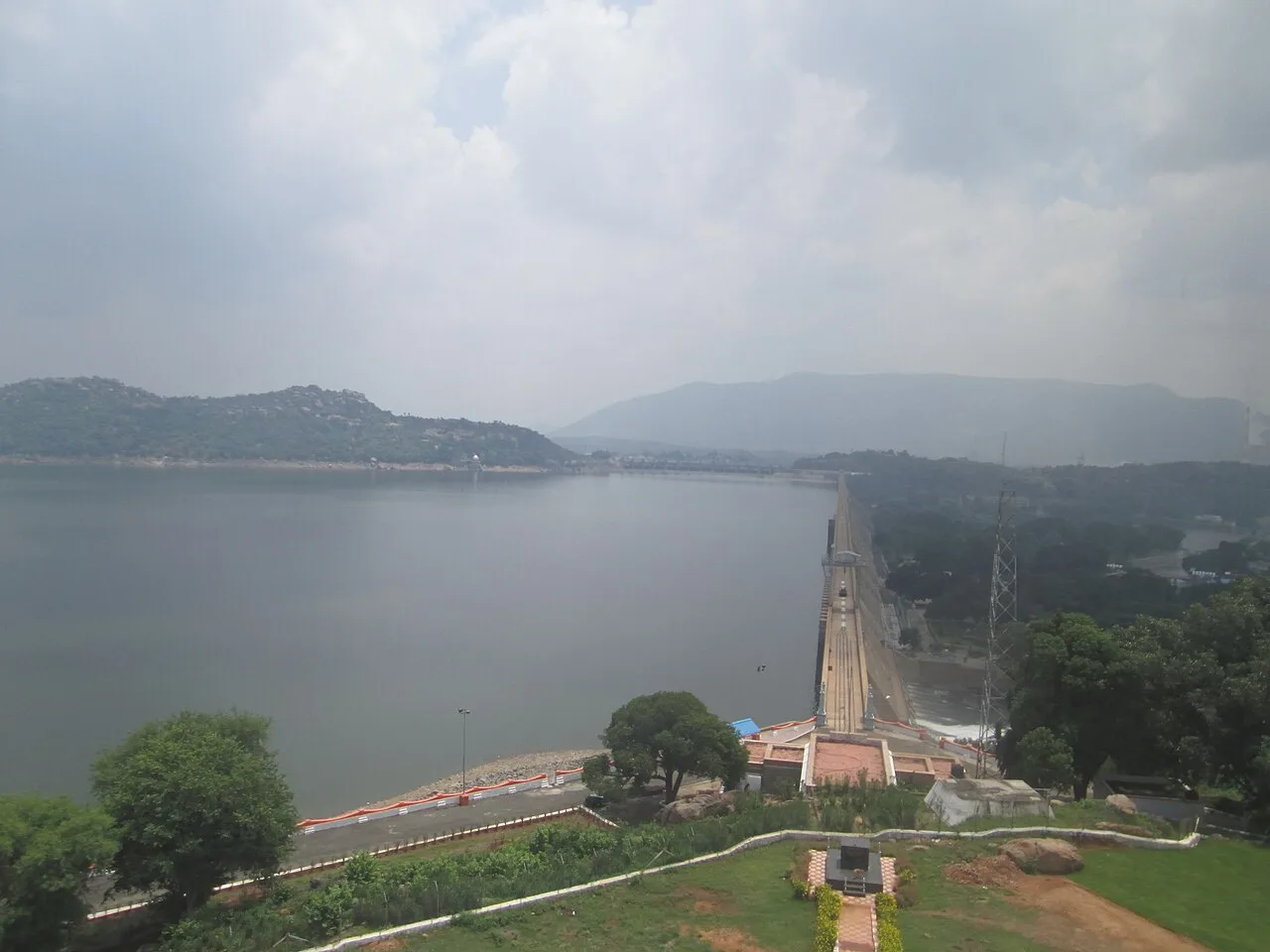
Mettur Dam
Mettur Dam, in Salem district, is among India’s largest dams and Tamil Nadu’s largest; visitors come to view the structure and the park at its base.
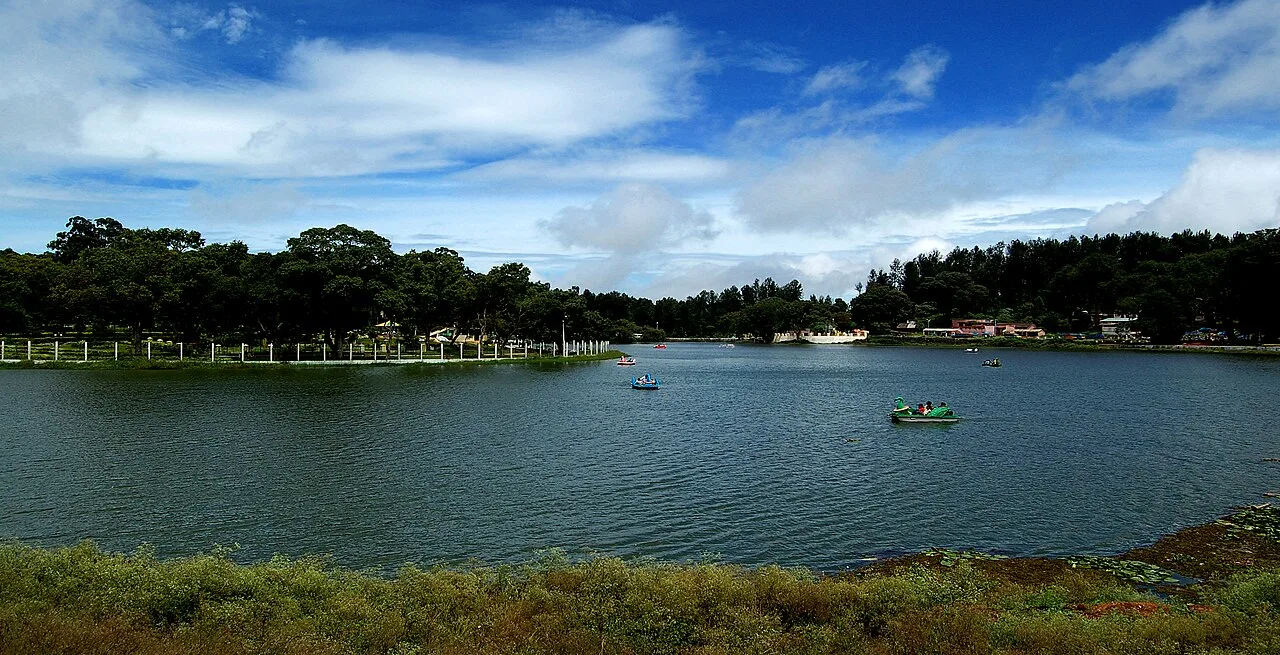
Yercaud Hill Station
Yercaud, also known as Erkadu, is a hill town in Salem district, Tamil Nadu. Visitors come for its location in the Servarayan Hills, part of the Eastern Ghats.
Food in Salem shares the wider Tamil tradition of rice-based meals, tiffin dishes and filter coffee. Idli, dosa, pongal and vadai are familiar breakfast choices, while lunch often centres on rice with sambar, rasam, vegetables and curd, sometimes served on a banana leaf. Non-vegetarian eateries offer chicken and mutton gravies, including pepper-seasoned preparations; these belong to broader regional cooking traditions rather than Salem alone. The district is also well known for mangoes in season. In smaller eateries, ask which dishes have been freshly prepared, as the daily selection may be limited.
Textiles are central to Salem’s craft and manufacturing identity. The district has an established weaving tradition encompassing silk and cotton fabrics, with sarees among its familiar products. Handloom work exists alongside powerloom production, so buyers interested in handmade textiles should ask about the loom, fibre and place of weaving rather than relying on a shop’s description alone. More broadly, Tamil Nadu’s textile traditions emphasise borders, colour contrasts and skilled weaving; not every style sold in Salem originates within the district.
Pongal, celebrated in January, is observed across the district with harvest traditions and family gatherings. Temple festivals, including Mariamman celebrations, take place in Salem and surrounding towns, often during the warmer months; dates vary by temple and local calendar. Yercaud’s summer festival is usually held around May and can bring extra visitors to the hill station. These occasions may make local roads and popular areas busier, and accommodation in Yercaud can be more in demand. Check local announcements before travelling, as festival schedules vary from year to year.
Elsewhere in Tamil Nadu
Salem’s terrain ranges from cultivated, often dry plains around the city to the wooded slopes of the Shevaroy Hills, part of the Eastern Ghats. Yercaud sits in this hill country, where winding roads climb through coffee-growing areas and patches of forest. The Kaveri runs along the district’s western side at Mettur, where the dam creates a broad reservoir landscape.
Salem is generally hot through much of the year, with the strongest heat in the pre-monsoon summer months. The southwest monsoon can bring showers, while the northeast monsoon, usually from October into December, is an important rainy period. Winter, broadly from December to February, is usually more comfortable for exploring the plains; Yercaud is cooler than Salem and can feel chilly in the evenings. November to February is a useful period for combining the city, hills and Mettur. Pack light clothing, sun protection and comfortable walking shoes, with a light layer for Yercaud evenings and rain protection during the monsoon.
Salem Junction is the main railway gateway for exploring the district, with onward travel by road to Yercaud and Mettur. Salem Airport is the local air gateway, though available routes should be confirmed before planning around a flight. Salem is connected by major roads with Bengaluru, Chennai and Coimbatore, and buses link the city with surrounding towns. Local buses, auto-rickshaws and taxis are useful for getting around; a taxi offers more flexibility for hill excursions. Check current services locally.
Salem city is the main road and bus hub for reaching Yercaud and Mettur. Local buses serve towns and many surrounding areas, while auto-rickshaws are useful for shorter journeys within urban areas. Taxis or a hired car offer more flexibility for combining the hill station and dam, especially where bus connections are less convenient. The road to Yercaud is winding and climbs through the hills, so allow time for a slower drive. Check current local services before setting out; transport options and road conditions can vary with weather.
2 days: Mettur Dam → Yercaud Hill Station; sleep night 1 in Salem and night 2 in Yercaud. 3 days: Yercaud Hill Station → Mettur Dam; sleep nights 1 and 2 in Yercaud, then night 3 in Salem. 4 days: Yercaud Hill Station → Mettur Dam; sleep nights 1 and 2 in Yercaud, then nights 3 and 4 in Salem for a slower visit.
Salem is the most practical base for city visits and road journeys to Mettur; it has a broader choice of hotels and other regular accommodation. Yercaud suits visitors who want to spend more time in the hills, with hotels, resorts and homestays generally available. Mettur has more limited options, so Salem is often a convenient overnight base for the dam. Government accommodation may be available in some locations, but availability and booking arrangements should be checked directly. Choose a stay with regard to road access and the season.
In wooded areas, keep a respectful distance from wildlife and do not feed monkeys. Use safe drinking water and take sun protection when exploring the plains. Roads and local connectivity can be less reliable during heavy rain, so check conditions before a hill or Mettur excursion and keep a charged phone. Popular areas may be crowded during festivals and Yercaud’s summer season. No special permit is generally needed for the destinations listed, but confirm any temporary access restrictions with local authorities.
- Dharmapuriabout 44 km
- Namakkalabout 64 km
- Erodeabout 67 km
- Kallakurichiabout 69 km
- Tiruvannamalaiabout 125 km
- Tiruchirappalliabout 130 km
- Kolar · Karnatakaabout 137 km
- Ramanagara · Karnatakaabout 138 km
Straight-line distance between the centres of each district's destinations; road distance is longer.
All districts of Tamil Nadu
- Ariyalur
- Chengalpattu
- Chennai
- Coimbatore
- Cuddalore
- Dharmapuri
- Dindigul
- Erode
- Kallakurichi
- Kancheepuram
- Kanniyakumari
- Madurai
- Mayiladuthurai
- Nagapattinam
- Namakkal
- Nilgiris
- Pudukkottai
- Ramanathapuram
- Sivaganga
- Tenkasi
- Thanjavur
- Theni
- Thoothukudi
- Tiruchirappalli
- Tirunelveli
- Tiruvallur
- Tiruvannamalai
- Tiruvarur
- Vellore
- Villupuram
- Virudhunagar
Q: How many days should I spend in Salem district? A: Two days can cover a brief visit to Yercaud and Mettur; three or four days allow a more relaxed pace. Q: When is the best time to visit? A: November to February is generally comfortable for combining Salem, Yercaud and Mettur. Q: Where is the best base? A: Salem is convenient for transport and Mettur, while Yercaud is best for an extended hill stay. Q: How do I get to Salem and travel around? A: Salem Junction is the main rail gateway, and roads and buses connect the city with nearby towns; taxis are useful for flexible excursions.
This page draws on our 2 destination guides for Salem and is updated as our team checks it.
Be the first to share photos, stories, advice or a helpful contact for Salem.
Loading…