
District · Tamil Nadu
Nilgiris
The Nilgiris are a highland district in western Tamil Nadu, where the Western Ghats meet the uplands bordering Kerala and Karnataka.
The Nilgiris district rises into the Western Ghats in western Tamil Nadu, with rolling uplands, tea estates, forested slopes and pockets of shola forest and grassland. Ooty, officially Udhagamandalam, is its best-known hill town, while Coonoor and Kotagiri offer other bases for exploring the hills. Indigenous communities, including the Toda and Kota, are central to the district’s cultural history. British-era hill-station development left gardens, buildings and the Nilgiri Mountain Railway, which remains a distinctive way to experience the landscape. Ooty Lake, Pykara and Avalanche Lake provide contrasting waterside settings; Sim’s Park and the viewpoints around Coonoor add gardens and expansive hill views. Mist and rain can substantially change both visibility and the pace of travel.
The Nilgiris are a highland district in western Tamil Nadu, where the Western Ghats meet the uplands bordering Kerala and Karnataka. Travellers come for tea-covered slopes, cool hill towns, forest and grassland landscapes, and routes that change character with the weather. Udhagamandalam, commonly called Ooty, is the best-known base; Coonoor and Kotagiri offer quieter settings and access to nearby walks and viewpoints. The district is also known for the Nilgiri Mountain Railway and for the living cultural heritage of Indigenous communities, including the Toda and Kota. Lakes, gardens, waterfalls and protected forests make the Nilgiris suited to both short breaks and slower, nature-focused visits.
The Nilgiri uplands have long been home to Indigenous communities, including the Toda, Kota, Kurumba, Irula and Badaga, each with distinct histories and traditions. The region’s political connections with neighbouring uplands and the plains changed over time; its past is linked with the wider histories of Kongu and Mysore, though control and influence varied. After the Mysore wars, the British expanded their presence in the hills during the nineteenth century. Ootacamund, now Udhagamandalam, developed as a colonial hill station, with roads, gardens, public buildings and tea cultivation reshaping parts of the landscape. Coonoor and other hill settlements also grew as centres of administration and plantation activity. The Nilgiri Mountain Railway, built during the colonial period and completed to Ooty in 1908, connected the hill station with the plains via Mettupalayam. The Nilgiris became a separate district under British administration in the nineteenth century and remained part of Madras State after independence; it is now in Tamil Nadu. Tea estates and hill-station institutions remain visible parts of this layered history.
12 destination guides
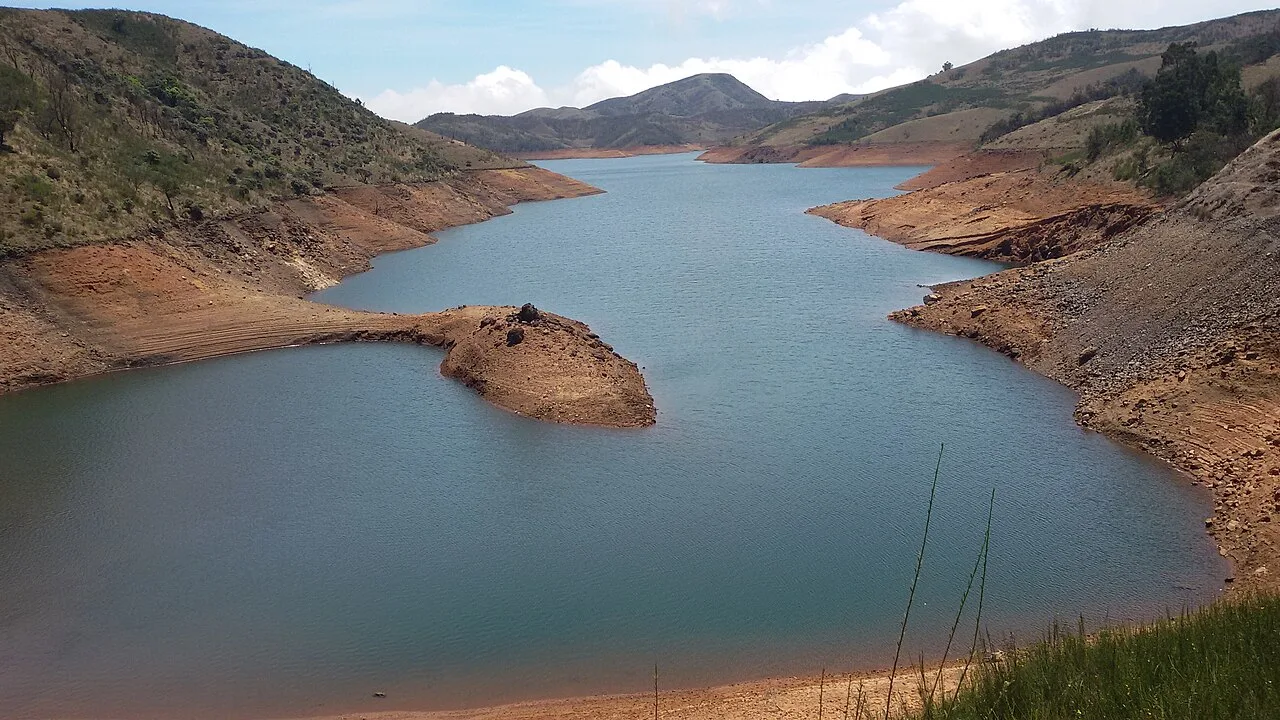
Avalanche Lake
Avalanche Lake, in Tamil Nadu’s Nilgiris district and 28 kilometres from Ooty, is a place visitors can go to see a lake in the region.
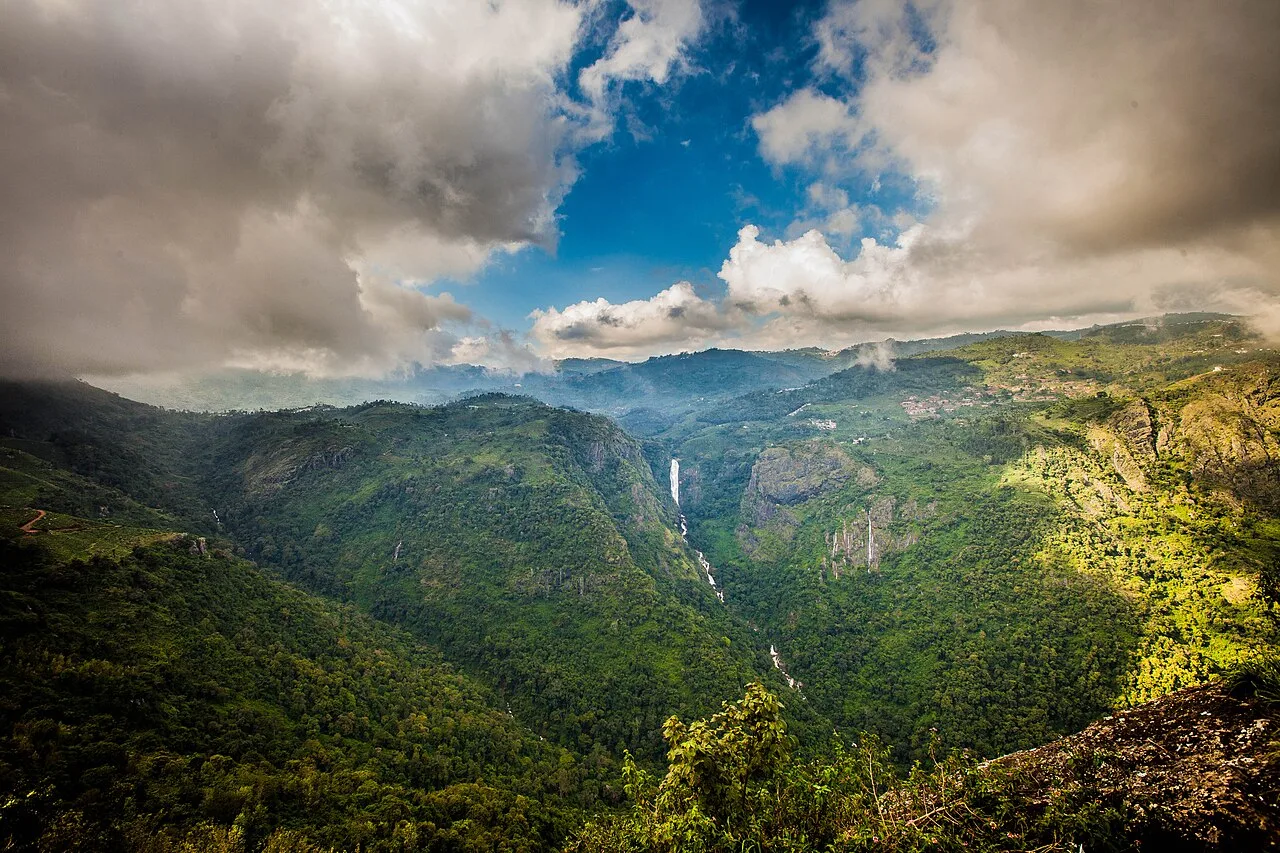
Catherine Falls
Catherine Falls is a two-tier waterfall near Kotagiri in Tamil Nadu’s Nilgiris district. Visitors come to see its cascades, which can be viewed from Dolphin’s Nose.
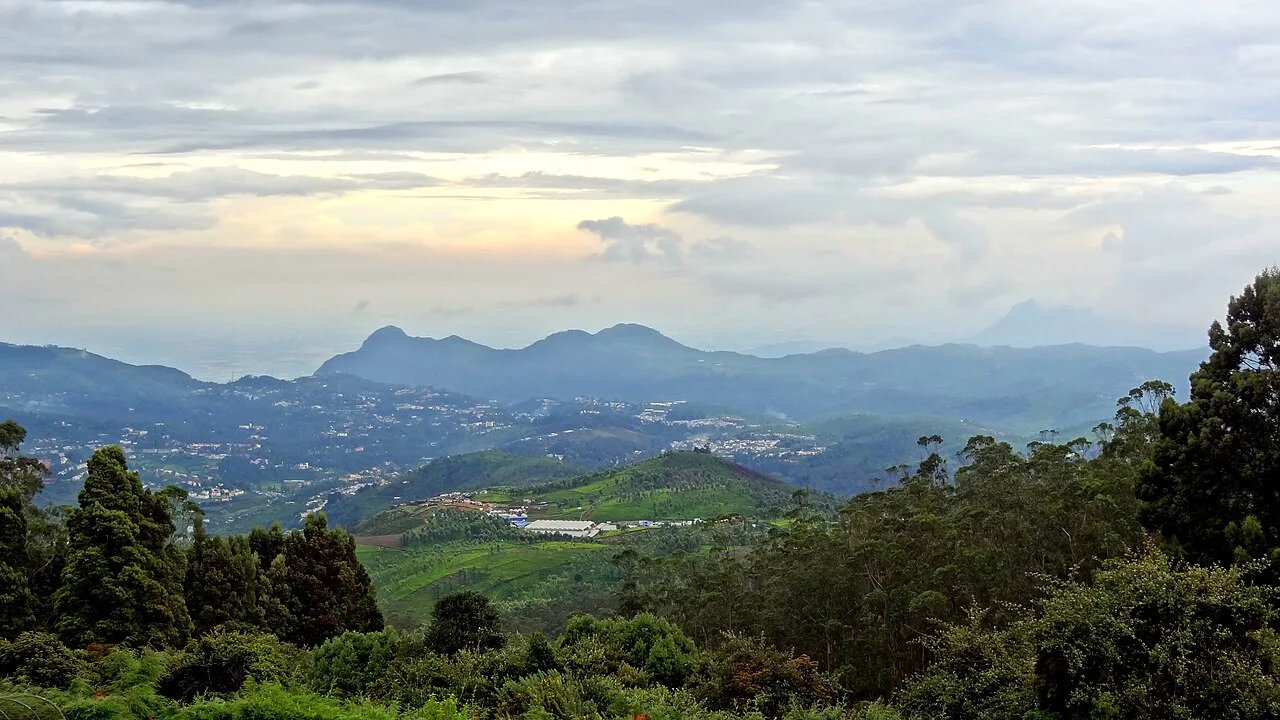
Doddabetta
At 2,637 metres, Doddabetta is the tallest mountain in the Nilgiri range. Visitors come to its accessible summit, around 9 km from Ooty, amid the surrounding reserved forest.
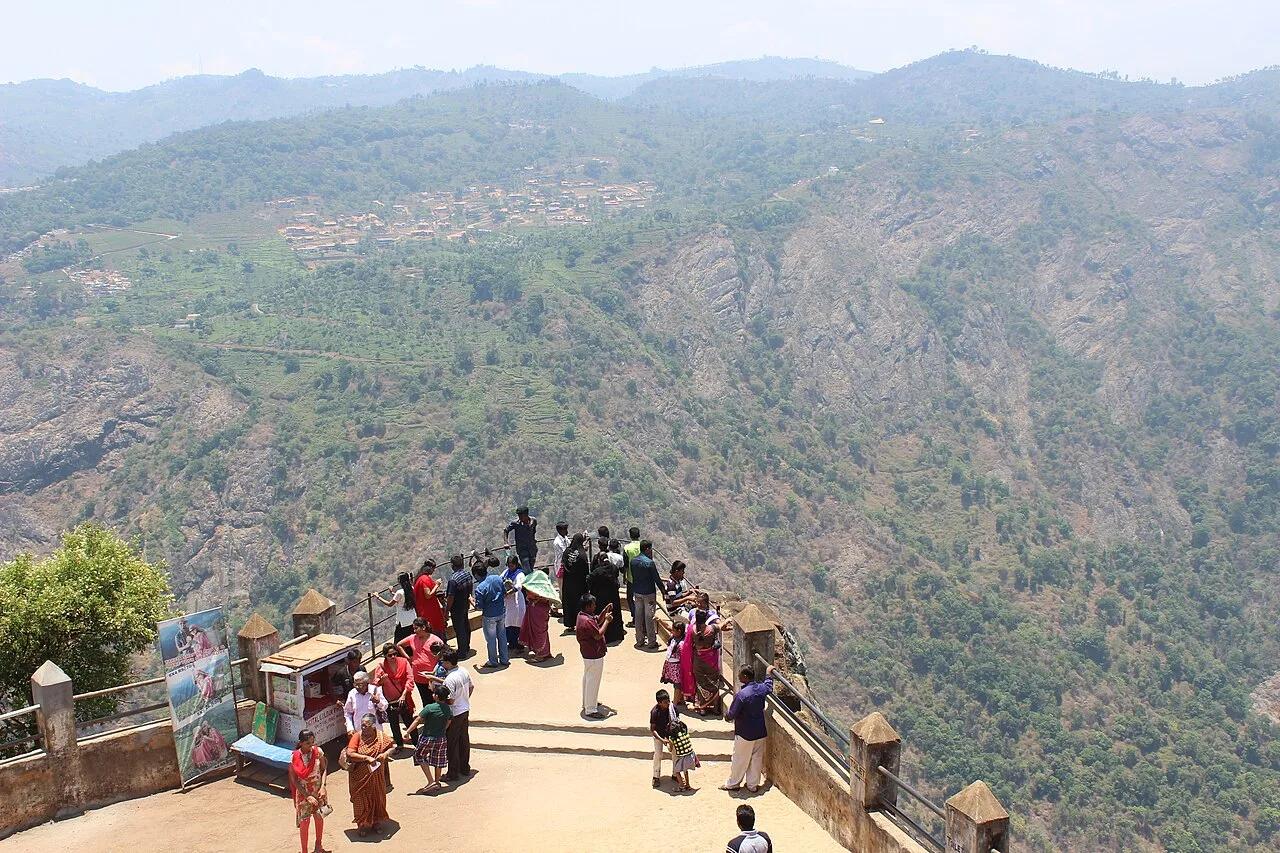
Dolphin's Nose, Coonoor
Dolphin's Nose is a viewpoint and visitor attraction at Coonoor in Tamil Nadu’s Nilgiris District, visited as a place of interest in the area.
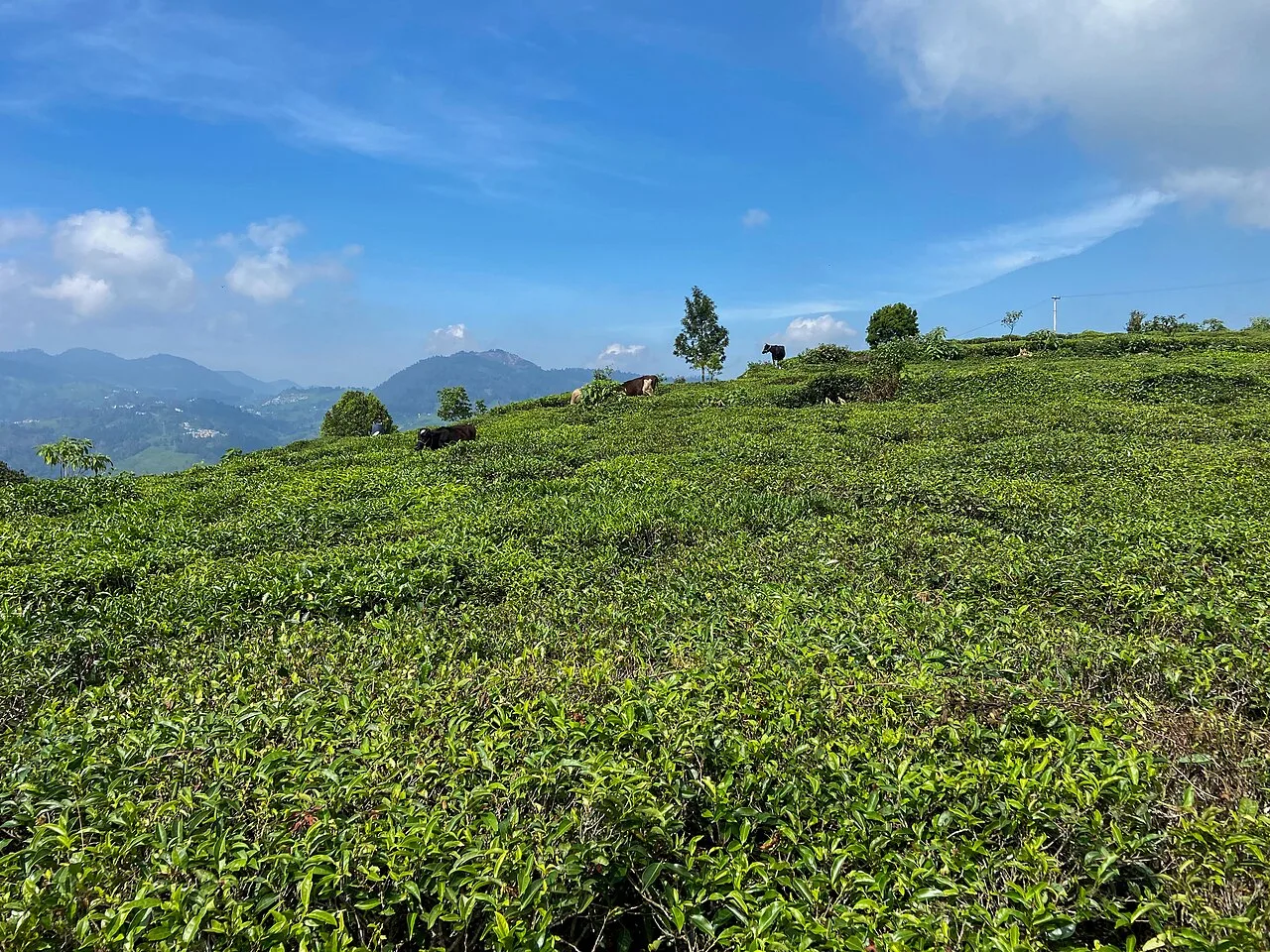
Kotagiri
Kotagiri is a hill station and municipality in Tamil Nadu’s Nilgiris district, with an elevated setting and a history as a summer destination during the Madras Presidency.
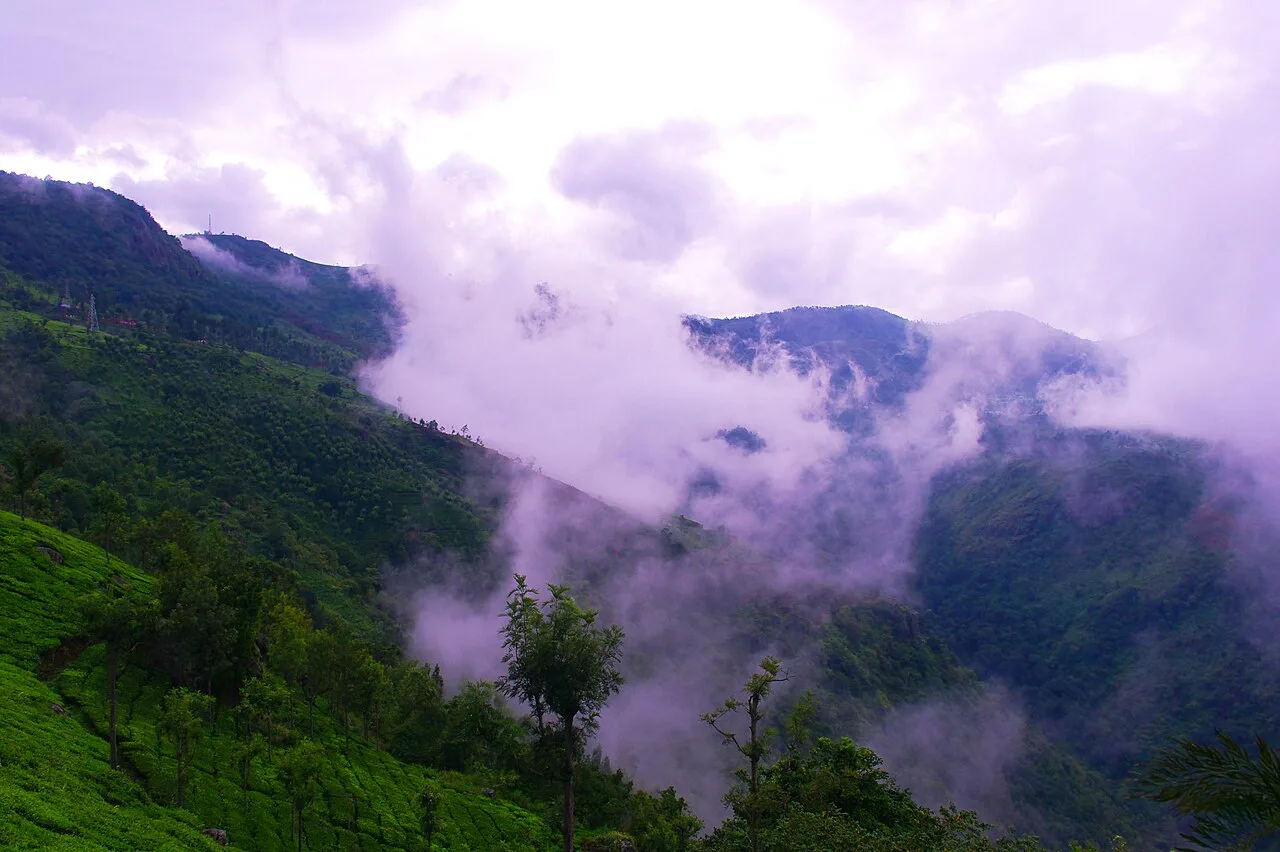
Lamb's Rock
Set in Tamil Nadu’s Nilgiris district, Lamb’s Rock is a Coonoor attraction in the Nilgiri Hills. Visitors come for views extending across the Coimbatore plains and tea and coffee estates.
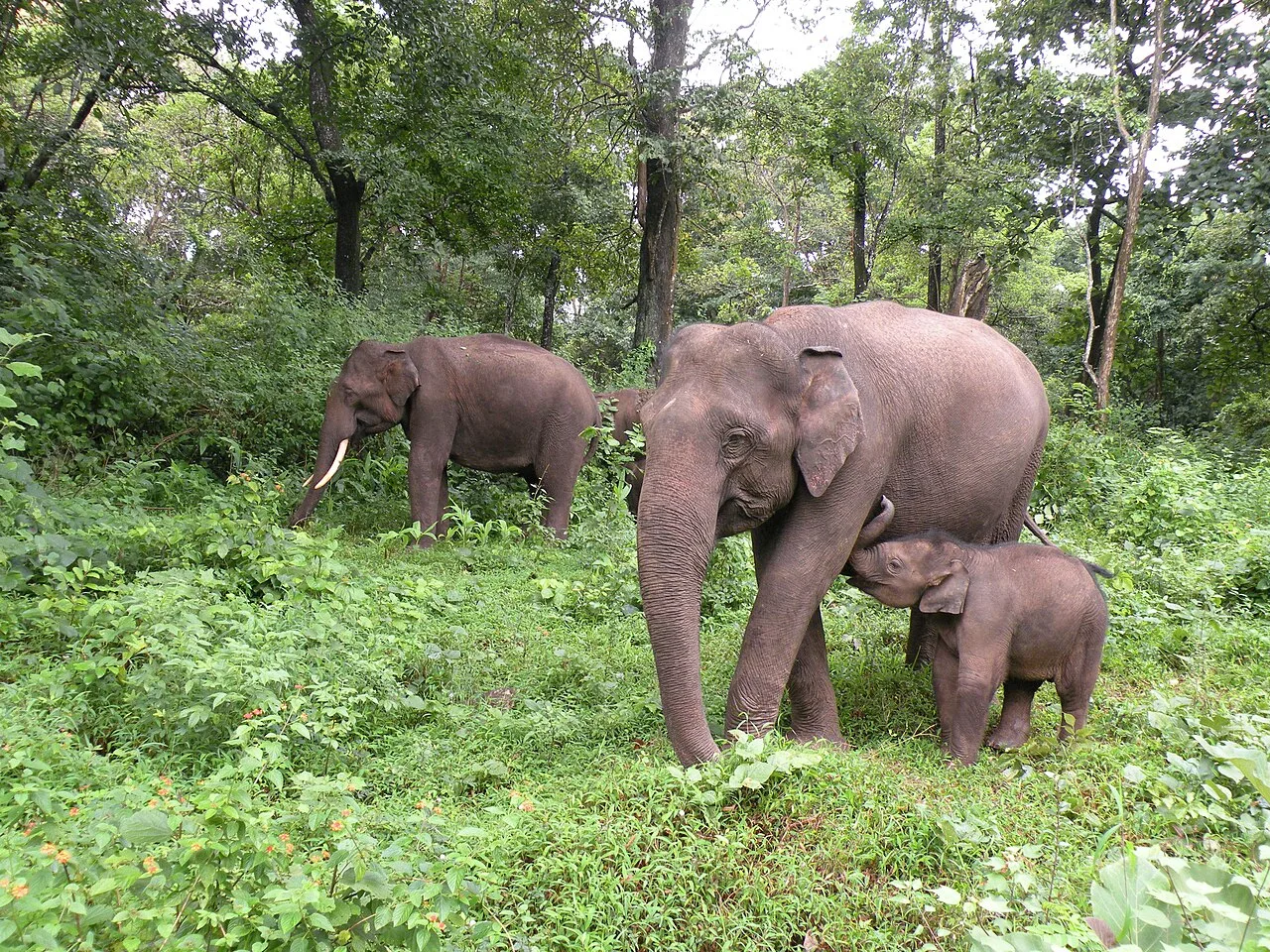
Mudumalai National Park
Mudumalai National Park is a protected area in Tamil Nadu’s Nilgiri highlands, adjoining Karnataka and Kerala. Visitors come to explore its forest habitats and observe its varied wildlife.
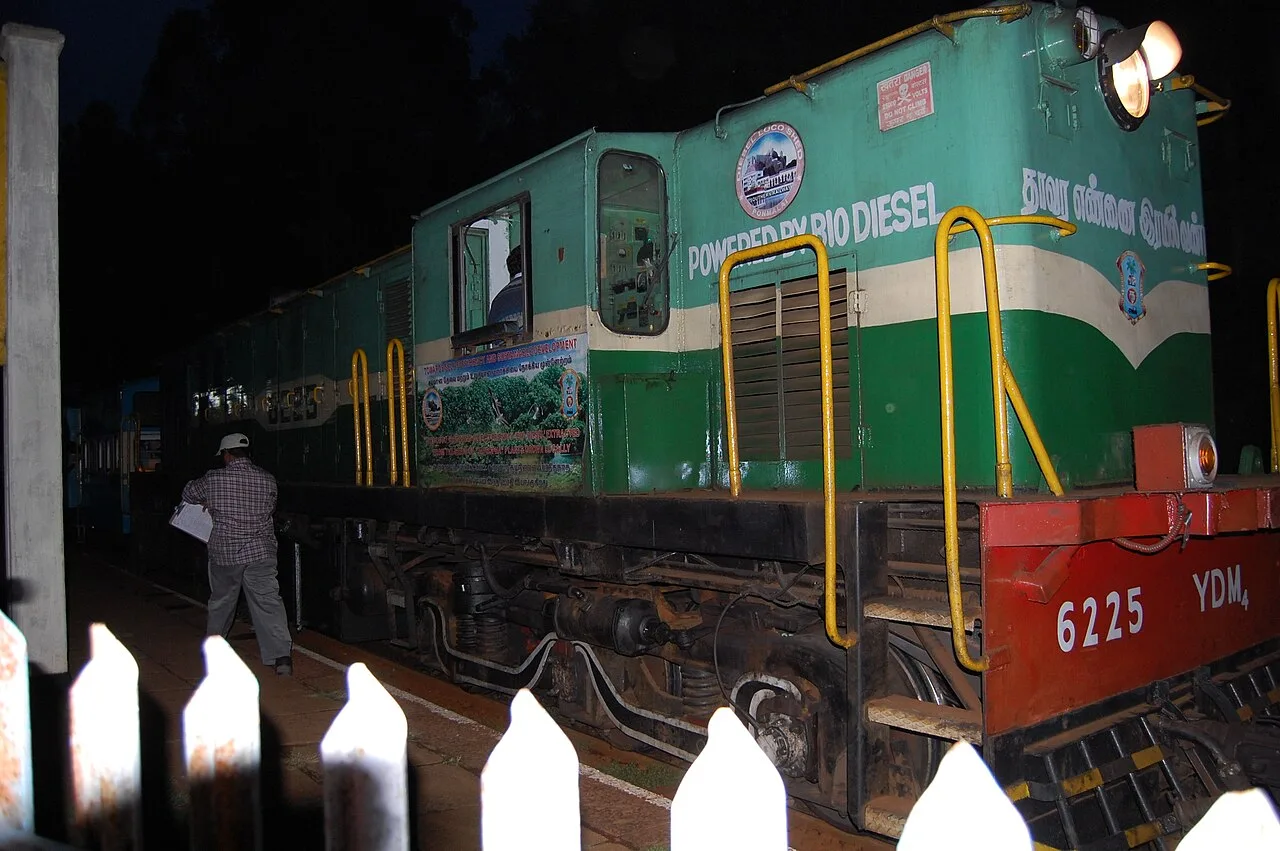
Nilgiri Mountain Railway
The Nilgiri Mountain Railway is a metre-gauge rack line in Tamil Nadu’s Nilgiris district. Visitors ride it for its historic railway character and steam locomotives.
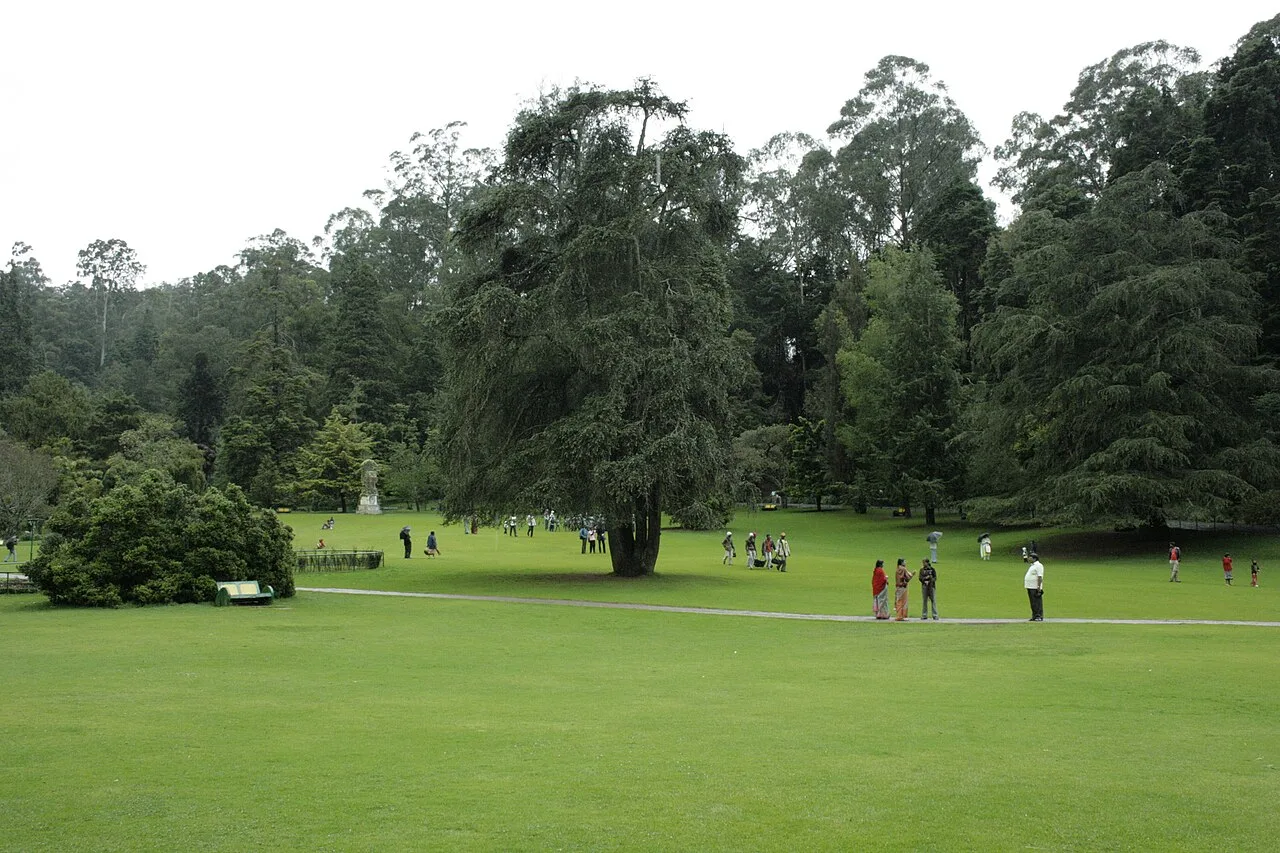
Ooty Botanical Gardens
Ooty Botanical Gardens is a terraced garden established in 1848 on Doddabetta’s lower slopes. Visitors come to explore its different sections and plant collections in the temperate surroundings of Ooty.
Everyday eating in the Nilgiris draws heavily on wider Tamil Nadu traditions: idli, dosa, sambar, chutneys and rice-based vegetarian meals are dependable choices. Pepper-seasoned meat dishes also appear on menus, though Chettinad cooking belongs to a broader Tamil regional tradition rather than specifically to these hills. Tea is closely associated with the district’s plantation landscape, while filter coffee is part of the wider state’s food culture. Ooty varkey, a flaky baked snack, is a well-known local accompaniment to a hot drink. Small eateries may prepare limited daily menus, so ask what has been freshly cooked.
Toda embroidery is one of the Nilgiris’ best-established craft traditions. Associated with Toda women, it uses red and black thread on a white ground to create striking geometric patterns, traditionally seen on shawls and other textiles. Contemporary pieces may include bags and household linens, but the work remains rooted in a living community tradition. The Kota community also has a documented history of pottery and other skilled crafts. Look for community-linked outlets or sellers who can explain a piece’s maker and origin, and distinguish locally made work from generic hill-station souvenirs.
The Ooty Summer Festival is generally held in the warmer months, often around May, with garden and flower events that can draw visitors and increase demand for rooms in Ooty. Badaga communities observe Hethai festivals, usually in the cooler months, with ceremonies centred on community traditions; local attendance can make nearby villages busy. Toda festivals and ceremonies are tied to community life and may not be public visitor events. Festival schedules vary from year to year, so check locally before planning. Book accommodation ahead when travelling during major Ooty events or school holidays.
Elsewhere in Tamil Nadu
The district is a high plateau and series of ridges in the Western Ghats, with tea estates, grasslands, shola woodland, forested slopes and deep valleys. Rivers and streams feed waterfalls and reservoirs, while lakes such as Ooty Lake and Avalanche sit in distinct hill settings. The terrain rises and falls sharply, and settlements are linked by winding ghat roads rather than direct routes. Mist, rain and steep gradients can slow journeys and obscure viewpoints. Forest and plantation boundaries also mean that access to some landscapes is controlled or best explored with local guidance.
The Nilgiris are cooler than the surrounding plains, but conditions vary with elevation and exposure. Summer, from roughly March to May, is generally mild and popular, with more visitors around Ooty. The southwest monsoon brings rain and mist during part of the year; the northeast monsoon can also affect the hills, especially later in the year. Winter is often cool, with chilly mornings and changing visibility. For a balance of manageable weather and outdoor exploring, consider the drier periods from late autumn into spring, while checking local forecasts. Pack layers, a waterproof jacket, comfortable shoes with grip and warm clothing for evenings.
Coimbatore International Airport is the main air gateway for the Nilgiris. Mettupalayam is the foothill railhead for the Nilgiri Mountain Railway, which climbs through Coonoor to Udhagamandalam (Ooty); Coimbatore offers broader mainline rail connections. Road approaches connect the hills with Coimbatore and Mettupalayam, and with Mysuru through Gudalur. Winding ghat roads make journeys slower than map distances suggest, especially in rain or heavy traffic. Buses link the principal towns, while taxis are useful for lakes and viewpoints beyond town centres. Plan outings in geographical clusters rather than trying to cover the district in one circuit. Check current services locally.
Roads connect Ooty with Coonoor, Kotagiri, Gudalur, Mettupalayam and the plains, but winding sections make short distances take longer than expected. Buses serve the main towns and some larger settlements; local availability to lakes, viewpoints and trailheads can be limited. Taxis are useful for grouped outings, while autos are more practical for shorter trips within towns. The Nilgiri Mountain Railway links Mettupalayam, Coonoor and Ooty, but check current services before relying on it for onward connections. Boat access is available at Ooty Lake, subject to local operation. Avoid overloading a day with distant stops.
2 days: Ooty Botanical Gardens → Doddabetta → Ooty Lake; sleep each night in Ooty. 3 days: Sim's Park → Lamb's Rock → Dolphin's Nose, Coonoor → Catherine Falls → Kotagiri; sleep night one in Coonoor and nights two and three in Kotagiri. 4 days: Ooty Botanical Gardens → Doddabetta → Ooty Lake → Pykara Lake and Falls → Avalanche Lake → Mudumalai National Park; sleep nights one and two in Ooty, night three near Mudumalai.
Ooty is the most practical base for the railway, gardens, Doddabetta and nearby lakes; it has a broad range of hotels, homestays and some government accommodation. Coonoor suits visitors focusing on Sim’s Park and its viewpoints, while Kotagiri works well for a quieter stay and nearby countryside. For Mudumalai, choose accommodation near the park’s access area and check current visitor arrangements. Options across the district include hotels, guesthouses, homestays and government lodges; simple community or religious accommodation may be limited and should not be assumed available.
Wear shoes with grip on wet paths and viewpoints, and keep away from waterfall edges and steep drop-offs. In forest areas, follow official instructions, keep a safe distance from wildlife and never feed animals. Use treated or reliably safe drinking water. Mobile connectivity can be patchy outside towns. Entry rules and access arrangements may apply at protected areas such as Mudumalai; confirm current requirements with official forest or tourism authorities before travelling. Check weather and road conditions locally.
- Chamarajanagar · Karnatakaabout 38 km
- Coimbatoreabout 56 km
- Palakkad · Keralaabout 69 km
- Wayanad · Keralaabout 79 km
- Erodeabout 79 km
- Malappuram · Keralaabout 87 km
- Mysuru · Karnatakaabout 101 km
- Kozhikode · Keralaabout 109 km
Straight-line distance between the centres of each district's destinations; road distance is longer.
All districts of Tamil Nadu
- Ariyalur
- Chengalpattu
- Chennai
- Coimbatore
- Cuddalore
- Dharmapuri
- Dindigul
- Erode
- Kallakurichi
- Kancheepuram
- Kanniyakumari
- Madurai
- Mayiladuthurai
- Nagapattinam
- Namakkal
- Pudukkottai
- Ramanathapuram
- Salem
- Sivaganga
- Tenkasi
- Thanjavur
- Theni
- Thoothukudi
- Tiruchirappalli
- Tirunelveli
- Tiruvallur
- Tiruvannamalai
- Tiruvarur
- Vellore
- Villupuram
- Virudhunagar
Q: How many days should I spend in the Nilgiris? A: Two days can cover a few Ooty highlights; three or four days allow time for Coonoor, Kotagiri or a forest visit without rushing. Q: When is the best time to visit? A: The drier months from late autumn into spring are often convenient, though conditions vary and mist or rain can occur year-round. Q: What is the best base? A: Ooty is the most convenient all-round base; choose Coonoor or Kotagiri for circuits focused on those towns, and stay near Mudumalai for a park visit. Q: How do I get to the Nilgiris? A: Coimbatore is the main air gateway, and Mettupalayam is the foothill railhead for the Nilgiri Mountain Railway. Road and bus links connect the hills with nearby cities and towns. Q: Are the Nilgiris suitable for families or elderly travellers? A: Yes, with planning. Choose accessible sights, allow extra time on winding roads, and consider that uneven paths, stairs and cool or wet weather may be challenging.
This page draws on our 12 destination guides for Nilgiris and is updated as our team checks it.
Be the first to share photos, stories, advice or a helpful contact for Nilgiris.
Loading…