
District · Tamil Nadu
Tiruvannamalai
Tiruvannamalai is an inland district of northern Tamil Nadu, known especially for Arunachala, the sacred hill beside the district headquarters, and its long association with Shiva worship and modern spiritual life.
Tiruvannamalai district lies in northern Tamil Nadu, where broad agricultural plains meet the lower slopes of the Javadi Hills. Its best-known landmark is Arunachala, the sacred hill beside Tiruvannamalai town. At its foot, the Annamalaiyar Temple has grown over centuries, with major contributions from Chola and Vijayanagara-era patrons. The annual Karthigai Deepam festival, when a flame is lit on the hill, draws pilgrims from across the region. Sri Ramanasramam and other spiritual centres give the town an international presence, while nearby villages retain a quieter rural character shaped by farming and local markets. The district brings together pilgrimage, Tamil temple culture and everyday countryside.
Tiruvannamalai is an inland district of northern Tamil Nadu, known especially for Arunachala, the sacred hill beside the district headquarters, and its long association with Shiva worship and modern spiritual life. Annamalaiyar Temple, Sri Ramanasramam and Virupaksha Cave bring pilgrims, walkers and visitors interested in religious history to the same town. The district also includes quieter rural landscapes and hill country beyond the main pilgrimage centre. It offers a way to experience both Tamil temple traditions and the living ashram culture of the region; during major observances, the town’s devotional character is especially visible.
The Tiruvannamalai region has been shaped by successive South Indian powers, including the Pallavas, Cholas and Vijayanagara rulers. Inscriptions and architectural phases at Annamalaiyar Temple reflect its growth over many centuries, with substantial building and patronage associated with the Chola and Vijayanagara periods. Local chieftains, including the Sambuvarayars, also held influence in parts of the region. Later, authority passed through the Nayaks and the Nawabs of the Carnatic before the area came under British rule and was administered within the Madras Presidency. Under colonial administration, much of the region formed part of North Arcot district. After Indian independence, it remained within the Madras State, later renamed Tamil Nadu. Tiruvannamalai district was formed in 1989 when it was separated from North Arcot district. The district’s history is therefore visible both in its temple and inscriptional heritage and in the changing administrative boundaries of the modern state.
3 destination guides · 2 on the map
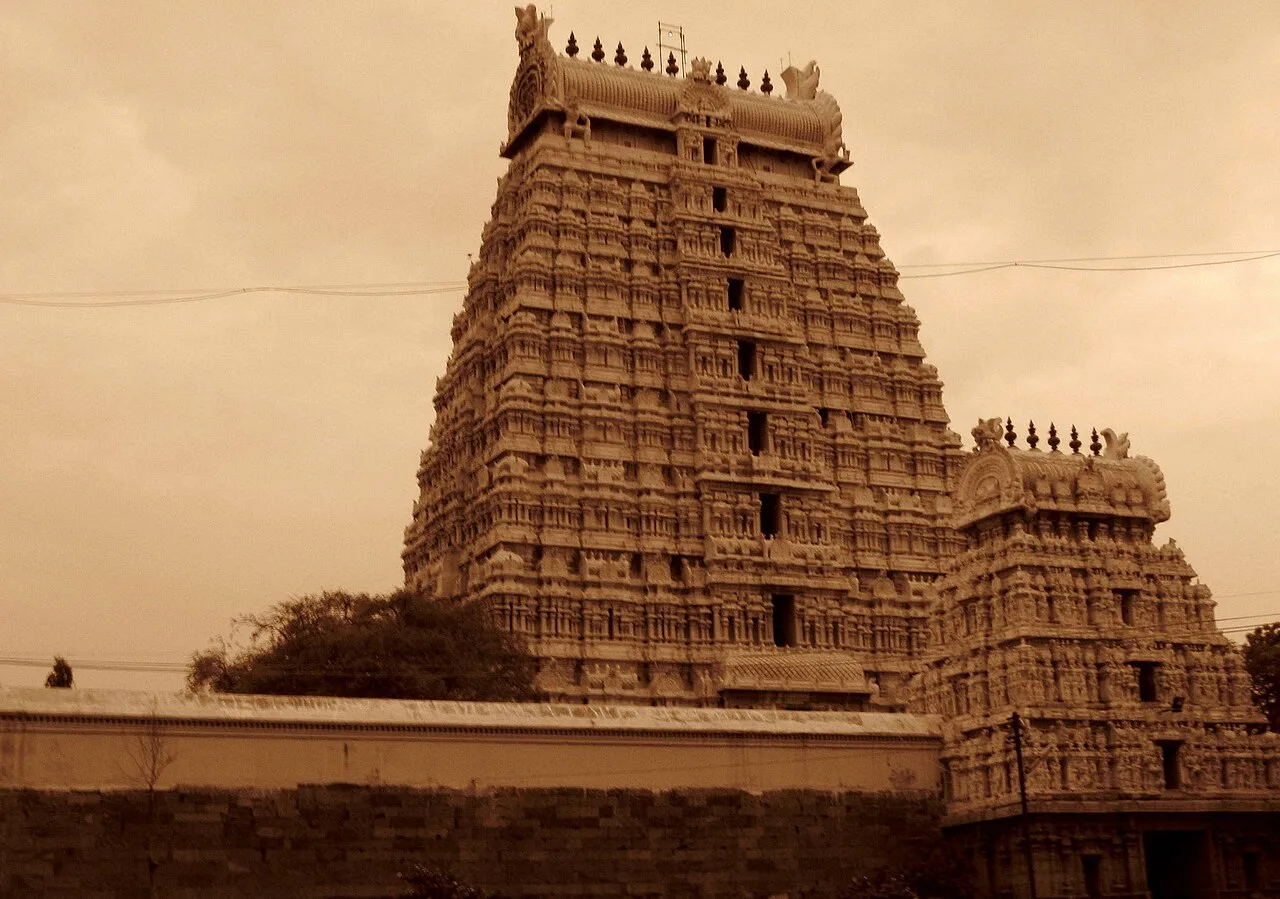
Annamalaiyar Temple, Tiruvannamalai
Annamalaiyar Temple is a major Shiva and Parvati shrine in Tiruvannamalai, known for its association with fire, its place in Tamil Shaivite worship and its extensive temple complex.
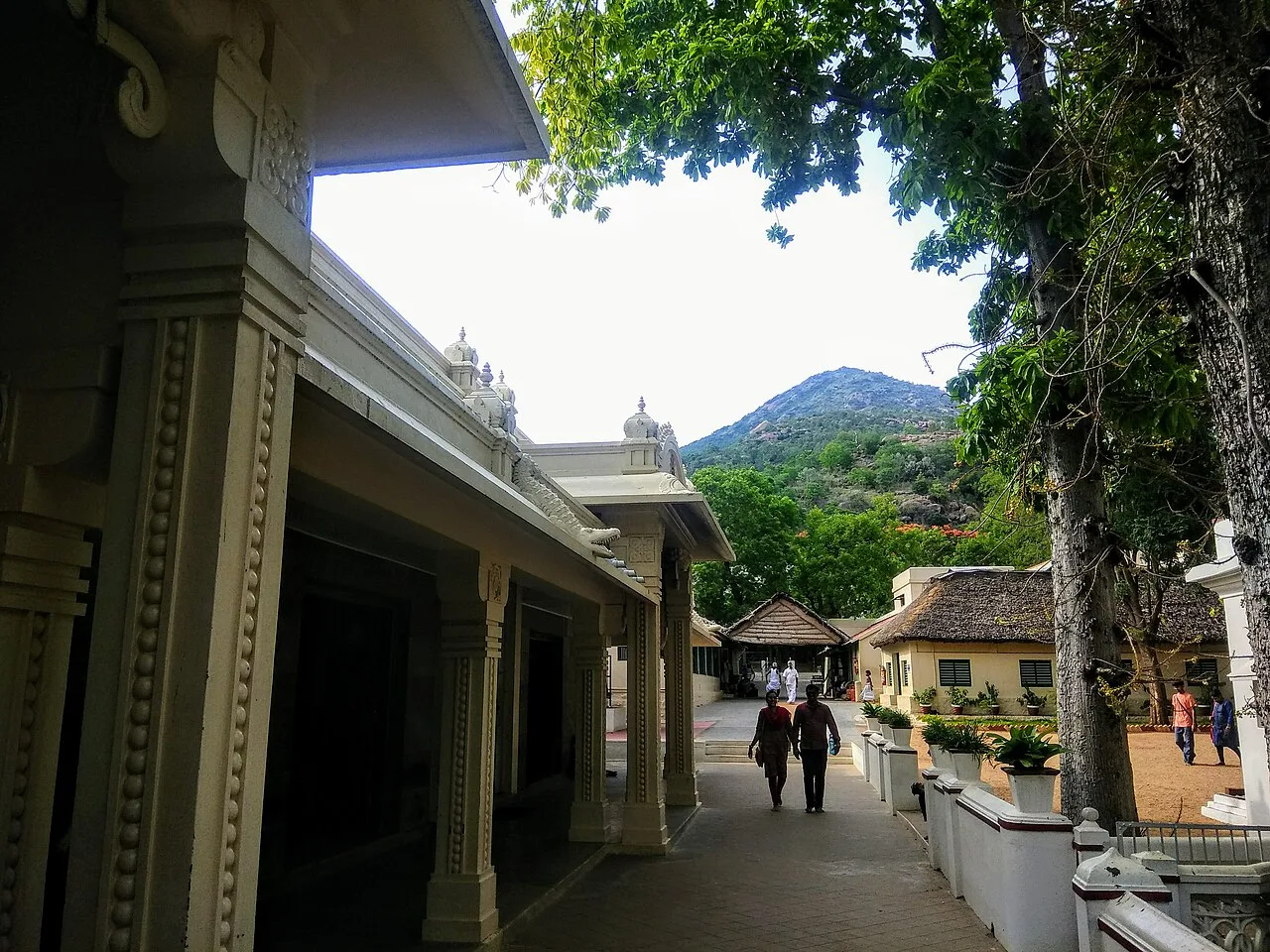
Sri Ramanasramam
Sri Ramanasramam is a spiritual community and international non-profit organisation in Tiruvannamalai, associated with Ramana Maharshi. People visit to meditate, study his teachings and seek spiritual understanding.
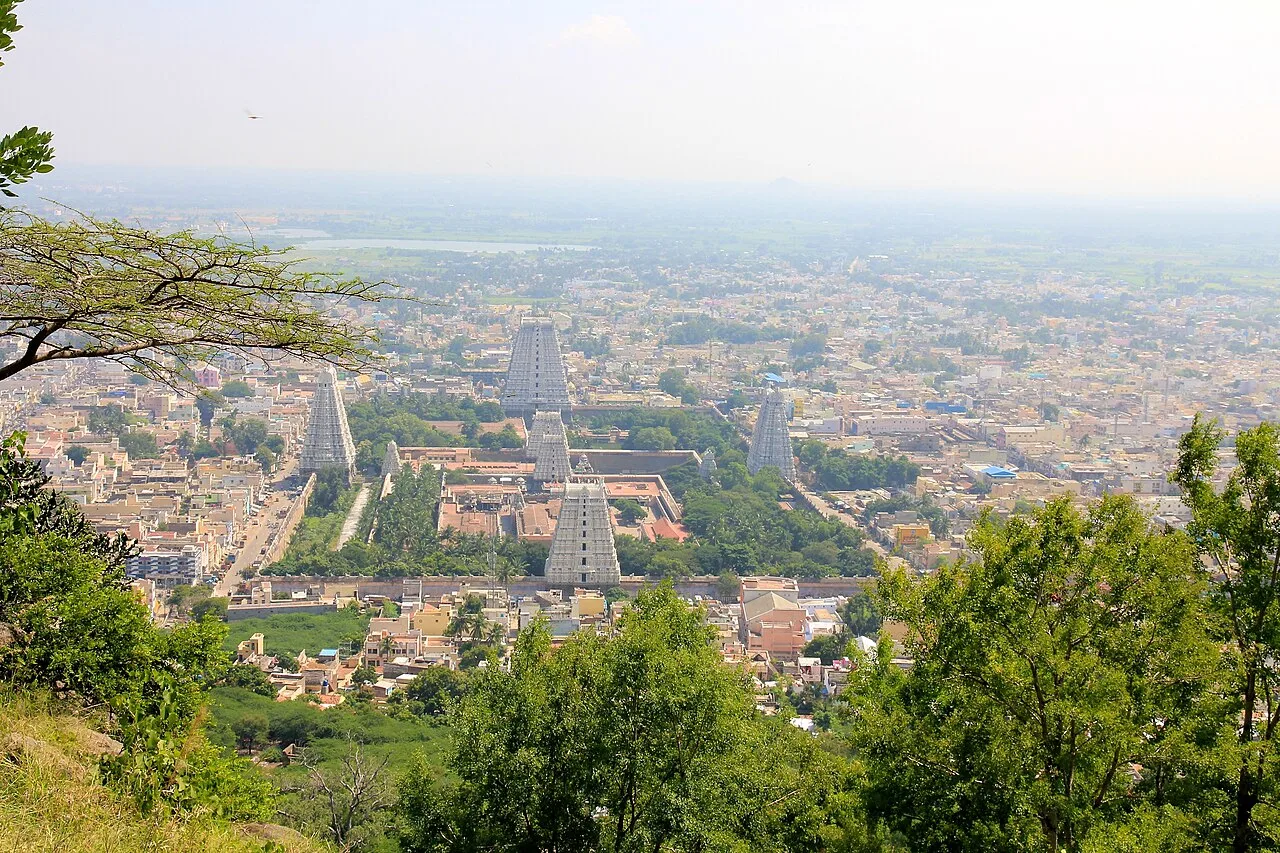
Virupaksha Cave
Virupaksha Cave lies in Tiruvannamalai district, Tamil Nadu. Visitors may come to see it as a cave in this part of the state.
Food in Tiruvannamalai reflects the wider cuisine of Tamil Nadu. Idli, dosa, pongal and rice meals are common, and many eateries serve vegetarian dishes, sometimes on banana leaves. Sambar, rasam, vegetable curries and chutneys accompany meals; filter coffee is a familiar choice at breakfast or between visits. Around the temple, visitors can find simple tiffin and meal options, though menus and availability vary. Tamil Nadu also has strong traditions of spicy meat dishes and regional sweets, but these are not specific to this district. Ask what has been freshly prepared, as smaller eateries may offer a limited daily menu.
Arani, in Tiruvannamalai district, is well known for silk weaving and Arani silk sarees, a recognised regional textile tradition. Sarees are woven in varied colours and designs, with silk and zari used in many styles; details differ between weavers and sellers. The district’s craft identity is less widely documented than its pilgrimage heritage, so visitors should be cautious about broad claims that a particular craft is found throughout the area. For a closer look at the textile tradition, seek out reputable sellers or weaving sources in Arani and ask about the material and origin of a saree.
Karthigai Deepam, usually held in November or December, is the district’s most prominent festival. Its observances centre on Annamalaiyar Temple and Arunachala, drawing large numbers of pilgrims and creating very heavy crowds in Tiruvannamalai; accommodation can be difficult to secure, so plan well ahead. Girivalam, the devotional walk around Arunachala, is especially popular on full-moon nights throughout the year and also increases local crowding. Pongal, usually in January, is celebrated across the district as a harvest festival. Temple celebrations and local fairs elsewhere may bring smaller, seasonal increases in visitors and demand for rooms.
Elsewhere in Tamil Nadu
The district is inland, with broad, generally dry plains broken by rocky rises and hill country. Arunachala dominates the landscape around Tiruvannamalai town, while the Javadi Hills form part of the district’s hill terrain. Rivers and seasonal watercourses cross the countryside; the Thenpennai, also called the Ponnaiyar, is among the region’s important rivers. There is no coastline. Most visits to the listed sights centre on the town, but travel to rural and hilly areas can take longer on narrower roads. The climb to Virupaksha Cave involves uneven, sloping ground, unlike the easier access to town attractions.
Tiruvannamalai has hot summers, a monsoon season and comparatively cooler, drier winter weather. Summer, especially April to June, can make hill walking and outdoor sightseeing tiring during the middle of the day. Rain is most associated with the northeast monsoon, generally from October to December, while the southwest monsoon may bring showers earlier. November to February is usually the more comfortable period for visiting, though Karthigai Deepam can make the town exceptionally busy. Carry light, breathable clothing for warm days, a sun hat and water; add a light layer for cooler evenings in winter. During rainy spells, pack a rain cover and footwear with good grip.
Tiruvannamalai town is the main base for visiting the district’s temple and ashram. Tiruvannamalai railway station serves the town, while Chennai International Airport is a practical air gateway; onward travel is by road. Buses connect Tiruvannamalai with towns across Tamil Nadu, and road routes link it with Chennai and other regional centres. Within town, auto-rickshaws and taxis can help with local journeys; the temple and ashram are also accessible from central areas. For hill visits, check access and conditions locally. Routes, connections and transport availability can change, so check current services locally before travelling.
Tiruvannamalai town is the practical hub for visiting the listed places. State and private buses link it with regional towns such as Chengam, Polur, Arani and Cheyyar, while road services also connect it with larger cities. Local buses, auto-rickshaws and taxis can help with journeys within town and to nearby starting points around Arunachala; agree on the destination before setting out. Sri Ramanasramam is in the town area, while reaching Virupaksha Cave requires a walk on the hill. For rural journeys, check the return transport options locally and allow extra time during festival crowds or wet weather.
2 days: Annamalaiyar Temple, Sri Ramanasramam, Virupaksha Cave; sleep in Tiruvannamalai on the night between the two days. 3 days: Sri Ramanasramam, Virupaksha Cave, Annamalaiyar Temple; sleep in Tiruvannamalai on nights one and two, allowing a slower visit and time to rest between the hill walk and temple visit.
Tiruvannamalai town is the best base for all three listed destinations, with hotels, guesthouses, ashram accommodation and dharamshalas available in the area. Options vary in facilities and access rules, so check arrangements directly before relying on a particular kind of stay. The town becomes very busy during Karthigai Deepam and popular full-moon periods, when advance planning is important. For the suggested circuits, staying in the town throughout avoids unnecessary changes of base. Visitors exploring other parts of this large district can choose accommodation in regional towns, where choices may be more limited.
The hill path to Virupaksha Cave is uneven and can be slippery after rain; wear secure footwear, carry water and avoid walking in intense midday heat. Take care around rocky ground and be alert to wildlife such as snakes on less-used paths. Festival crowds can slow movement and make it harder to keep a group together, so agree on a meeting point. Use safe drinking water and take ordinary precautions on rural roads, which may be narrow or affected by rain. Mobile connectivity can vary outside town. For any additional forest or protected-area visit, confirm access and permit requirements with official authorities before travelling.
- Villupuramabout 36 km
- Kallakurichiabout 63 km
- Velloreabout 77 km
- Puducherry · Puducherryabout 90 km
- Kancheepuramabout 97 km
- Cuddaloreabout 116 km
- Ariyalurabout 121 km
- Tiruvallurabout 121 km
Straight-line distance between the centres of each district's destinations; road distance is longer.
All districts of Tamil Nadu
- Ariyalur
- Chengalpattu
- Chennai
- Coimbatore
- Cuddalore
- Dharmapuri
- Dindigul
- Erode
- Kallakurichi
- Kancheepuram
- Kanniyakumari
- Madurai
- Mayiladuthurai
- Nagapattinam
- Namakkal
- Nilgiris
- Pudukkottai
- Ramanathapuram
- Salem
- Sivaganga
- Tenkasi
- Thanjavur
- Theni
- Thoothukudi
- Tiruchirappalli
- Tirunelveli
- Tiruvallur
- Tiruvarur
- Vellore
- Villupuram
- Virudhunagar
Q: How many days should I spend in Tiruvannamalai district? A: Two days can cover the three listed destinations at a steady pace; three days allow more rest and flexibility. Q: When is the best time to visit? A: November to February is generally more comfortable, but Karthigai Deepam brings exceptional crowds and high demand for rooms. Q: What is the best base for these sights? A: Tiruvannamalai town is the most convenient base for Annamalaiyar Temple, Sri Ramanasramam and Virupaksha Cave. Q: How do I get to Tiruvannamalai? A: The town is connected by road and has rail access; check current bus and train routes before travel. Q: Is the district suitable for families or elderly travellers? A: The temple and ashram are town-based, but the walk to Virupaksha Cave is uphill and uneven, so some visitors may prefer to skip it or seek local guidance.
This page draws on our 3 destination guides for Tiruvannamalai and is updated as our team checks it.
Be the first to share photos, stories, advice or a helpful contact for Tiruvannamalai.
Loading…