
District · Tamil Nadu
Chennai
Chennai is Tamil Nadu’s capital and a major cultural, commercial and transport centre on the Coromandel Coast.
Chennai, Tamil Nadu’s capital on the Bay of Bengal, is a densely urban district shaped by its coastline, religious institutions and trading history. Marina Beach and Edward Elliot’s Beach provide broad seaside spaces, while Semmozhi Poonga offers a planted retreat within the city. Fort St. George anchors the story of British colonial settlement, but Chennai’s heritage extends beyond that period: Parthasarathy Temple reflects longstanding Vaishnavite traditions, and St. Thomas Cathedral Basilica is an important Christian landmark in Santhome. Tamil language, classical music, worship and everyday neighbourhood commerce remain central to the city’s character. Its beaches, gardens and sacred sites reward an unhurried itinerary that allows for heat and traffic.
Chennai is Tamil Nadu’s capital and a major cultural, commercial and transport centre on the Coromandel Coast. Travellers come for its Bay of Bengal shoreline, historic neighbourhoods, temples, churches and museums, as well as its everyday Tamil food, music and street life. The city’s landmarks span different traditions and periods: Fort St. George recalls colonial rule, while Parthasarathy Temple and Kapaleeshwarar Temple reflect established Hindu worship. Marina Beach and Edward Elliot's Beach offer distinct seaside settings, and gardens such as Semmozhi Poonga provide green space amid dense urban development. Chennai also makes a useful base for exploring the southern coast, though traffic and heat call for flexible plans.
The Chennai region has a history shaped by coastal trade, religious communities and successive South Indian powers. Mylapore was an established settlement before the modern city emerged, and the wider region came under Pallava, Chola and Vijayanagara influence at different times. In the 16th century, the Portuguese established a presence at San Thome. The English East India Company founded Fort St. George in 1644, around which the settlement of Madras grew. The city became an important centre of British administration and trade, later serving as the capital of the Madras Presidency. Madras developed as a port and railway hub, while older settlements and places of worship remained part of its expanding urban fabric. The Corporation of Madras was established in 1688. After independence, the city became the capital of Madras State, renamed Tamil Nadu in 1969. The city’s name changed from Madras to Chennai in 1996. The present district is a densely built urban area whose boundaries and administration have changed over time.
15 destination guides
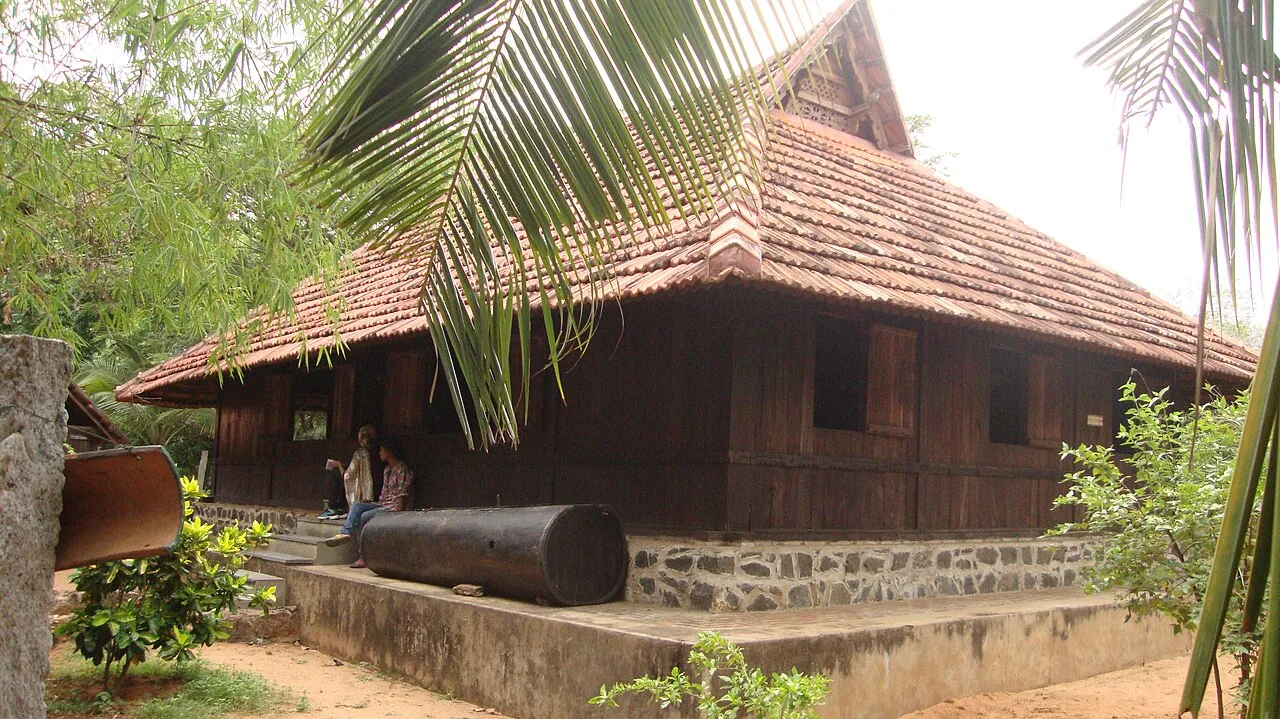
DakshinaChitra
This cultural museum in Tamil Nadu presents South Indian homes, arts and crafts in a heritage-village setting, attracting visitors interested in regional architecture, performance and traditional ways of life.
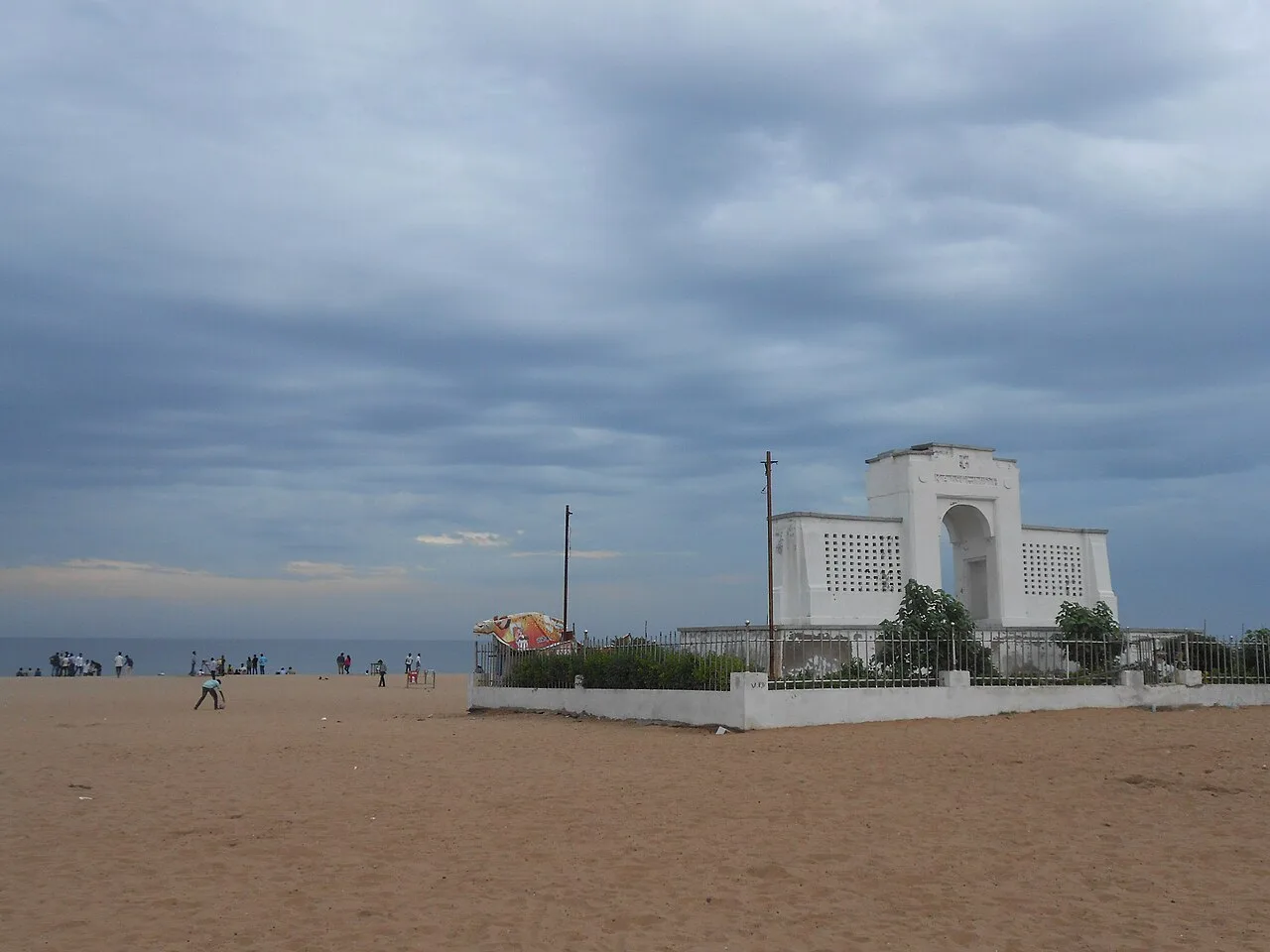
Edward Elliot's Beach
This urban shoreline in Chennai’s Besant Nagar is known by several names and draws visitors for its coastal setting, nearby places of worship and the Kaj Schmidt Memorial.
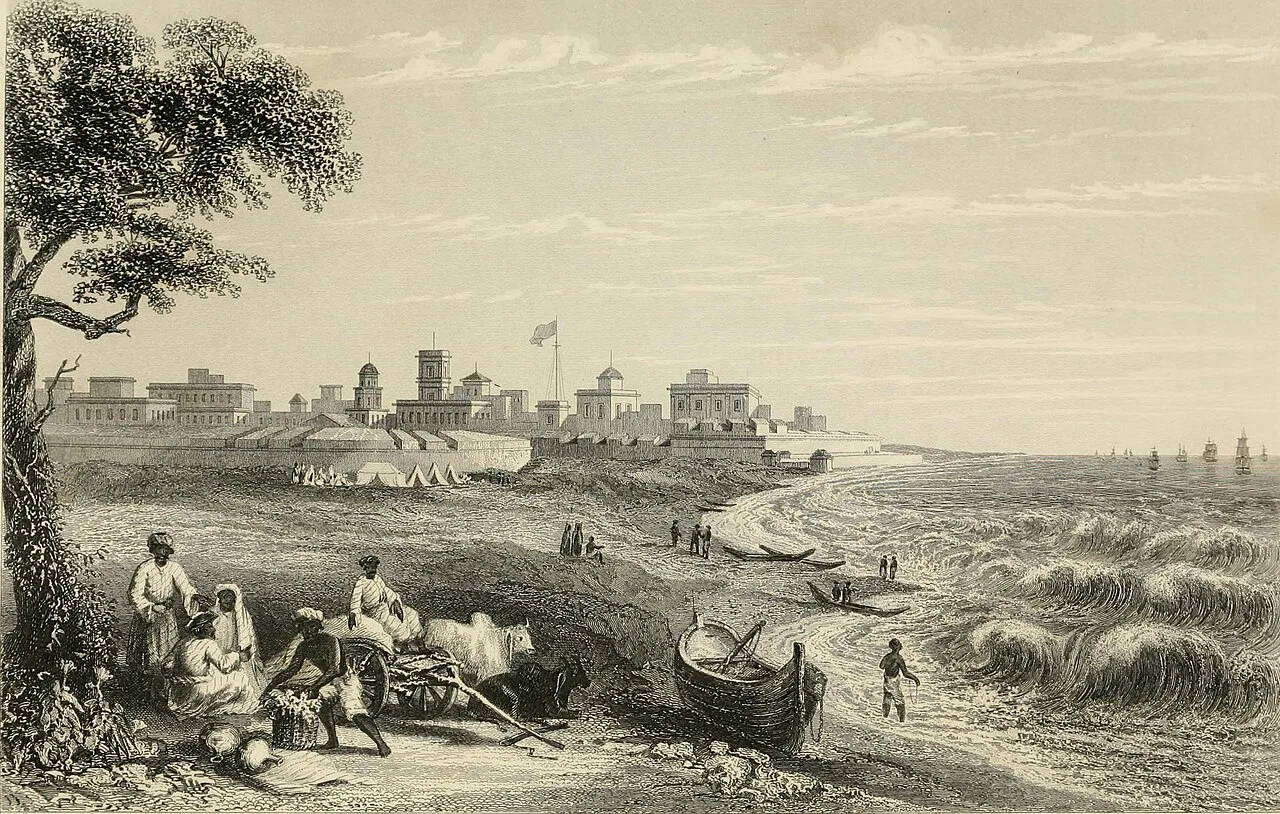
Fort St. George, Chennai
Fort St. George is a historic coastal fort in Chennai, founded in 1639 as India’s first English stronghold; visitors can learn about its role in the city’s development.
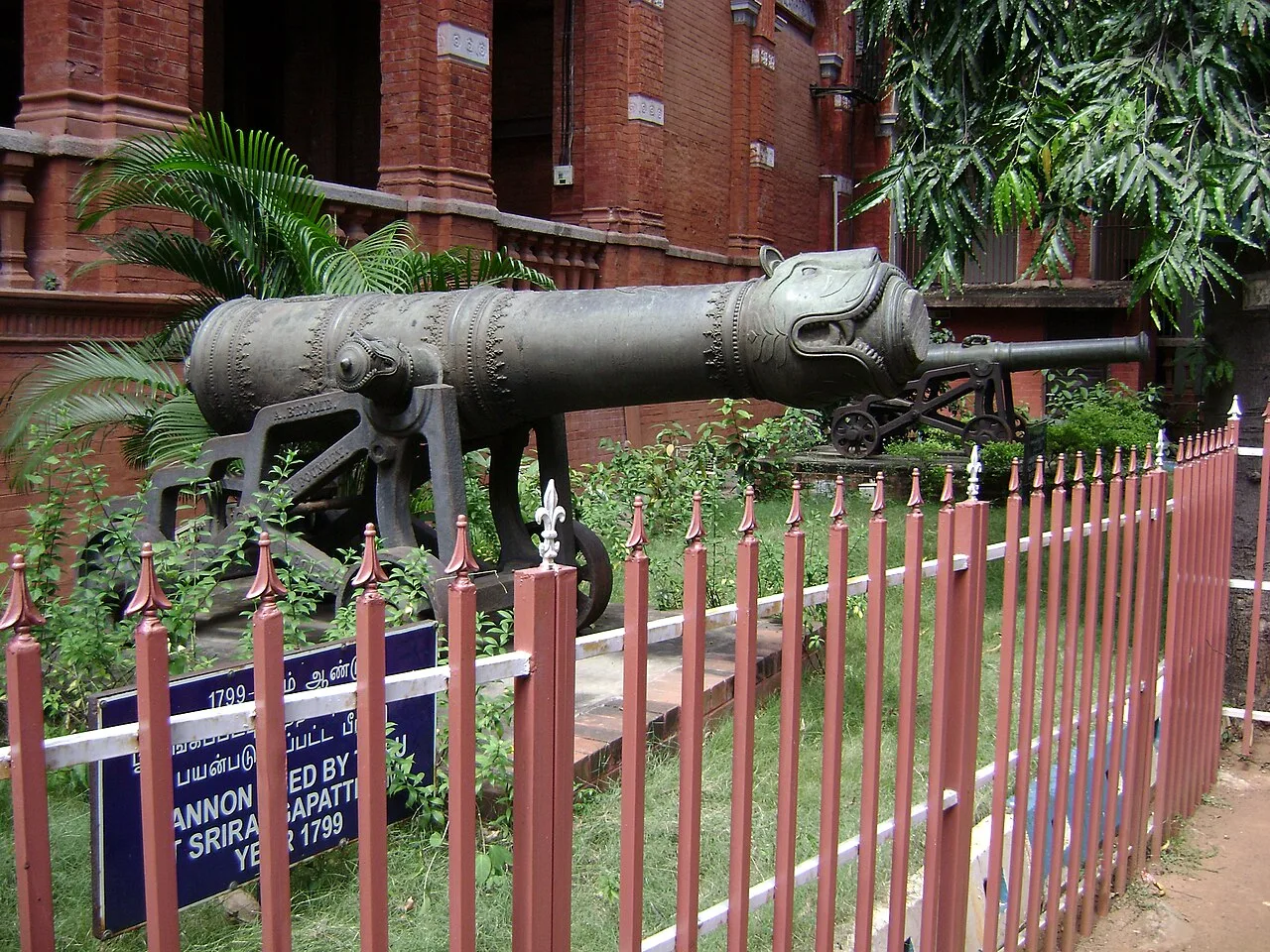
Government Museum, Chennai
The Government Museum, Chennai, is a museum of history and culture in Egmore. Visitors come to see its collections of Roman currency, bronze idols and paintings, including works by Raja Ravi Varma.
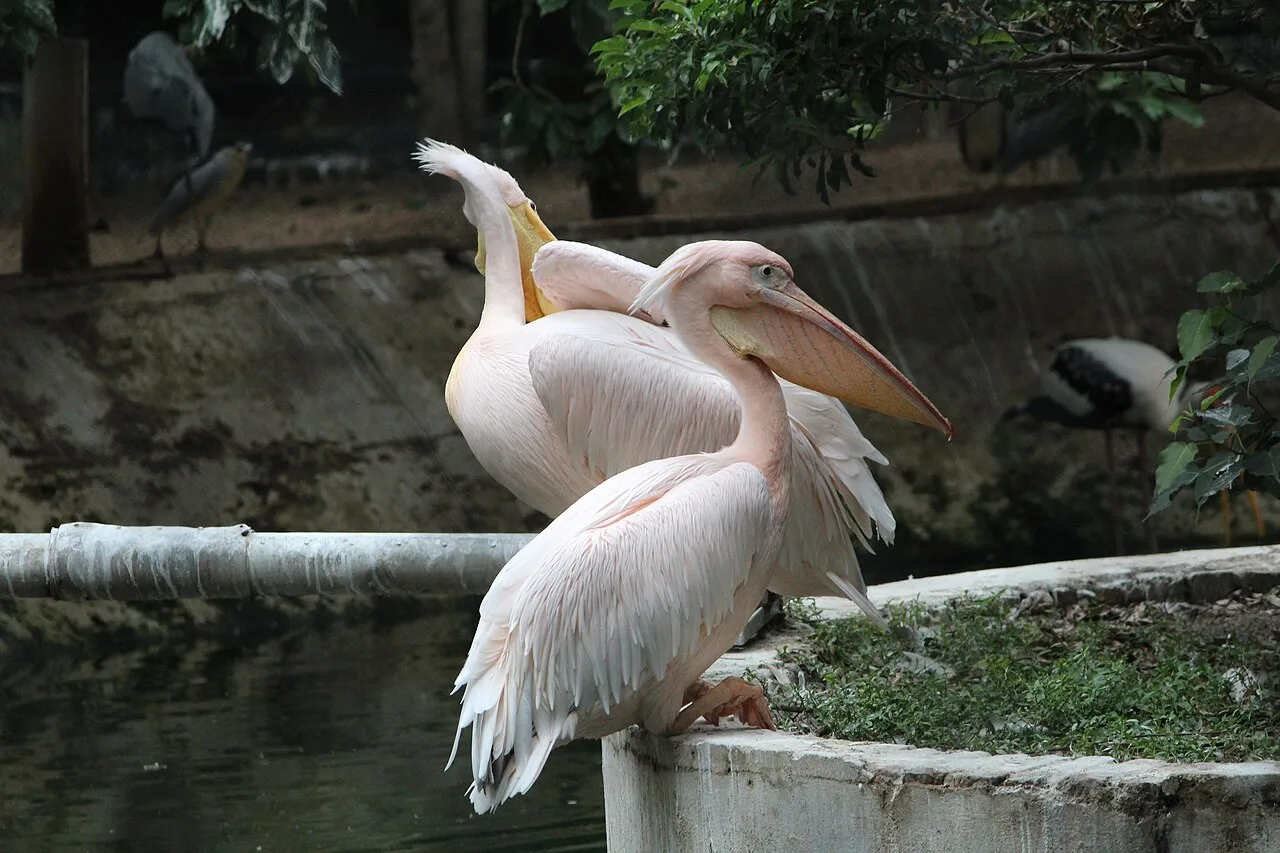
Guindy National Park
Guindy National Park is a compact protected area in Chennai, known for its wildlife and conservation role. People visit to experience its natural habitats and see animals roaming freely within the city.
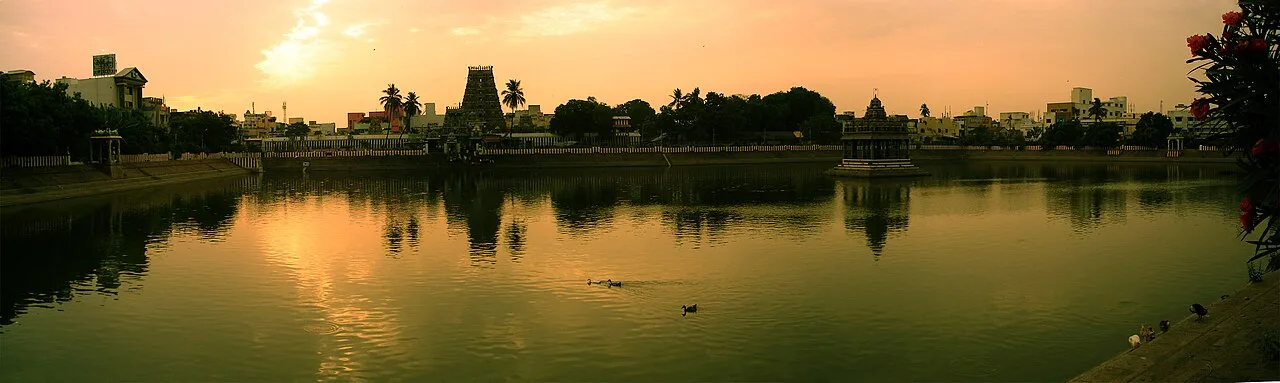
Kapaleeshwarar Temple
Kapaleeshwarar Temple is a Shaiva shrine in Mylapore, Chennai, where people worship Shiva and Karpagambal and encounter a tradition linked to South Indian architecture and devotional poetry.

Marina Beach
On Chennai’s Bay of Bengal coast, Marina Beach is a natural urban shoreline and a prominent city landmark. Its wide sandy expanse draws large crowds throughout the year.
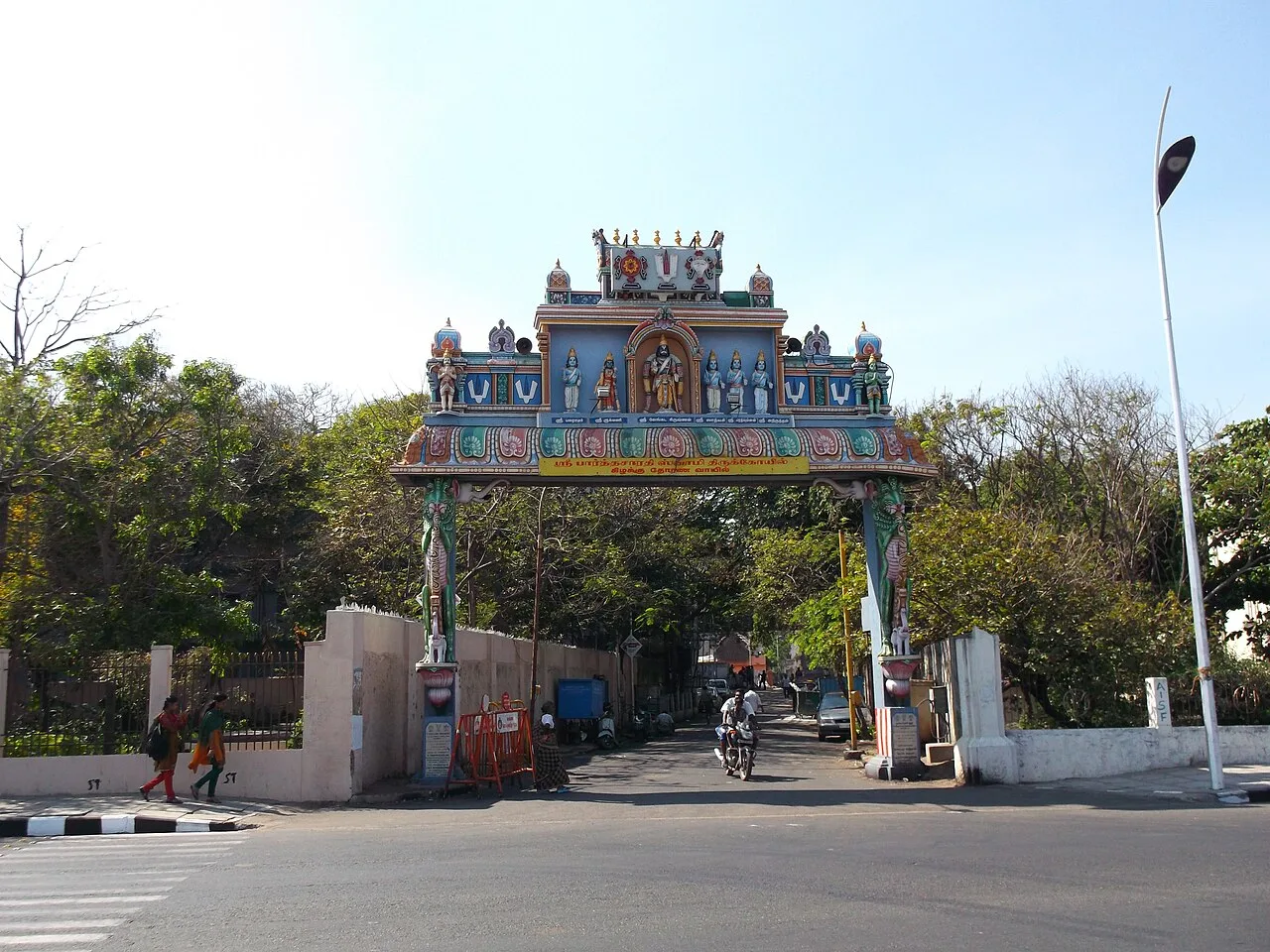
Parthasarathy Temple
Parthasarathy Temple is a sixth-century Vaishnavite shrine to Vishnu in Chennai. Visitors come for its links to the Alvar devotional tradition, its many Vishnu forms and its place among the 108 Divya Desams.
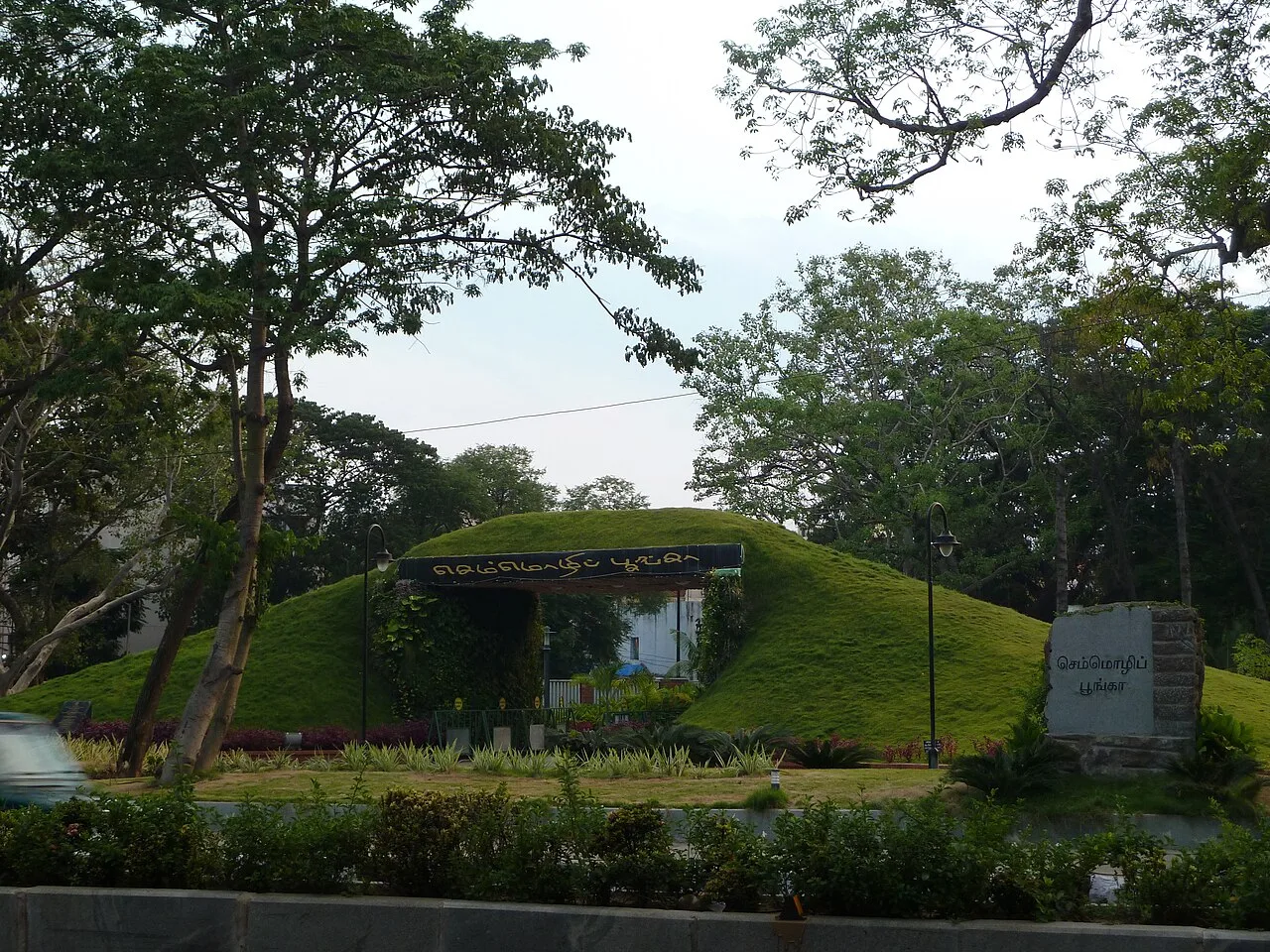
Semmozhi Poonga
In Chennai, Semmozhi Poonga is a garden developed jointly by Tamil Nadu’s horticulture and agricultural engineering departments. Visitors come to see its diverse collection of exotic, rare, medicinal and aromatic plants.
Chennai’s everyday food is rooted in Tamil cooking: idli, dosa, vadai and filter coffee are familiar breakfast choices, while rice-based vegetarian meals often arrive on banana leaves with sambar, rasam, vegetables and curd. Coastal seafood and meat dishes also feature across the city’s varied kitchens. Chettinad-style chicken and pepper-rich curries belong to the wider Tamil Nadu repertoire rather than being uniquely Chennai specialities. Sweet shops may offer adhirasam and Mysore pak, both part of broader southern food traditions. At small eateries, ask what has been freshly prepared; menus can vary through the day.
Chennai is a place to encounter and purchase Tamil Nadu’s crafts, rather than the production centre for every tradition sold here. Kanchipuram silk weaving, associated with nearby Kanchipuram, is prominent in the city’s sari trade. The wider state is also known for bronze casting, especially around Swamimalai, and Thanjavur painting with its decorative gold work. During Navaratri, golu displays bring clay and painted dolls into homes and shops. Ask sellers about makers, materials and provenance when buying regional craftwork.
Pongal, the Tamil harvest festival, is celebrated in January with family gatherings, special foods and decorations. Chennai’s Margazhi season, usually in December and January, brings Carnatic music performances and temple observances across the city. Annual temple festivals take place in neighbourhoods such as Mylapore, though their schedules vary. Ramadan and Eid, Christmas and other religious occasions are also marked by local communities. Major festival and performance periods can bring heavier traffic and greater demand for rooms, especially near central cultural venues and prominent places of worship; booking ahead is sensible.
Elsewhere in Tamil Nadu
Chennai is mostly a low-lying coastal plain, with the Bay of Bengal defining its eastern edge. Marina Beach and Edward Elliot's Beach are prominent stretches of shore, while the Cooum and Adyar rivers, Buckingham Canal and Pallikaranai marsh form parts of the urban water landscape. These waterways and wetlands are especially affected by seasonal rains. Guindy National Park preserves a pocket of dry tropical vegetation within the city, and St. Thomas Mount rises above the surrounding plain. Vandalur lies on the southwestern outskirts. The spread-out urban area and busy roads make journeys between the coast, central districts and southern attractions slower than the map may suggest.
Chennai is hot and humid for much of the year. Summer, broadly from March to June, can make midday sightseeing tiring, so plan outdoor visits for earlier or later in the day and carry water and sun protection. The southwest monsoon can bring showers from around June, while the northeast monsoon, usually from October into December, is a particularly important rainy period and may disrupt road travel. Winter, broadly December to February, is generally more comfortable for exploring, although rain can still occur. November to February is often a good overall window, with flexibility for showers. Pack light clothing, comfortable walking shoes, sun protection and a compact rain layer in the wetter months.
Chennai International Airport is the main air gateway. MGR Chennai Central and Chennai Egmore are major railway stations serving the city, while Tambaram is useful for southern suburban destinations, including access towards Vandalur. National highways connect Chennai with Bengaluru, Tirupati and southern Tamil Nadu; the East Coast Road provides a coastal route towards Puducherry. Within the city, Metro services, suburban trains, buses, auto-rickshaws and taxis offer different options depending on the destination. Allow extra time for road congestion, and plan Vandalur Zoo separately from central-city sightseeing. Check current services locally.
Chennai Metro, suburban trains and city buses serve different parts of the urban area; the best option depends on the route and the nearest station. Auto-rickshaws and taxis are useful for shorter trips or places less convenient by rail, while app-based cab services operate in the city. MGR Chennai Central and Chennai Egmore are major rail hubs, and Tambaram is useful for southwestern journeys, including Vandalur. Road traffic can be slow, particularly at busy periods, so allow generous time between attractions. DakshinaChitra is reached by road along the southern East Coast Road corridor; confirm current transit options before setting out. There are no routine visitor boat links between the listed sights.
2 days: Day 1: Fort St. George, Government Museum, Chennai, Valluvar Kottam, Semmozhi Poonga; sleep in Egmore or central Chennai. Day 2: Parthasarathy Temple, Marina Beach, Kapaleeshwarar Temple, St. Thomas Cathedral Basilica, Edward Elliot's Beach; sleep in Chennai. 3 days: Day 1: Fort St. George, Government Museum, Chennai, Thousand Lights Mosque, Valluvar Kottam; sleep in central Chennai. Day 2: Parthasarathy Temple, Marina Beach, Kapaleeshwarar Temple, St. Thomas Cathedral Basilica, Edward Elliot's Beach; sleep in Mylapore or Besant Nagar. Day 3: St. Thomas Mount, Guindy National Park, Vandalur Zoo (Arignar Anna Zoological Park); sleep in Chennai.
Central Chennai and Egmore are practical bases for rail connections, museums and Fort St. George. Mylapore and Triplicane suit visitors focusing on temples, churches and older neighbourhoods; Besant Nagar is convenient for Edward Elliot's Beach. For a visit to Vandalur Zoo, staying in southern Chennai can reduce some cross-city travel, though central bases offer more transport choices. The city has a broad range of hotels, guesthouses and serviced stays, with homestays in some neighbourhoods. Choose accommodation near a Metro or suburban rail station where possible, and check the route to southern coastal attractions before booking.
Chennai’s heat and humidity can cause fatigue or dehydration, so carry drinking water, use sun protection and take breaks. On beaches, heed local warnings and avoid swimming where currents are strong or conditions are unclear. Heavy monsoon rain can cause waterlogging and slow road journeys; check local advisories before travelling. Traffic is dense, so use marked crossings and take care when boarding or leaving vehicles. Keep valuables secure in crowded areas and places of worship. Guindy National Park and Vandalur Zoo have managed visitor areas; follow staff instructions and do not approach or feed animals. Mobile connectivity is generally available in the city, but confirm current access rules and any permits directly with official authorities before visiting restricted areas.
- Chengalpattuabout 49 km
- Kancheepuramabout 64 km
- Tiruvallurabout 71 km
- Sri Potti Sriramulu Nellore · Andhra Pradeshabout 117 km
- Tirupati · Andhra Pradeshabout 122 km
- Velloreabout 123 km
- Villupuramabout 129 km
- Puducherry · Puducherryabout 132 km
Straight-line distance between the centres of each district's destinations; road distance is longer.
All districts of Tamil Nadu
- Ariyalur
- Chengalpattu
- Coimbatore
- Cuddalore
- Dharmapuri
- Dindigul
- Erode
- Kallakurichi
- Kancheepuram
- Kanniyakumari
- Madurai
- Mayiladuthurai
- Nagapattinam
- Namakkal
- Nilgiris
- Pudukkottai
- Ramanathapuram
- Salem
- Sivaganga
- Tenkasi
- Thanjavur
- Theni
- Thoothukudi
- Tiruchirappalli
- Tirunelveli
- Tiruvallur
- Tiruvannamalai
- Tiruvarur
- Vellore
- Villupuram
- Virudhunagar
Q: How many days should I spend in Chennai? A: Two days cover several central sights; three or four days allow more time for southern and coastal destinations. Q: When is the best time to visit? A: November to February is often more comfortable for sightseeing, though seasonal rain may affect plans. Q: Where is the best base for sightseeing? A: Central Chennai or Egmore works well for rail links and many city sights; Mylapore suits temple-focused visits. Q: How do I get to Chennai? A: Fly to Chennai International Airport or arrive by train at MGR Chennai Central or Chennai Egmore; buses and highways also connect the city regionally. Q: Is Chennai suitable for families or elderly travellers? A: Yes, with pacing suited to heat, traffic and walking needs; choose accessible transport and check site conditions in advance.
This page draws on our 15 destination guides for Chennai and is updated as our team checks it.
Be the first to share photos, stories, advice or a helpful contact for Chennai.
Loading…