
District · Tamil Nadu
Ramanathapuram
Ramanathapuram brings together pilgrimage, coastal history and island scenery in Tamil Nadu’s southeast.
Ramanathapuram district occupies a dry, low-lying stretch of southeastern Tamil Nadu, bordered by the waters of the Palk Strait and the Gulf of Mannar. Its coast, fishing settlements and salt-affected landscapes contrast with the island setting of Rameswaram, linked to the mainland by the Pamban crossings. Rameswaram is a major Hindu pilgrimage centre, while Dhanushkodi’s ruins recall the town devastated by the 1964 cyclone. The region’s history is closely connected with the Sethupathi rulers of Ramnad, maritime routes and the pilgrimage to Ramanathaswamy Temple. Today, sacred travel, fishing and coastal life shape the district’s character, alongside fragile marine habitats and island landscapes.
Ramanathapuram brings together pilgrimage, coastal history and island scenery in Tamil Nadu’s southeast. Rameswaram is the district’s best-known destination, drawing pilgrims to Ramanathaswamy Temple and visitors to the Pamban crossings and the remains of Dhanushkodi. On the mainland, fishing towns and salt-affected landscapes offer a different picture of life along the Palk Strait and Gulf of Mannar. The district is also a gateway to the Gulf of Mannar’s fragile marine environment, where access to some areas is restricted. Travellers come for sacred sites, sea views and a sense of the region’s maritime connections, rather than for hill-country scenery or extensive urban attractions.
The region’s history is linked to the ancient Tamil kingdoms, including the Pandyas and Cholas, whose influence extended across parts of the southeastern coast. Rameswaram became an important centre of pilgrimage, and its position near maritime routes also connected the coast with travel and trade across the Palk Strait. From the late medieval period, the Sethupathi rulers of Ramnad held authority over much of the area and were closely associated with the protection of routes to Rameswaram. Their legacy is reflected in regional history and architecture, including the Ramalinga Vilasam palace in Ramanathapuram town. The area later came under the influence of the Madurai Nayaks and then the British, when it formed part of the Madras Presidency. Ramanathapuram district was constituted in the colonial period from territory associated with the surrounding districts. After Indian independence, administrative boundaries changed; Sivaganga and Virudhunagar were later separated from the larger Ramnad district. Dhanushkodi was devastated by the 1964 cyclone, after which the settlement was largely abandoned.
6 destination guides · 5 on the map
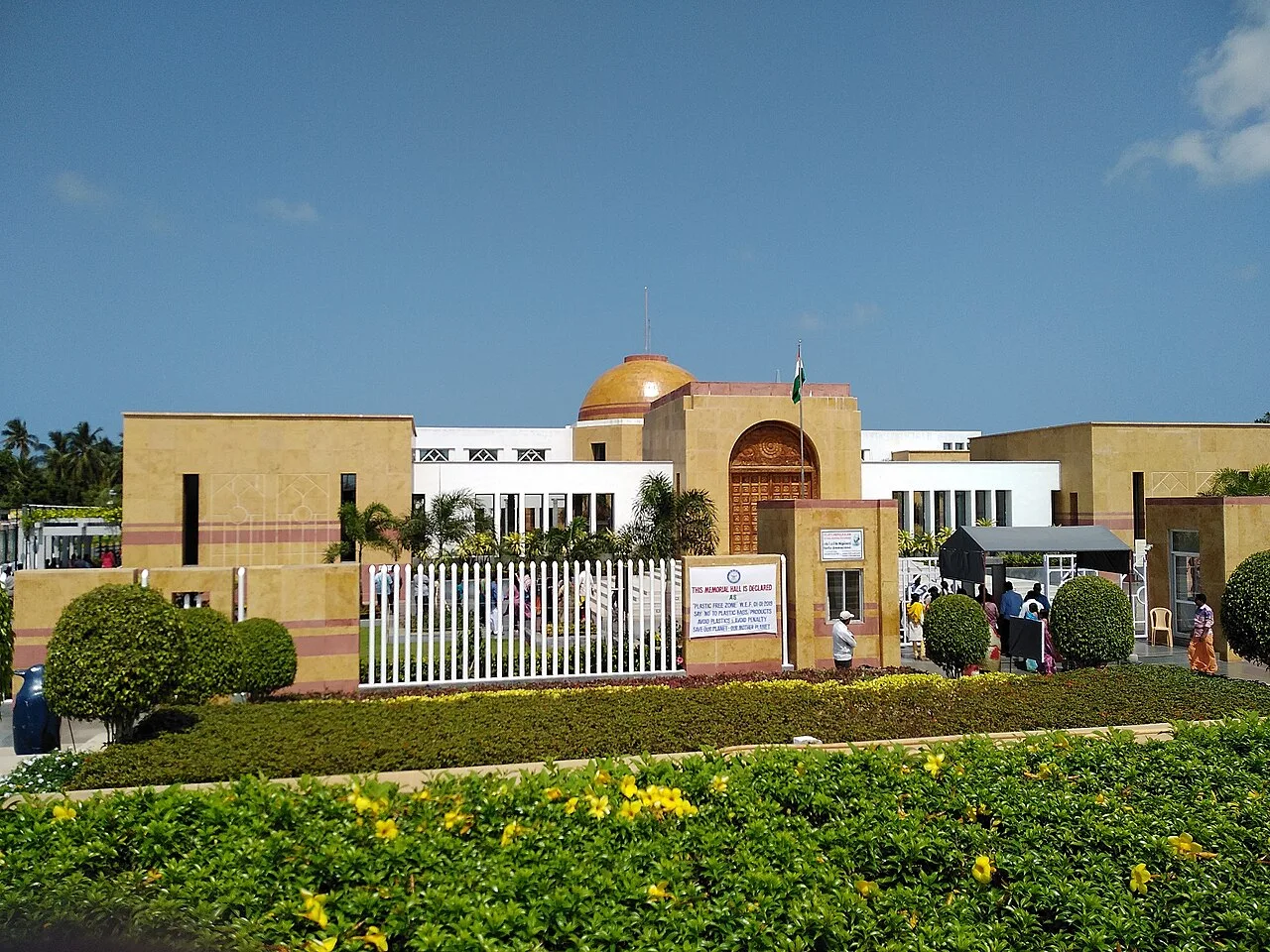
A. P. J. Abdul Kalam Memorial, Rameswaram
In Peikarumbu, Rameswaram, this memorial honours former Indian President A. P. J. Abdul Kalam. Visitors come to pay tribute to him and see its blend of Mughal and Indian architectural styles.
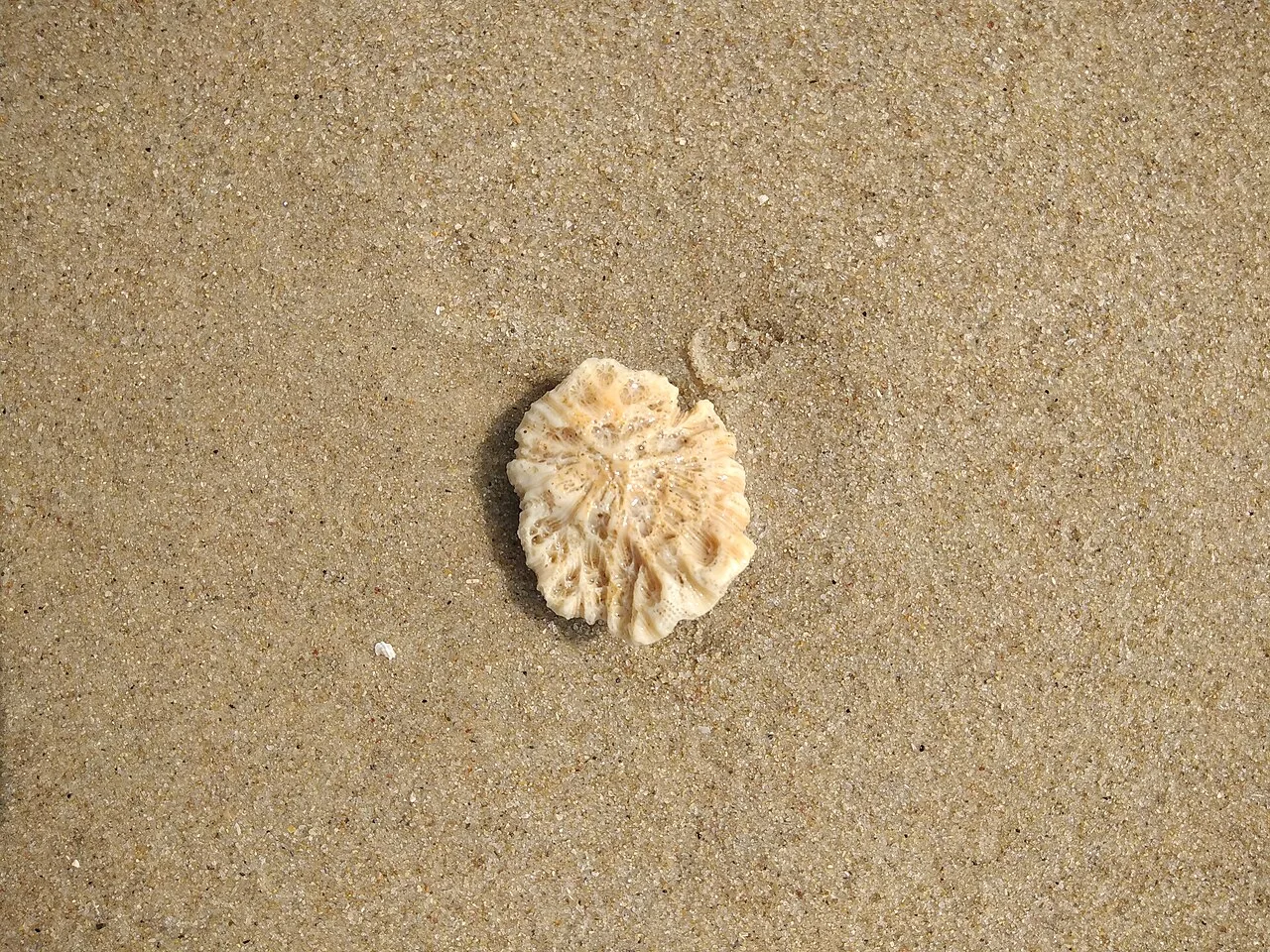
Ariyaman Beach
Ariyaman Beach is a shore destination in Ramanathapuram district, Tamil Nadu, included among the state’s beach listings. People visit to spend time at the beach itself.
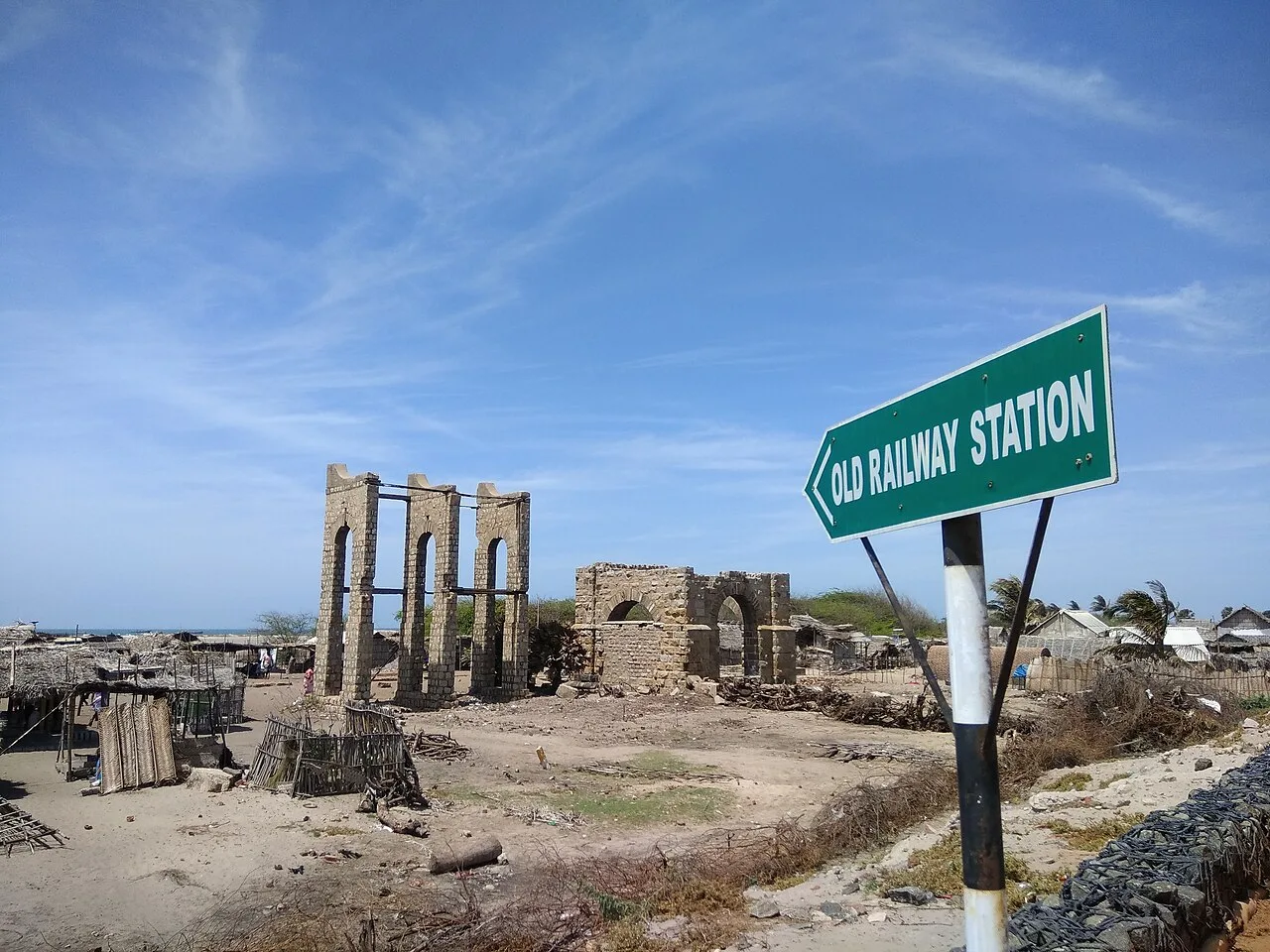
Dhanushkodi
Dhanushkodi is a deserted settlement on Pamban Island in Tamil Nadu. Visitors come for its historical and mythological significance and its connection with the 1964 cyclone.
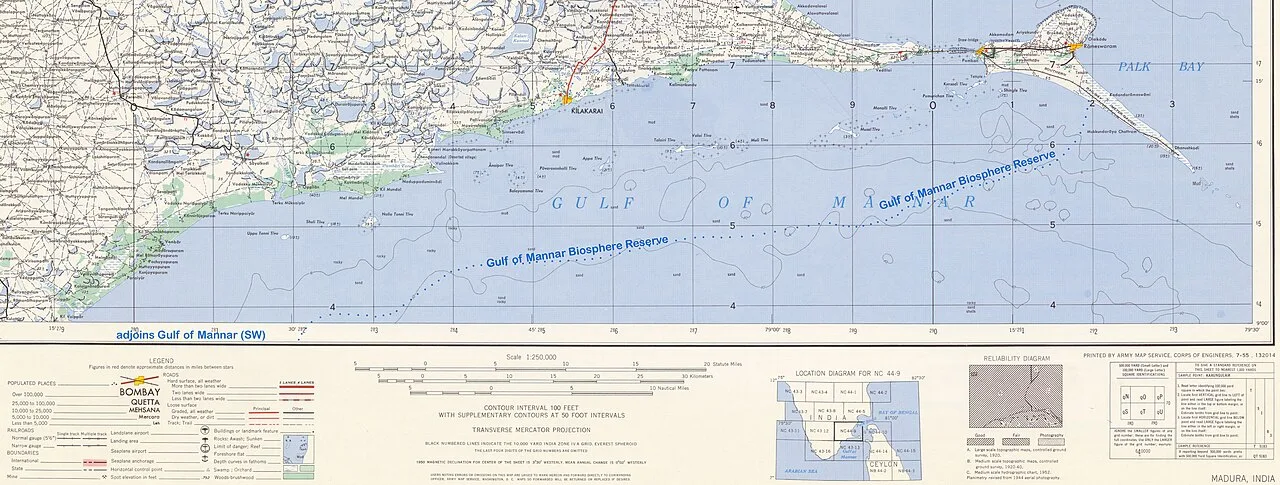
Gulf of Mannar Marine National Park
This protected marine park off Tamil Nadu encompasses 21 islets and nearby reefs. Visitors come to view its varied marine life on glass-bottom boat rides, the only public access to the park.
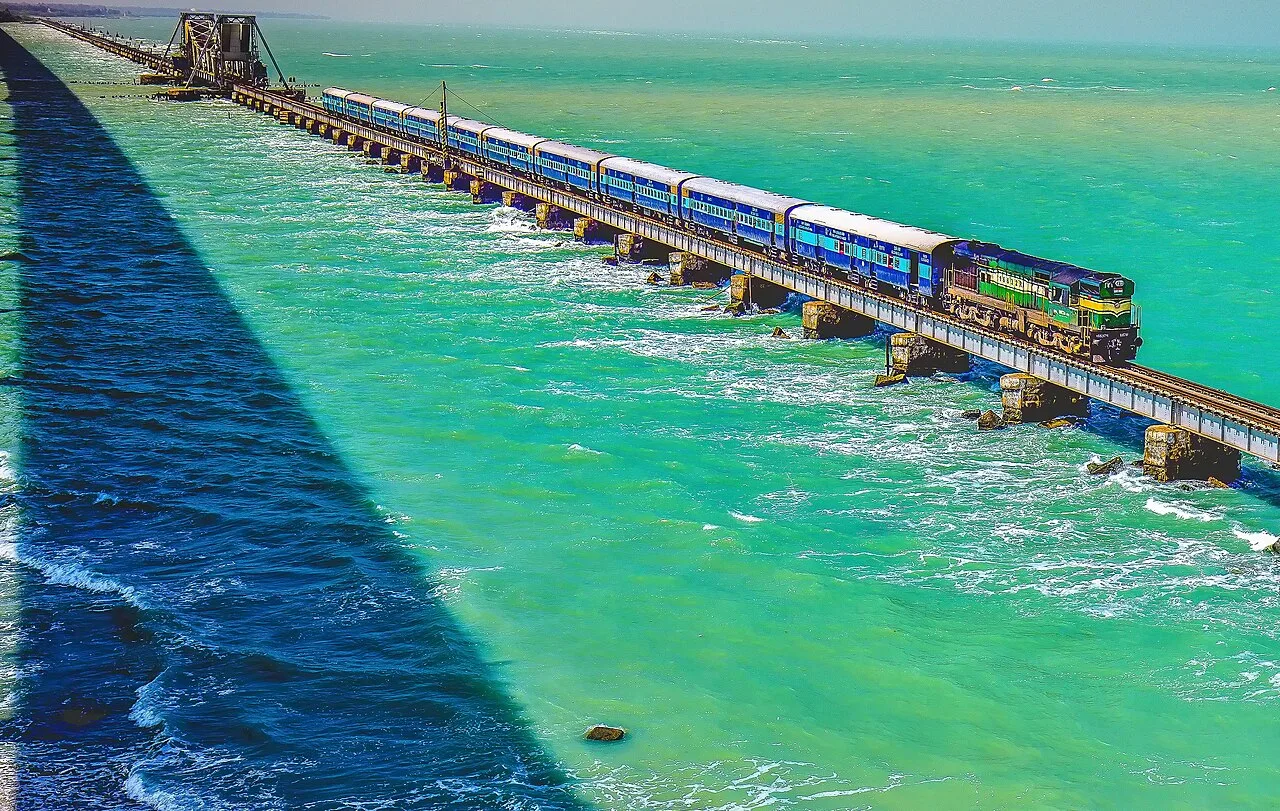
Pamban Bridge
Pamban Bridge is a historic railway crossing between Rameswaram Island and mainland Tamil Nadu. Its movable span and role in connecting the island make it notable to visitors.
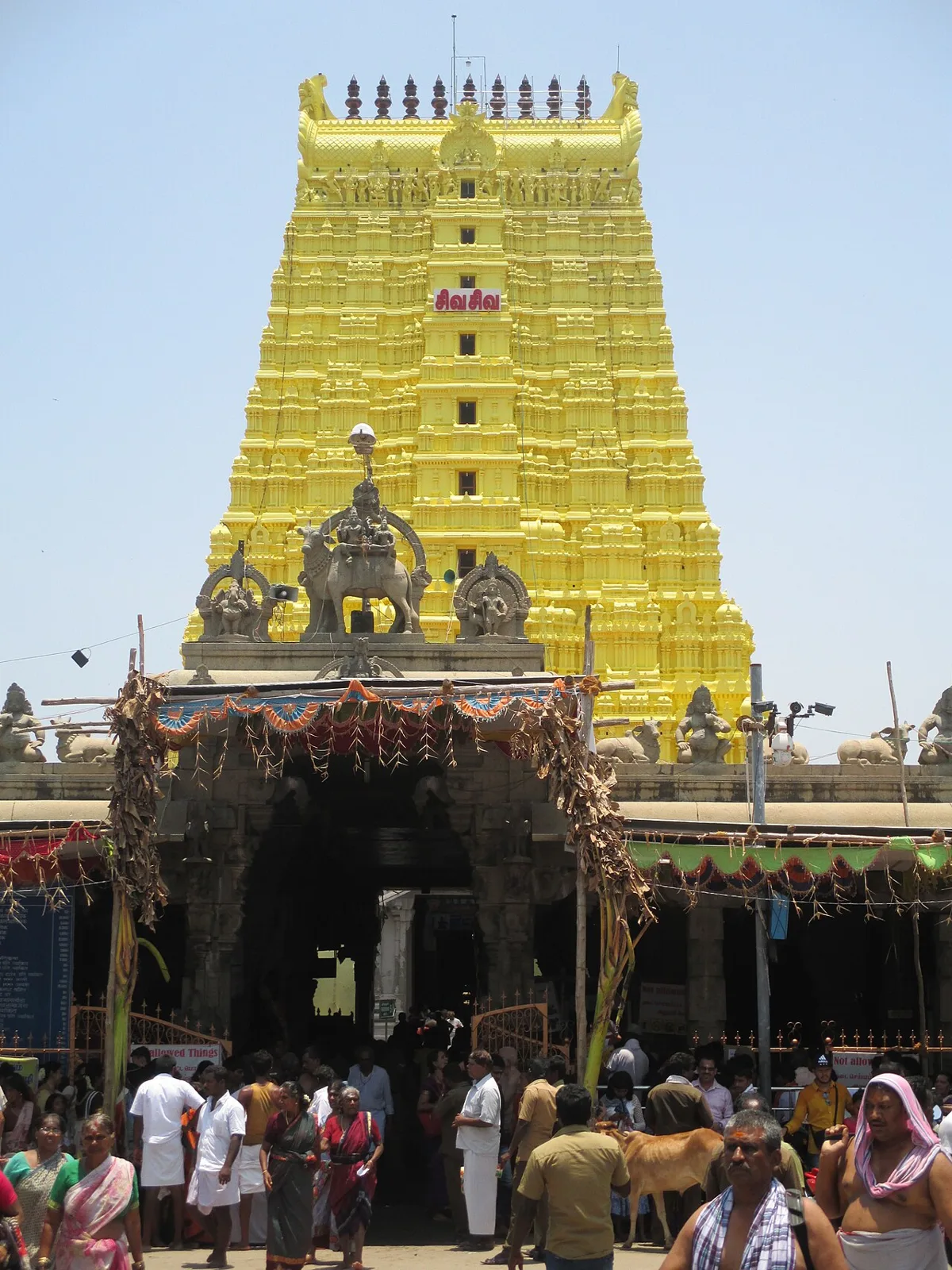
Ramanathaswamy Temple, Rameswaram
Ramanathaswamy Temple is a Shiva shrine on Rameswaram island, revered as a Jyotirlinga and a Char Dham pilgrimage site. Visitors also honour its links to Rama and its long corridor.
Rice-based meals, idli and dosa are common across the district, as in much of Tamil Nadu. Along the coast and around Rameswaram, fish and other seafood feature in local cooking, though availability depends on the day and season. Small eateries may offer a limited menu, so it is worth asking what has been freshly prepared. Vegetarian meals are readily associated with temple towns and may be served on banana leaves. Filter coffee is a familiar regional choice. Tamil Nadu specialities such as pepper-rich curries and sweets including adhirasam can also be found, but are not exclusive to Ramanathapuram.
Palmyra grows across parts of Tamil Nadu’s dry south, and palm-leaf work is a wider regional craft tradition; woven containers and other household items may be encountered in local markets. Rameswaram’s coastal and pilgrimage trade also includes shell and conch souvenirs. These are not necessarily distinctive products of the district, and some marine species are protected or subject to restrictions. Ask sellers about materials and provenance, and avoid buying items made from protected wildlife. Craft availability varies between towns and markets.
Ramanathaswamy Temple’s festivals and observances draw pilgrims to Rameswaram through the year, with notable activity around Maha Shivaratri and the Tamil month of Aadi. Aadi Amavasai is observed at Rameswaram and other regional pilgrimage sites, bringing large gatherings for prayers and rites. These occasions can make temple areas and transport busier, and accommodation in Rameswaram may be harder to secure, especially during major observances. Ramadan and local temple festivals are also observed in the district. Festival dates follow religious calendars and vary from year to year, so check locally when planning.
Elsewhere in Tamil Nadu
The district is largely low-lying and dry, with a long coast facing the Palk Strait and Gulf of Mannar. Rameswaram lies on Pamban Island, connected to the mainland by the Pamban crossings; sandy shores, lagoons and salt-affected ground shape travel in the coastal belt. There are no major hill ranges in the district. The Vaigai and other seasonal watercourses influence the mainland landscape, but conditions can be dry for much of the year. Roads link the principal towns, while exposed coastal stretches and remote sites may require extra planning and locally arranged transport.
Ramanathapuram is generally hot, with the strongest heat usually felt in the summer months before the monsoon. The northeast monsoon, mainly from October into December, brings much of the region’s seasonal rain and can affect road journeys and coastal plans. The southwest monsoon is less influential here, though weather can still change. The cooler, drier period from November to February is generally the most comfortable time to visit, particularly for temple visits and outdoor sightseeing. Pack light, breathable clothing, sun protection and water; carry a light rain layer during the monsoon season. Check local weather and sea conditions before visiting exposed coastal areas.
Madurai Airport is a practical air gateway for Ramanathapuram district; Madurai also has a major railway station. Ramanathapuram and Rameswaram have railway stations serving different parts of the district, with Rameswaram useful for the island and pilgrimage sites. Roads connect Madurai through Paramakudi and Ramanathapuram towards Rameswaram, which is linked to the mainland by the Pamban crossings. Buses serve towns and larger settlements; within Rameswaram, local buses, taxis and auto-rickshaws can help with onward travel. Reaching remote coastal sites may require arranging local transport. Check current services locally before setting out.
Roads connect Ramanathapuram and Paramakudi with Mandapam and Rameswaram, while buses serve the main towns and larger settlements. The Pamban crossings provide the road link to Rameswaram Island. Local buses, auto-rickshaws and taxis are useful for getting around Rameswaram and reaching nearby sights; taxis or locally arranged vehicles are more practical for a wider district circuit. Shared vehicles may be available on some routes, but service can be limited in remote coastal areas. Boat access to marine areas is subject to local conditions and restrictions, so confirm arrangements through authorised local sources.
2 days: Ramanathaswamy Temple, Rameswaram → Pamban Bridge → Dhanushkodi; sleep both nights in Rameswaram. 3 days: A. P. J. Abdul Kalam Memorial, Rameswaram → Ramanathaswamy Temple, Rameswaram → Pamban Bridge → Dhanushkodi; sleep each night in Rameswaram. 4 days: Ariyaman Beach → A. P. J. Abdul Kalam Memorial, Rameswaram → Ramanathaswamy Temple, Rameswaram → Pamban Bridge → Dhanushkodi → Gulf of Mannar Marine National Park; sleep first night in Ramanathapuram and the remaining nights in Rameswaram.
Rameswaram is the most practical base for the temple, Pamban crossings, Dhanushkodi and the memorial; it has hotels, guesthouses and pilgrimage-oriented accommodation, including dharamshalas. Ramanathapuram town suits visitors exploring the mainland and can be a useful first or final night on a longer circuit. Smaller coastal settlements have fewer choices, so do not assume rooms or services will be available on arrival. Homestays and government accommodation may be available in some places, but availability varies. During major temple festivals, reserve accommodation ahead where possible.
Coastal roads can be exposed to strong sun, wind and changing weather; check conditions before travelling to Dhanushkodi or other remote shorelines, and follow local advice near the sea. Avoid swimming where currents or access conditions are unclear. Carry drinking water and sun protection, and use reputable local transport, especially after dark or on less-travelled roads. Mobile connectivity and services may be limited in remote coastal areas. Rameswaram can be crowded during major religious observances, so take care in busy temple spaces. Gulf of Mannar islands and protected habitats may have access restrictions; confirm any required permissions with official authorities before planning a visit.
- Sivagangaabout 111 km
- Pudukkottaiabout 135 km
- Thoothukudiabout 147 km
- Maduraiabout 148 km
- Nagapattinamabout 166 km
- Thanjavurabout 175 km
- Dindigulabout 227 km
Straight-line distance between the centres of each district's destinations; road distance is longer.
All districts of Tamil Nadu
- Ariyalur
- Chengalpattu
- Chennai
- Coimbatore
- Cuddalore
- Dharmapuri
- Dindigul
- Erode
- Kallakurichi
- Kancheepuram
- Kanniyakumari
- Madurai
- Mayiladuthurai
- Nagapattinam
- Namakkal
- Nilgiris
- Pudukkottai
- Salem
- Sivaganga
- Tenkasi
- Thanjavur
- Theni
- Thoothukudi
- Tiruchirappalli
- Tirunelveli
- Tiruvallur
- Tiruvannamalai
- Tiruvarur
- Vellore
- Villupuram
- Virudhunagar
Q: How many days should I spend in Ramanathapuram district? A: Two days can cover key Rameswaram sights; allow three or four days for a more relaxed visit and mainland or coastal stops. Q: When is the best time to visit? A: November to February is generally more comfortable for sightseeing, though festival periods can be busy. Q: What is the best base for visiting the main sights? A: Rameswaram is the most convenient base for the temple, Pamban crossings, Dhanushkodi and the memorial. Q: How do I get to the district? A: Madurai is a practical air and rail gateway. Ramanathapuram and Rameswaram have railway stations, and roads and buses connect the main towns. Q: Is the district suitable for families or elderly travellers? A: Yes, with planning. The main temple and town sights are accessible by local transport, but heat, crowds, walking and remote coastal roads may require extra care.
This page draws on our 6 destination guides for Ramanathapuram and is updated as our team checks it.
Be the first to share photos, stories, advice or a helpful contact for Ramanathapuram.
Loading…