
District · Tamil Nadu
Chengalpattu
Chengalpattu lies south of Chennai, where the Coromandel Coast meets inland plains, lakes and wetlands.
Chengalpattu district brings together the Coromandel Coast, inland lakes and wetlands, and settlements shaped by their proximity to Chennai. Its best-known heritage centre is Mamallapuram, also called Mahabalipuram, where Pallava-period monuments reveal an important chapter in South Indian architecture and sculpture. The Pancha Rathas, Arjuna's Penance and Shore Temple offer contrasting expressions of this stone-working tradition, while Krishna's Butterball adds a striking natural landmark. Nearby Saluvankuppam contains the rock-cut Tiger Cave complex. Inland, Vedanthangal Bird Sanctuary gives the district a different character, centred on wetland habitats and seasonal birdlife. The Madras Crocodile Bank adds a focus on reptile conservation along the coastal corridor. Together, these places support a varied heritage-and-nature itinerary.
Chengalpattu lies south of Chennai, where the Coromandel Coast meets inland plains, lakes and wetlands. The district is best known for Mamallapuram, a major Pallava-period heritage site whose rock-cut and structural monuments show the range of early South Indian stone architecture. Pancha Rathas, Arjuna's Penance (Descent of the Ganges), Shore Temple and Krishna's Butterball can be explored alongside the nearby Tiger Cave at Saluvankuppam. Away from the coast, Vedanthangal Bird Sanctuary offers a seasonal wetland experience, while the Madras Crocodile Bank adds a conservation-focused stop. The mix makes the district suitable for combining heritage, coastal scenery and nature on a short trip from Chennai.
The region formed part of ancient Thondaimandalam, a historical area associated with the Pallavas, whose political centre was at Kanchipuram. From the seventh to eighth centuries, Pallava rulers developed Mamallapuram as a coastal centre and created monuments including the Pancha Rathas, rock-cut shrines and the Shore Temple. The area later came under Chola influence and, in subsequent centuries, the control of regional powers including the Vijayanagara rulers and their successors. European trading and colonial expansion along the Coromandel Coast brought the region within the orbit of the Madras Presidency under British rule. After independence, the area was administered within the larger Chengalpattu and Kanchipuram district arrangements of Madras State, later Tamil Nadu. Chengalpattu district in its present form was created in 2019 when it was separated from Kanchipuram district. Its history therefore connects Pallava-era coastal monuments with the changing administrative and political geography of the Chennai region.
7 destination guides
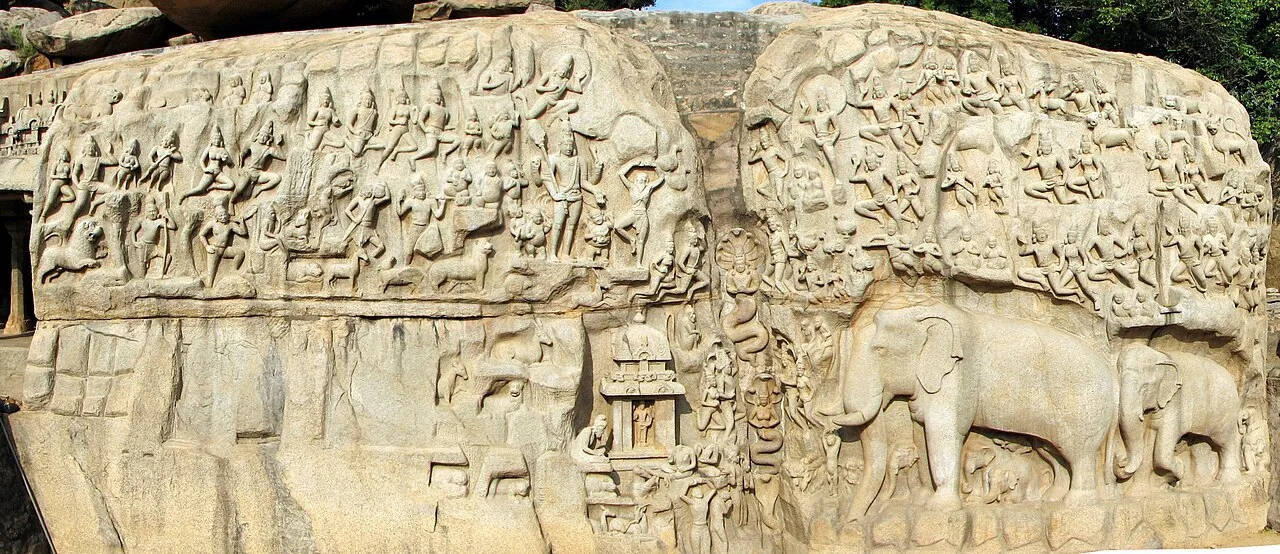
Arjuna's Penance (Descent of the Ganges)
Arjuna’s Penance at Mamallapuram is a large stone carving depicting the Ganges’ arrival on earth and Arjuna’s penance. Visitors come to view its mythological scenes and Pallava artistry.
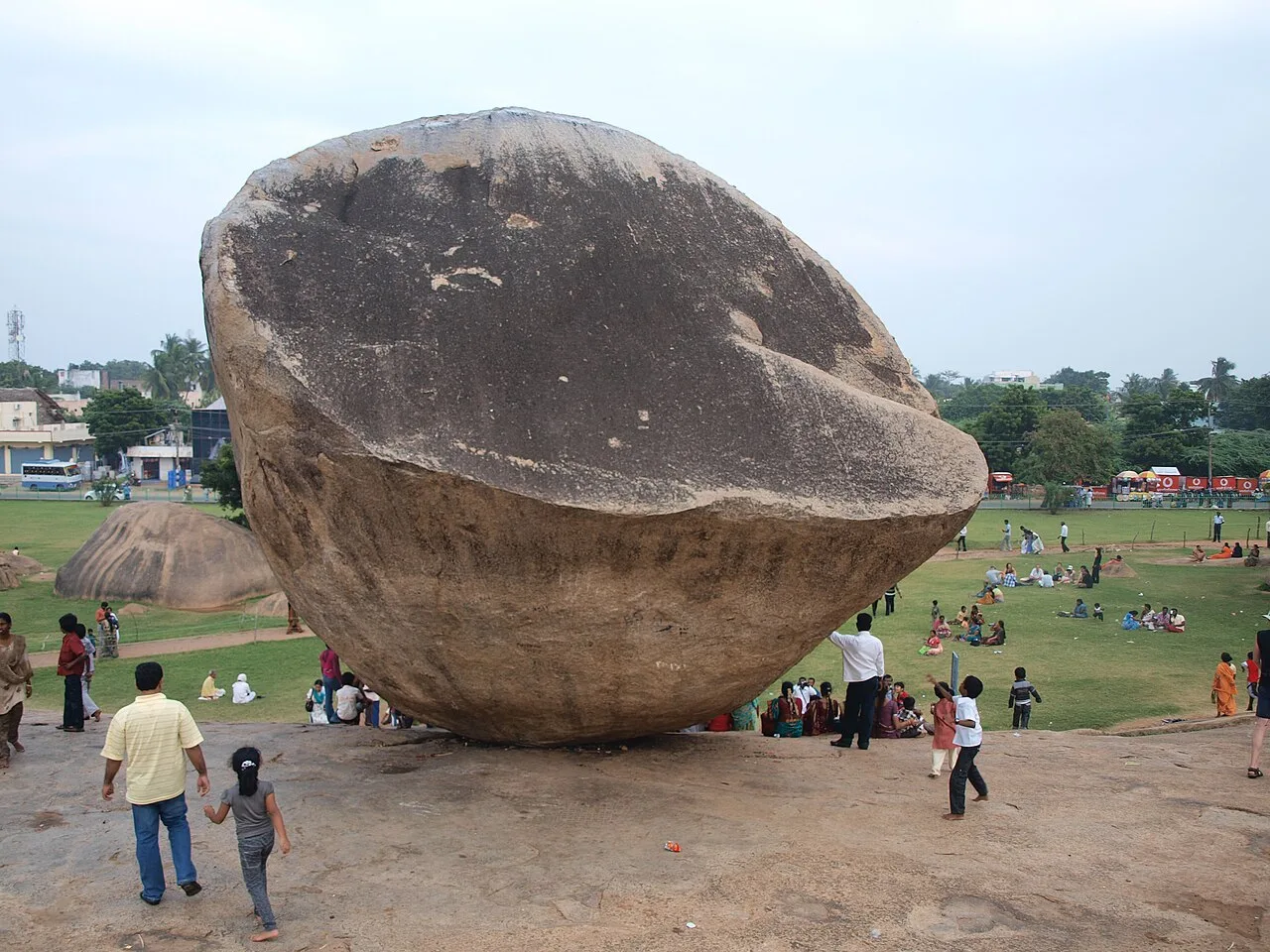
Krishna's Butterball
Krishna's Butterball is a huge granite balancing rock in Mamallapuram. Visitors come to see its striking position and its setting among the town’s Pallava-era monuments.
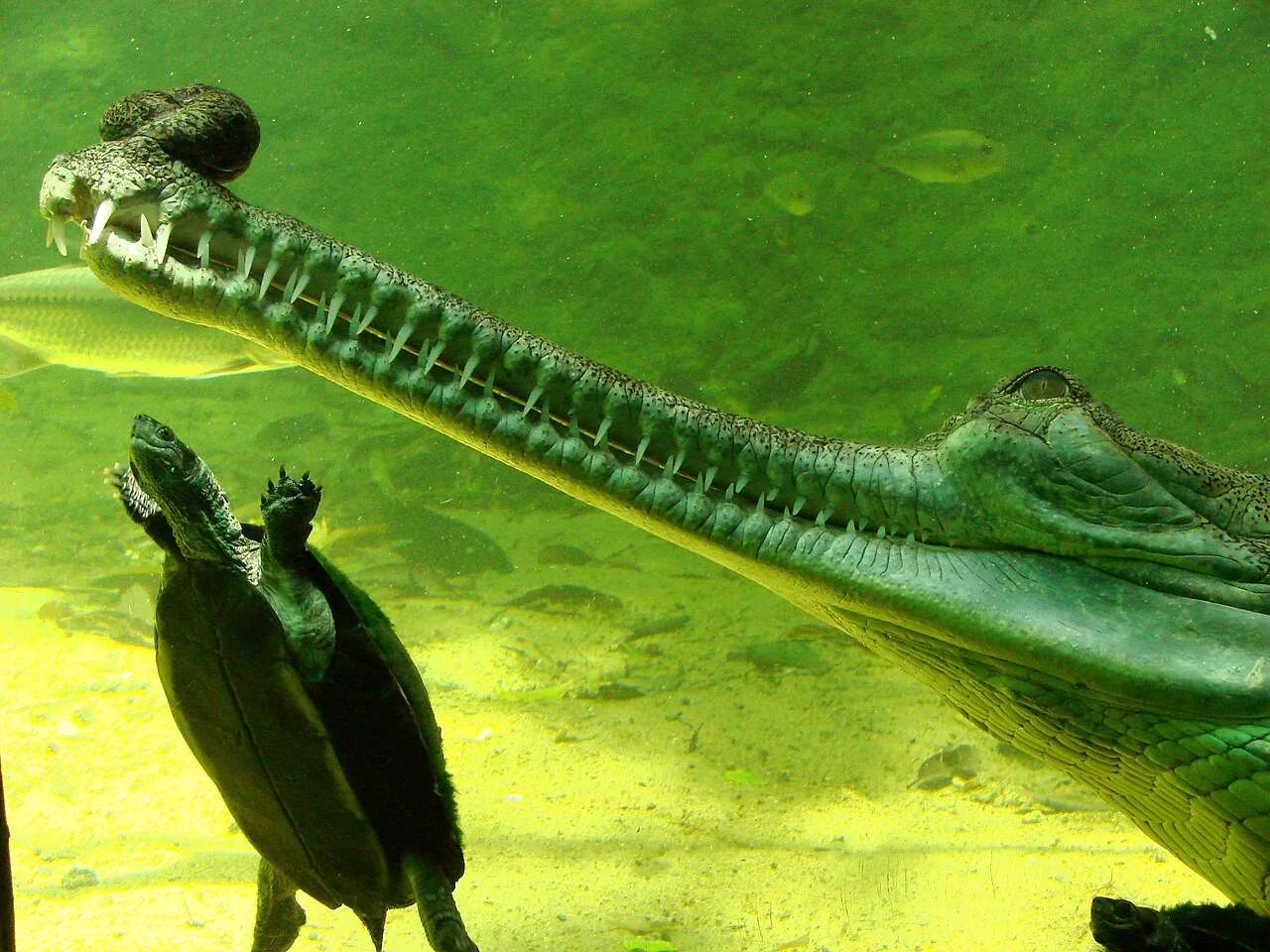
Madras Crocodile Bank
The Madras Crocodile Bank is a reptile zoo and herpetology research centre near Chennai. Visitors come to see crocodiles and other reptiles, while the institution supports breeding, research and conservation.
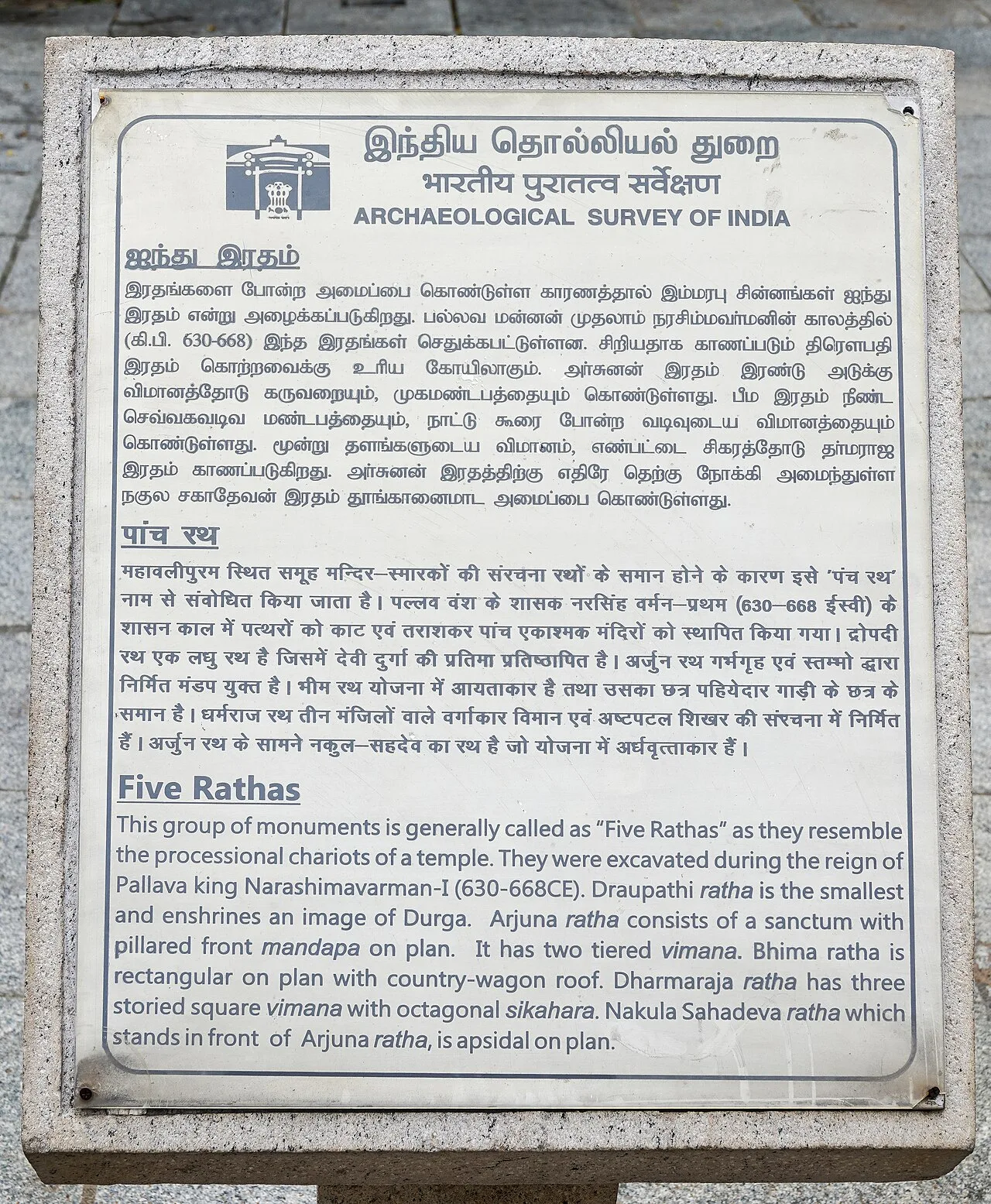
Pancha Rathas
Pancha Rathas is a group of five granite monuments at Mahabalipuram, valued for its rock-cut forms and links to the Mahabharata. Visitors come to see its distinctive architecture and named structures.
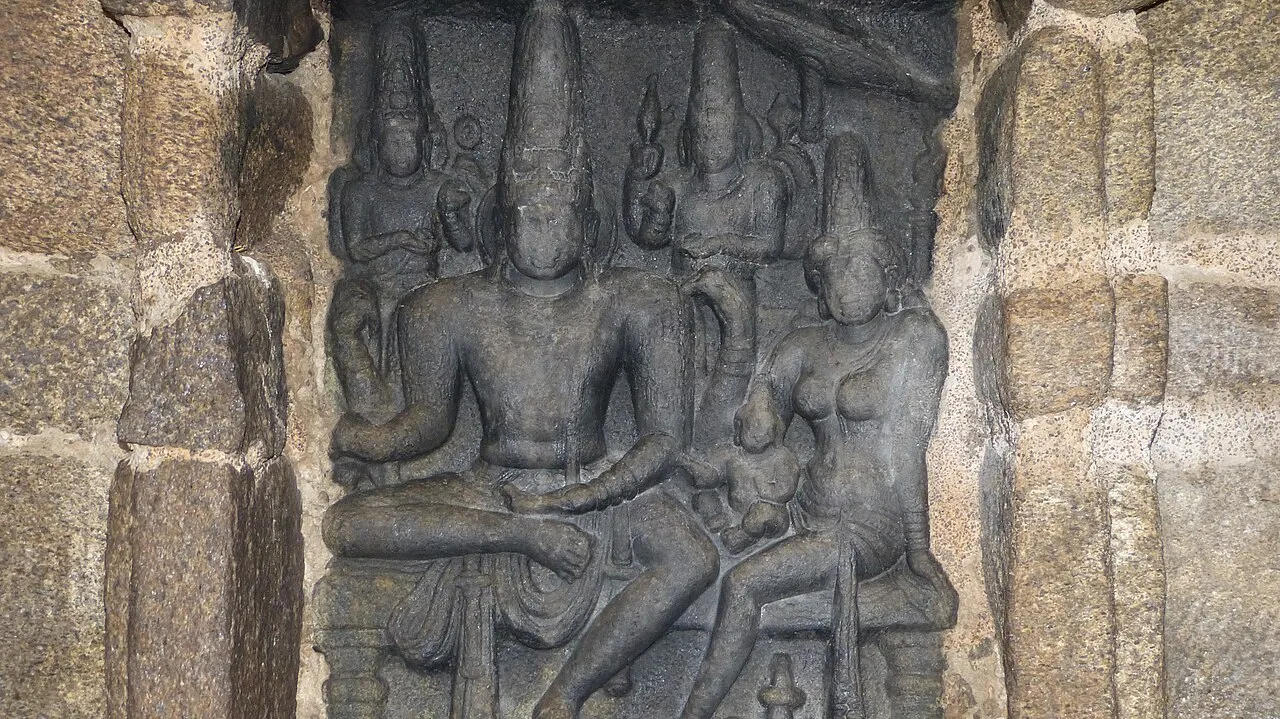
Shore Temple
The Shore Temple is a granite temple complex on the Bay of Bengal at Mahabalipuram. Visitors come to see its shrines and its place within the town’s UNESCO World Heritage monument group.
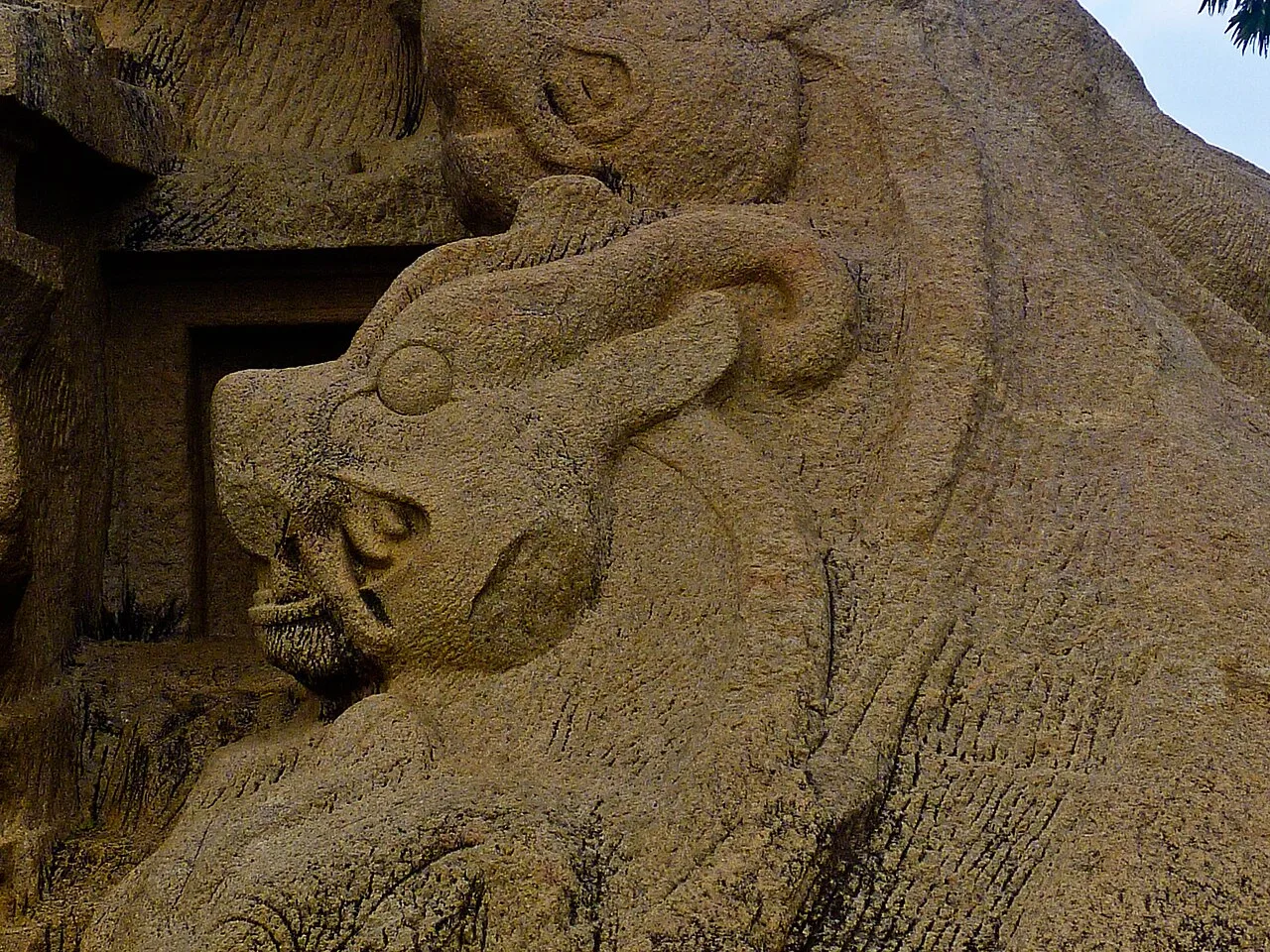
Tiger Cave
Yali Mandabam, also known as Tiger Cave, is a Pallava-period temple complex near Mahabalipuram in Tamil Nadu. Visitors come to see its carved tiger heads and its position on the Bay of Bengal coast.
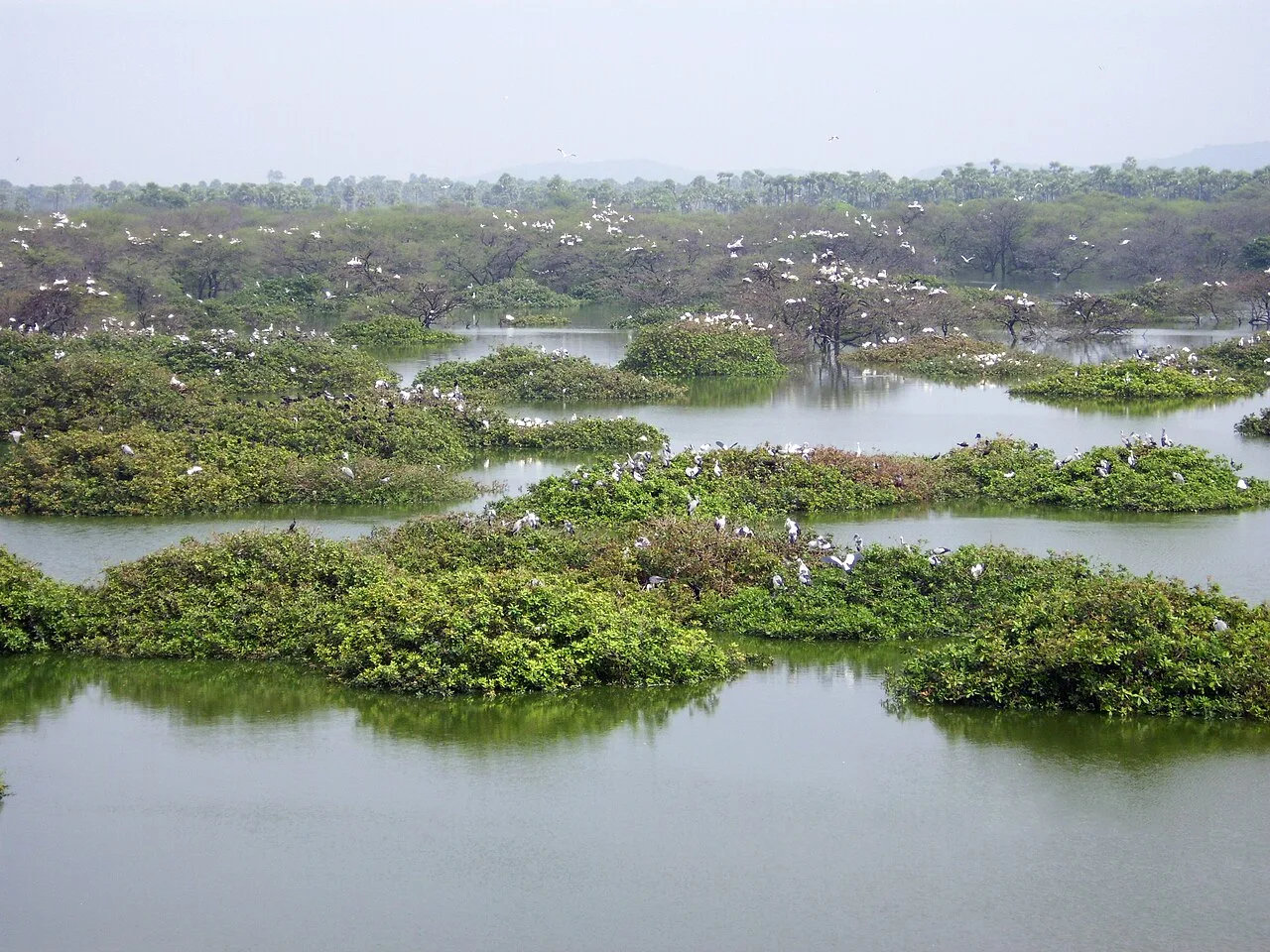
Vedanthangal Bird Sanctuary
Vedanthangal Bird Sanctuary in Tamil Nadu is a long-established wildlife sanctuary and protected Ramsar site. Visitors come to see the many birds recorded there during the migratory season.
Food in Chengalpattu reflects wider Tamil traditions rather than a single district-specific cuisine. Idli and dosa with sambar and chutneys are familiar breakfast choices, often accompanied by filter coffee. Rice-based lunches commonly include vegetable preparations, sambar, rasam and curd; banana-leaf meals are part of the broader regional dining tradition. Along the coast, fish and other seafood are worth asking about where available. Chettinad-style chicken and pepper-rich curries may appear on menus, but belong to a wider Tamil culinary repertoire. For sweets, look for adhirasam or Mysore pak. Small eateries may offer a limited daily selection, so ask what is freshly prepared.
Mamallapuram is closely associated with stone carving, a living craft practised alongside its celebrated Pallava monuments. Sculptors work on religious images, decorative figures and architectural elements, drawing on South Indian sculptural traditions. Workshops and shops offer opportunities to see carving in progress and understand differences in stone, scale and finish. The monumental reliefs and rock-cut shrines provide valuable context for appreciating this work. Tamil Nadu's wider textile and bronze-casting traditions may also be represented in shops, but should not automatically be described as locally produced Chengalpattu crafts.
Pongal, the harvest festival celebrated in January, is observed across the district and may affect local transport and business schedules. Mamallapuram hosts a regional dance festival, generally during the winter season, featuring classical performances against the town's heritage setting; it can draw visitors and increase demand for rooms. Temple festivals are held at local shrines at different times of year, with dates varying by temple. The winter birding season also brings more visitors to Vedanthangal, so booking ahead is sensible during popular holiday periods.
Elsewhere in Tamil Nadu
The district is largely a low-lying coastal plain, with the Bay of Bengal shoreline, sandy stretches and rocky outcrops around Mamallapuram. Inland, agricultural land, tanks and seasonal wetlands shape the scenery; the Palar river system and its associated water bodies influence parts of the district. Vedanthangal's shallow wetland habitat attracts waterbirds seasonally. The East Coast Road follows the coast and links the main heritage stops, while inland journeys cross towns and open countryside. Wet weather can make some rural approaches slower, and coastal visits are exposed to sun, wind and changing sea conditions.
Chengalpattu is generally hot for much of the year. Summer, roughly from March to May, can make midday sightseeing tiring, so plan outdoor visits for cooler parts of the day and carry sun protection. The southwest monsoon brings some rain, while the northeast monsoon, usually from October into December, is an important wet period and can disrupt road travel. Winter, broadly November to February, is often more comfortable for exploring monuments and is also a useful season for birdwatching at Vedanthangal, though rain may continue early in the period. Light, breathable clothing, a hat, drinking water and rain protection in monsoon months are practical choices.
Chennai International Airport is the main air gateway. Chengalpattu Junction is a useful railhead for inland destinations and onward road travel to Mamallapuram; Tambaram can also be convenient, depending on the itinerary. The East Coast Road connects Chennai with the district's coastal attractions, while the Grand Southern Trunk Road serves the inland corridor through Chengalpattu. Buses, taxis and auto-rickshaws provide onward connections, though direct services vary by destination. Mamallapuram's central monuments can be combined on foot, with local transport useful for more dispersed stops. Plan Vedanthangal as a separate inland excursion rather than assuming easy coastal connections. Check current services locally.
Road travel is the most practical way to connect the district's sights. The East Coast Road links Chennai, Mamallapuram, Saluvankuppam and the Madras Crocodile Bank corridor; the Grand Southern Trunk Road serves Chengalpattu and inland routes towards Vedanthangal. Local buses connect many towns, but services to smaller attractions may be less direct. Taxis or hired cars offer more flexibility, especially for combining coastal stops or reaching the bird sanctuary. Auto-rickshaws are useful for shorter local journeys, while Mamallapuram's central monuments are mostly walkable. Confirm onward connections locally, particularly for an inland day trip.
2 days: Pancha Rathas → Arjuna's Penance (Descent of the Ganges) → Krishna's Butterball → Shore Temple; sleep both nights in Mamallapuram. Day 2: Tiger Cave → Madras Crocodile Bank. 3 days: Pancha Rathas → Arjuna's Penance (Descent of the Ganges) → Krishna's Butterball → Shore Temple; sleep in Mamallapuram. Day 2: Tiger Cave → Madras Crocodile Bank; sleep in Mamallapuram. Day 3: Vedanthangal Bird Sanctuary; sleep in Chengalpattu or return to your onward base.
Mamallapuram is the most convenient base for the coastal monuments, with a range of hotels, guesthouses and homestays. Chengalpattu suits travellers using the rail and road network or making an inland excursion, and has hotels and other basic accommodation. For Vedanthangal, Madurantakam can be a practical nearby base, though choices are more limited than in larger towns. Government lodges or dharamshalas may be available in some places, but facilities and availability vary; confirm arrangements before relying on them.
Monuments include uneven stone, steps and exposed rock; wear secure footwear and take care in wet conditions. Coastal water can have strong currents, so follow local warnings and avoid swimming where conditions are unsafe. Heat and humidity call for water, sun protection and breaks. During monsoon periods, check road conditions before rural trips. At Vedanthangal, keep to visitor areas, follow sanctuary guidance and do not disturb or feed wildlife. Use safe drinking water, and expect mobile connectivity to vary outside larger towns. Check official sources for current sanctuary access rules or any permit requirements before travelling.
- Chennaiabout 49 km
- Kancheepuramabout 59 km
- Puducherry · Puducherryabout 86 km
- Tiruvallurabout 89 km
- Villupuramabout 96 km
- Velloreabout 121 km
- Tiruvannamalaiabout 131 km
- Cuddaloreabout 143 km
Straight-line distance between the centres of each district's destinations; road distance is longer.
All districts of Tamil Nadu
- Ariyalur
- Chennai
- Coimbatore
- Cuddalore
- Dharmapuri
- Dindigul
- Erode
- Kallakurichi
- Kancheepuram
- Kanniyakumari
- Madurai
- Mayiladuthurai
- Nagapattinam
- Namakkal
- Nilgiris
- Pudukkottai
- Ramanathapuram
- Salem
- Sivaganga
- Tenkasi
- Thanjavur
- Theni
- Thoothukudi
- Tiruchirappalli
- Tirunelveli
- Tiruvallur
- Tiruvannamalai
- Tiruvarur
- Vellore
- Villupuram
- Virudhunagar
Q: How many days should I spend in Chengalpattu? A: Two days can cover Mamallapuram's main monuments and nearby coastal stops. Allow three days if you also want to visit Vedanthangal. Q: When is the best time to visit? A: November to February is generally comfortable for sightseeing and birdwatching, though early winter can still bring rain. Q: Where is the best base? A: Mamallapuram is convenient for the coastal heritage sites; Chengalpattu or Madurantakam can suit an inland visit to Vedanthangal. Q: How do I get to the district? A: Chennai International Airport is the main air gateway. Chengalpattu Junction and road links from Chennai provide onward access; local connections vary by destination. Q: Is the district suitable for families or elderly travellers? A: Yes, with planning. Some monuments have uneven stone and steps, so allow extra time, use suitable footwear and check accessibility needs in advance.
This page draws on our 7 destination guides for Chengalpattu and is updated as our team checks it.
Be the first to share photos, stories, advice or a helpful contact for Chengalpattu.
Loading…