
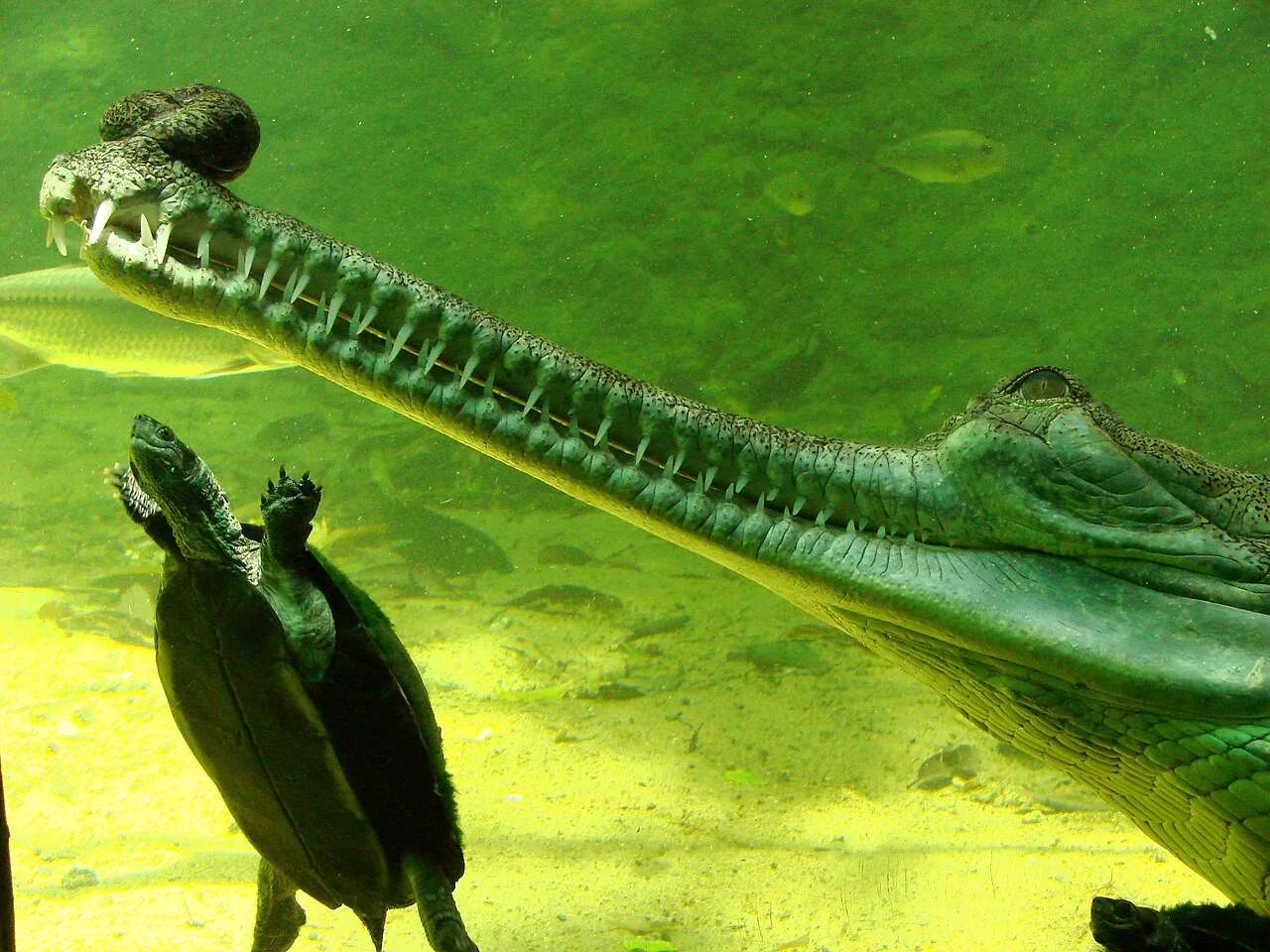
Madras Crocodile Bank
The Madras Crocodile Bank is a reptile zoo and herpetology research centre near Chennai. Visitors come to see crocodiles and other reptiles, while the institution supports breeding, research and conservation.
Key facts · verified by Ghumoopedia editors
- Type of place
- National park / sanctuary
- Best time to visit
- November to February; April to June for the hill stations
- Nearest railway station
- Tambaram · about 24 km (straight line)
- Nearest airport
- Chennai International Airport · about 29 km (straight line)
- Verified
- 21 Nov 2026
Plan a trip from Madras Crocodile Bank — a day-by-day route through places nearby.
Situated in Chengalpattu district, Tamil Nadu, the Madras Crocodile Bank Trust and Centre for Herpetology lies about 40 km (25 mi) south of Chennai. It functions as a reptile zoo and a research station for herpetology. Its 8.5-acre (3.4-hectare) grounds are covered in coastal sandy woodland beside the Bay of Bengal. The organisation is a registered trust and a zoo recognised under the Wild Life (Protection) Act, 1972. It falls under the Central Zoo Authority, part of the Ministry of Environment, Forest and Climate Change, Government of India. Established in 1976, the centre first set out to conserve three Indian crocodilians: the mugger crocodile, saltwater crocodile and gharial. In 2003, its work broadened to include research on other reptile groups. Since it began, the institution has bred more than 5,000 crocodiles and ranks among the world’s largest reptile zoos. In 2024, the park kept 15 crocodile species, three of them critically endangered, as well as 33 other reptile species. The park received around 0.42 million visitors between April 2018 and March 2019. The trust also operates field stations in South Andaman, Agumbe in Karnataka and the Chambal valley in Uttar Pradesh, along with a snake venom extraction centre. Its wider work includes research, conservation and education projects. Tamil Nadu is the land of great living temples — Madurai's Meenakshi, Thanjavur's Brihadeeswara, Srirangam, Chidambaram and Rameswaram — along with the Pallava shore monuments of Mamallapuram, the Chettinad mansions, the hill stations of Ooty and Kodaikanal and the meeting of three seas at Kanyakumari. The state is hot from March to June, gets light southwest-monsoon rain from June to September, and receives its main rainfall from the northeast monsoon between October and December. January to March is the most comfortable season; the Nilgiri and Kodaikanal hills are cool year-round. The usual best time to visit is November to February; April to June for the hill stations. Timings, fees and access arrangements must be confirmed locally. For official information, see Tamil Nadu Tourism at https://www.tamilnadutourism.tn.gov.in.
Why it matters
The Madras Crocodile Bank Trust and Centre for Herpetology (MCBT) is a reptile zoo and conservation and research institution in Chengalpattu district, south of Chennai. It was established in 1976 to support conservation of India’s mugger crocodile, saltwater crocodile and gharial, and has since broadened its work to other reptiles, research and education. MCBT is a registered trust and a recognised zoo under the Wild Life (Protection) Act, 1972, and is under the Central Zoo Authority, Ministry of Environment, Forest and Climate Change. The trust reports breeding more than 5,000 crocodiles since its founding. It is not a national park or wildlife sanctuary; visitors come to see managed animal enclosures and learn about herpetology and conservation.
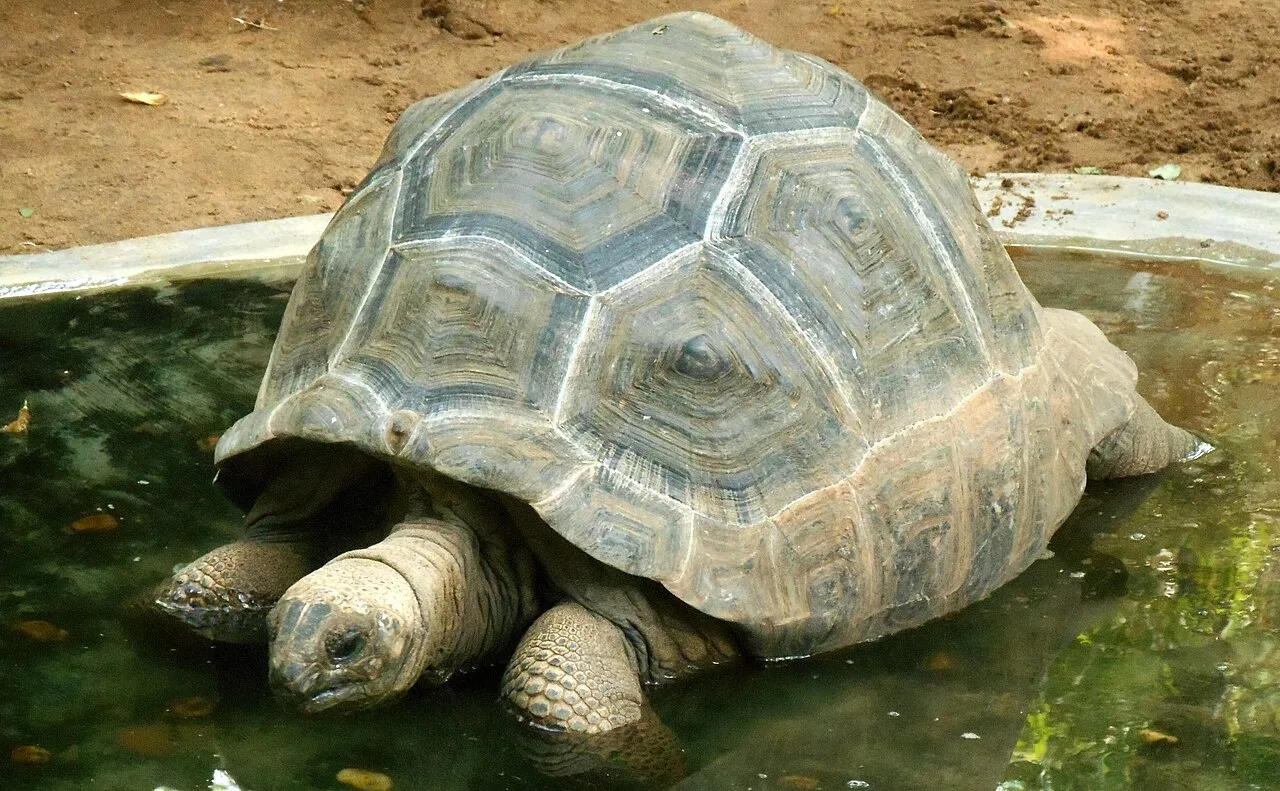
The Madras Crocodile Bank was established in 1976 on the Tamil Nadu coast, about 40 kilometres south of Chennai. Herpetologist Romulus Whitaker was central to its founding, alongside colleagues and supporters concerned about the decline of India’s crocodilians. Its initial purpose was to help conserve three native species: the mugger crocodile, saltwater crocodile and gharial. Captive breeding became an important part of its work, and the institution reports that it has bred more than 5,000 crocodiles since it began. The organisation developed from a crocodile conservation project into a reptile zoo and a centre for research, education and broader conservation work. In 2003 it expanded as a centre for herpetology, extending its focus to other reptiles. The trust also established field stations in South Andaman, Agumbe in Karnataka and the Chambal valley in Uttar Pradesh, and operates a snake venom extraction centre. MCBT is a registered trust and a zoo recognised under the Wild Life (Protection) Act, 1972, under the Central Zoo Authority. Its coastal site covers about 8.5 acres and includes sand-forest vegetation. The institution’s animal collection and projects have changed over time; figures cited for 2024 include 15 crocodile species and 33 other reptilian species.
Spend unhurried time at Madras Crocodile Bank: walk the marked paths, use official viewpoints and ask locally whether a guide, entry ticket or forest permission is needed. Weather can change quickly in the hills, so carry a rain layer even on a clear morning. A comfortable itinerary is one main visit in the morning, a local meal at midday and a short nearby stop before an afternoon return. Use the district list on this site to find other places in Chengalpattu, but check the route and its condition before combining stops. If a festival is on — such as Pongal in January, the Madurai Chithirai festival, the Mahamaham at Kumbakonam or the Chennai music season in December — roads and stays can be busy, and the experience can be unforgettable. Leave no litter: many sites are protected by the communities around them.
Suggested itineraries
Half day: Arrive in the morning; spend about 2–3 hours walking the visitor paths, observing enclosures and reading interpretation; take a rest and depart. Full day: Visit the Crocodile Bank in the morning for about 2–3 hours; pause for a local meal; continue to Mamallapuram for a relaxed visit to its monuments or seafront, allowing several hours. Gentler option: Focus on a shorter, unhurried visit, use available seating and viewpoints, and skip the nearby stop if walking or heat becomes tiring.
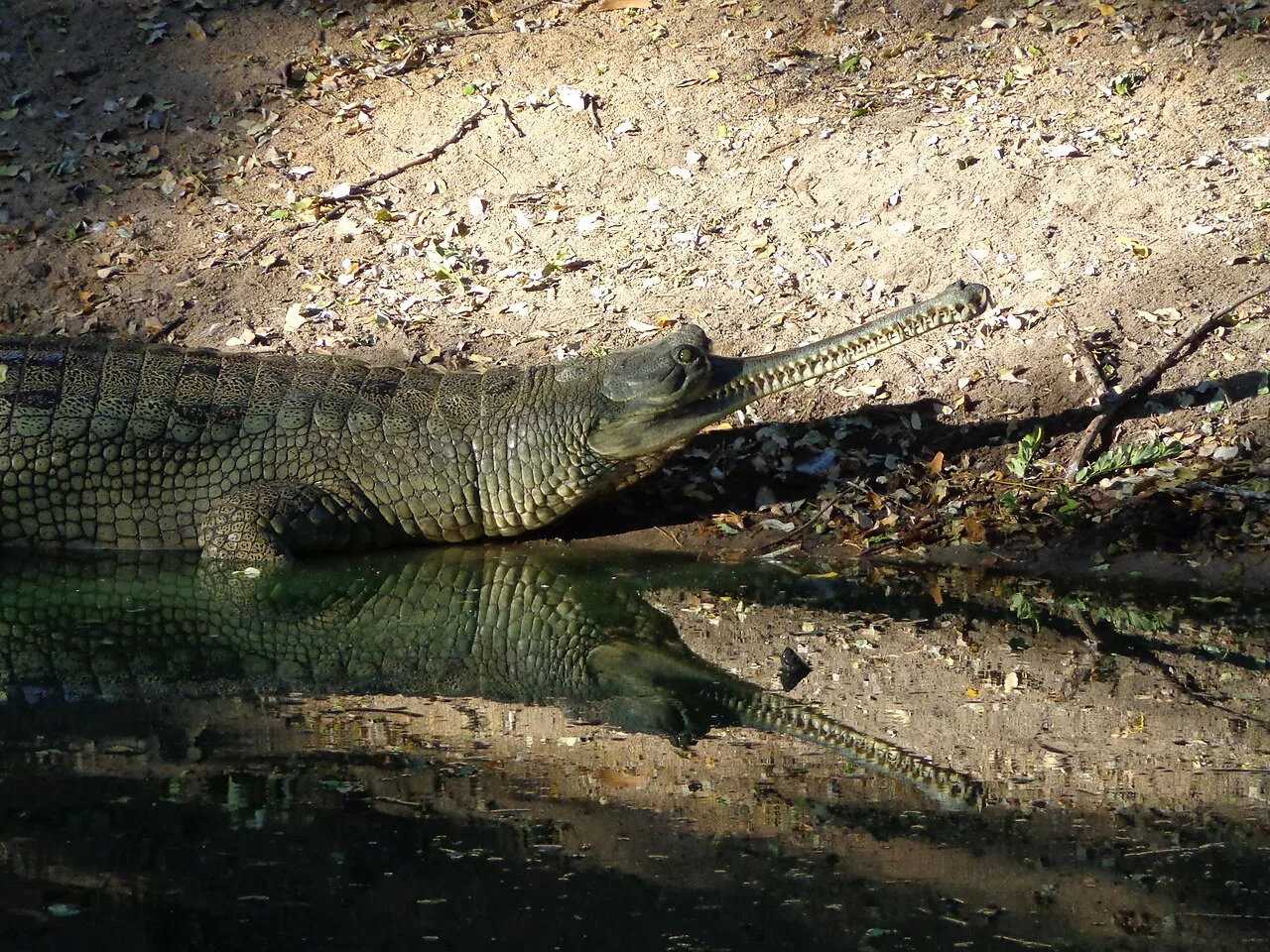
The centre is primarily a conservation and education institution rather than a venue for local performance or ritual. Its public interpretation and educational work introduce visitors to reptiles, their habitats and conservation issues. Tamil is the main language of the surrounding region; English is also widely used in tourism and visitor information around the Chennai–Mamallapuram corridor. Local food, Tamil customs and everyday coastal life are part of the wider visitor experience. Nearby Mamallapuram has a distinct heritage setting, with historic Pallava monuments and cultural events, but these are separate from activities at the Crocodile Bank.
Local communities
MCBT connects conservation professionals, researchers, educators, animal-care staff, volunteers and visitors through its zoo, field projects and public programmes. In the surrounding coastal region, Tamil-speaking residents work in fishing, tourism, transport, small businesses and other local livelihoods. Nearby Mamallapuram also supports artisans and people employed in heritage tourism. Visitors can support local businesses by choosing locally run food and transport services, while following the centre’s instructions and treating staff and residents respectfully. The institution’s work involves wildlife care and research; visitors should not assume that animals are available for handling or close contact.
Festivals & events
Pongal, the Tamil harvest festival, is celebrated across the region in January and can bring busy travel periods. Mamallapuram hosts a Dance Festival, generally during the cooler months around December and January; performances and visitor numbers can make the heritage town busier. Chennai’s December music season is a larger regional event rather than a festival at the Crocodile Bank, but may affect accommodation and traffic in the wider area. Festival programmes and dates vary from year to year. Check current local announcements and allow extra time for road travel when combining the centre with popular events.
Local food in Tamil Nadu includes idli, dosa and filter coffee, Chettinad chicken and pepper curries, Madurai's kari dosa and jigarthanda, Thanjavur's banana-leaf vegetarian meals, Kanyakumari's seafood, and sweets such as Mysore pak, adhirasam and Tirunelveli halwa. Ask what is fresh that day; many small eateries cook a limited daily menu. Tamil Nadu is a paradise for vegetarian meals served on banana leaf; Chettinad and Madurai are the centres for meat and spice lovers. Filter coffee is a ritual — have it at a local 'hotel' (eatery). Remote sites may have no restaurant at all. Carry water and snacks, eat a proper breakfast before long drives, and ask your accommodation for a packed lunch if you are heading out early. Try a home-cooked or local thali meal when you can — it is often the best food on the route. Choose busy, clean places, drink sealed or filtered water, and carry your packaging back with you.
Shopping & local experiences
There is no need to buy wildlife products to enjoy a visit; avoid any item made from animal parts or products of uncertain origin. In Mamallapuram, visitors can look for locally made stone carvings, handicrafts and small art pieces, while checking materials and asking vendors about the work. Local markets and eateries offer a chance to try Tamil meals and snacks. Buy from legitimate sellers, carry reusable bags where practical, and do not remove plants, shells or other natural material from the coast or protected grounds.
The centre occupies a coastal site beside the Bay of Bengal, with sand-forest vegetation characteristic of the Coromandel coast. The setting is warm and humid, and coastal weather can change with the monsoon seasons. The institution’s principal wildlife interest is reptiles: its managed collection includes crocodilians and other reptile species, with figures reported for 2024 listing 15 crocodile species and 33 other reptilian species. These are animals in a zoo setting, not guaranteed wild sightings. The grounds’ vegetation may attract local birds and other small wildlife, but sightings vary. Stay on visitor paths and observe animals from designated areas; do not feed or disturb them.
November to February; April to June for the hill stations
The nearest principal railway station by straight-line distance is Tambaram, roughly 24 km away. The nearest operating airport by straight-line distance is Chennai International Airport, roughly 29 km away. These figures are calculated from map coordinates — actual road distance is longer. Chennai is the main gateway; Coimbatore serves the west and Mettupalayam is the railhead for the Ooty toy train; Madurai and Tiruchirappalli serve the south and centre; Rameswaram and Kanniyakumari have their own rail termini. For the final leg, TNSTC and SETC buses reach nearly every town, with private sleeper coaches between cities and app cabs in Chennai, Coimbatore and Madurai link district towns. A private taxi gives more flexibility for remote sites such as hill stations, forest gates and coastal temples. When comparing train, bus and flight, count the complete door-to-door time: a flight saves the most time only if the onward road transfer is short, while an overnight train can save a hotel night. Book your return before you leave, because seats fill quickly on weekends, festivals and holidays. Current train numbers, timings, return services and fares are not listed here; check IRCTC and NTES for trains and the airline's own schedule for flights. No permit is needed to visit Tamil Nadu. The Nilgiri Mountain Railway toy train to Ooty must be booked well in advance on IRCTC — seats are few and sell out weeks ahead. Major temples such as Madurai Meenakshi and Srirangam have darshan queues and some enforce a dress code (dhoti or formal trousers for men, saree or salwar for women); phones and cameras are not allowed inside several temple sanctums. Boating to the Vivekananda Rock at Kanyakumari depends on sea conditions.
Confirm onward and return timings on IRCTC / NTES, the state bus operator or your airline before travel. A dash means current timings or fares have not been verified.
Getting around
The Crocodile Bank is reached by road along the coastal corridor between Chennai and Mamallapuram. Visitors can arrive by private car or taxi; local buses may serve the wider route, but check the appropriate stop and onward walk before setting out. Autos and app-based cabs may be easier to find in larger towns than at the entrance, so arrange a return ride in advance if relying on one. Walking is practical within the visitor grounds, but not a substitute for transport between nearby attractions. Check parking availability and road conditions locally, especially during weekends and holiday periods.
Hours, tickets & permissions
Entry is subject to the centre’s current visitor arrangements and may require a ticket. Separate rules may apply to photography, educational groups, guided visits or access to particular areas. Carry identification if requested and follow staff directions at the entrance and within the grounds. Do not assume that every enclosure or programme is available on every visit. Opening schedules, closures, ticket arrangements and any camera charges can change, so confirm current hours and fees with the managing authority before travelling.
Facilities
Facilities can change, so check locally for current toilet access, drinking-water points, food options and parking. There may be visitor information and educational interpretation, but guided visits or programmes should be arranged or confirmed in advance. Food and other services may be easier to find in nearby towns than inside the grounds. ATMs are not guaranteed at the site; carry a suitable payment option and water for the journey. Ask staff about rest areas and accessible facilities before beginning the visit.
Accessibility
A visit involves moving around outdoor grounds and between animal enclosures, often on paths exposed to heat and sun. Surfaces, walking distances, shade and seating can vary across the site; confirm current conditions before visiting if mobility is a concern. Do not assume that all paths are wheelchair- or stroller-accessible, or that ramps and accessible toilets are available throughout. Older visitors and people with limited stamina may prefer a shorter route, frequent rests and a cooler part of the day. A companion can help with uneven surfaces, and staff can advise which areas are easiest to reach.
No permit is needed to visit Tamil Nadu. The Nilgiri Mountain Railway toy train to Ooty must be booked well in advance on IRCTC — seats are few and sell out weeks ahead. Major temples such as Madurai Meenakshi and Srirangam have darshan queues and some enforce a dress code (dhoti or formal trousers for men, saree or salwar for women); phones and cameras are not allowed inside several temple sanctums. Boating to the Vivekananda Rock at Kanyakumari depends on sea conditions. Carry a photo ID at all times and save the emergency number 112 and your accommodation's contact offline. Heat in summer and heavy rain in the monsoon are the main weather risks; carry water, avoid midday sun and allow extra time when roads flood. Stay on marked paths, keep away from cliff edges and fast water, and never approach wild animals.
Visitor rules
Follow posted instructions and staff directions, and remain on visitor paths and behind barriers. Do not feed, touch, tease or throw objects at animals; keep children close and supervise them throughout. Wear comfortable footwear and clothing suited to heat and sun. Avoid littering and check local rules on single-use plastics and food brought into the grounds. Some areas may be restricted, and access can be limited during animal care or other operations. Confirm whether photography or other equipment has additional conditions before use.
Photography
Soft morning light can be comfortable for walking and may help with photographs through permitted viewing areas; avoid blocking paths while taking pictures. Photography rules can differ by area, and staff instructions take priority. Ask whether flash, tripods or camera equipment are allowed, and do not use flash if it could disturb animals. Drone use should not be assumed to be permitted; seek explicit authorisation and comply with applicable aviation and site rules. Respect other visitors and staff, and avoid intrusive photographs of people without consent.
Choose a stay by the full journey to Madras Crocodile Bank, not just the district name. Chennai, Coimbatore, Madurai and Tiruchirappalli offer the widest choice; Ooty and Kodaikanal have everything from heritage hotels to cottages — book far ahead for the April–June school holidays and the Pongal weekend. In summer, check air-conditioning; in the monsoon, check that the property is accessible if roads flood. Book in advance for weekends, festivals and the peak season (November to February; April to June for the hill stations). Confirm the exact location, meals included, check-in time and cancellation terms in writing. Avoid sending money to unverified contacts or touts at stations. Carry some cash, as card and digital payments can be unreliable in remote areas.
Mamallapuram, also known as Mahabalipuram, is a nearby heritage town known for its Pallava-era monuments, including the Shore Temple and the Group of Monuments recognised as a UNESCO World Heritage property. Tiger Cave, a historic rock-cut site near Mamallapuram, is another possible stop. DakshinaChitra, a museum of South Indian arts, crafts and heritage in the Muttukadu area, offers a different kind of cultural visit. Kovalam is a coastal settlement in the wider area. Check opening arrangements, travel time and road conditions before combining stops, especially on busy weekends.
For couples, Madras Crocodile Bank rewards a slow pace: arrive early for soft light and fewer crowds, share a local meal and keep the evening free. Sunrise at Kanyakumari, a boat ride on Kodaikanal lake or an evening stroll through Mamallapuram's shore monuments makes the trip memorable. Public displays of affection can be frowned upon in conservative communities and at religious sites, so be discreet. Keep a buffer in your itinerary, because weather and road conditions can delay plans.
Q: How much time should I allow for a visit? A: Allow a few hours to walk the grounds and view the enclosures at a comfortable pace; add time if combining it with another destination. Q: When is a comfortable season to visit? A: November to February is generally more comfortable in Tamil Nadu, though conditions vary. Carry sun protection and check the forecast. Q: Is there an entry ticket? A: Entry is subject to the centre’s current ticket arrangements. Confirm fees, hours and any special rules with the managing authority before travelling. Q: Is it suitable for children and older visitors? A: Families can visit, but children need close supervision. Outdoor walking and heat may be tiring; choose a shorter visit and check path access if mobility is limited. Q: Where can I stay nearby? A: Mamallapuram and Chennai offer visitor accommodation options. Choose based on your route and confirm availability, transport and current conditions before booking.
Be the first to share photos, stories, advice or a helpful contact for Madras Crocodile Bank.
Loading…