
District · Tamil Nadu
Kancheepuram
Kancheepuram is an inland district of northern Tamil Nadu, centred on Kanchipuram, a historic city known for Hindu temples, silk weaving and religious learning.
Kancheepuram district lies in inland northern Tamil Nadu, where the Palar river basin, agricultural land and settlements frame the historic city of Kanchipuram. The city was an important Pallava capital and remains a major centre of Hindu worship, learning and silk weaving. Its temples bring several religious traditions into close view: Kailasanathar preserves Pallava-era heritage, Ekambareswarar is dedicated to Shiva, Varadharaja Perumal to Vishnu, and Kamakshi Amman to the goddess Kamakshi. Later dynasties also shaped the city's sacred architecture. Temple streets, silk shops and everyday market activity give Kanchipuram its distinctive character. Visitors interested in architecture and living religious traditions will find more here than a quick temple circuit can comfortably cover.
Kancheepuram is an inland district of northern Tamil Nadu, centred on Kanchipuram, a historic city known for Hindu temples, silk weaving and religious learning. The city’s Pallava heritage is visible at Kailasanathar Temple, while Ekambareswarar, Varadharaja Perumal, Kamakshi Amman and Vaikunta Perumal temples reflect the continuing importance of worship and pilgrimage. Visitors can see distinct forms of temple architecture and devotional practice within a compact urban area, alongside active markets and silk shops. The district is a useful cultural stop from Chennai and offers a more focused experience of temple traditions than a brief visit to the larger metropolitan region.
Kanchipuram was an important centre in early South Indian history and became a major capital under the Pallavas, especially from around the sixth to ninth centuries. Their architectural legacy includes Kailasanathar Temple, while other temples in the city preserve work and additions from later periods. Chola rulers, Vijayanagara kings and other regional powers also influenced the city and its sacred buildings. Kanchipuram remained a significant religious and learning centre, with temples and associated institutions drawing worshippers and scholars. In the colonial period, the area came under British administration as part of the Madras Presidency; the city’s religious life and silk weaving continued. Kancheepuram district was formed in 1997 from the former Chengalpattu district. Its boundaries later changed when Chengalpattu district was re-created in 2019, so the present district is smaller than the earlier administrative unit. The historic city remains the principal destination and urban centre within the current district.
5 destination guides · 4 on the map
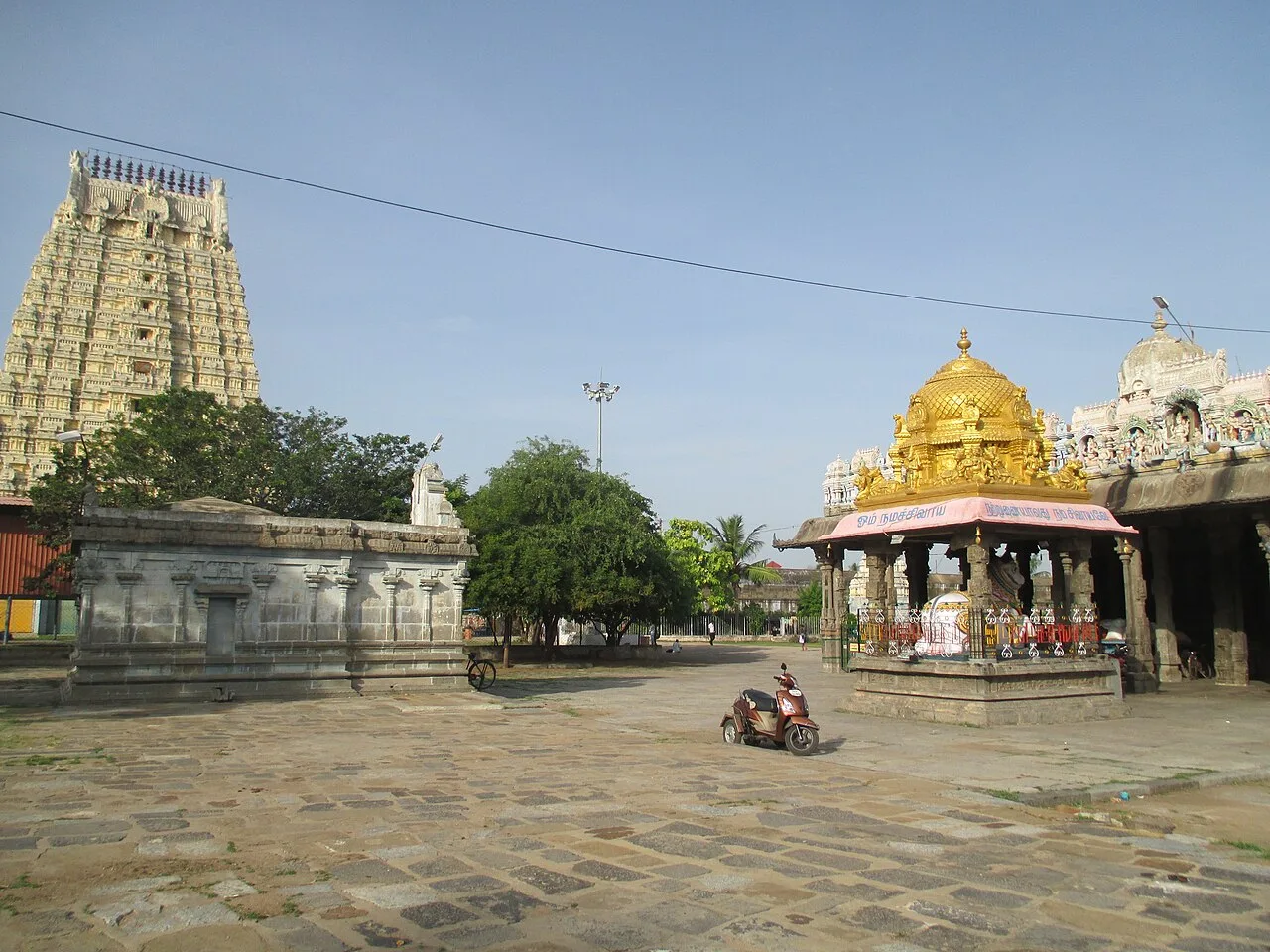
Ekambareswarar Temple, Kanchipuram
Ekambareswarar Temple is a major Shaiva shrine in Kanchipuram, associated with Shiva and the element of earth. Visitors come to see its shrines, monumental gateways and halls, and to take part in its festivals.
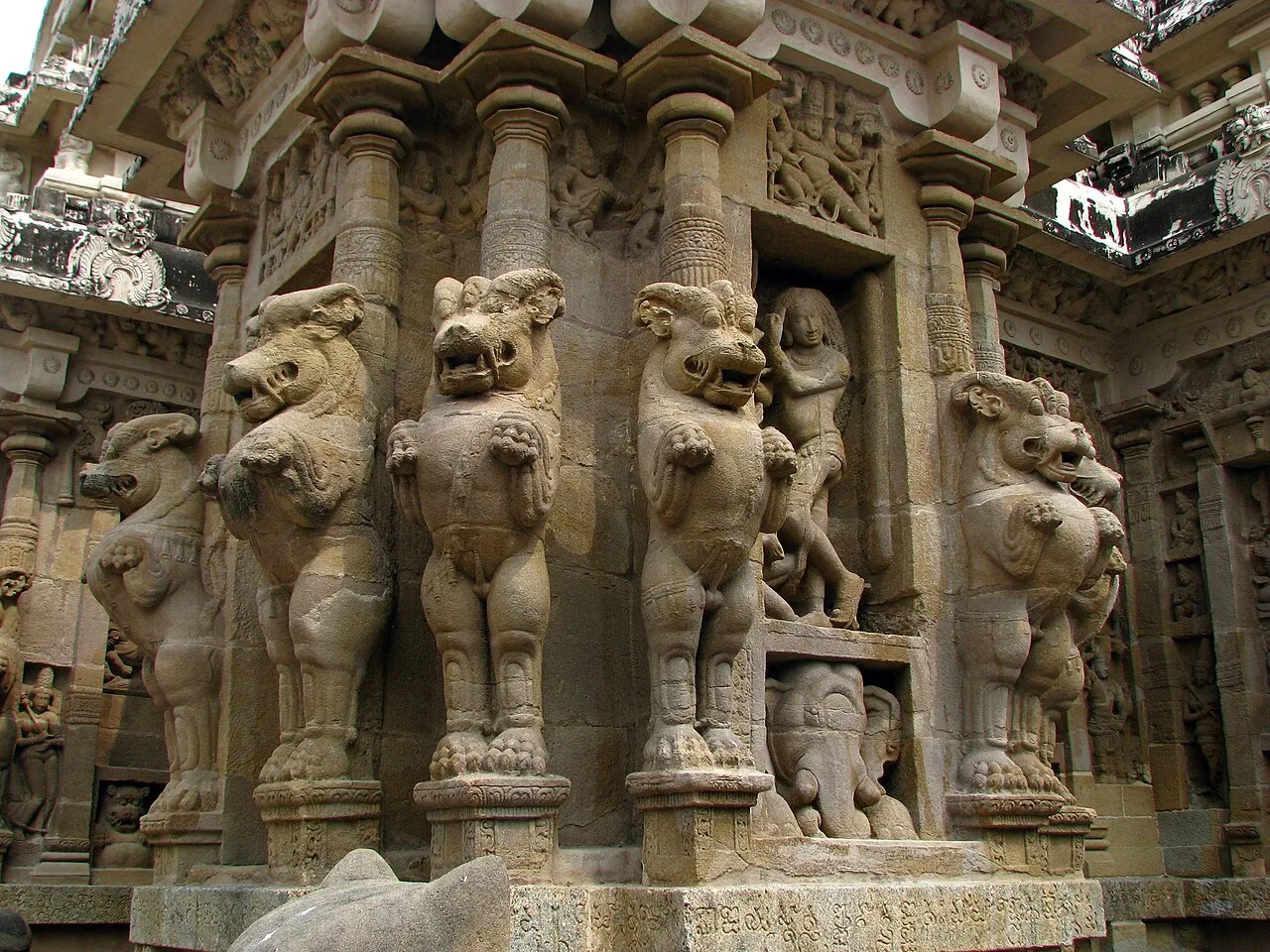
Kailasanathar Temple, Kanchipuram
A Pallava-period Shiva temple in Kanchipuram, Kailasanathar is among the city’s oldest surviving monuments. Visitors come to see its early Dravidian design, carved shrines, murals and inscriptions.
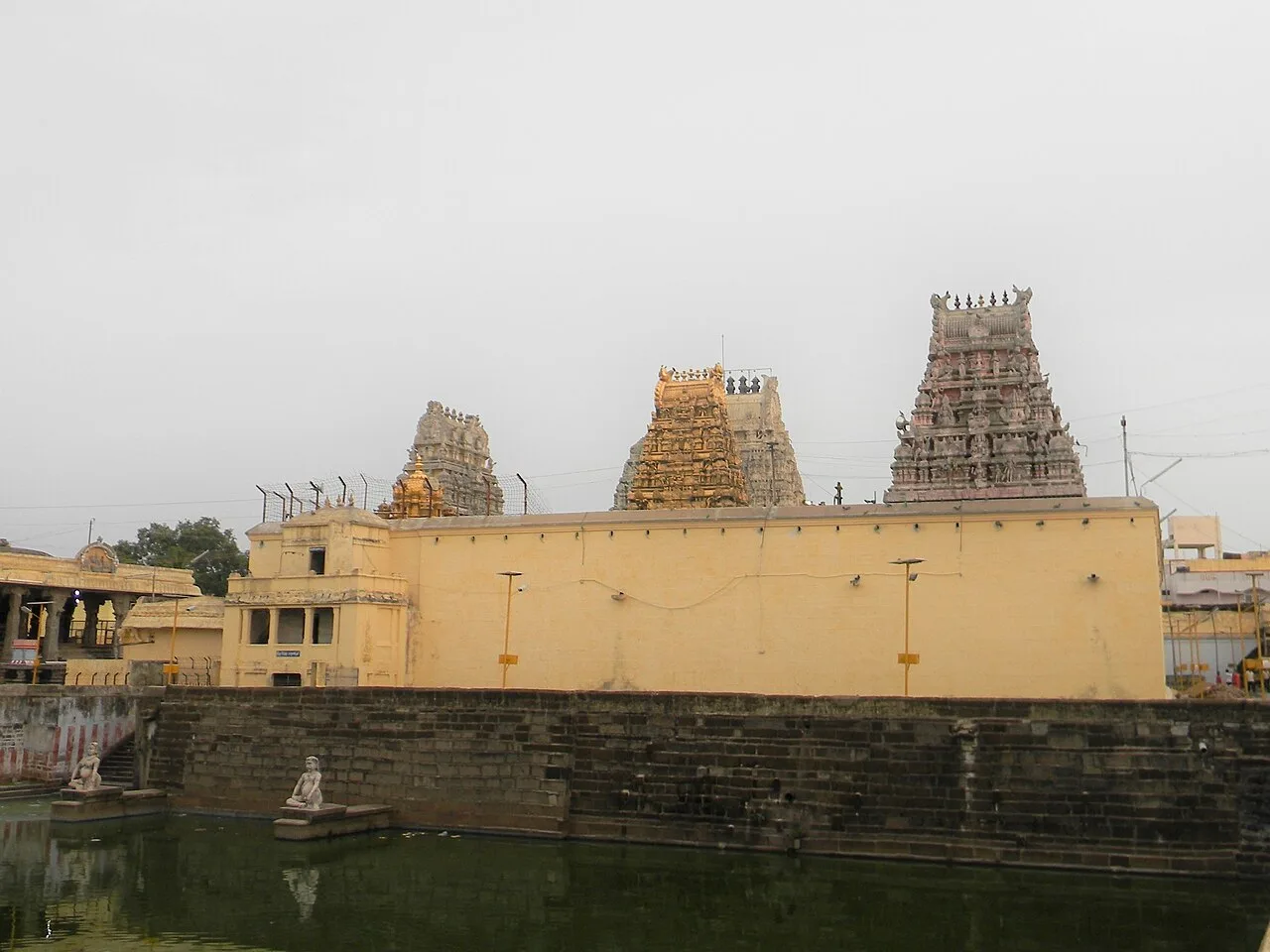
Kamakshi Amman Temple, Kanchipuram
Kamakshi Amman Temple is a Hindu place of worship in Kanchipuram, devoted to Kamakshi, and draws visitors for its importance in Shaktism and its links to Vaishnavism.
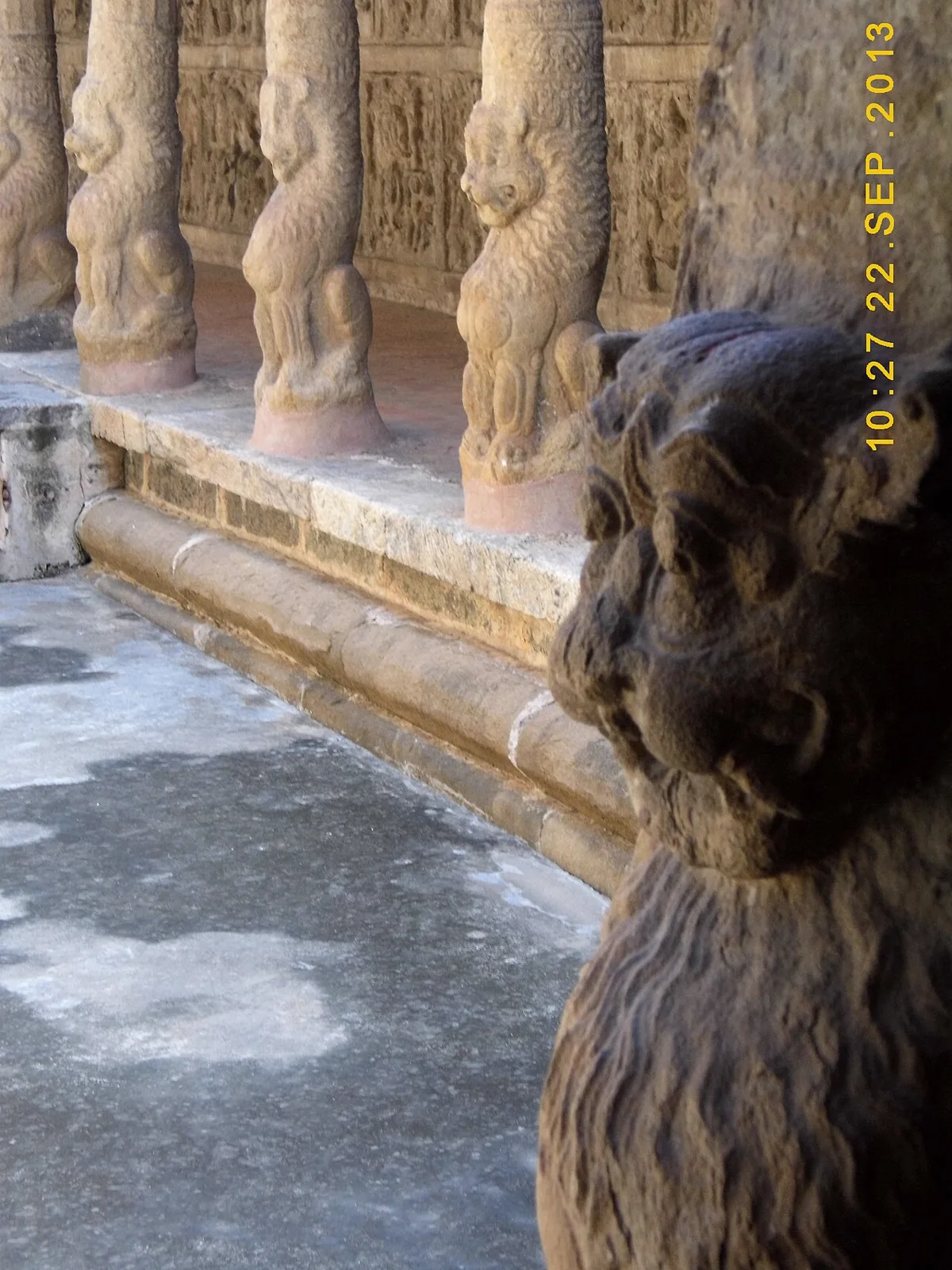
Vaikunta Perumal Temple
Vaikunta Perumal Temple is a religious site in Kancheepuram district, Tamil Nadu. Visitors come to the temple as a place of worship and sacred significance.
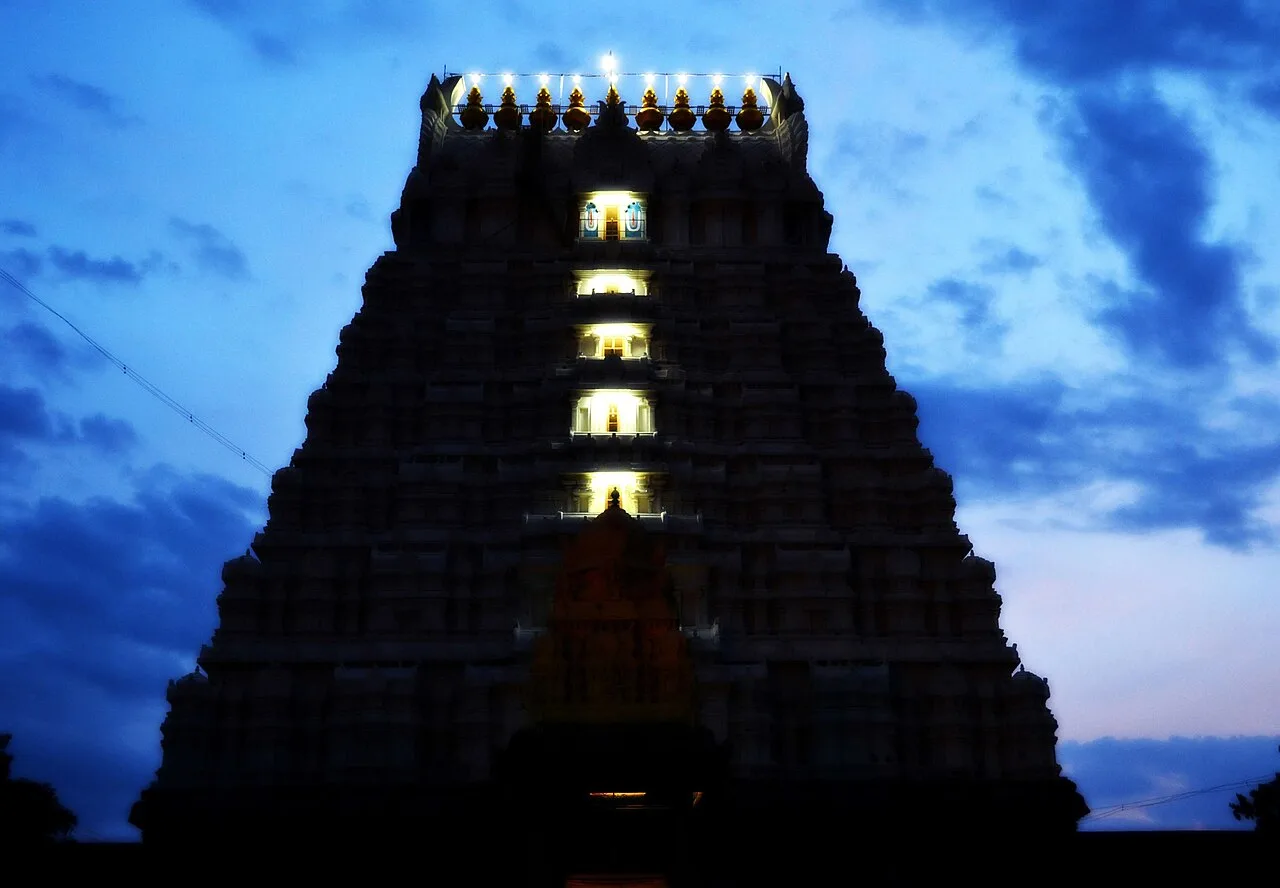
Varadharaja Perumal Temple
A major Vishnu shrine in Kanchipuram, Varadharaja Perumal Temple is revered as a Divya Desam and valued for its place in Vaishnava tradition and association with Ramanuja.
Kanchipuram is particularly associated with Kanchipuram idli, a seasoned steamed preparation commonly flavoured with pepper, cumin and ginger, with roots in temple food traditions. Preparations vary between kitchens, so ask what is available rather than expecting every eatery to serve it. Idli, dosa, vada and filter coffee are familiar breakfast choices across the wider Tamil region. Vegetarian meals typically combine rice with sambar, rasam, vegetable accompaniments and curd; banana-leaf service is a regional tradition rather than something exclusive to this district. Sweets such as adhirasam and Mysore pak may also be found. Small eateries often work with a limited daily menu.
Kanchipuram's best-known craft is silk sari weaving. Kanchipuram silk saris are recognised for their substantial silk fabric, contrasting borders and decorative zari work, with motifs often drawing on temple architecture, flowers and other traditional forms. Weaving is a living livelihood as well as an important part of the city's cultural identity. Shops and weaving establishments offer different levels of access to the making process; ask before entering workspaces or photographing artisans. When buying, clarify the fibre, zari composition, handloom status and certification rather than relying on appearance or a shop's name alone.
Temple festivals follow individual calendars, so dates vary by year. Brahmotsavams and other processions take place at major Kanchipuram temples, while celebrations such as Panguni Uthiram, Navaratri and Vaikunta Ekadasi are observed in their appropriate seasons. These occasions bring worshippers from the city and surrounding region; streets around temples can be crowded, and local accommodation may fill more quickly. Check current festival information with temple or local authorities before planning, especially if you prefer quieter visits or need a particular type of room.
Elsewhere in Tamil Nadu
The district is largely a settled, inland plain, with agricultural fields, villages, water tanks and urban areas. The Palar river basin shapes parts of the region, although river flow can be seasonal and should not be assumed to provide year-round water. There are no major hill or coastal destinations among the listed sights. Kanchipuram’s temples are clustered within the city, making short urban journeys practical, while travel beyond it passes through a mix of town roads and rural stretches. In dry or rainy periods, local conditions can affect road comfort and journey times.
Kancheepuram has a generally warm climate. Summer, roughly from March to June, can feel hot, so plan outdoor temple visits for the cooler parts of the day and carry water. The northeast monsoon, usually from October into December, can bring heavy showers and occasional disruption to local roads; rain can also occur during other periods. Winter, broadly from December to February, is usually more comfortable for walking and sightseeing. These cooler months are often the most convenient time to visit. Pack light, breathable clothing, sun protection and comfortable footwear that is easy to remove at temples; bring a compact rain layer during the monsoon season.
Chennai International Airport is the main air gateway for Kanchipuram. Kanchipuram railway station serves the city, though suitable connections depend on your starting point and current services. Road access is convenient from Chennai and other northern Tamil Nadu towns, with connections to the Chennai–Bengaluru highway corridor. State transport and other bus services link Kanchipuram with surrounding centres. Within the city, auto-rickshaws and taxis are practical for moving between temples, while some central streets can be explored on foot. Allow for traffic and time spent leaving footwear at temple entrances. Check current services locally.
Kanchipuram is the practical hub for the district’s listed sights, which are reached by local roads within the city. Auto-rickshaws and taxis are useful for moving between temples, while local buses serve the city and connect it with surrounding towns. Road services link Kanchipuram with Chennai and other northern Tamil Nadu centres; allow extra time for traffic, particularly on busy approaches and during festivals. Some central temple streets can be explored on foot, but check access locally and expect to remove footwear at temple entrances. There are no boat journeys needed for the listed destinations.
2 days: Kailasanathar Temple, Kanchipuram → Ekambareswarar Temple, Kanchipuram → Kamakshi Amman Temple, Kanchipuram → Varadharaja Perumal Temple → Vaikunta Perumal Temple. Sleep both nights in Kanchipuram. 3 days: Kailasanathar Temple, Kanchipuram → Vaikunta Perumal Temple → Ekambareswarar Temple, Kanchipuram → Kamakshi Amman Temple, Kanchipuram → Varadharaja Perumal Temple. Sleep all three nights in Kanchipuram.
Kanchipuram is the best base for both circuits, since all five listed destinations are in the city and local transport is available. The town has hotels and guesthouses across a range of styles, as well as some lodges and religious accommodation; facilities and access rules vary. Homestays may be available in the wider area, but are less useful if you want to focus on temple visits. During major temple festivals and busy pilgrimage periods, arrange a room ahead where possible. Check accessibility, meals and other needs directly with the accommodation.
Expect heat, strong sun and busy traffic, especially around central temples and festival crowds; carry drinking water and take breaks. Use safe, reliable drinking water and be cautious on wet or uneven temple surfaces. Rural roads can be narrow, and monsoon showers may affect driving conditions, so allow extra travel time and use reputable transport. Mobile connectivity is generally more dependable in town than in some outlying areas. Follow temple instructions on footwear, clothing and restricted areas, and keep valuables secure in crowds. The listed sights do not generally require protected-area permits; confirm any current access rules with official temple or district sources.
- Tiruvallurabout 38 km
- Chengalpattuabout 59 km
- Velloreabout 63 km
- Chennaiabout 64 km
- Villupuramabout 74 km
- Tiruvannamalaiabout 97 km
- Tirupati · Andhra Pradeshabout 101 km
- Puducherry · Puducherryabout 102 km
Straight-line distance between the centres of each district's destinations; road distance is longer.
All districts of Tamil Nadu
- Ariyalur
- Chengalpattu
- Chennai
- Coimbatore
- Cuddalore
- Dharmapuri
- Dindigul
- Erode
- Kallakurichi
- Kanniyakumari
- Madurai
- Mayiladuthurai
- Nagapattinam
- Namakkal
- Nilgiris
- Pudukkottai
- Ramanathapuram
- Salem
- Sivaganga
- Tenkasi
- Thanjavur
- Theni
- Thoothukudi
- Tiruchirappalli
- Tirunelveli
- Tiruvallur
- Tiruvannamalai
- Tiruvarur
- Vellore
- Villupuram
- Virudhunagar
Q: How many days should I spend in Kancheepuram? A: Two days can cover the five listed temples at a measured pace; allow a third day if you want more time for worship, architecture and local markets. Q: When is the best time to visit? A: The cooler months, broadly December to February, are generally most comfortable. Be prepared for heat in summer and rain during the monsoon. Q: What is the best base for visiting the temples? A: Kanchipuram is the most practical base because all the listed destinations are in the city. Q: How do I get to Kanchipuram? A: Chennai International Airport is the main air gateway. Kanchipuram has a railway station, and road and bus connections serve the city; check current services for your route. Q: Is Kancheepuram suitable for families or elderly travellers? A: Yes, with planning. Temple visits can involve walking, steps, crowds and removing footwear, so allow rest time and check access needs with each temple.
This page draws on our 5 destination guides for Kancheepuram and is updated as our team checks it.
Be the first to share photos, stories, advice or a helpful contact for Kancheepuram.
Loading…