
District · Tamil Nadu
Theni
Theni offers a mix of Western Ghats scenery, waterfalls, river country and agricultural towns in south-western Tamil Nadu.
Theni district lies in southern Tamil Nadu, where the Western Ghats meet the plains of the Vaigai basin. Its landscape ranges from the forested High Wavy Mountains of Meghamalai to cultivated valleys around Theni, Cumbum and Andipatti. Vaigai Dam, Suruli Falls and Kumbakkarai Falls are among its best-known natural and water-related landmarks. Agriculture shapes much of local life, with crops and produce varying across the hills and plains. The area has long connected Tamil Nadu’s interior with routes towards Kerala through the Western Ghats. Theni became a separate district in 1996, having previously been part of Madurai district; today, its character blends busy market towns, farming communities and hill country.
Theni offers a mix of Western Ghats scenery, waterfalls, river country and agricultural towns in south-western Tamil Nadu. It is a useful base for exploring the Meghamalai hills and the foothills around Periyakulam and Cumbum, while Vaigai Dam adds an accessible reservoir stop. The district is also known for its links to the Vaigai River and for farming in its fertile valleys. Travellers can combine short visits to waterfalls and the dam with longer, road-based journeys into the hills. It suits visitors interested in landscapes and local rural life, though some hill areas need more planning than the towns.
Theni lies in a region shaped by the history of the Madurai plain and the Western Ghats. In earlier centuries, the area was within the wider sphere of Pandya power; control later shifted among regional rulers, including the Vijayanagara authorities and the Madurai Nayaks. The Nayak period is associated with a network of local chiefs and fortified centres across the wider region, although the history of individual present-day towns is not always separately documented. In the eighteenth century, conflicts among regional powers and the expanding East India Company brought the area into British influence. It was subsequently administered within the Madras Presidency, with its towns connected to the surrounding agricultural and trading districts. After Indian independence, the area remained part of Madras State, later renamed Tamil Nadu, and was administered as part of Madurai district. Theni district was formed in 1996 from territory separated from Madurai district. Its modern identity reflects both its administrative links with the Madurai region and its distinct hill, river-valley and farming landscapes.
4 destination guides
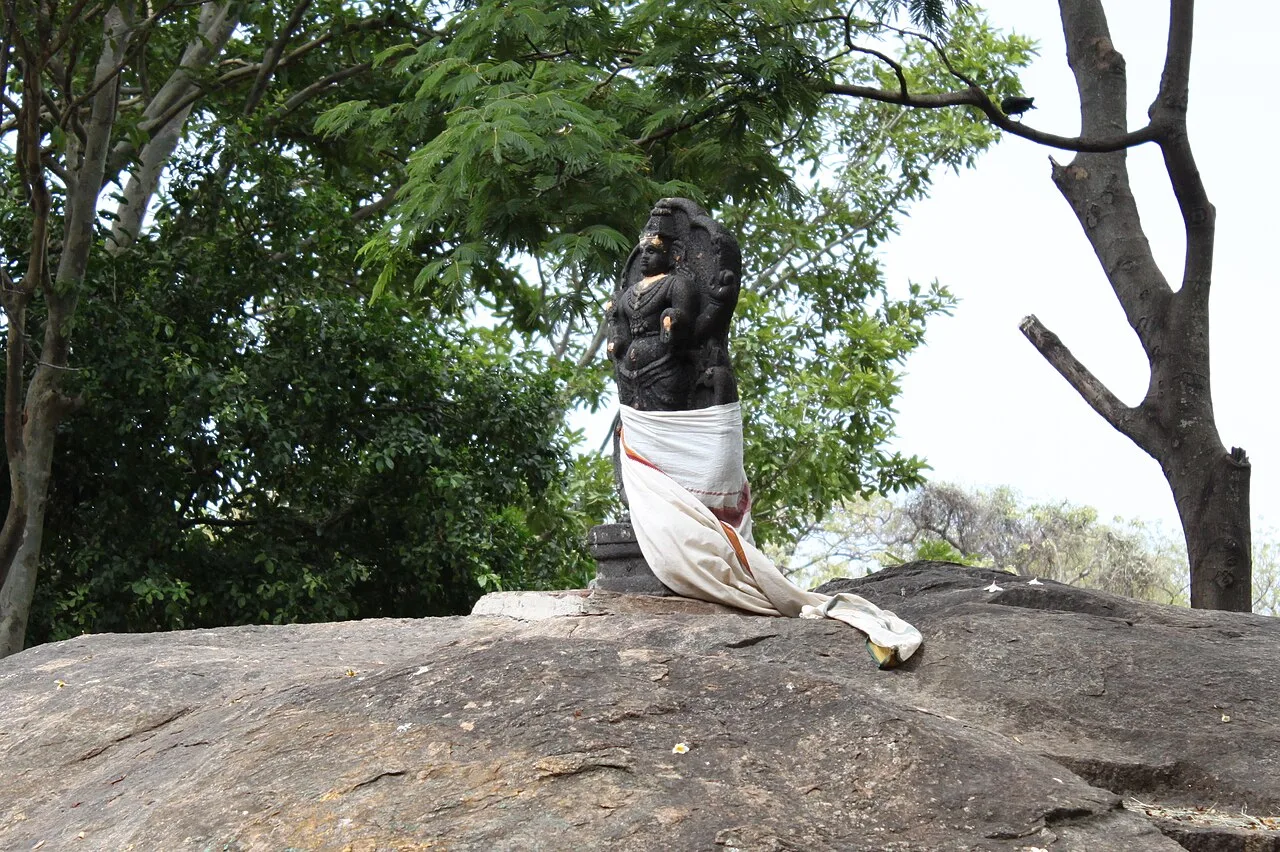
Kumbakkarai Falls
Kumbakkarai Falls is a two-stage waterfall in Theni district, below the Kodaikanal Hills. Visitors come to bathe in its pools and flowing water, travelling from nearby Periyakulam.
Meghamalai
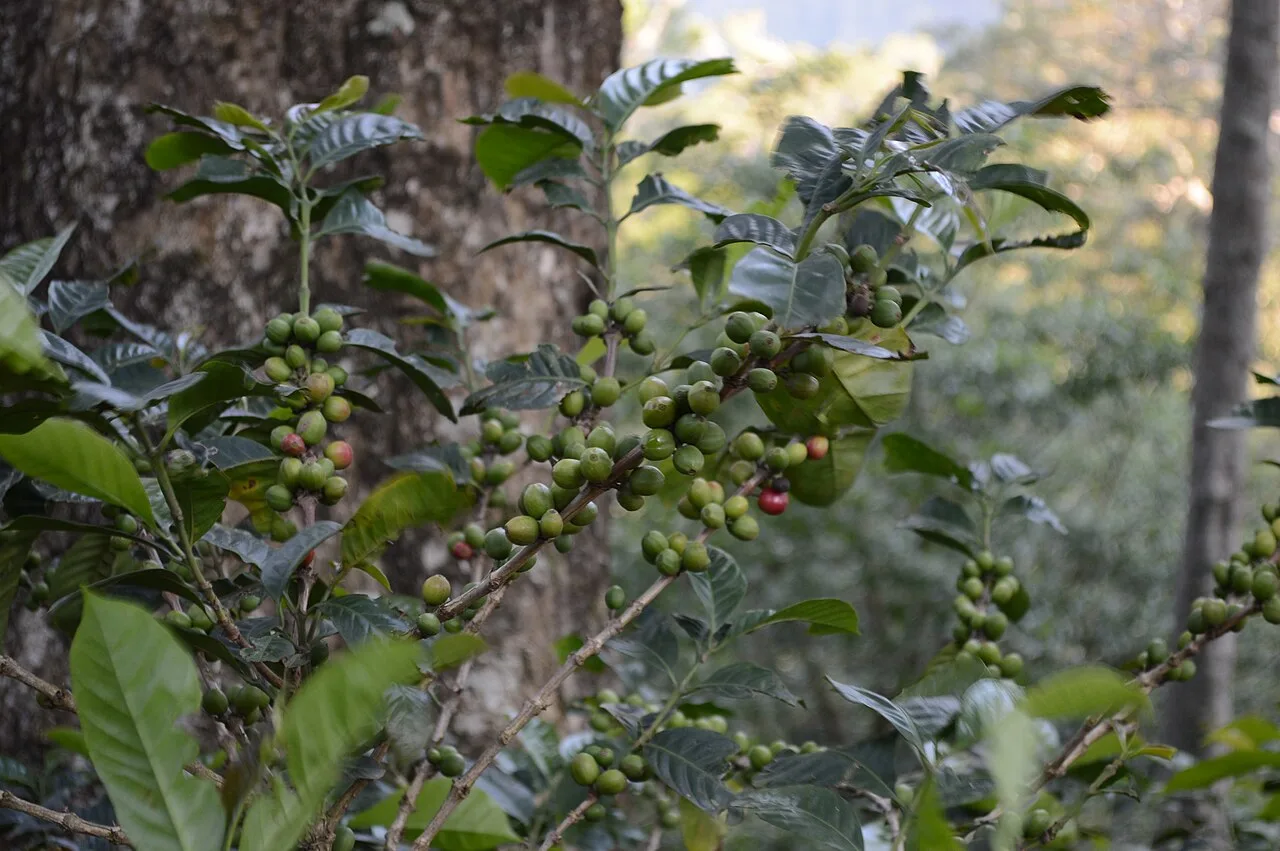
Meghamalai is a mountain range in the Western Ghats, in Tamil Nadu’s Theni district near Kumily. Visitors are drawn to its tea and cardamom plantations, high-altitude setting and surviving evergreen woodland.
Suruli Falls
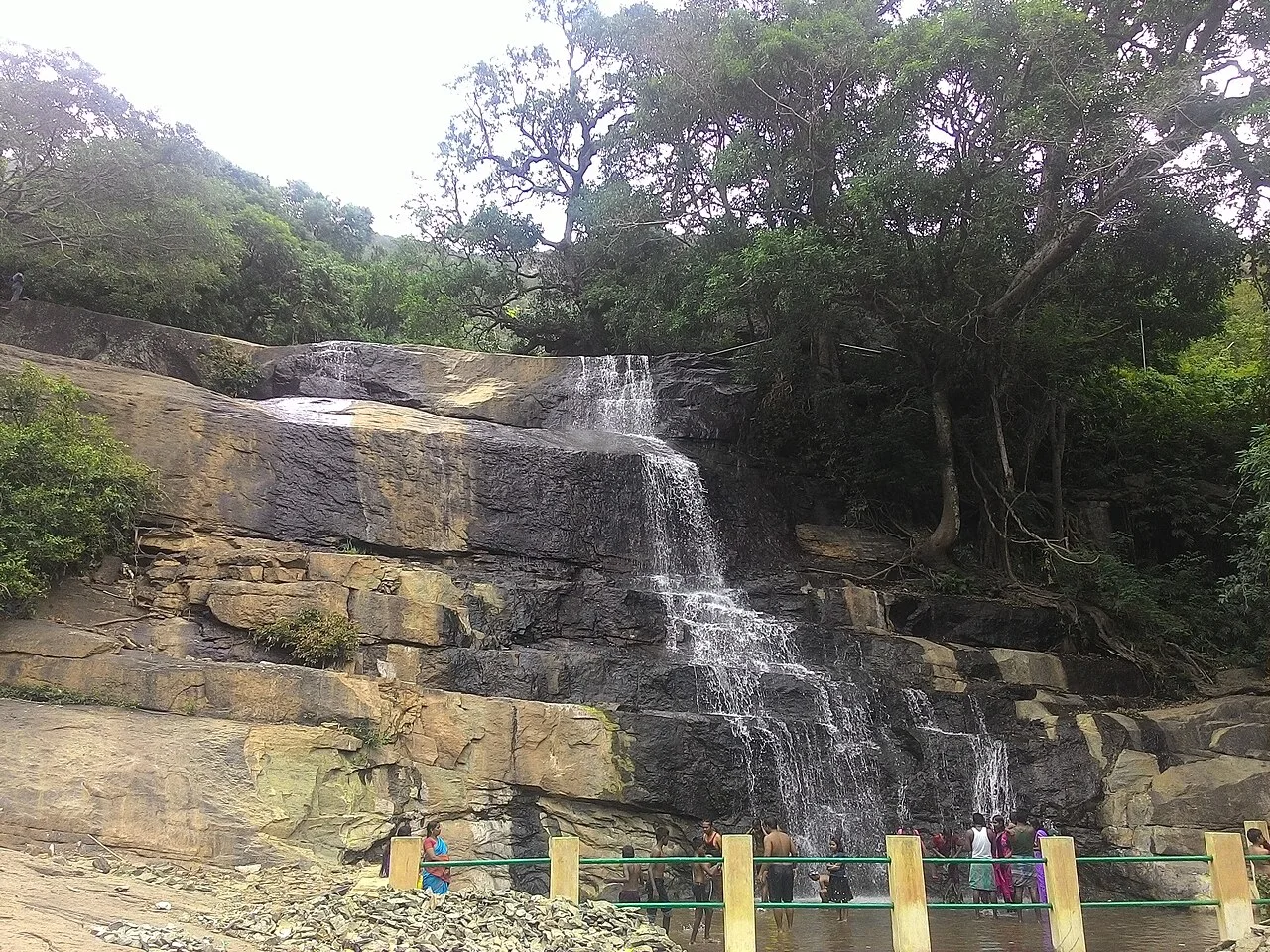
Suruli Falls is a two-stage waterfall in Tamil Nadu’s Theni district, fed by the Suruli River. Visitors come to see its successive drops and the pool between them.
Vaigai Dam
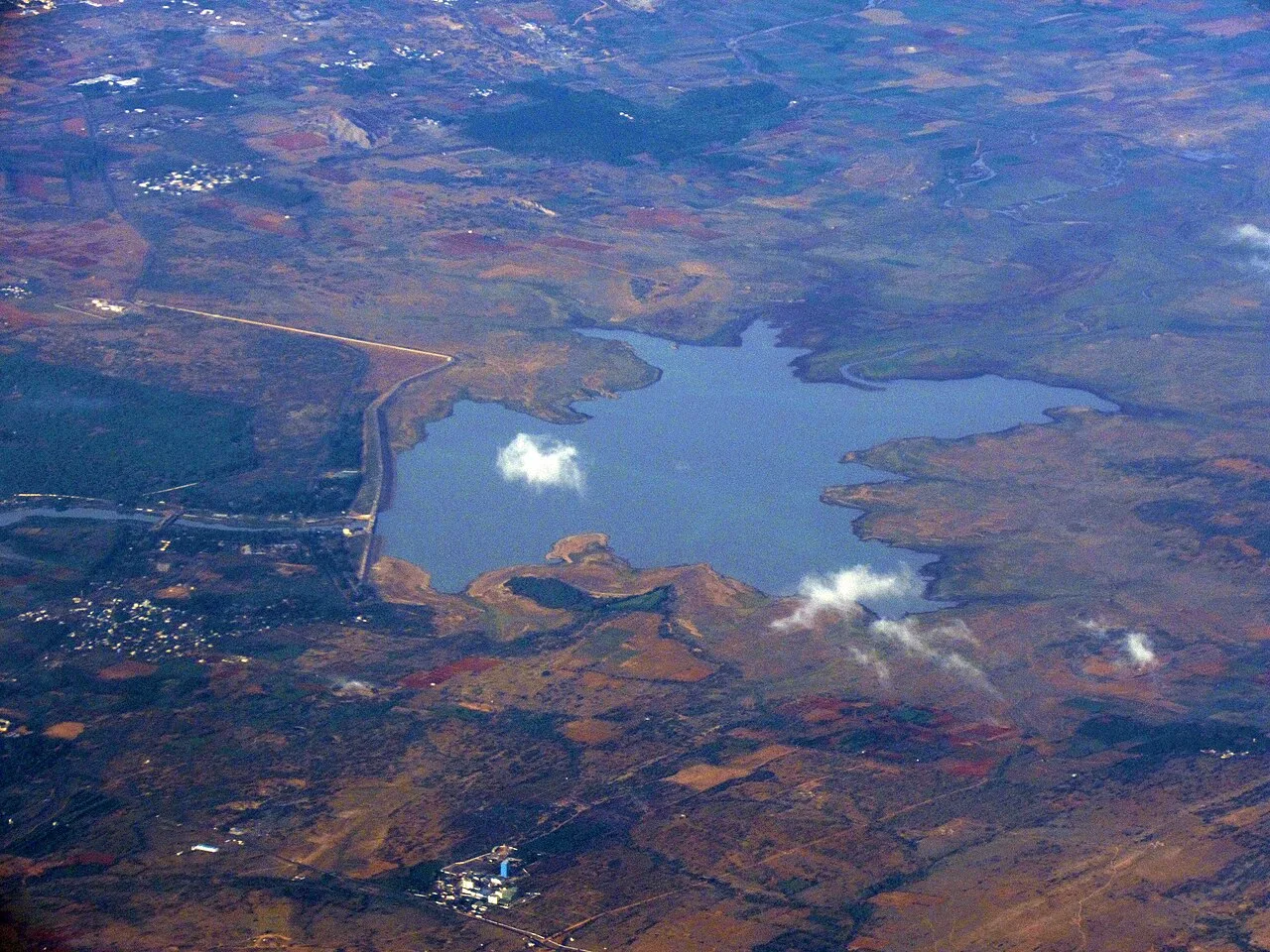
Vaigai Dam spans the Vaigai River near Andipatti in Theni district, Tamil Nadu. Visitors may be interested in the dam and the nearby government station researching the cultivation of several crops.
Everyday food in Theni follows the wider Tamil Nadu tradition: rice meals, idli, dosa, sambar, rasam and chutneys, often with filter coffee. Small eateries may serve a limited menu, so it is worth asking what has been prepared fresh. Banana-leaf vegetarian meals are common across the region, while peppery meat curries and other spiced dishes reflect southern Tamil cooking. Madurai, a neighbouring food centre, is known for kari dosa and jigarthanda; these are regional specialities rather than dishes exclusive to Theni. Seasonal produce from the district’s farms and valleys may also appear in local meals and markets.
Theni does not have a widely established signature craft that can confidently be distinguished from the traditions of the wider region. Tamil Nadu is known for handloom weaving, including cotton textiles, as well as for temple-related work such as wood carving and metal objects. These traditions vary considerably between districts, and well-known forms associated with places elsewhere in the state should not be assumed to originate in Theni. In the district’s towns, visitors may find practical textiles and handmade goods in local markets; ask sellers about their place of production if seeking locally made work.
Pongal, the Tamil harvest festival in January, is widely celebrated across the district, with family gatherings and events that may affect local travel. Tamil New Year in April and temple festivals held at different times of year bring worshippers and visitors to towns and villages; schedules vary by temple and should be checked locally. Aadi-season observances in July and August are also common in the wider region. Crowds are generally concentrated around particular temples and festival days rather than across the whole district, but accommodation in nearby towns can be busier during major celebrations.
Elsewhere in Tamil Nadu
The district rises from cultivated plains and river valleys towards the forested Western Ghats. The Vaigai and its reservoir are prominent features, while the Periyakulam and Cumbum areas sit among foothills and agricultural land. Meghamalai is a higher, forested hill region; waterfalls such as Suruli and Kumbakkarai depend on local streams and seasonal flows. There is no coastline. Towns and main roads are concentrated in the lowlands, while hill approaches can be narrow, winding and slower to travel, so visits to remote areas need more time and attention to road conditions.
Theni's lower towns can be hot in summer, while the higher Western Ghats are generally cooler and may be misty or wet. The drier, cooler months from November to February are often the most comfortable for combining town and outdoor visits, though conditions vary by elevation. Pack light clothing for the plains, a warmer layer for hill evenings, comfortable walking shoes and rain protection, especially during monsoon periods.
Madurai Airport is the most useful air gateway for Theni district. Theni town has a railway station, while Madurai is another major rail hub for onward connections. By road, Theni is linked with Madurai and other towns in southern Tamil Nadu; routes through Cumbum and Kumily connect the western side of the district with Kerala. State buses serve towns and larger villages, while taxis or hired cars are useful for reaching hill destinations and waterfalls. Local buses may be less frequent in remote areas, so plan onward travel before setting out. Check current services locally.
Theni town is a practical road hub, with bus connections to places including Periyakulam, Andipatti, Cumbum and Uthamapalayam. Local buses serve many towns and villages, while autos are useful for shorter journeys within built-up areas. Taxis or arranged vehicles offer more flexibility for combining sights, particularly where bus connections are limited. The waterfall approaches may include walking on uneven ground. Do not assume public transport will reach every trailhead or hill stop.
2 days: Day 1: Vaigai Dam; sleep in Theni. Day 2: Kumbakkarai Falls; finish in Theni. 4 days: Day 1: Vaigai Dam; sleep in Theni. Day 2: Kumbakkarai Falls; sleep in Periyakulam or Theni. Day 3: Suruli Falls; sleep in Cumbum. Day 4: Meghamalai; sleep in Cumbum or return to Theni.
Theni town is the most practical base for Vaigai Dam and for road connections across the district. Periyakulam works well for Kumbakkarai Falls, while Cumbum is convenient for Suruli Falls and journeys towards Meghamalai. Towns generally offer hotels and guesthouses; homestays may be available around hill and plantation areas, but choices are more limited outside the main towns. Do not rely on finding accommodation in a remote hill area without confirming availability in advance. Religious or government lodging may be limited and should also be checked before travel.
Waterfall rocks can be slippery, and currents or water levels may change after rain; follow local restrictions and avoid unsafe pools. The Western Ghats have wildlife, so keep a respectful distance and do not feed or approach animals. Use safe drinking water and carry essential medicines, as services and mobile connectivity can be limited in remote areas. Check road access and local conditions before travelling. Some forest areas may have access controls; confirm any permit requirements with the relevant authorities before departure.
- Dindigulabout 40 km
- Idukki · Keralaabout 44 km
- Virudhunagarabout 45 km
- Maduraiabout 72 km
- Pathanamthitta · Keralaabout 84 km
- Kottayam · Keralaabout 106 km
- Tenkasiabout 119 km
- Alappuzha · Keralaabout 128 km
Straight-line distance between the centres of each district's destinations; road distance is longer.
All districts of Tamil Nadu
- Ariyalur
- Chengalpattu
- Chennai
- Coimbatore
- Cuddalore
- Dharmapuri
- Dindigul
- Erode
- Kallakurichi
- Kancheepuram
- Kanniyakumari
- Madurai
- Mayiladuthurai
- Nagapattinam
- Namakkal
- Nilgiris
- Pudukkottai
- Ramanathapuram
- Salem
- Sivaganga
- Tenkasi
- Thanjavur
- Thoothukudi
- Tiruchirappalli
- Tirunelveli
- Tiruvallur
- Tiruvannamalai
- Tiruvarur
- Vellore
- Villupuram
- Virudhunagar
Q: How many days should I spend in Theni? A: Two days can cover a couple of accessible sights; allow three or four days if you want to include the hill areas and travel at a less hurried pace. Q: When is the best time to visit? A: November to February is often comfortable for visiting both the towns and hills, though monsoon conditions can change road and waterfall access. Q: What is the best base for exploring? A: Theni town is a convenient general base; Periyakulam and Cumbum are useful for sights in their respective areas. Q: How do I get to Theni and travel around? A: Reach the district by road from other parts of Tamil Nadu, then use buses between towns and taxis or arranged vehicles for less-served sights. Check current connections before travel. Q: Is Theni suitable for families or elderly travellers? A: Choose stops to match mobility needs.
This page draws on our 4 destination guides for Theni and is updated as our team checks it.
Be the first to share photos, stories, advice or a helpful contact for Theni.
Loading…