
District · Kerala
Pathanamthitta
Pathanamthitta offers a view of Kerala that moves from river-fed villages and temple towns to the forested uplands of the Western Ghats.
Pathanamthitta stretches from river valleys and cultivated lowlands into the forested hills of Kerala’s Western Ghats. The Pamba River is central to its landscape and religious life, linking settlements, temples and pilgrimage routes. Sabarimala, in the eastern hills, gives the district a major place in Kerala’s pilgrimage geography, while Aranmula Parthasarathy Temple anchors an older riverside culture of worship and ceremonial boat traditions. Gavi offers a contrasting experience of wooded uplands and organised nature tourism. The district’s character combines busy market towns, village life and seasonally intense pilgrimage activity. Its heritage is best understood through living religious institutions, river festivals and skilled craftsmanship rather than through monuments alone.
Pathanamthitta offers a view of Kerala that moves from river-fed villages and temple towns to the forested uplands of the Western Ghats. The Pamba River shapes both settlement and pilgrimage, while Sabarimala draws large seasonal crowds to the eastern hills. Aranmula is known for its riverside temple and ceremonial boat traditions; Gavi offers organised nature tourism in a forest setting. The district is best suited to travellers interested in pilgrimage, living religious traditions, rural landscapes and carefully planned hill visits. It has no coastline, and journeys between its lowlands and highland destinations can take time.
The area now called Pathanamthitta was historically a landscape of villages, river routes and small principalities rather than a single continuous urban centre. Pandalam was an important local kingdom, and its history is closely associated with the Sabarimala tradition. Over time, the territory came under the influence of Travancore; during the colonial period Travancore remained a princely state under British paramountcy. The region's religious institutions and agricultural settlements continued to shape local life through these political changes. After Indian independence, Travancore joined the Indian Union and later became part of Kerala when the state was formed in 1956. Pathanamthitta district was created on 1 November 1982 from areas that had belonged to Kollam, Alappuzha and Idukki districts. Its present identity therefore reflects both older local centres, including Pandalam and Aranmula, and a relatively recent district boundary. The Pamba basin and pilgrimage routes remain important threads in its history and contemporary life.
4 destination guides
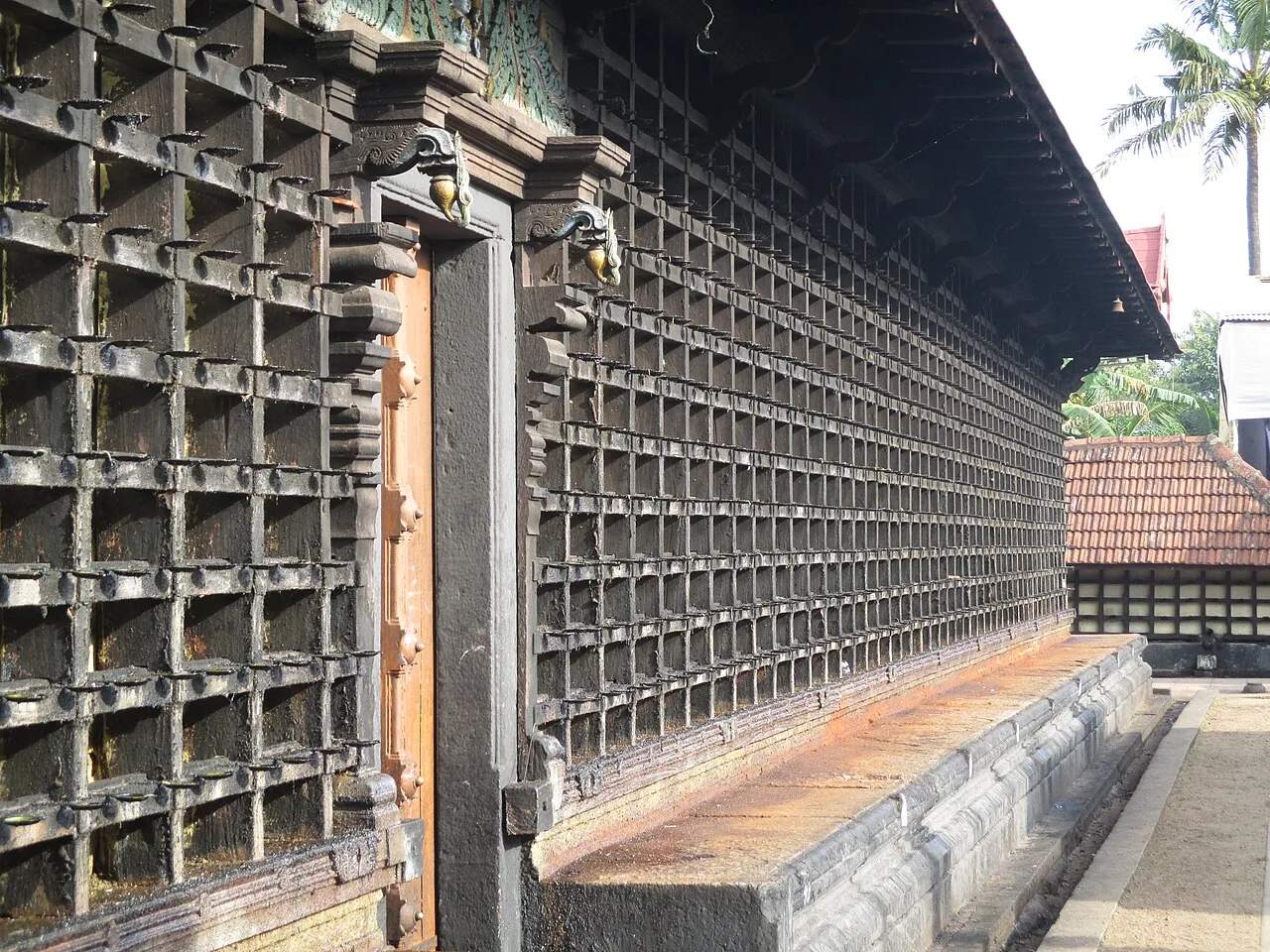
Aranmula Parthasarathy Temple
A Hindu shrine in Aranmula, Kerala, the temple honours Krishna as Parthasarathy and is visited for its Mahabharata associations, Ayyappan-related processions and annual Onam boat race.
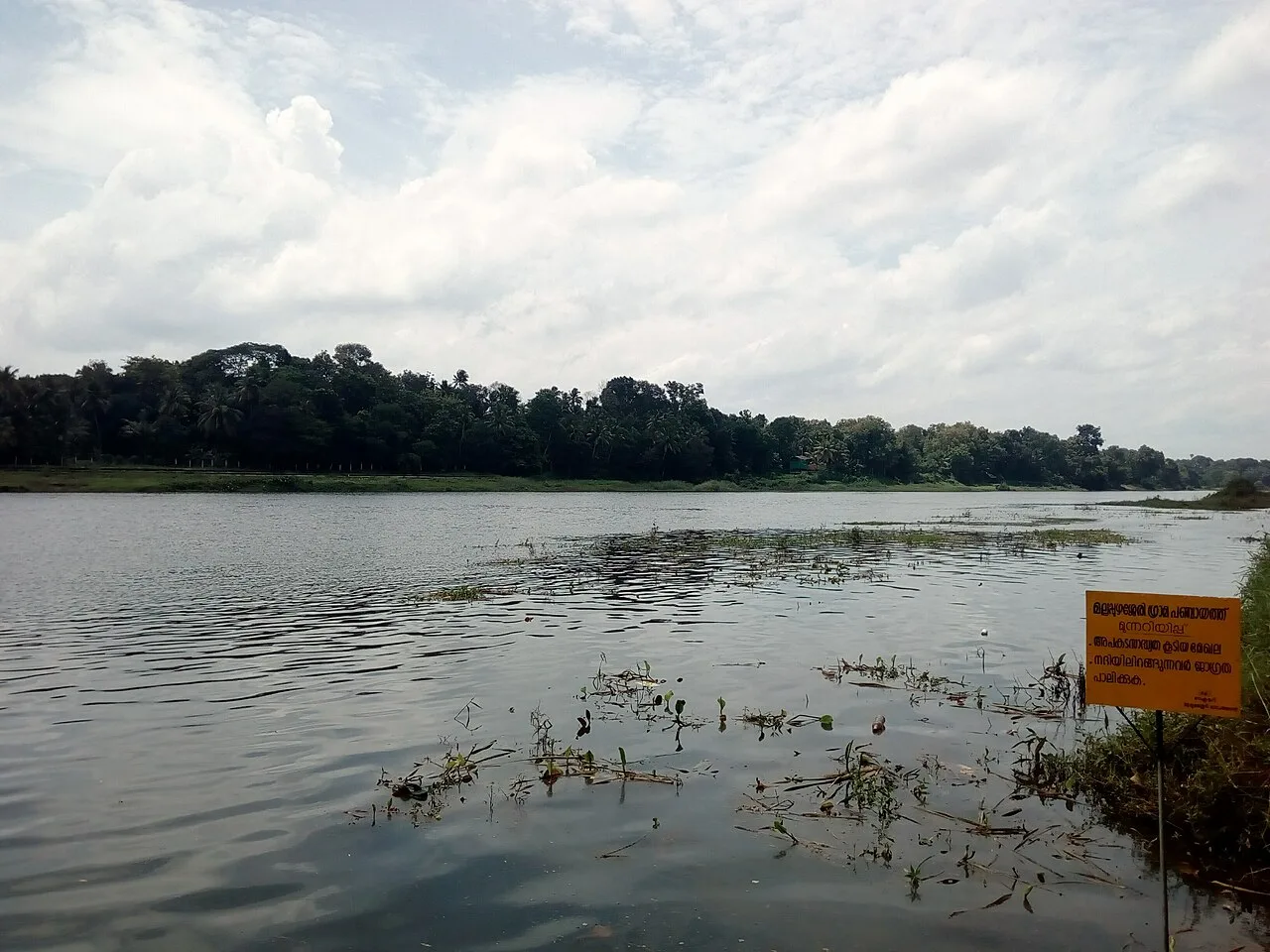
Aranmula Village
Aranmula, a village in Kerala’s Pathanamthitta district, is recognised as a temple town and attracts visitors for its religious character.
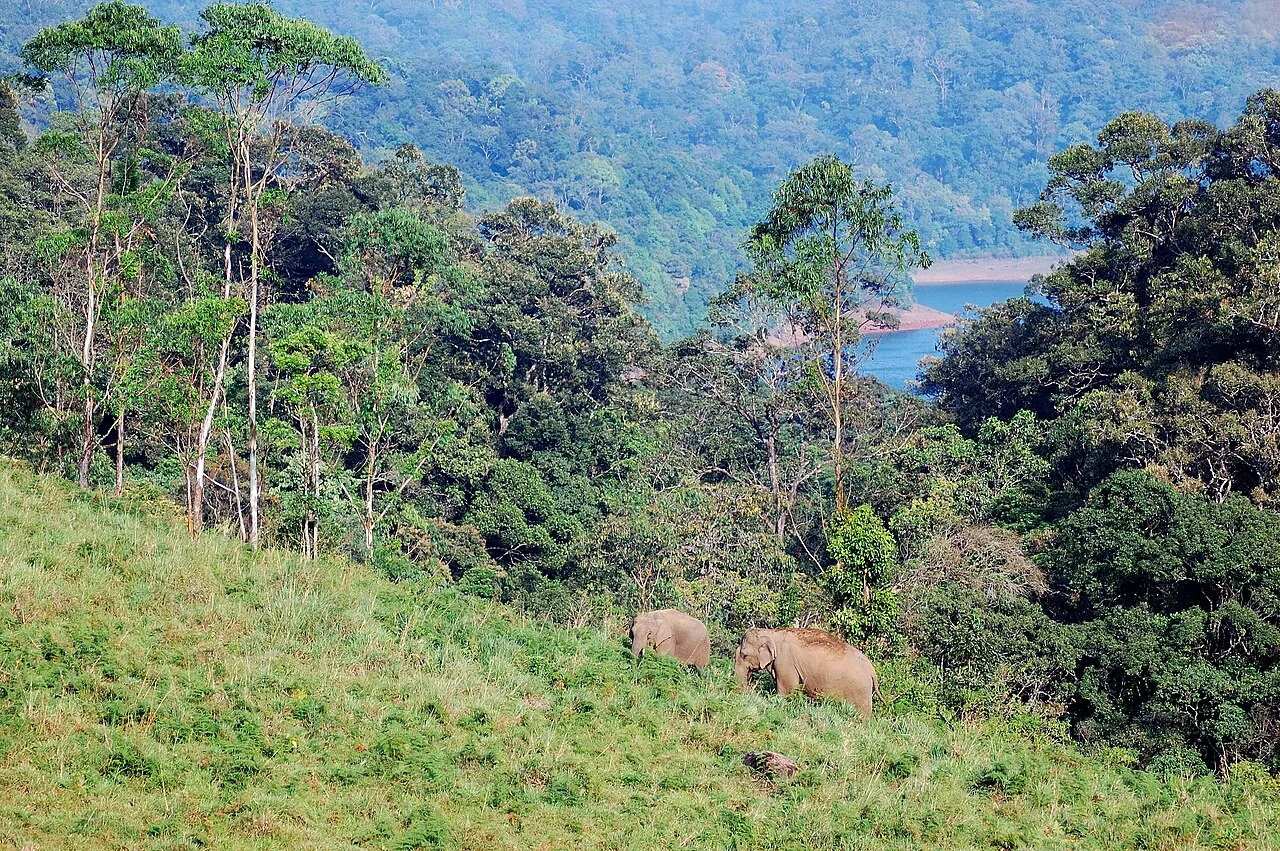
Gavi Eco-Tourism
Gavi Eco-Tourism is a village in Kerala’s Pathanamthitta district, associated with Thiruvalla. Visitors come for its eco-tourism setting, and interest grew after the Malayalam film Ordinary was made there.
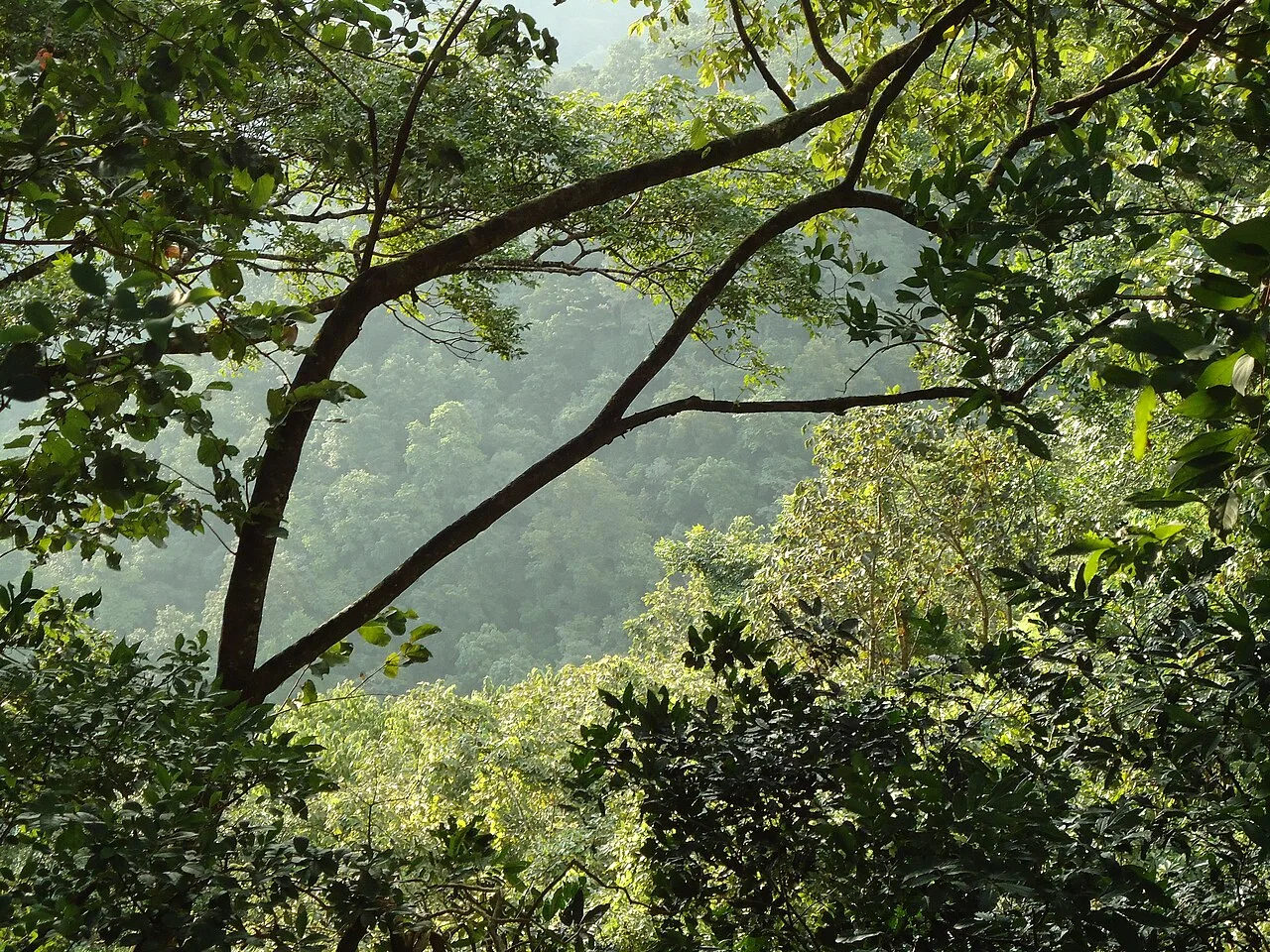
Sabarimala
Sabarimala is a hill in Pathanamthitta district, Kerala, visited for its Sree Dharmasastha and Malikappuram temples and its association with the Sabari story.
Food in Pathanamthitta shares the broader traditions of central and southern Kerala. Appam with stew, puttu with kadala curry and idiyappam are familiar breakfast choices, while rice meals commonly include vegetable preparations, coconut-based accompaniments and fish curry where available. The vegetarian sadya, served on a banana leaf, is important at celebrations and temple-linked occasions; Aranmula is particularly associated with the ceremonial valla sadya connected with its boat traditions. Payasam and banana chips are familiar treats. Small eateries may offer only a limited daily menu, so ask what is freshly prepared and mention any dietary restrictions.
Aranmula is renowned for the Aranmula kannadi, a handcrafted metal mirror with a polished reflective surface rather than the silvered glass used in ordinary mirrors. This geographically indicated craft is maintained by specialist artisan families and is closely associated with Kerala’s ceremonial and domestic traditions. Buying directly from established makers helps visitors understand its workmanship and care requirements. Aranmula’s ceremonial palliyodam boats also reflect skilled wooden boatbuilding and decorative traditions. Mural painting and handloom textiles belong to Kerala’s wider artistic heritage, rather than being exclusive to Pathanamthitta.
The Sabarimala pilgrimage season, especially the Mandala-Makaravilakku period from roughly November to January, brings very large crowds and can make accommodation and road travel busy. Aranmula's Uthrattathi boat race is held during the Onam season, usually in August or September, and draws visitors to the Pamba. Onam is celebrated across the district, with local cultural and religious events. Temple festivals also take place at different times of year. During major pilgrimage and festival periods, reserve accommodation early and expect congestion around relevant routes and towns.
Elsewhere in Kerala
Pathanamthitta rises from settled river valleys and cultivated lowlands in the west towards the wooded hills of the Western Ghats in the east. The Pamba is the district's defining river, flowing past communities and pilgrimage sites. Forested uplands around Gavi create a markedly different setting from the market towns and villages. The district has no coast. Roads follow valleys and hills, so travel to forest and pilgrimage destinations can be slower and more dependent on weather and access arrangements than journeys between the main towns.
The district is warm and humid for much of the year. Summer, broadly from March to May, can feel hot, especially in lowland towns. The southwest monsoon usually brings sustained rain from around June into September, with wet roads and possible travel disruption; rainy conditions may continue during the later monsoon. The cooler, relatively drier months from November to February are often the most comfortable for temple visits and town-based travel, though pilgrimage crowds peak in this period. Pack light clothing, sun protection and a reusable water bottle; bring rainwear in the monsoon and a light layer for evenings in the hills. Check local conditions before forest journeys.
Airport choice depends on your destination within the district; Thiruvananthapuram International Airport and Cochin International Airport are useful gateways. Chengannur is a practical railhead for Aranmula and onward pilgrimage travel, while Thiruvalla railway station serves the district’s western side. Roads connect Pathanamthitta town with neighbouring centres including Chengannur, Thiruvalla, Kottayam and Kollam. Buses, taxis and autorickshaws cover town and village journeys, though hill destinations need more planning. Sabarimala access involves regulated onward travel and walking, while Gavi visits may require advance arrangements and forest permissions. Check current services locally.
Pathanamthitta town, Thiruvalla, Chengannur and Ranni are linked by roads and local bus services, with buses also serving many villages. Autos are useful for short journeys, while taxis or arranged vehicles are more practical for reaching Gavi and other hill areas. Shared jeeps may operate on some local routes, but availability varies. Sabarimala access follows regulated onward travel arrangements, which can change during the pilgrimage season. Boats are not a general means of transport between the district's listed sights. Check current road access and local services before setting out, particularly for forest and hill journeys.
2 days: Aranmula Parthasarathy Temple, then Sabarimala; sleep in Chengannur after the first day. 3 days: Gavi Eco-Tourism, then Sabarimala; spend the first night in pre-arranged accommodation at or near Gavi and the second in Ranni or Pathanamthitta town. 4 days: Aranmula Parthasarathy Temple, then Gavi Eco-Tourism, then Sabarimala; sleep in Chengannur, in pre-arranged accommodation at or near Gavi, and in Ranni or Pathanamthitta town, respectively. Confirm forest access and road conditions before travel.
Chengannur is a practical base for Aranmula and rail connections; Thiruvalla and Pathanamthitta town offer more services for western and central district visits. Ranni can suit travellers heading towards Sabarimala or the eastern hills. Accommodation generally includes hotels and homestays, while pilgrimage areas may have basic religious or community lodging subject to availability and rules. Gavi has limited, organised stay options, so arrange these in advance through official channels rather than assuming rooms will be available. During peak pilgrimage and festival periods, book early.
Follow current instructions for Sabarimala crowd management and use authorised routes. Gavi visits require advance arrangements; confirm current entry rules, bookings and any forest permissions with official sources before travelling. Wildlife is present in forest areas: keep a safe distance, follow guides' instructions and do not feed animals. Drink safe water and carry essentials where shops and mobile connectivity are limited. Allow extra travel time, check local weather and road updates, and avoid relying on continuous phone coverage in the hills.
- Kottayamabout 51 km
- Kollamabout 55 km
- Alappuzhaabout 56 km
- Tenkasi · Tamil Naduabout 79 km
- Idukkiabout 83 km
- Virudhunagar · Tamil Naduabout 83 km
- Theni · Tamil Naduabout 84 km
- Ernakulamabout 95 km
Straight-line distance between the centres of each district's destinations; road distance is longer.
Q: How many days should I spend in Pathanamthitta? A: Two days can cover a focused visit; allow three or four days to combine pilgrimage sites with Gavi and account for slower hill travel. Q: When is the best time to visit? A: November to February is generally more comfortable, though Sabarimala pilgrimage crowds are strongest during the main season. Monsoon travel can be wet and less predictable. Q: Where is the best base? A: Chengannur suits Aranmula, while Pathanamthitta town or Ranni can work for central and eastern journeys. Gavi stays need advance arrangements. Q: How do I get to the district? A: Thiruvananthapuram and Cochin airports are possible gateways; Chengannur and Thiruvalla are useful rail stations. Continue by road using buses, taxis or autos. Q: Is Pathanamthitta suitable for families or elderly travellers? A: Towns and Aranmula can suit many visitors, but Sabarimala involves regulated pilgrimage travel and walking, while Gavi requires longer hill journeys. Check access and mobility needs in advance.
This page draws on our 4 destination guides for Pathanamthitta and is updated as our team checks it.
Be the first to share photos, stories, advice or a helpful contact for Pathanamthitta.
Loading…