
District · Kerala
Ernakulam
Ernakulam is a varied gateway to central Kerala, bringing together Kochi’s port-city heritage, island communities and a green inland hinterland.
Ernakulam brings together Kochi’s coastal urban landscape, island settlements, beaches and greener inland country. Fort Kochi and Mattancherry reflect the port’s long history of maritime trade and cultural exchange, with St. Francis Church and the Paradesi Synagogue among its important heritage landmarks. At Tripunithura, Hill Palace preserves another strand of the region’s history through its palace setting and archaeological museum. Nature is never far from the city: Mangalavanam is a small, ecologically sensitive urban refuge, while Cherai Beach lies on northern Vypin Island. Farther inland, Thattekad Bird Sanctuary and Bhoothathankettu offer a contrasting landscape of woodland and water. The district rewards both neighbourhood exploration and quieter nature-focused excursions.
Ernakulam is a varied gateway to central Kerala, bringing together Kochi’s port-city heritage, island communities and a green inland hinterland. Fort Kochi and Mattancherry are known for their layers of maritime trade and cultural exchange, visible in landmarks such as St. Francis Church, the Paradesi Synagogue and Mattancherry Palace. The district also offers urban waterfronts, including Marine Drive, and quieter coastal outings at Cherai Beach. Inland, Thattekad Bird Sanctuary and Bhoothathankettu introduce woodland and river scenery. This mix makes Ernakulam suited to travellers who want to combine historic neighbourhoods, city life and nature excursions without treating them as separate journeys.
Kochi developed as a port connected to Indian Ocean trade, drawing merchants and communities from across the region and overseas. The kingdom of Cochin took shape in the medieval period, with its rulers based at different times around the region, including Tripunithura. Portuguese forces established a presence in Kochi in the early sixteenth century; St. Francis Church dates to 1503. The Dutch took control of Kochi in the seventeenth century, followed by British influence and rule. Fort Kochi and Mattancherry preserve evidence of these exchanges, alongside the history of local Hindu, Christian, Jewish and Muslim communities. Mattancherry Palace, associated with the rulers of Cochin and later renovated under Dutch rule, contains murals and royal portraits. Kochi became part of the princely state of Travancore-Cochin after independence, before that state joined the Indian Union. Ernakulam district was formed in 1958 in the newly reorganised state of Kerala. Its later growth as a centre for commerce, transport and industry has made the district a meeting point of historic settlements and modern urban development.
16 destination guides · 15 on the map
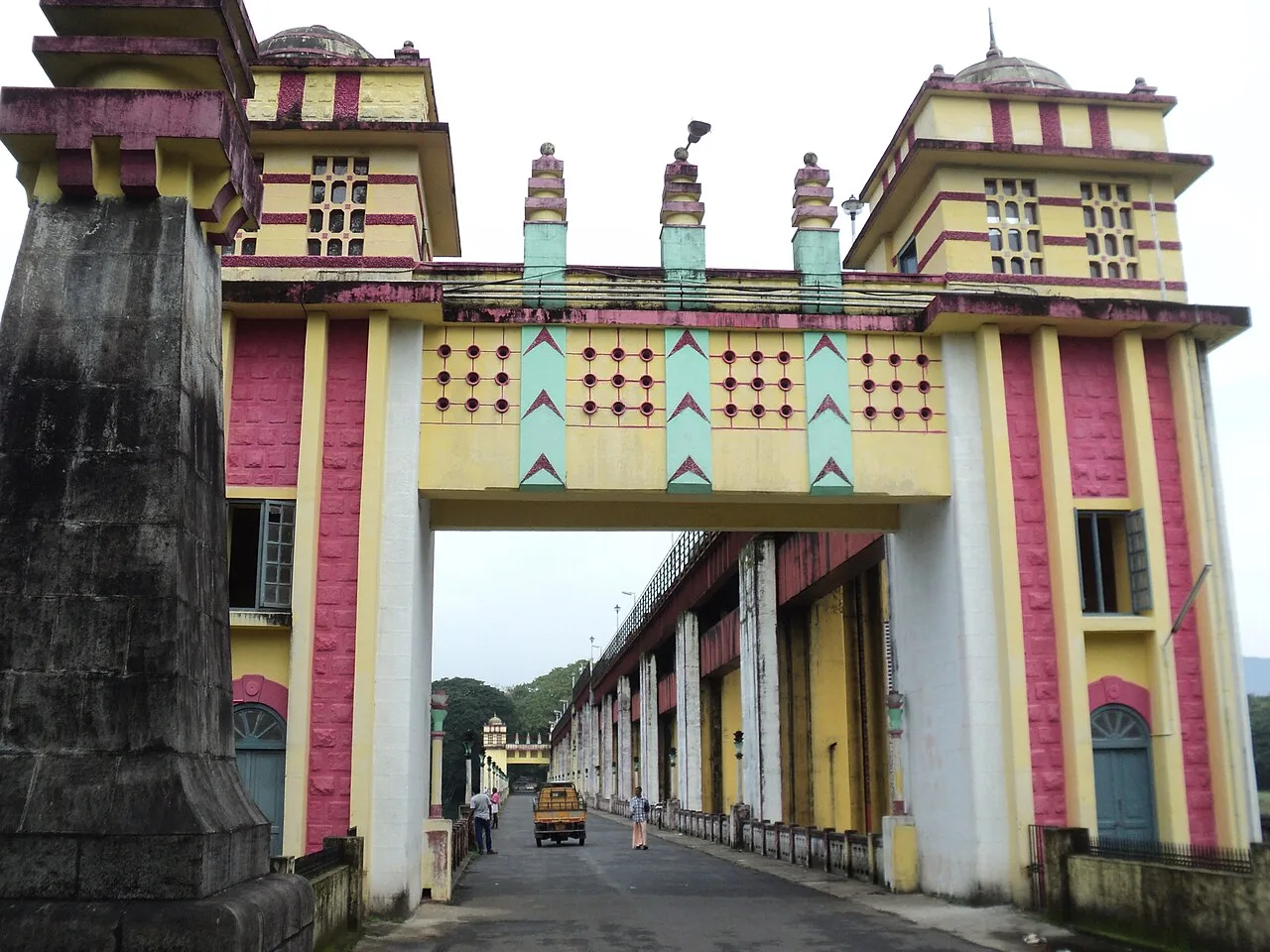
Bhoothathankettu
Bhoothathankettu is a dam and visitor attraction in Ernakulam district, Kerala; people come to see its river barrier and learn the legend behind its name.
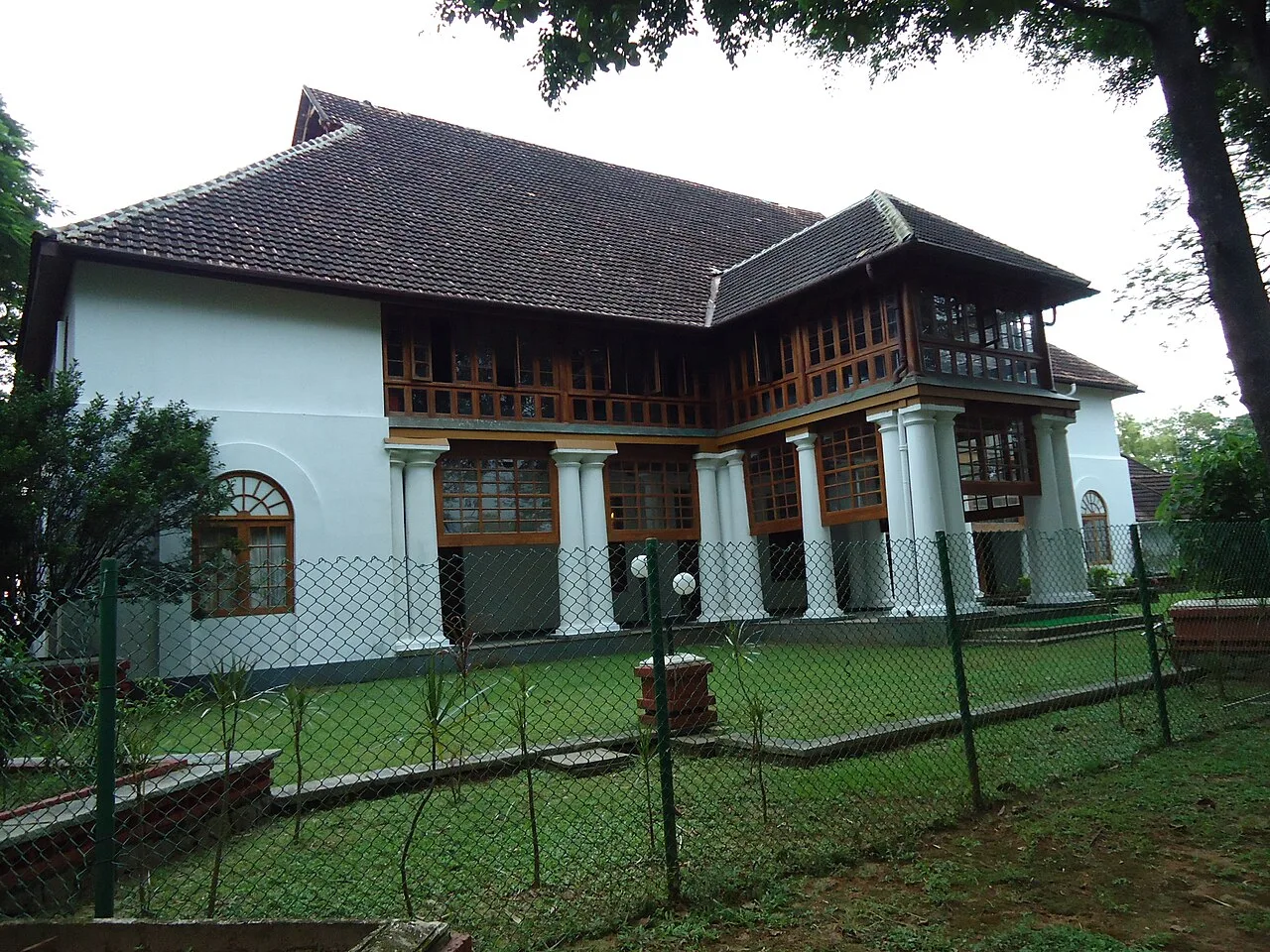
Bolgatty Palace
On Bolgatty Island in Kochi, Kerala, Bolgatty Palace is a Dutch-built historic palace that now operates as a heritage hotel and resort, attracting visitors interested in its history and setting.
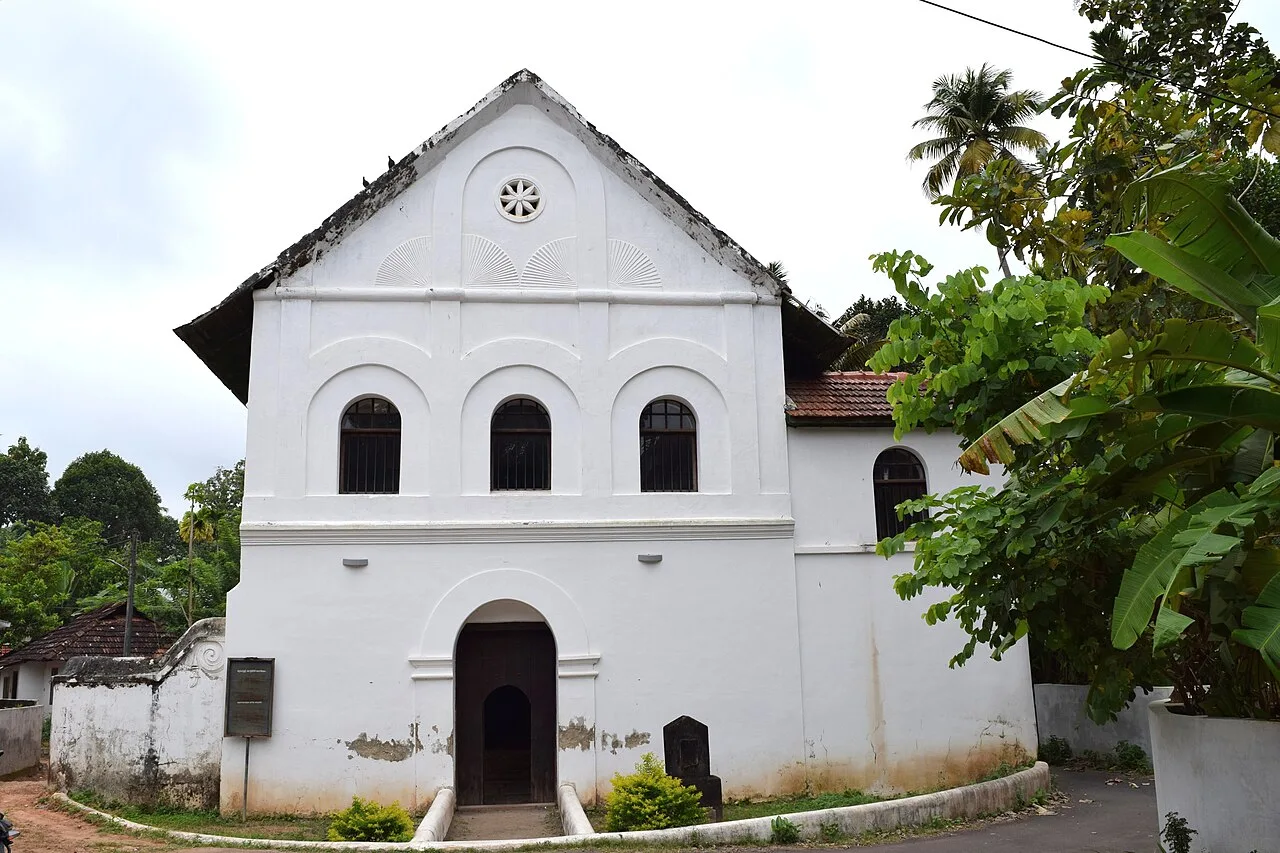
Chendamangalam
Chendamangalam, also known as Chennamangalam, is a village and small town in Kerala. It lies in Paravur Taluk, Ernakulam district, and visitors can explore this locality.
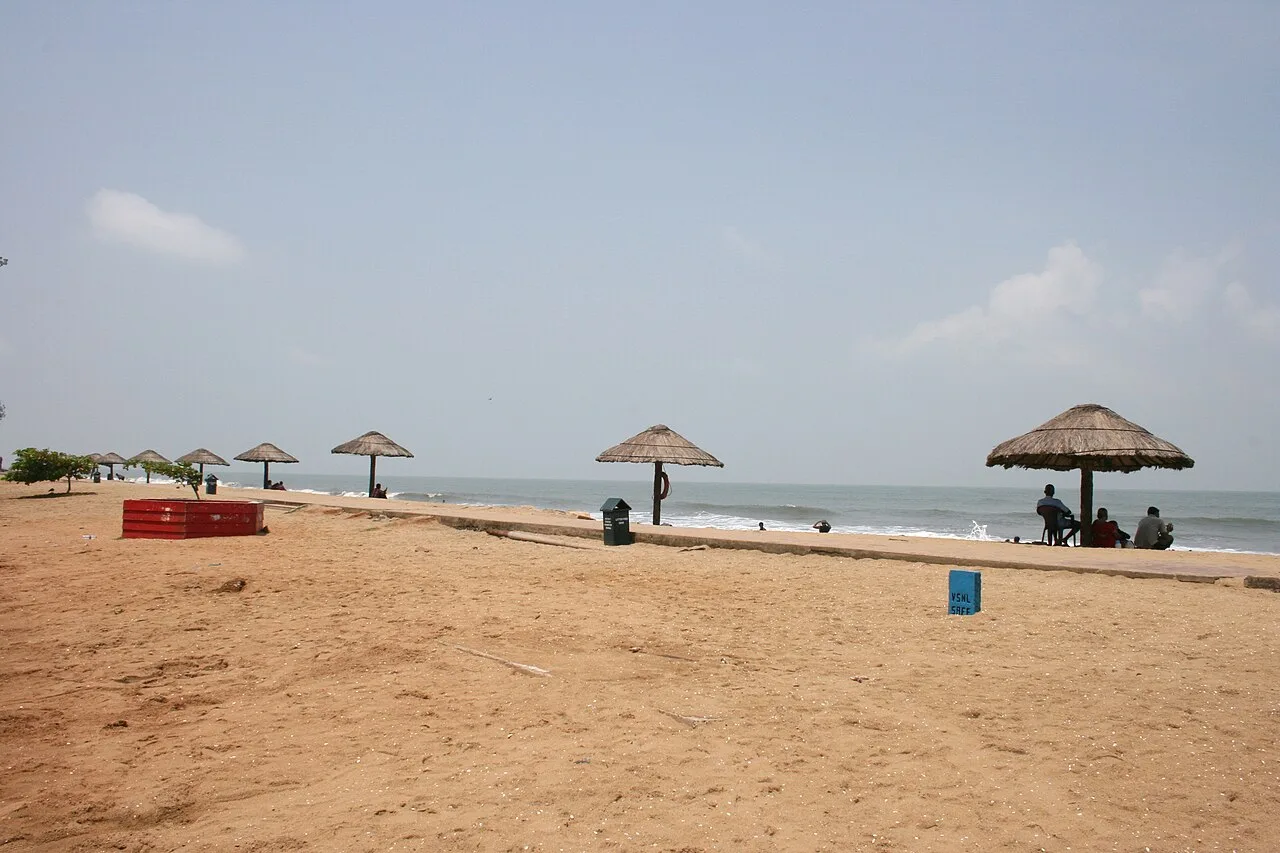
Cherai Beach
Cherai Beach is a coastal destination in Ernakulam district, Kerala. Visitors come to its shore on Vypin Island, near Kochi and Cochin International Airport.
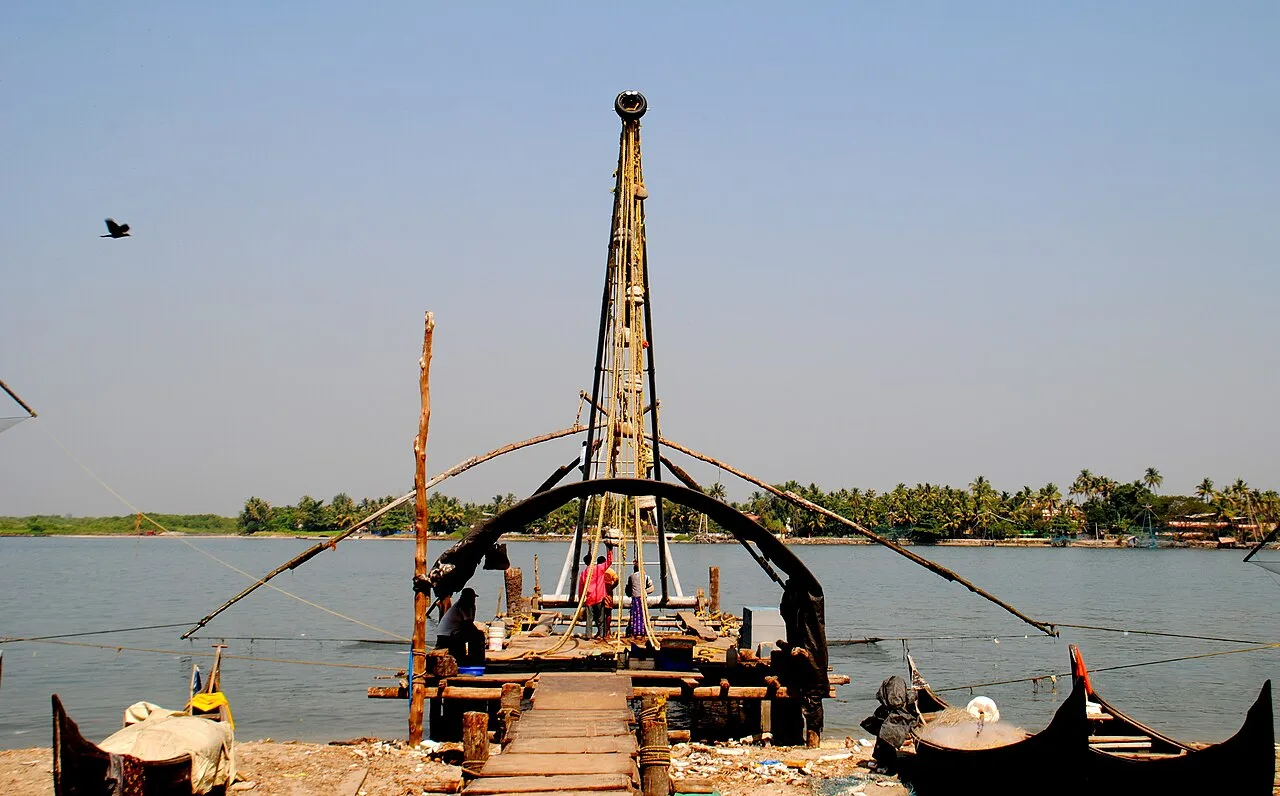
Fort Kochi
Fort Kochi is a locality in Kochi, Kerala, named after Fort Manuel. Visitors come to experience its heritage and cultural character and explore this island group known as Old Kochi.
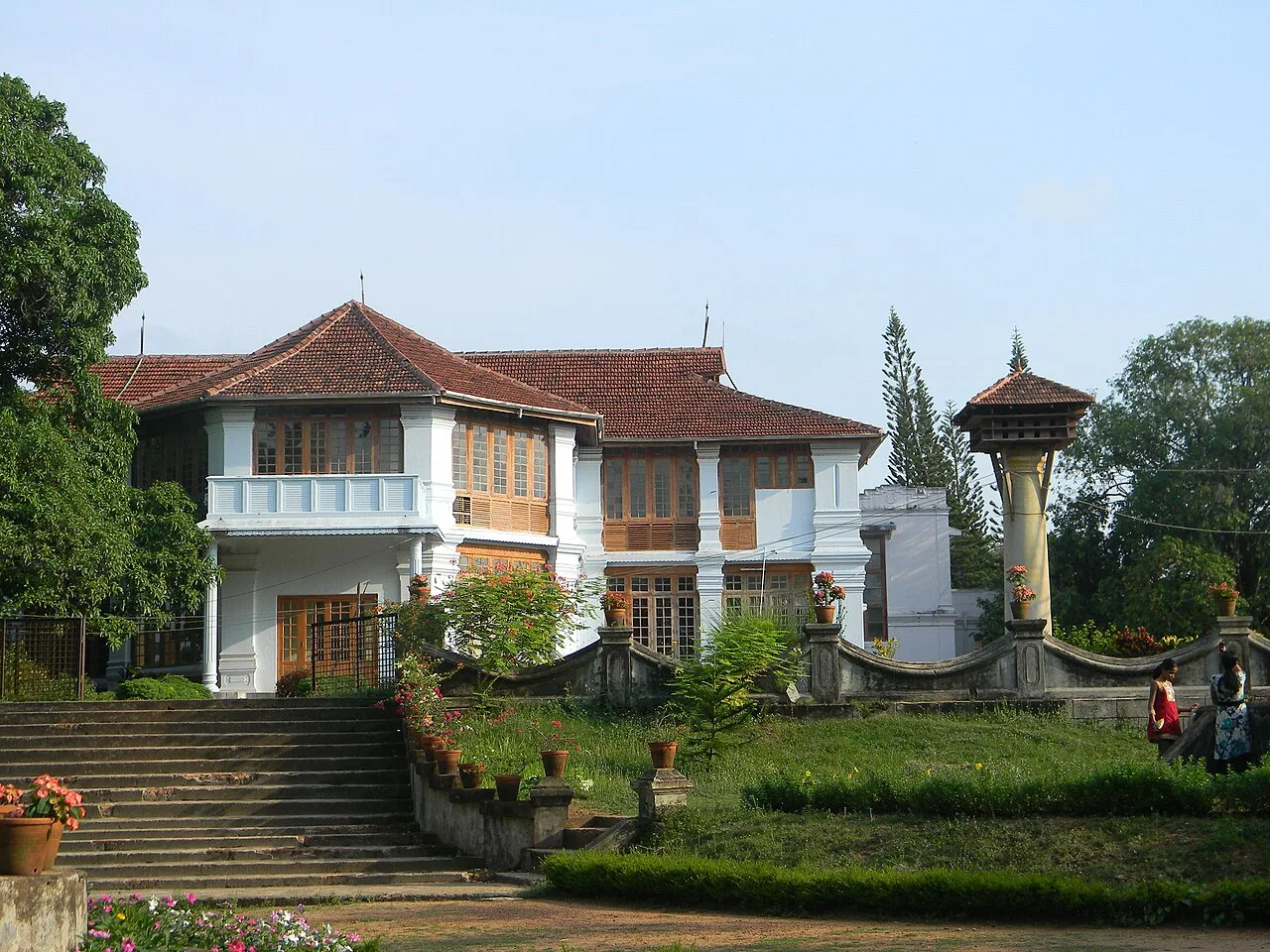
Hill Palace, Tripunithura
Hill Palace in Tripunithura was the Cochin Maharaja’s residence and administrative seat. Visitors come to explore its museum collections, palace buildings and heritage grounds.
Kalady (Adi Shankara Birthplace)
Kalady, also known as Kaladi, is a village in Kerala’s Ernakulam district and the birthplace of the Indian philosopher Adi Shankara. Visitors come to explore its connection with him.
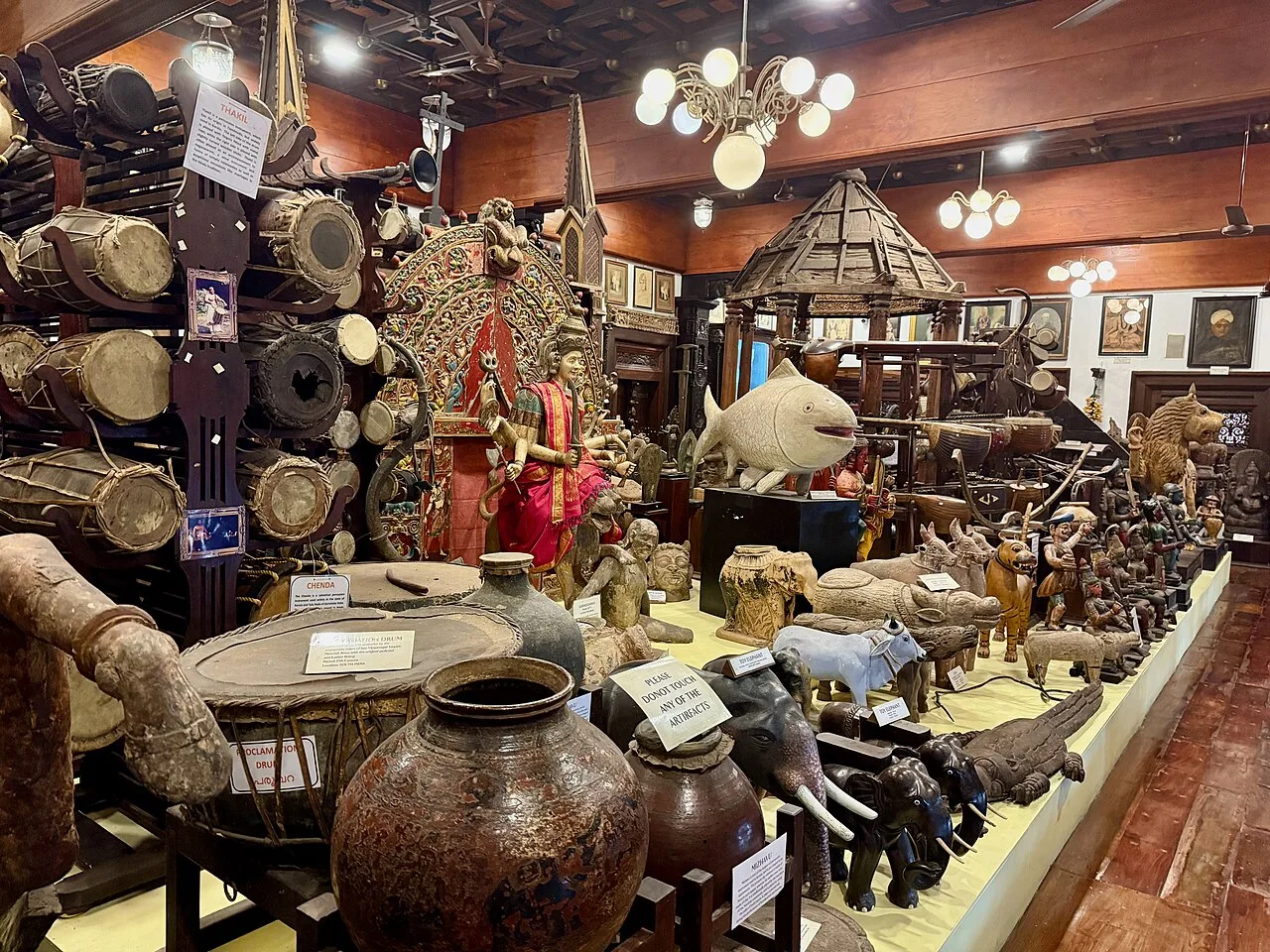
Kerala Folklore Museum
Kerala Folklore Museum is a museum or cultural centre in Ernakulam district, Kerala. People visit it as a place of cultural interest.
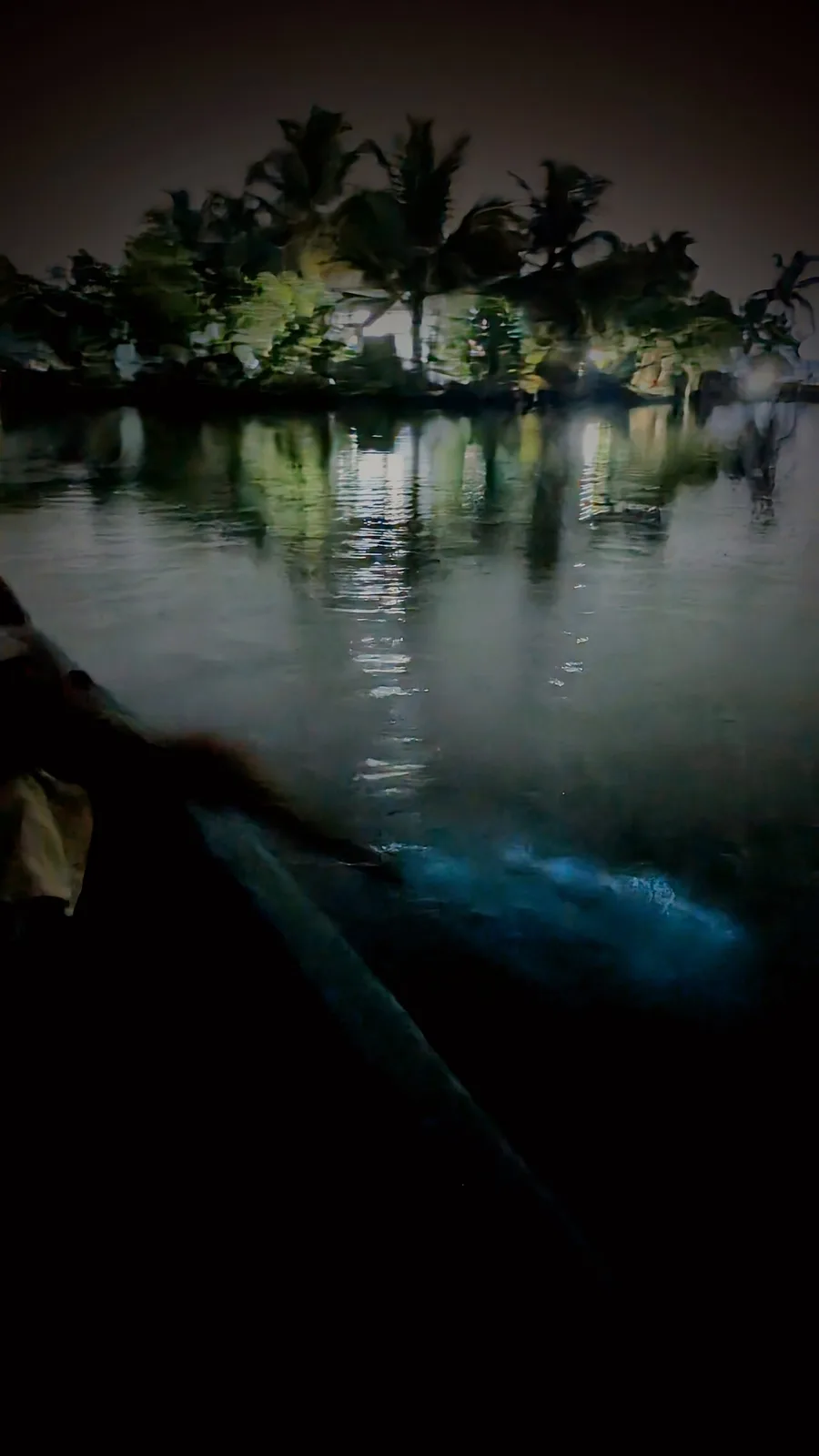
Kumbalangi
Kumbalangi is a backwater island settlement on Kochi’s outskirts in Kerala. Visitors come for its Chinese fishing nets and Kavaru, the local name for bioluminescence in the waters.
Food in Ernakulam draws on Kerala’s wider culinary traditions, with rice, coconut and seafood prominent in many meals. Breakfast favourites include appam with stew, puttu with kadala curry and idiyappam. A vegetarian sadya, traditionally served on a banana leaf, brings together rice, several accompaniments and often payasam. Fish curry and karimeen pollichathu, pearl-spot fish cooked in a banana-leaf parcel, are familiar regional choices, alongside Kerala parotta with chicken or beef dishes. Banana chips make an easy snack. Small eateries may prepare only a limited daily menu, so ask what is fresh and mention dietary restrictions or spice preferences.
Chendamangalam in Ernakulam district is an established handloom centre, associated with cotton saris, mundus and household textiles. Its weaving tradition offers a useful starting point for travellers interested in locally made cloth; cooperative outlets can help explain the fabric and its production. Kerala’s wider artistic heritage also includes woodcarving, mural painting and Kathakali, whose elaborate costumes and make-up are integral to the performance. In Fort Kochi and Mattancherry, craft shops and galleries offer browsing opportunities, but ask about provenance rather than assuming everything sold there was made locally.
Onam, Kerala’s major harvest and cultural festival, is celebrated across the district, usually in August or September, with family gatherings and public events. In Tripunithura, Athachamayam traditionally marks the start of the Onam season with processions and performances. Temple festivals take place at different times of year and can bring busy local streets. Fort Kochi’s Cochin Carnival is a prominent year-end event, usually held in December, and draws visitors to the waterfront and historic quarter. These periods can increase crowds and make accommodation in central Kochi and Fort Kochi harder to secure, so booking ahead is sensible.
Elsewhere in Kerala
The district spans Kochi’s Arabian Sea coast, backwaters, islands and densely settled urban areas, then extends inland through river valleys, low hills and patches of forest. The Periyar and its waterways shape settlement and travel, while Vypin’s coastal setting includes Cherai Beach. Thattekad and Bhoothathankettu lie farther inland in greener terrain. In the city, bridges, ferries and water crossings influence routes between neighbourhoods; reaching inland nature destinations generally involves road travel beyond the urban core. Coastal weather and monsoon conditions can also affect beach access and water-based journeys.
Ernakulam is humid for much of the year. March to May is generally the hotter period, while the southwest monsoon usually brings frequent heavy rain from around June into September; showers may continue during the later monsoon season. December to February is typically drier and more comfortable for walking and sightseeing. November to February is often the most convenient period for combining city visits with inland excursions, though conditions vary. Pack light, breathable clothing, sun protection and comfortable walking shoes. During monsoon months, carry rain protection and footwear with good grip, and allow flexibility for wet roads or disrupted outdoor plans.
Cochin International Airport is the main air gateway to Ernakulam district. Ernakulam Junction and Ernakulam Town are major railway stations for Kochi, while Aluva and Angamaly may suit destinations farther north or inland. National highways and other major roads connect the district with neighbouring parts of Kerala. Within the urban area, buses, the Kochi Metro, ferries, auto-rickshaws and taxis provide different ways to get around, depending on the destination. Allow extra time for cross-city journeys and onward travel to Thattekad or Bhoothathankettu. Water crossings and road routes can differ substantially, so check current services locally.
Kochi’s main urban sights can be reached by a mix of local buses, the Kochi Metro, ferries, auto-rickshaws and taxis, with the best option depending on the neighbourhood and water crossings involved. Road links connect Kochi with Tripunithura, Aluva, Angamaly, Perumbavoor and other district towns. Buses serve many routes; autos and taxis can help with shorter or less direct journeys. Cherai requires travel towards Vypin, while Kalady, Thattekad and Bhoothathankettu are better planned as road excursions. Check current ferry and road services locally, especially during heavy rain, and allow extra time for cross-city travel.
2 days: Fort Kochi, St. Francis Church, Fort Kochi, Santa Cruz Cathedral Basilica, Kochi, Mattancherry Palace, Paradesi Synagogue; sleep in Fort Kochi. Day 2: Marine Drive, Kochi, Bolgatty Palace, Mangalavanam Bird Sanctuary, Kerala Folklore Museum; depart from a Kochi base. 3 days: Fort Kochi, St. Francis Church, Fort Kochi, Santa Cruz Cathedral Basilica, Kochi; sleep in Fort Kochi. Day 2: Mattancherry Palace, Paradesi Synagogue, Marine Drive, Kochi, Bolgatty Palace; sleep in Kochi. Day 3: Hill Palace, Tripunithura, Kalady (Adi Shankara Birthplace); sleep in Aluva or Angamaly. 4 days: Fort Kochi, St. Francis Church, Fort Kochi, Santa Cruz Cathedral Basilica, Kochi, Mattancherry Palace, Paradesi Synagogue; sleep in Fort Kochi. Day 2: Marine Drive, Kochi, Bolgatty Palace, Kerala Folklore Museum, Mangalavanam Bird Sanctuary; sleep in Kochi. Day 3: Cherai Beach, Kalady (Adi Shankara Birthplace), Thattekad Bird Sanctuary; sleep near Thattekad. Day 4: Bhoothathankettu; depart via a suitable district town.
Fort Kochi is a convenient base for heritage walks and the historic waterfront, with hotels, guesthouses and homestays. Central Kochi and Ernakulam suit visitors who want wider transport links, urban services and access to Marine Drive or Tripunithura; accommodation ranges from hotels to homestays. Cherai and Vypin work for a coastal stay, while Aluva or Angamaly can be practical for Kalady and onward travel. For Thattekad and Bhoothathankettu, look for stays near the inland destinations, including homestays and lodges. Availability and facilities are more limited outside the urban areas.
Kochi’s busy roads and crowded heritage lanes call for care when walking and crossing streets. At Cherai, follow local advice and warning signs about surf and currents, and avoid entering the sea in rough conditions. Inland trails and forest edges can be slippery after rain; keep a respectful distance from wildlife and do not feed or approach animals. Use treated or sealed drinking water if unsure of local supplies. Mobile connectivity is generally available in towns but may be weaker in forested areas. Check road and weather conditions before inland trips. Confirm any current sanctuary entry requirements with official sources before visiting.
- Kottayamabout 44 km
- Alappuzhaabout 59 km
- Thrissurabout 61 km
- Pathanamthittaabout 95 km
- Idukkiabout 95 km
- Palakkadabout 101 km
- Kollamabout 120 km
- Malappuramabout 126 km
Straight-line distance between the centres of each district's destinations; road distance is longer.
Q: How many days should I spend in Ernakulam? A: Two days can cover key Kochi sights; three or four days allow time for the coast and inland nature destinations. Q: When is the best time to visit? A: November to February is often the most comfortable period. Monsoon months are greener but wetter and may affect outdoor plans. Q: Where is the best base for a first visit? A: Fort Kochi suits heritage-focused visits, while central Kochi or Ernakulam offers broader transport connections. Q: How do I get to Ernakulam? A: Cochin International Airport, Ernakulam’s railway stations and major road links connect the district with Kerala and destinations beyond. Q: Is Ernakulam suitable for families or elderly travellers? A: Yes, especially with a flexible itinerary. Choose accessible stays, allow extra time for crossings and traffic, and check walking surfaces and facilities at each site.
This page draws on our 16 destination guides for Ernakulam and is updated as our team checks it.
Be the first to share photos, stories, advice or a helpful contact for Ernakulam.
Loading…