
District · Kerala
Alappuzha
Alappuzha is a coastal district in Kerala, between the Arabian Sea and the backwater network associated with Vembanad Lake.
Alappuzha lies along Kerala’s Arabian Sea coast, with beaches, lagoons, canals and the broad waters of Vembanad Lake shaping much of its landscape. Inland, Kuttanad is known for extensive paddy cultivation in low-lying fields, linked by rivers and waterways. The district’s character blends coastal settlement, farming, fishing and boat travel. Alappuzha town developed as a port and commercial centre in the late eighteenth century under Travancore’s Dewan, Raja Kesavadas. Trade and waterways helped connect the area with other parts of Kerala and beyond. Today, visitors come for the backwaters, beaches, temples and historic buildings, while coir-making and agriculture remain part of the region’s working life.
Alappuzha is a coastal district in Kerala, between the Arabian Sea and the backwater network associated with Vembanad Lake. It is best known for boat journeys, canals, low-lying paddy fields in Kuttanad, beaches and a long connection with coir-making and trade. Travellers can combine water-based outings with visits to temples, a historic palace and coastal villages. The district offers a view of how farming, fishing, transport and settlement are shaped by waterways. Alappuzha town is a practical starting point, while other bases can suit visits to the coast or the district’s northern and southern areas.
The area now called Alappuzha was historically part of several local kingdoms, including the kingdoms of Ambalappuzha and Kayamkulam, before their territories were absorbed into Travancore. The region’s waterways supported agriculture, fishing and trade, while coastal settlements connected it to maritime commerce. In the late eighteenth century, Travancore’s Dewan Raja Kesavadas developed Alappuzha town as a port and commercial centre, with canals and facilities intended to support trade. European powers, including the Portuguese and Dutch, had a wider presence along the Kerala coast; later, Travancore came under British influence while retaining its princely status. Coir production and the movement of agricultural goods became important parts of the local economy. After Indian independence, the region was within the state of Travancore-Cochin. Alappuzha district was formed in 1957, after the creation of Kerala, from areas that had belonged to the former princely state of Travancore. Its present identity reflects this mix of coastal trade, farming and backwater life.
8 destination guides
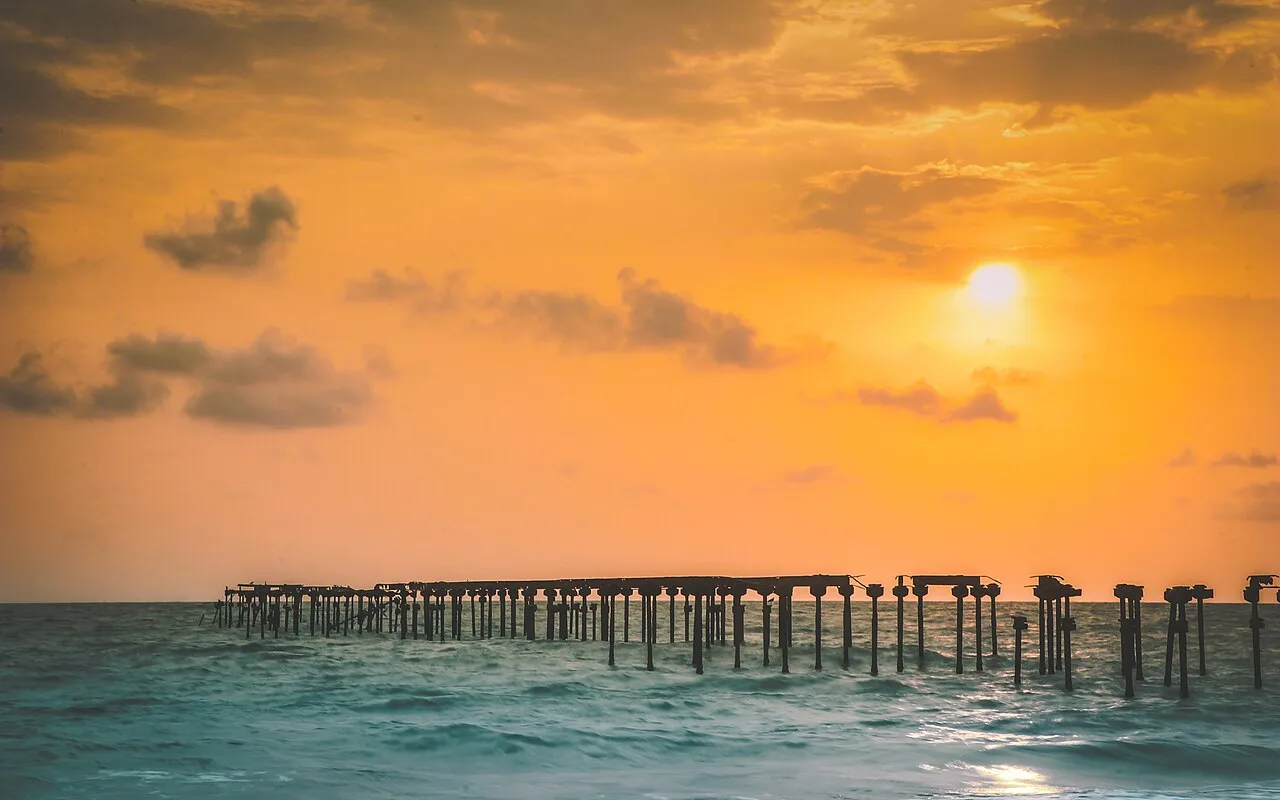
Alappuzha Beach
Located in Alappuzha town, Alappuzha Beach is a seaside attraction in Kerala. Visitors come for its coastal setting, its long-standing pier extending into the sea and events held each year.
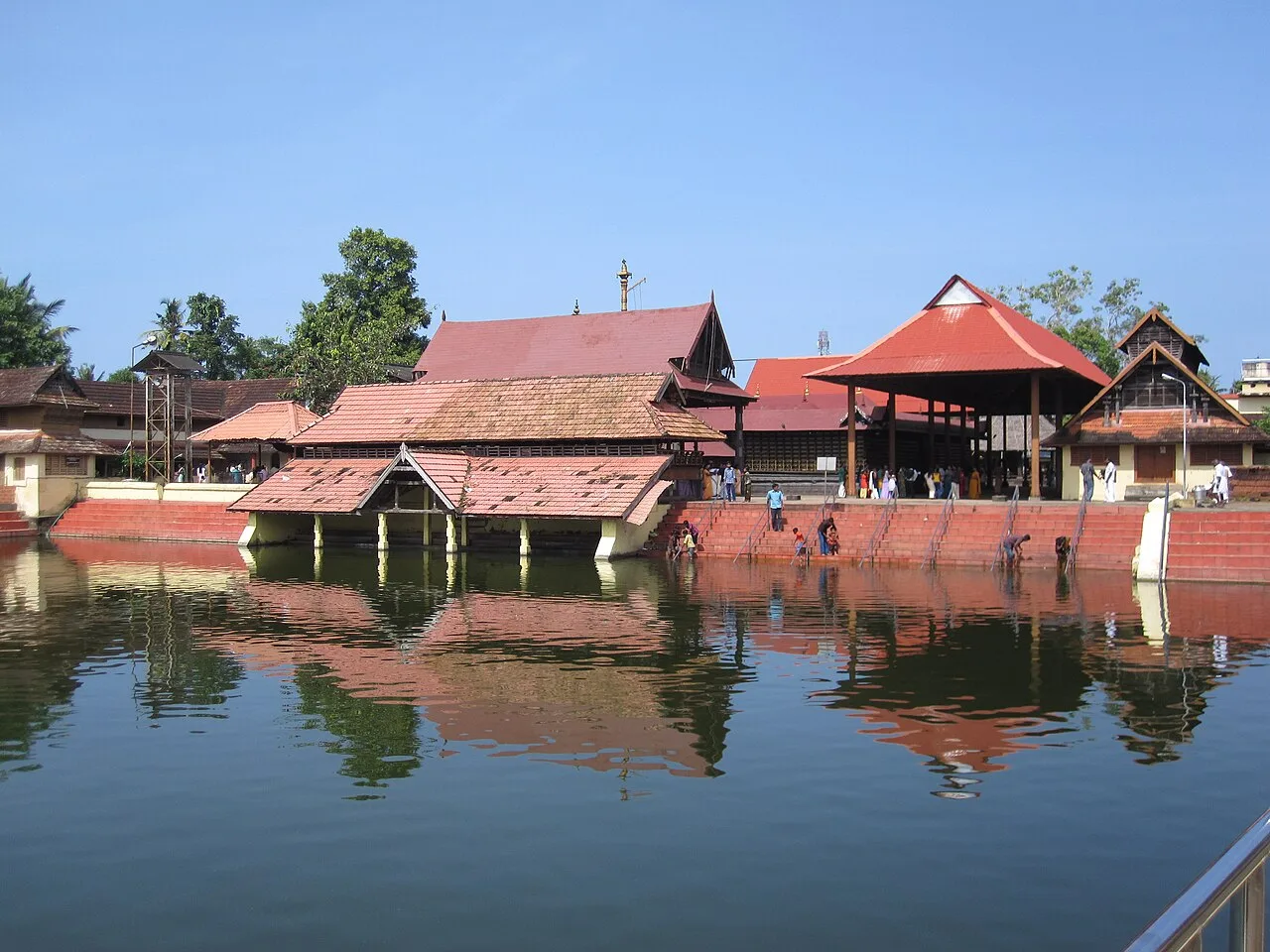
Ambalappuzha Sree Krishna Swamy Temple
A Krishna shrine in Ambalappuzha, Kerala, the temple is visited for its Vaishnavite associations, its Parthasarthi-style image and the customary payasam offering.
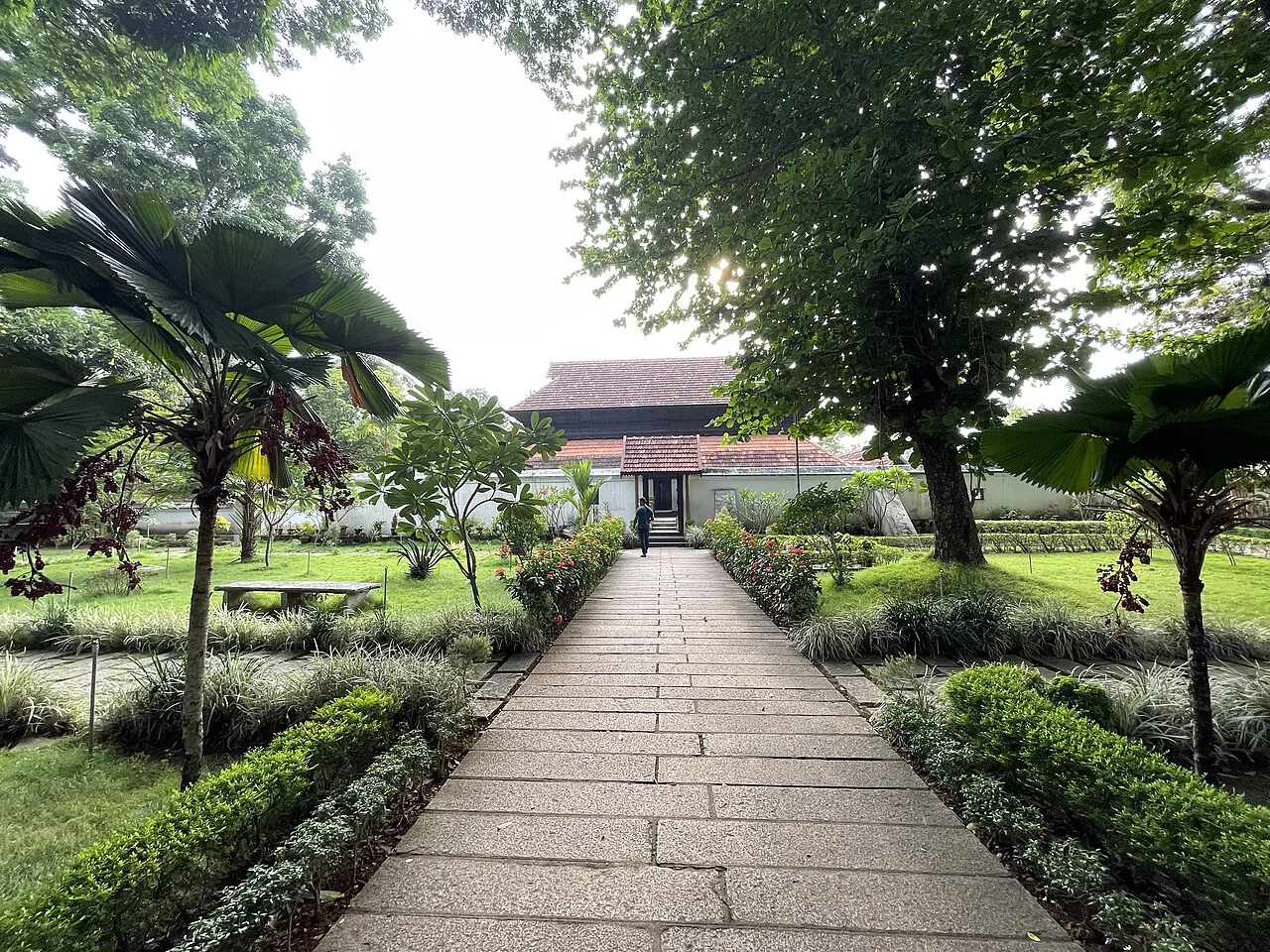
Krishnapuram Palace
This eighteenth-century Travancore residence in Kayamkulam now serves as a museum. Visitors come for its Kerala-style architecture, historic displays, murals, pond and Buddha statue.
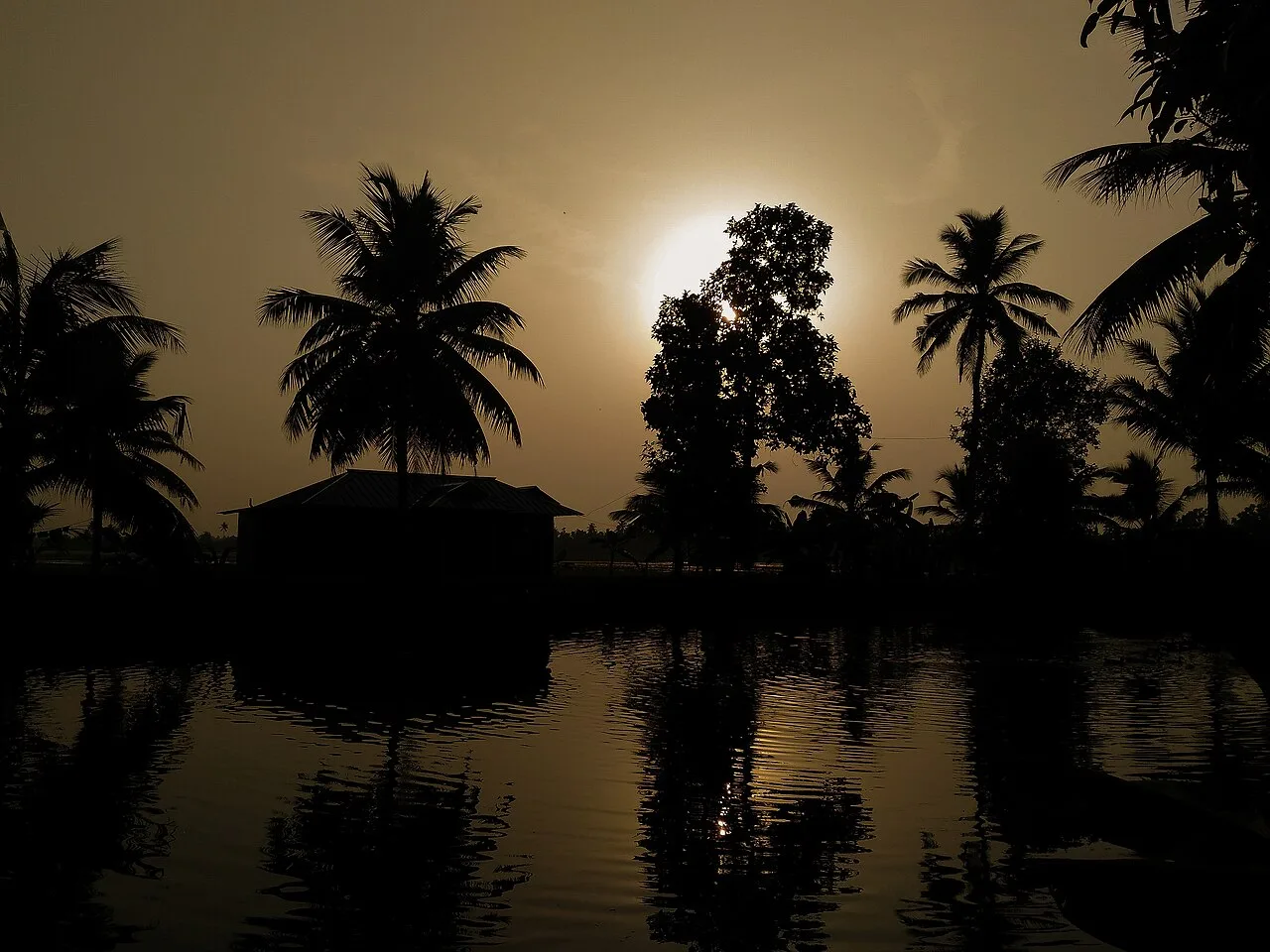
Kuttanad Backwaters
Kuttanad is a low-lying delta region of Kerala, attracting interest for its rice cultivation, distinctive farming practices and boat races on the Punnamada Backwaters.
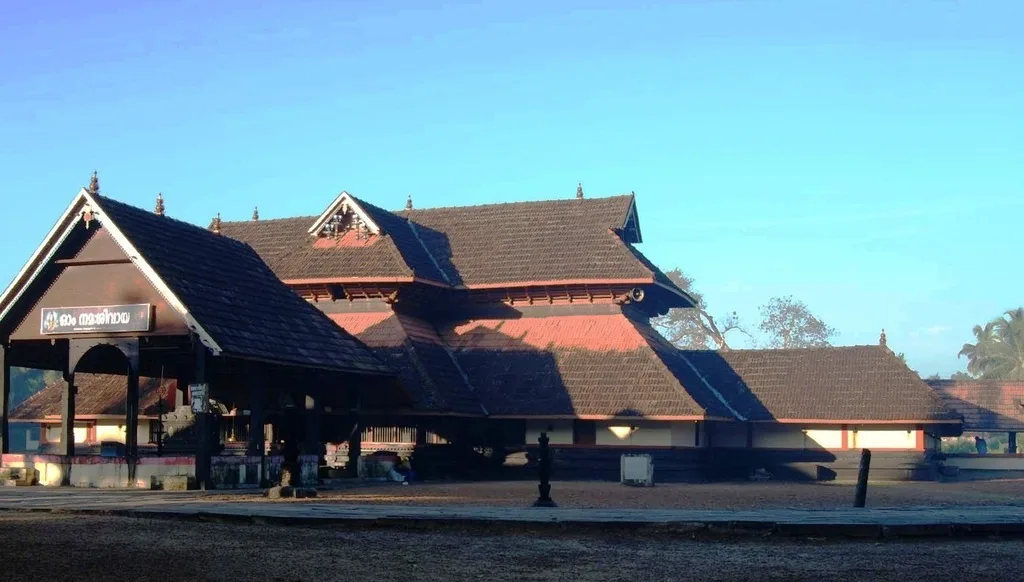
Mannar Bell-Metal Village
Mannar is a settlement in Kerala’s Alappuzha district, recognised as the Bell Metal Town. Visitors may be drawn by this bell-metal identity and its location on State Highway 6.
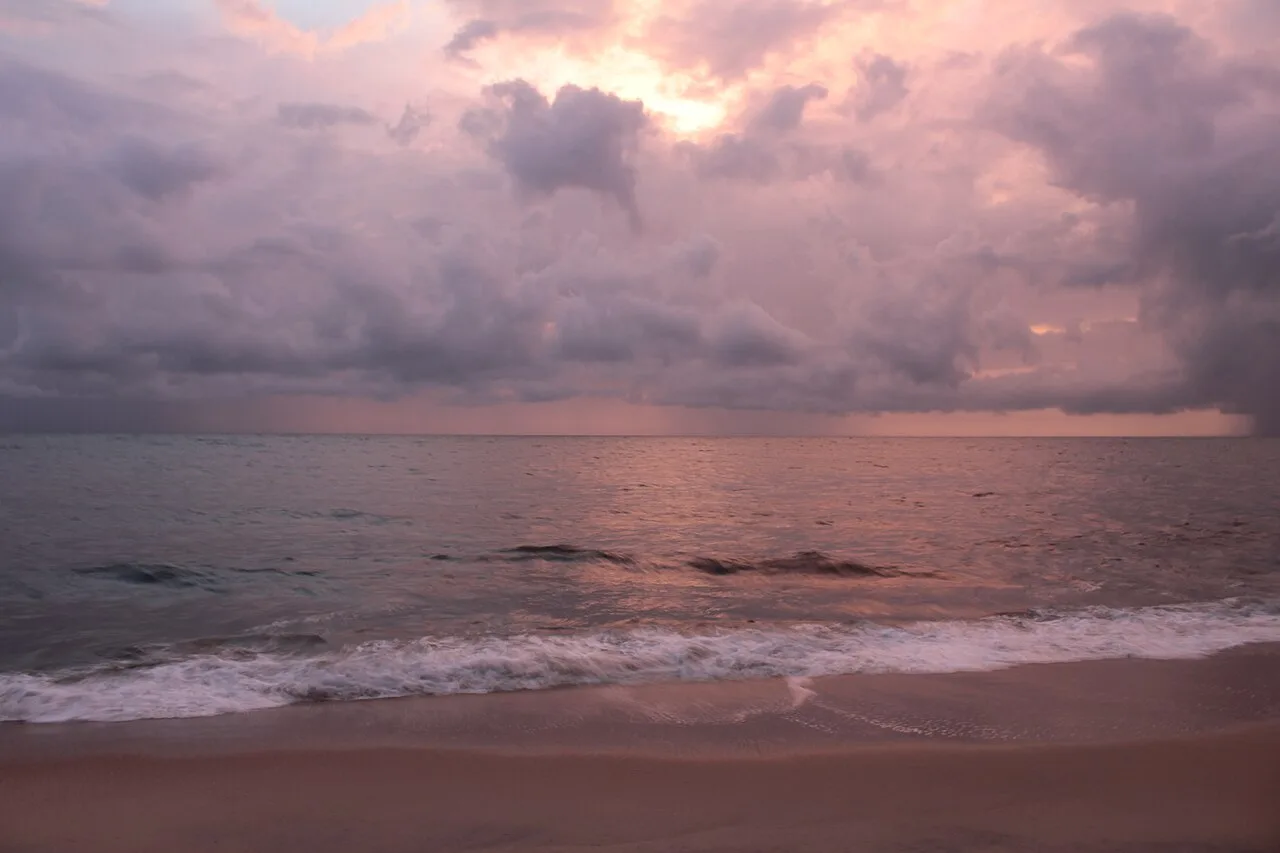
Marari Beach
Marari Beach is a coastal destination beside Mararikulam village in Kerala’s Alappuzha district, drawing visitors who want to spend time on a beach near Alappuzha town.
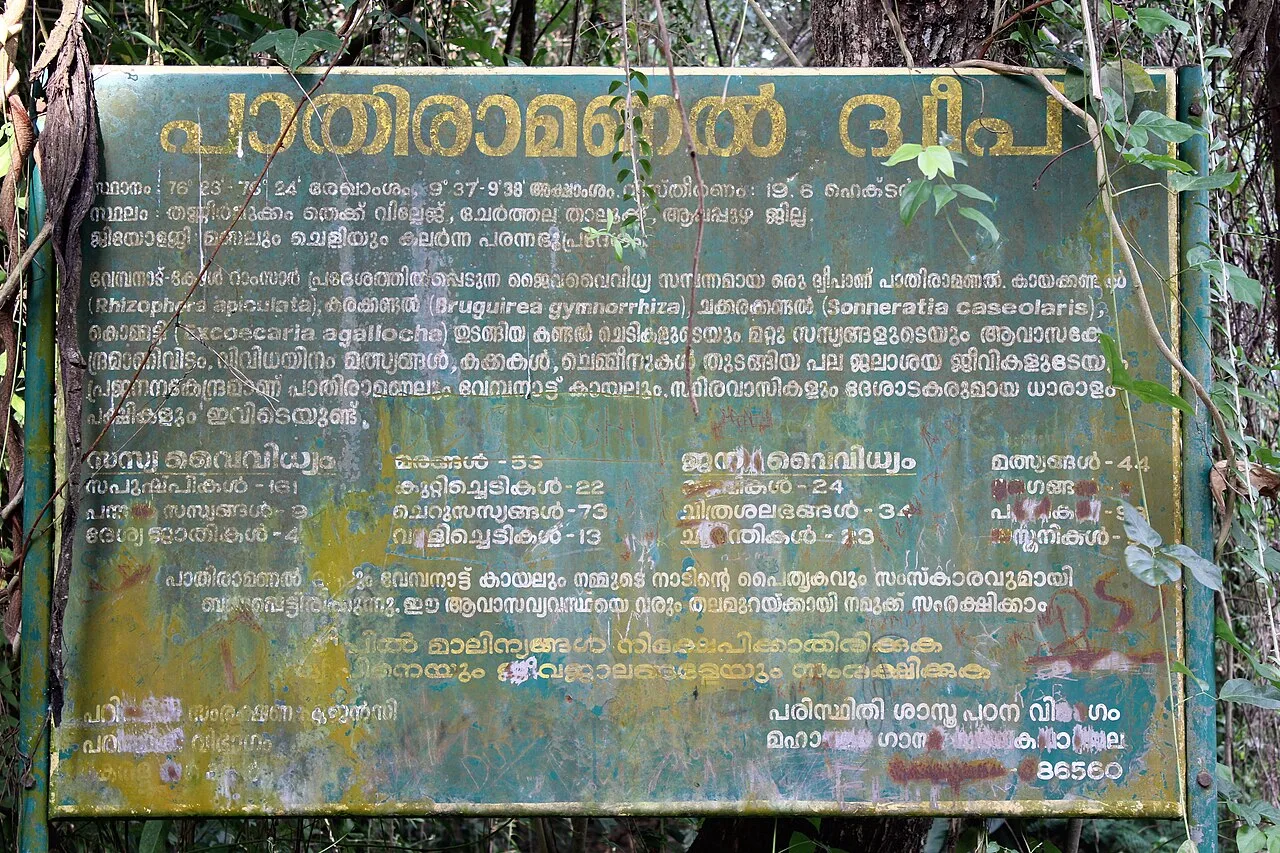
Pathiramanal
Pathiramanal is an island in Vembanad Lake, within Muhamma panchayat in Kerala’s Alappuzha district. Visitors come to see its rare migratory birdlife.
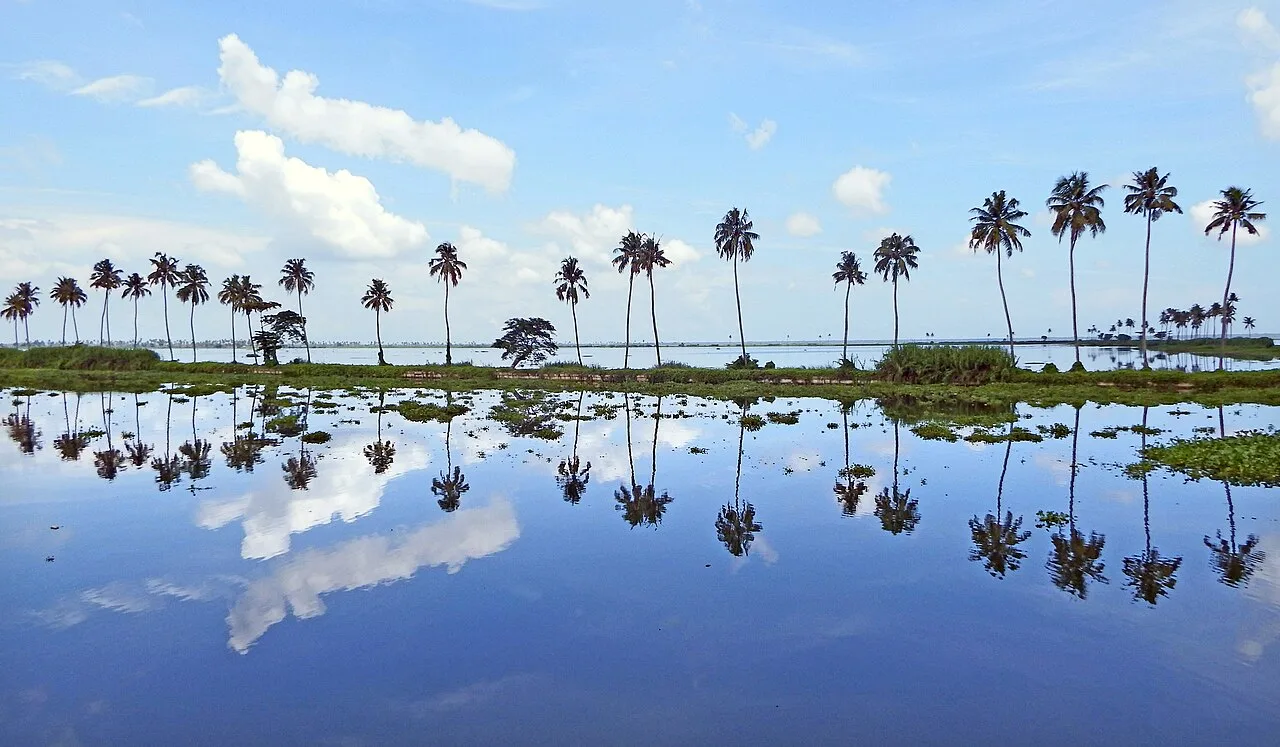
Vembanad Lake
Vembanad spans three Kerala districts and is both India’s longest lake and the state’s largest. Visitors explore its backwaters, Kuttanad’s farming landscape and the Nehru Trophy Boat Race.
The district’s food reflects wider Kerala traditions, with rice, coconut, fish and spices prominent in many meals. Appam with stew, puttu with kadala curry and idiyappam are common regional dishes; a vegetarian sadya is served on a banana leaf on special occasions and at some eateries. Coastal and backwater menus may include pearl-spot fish, sometimes prepared as karimeen pollichathu, wrapped and cooked in a banana leaf. Fish curry and other seafood dishes vary with the day’s catch. Banana chips and payasam are familiar snacks and sweets. Small eateries may offer a limited daily menu, so asking what is freshly prepared can be useful.
Coir-making is strongly associated with Alappuzha and the wider coastal region, where coconut husk fibre is processed into yarn and made into products such as ropes, mats and floor coverings. The work has long been connected to local livelihoods and the abundance of coconut palms. Visitors may also encounter the craft traditions of Kerala more broadly, including handloom weaving and woodwork, though these are not exclusive to this district. Traditional wooden boats are another visible part of the backwater landscape; boat construction and upkeep require specialised skills, while some craft-built vessels are now adapted for tourism.
Onam, usually in August or September, is celebrated across Kerala and is associated in Alappuzha with seasonal festivities and boat races. The Nehru Trophy Boat Race on Punnamada Lake is a major local event, generally held during the monsoon season; its date varies. Temple festivals take place at different times of year, while church feasts are celebrated by local congregations. Boat-race days and popular festival periods can draw large crowds, increase demand for transport and make rooms harder to find. Booking ahead is sensible if visiting during a major event.
In this district
Elsewhere in Kerala
The district is a low-lying stretch of Kerala’s coast, with the Arabian Sea to the west and lagoons, canals, rivers and Vembanad Lake inland. Kuttanad’s paddy fields occupy low ground linked by waterways, while beaches and coastal settlements form a different travel landscape. The terrain is largely flat, but water levels, rain and narrow banks can affect access. Roads connect many towns, though some backwater journeys are more practical by boat. Routes and travel time can vary with the season and the specific landing point.
Alappuzha has a tropical coastal climate. Summer, broadly from March to May, is often hot and humid. The southwest monsoon brings frequent rain from around June into the following months, and the northeast monsoon can also bring showers later in the year. Winter, roughly from December to February, is generally less rainy and often more comfortable for outdoor travel. November to February is a popular period to visit, though conditions vary. Pack light, breathable clothing, sun protection and insect repellent; carry rain protection during the monsoon. Check local weather and water conditions before boat outings.
Alappuzha town is served by Alappuzha railway station, on Kerala’s coastal rail corridor. Cochin International Airport is a major airport option for reaching the district; the best airport can depend on which part of Alappuzha you plan to visit. National Highway 66 and state roads link the district with towns along the coast and inland Kerala. Buses, taxis and auto-rickshaws are useful for journeys between towns and local attractions. In backwater areas, boats are important for some routes and visits, but services and access vary by location. Check current road, boat and public transport services locally before setting out.
National Highway 66 and state roads connect Alappuzha town with coastal and inland towns, including routes towards Kayamkulam and Cherthala. Local buses serve many towns and villages, while auto-rickshaws, taxis and shared vehicles can help with shorter trips; availability varies outside busy centres. Boats are useful for some backwater routes and island visits, but services, boarding points and access differ by location. For journeys combining road and boat travel, confirm the route locally and allow flexibility for rain, traffic and water conditions.
2 days: Alappuzha Beach → Vembanad Lake → Pathiramanal; sleep both nights in Alappuzha town. 3 days: Ambalappuzha Sree Krishna Swamy Temple → Kuttanad Backwaters → Krishnapuram Palace; sleep nights one and two in Alappuzha town, and night three in Kayamkulam. 4 days: Marari Beach → Alappuzha Beach → Vembanad Lake → Pathiramanal → Kuttanad Backwaters; sleep night one near Marari Beach, nights two and three in Alappuzha town, and night four in Alappuzha town.
Alappuzha town is a convenient base for the beach, lake outings and transport connections. Mararikulam suits travellers focusing on the coast, while Kayamkulam can work for a visit to Krishnapuram Palace and the southern part of the district. In backwater areas, stays may be in homestays or other small properties, with access depending on the location. Across the district, options commonly include hotels, homestays and some government lodges; dharamshalas may be available near religious centres. Check access and facilities directly when staying outside town centres.
Take care on wet, uneven banks, boat steps and narrow village roads, especially during heavy rain. Use life jackets on boats and follow the operator’s safety instructions; avoid swimming in unfamiliar waters or canals. Heat, humidity and insects can make hydration, sun protection and repellent useful. Roads may be congested or waterlogged in monsoon conditions, and mobile connectivity can be uneven in some backwater locations. Keep valuables secure in crowded festival areas and use safe drinking water. Wildlife encounters are uncommon on ordinary routes; do not approach or feed animals. Check officially with local authorities if a particular route or site has permit requirements.
- Kottayamabout 29 km
- Pathanamthittaabout 56 km
- Ernakulamabout 59 km
- Kollamabout 62 km
- Idukkiabout 108 km
- Thrissurabout 120 km
- Thiruvananthapuramabout 125 km
- Tenkasi · Tamil Naduabout 126 km
Straight-line distance between the centres of each district's destinations; road distance is longer.
Q: How many days should I spend in Alappuzha? A: Two days can cover the town and a backwater outing; three or four days allow time for the coast, temple and further sights. Q: When is the best time to visit? A: November to February is generally a comfortable period, while monsoon travel can be rewarding but requires flexibility. Q: Where is the best base? A: Alappuzha town is the most versatile base; Mararikulam and Kayamkulam suit more focused coastal or southern itineraries. Q: How do I get to Alappuzha? A: Alappuzha town has a railway station and road links; Cochin International Airport is a major airport option. Continue locally by bus, taxi, auto-rickshaw or boat where available. Q: Is Alappuzha suitable for families or elderly travellers? A: Yes, with planning. Choose accessible stays, allow time for transfers and check boat boarding, walking surfaces and weather conditions.
This page draws on our 8 destination guides for Alappuzha and is updated as our team checks it.
Be the first to share photos, stories, advice or a helpful contact for Alappuzha.
Loading…