
District · Kerala
Thiruvananthapuram
Thiruvananthapuram is Kerala’s southernmost district and combines the state capital’s royal and religious heritage with beaches, pilgrimage centres and access to the Western Ghats.
Thiruvananthapuram district stretches from the Arabian Sea coast to the foothills of the Western Ghats, with beaches, settled lowlands and forested uplands. Ponmudi and the Agasthyamalai range mark its eastern high country, while Kovalam, Varkala and Shankumugham are among its coastal destinations. The district’s capital, also called Thiruvananthapuram, is Kerala’s administrative centre and a city shaped by the history of the Travancore kingdom. Its palace and temple precincts sit alongside busy markets, government institutions and modern neighbourhoods. The district brings together urban life, pilgrimage, coastal tourism and access to protected mountain landscapes, with a strong connection to Kerala’s wider Malayalam-speaking culture.
Thiruvananthapuram is Kerala’s southernmost district and combines the state capital’s royal and religious heritage with beaches, pilgrimage centres and access to the Western Ghats. Travellers can explore the historic temple and palace precincts of the capital, visit coastal destinations such as Kovalam, Varkala and Poovar, or plan journeys into forested uplands around Ponmudi and Agasthyamalai. The district is particularly known for the Padmanabhaswamy Temple, the Attukal Pongala festival and its varied coast-to-mountain landscape. It offers a useful introduction to Kerala’s Malayalam-speaking culture and to the history of the former Travancore kingdom.
The region’s history includes early Tamil and Malayalam-speaking polities, followed by the rise of Venad and the kingdom of Travancore. Thiruvananthapuram became Travancore’s capital in the late eighteenth century, during the reign of Karthika Thirunal Rama Varma, and grew around the royal court and Padmanabhaswamy Temple. The kingdom remained a princely state under British paramountcy rather than becoming part of directly governed British India. Its rulers and court supported temple institutions, palaces, education and the arts; Swathi Thirunal, who ruled in the nineteenth century, is remembered as a composer and patron of music. After Indian independence, Travancore joined with Cochin to form Travancore-Cochin in 1949. Thiruvananthapuram district was formed that year, and became part of Kerala when the state was established in 1956. The city and district are also widely known by the Malayalam name Thiruvananthapuram, which replaced the anglicised name Trivandrum in official usage.
14 destination guides
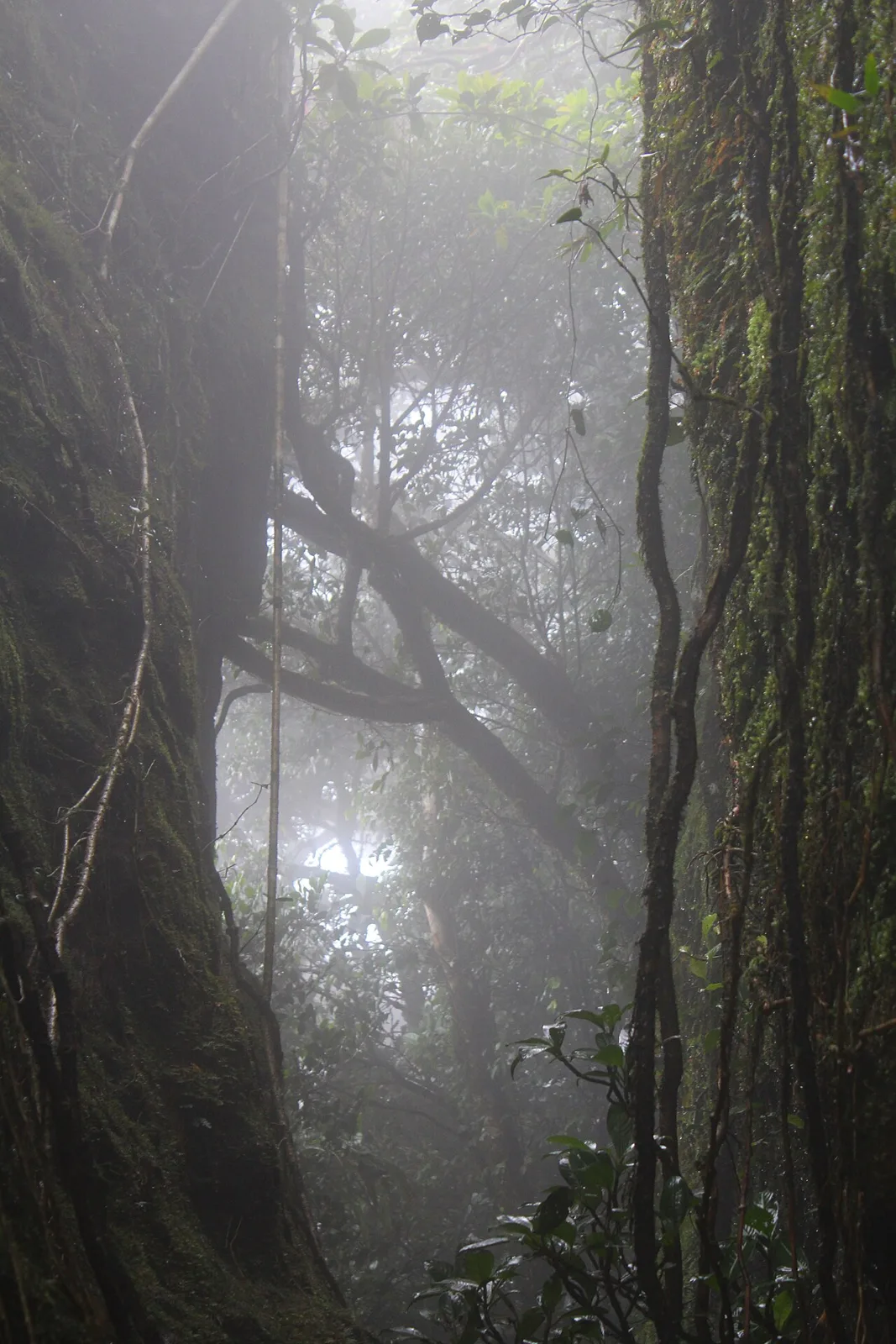
Agastya Mala
Agastya Mala is a 1,868-metre summit in the Western Ghats, spanning the Kerala–Tamil Nadu border region. Visitors come to trek and to honour the sage Agastya at the peak.
Attukal Bhagavathy Temple
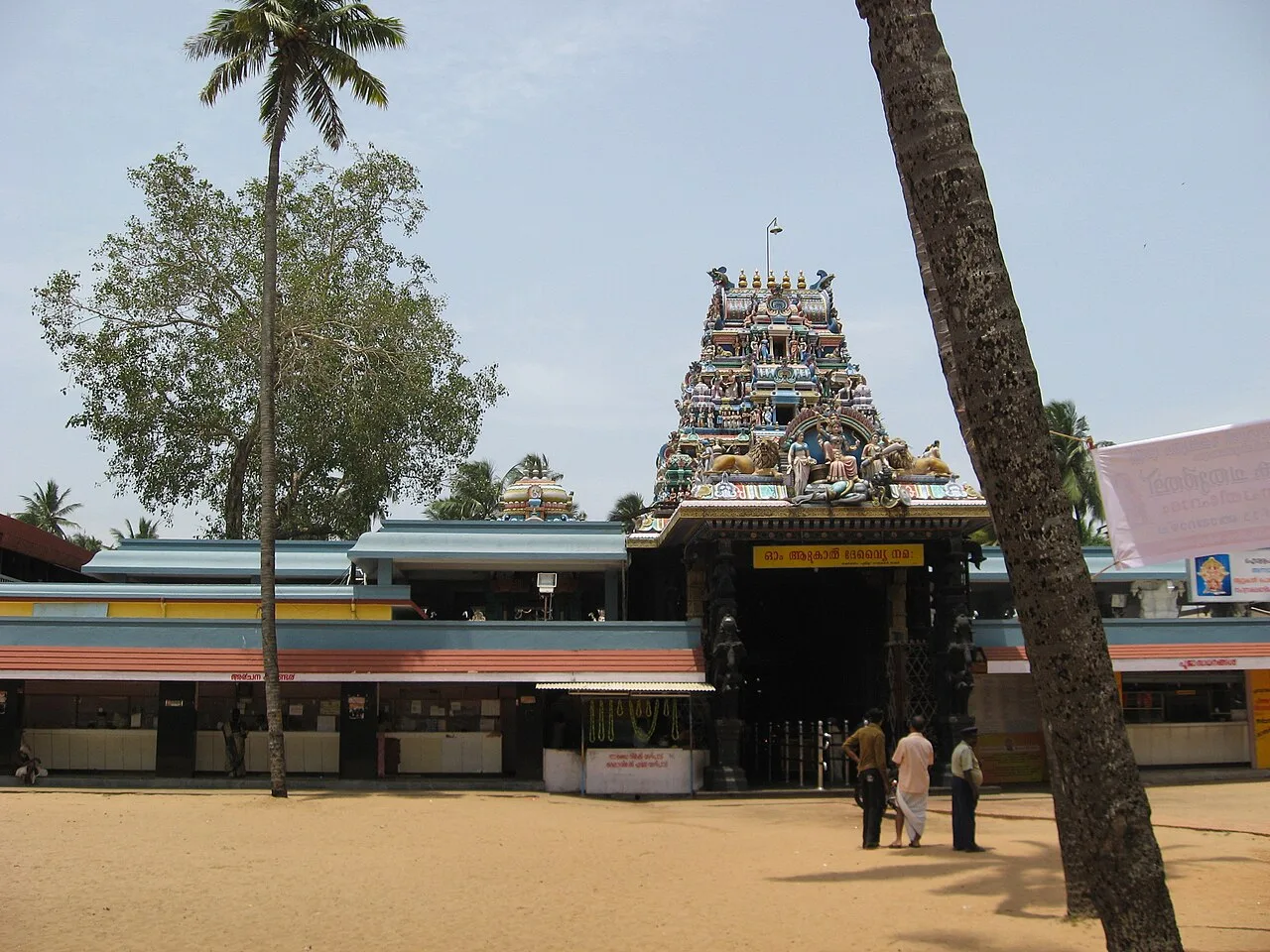
Attukal Bhagavathy Temple is a Hindu shrine in Thiruvananthapuram, Kerala. Visitors worship the goddess and attend Attukal Pongal, an annual festival that draws millions of women.
Balaramapuram
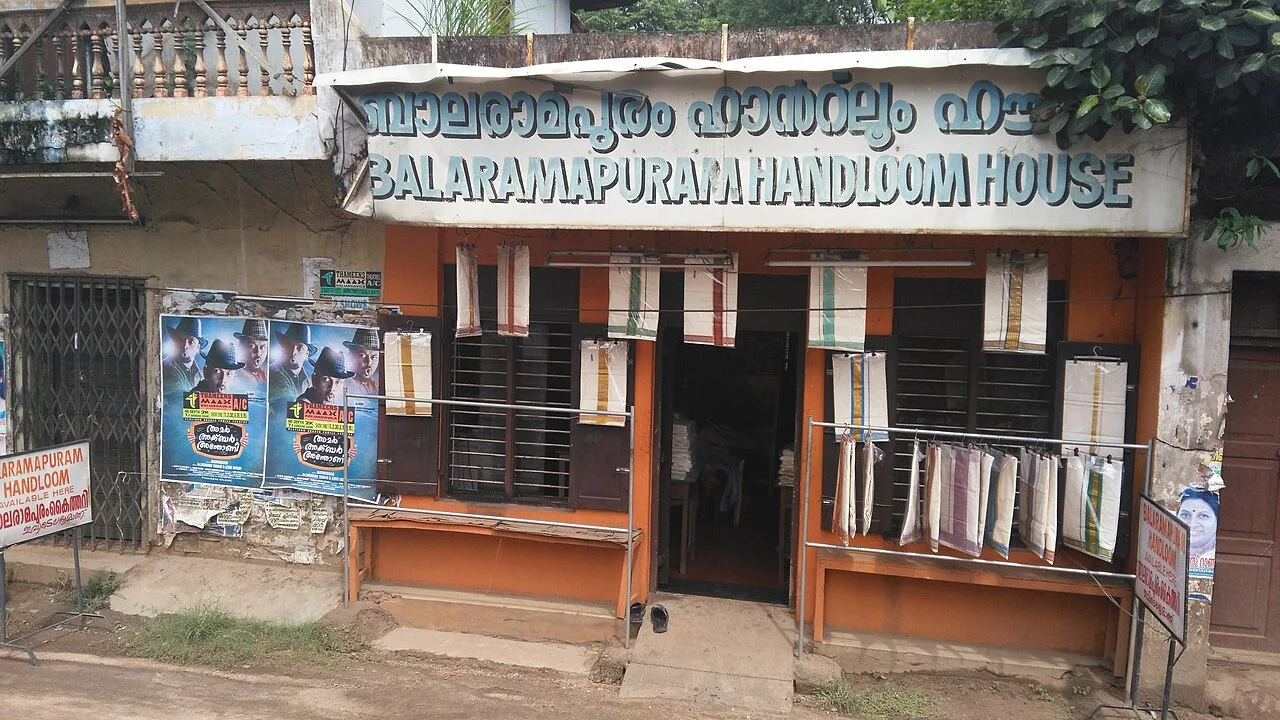
Balaramapuram is a panchayat within Thiruvananthapuram, Kerala’s capital. Visitors may find traditional handloom production, varied shops, meat and seafood dishes, and several religious communities.
Kanakakkunnu Palace
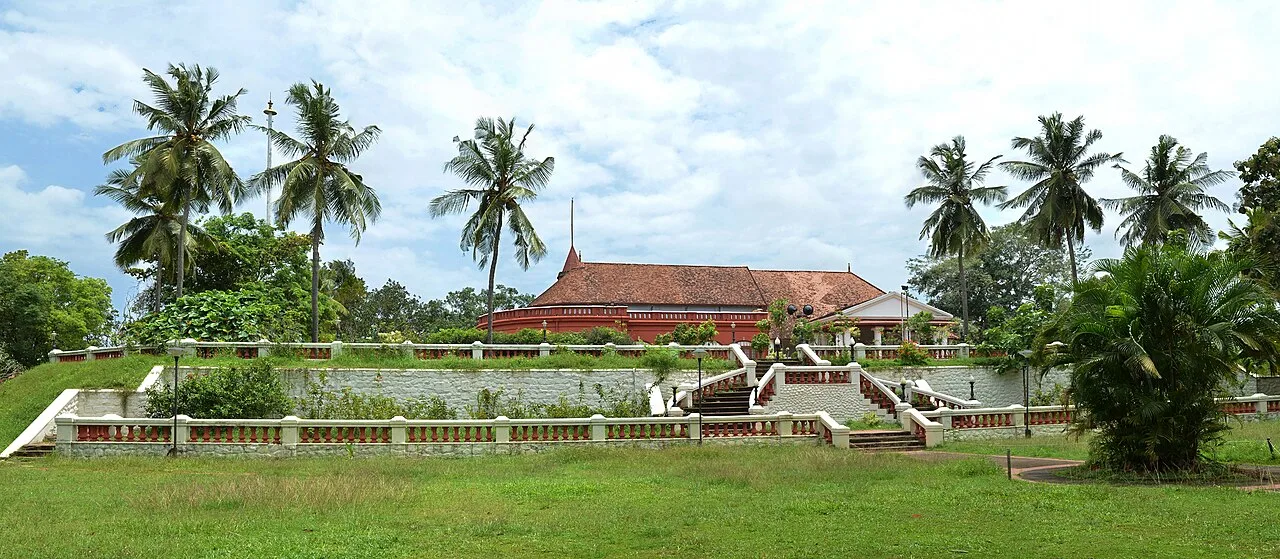
Kanakakkunnu Palace is a palace and cultural venue in Thiruvananthapuram, Kerala. Visitors come for events on its grounds, including an annual festival of classical Indian dance.
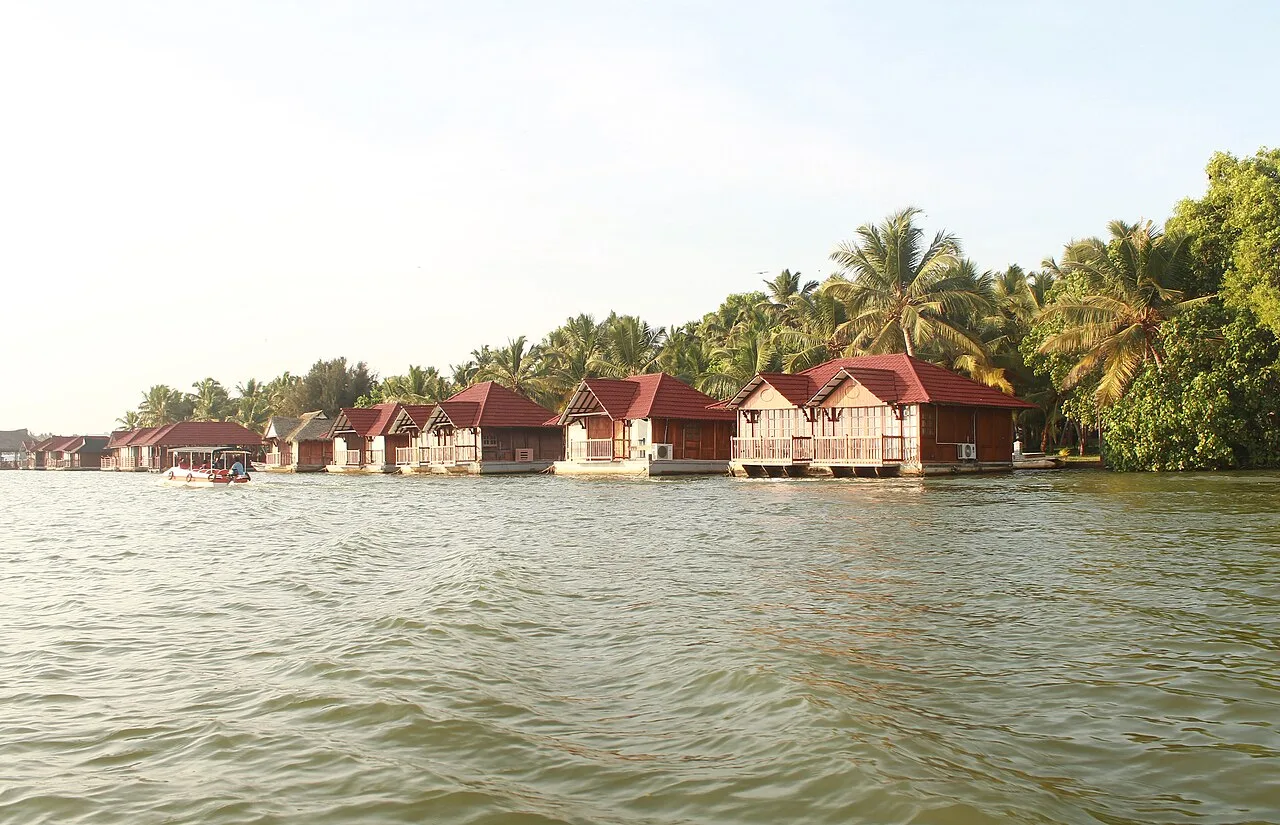
Kovalam Beach
Kovalam is a beach resort in Thiruvananthapuram, Kerala, with nearby beaches that draw visitors from India and abroad for holidays.
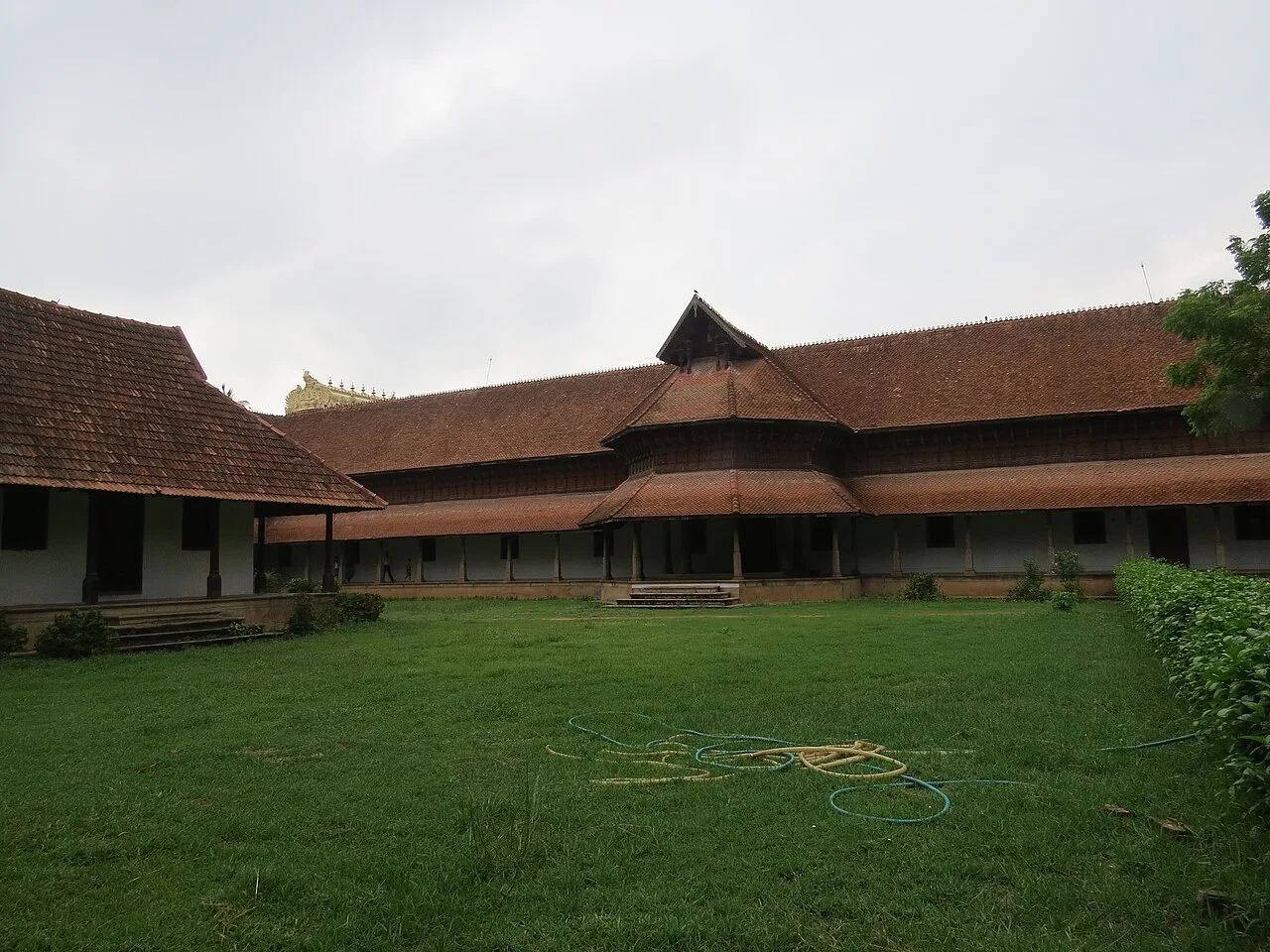
Kuthiramalika
Kuthiramalika is a palace of the Travancore kingdom in Thiruvananthapuram, built under Swathi Thirunal Rama Varma. Visitors come to see its distinctive structure and horse decorations on the pillars.
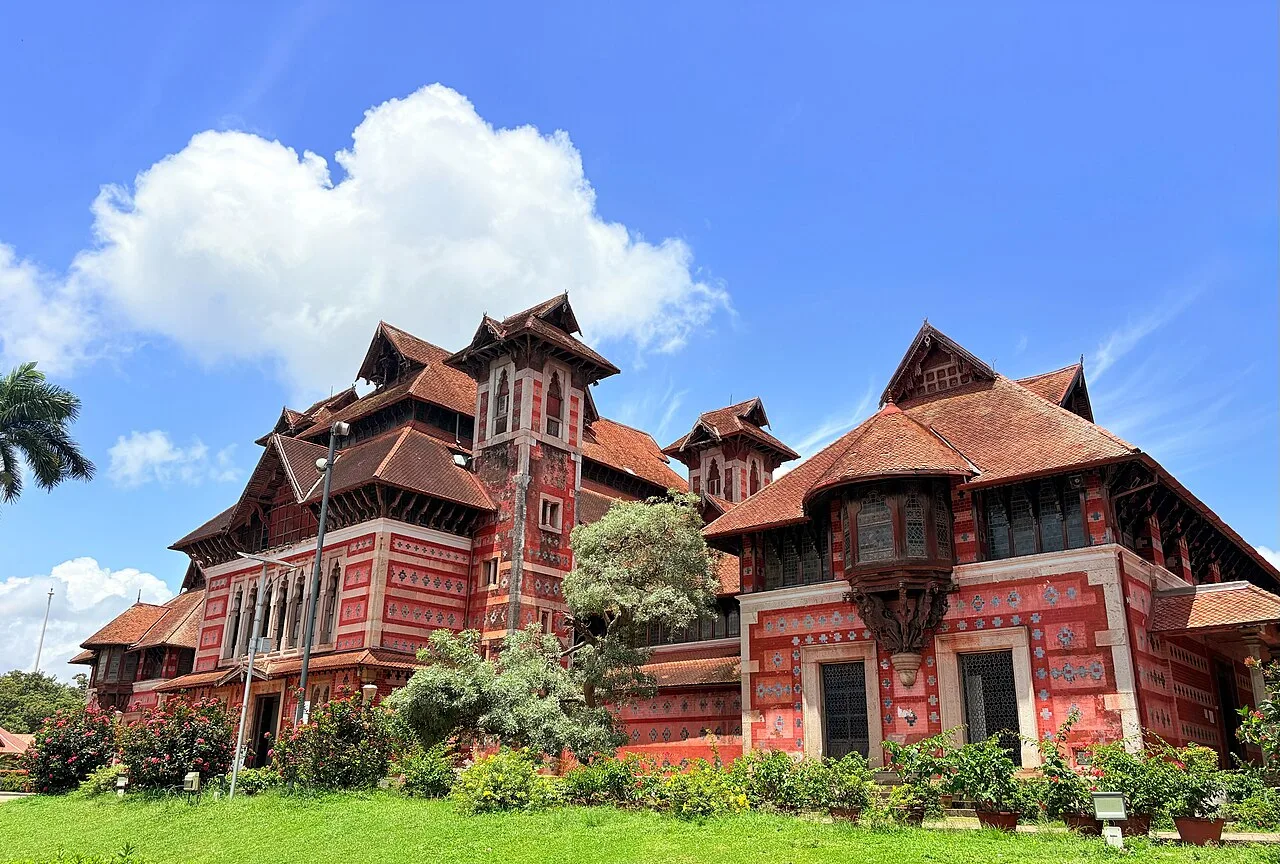
Napier Museum
Napier Museum in Thiruvananthapuram is devoted to art and natural history. Visitors can also see the Sree Chitra Art Gallery and the zoo on its grounds.
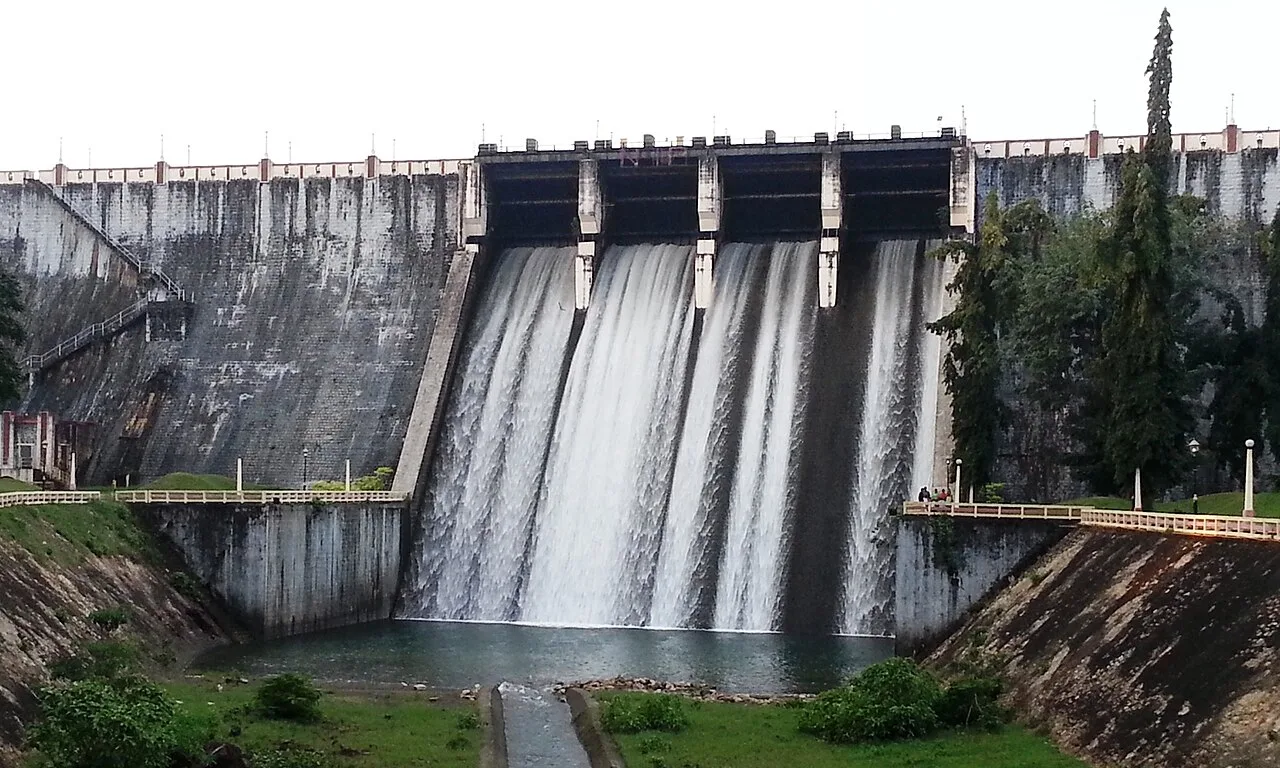
Neyyar Dam
Set at the Western Ghats’ foothills, Neyyar Dam is a gravity structure on the Neyyar River in Kerala. Visitors come to the area for picnics.
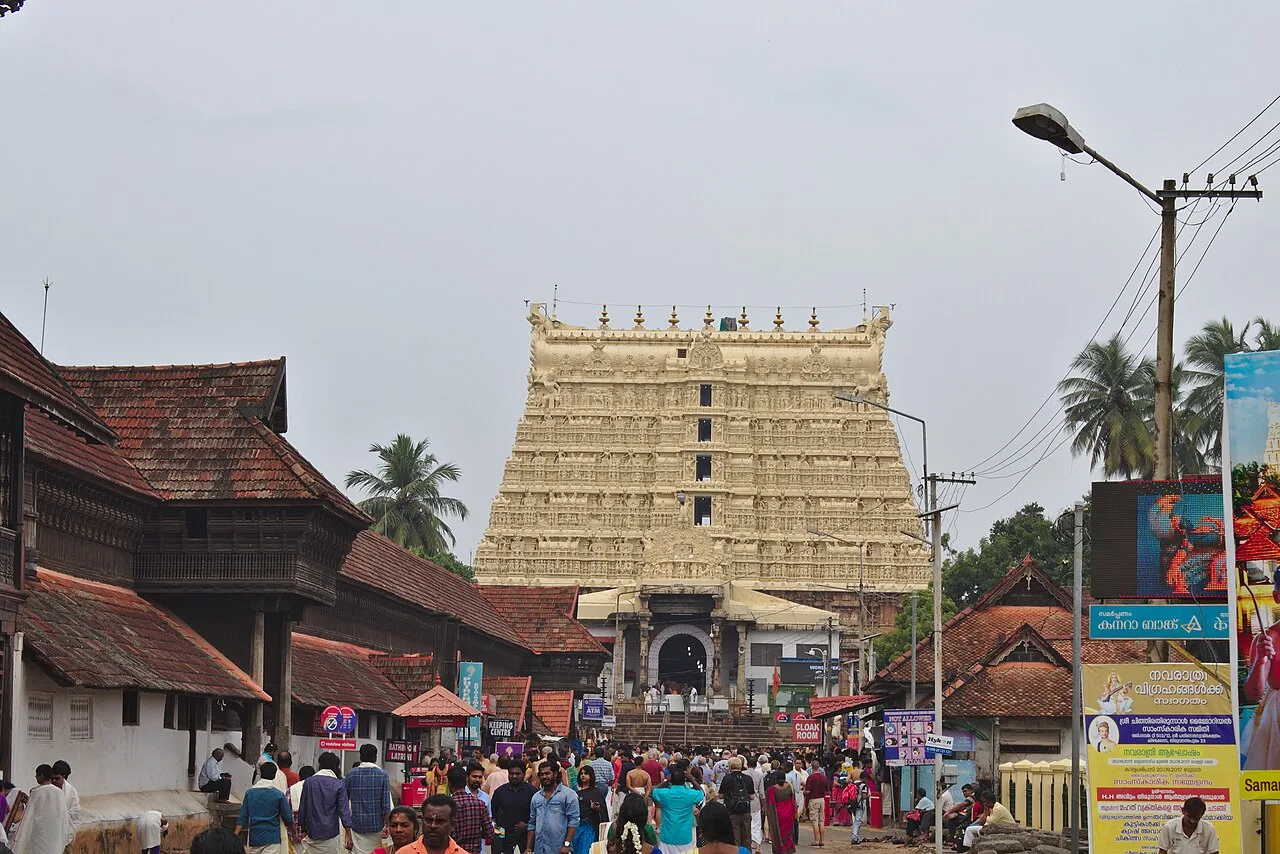
Padmanabhaswamy Temple
Padmanabhaswamy Temple is a Hindu shrine to Vishnu in Thiruvananthapuram, Kerala. Visitors come to worship and to see a site revered in Sri Vaishnava tradition.
Food across the district reflects wider Kerala traditions. Appam with stew, puttu with kadala curry, idiyappam and banana-leaf sadya are familiar choices; seafood is also prominent along the coast, including karimeen (pearl spot) prepared in different styles. Small restaurants and beachside eateries may serve fish curry, rice and seasonal catches, while local bakeries and shops offer banana chips and sweets such as payasam. Coconut and coconut oil feature in many dishes. Menus and spice levels vary, so ask what is freshly prepared and request a milder version if preferred.
Balaramapuram, in the district, is well known for its handloom tradition, especially fine cotton cloth and garments such as mundu and sari. The weaving community’s work is an important part of Kerala’s textile heritage, rather than a style found only here. Kerala mural painting is another regional art tradition, visible in religious and heritage settings across the state. Wood carving and detailed architectural ornament can also be seen in older temples and palaces, including the historic precinct around Kuthiramalika. Visitors interested in buying textiles should look for established local weavers or cooperatives.
Attukal Pongala, usually held in February or March, draws large numbers of devotees to the capital, and accommodation and local transport can be especially busy around the celebration. Onam, generally in August or September, is observed across the district with feasts, cultural events and local gatherings. Vishu in April and temple festivals through the year add to the seasonal calendar. The Sivagiri pilgrimage in Varkala is usually held around the turn of the year. During major observances, book rooms well ahead and allow extra time for road travel and crowds.
In this district
Elsewhere in Kerala
The district runs from the Arabian Sea coast through settled lowlands to the forested foothills and peaks of the Western Ghats. Beaches and coastal cliffs shape visits around Kovalam, Varkala and Shankumugham, while the Neyyar basin, reservoirs and rivers connect the interior to the uplands. Ponmudi and the Agasthyamalai range offer steep, green terrain and protected forests. Journeys between coast, city and hills can involve winding roads, changing elevation and slower travel in wet weather; some forest and trekking areas have controlled access.
The district is warm and humid for much of the year. Summer, roughly March to May, can feel particularly hot, especially in the city and lowlands. The southwest monsoon usually brings sustained rain from around June into September, with further showers possible during the retreating monsoon in October and November. The relatively drier period from November to February is generally the most comfortable for sightseeing and outdoor travel. Pack light clothing, sun protection and water for hot days, plus a compact rain layer and footwear with good grip. For hill visits, carry an extra layer and check local weather and access conditions.
Thiruvananthapuram International Airport serves the district, and Thiruvananthapuram Central is its principal railway station. The coastal rail route links the capital with towns elsewhere in Kerala and beyond. National Highway 66 runs through the district and connects it with destinations along the western coast; other state and local roads lead inland towards hill and rural areas. Buses, auto-rickshaws and taxis are common ways to get around the city and nearby destinations. Reaching beaches or upland attractions may require a road journey and a change of transport. Check current services locally before setting out.
Thiruvananthapuram city is served by buses, auto-rickshaws and taxis, and the airport and Central railway station are useful arrival points. Road journeys connect the capital with Varkala to the north and Kovalam, Poovar and Neyyar to the south; routes towards Ponmudi and other upland areas are more winding. Local and intercity buses serve many towns, but reaching trailheads or remote attractions may require a taxi or a change of vehicle. Shared jeeps operate on some rural routes. Boat trips around Poovar are generally visitor excursions rather than a dependable way to travel between towns.
2 days: Padmanabhaswamy Temple → Kuthiramalika → Attukal Bhagavathy Temple → Kovalam Beach → Poovar Island and Beach. Sleep: Thiruvananthapuram. 3 days: Napier Museum → Kanakakkunnu Palace → Shankumugham Beach → Varkala Beach. Night 1: Thiruvananthapuram; night 2: Varkala. 4 days: Ponmudi Hills → Peppara Wildlife Sanctuary → Neyyar Dam → Poovar Island and Beach. Night 1: Ponmudi area; night 2: Neyyar area; night 3: Poovar or nearby.
Thiruvananthapuram is the most practical base for the capital’s temples, palaces and museums, with hotels, guesthouses and homestays across the city. Kovalam and Poovar suit beach-focused stays, while Varkala has a mix of guesthouses, homestays and hotels near the coast. For Ponmudi and Neyyar, options are more limited; check availability and access before building an itinerary around an upland stay. Pilgrim lodgings or dharamshalas may be available near some religious sites, subject to their own arrangements and rules.
Coastal currents and steep or slippery sections near cliffs can be hazardous; swim only where local guidance indicates it is safe and follow warning flags. Keep a respectful distance from wildlife and follow sanctuary staff instructions. Use safe drinking water and take sun and insect protection, particularly outdoors. Mobile connectivity may be limited in uplands. Agasthyarkoodam trekking is regulated and requires official permission or booking; confirm current permits, routes and entry rules with the relevant forest authorities before setting out. Check local road and weather conditions, especially for remote journeys.
- Tenkasi · Tamil Naduabout 53 km
- Kollamabout 64 km
- Kanniyakumari · Tamil Naduabout 67 km
- Tirunelveli · Tamil Naduabout 71 km
- Pathanamthittaabout 99 km
- Alappuzhaabout 125 km
- Thoothukudi · Tamil Naduabout 130 km
- Virudhunagar · Tamil Naduabout 134 km
Straight-line distance between the centres of each district's destinations; road distance is longer.
Q: How many days should I spend in Thiruvananthapuram district? A: Two or three days can cover the capital and a nearby coast. Allow four or more days if you also want to visit hill or forest areas. Q: When is the best time to visit? A: November to February is generally the most comfortable period for sightseeing, though conditions vary and upland access should be checked locally. Q: Where is the best base? A: Stay in Thiruvananthapuram for city sights, or choose Kovalam, Varkala or Poovar for a coastal visit. Upland stays need more advance planning. Q: How do I get to the district? A: Thiruvananthapuram International Airport and Thiruvananthapuram Central railway station serve the capital. Road and bus connections link it with other parts of Kerala. Q: Is the district suitable for families or elderly travellers? A: Yes, with a suitable pace and transport plan.
This page draws on our 14 destination guides for Thiruvananthapuram and is updated as our team checks it.
Be the first to share photos, stories, advice or a helpful contact for Thiruvananthapuram.
Loading…