
District · Kerala
Kozhikode
Kozhikode, historically known as Calicut, is a coastal district in northern Kerala where the Malabar Coast meets the foothills of the Western Ghats.
Kozhikode district stretches from Kerala’s Malabar Coast towards the wooded foothills of the Western Ghats, bringing together beaches, a busy coastal city and inland waterfall country. Kozhikode, historically known as Calicut, grew as a trading port under the Zamorin rulers, with maritime commerce shaping its cosmopolitan character. Kappad is associated with Vasco da Gama’s arrival in 1498, while Beypore preserves a longstanding connection with ports and wooden shipbuilding. In the city, Mananchira’s freshwater pond, Mishkal Mosque and Tali Shiva Temple offer different perspectives on its civic and religious heritage. Kozhikode Beach provides an accessible coastal outing; Thusharagiri Falls draws visitors inland. The district rewards a mix of waterfront walks, heritage visits and unhurried meals.
Kozhikode, historically known as Calicut, is a coastal district in northern Kerala where the Malabar Coast meets the foothills of the Western Ghats. Its history as a trading port gives the city a distinctive maritime and cultural character, while Beypore continues a tradition of wooden shipbuilding. Visitors can combine the city’s pond, mosques and temples with a walk along Kozhikode Beach, a visit to Kappad, or an inland trip to Thusharagiri Falls. The district is also known for its food and lively markets. It suits travellers looking for a mix of coastal scenery, heritage and everyday city life, with options for both short visits and slower journeys.
Kozhikode grew into an important port on the Malabar Coast under the Zamorin rulers, also known as the Samoothiris. From the medieval period, its maritime trade connected the region with Arab merchants and other Indian Ocean networks, helping shape the city’s diverse religious and cultural life. Kappad is associated with the arrival of the Portuguese navigator Vasco da Gama in 1498, an event that opened a new phase of European involvement in the region. Portuguese influence was followed by Dutch and later British competition for control of coastal trade. In the late eighteenth century, Kozhikode came under the influence of the Mysore rulers, Hyder Ali and Tipu Sultan; after the Mysore wars, the area passed to British rule. Under the British, it formed part of Malabar District in the Madras Presidency. After Indian independence and the formation of Kerala, Kozhikode district was established in 1957. Wayanad, which had initially been part of the district, became a separate district in 1980. The port, religious sites and shipbuilding traditions remain visible reminders of these successive trading and political eras.
7 destination guides
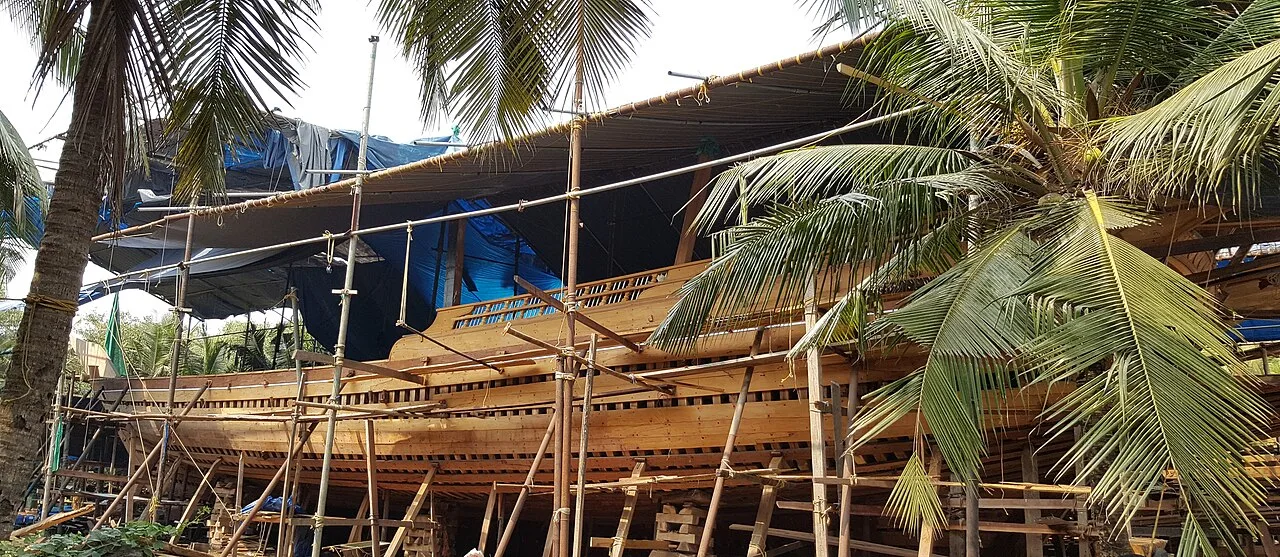
Beypore Port and Uru Yards
Beypore is a historic port area in Kozhikode, Kerala, known for its wooden uru shipbuilding tradition. Visitors come to see the harbour, marina and beach, and learn about its maritime past.
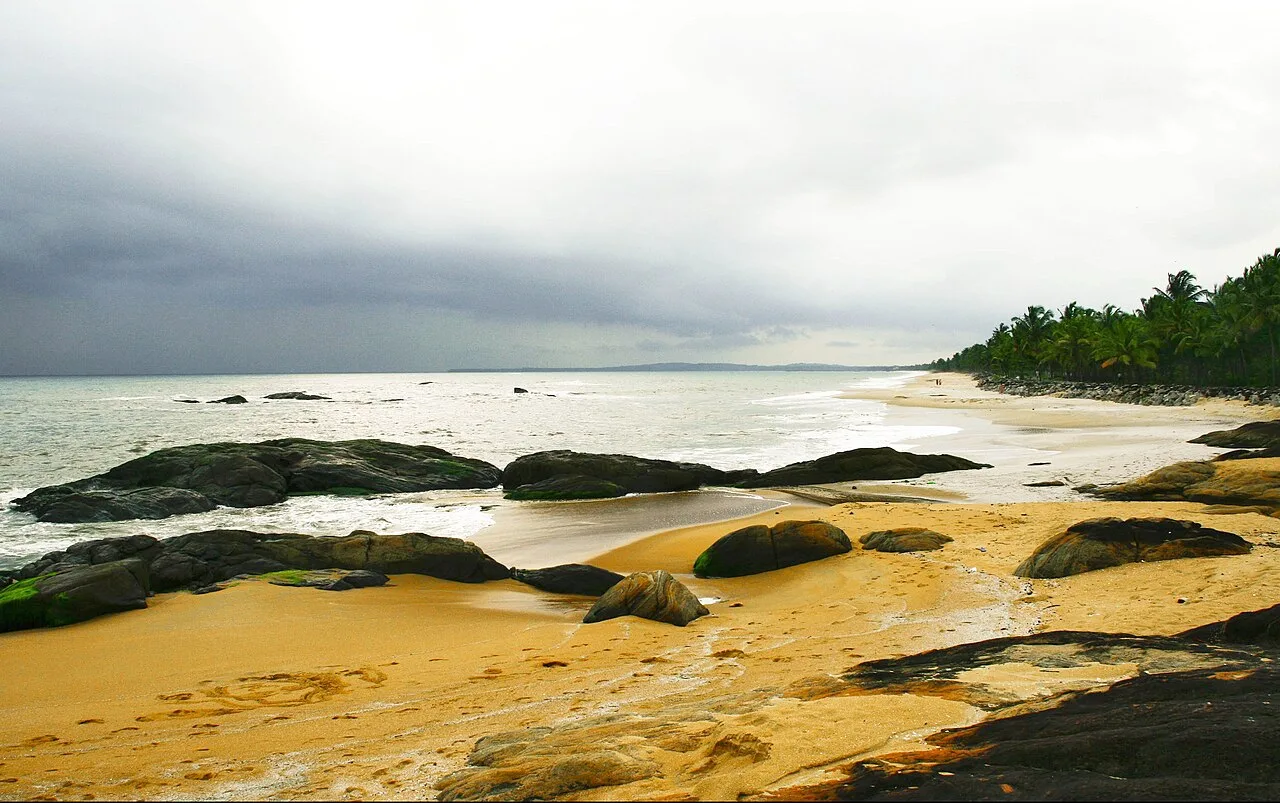
Kappad Beach
Kappad is a beach and village near Koyilandy in Kerala’s Kozhikode district. Visitors come for its memorial to Vasco da Gama’s 1498 arrival and its Blue Flag beachfront.
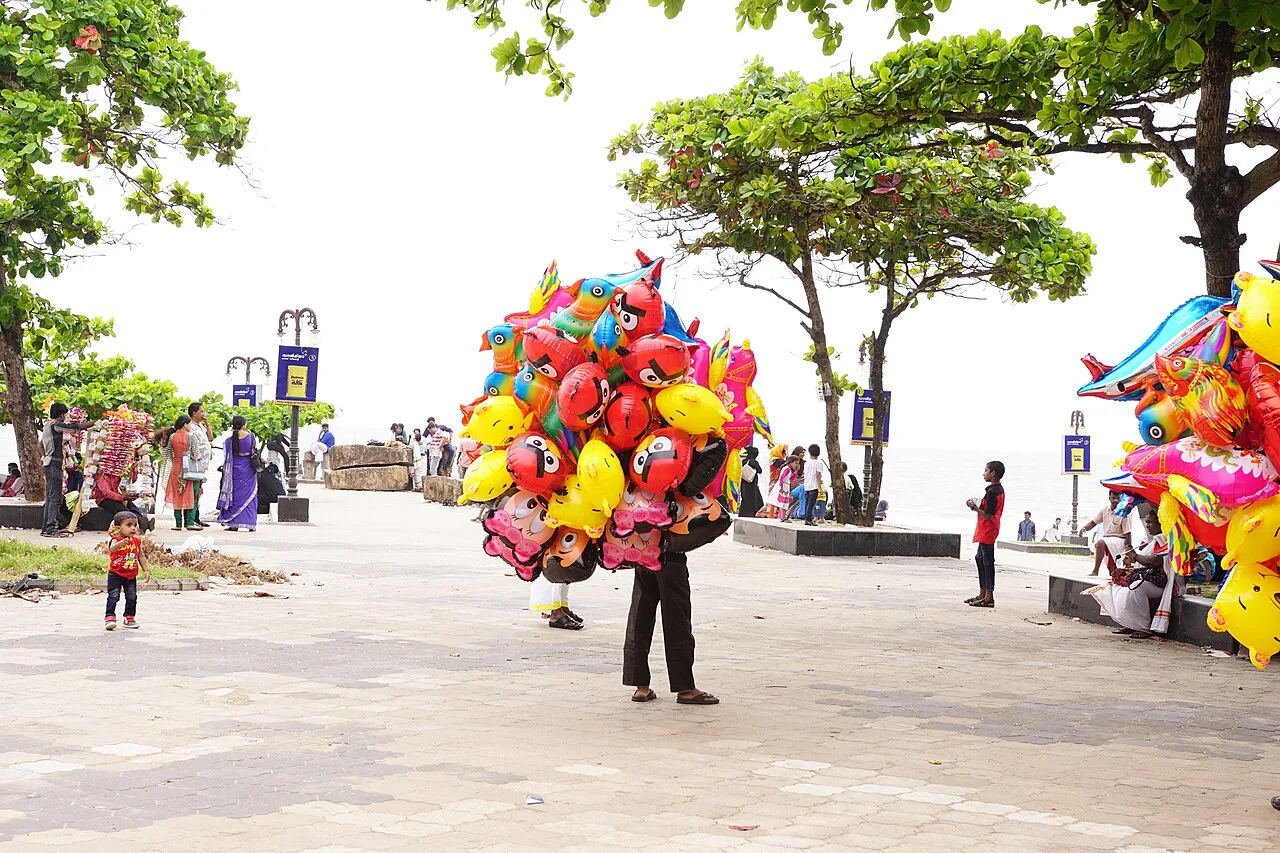
Kozhikode Beach
Kozhikode Beach is a shoreline on the city’s western side along the Malabar Coast, visited for public gatherings and facilities including a children’s park and aquarium.
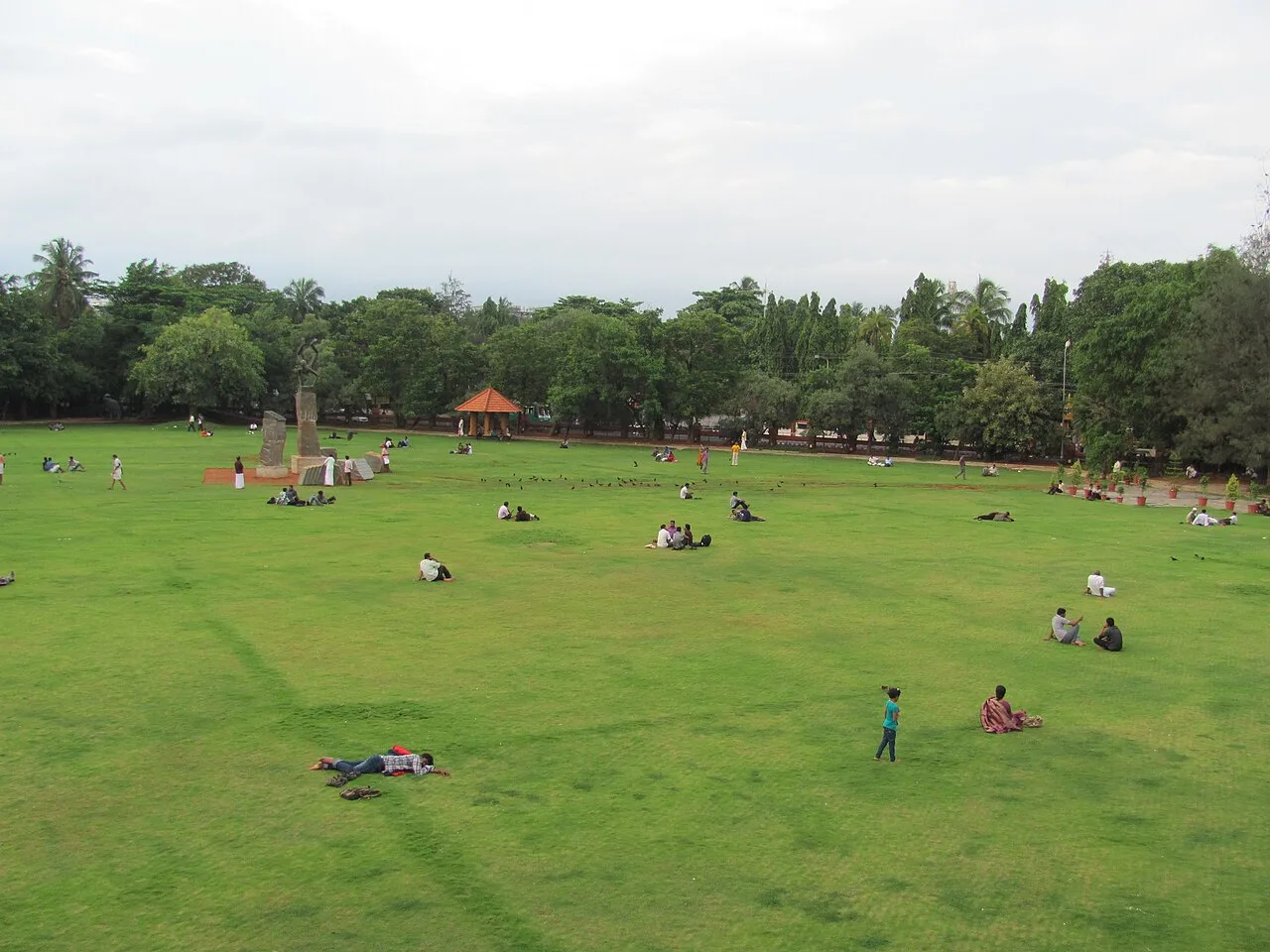
Mananchira
Mananchira is an artificial freshwater pond in central Kozhikode, Kerala. Visitors come to see its rectangular form and spring-fed waters within the city.
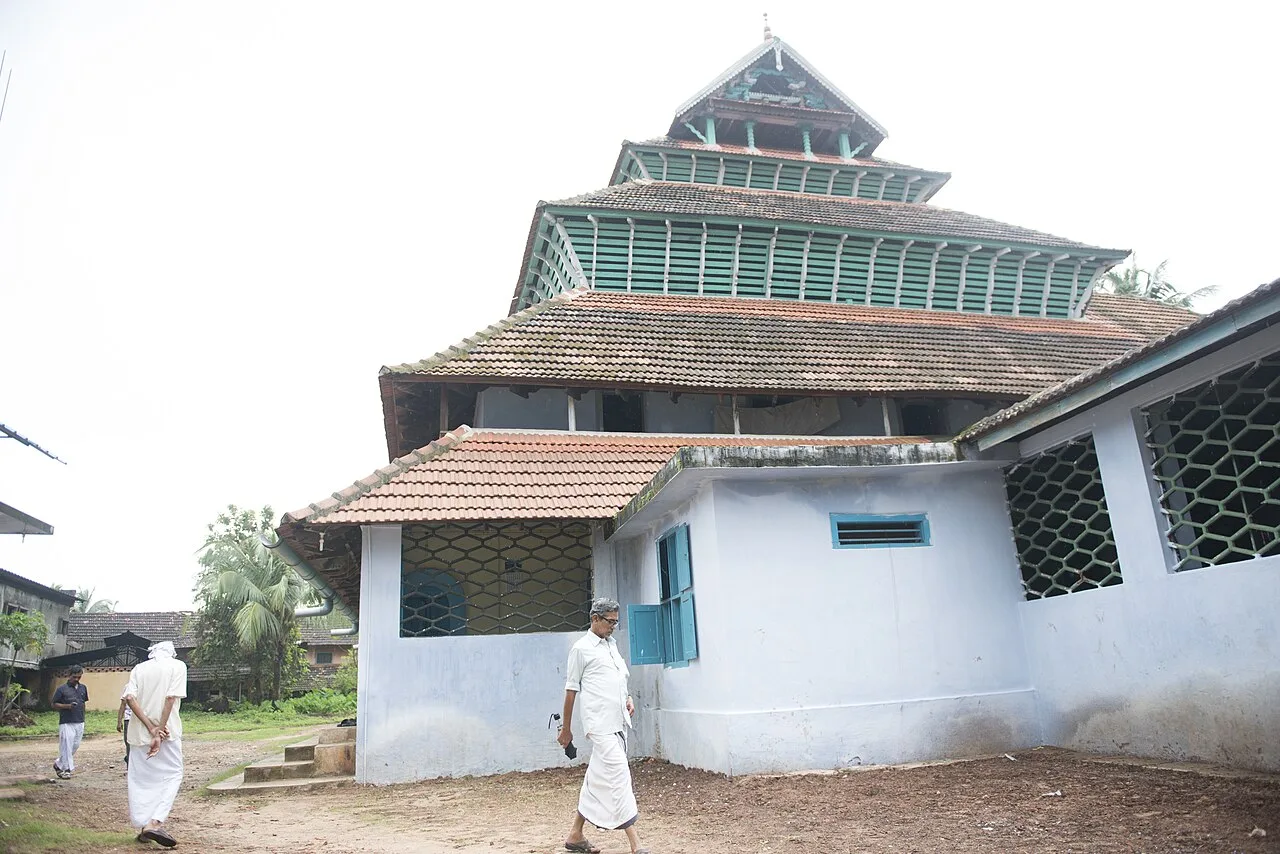
Mishkal Mosque, Kozhikode
Mishkal Mosque, also called Mithqal Mosque, is a Shāfiʿī mosque in Kozhikode, Kerala. People visit to see a rare surviving medieval mosque recognised for its cultural, historical and architectural importance.
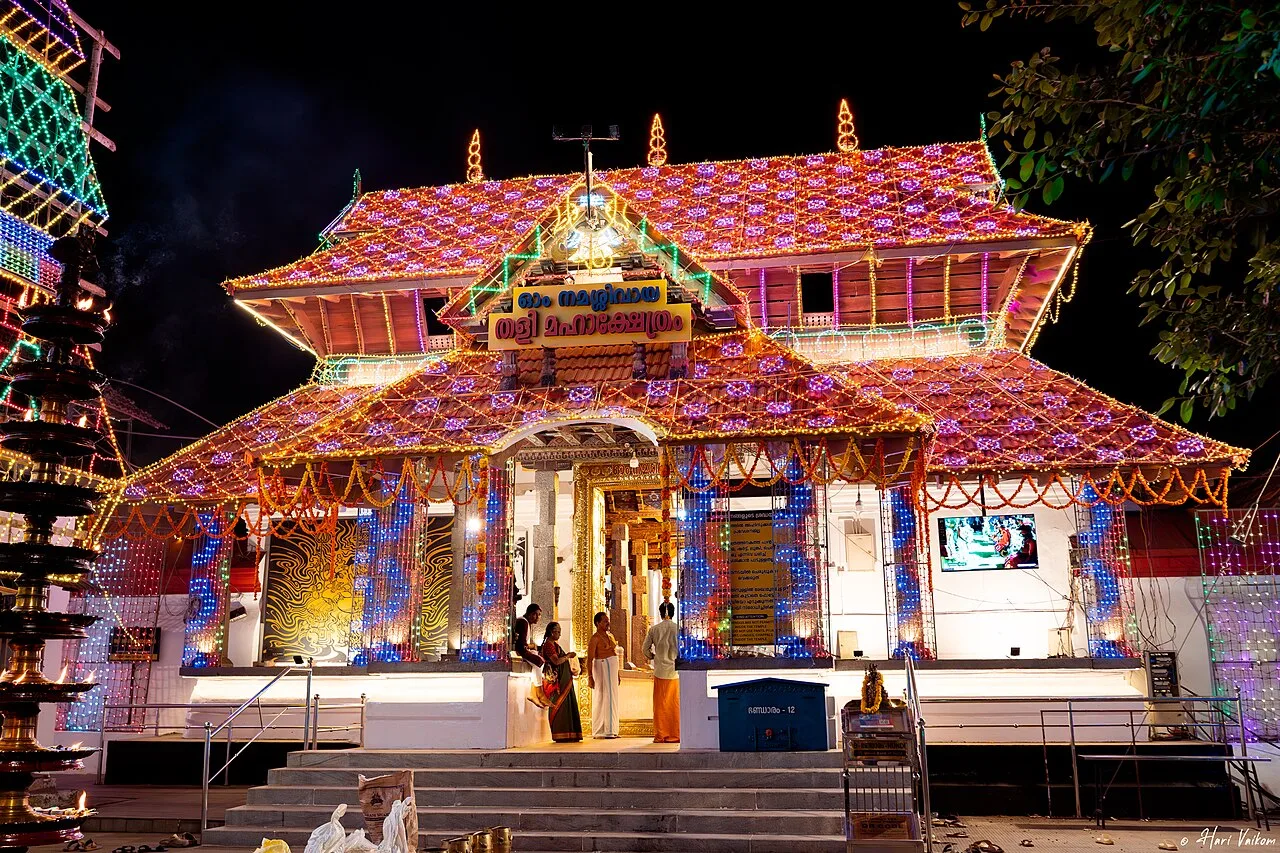
Tali Shiva Temple
Tali Shiva Temple is a long-established Shaiva shrine in central Kozhikode, visited for its sacred Shiva lingam, Kerala-style architecture and associated deities.
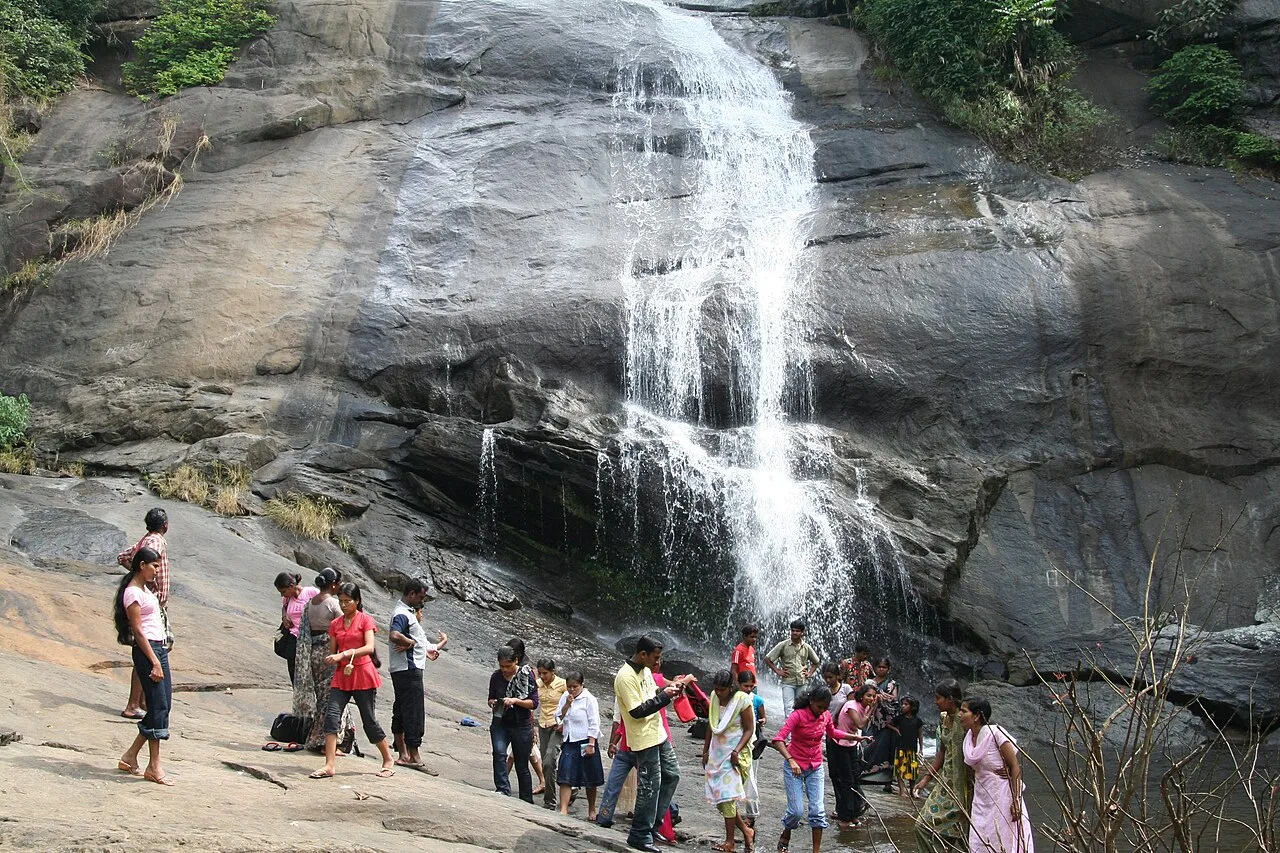
Thusharagiri Falls
Thusharagiri Falls is a waterfall in Kozhikode district, Kerala, where the Chalippuzha River forms three cascades. Visitors come to see the falls and their snowy spray.
Kozhikode’s cooking belongs to the wider Malabar tradition, with rice, coconut, seafood and aromatic spices central to many meals. Malabar biryani and pathiri, thin rice flatbreads often paired with meat curries, are useful starting points. Kerala parotta with chicken or beef dishes is another familiar option. Across Kerala, breakfasts include puttu with kadala curry, appam with stew and idiyappam; vegetarian meals may take the form of a banana-leaf sadya. Kozhikode is also well known for halwa, sold in numerous varieties. Ask small eateries what has been prepared that day, and mention dietary restrictions rather than assuming dishes are vegetarian or mildly spiced.
Beypore’s uru-building tradition is the district’s best-known craft connection: skilled carpenters construct large wooden vessels associated with maritime trade across the Arabian Sea. These are working boatyards rather than guaranteed visitor attractions, so seek permission before entering or photographing work. Handloom weaving also forms part of the wider north Kerala craft landscape, with cotton fabrics, dhotis, saris and towels among familiar products; ask sellers about where an item was woven. Beyond material crafts, Malabar’s Mappila song traditions and oppana performances reflect the region’s cultural life, though they are not exclusive to Kozhikode.
Onam, usually celebrated in August or September, and Vishu, in April, are widely observed across Kerala, including Kozhikode. Eid celebrations are prominent in the district’s Muslim communities and can bring busy markets and family gatherings. Temple festivals take place at different times of year; Kozhikode’s Tali Shiva Temple is associated with the scholarly gathering known as Revathi Pattathanam, generally held in the Malayalam month of Thulam, around October or November. Theyyam is a regional Malabar tradition, with performances usually concentrated in the cooler months. Festival periods can increase local crowds and make rooms harder to find, so book ahead when travelling then.
Elsewhere in Kerala
The district runs from the Malabar Coast eastwards through settled lowlands and river valleys to the wooded foothills of the Western Ghats. Its shoreline includes beaches and working coastal areas, while rivers and streams cross the interior; the Kallayi and Korapuzha are among the waterways associated with the region. Further inland, forested slopes and waterfalls, including Thusharagiri, make journeys more scenic but slower than city travel. Coastal sights are relatively easy to combine by road, whereas hill and waterfall visits need extra time, especially during heavy rain.
Kozhikode has a warm, humid tropical climate. Summer, broadly from March to May, can feel hot, particularly in the city and along the coast. The southwest monsoon usually brings sustained rain from around June into September, with wet roads and possible disruption to waterfall and hill visits. October to February is generally drier and more comfortable for combining city, beach and inland outings, making it a good period to visit. Pack light clothing, sun protection and drinking water for warm days; carry a rain jacket or umbrella in the monsoon and sturdy footwear for wet paths. Check local conditions before travelling to waterfalls during or after heavy rain.
Calicut International Airport at Karipur is the main air gateway, while Kozhikode railway station is a convenient arrival point for the city and onward district travel. National Highway 66 provides coastal road connections, and National Highway 766 links Kozhikode towards Wayanad. Intercity buses connect the city with other Kerala centres and neighbouring states. Within the city, buses, autorickshaws and taxis serve most visitor areas. Kappad and Beypore can be reached by road; trips to Thusharagiri require more planning for onward and return transport. Allow extra time during heavy rain and city traffic, and check current services locally.
Kozhikode city is the main transport hub, with local buses, autorickshaws and taxis serving many visitor areas. Buses and road services connect the city with Koyilandy, Beypore and other towns; National Highway 66 runs along the coast, while National Highway 766 heads inland towards Wayanad. Kappad and Beypore can be reached by road, but routes and onward connections may require planning. For Thusharagiri, arrange a return journey in advance, as local services may be less convenient. Boats are not a necessary link between the listed sights. Allow extra time for traffic and monsoon conditions.
2 days: Mananchira → Mishkal Mosque, Kozhikode → Tali Shiva Temple → Kozhikode Beach; sleep in Kozhikode. 3 days: Mananchira → Tali Shiva Temple → Mishkal Mosque, Kozhikode → Beypore Port and Uru Yards → Kozhikode Beach → Kappad Beach; sleep in Kozhikode both nights. 4 days: Mananchira → Mishkal Mosque, Kozhikode → Tali Shiva Temple → Kozhikode Beach → Beypore Port and Uru Yards → Kappad Beach → Thusharagiri Falls; sleep in Kozhikode for the first two nights and near Thusharagiri for the third.
Kozhikode city is the most practical base for heritage visits, the beach and onward road connections; it has a broad choice of hotels, guesthouses and some homestays. Koyilandy or nearby coastal villages can suit visitors who want to spend more time around Kappad, though room options may be fewer. For Thusharagiri, look for accommodation in the surrounding area or return to the city, allowing for slower roads. Government lodges and dharamshalas may be available in some places but are not as widely distributed as commercial stays; check current availability and access before relying on them.
Take care on rocky or wet shorelines, and avoid swimming where surf or currents are strong. Paths near waterfalls can be slippery; heavy monsoon rain may make access unsafe or disrupt road travel, so follow local instructions. On forest-edge routes, keep a respectful distance from wildlife and do not feed animals. Use treated or reliably supplied drinking water, and carry basic medicines for a day trip. City roads can be busy, while connectivity may be weaker in hill areas; plan return transport before setting out. Check official local guidance for any access restrictions or permits before trekking or entering restricted areas.
- Malappuramabout 34 km
- Wayanadabout 55 km
- Mahe · Puducherryabout 56 km
- Kannurabout 78 km
- Thrissurabout 94 km
- Chamarajanagar · Karnatakaabout 106 km
- Nilgiris · Tamil Naduabout 109 km
- Palakkadabout 110 km
Straight-line distance between the centres of each district's destinations; road distance is longer.
Q: How many days should I spend in Kozhikode district? A: Two days can cover city heritage and the beach; three or four days allow time for coastal stops and an inland waterfall visit. Q: When is the best time to visit? A: October to February is generally a comfortable period. Monsoon travel can be rewarding but requires flexibility and care around waterfalls. Q: Where is the best base? A: Kozhikode city is the most convenient all-round base, with Koyilandy or the Thusharagiri area useful for more focused trips. Q: How do I get to the district? A: Calicut International Airport and Kozhikode railway station serve the city. Road and bus connections link Kozhikode with other Kerala towns and nearby states. Q: Is Kozhikode suitable for families or elderly travellers? A: Yes, the city and coastal sights can suit a range of visitors, though uneven paths, crowded areas and hill excursions may require extra care and planning.
This page draws on our 7 destination guides for Kozhikode and is updated as our team checks it.
Be the first to share photos, stories, advice or a helpful contact for Kozhikode.
Loading…