
District · Kerala
Thrissur
Thrissur brings together Kerala’s temple traditions, classical performing arts, historic port towns and varied landscapes in one district.
Thrissur district stretches from the Arabian Sea coast around Kodungallur through fertile central plains to the wooded foothills of the Western Ghats. Rivers, paddy fields and coconut groves shape much of the landscape, while the eastern side includes forested terrain and waterfalls such as Vazhachal. The district’s long history is reflected in Kodungallur, associated with the ancient port region of Muziris, and in temples, palaces and other heritage sites. Thrissur city is often called Kerala’s cultural capital, with the Vadakkunnathan Temple and the annual Thrissur Pooram among its best-known landmarks. Guruvayur is a major pilgrimage town, and the district’s everyday life brings together religious traditions, agriculture, commerce and the arts.
Thrissur brings together Kerala’s temple traditions, classical performing arts, historic port towns and varied landscapes in one district. The city of Thrissur is an important cultural centre, known especially for the annual Thrissur Pooram and Vadakkunnathan Temple. Elsewhere, Guruvayur is a major pilgrimage destination, while Kodungallur preserves religious and maritime heritage. Travellers can also visit the Chalakudy River waterfalls and forested foothills, inland dams, and the district’s Arabian Sea coast.
The region has a long history of settlement and trade, shaped by its position between the Western Ghats and the Arabian Sea. Kodungallur, associated with the ancient port of Muziris, was an important centre of Indian Ocean commerce; the Chera rulers held power in parts of the wider region in early historic times. Later, local rulers and the Perumpadappu Swaroopam, which became the Kingdom of Cochin, influenced the area. European maritime powers, including the Portuguese and Dutch, competed for influence along the coast, before British authority expanded in the region. In the late eighteenth century, the Cochin ruler Rama Varma IX, known as Sakthan Thampuran, developed Thrissur town and helped establish its public spaces and cultural life. The area formed part of the princely state of Cochin under British paramountcy. Thrissur district was established in 1949, before the formation of Kerala state in 1956. Its temples, mosques and churches reflect the region’s diverse religious history.
13 destination guides
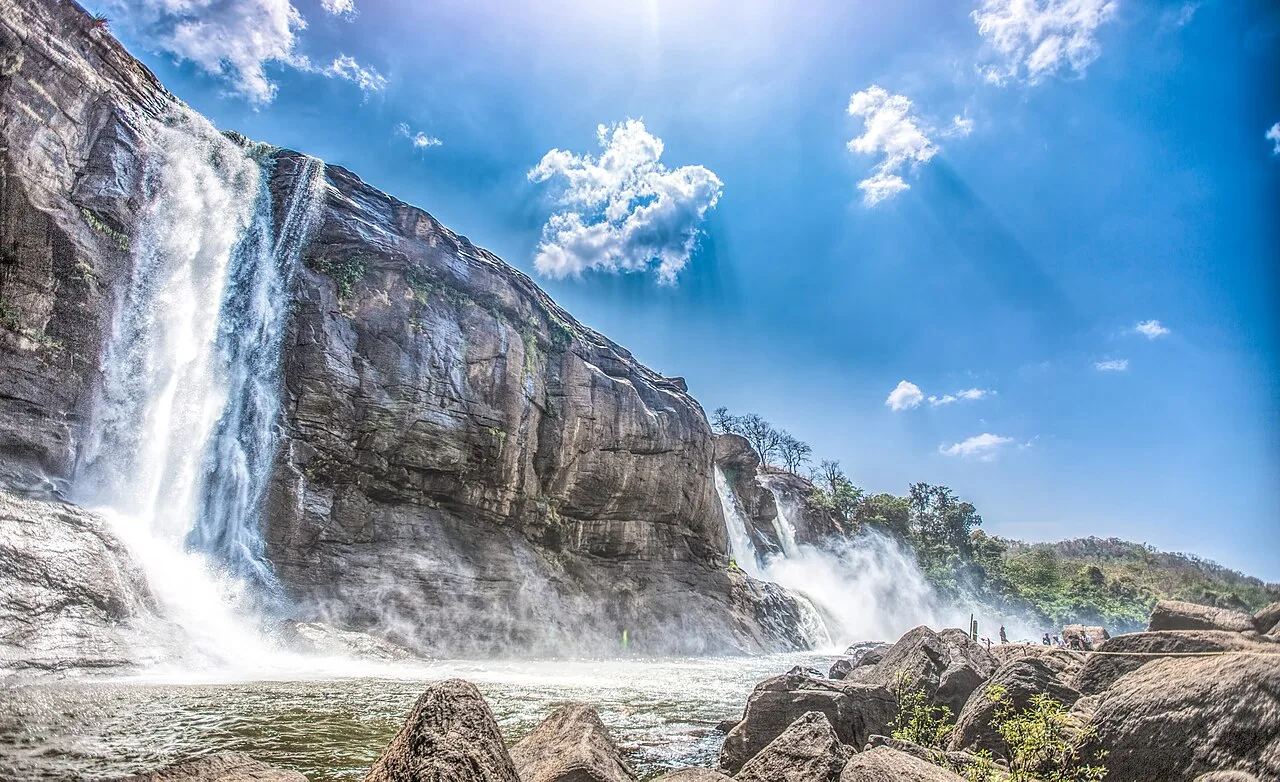
Athirappilly Falls
Athirappilly Falls is Kerala’s largest waterfall, set on the Chalakudy River in Thrissur district; its 81.5-foot drop and nearby forested scenery draw visitors.
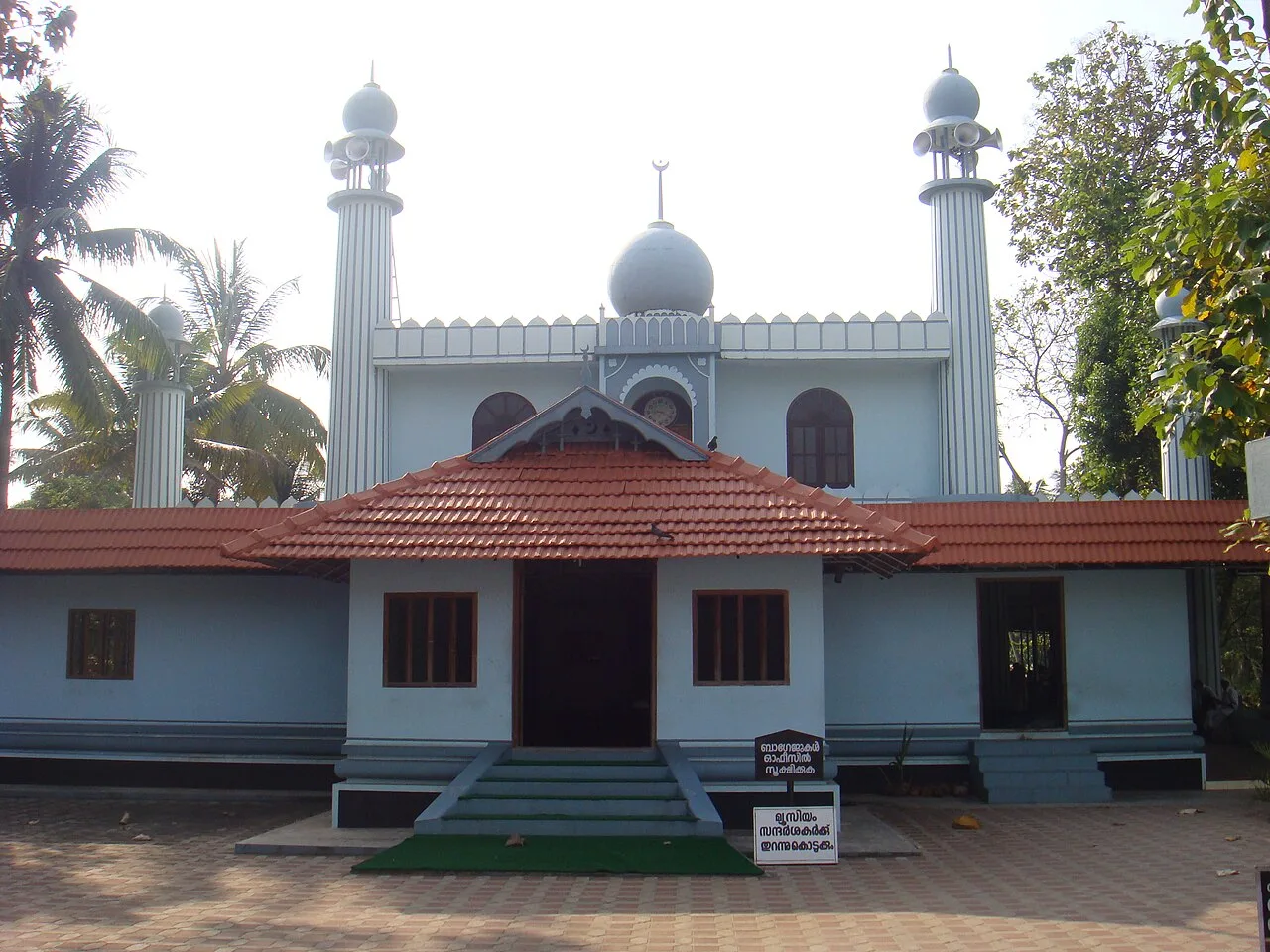
Cheraman Juma Mosque
In Kodungallur, the Cheraman Juma Mosque is a historic place of Muslim worship in Thrissur district. Visitors come to see its traditional architecture and learn about its disputed origins.
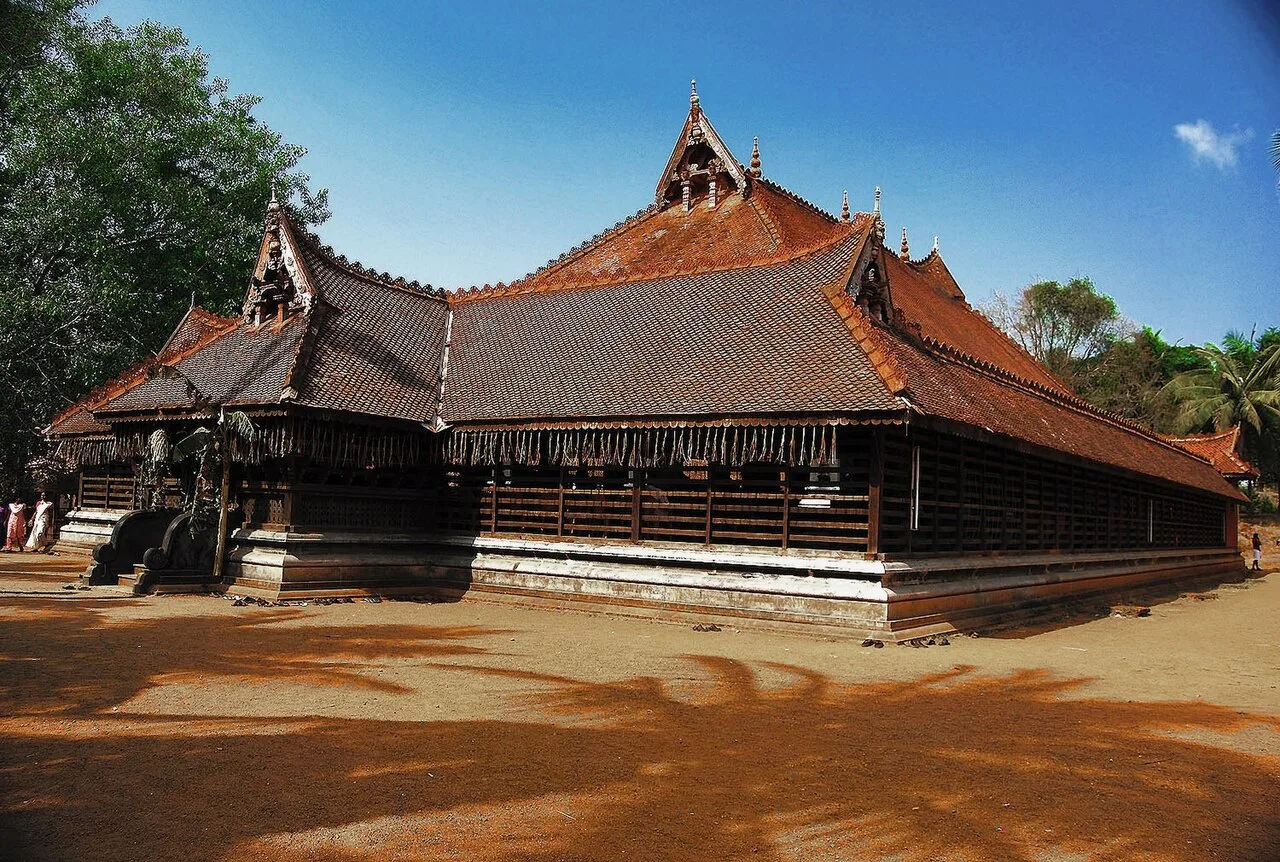
Cheruthuruthy
Cheruthuruthy, also called Vallathol Nagar, is a settlement in Kerala’s Thrissur district, beside the Nila, or Bharathapuzha. Its riverside location near Wadakkanchery is a point of interest for visitors.
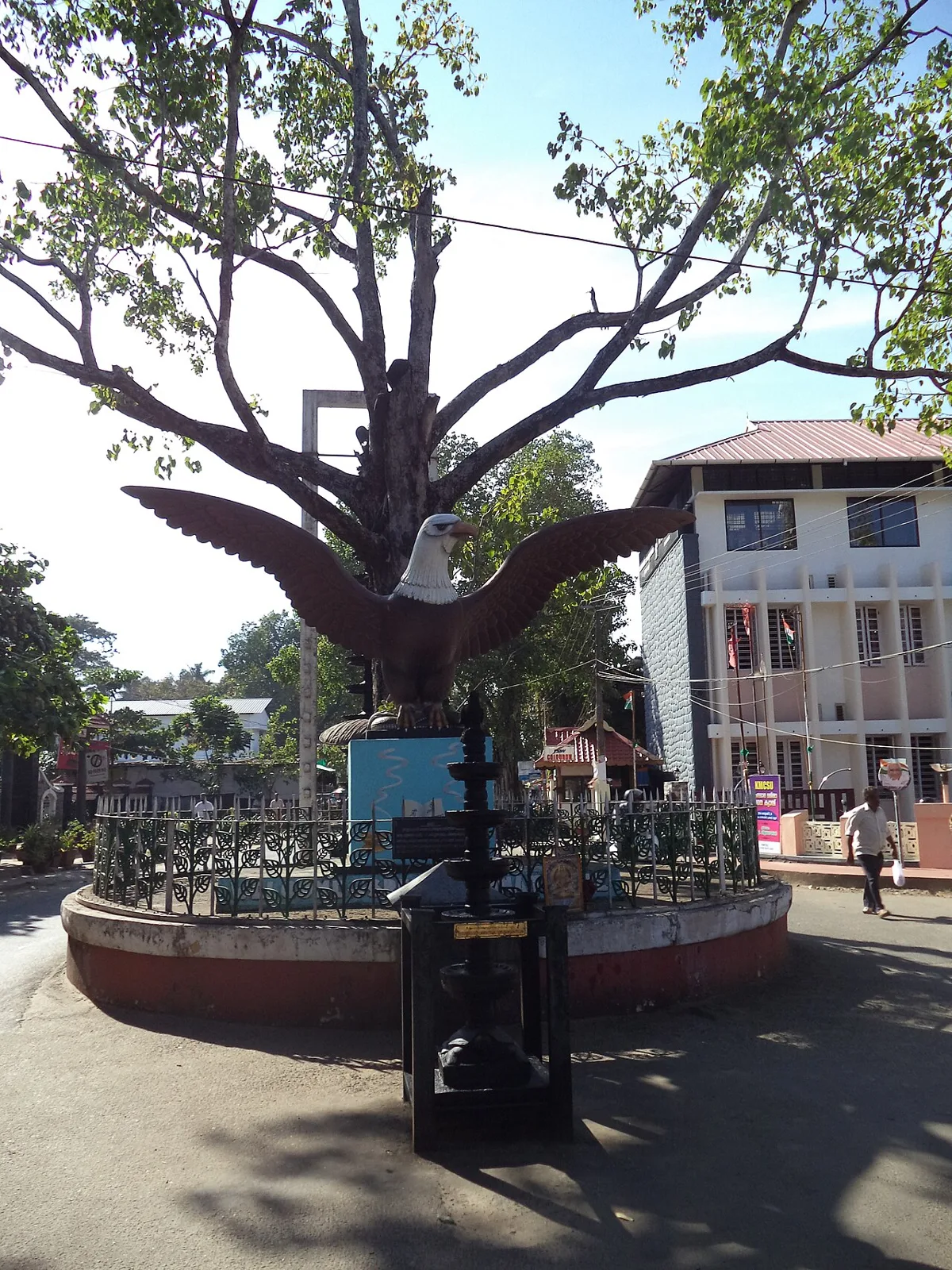
Guruvayur Temple
In Guruvayur, Kerala, this temple is dedicated to Guruvayurappan, a Krishna-Vishnu form. Worshippers visit to honour the deity at a shrine associated with the Sri Vaishnava tradition.
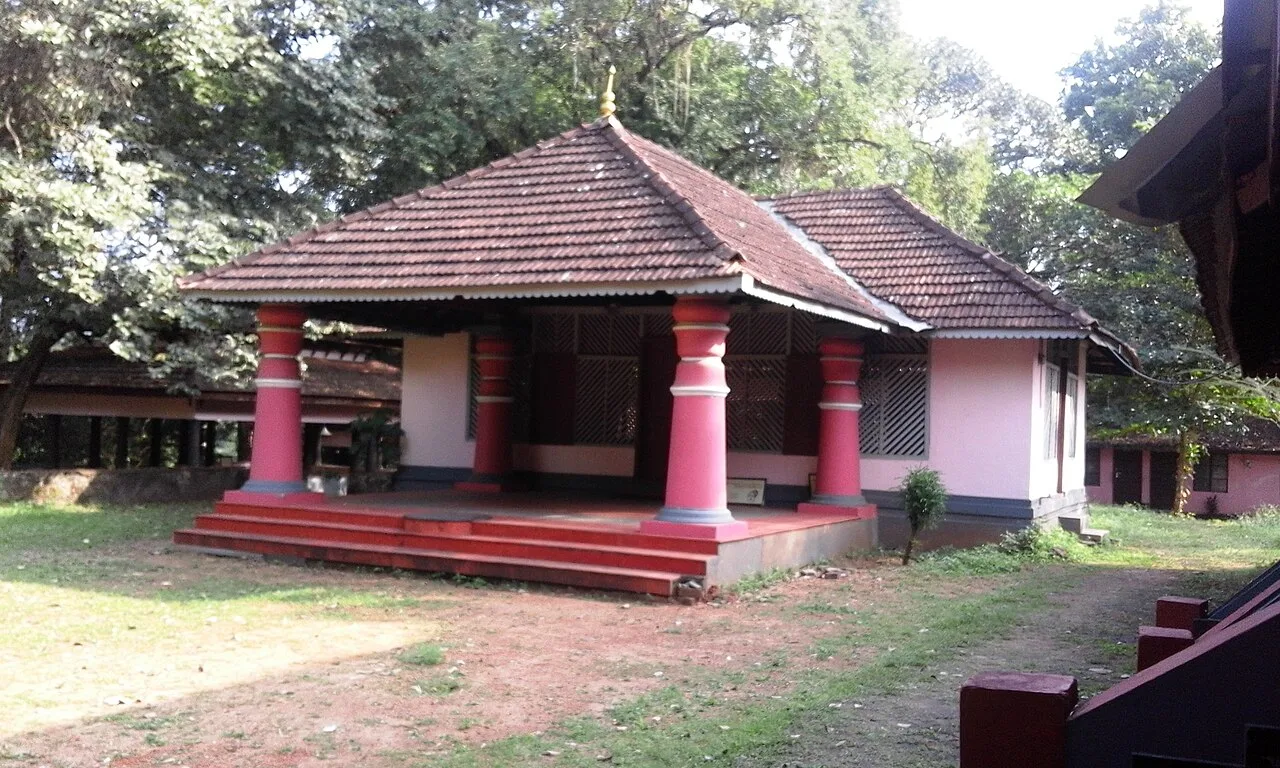
Kerala Kalamandalam, Cheruthuruthy
Kerala Kalamandalam is a government-recognised deemed university for art and culture in Cheruthuruthy, Thrissur district. People visit to learn about Indian performance traditions, particularly those of Kerala.
Kodungallur Sree Kurumba Bhagavathy Temple
Kodungallur Sree Kurumba Bhagavathy Temple is a Hindu shrine in Kerala, dedicated to Bhadrakali. Visitors come to worship the goddess, also known as Kodungallur Amma, and view her distinctive image.
Kuthampully
Kuthampully is a village in Thrissur district, Kerala, known for its Devanga weaving families, who make kasavu saris and set-mundu. Visitors are drawn to its distinctive sari borders.
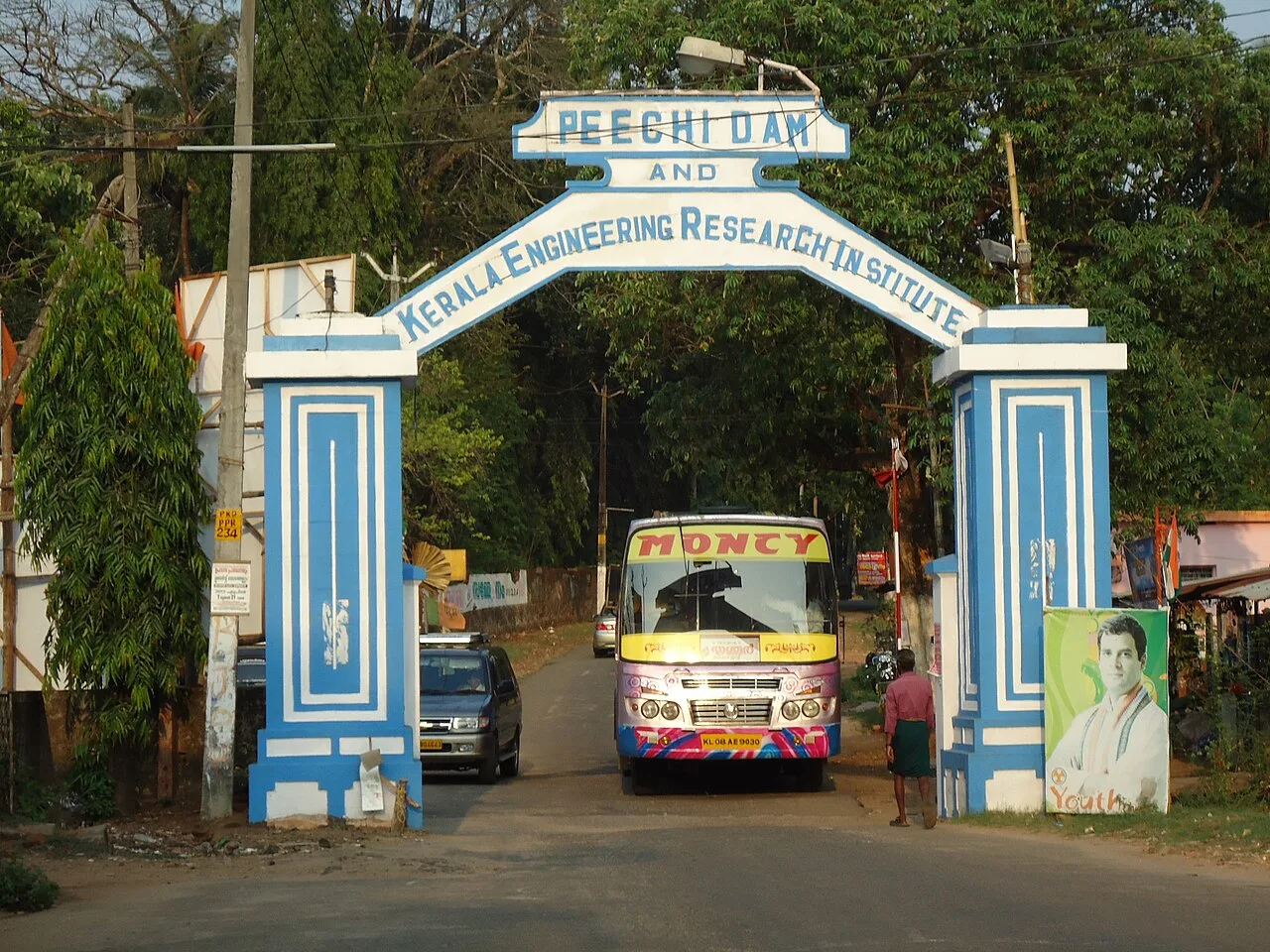
Peechi Dam
Peechi Dam is an irrigation and drinking-water project in Kerala’s Thrissur district, about 22 km from Thrissur city; visitors may also look for elephants at the nearby sanctuary.

Punnathurkotta
Punnathurkotta is a fort and former palace in Kottapadi, Kerala’s Thrissur district. Visitors come to see the site, which is close to Guruvayoor Sree Krishna Temple.
Food in Thrissur reflects the wider cuisine of central Kerala, with coconut, rice and locally available produce prominent. Breakfast choices include appam with stew, puttu with kadala curry and idiyappam; a vegetarian sadya served on a banana leaf is a festive meal. The district’s coastal and riverine areas also have fish curries and fried seafood, while small eateries may serve Kerala parotta with meat dishes. Banana chips and payasam are familiar snacks and sweets. Menus can be limited at smaller restaurants, so ask what is freshly prepared. Coconut oil and chilli are common; diners can request a milder version.
Kuthampully, in Thrissur district, is known for handloom weaving, particularly kasavu textiles such as traditional sarees and dhotis. These light fabrics, often finished with a gold-coloured border, are worn for festivals and ceremonial occasions across Kerala; they are a regional tradition rather than everyday clothing unique to Thrissur. The district also participates in Kerala’s broader temple-art culture, including mural painting and decorative woodwork associated with religious settings. Thrissur Pooram’s elaborate percussion and ceremonial displays are important cultural traditions, though they are performing arts rather than crafts.
Thrissur Pooram, held in the Malayalam month of Medam, usually falls in April or May and draws large crowds to the city, so rooms can become scarce. The Kodungallur Bharani festival, generally in March or April, is an important regional temple festival. Guruvayur also sees heavy pilgrim traffic during festivals, including Guruvayur Ekadashi, usually in November or December. Onam, observed across Kerala around August or September, brings cultural events and family travel. Check current local arrangements before travelling, as festival schedules and access can vary.
In this district
Elsewhere in Kerala
The district runs from the Arabian Sea coast through low-lying plains and midlands to the forested foothills of the Western Ghats. Rivers, including the Chalakudy and Karuvannur, shape agricultural land and settlement; the Chalakudy River feeds the Athirappilly and Vazhachal waterfall area. The east is greener and more hilly, with forest roads and changing conditions, while the coast and central towns are generally easier to reach by road. Journeys between the coast, Thrissur city and the eastern waterfalls can take longer than the map suggests, particularly in wet weather.
Thrissur has a tropical climate, with a warm, humid summer, a substantial southwest monsoon and a generally milder, drier winter. The monsoon usually brings heavy showers from around June into September, with another period of rain possible later in the year. October to February is often a comfortable period for sightseeing, though festival crowds may affect availability. March to May can feel hot, especially around midday. Pack light, breathable clothing, sun protection and drinking water; carry a rain jacket or umbrella during the wet season and footwear with good grip for damp paths and waterfall areas.
Thrissur railway station is the main rail gateway for the city, with services linking it to other major Kerala centres and destinations farther north and south. Cochin International Airport is the principal airport serving Thrissur; onward travel is by road. National Highway 544 connects the city with Kochi and Palakkad, while other highways link district towns and coastal areas. Kerala State Road Transport Corporation and private buses serve many routes; autorickshaws and taxis are useful for shorter trips. Sites such as Guruvayur, Kodungallur and Vazhachal are spread across the district, so plan local transfers between them. Check current services locally before travelling.
Thrissur city is the main road and rail hub for many district trips. Kerala State Road Transport Corporation and private buses connect it with towns such as Guruvayur, Kodungallur and Chalakudy, though reaching individual attractions may require a change or a short onward ride. Autos and taxis are useful for local journeys, while shared jeeps may serve some rural or foothill routes. A taxi or hired vehicle can make a multi-stop trip to the eastern waterfalls easier. Roads may be slow in monsoon weather or during major festivals; confirm local access conditions before setting out.
2 days: Vadakkunnathan Temple → Shakthan Thampuran Palace → Peechi Dam; sleep both nights in Thrissur. 3 days: Guruvayur Temple → Punnathurkotta → Snehatheeram Beach → Cheraman Juma Mosque → Kodungallur Sree Kurumba Bhagavathy Temple; sleep in Guruvayur, then Kodungallur. 4 days: Kerala Kalamandalam, Cheruthuruthy → Athirappilly Falls → Vazhachal Falls → Vadakkunnathan Temple; sleep in Thrissur, near Athirappilly, then Thrissur.
Thrissur city is a practical base for Vadakkunnathan Temple, Shakthan Thampuran Palace and journeys inland to Peechi Dam. Guruvayur suits pilgrims and visitors combining the temple with Punnathurkotta; Kodungallur works for the mosque, temple and coastal heritage. For the waterfalls, staying near Athirappilly or Chalakudy can reduce road travel, while Cheruthuruthy is convenient for Kerala Kalamandalam. Options across the district include hotels, homestays and, in some places, government or religious accommodation. Availability varies, so reserve early for major festivals.
Waterfall rocks and forest paths can be slippery, especially during and after monsoon rain; obey local barriers and avoid entering fast-flowing water. On eastern roads, watch for bends, reduced visibility and wildlife, and do not approach or feed animals. Use sealed or treated drinking water if unsure of local supplies. Festival crowds can mean dense pedestrian areas and traffic diversions, so agree on a meeting point and keep belongings secure. Mobile coverage may be intermittent in forested areas. Check current road access and any official local restrictions before visiting; confirm any permit requirements with the relevant authorities rather than assuming access is unrestricted.
- Palakkadabout 58 km
- Ernakulamabout 61 km
- Malappuramabout 65 km
- Coimbatore · Tamil Naduabout 93 km
- Kozhikodeabout 94 km
- Kottayamabout 101 km
- Idukkiabout 111 km
- Nilgiris · Tamil Naduabout 114 km
Straight-line distance between the centres of each district's destinations; road distance is longer.
Q: How many days should I spend in Thrissur district? A: Two days can cover the city highlights; allow three or four days to include Guruvayur, the coast or the eastern waterfalls. Q: When is the best time to visit? A: October to February is often comfortable for sightseeing. Festival periods are lively but can bring crowds and limited room availability. Q: What is the best base for exploring? A: Thrissur city is a useful all-round base; Guruvayur, Kodungallur or the Athirappilly area may suit focused trips. Q: How do I get to and around the district? A: Thrissur is connected by rail and road, and buses link many towns. Taxis or hired vehicles can help reach attractions beyond town centres. Q: Is Thrissur suitable for families or elderly travellers? A: Yes, many town and temple visits are manageable, but crowds, steps, uneven paths and wet conditions may require extra care.
This page draws on our 13 destination guides for Thrissur and is updated as our team checks it.
Be the first to share photos, stories, advice or a helpful contact for Thrissur.
Loading…