Ghumoopedia — Explore, Discover, Experience
Sign in
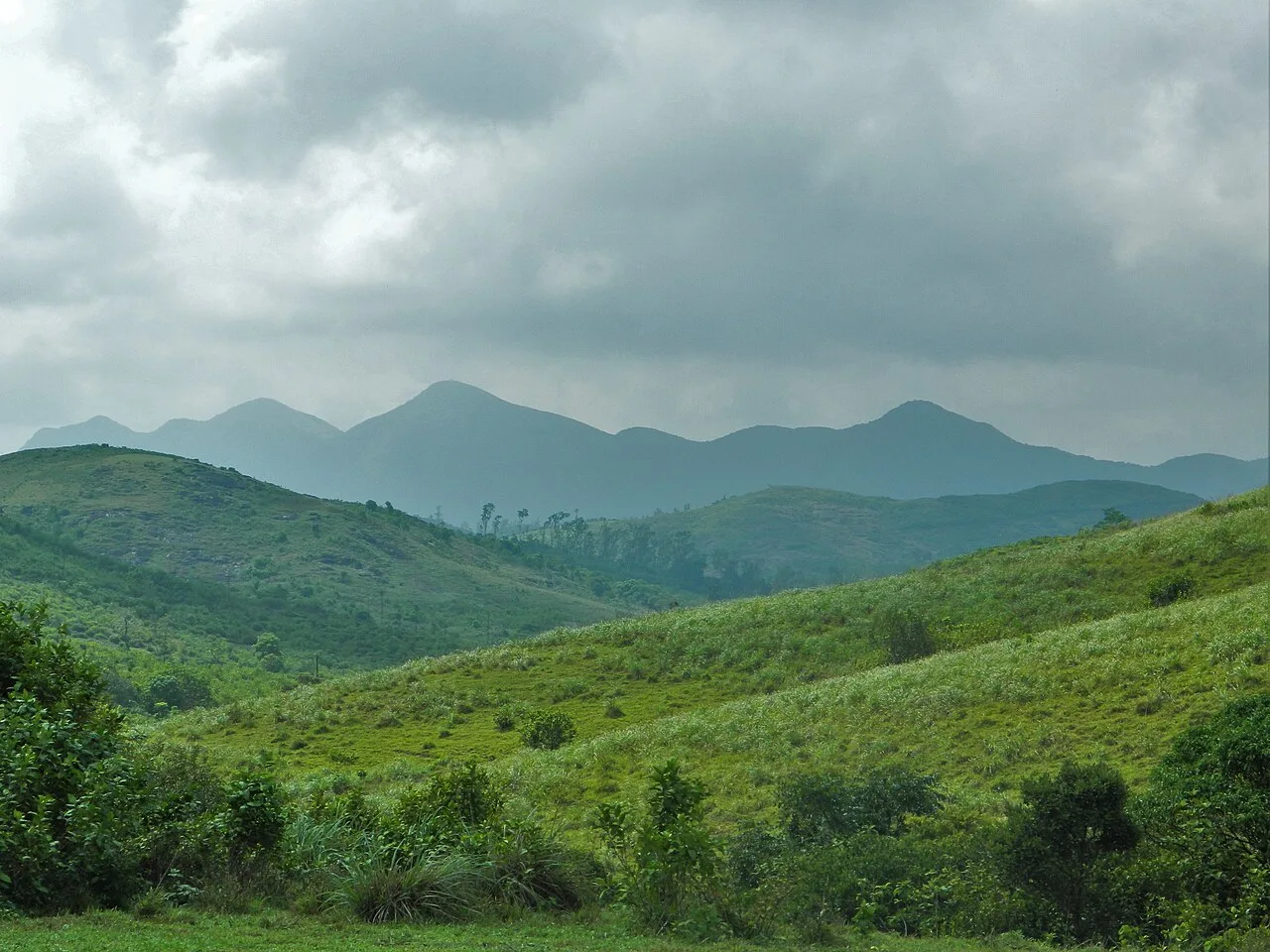
Agastya Mala, Kerala

State · South India

Kerala

Backwaters, Western Ghats tea estates and a coast shaped by ancient spice trade.

Capital
Thiruvananthapuram
Districts
14
Destinations
123
Plan a trip in Kerala

Overview

Understanding Kerala

Culture

Kathakali, Theyyam and Ayurveda traditions.

Food

  • Appam with stew
  • Sadya

Festivals

  • Onam
  • Thrissur Pooram
  • Vishu

Experiences here

  • Beach
  • Wildlife
  • Spiritual
  • Mountain
  • Festivals

Verified by the Ghumoopedia editorial team on 21 Nov 2026. Written and reviewed by Ghumoopedia's editors. Timings, fees and permits can change, so check them with the managing authority shortly before you travel.

The complete guide

Kerala: a traveller's guide

Why visit

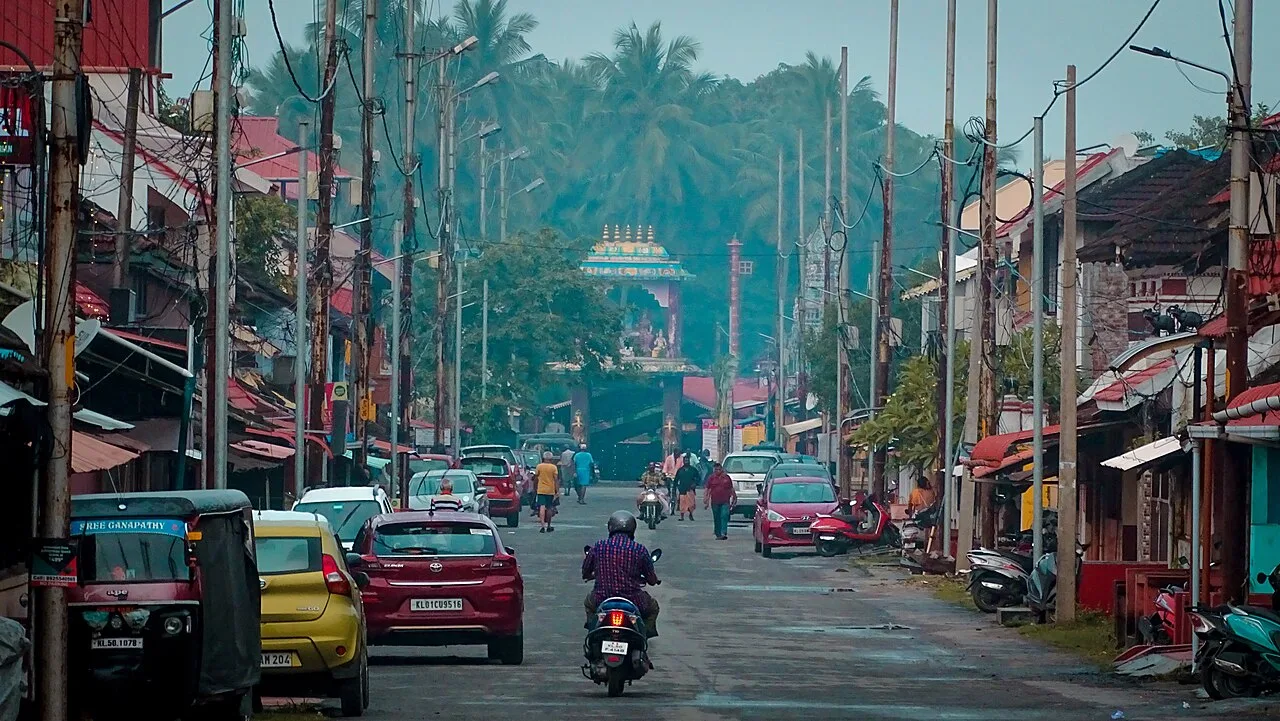
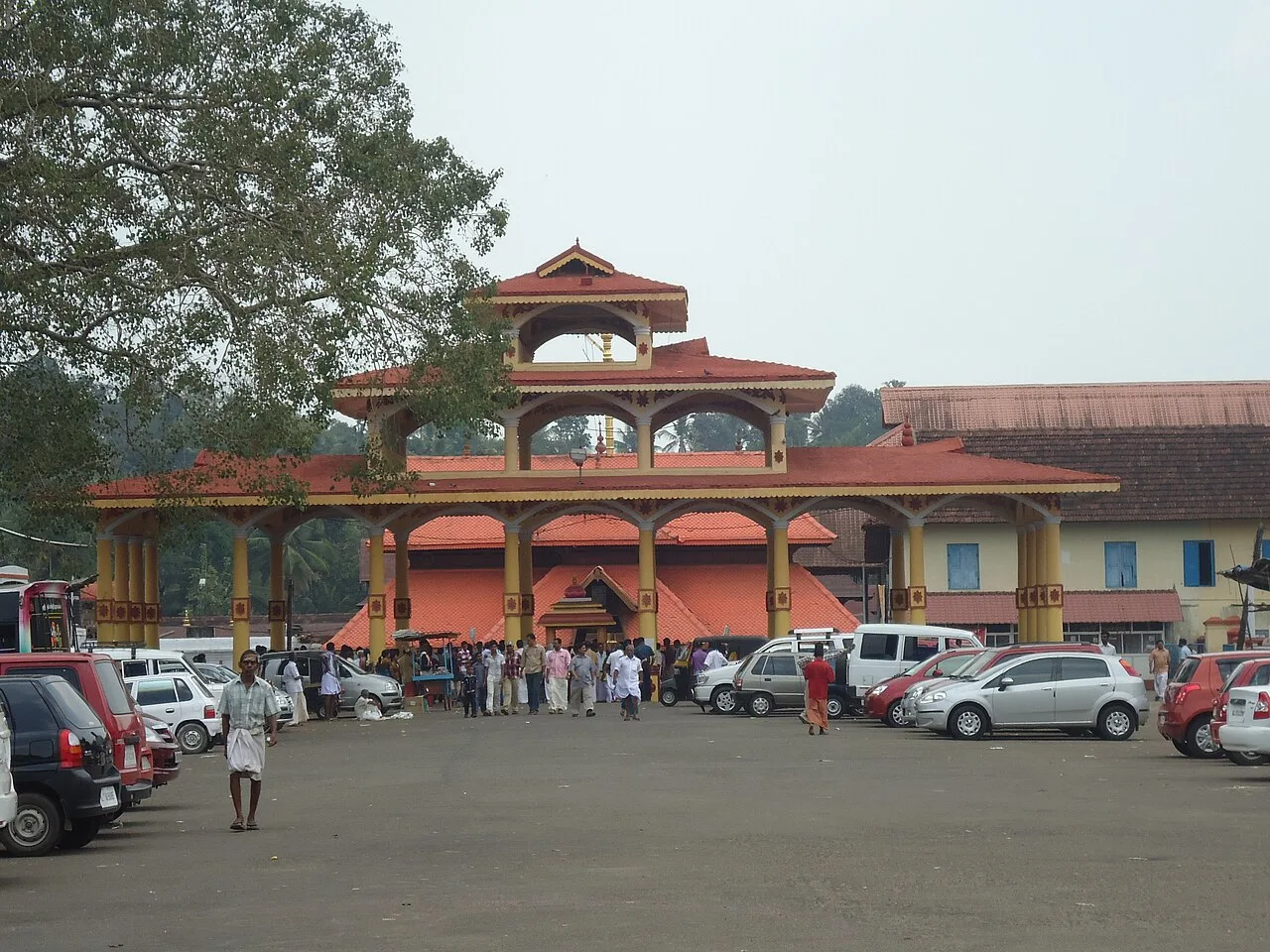
Kerala is a long, narrow state between the Arabian Sea and the Western Ghats, where beach towns, working backwaters, spice-growing hills and historic port cities sit within a relatively compact area. Its landscapes are matched by distinctive traditions: Kathakali and Theyyam, temple festivals with percussion ensembles, Ayurveda practices and a cuisine shaped by rice, coconut and centuries of trade. The capital, Thiruvananthapuram, offers museums, temples and access to the southern coast, while Kochi brings together harbour history, markets and contemporary city life.

The state suits varied journeys: a quiet stay by the water, a coastal trip linking Kovalam, Varkala and Marari, a hill escape around Munnar or Wayanad, or a heritage route through Kozhikode, Fort Kochi and Kannur. Wildlife, trekking and birdwatching are possible in protected areas, subject to local rules and conditions. Travellers can also plan around food, festivals or craft traditions, from a Sadya meal to a visit to a handloom centre. Kerala rewards slower travel, especially when journeys include time for village roads, ferry crossings and changing weather.
Landscape & climate

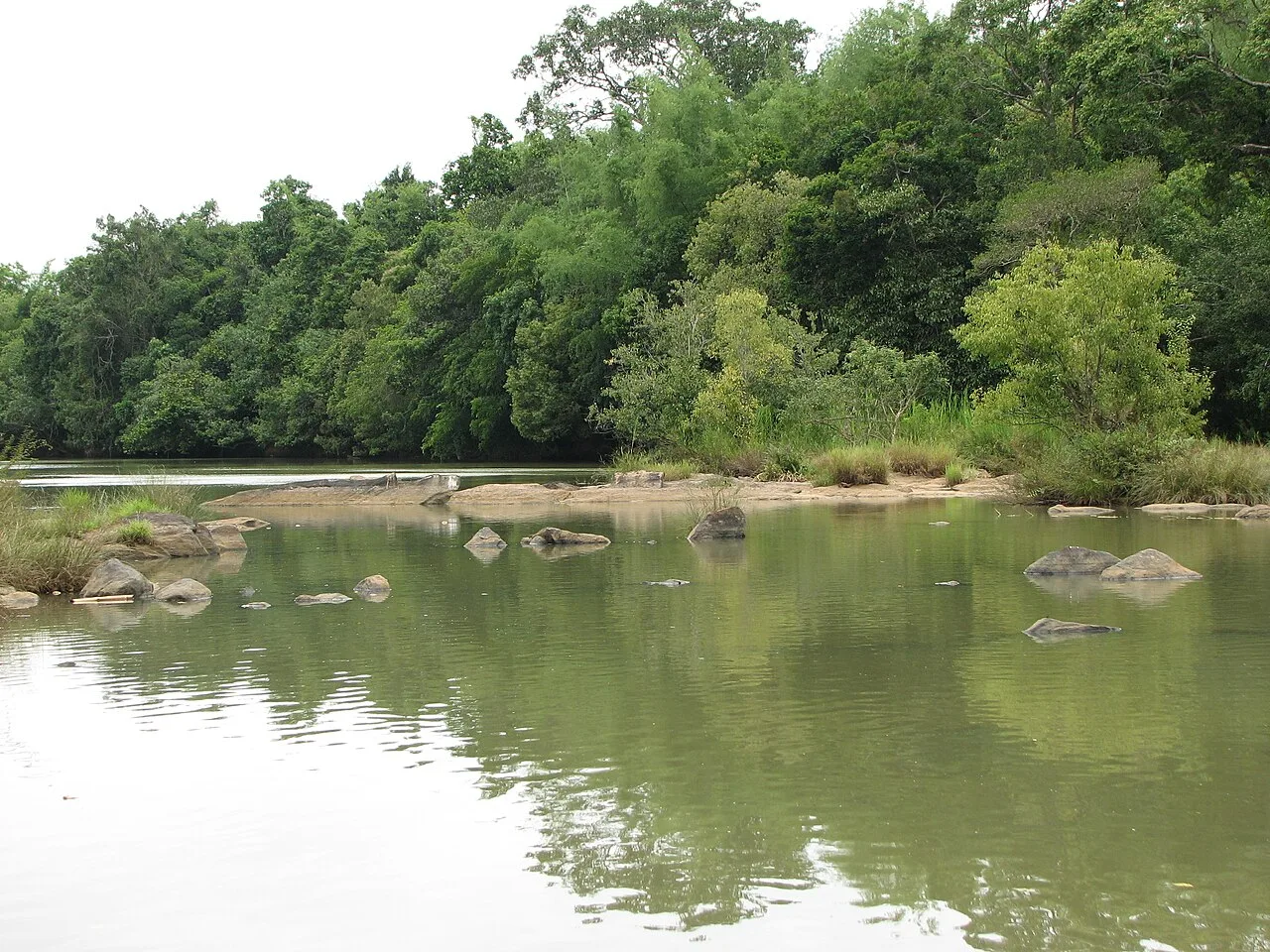
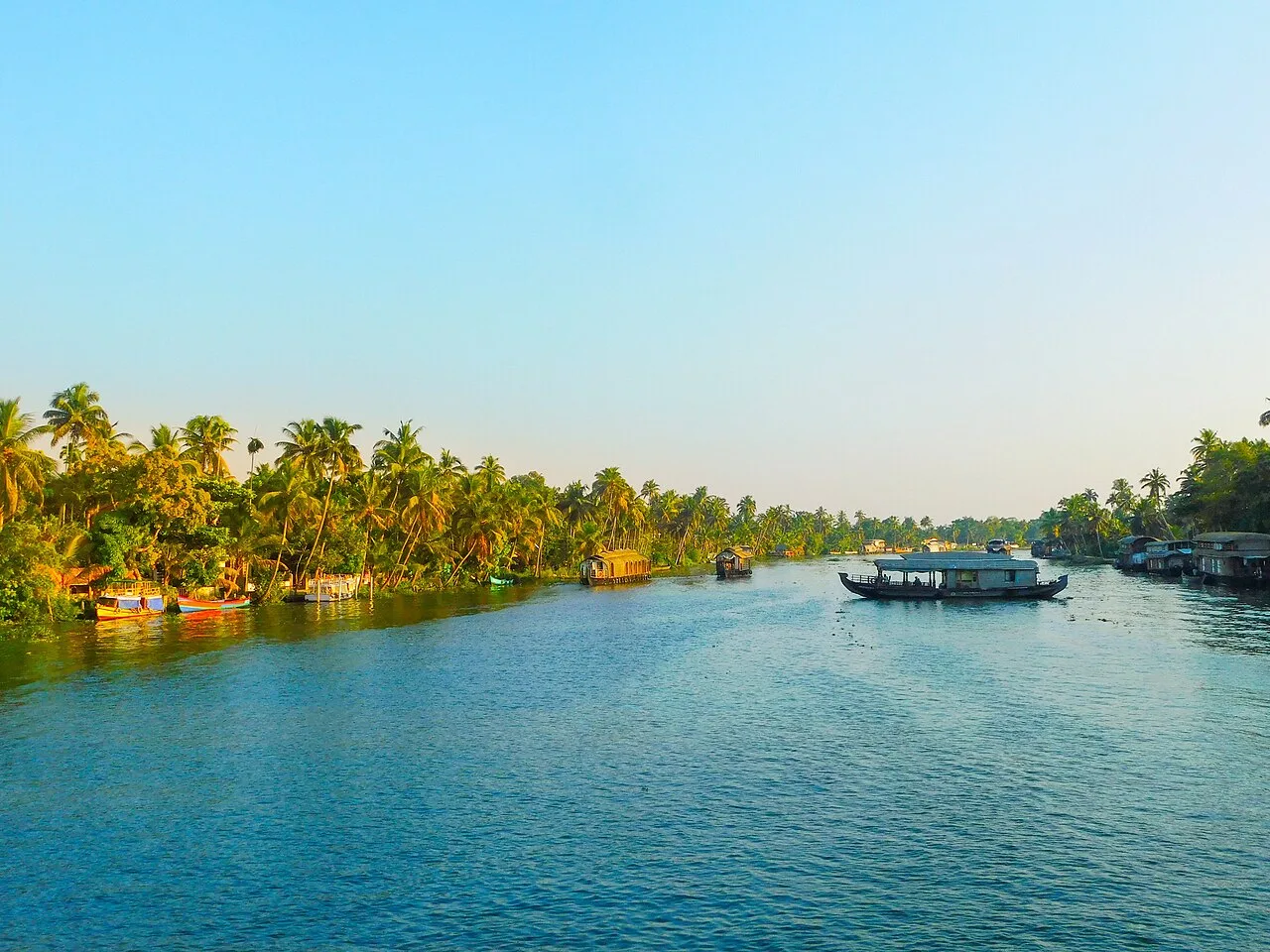
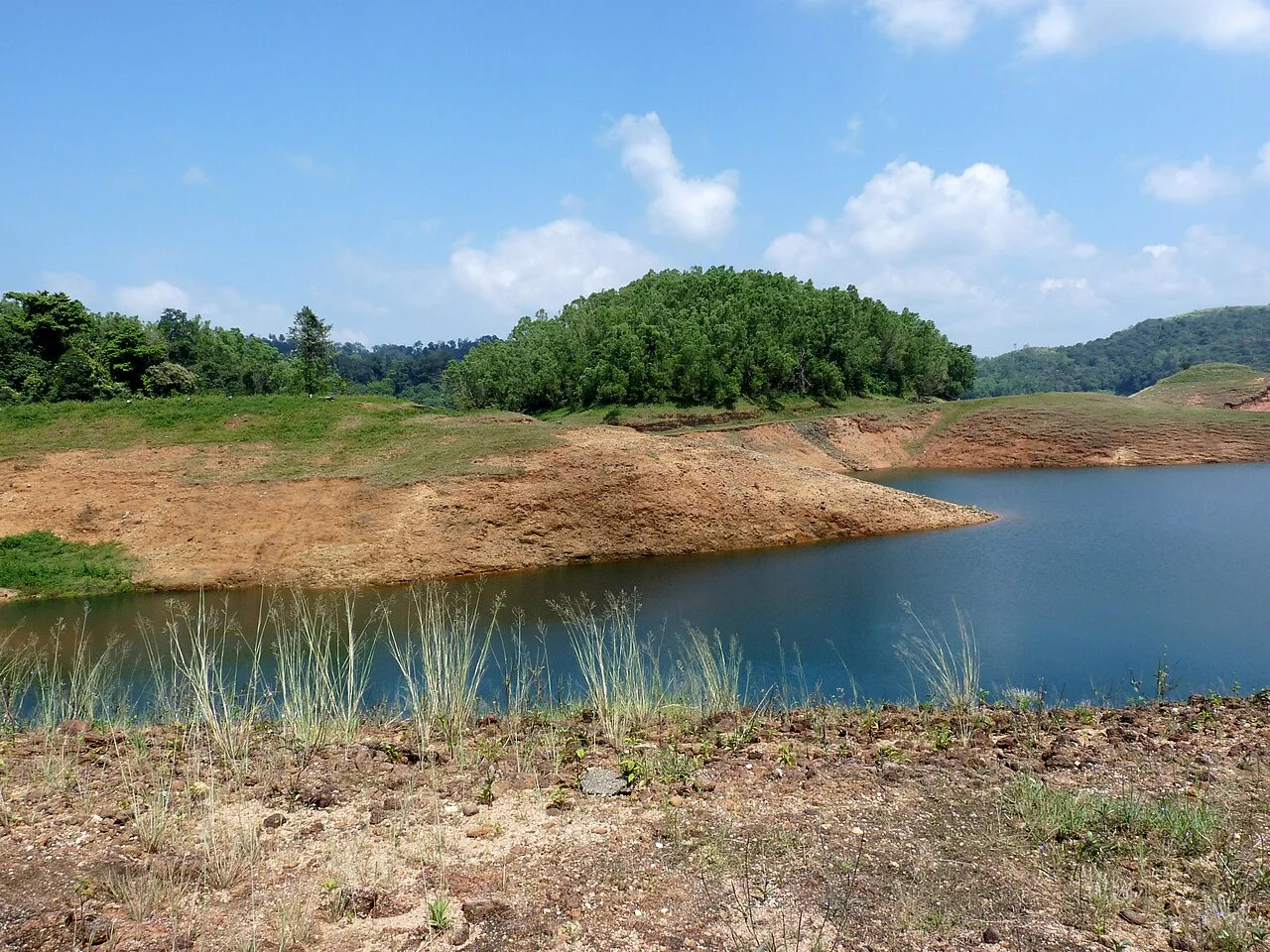
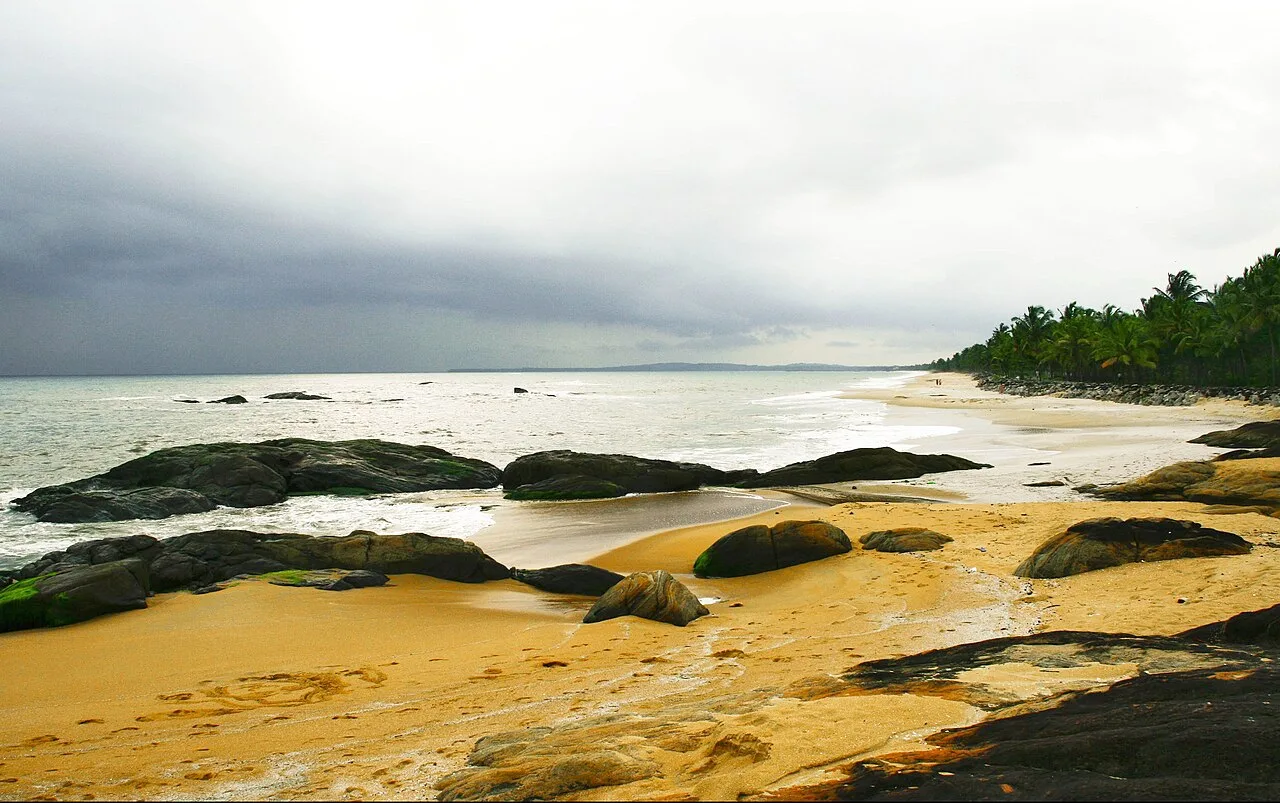
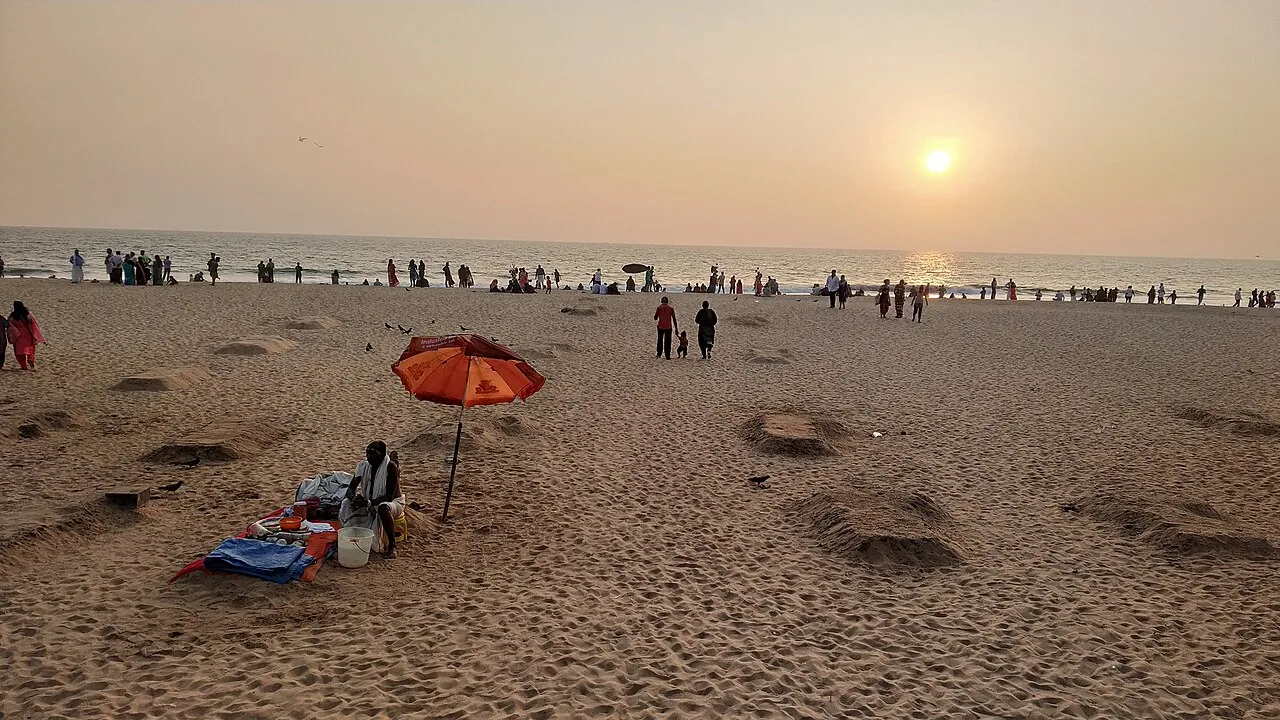
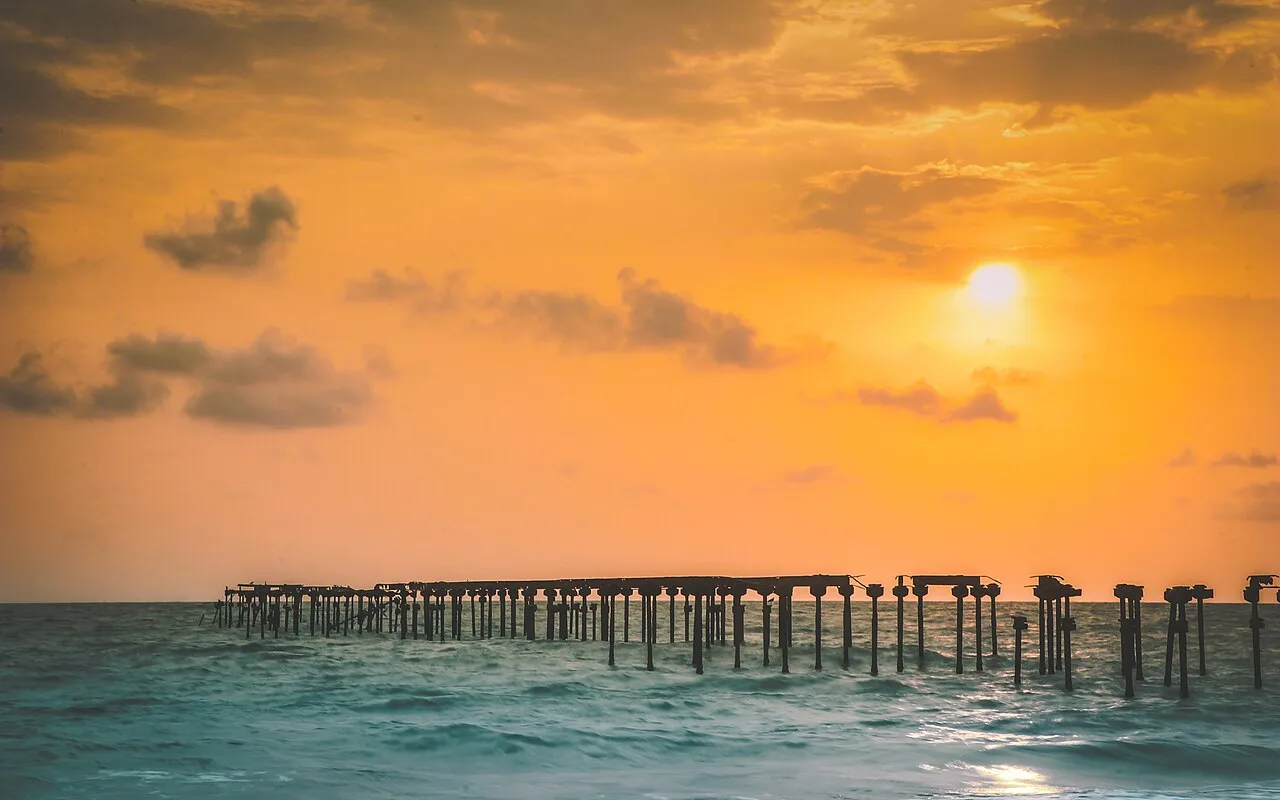
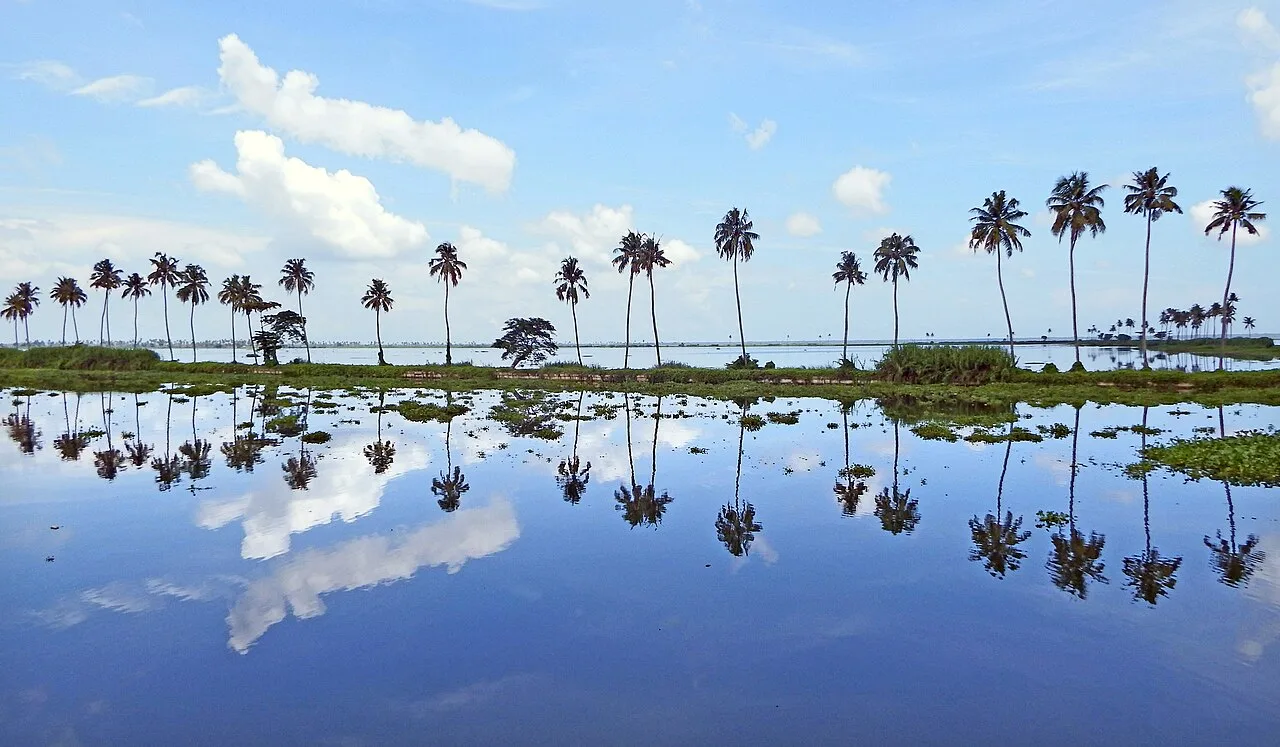
Kerala stretches from a low, lagoon-fringed coast through a belt of midland farms and towns to the steep Western Ghats. The coast includes sandy beaches, estuaries and linked waterways: Vembanad Lake and the Alappuzha backwaters are among the best-known, while Ashtamudi Lake lies near Kollam and Valiyaparamba offers a quieter northern backwater landscape. Sasthamcotta is the state’s largest freshwater lake. Coastal settlements have long depended on fishing, ports and inland water transport, although the shoreline is also exposed to erosion and rough seas.

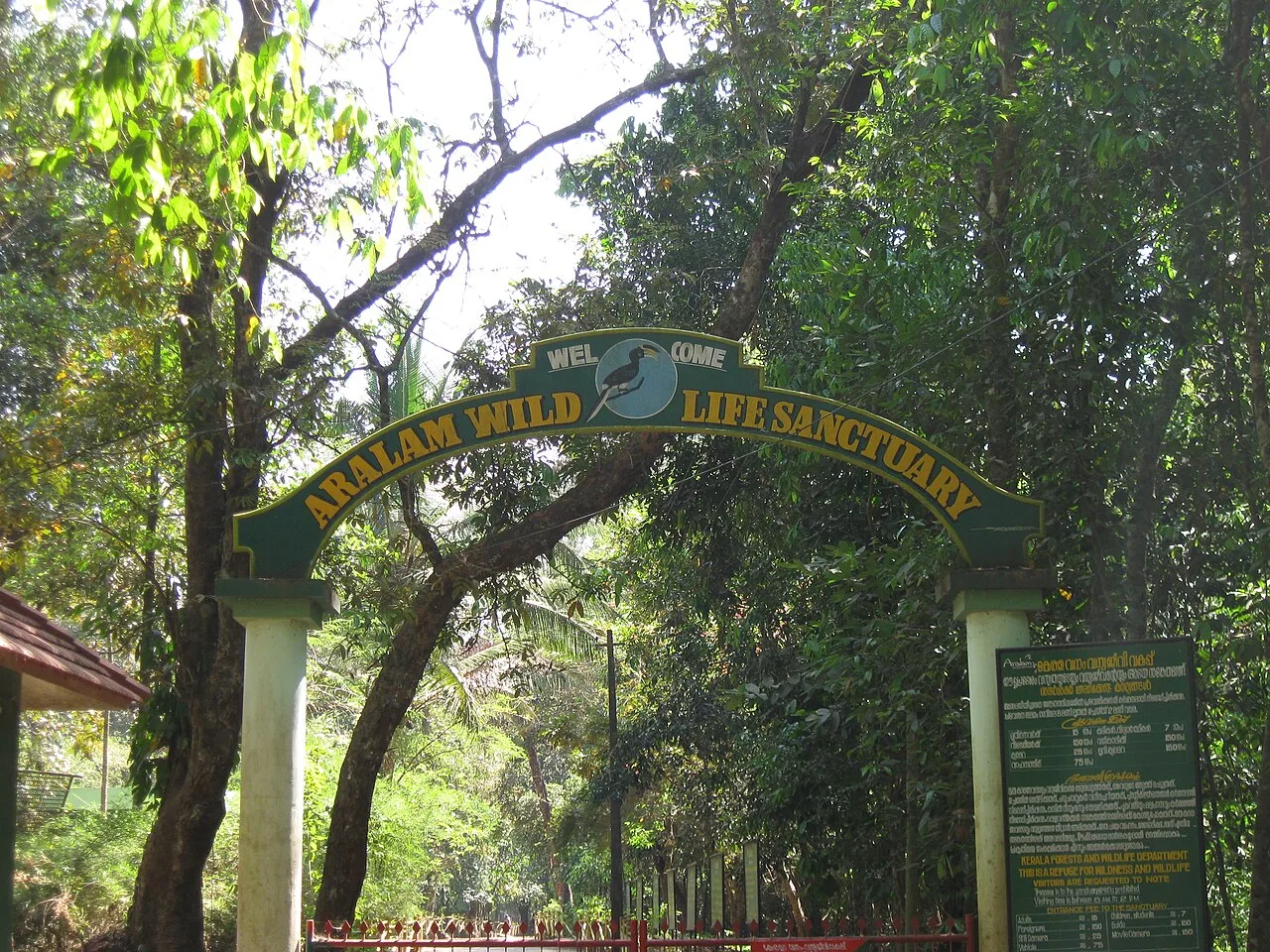
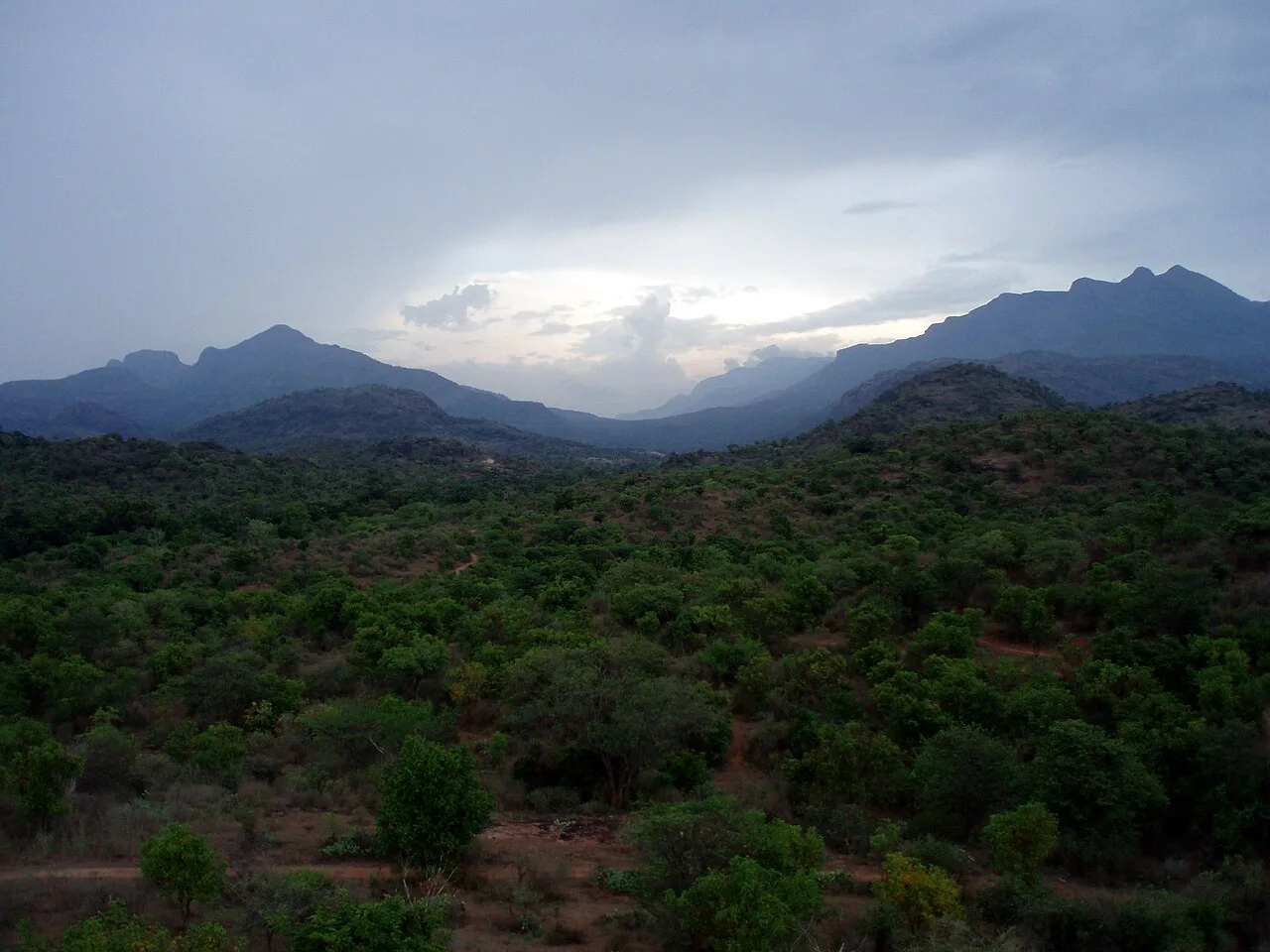
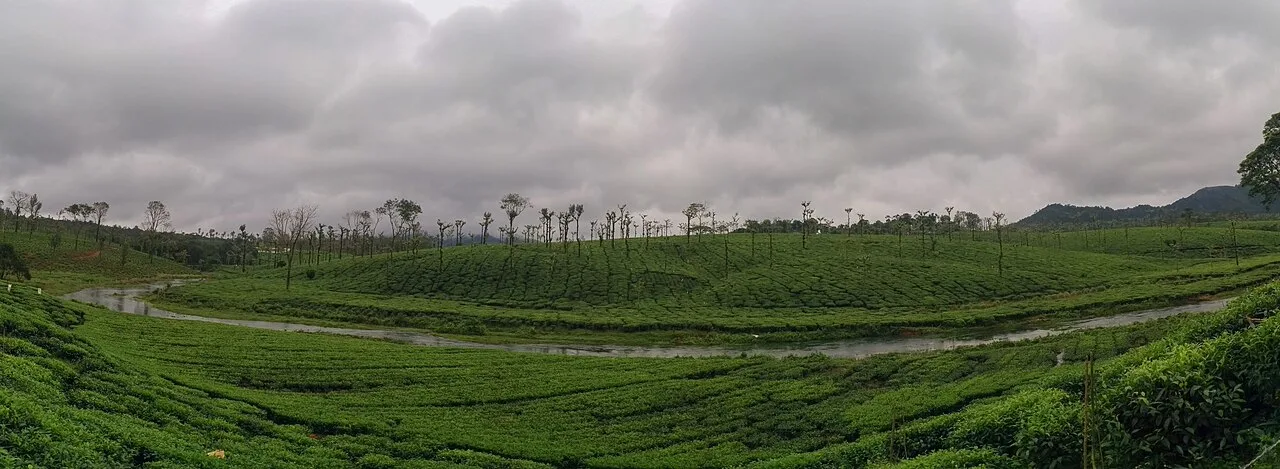
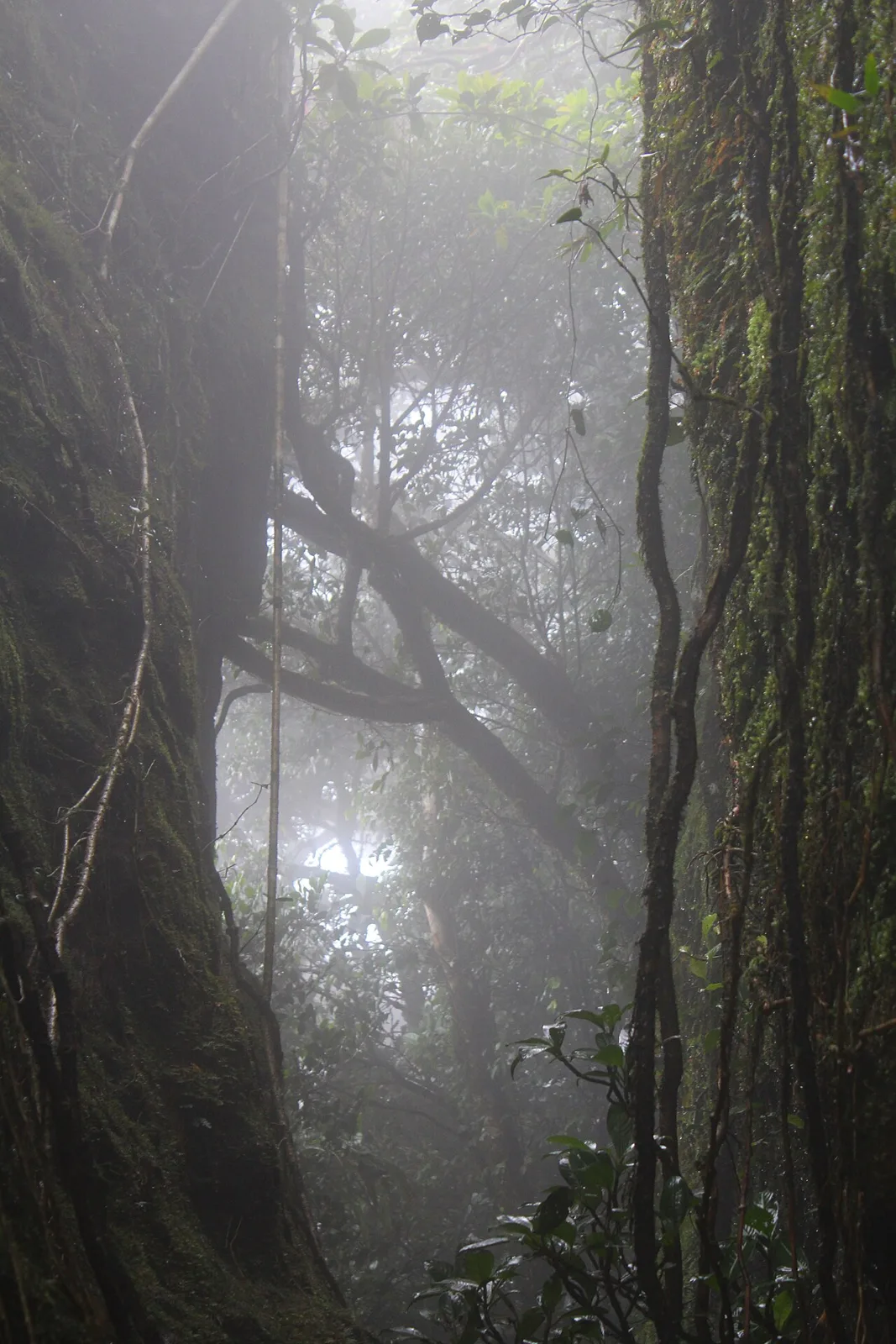
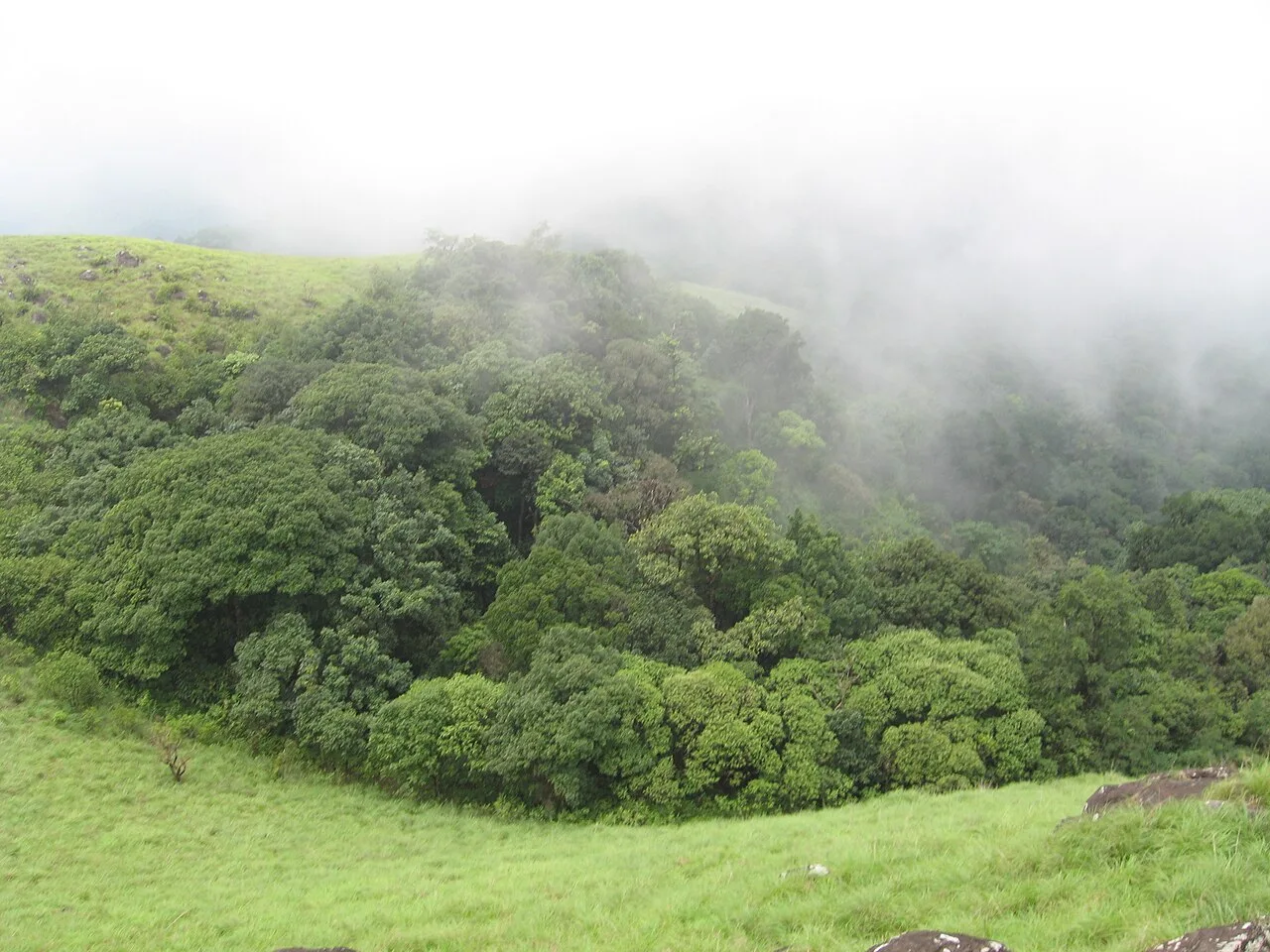
The highlands contain tea and cardamom estates, forested ridges and peaks, with Munnar, Top Station, Chembra Peak and Ramakkalmedu among prominent mountain destinations. Rivers including the Periyar, Pamba, Bharathapuzha and Chaliyar flow west from the Ghats, supporting reservoirs, wetlands and farms. Protected forests include Wayanad Wildlife Sanctuary and Silent Valley National Park; habitats range from moist evergreen forest to grassland and plantations. The climate is tropical and generally humid at lower elevations, while highland nights can be much cooler. The southwest monsoon usually brings substantial rain from June into September; another, generally lighter rainy period often affects parts of the state around October and November. Conditions vary by district and elevation.

History & heritage

Kerala’s history reflects its position between the Indian Ocean and the mountain passes of the Western Ghats. The ancient Chera polity was associated with the region, and ports on the Malabar Coast took part in maritime trade in pepper and other spices. The precise location and history of ancient Muziris remain subjects of study, but the wider coast had links with merchants from West Asia, the Mediterranean and elsewhere. Hindu, Jewish, Christian and Muslim communities developed over many centuries, with traditions of worship, scholarship and trade shaped by both local life and overseas connections.

As political power shifted, a number of regional kingdoms and chiefdoms emerged. The Zamorin of Calicut became a major power in the north, while the kingdoms of Travancore and Cochin held influence farther south; Kolathunadu and other rulers shaped northern areas. Portuguese arrivals by sea in the late fifteenth century were followed by Dutch competition and, later, expanding British control. The British East India Company gained influence through conflict and treaties. Travancore and Cochin retained princely status under British paramountcy, while much of northern Kerala was administered as part of the Madras Presidency. Colonial rule and princely administration brought changes in trade, landholding, education and public life, alongside resistance and reform movements.

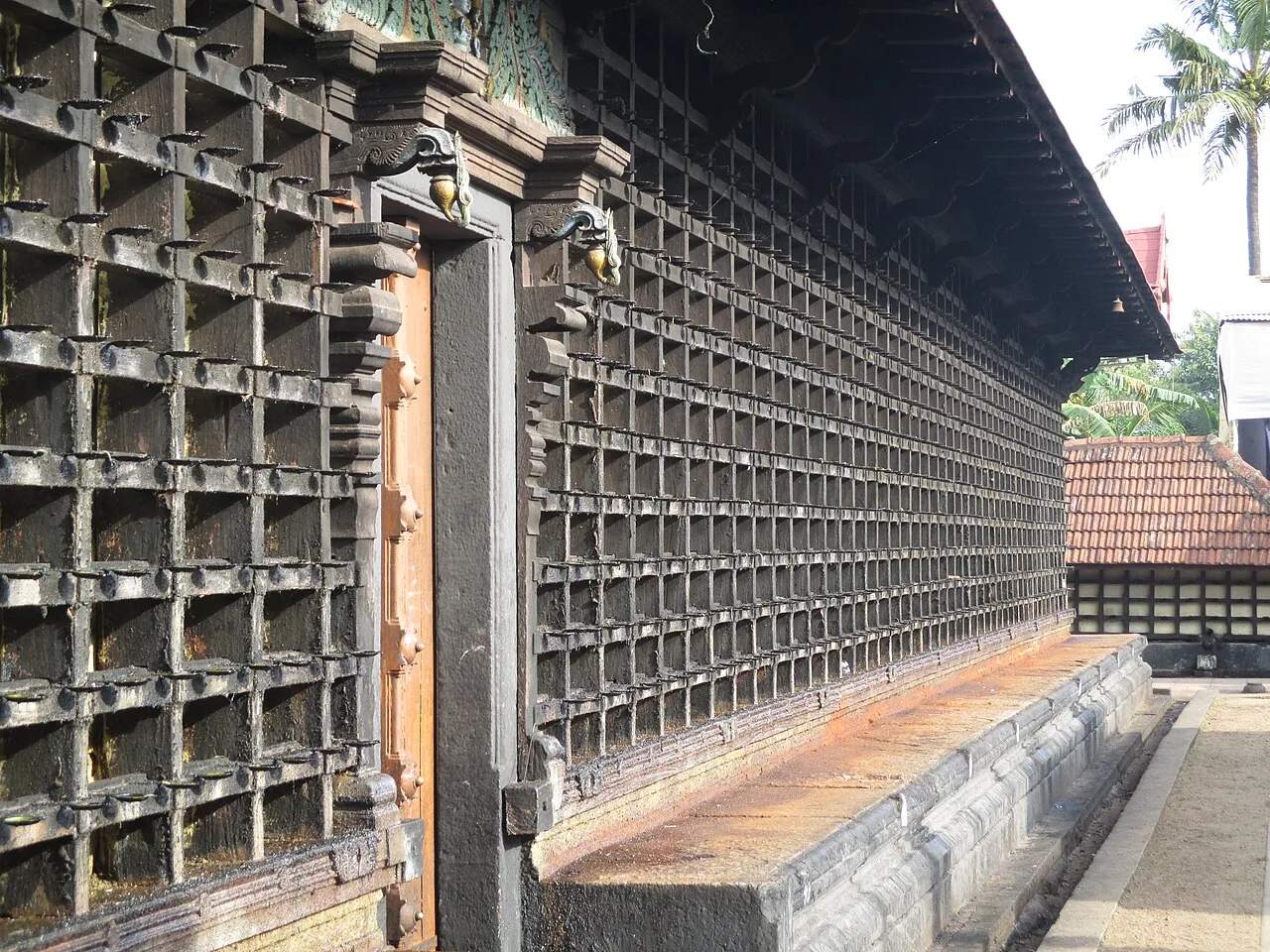
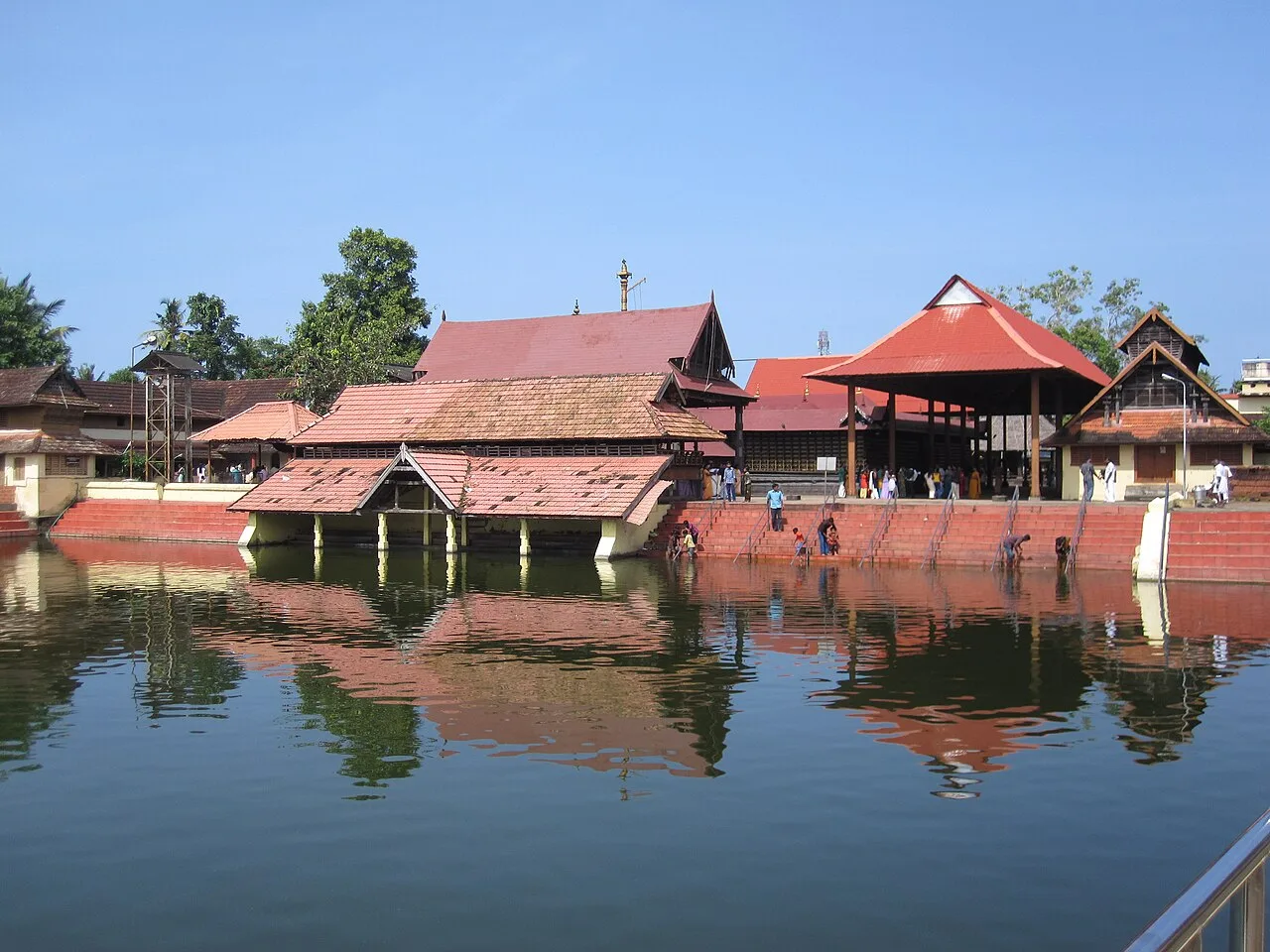
After independence, Travancore and Cochin joined in a princely union in 1949. Kerala was formed on 1 November 1956 under the States Reorganisation Act, bringing together Malayalam-speaking areas: Travancore-Cochin, Malabar district from Madras State and the Kasaragod area. Some southern taluks were transferred to the newly enlarged Madras State. The new state’s political and social history has since been marked by land and education reforms, public health initiatives, migration and a strong tradition of organised civic and political participation. Its heritage can be encountered in port districts such as Fort Kochi, forts including Thalassery and Palakkad, and temples and palaces across the state.

Culture, people & festivals

Malayalam is Kerala’s principal language, with Tamil widely used in some southern areas and in border communities. The state is home to Hindu, Muslim and Christian communities, as well as smaller Jain, Jewish and other communities and many Adivasi peoples, each with varied regional histories. Religious and social life is not uniform: local customs, architecture, food and forms of worship differ between the coast, central districts and highlands. Mosques, churches, synagogues and temples are part of the region’s layered heritage, while contemporary Kerala is also shaped by education, migration and urban life.

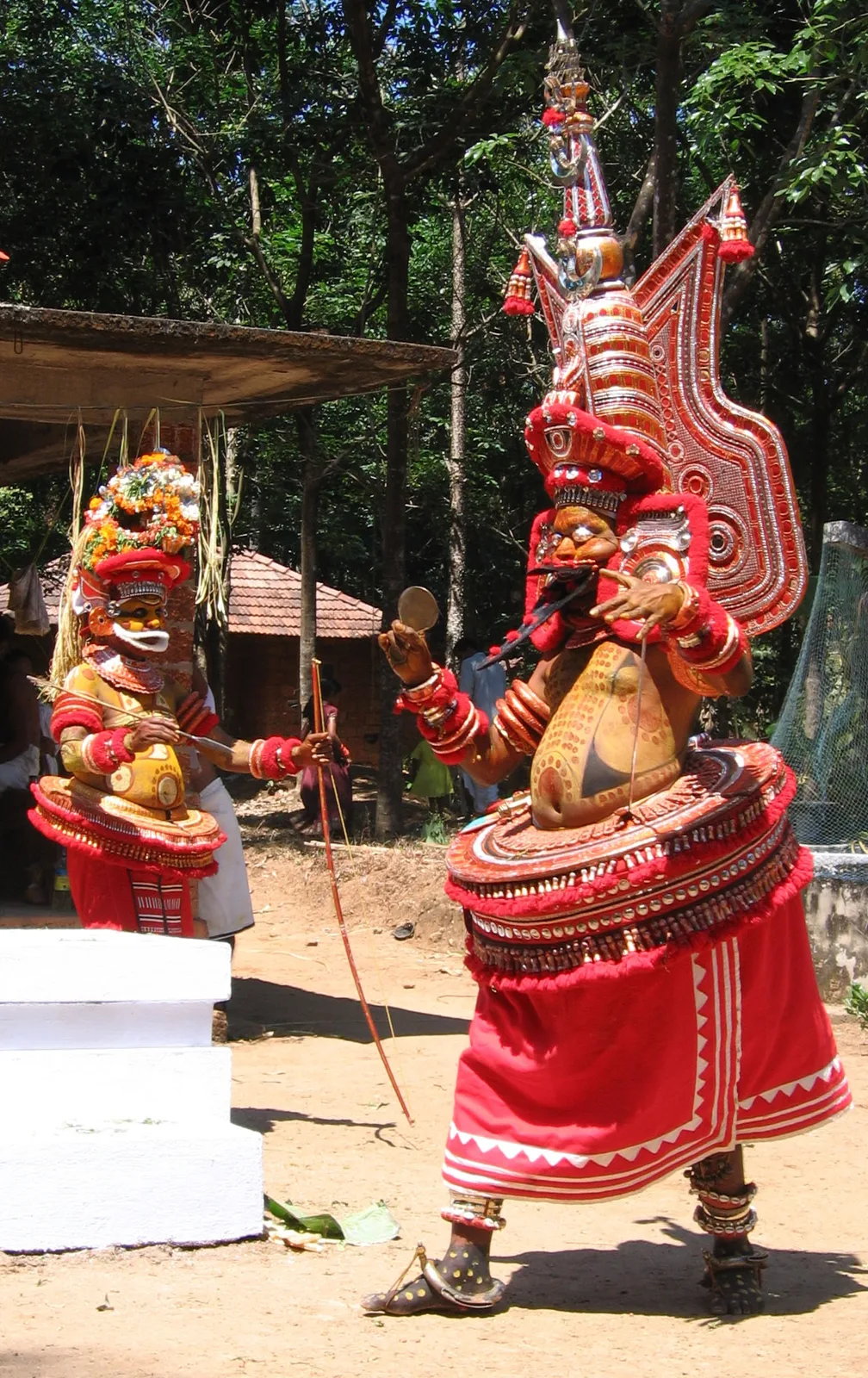
Performance traditions include the highly stylised Kathakali, the classical dance form Mohiniyattam and Koodiyattam, a Sanskrit theatre tradition. Theyyam, performed chiefly in north Kerala, combines ritual, music, costume and dance, while chenda ensembles animate many public celebrations. Onam, usually celebrated in August or September, is a major harvest and cultural festival marked by floral decorations, communal meals and events; Vishu, in April, begins the Malayalam solar year for many celebrants. Thrissur Pooram, usually held in April or May, is known for processions, percussion and decorated elephants, though arrangements and participation can vary. Ramadan and Eid, Christmas, Easter and local temple, church and mosque observances are also important. Festival dates follow religious or traditional calendars and can shift from year to year.

Food & flavours

Rice and coconut are central to Kerala cooking, alongside tapioca, pulses, vegetables, fish and spices. A Sadya is a festive vegetarian meal served with rice and an assortment of curries, pickles, savoury sides and payasam, traditionally arranged on a banana leaf. Appam, a soft-centred fermented rice pancake with crisp edges, is often served with vegetable or meat stew. Puttu, steamed cylinders of rice flour and coconut, is commonly eaten with kadala curry, while idiyappam, known as string hoppers, pairs well with curry or coconut milk. Fish curry varies widely, with souring agents and spice blends changing from one coast or household to another.
Regional influences are especially visible in Malabar, where Mappila culinary traditions include biryani, pathiri flatbreads and snacks such as unnakkaya. Central and southern Kerala offer their own versions of fish, meat and vegetable dishes; Syrian Christian kitchens are known for preparations such as appam with stew, though recipes are not confined to one community. Coconut may be used as oil, milk, paste or toasted seasoning, and black pepper, cardamom, cloves and cinnamon recall the state’s spice-growing and trading history. Sweets include several kinds of payasam, unniyappam and banana-based snacks. Meals can be mild or fiery, so travellers who prefer less chilli should ask when ordering. Seafood availability and dishes depend on season and location.

Crafts, textiles & what to buy

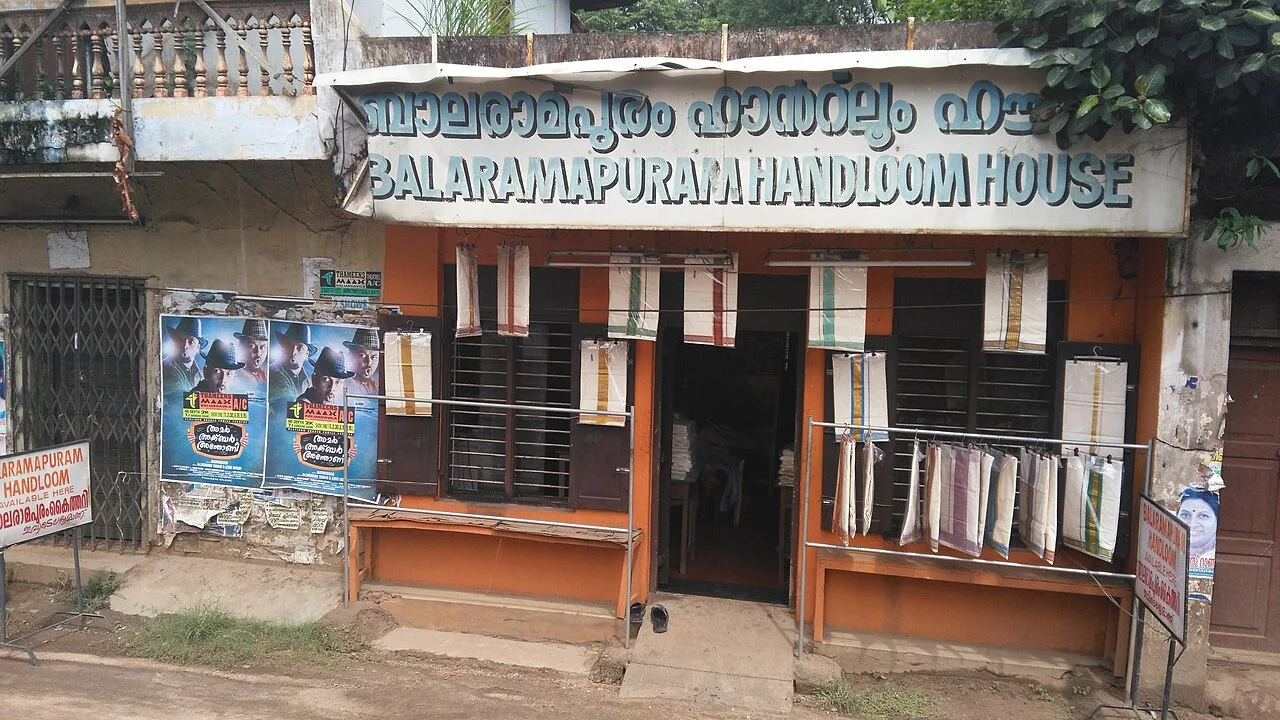
Kerala’s craft traditions include handloom weaving, coir work, metal craft, wood carving and painted decoration. The white-and-gold kasavu look is associated with Kerala’s formal clothing, while handloom centres produce varied saris, mundus and set mundus. GI-recognised textile traditions include Balaramapuram sarees and fine cotton fabrics from Thiruvananthapuram district, Kuthampully sarees and dhotis from Thrissur district, Chendamangalam dhoties and set mundus from Ernakulam district, and Kasaragod sarees in the north. Kannur is known for handloom furnishings and textiles.

Alappuzha has a long association with coir, made from coconut husk fibre and used in mats, ropes and floor coverings; Alleppey Coir is a registered GI product. Aranmula Kannadi, a distinctive polished metal mirror made by specialist families in Pathanamthitta district, is another GI-recognised craft. Other purchases may include bell-metal objects, coconut-shell work, carved wood, mural-inspired art and bamboo products, but quality and production methods vary. Buy directly from established cooperatives or workshops when possible, ask about materials and care, and avoid items made from protected wildlife, coral or other restricted materials. Traditional products may be handmade in small batches, so designs and availability can differ.
Getting there & getting around

Kerala is served by four international airports: Thiruvananthapuram International Airport in the south, Cochin International Airport near Kochi, Calicut International Airport serving Kozhikode and Malabar, and Kannur International Airport in the north. The railway network runs along much of the coast and connects major towns with other parts of India. Useful stations include Thiruvananthapuram Central, Kollam, Ernakulam Junction, Thrissur, Shoranur, Kozhikode and Kannur; Shoranur is an important junction for routes into the Palakkad region. Check current services and station access before setting out, especially for hill destinations that require a road transfer.
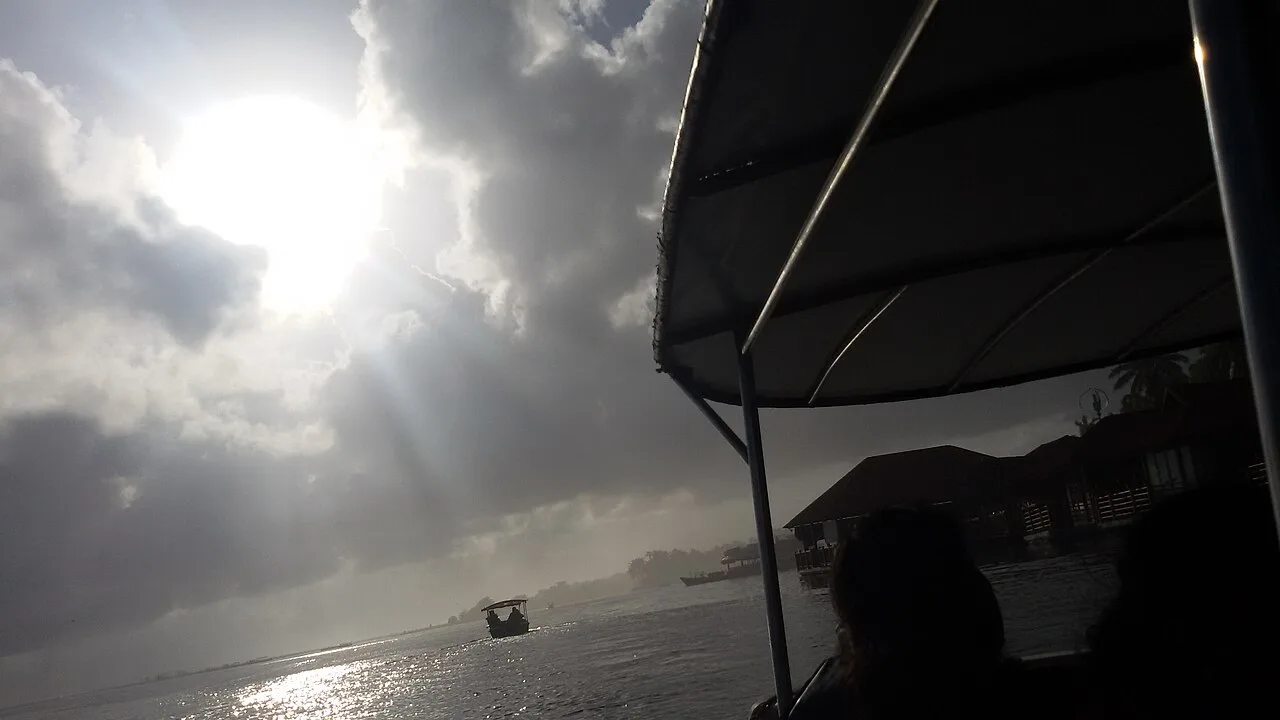
National Highway 66 follows the coast, while NH 544 links the Palakkad side with Thrissur and Kochi and continues toward Tamil Nadu. NH 85 connects Kochi with the highland route toward Munnar; other national and state highways reach district towns and hill areas. State buses and private buses serve many towns, while taxis and auto-rickshaws are useful for local connections. Ferries and passenger boats operate on some waterways, and organised houseboat trips are available in backwater areas. They are not substitutes for all-day transport, so confirm the route and landing points. Munnar, Wayanad, Gavi and several forest or peak destinations need more road planning than the coastal cities. Allow flexibility: narrow roads, rain, traffic and mountain bends can make journeys slower than map distances suggest.
When to go & travel tips

For beaches and backwaters, November to February is often the most comfortable period, with warm days and less monsoon rain. Hill districts such as Idukki and Wayanad are pleasant in cooler months, while post-monsoon landscapes can be especially green; heavy rain may disrupt trails and road travel from June into September. April and May can be hot and humid at lower elevations. Conditions vary, so check local weather and sea advisories before choosing a beach or trek.

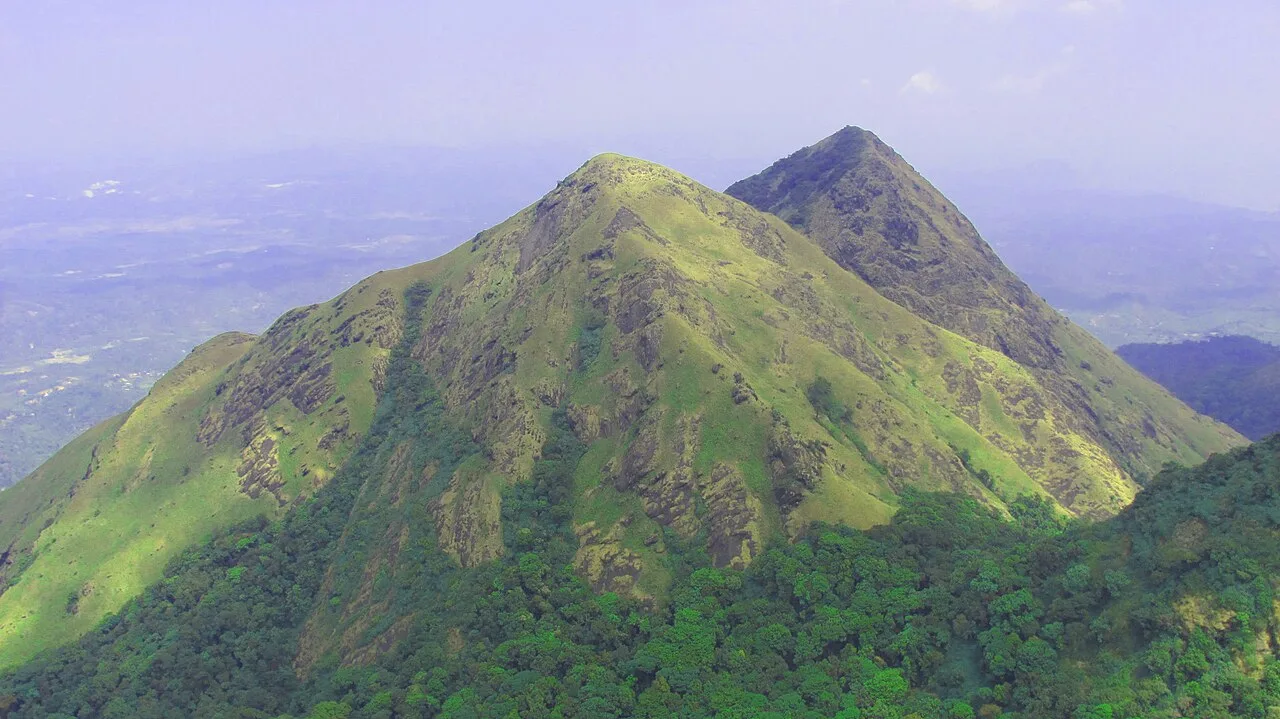
Pack light, breathable clothing, a rain layer and footwear with grip; take warmer layers for highland evenings and modest clothing for visits to places of worship. Use caution around strong surf, slippery falls and leeches on wet forest trails, and follow wildlife-area instructions. Treks such as Agasthyamala and access to protected forests may be regulated or require advance authorisation; confirm current requirements with the relevant forest department or official tourism authority before travelling. Remove shoes where requested, ask before photographing people or rituals, and follow local guidance at religious sites. Carry drinking water, use reputable transport, and keep extra time for monsoon disruptions.

Highlights

Where to begin

City by city

Cities & hubs of Kerala

Every sight is grouped under its city — places within about 12 km together, day trips within 40 km alongside — even across district lines. Open a city to see its attractions.

See every city, town and village of Kerala

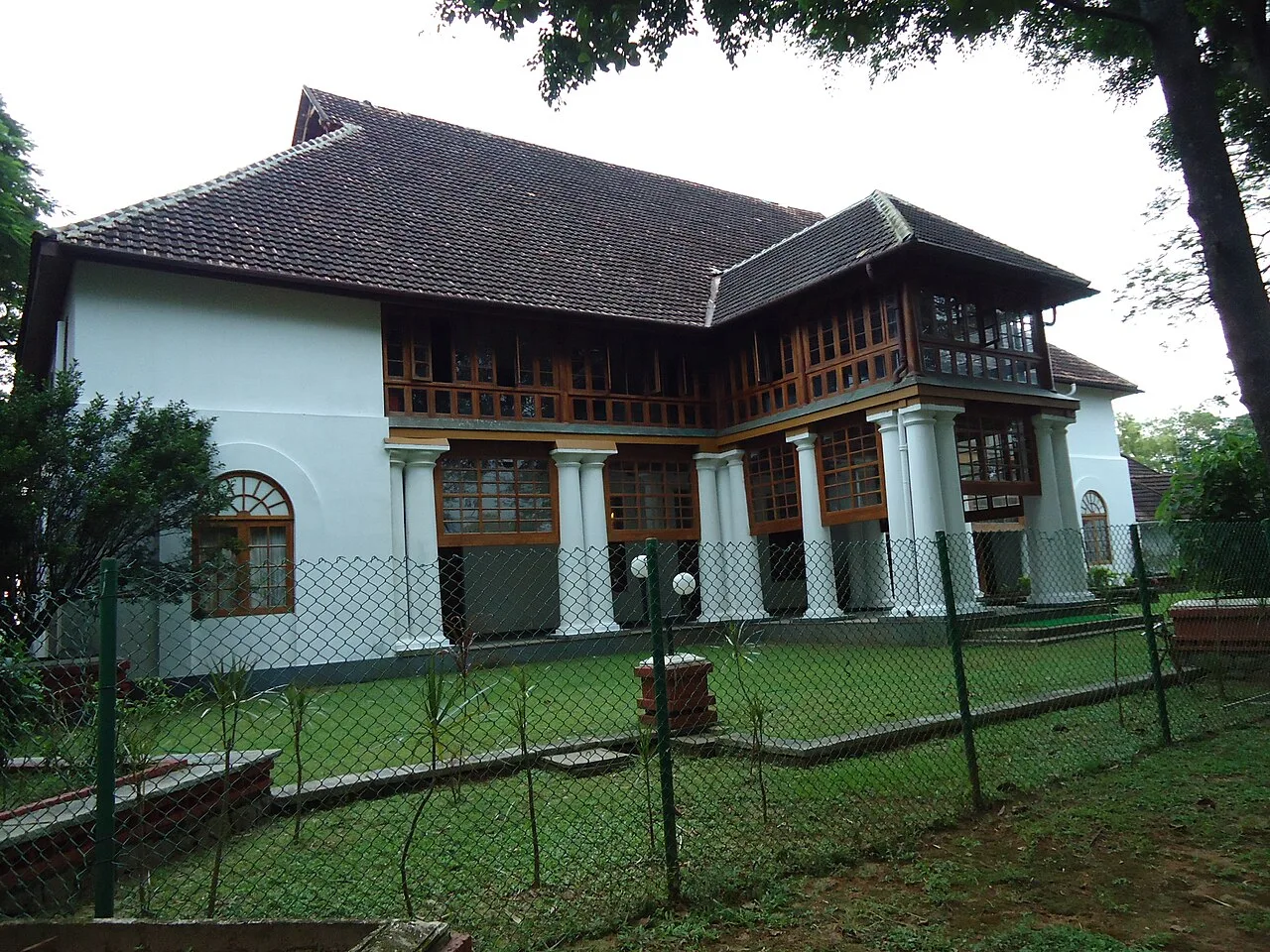
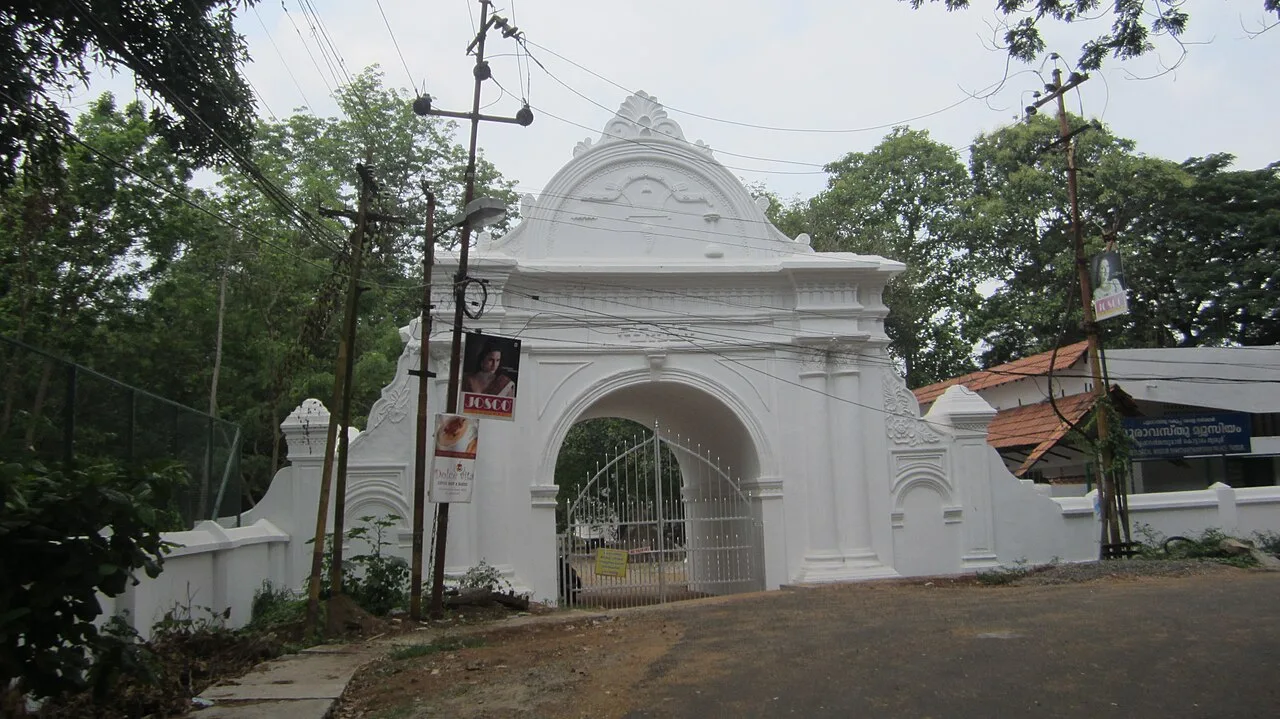
Bolgatty Palace
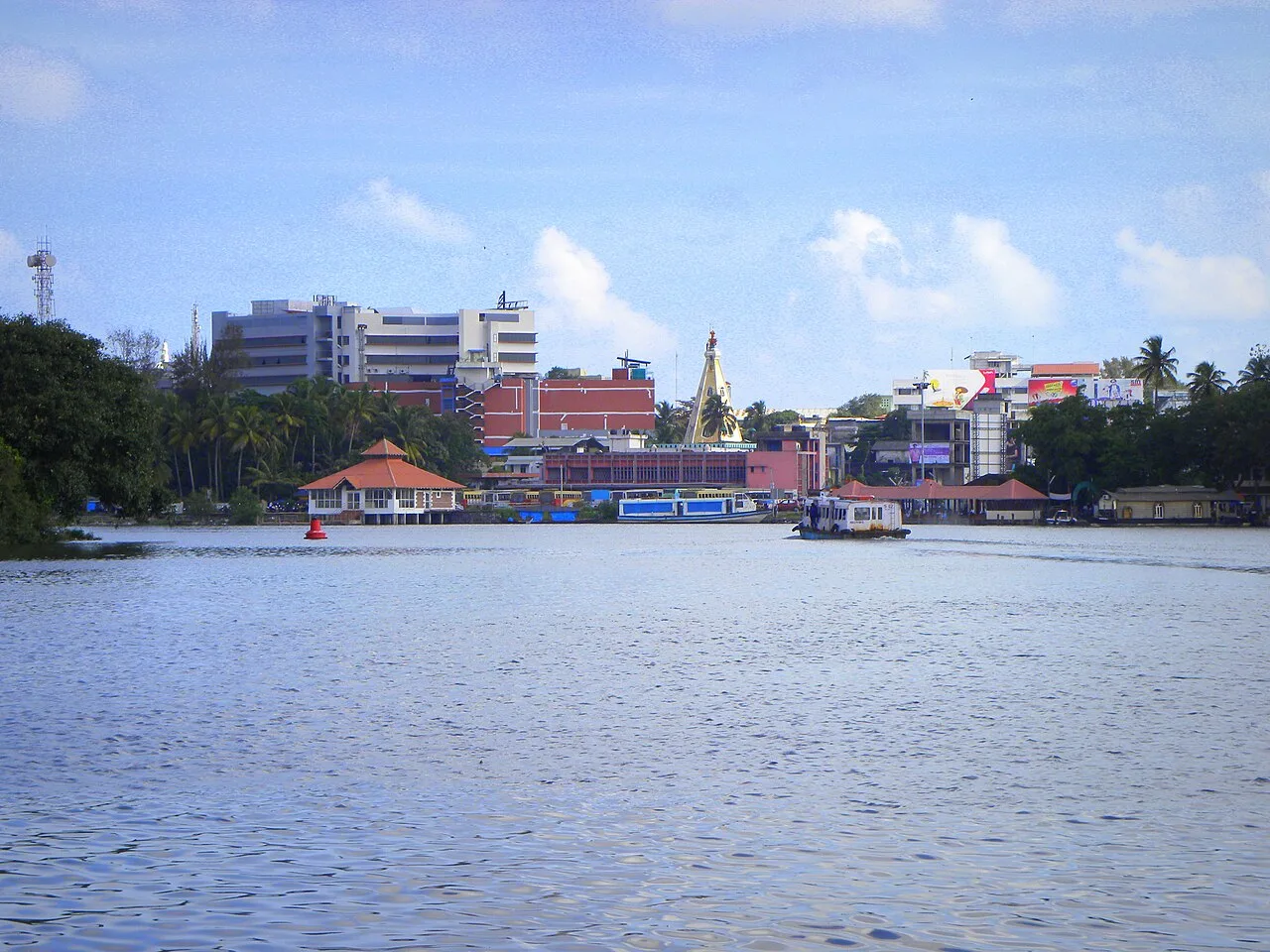
Kochi10 places to see

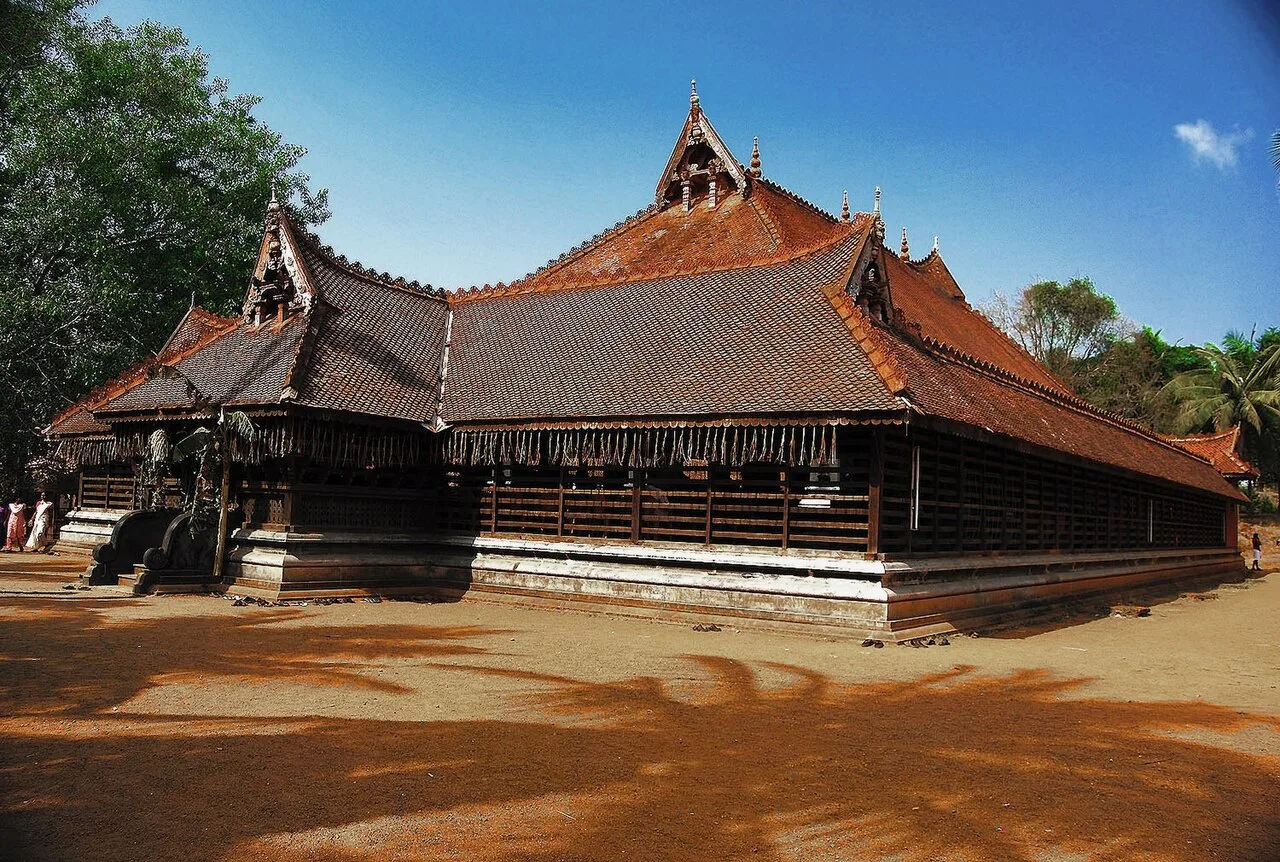
Bolgatty Palace · Fort Kochi · Hill Palace, Tripunithura · Kumbalangi

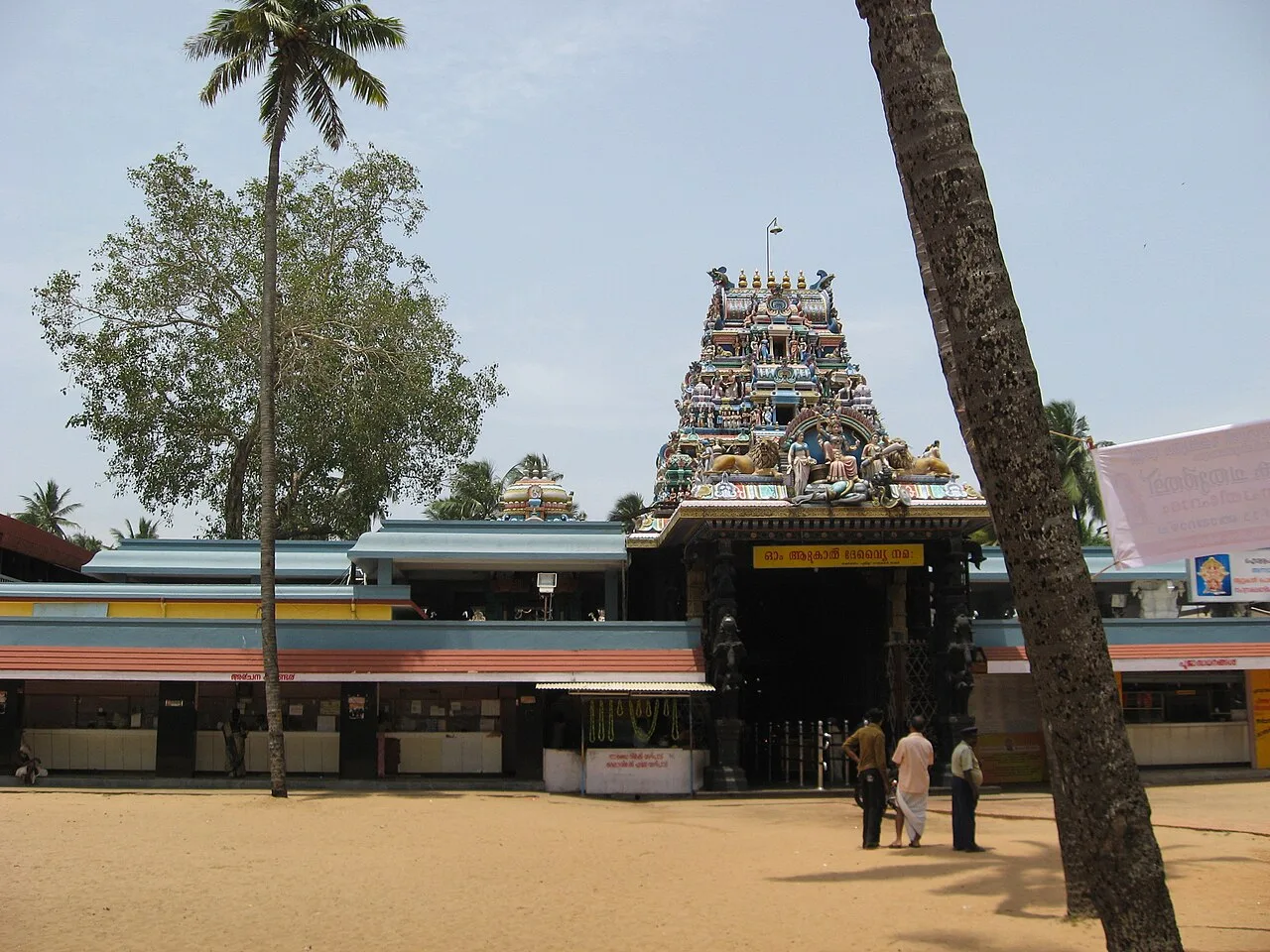
Attukal Bhagavathy Temple
Thiruvananthapuram7 places to see

Attukal Bhagavathy Temple · Kanakakkunnu Palace · Kovalam Beach · Kuthiramalika

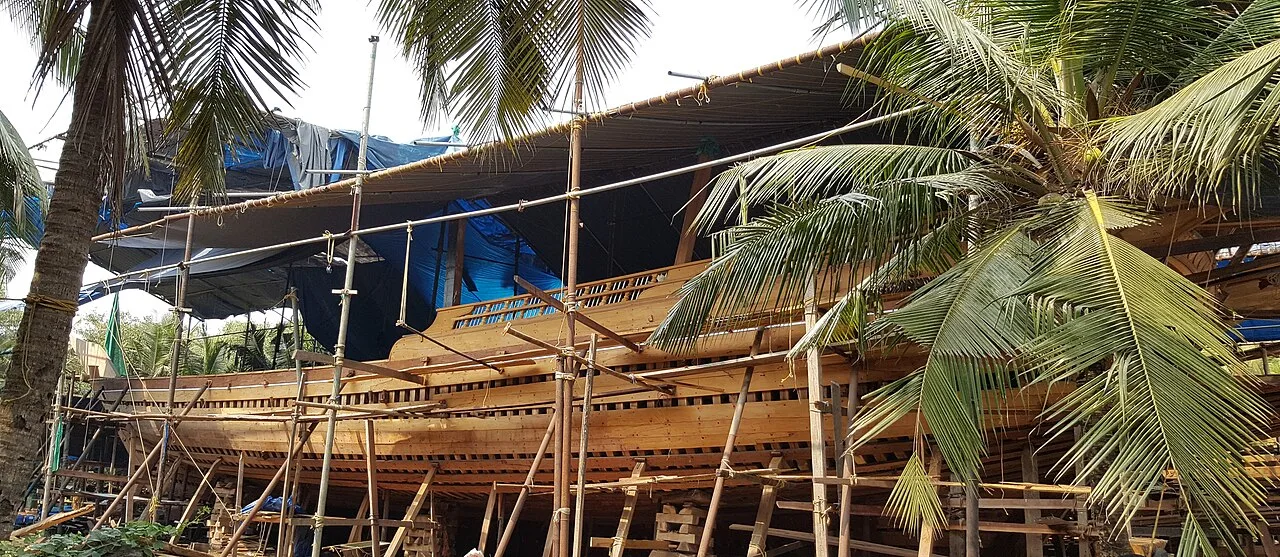
Beypore Port and Uru Yards
Beypore6 places to see

Kadalundi Bird Sanctuary · Kozhikode Beach · Mananchira · Mishkal Mosque, Kozhikode

Chembra Peak
Kalpetta5 places to see

Chembra Peak · Pookode Lake · Soochipara Falls · Thusharagiri Falls

Ashtamudi Lake
Kottangara5 places to see

Ashtamudi Lake · Kollam Beach · Munroe Island · Sasthamcotta Lake

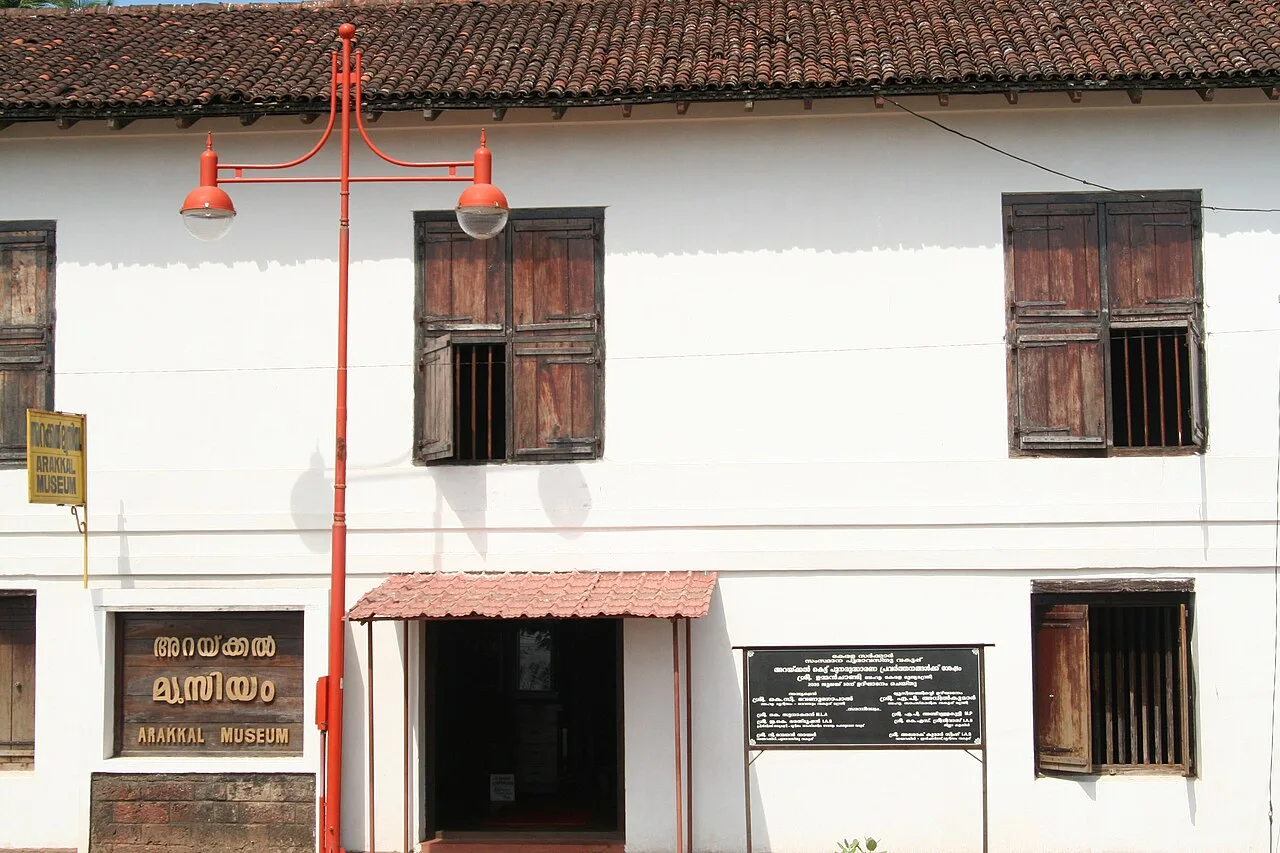
Arakkal Museum
Thalassery5 places to see

Arakkal Museum · Dharmadam Island · Muzhappilangad Beach · St. Angelo Fort

Thekkady Town
Thekkady5 places to see

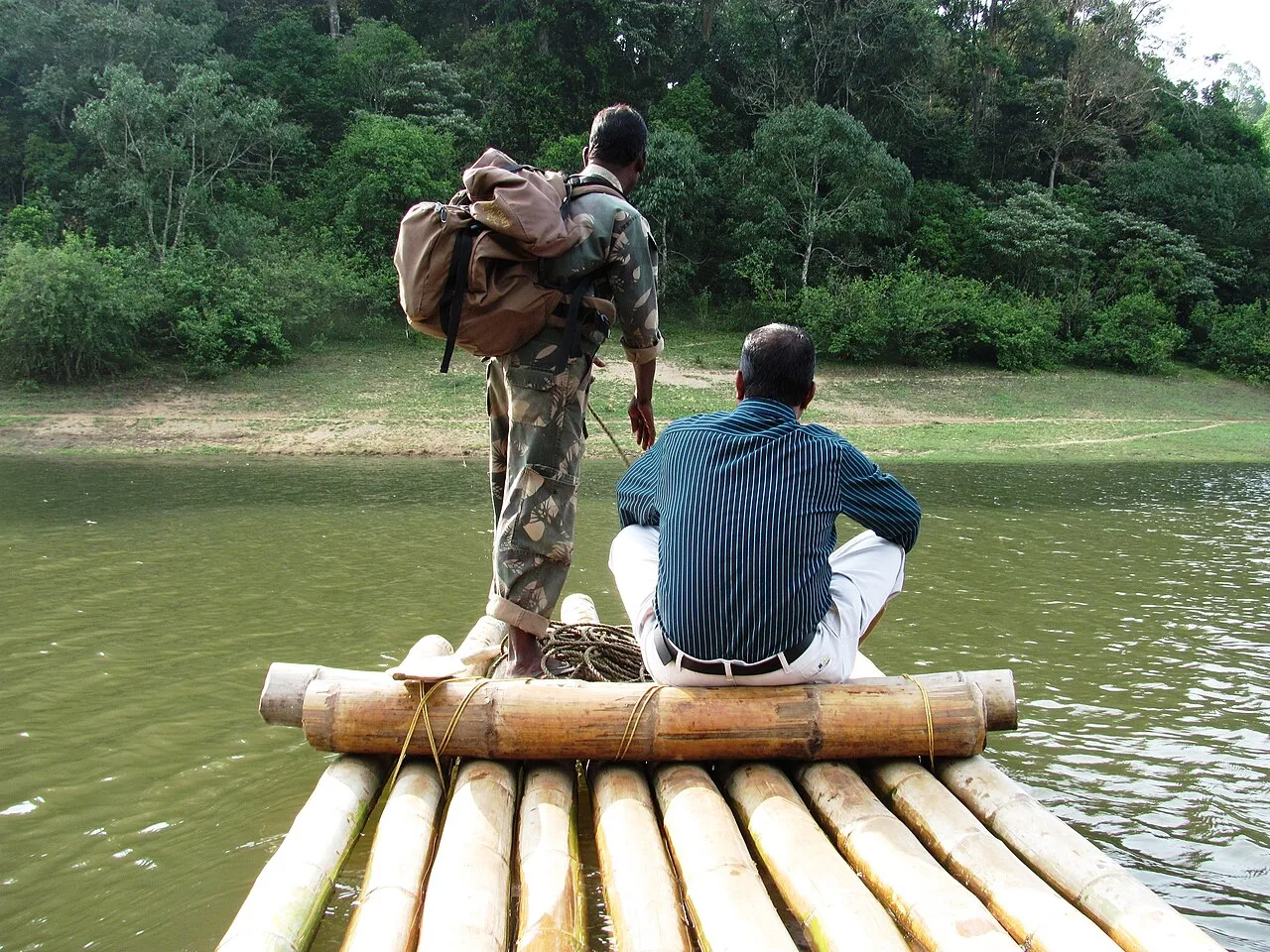
Gavi Eco-Tourism · Periyar National Park · Ramakkalmedu · Sabarimala

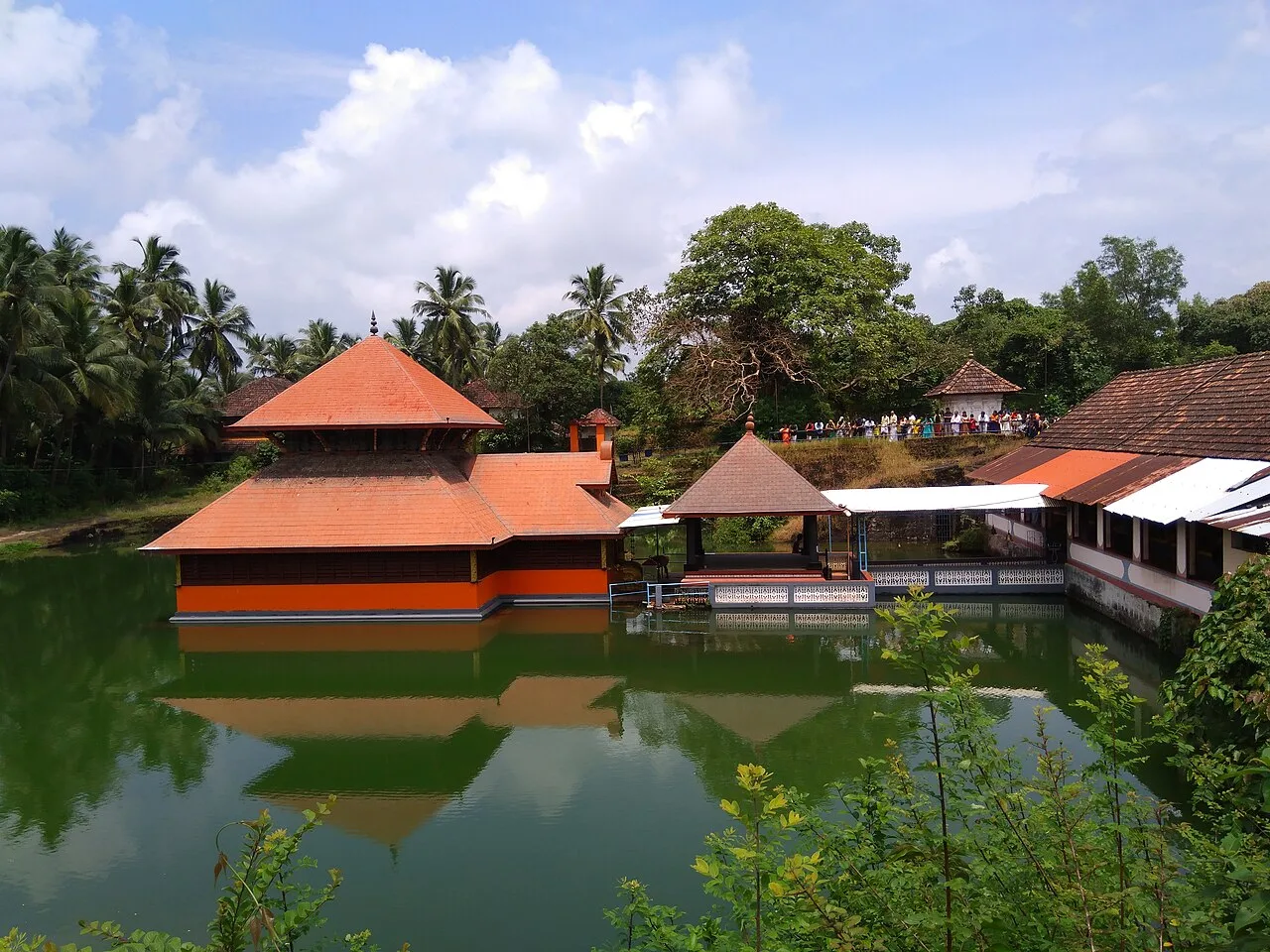
Ananthapura Lake Temple
Kasaragod4 places to see

Ananthapura Lake Temple · Bekal Fort · Chandragiri Fort · Malik Dinar Mosque

Chendamangalam
Kodungallur4 places to see

Chendamangalam · Cherai Beach · Cheraman Juma Mosque · Kodungallur Sree Kurumba Bhagavathy Temple

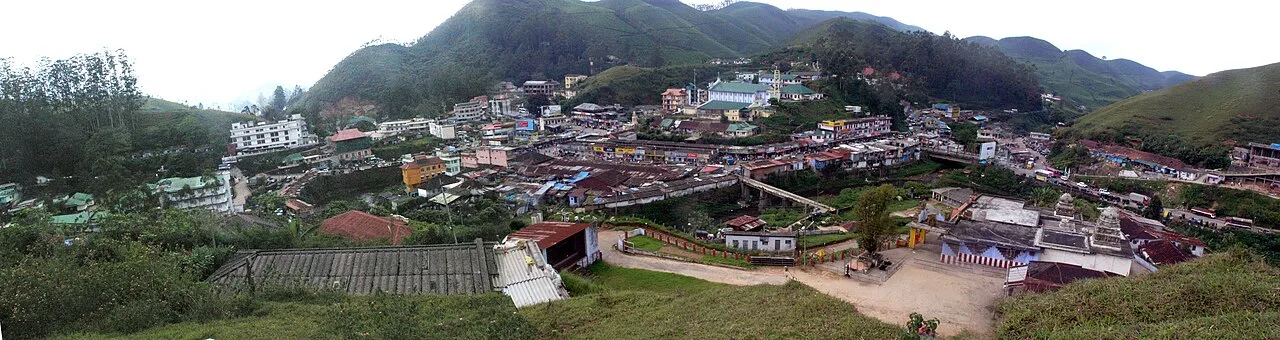
Munnar Hill Station
Munnar4 places to see

Anamudi · Eravikulam National Park · Mattupetty Dam

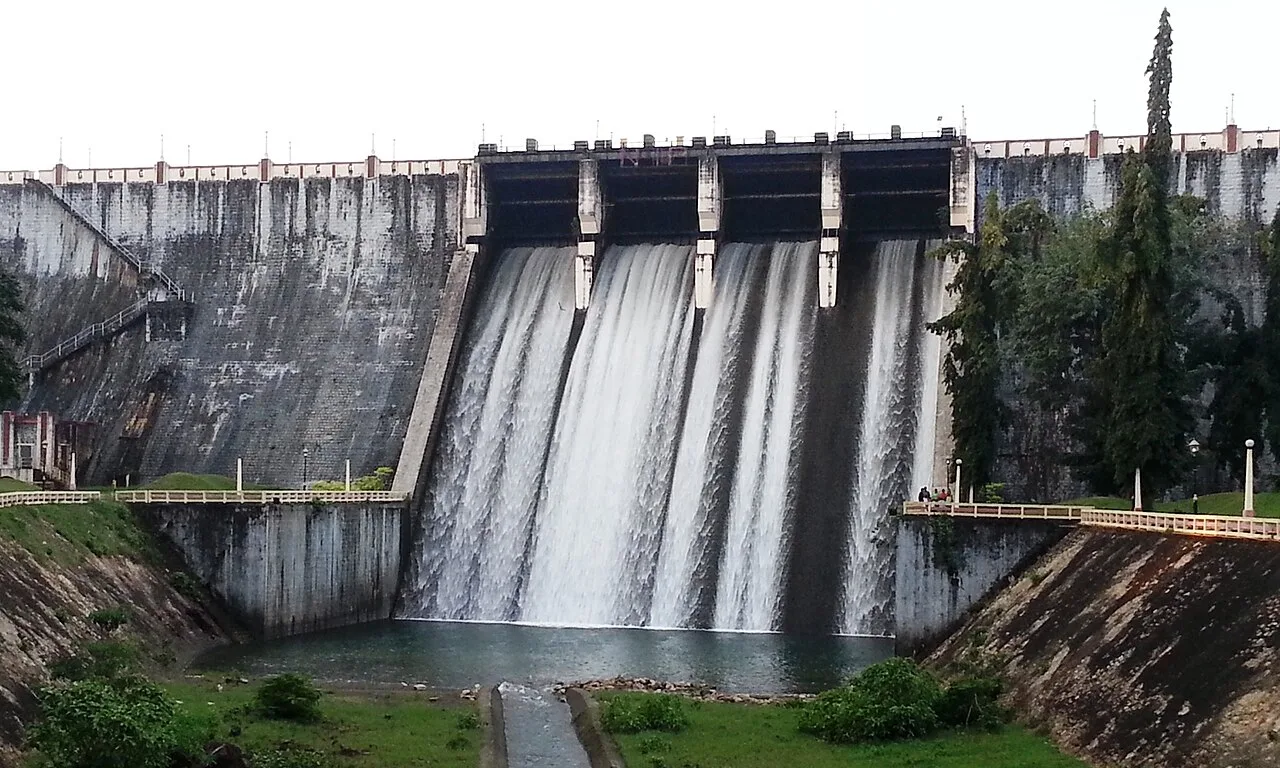
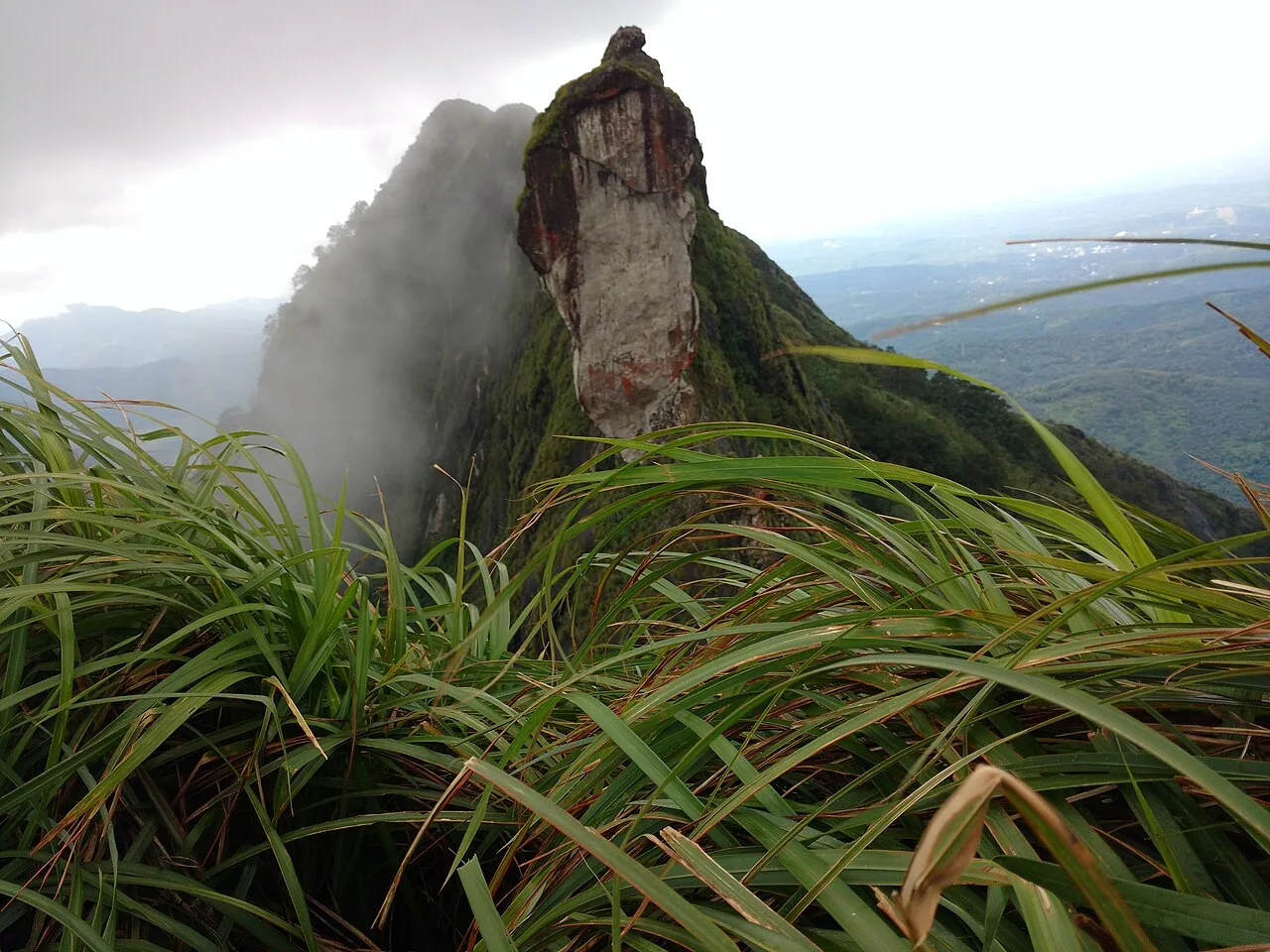
Neyyar Dam
Kulathummal3 places to see

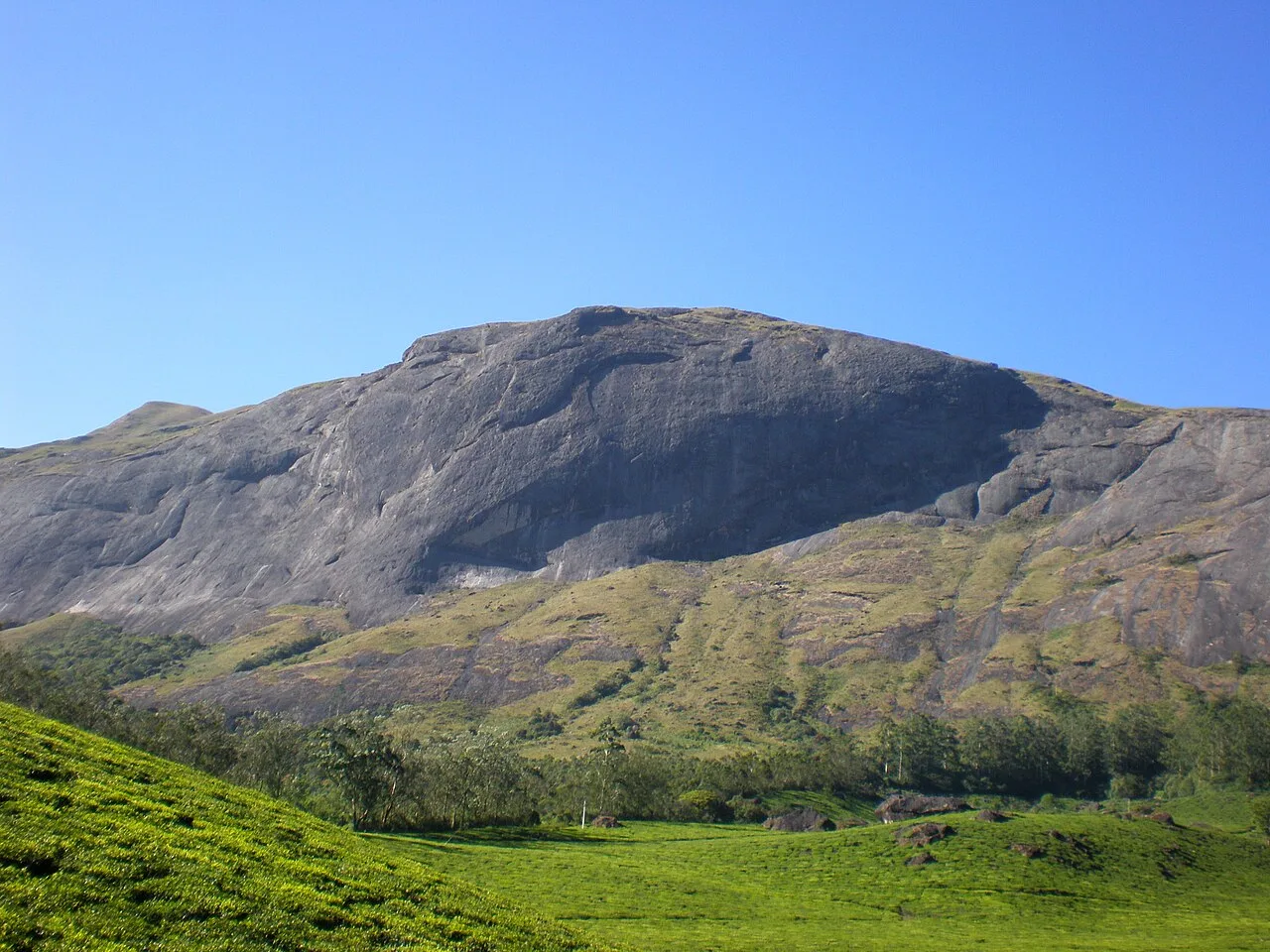
Neyyar Dam · Agastya Mala · Peppara Wildlife Sanctuary

Kalpathy Heritage Village
Palakkad3 places to see

Kalpathy Heritage Village · Malampuzha Dam · Palakkad Fort

Kuruva Island (Kuruvadweep)
Panamaram3 places to see

Kuruva Island (Kuruvadweep) · Banasura Sagar Dam · Wayanad Wildlife Sanctuary

Aralam Butterfly Sanctuary
Periya3 places to see

Aralam Butterfly Sanctuary · Meenmutty Falls · Thirunelli Temple

Aranmula Parthasarathy Temple
Chengannur2 places to see

Aranmula Parthasarathy Temple · Aranmula Village

Marari Beach
Cherthala2 places to see

Marari Beach · Vaikom Sree Mahadeva Temple

Guruvayur Temple
Guruvayur2 places to see

Guruvayur Temple · Punnathurkotta

Athirappilly Falls
Koovappady2 places to see

Athirappilly Falls · Vazhachal Falls

Bhoothathankettu
Kothamangalam2 places to see

Bhoothathankettu · Thattekad Bird Sanctuary

Ettumanoor Mahadeva Temple
Kottayam2 places to see

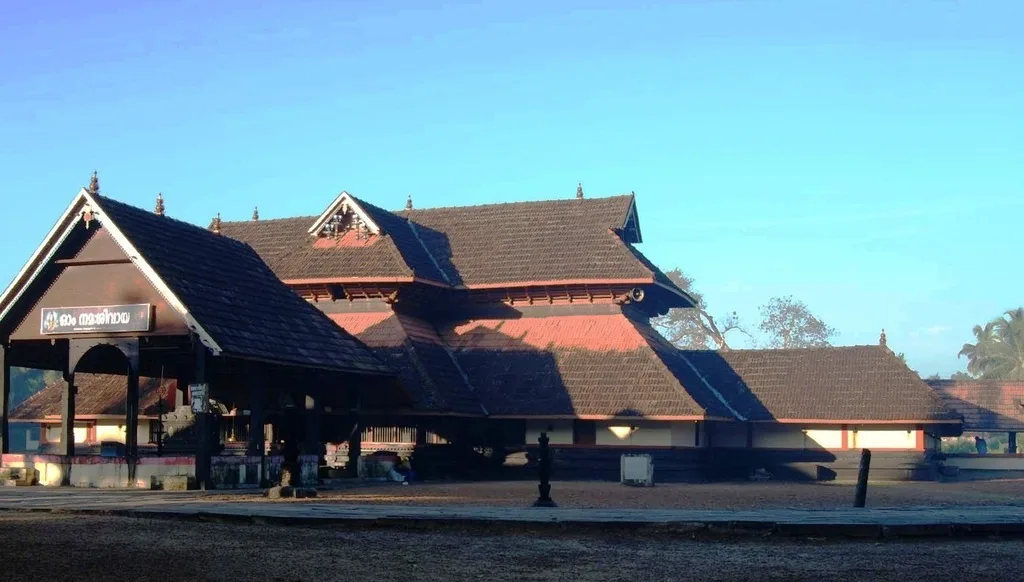
Ettumanoor Mahadeva Temple · Kumarakom Bird Sanctuary

Kumarakom Backwaters
Kumarakom2 places to see

Kumarakom Backwaters · Pathiramanal

Ambalappuzha Sree Krishna Swamy Temple
Kunnumma2 places to see

Ambalappuzha Sree Krishna Swamy Temple · Kuttanad Backwaters

Kottakkunnu
Malappuram2 places to see

Kottakkunnu · Tirunavaya

Chinnar Wildlife Sanctuary
Marayur2 places to see

Chinnar Wildlife Sanctuary

Kerala Kalamandalam, Cheruthuruthy
Ottapalam2 places to see

Kerala Kalamandalam, Cheruthuruthy · Kuthampully

Ezhimala
Payyanur2 places to see

Ezhimala · Valiyaparamba Backwaters

Palaruvi Falls
Punalur2 places to see

Palaruvi Falls · Thenmala Eco-Tourism

Parassinikkadavu Muthappan Temple
Taliparamba2 places to see

Parassinikkadavu Muthappan Temple · Paithalmala

Shakthan Thampuran Palace
Thrissur2 places to see

Shakthan Thampuran Palace · Vadakkunnathan Temple

Alappuzha Beach
Alappuzha1 place to see

Alappuzha Beach

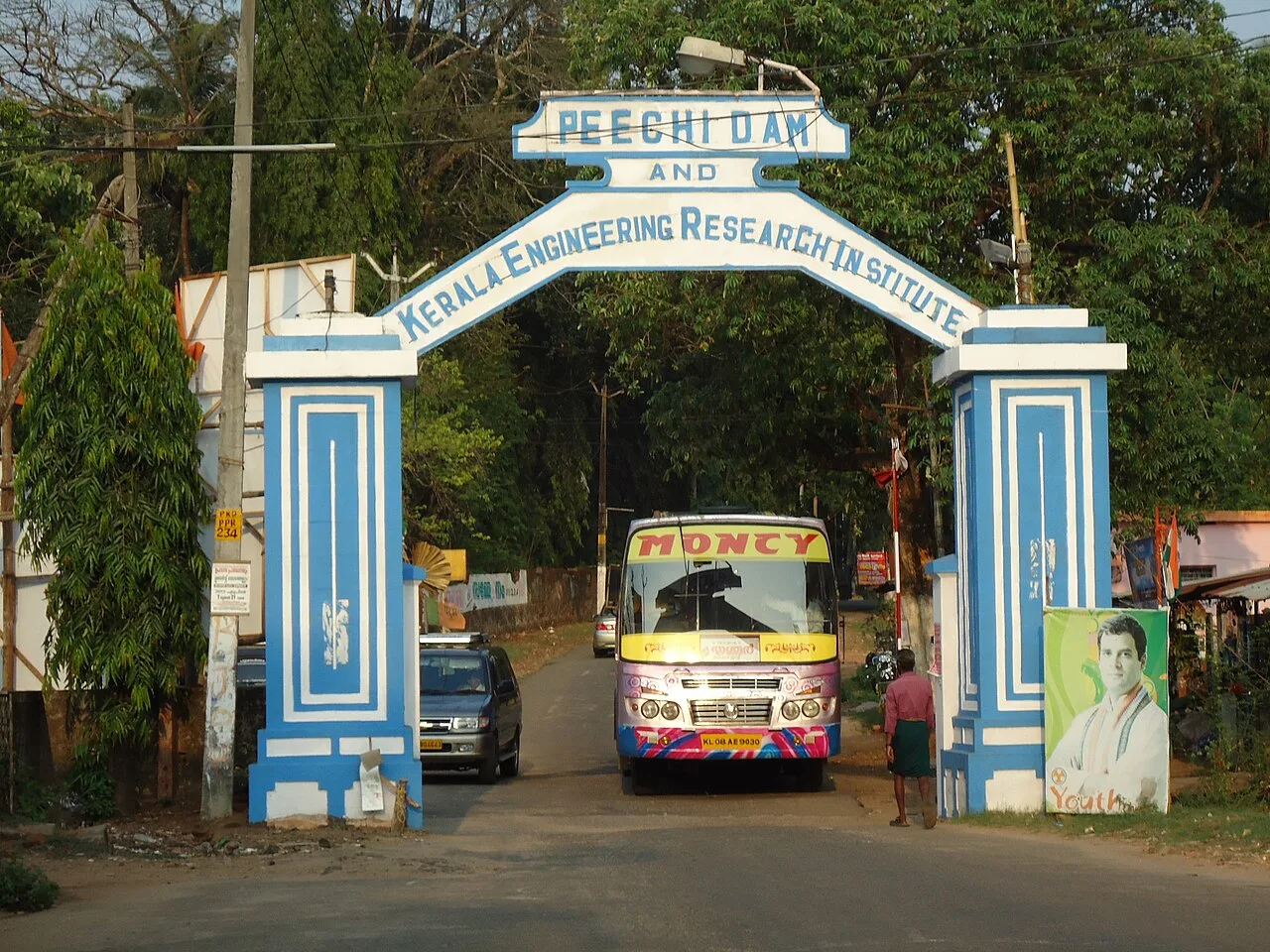
Peechi Dam
Amballur1 place to see

Peechi Dam

Kalady (Adi Shankara Birthplace)
Angamaly1 place to see

Kalady (Adi Shankara Birthplace)

Illickal Kallu
Erattupetta1 place to see

Illickal Kallu

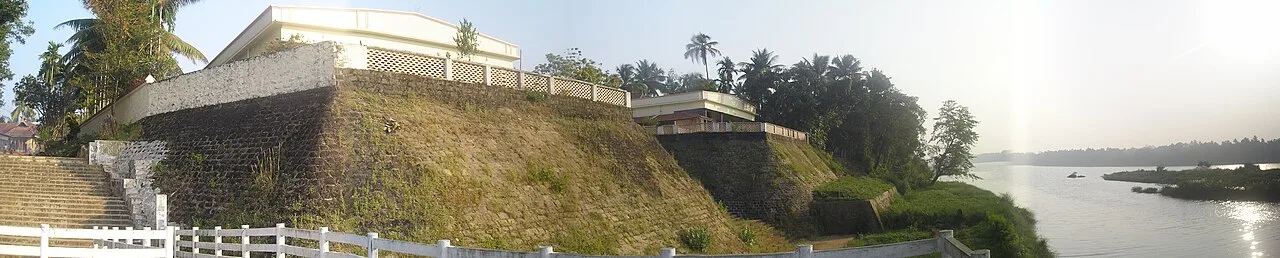
Vembanad Lake
Ezhupunna1 place to see

Vembanad Lake

Idukki Dam
Idukki1 place to see

Idukki Dam

Ranipuram
Kanhangad1 place to see

Ranipuram

Payyambalam Beach (Kannur Beach)
Kannur1 place to see

Payyambalam Beach (Kannur Beach)

Krishnapuram Palace
Kayamkulam1 place to see

Krishnapuram Palace

Nelliampathi
Koduvayur1 place to see

Nelliampathi

Balaramapuram
Kovalam1 place to see

Balaramapuram

Kappad Beach
Koyilandy1 place to see

Kappad Beach

Parambikulam Tiger Reserve
Kuttampuzha1 place to see

Parambikulam Tiger Reserve

Silent Valley National Park
Mannarkkad1 place to see

Silent Valley National Park

Ponmudi Hills
Nedumangad1 place to see

Ponmudi Hills

Poovar Island and Beach
Neyyattinkara1 place to see

Poovar Island and Beach

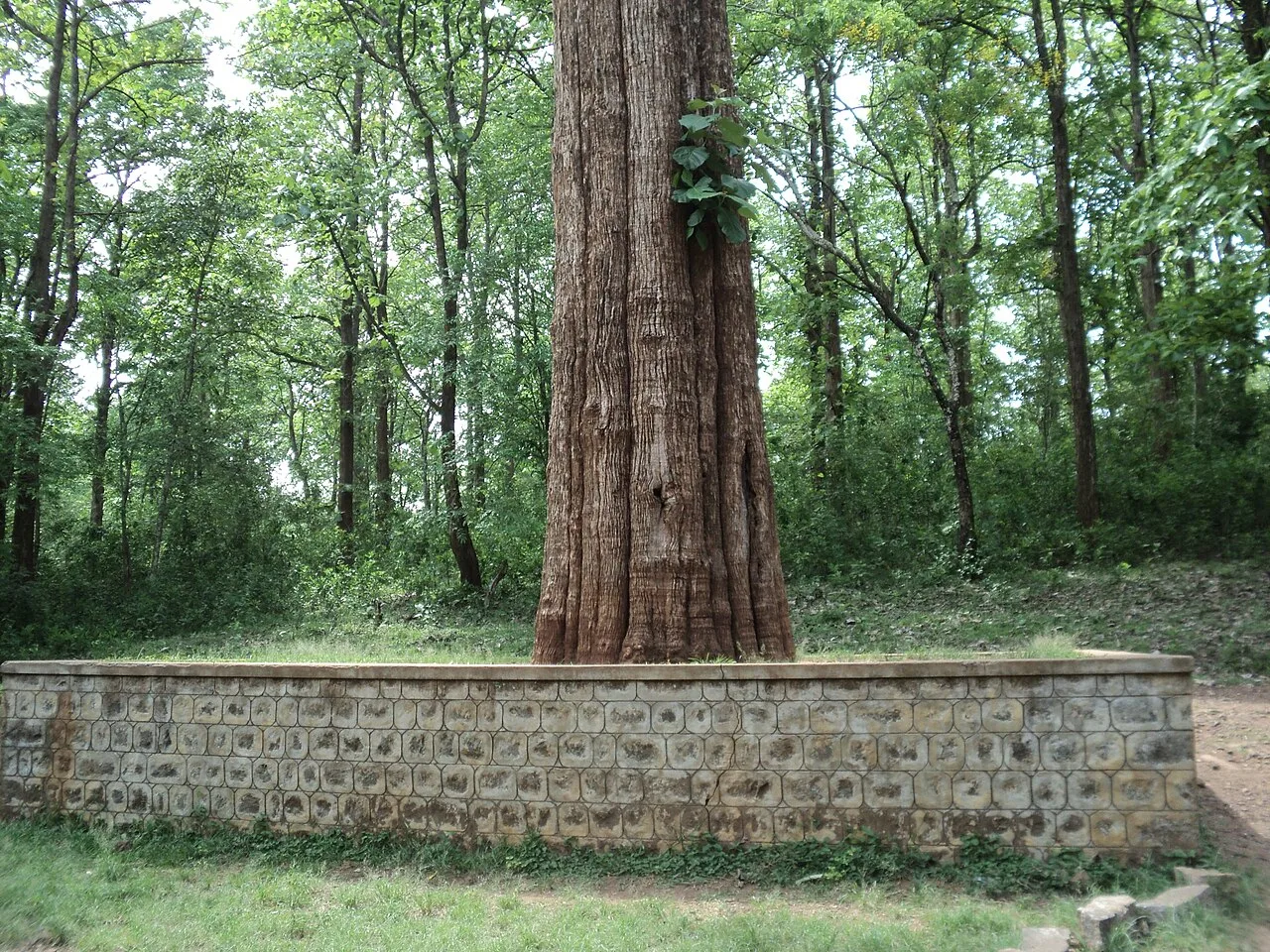
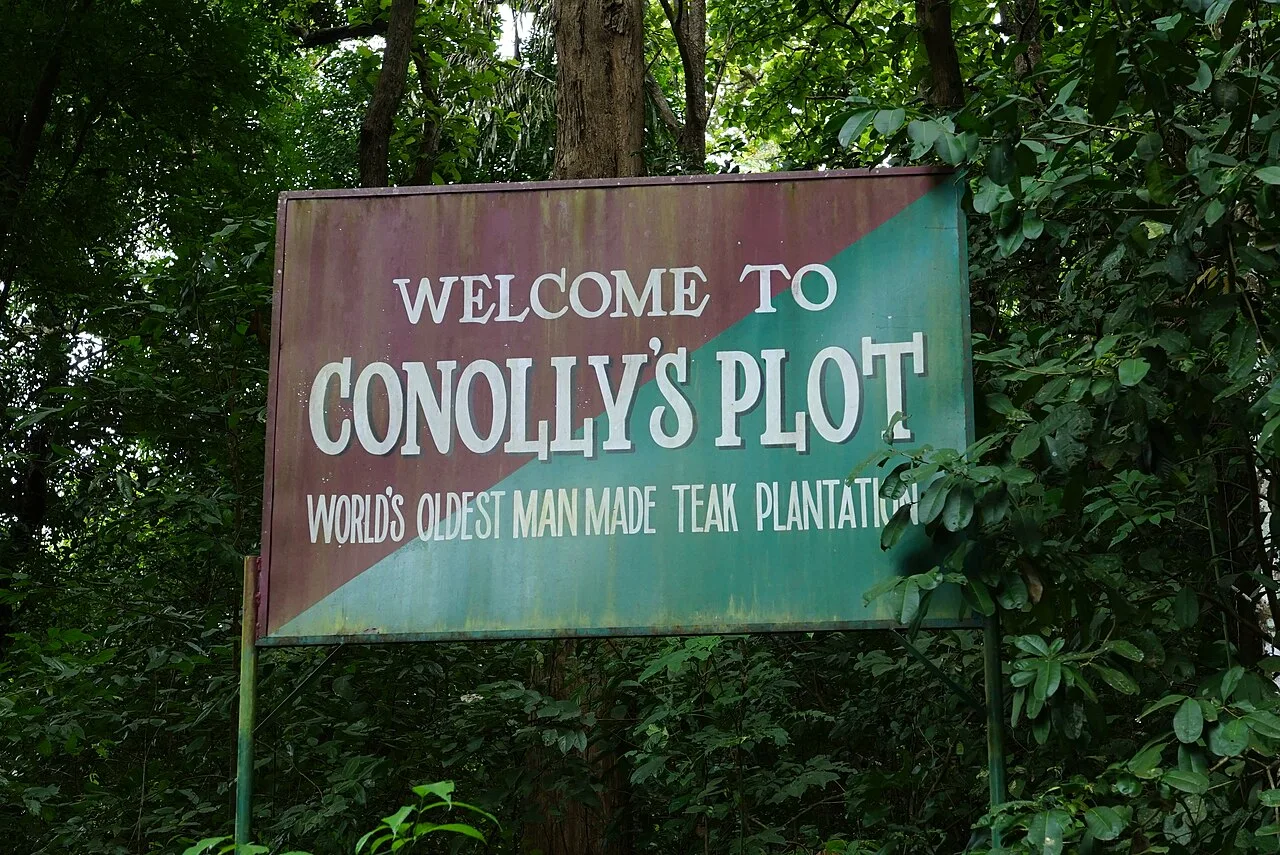
Nilambur Teak Forests
Nilambur1 place to see

Sights in and around Nilambur

Cheruthuruthy
Pattambi1 place to see

Cheruthuruthy

Jatayu Earth's Center
Puttankulam1 place to see

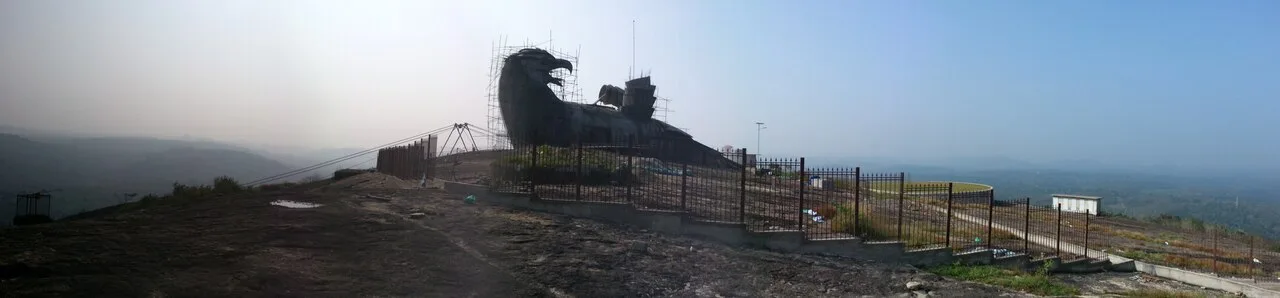
Jatayu Earth's Center

Mannar Bell-Metal Village
Tiruvalla1 place to see

Mannar Bell-Metal Village

Snehatheeram Beach
Vadanappally1 place to see

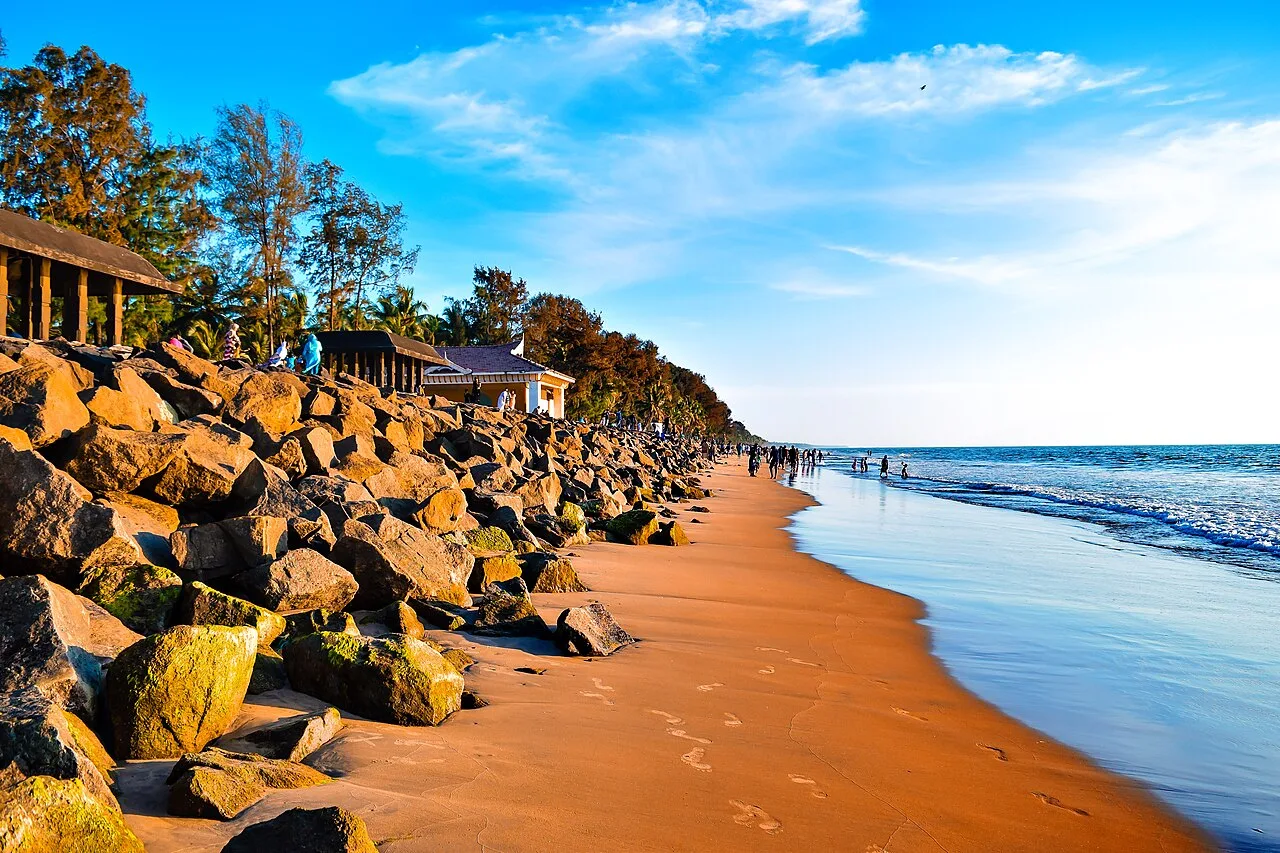
Snehatheeram Beach

Vagamon Meadows
Vagamon1 place to see

Vagamon Meadows

Varkala Beach
Varkala1 place to see

Varkala Beach

Away from the cities — 3 more places by district

District discovery

Kerala: 14 districts covered

Open a district to see its destinations and neighbours. More districts are added as our team writes them.

14 of 14 districts have destination guides

Destinations

Every guide in this state

Open a district to see its cities and towns, villages and places to see.

Alappuzha8 places
Ernakulam16 places
Idukki12 places
Kannur10 places
Kasaragod6 places
Kollam8 places
Kottayam5 places
Kozhikode7 places
Malappuram4 places
Palakkad6 places
Pathanamthitta4 places
Thiruvananthapuram14 places
Thrissur13 places
Wayanad10 places

Festivals & fairs

The calendar here

Full calendar

17 Apr 2027

Thrissur Pooram

Vadakkunnathan Temple, Thrissur · Religious

Caparisoned elephants and percussion ensembles.

ConfirmedKerala

12 Sept 2027

Onam

Kerala · Harvest

Pookalam flower carpets, snake-boat races and the sadya feast.

ProvisionalKerala

Festivals of Kerala through the year

Usual season and where each is best known. Exact dates follow local calendars — linked festivals have dated guides.

  • OnamAugust–SeptemberStatewide, with Atham to Thiruvonam.
  • Vishu14 AprilNew year.
  • Thrissur PooramApril–MayThrissur district, with decorated elephants.
  • Nehru Trophy Boat RaceAugustAlappuzha district.
  • Aranmula Uthrattathi Boat RaceAugust–SeptemberPathanamthitta.
  • Attukal PongalaFebruary–MarchThiruvananthapuram.
  • Sabarimala Makaravilakku14 JanuaryPathanamthitta.
  • Theyyam seasonNovember–AprilKannur and Kasaragod districts.
  • Kalpathy RatholsavamNovemberPalakkad.
  • Kochi-Muziris BiennaleDecember–March, every two yearsErnakulam district.
  • Cochin Carnival31 DecemberFort Kochi.
  • Kottiyoor Vysakha MahotsavamMay–JuneKannur.
  • Christmas and EidWidely celebrated statewide.
From travellers and locals

Be the first to share photos, stories, advice or a helpful contact for Kerala.

Loading…