
Ghumoopedia — Explore, Discover, Experience
Sign in
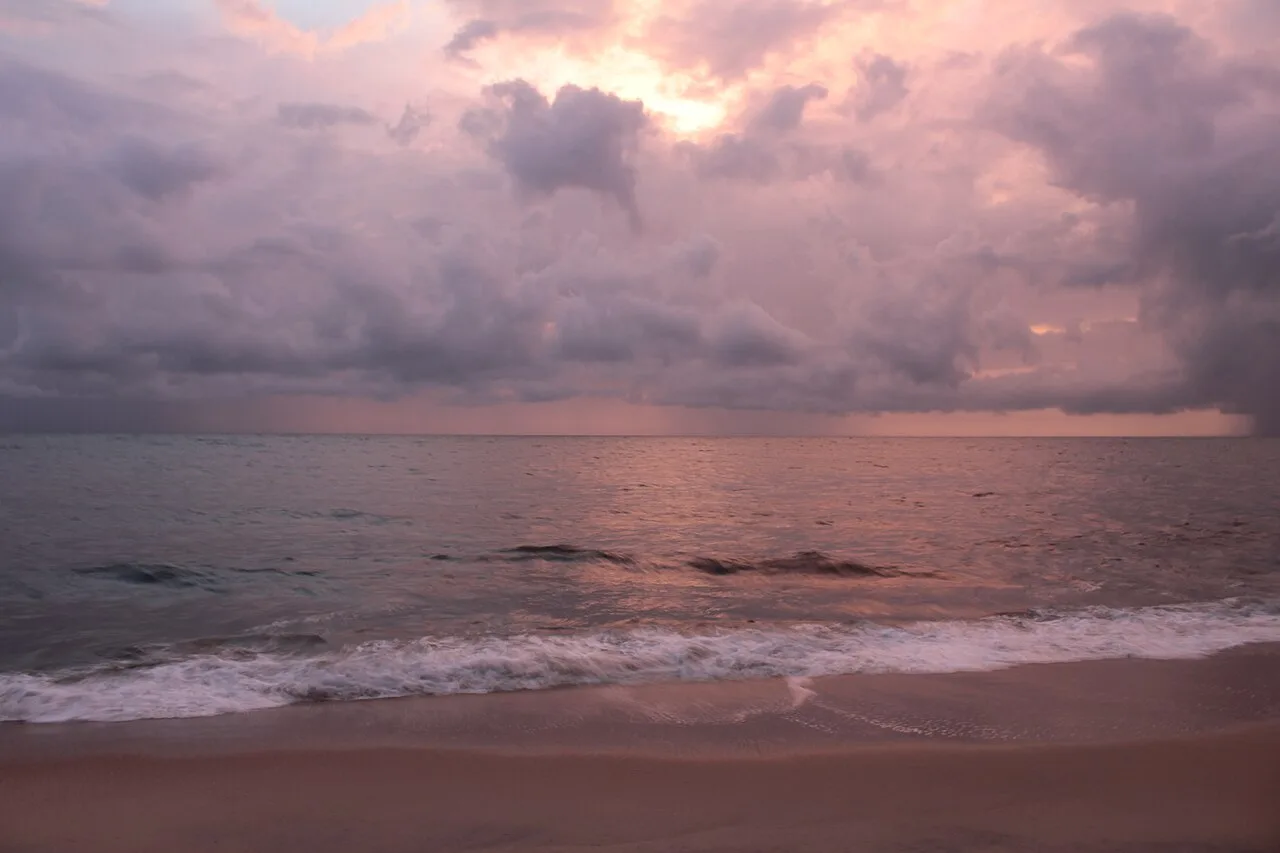
Marari Beach, near Cherthala

City guide · Kerala

Cherthala

Cherthala is a busy municipal centre in Alappuzha district, set on National Highway 66 between Alappuzha and Kochi. Its location links the coast and backwater settlements with two of Kerala’s major urban centres, and supports a mix of local trade, services and small-scale industries.

Famous for

  • Karthiyayani Devi Temple
  • Traditional coir products
  • Backwater and coastal scenery
  • Arthunkal Basilica
In the city
2
Districts
Alappuzha, Kottayam

Why Cherthala matters

Cherthala is a busy municipal centre in Alappuzha district, set on National Highway 66 between Alappuzha and Kochi. Its location links the coast and backwater settlements with two of Kerala’s major urban centres, and supports a mix of local trade, services and small-scale industries. The surrounding region is closely associated with coir making, fishing and waterways.

Visitors come for the town’s Karthiyayani Devi Temple and for nearby coastal and religious landmarks, including Arthunkal Basilica and Mararikulam’s beach. Cherthala also makes a practical base for exploring the area’s canals, lagoons and villages, though many attractions lie beyond the municipal centre. Its story connects older spice and coastal trade with Travancore-era history and the political upheavals of the twentieth century. Today, Cherthala’s importance rests less on a single landmark than on its role as a regional service and transport hub, alongside the enduring crafts and cultural traditions of the surrounding communities.
Famous for: crafts, trade & products

Coir is among the area’s best-known traditional industries. Fibre from coconut husks is made into rope, mats and other household and commercial products, with coir work and trade found in Cherthala and neighbouring settlements. Visitors can look for coir goods in shops and local outlets in and around the town; availability varies. The region is also associated with fishing and seafood, reflecting its proximity to the coast and backwaters.

Cherthala is not especially known for a signature saree or a widely recognised local GI-tagged product. Its everyday markets and shops serve residents with household goods, clothing, produce and regional foods rather than functioning as a single specialist craft bazaar. For a closer look at the local economy, explore the town centre and ask locally about coir-making units or outlets in nearby villages. Small producers and retailers may offer a more direct way to see the craft than formal visitor attractions. Food shops and markets are useful places to find local fish and coconut-based ingredients, although particular products and stock depend on the season.

History

Cherthala’s position near waterways and the Arabian Sea helped it develop as a centre for trade. During the medieval period, merchants dealt in spices, textiles and other goods, benefiting from connections between inland waterways, the coast and wider trading routes. Local tradition links the town’s name to a story about the saint Vilwamangalam Swamiyar finding and consecrating an image of the goddess Karthiyayani in a muddy pond.

Following an agreement between Travancore and Cochin in 1762, Cherthala came under Travancore rule and continued to serve as a regional centre. The wider area experienced conflict and political change, including the Punnapra–Vayalar uprising of 1946, a communist-led revolt against Travancore that spread through the region. After Kerala was formed in 1956 under the States Reorganisation Act, Cherthala became part of the new state. In the modern era it has grown as a municipality and transport-linked centre, with trade, services and coir-related activity contributing to local life.

Food, festivals & culture

Malayalam is the main language of daily life; English is also used in travel, education and business. Local cooking reflects Kerala’s abundant coconut, rice and seafood: fish curry, tapioca, appam and puttu are familiar choices, while preparations vary between homes and eateries. Seafood is common in the coastal and backwater region, but menus depend on the catch and season. Coconut-based sweets and festive dishes are part of the broader Kerala food tradition.

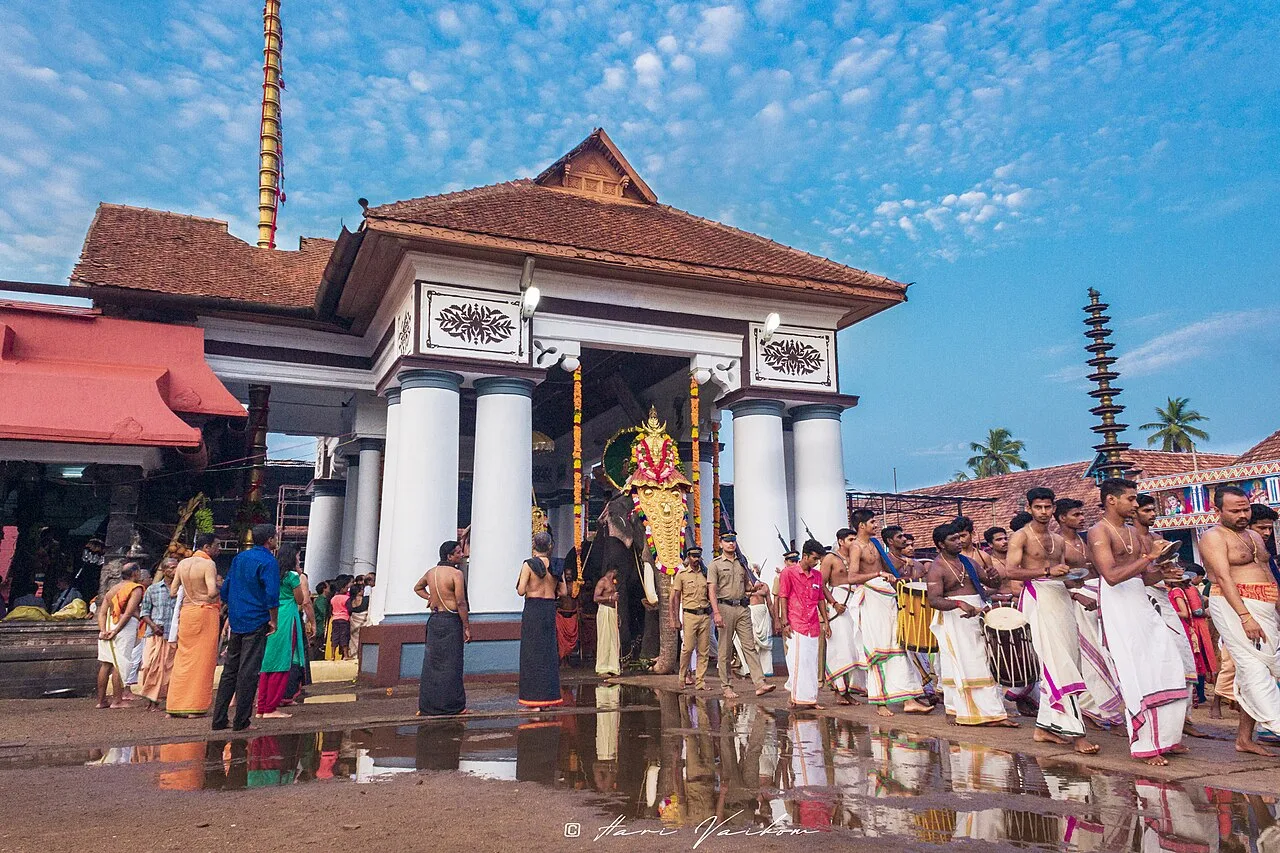
Onam, usually celebrated in August or September, and Vishu in April are important seasonal festivals. The annual Arthunkal Perunnal at St Andrew’s Basilica, in nearby Arthunkal, is a major Christian gathering, generally held in January. Karthiyayani Devi Temple is an important Hindu place of worship in Cherthala, alongside local churches and mosques that reflect the area’s religious diversity. Festival programmes may feature chenda percussion, devotional music and traditional performance; Kathakali and Thiruvathira are also part of Kerala’s wider cultural heritage.

Visiting the city

November to February is generally a comfortable period to visit, with less rain than during the southwest monsoon. Cherthala is served by Cochin International Airport, north of the town, and Cherthala railway station. National Highway 66 provides road connections towards Kochi and Alappuzha. Auto-rickshaws and local buses are useful for getting around; a taxi or hired vehicle is convenient for visiting places outside the centre.

Explore the town centre and Karthiyayani Devi Temple, then consider a trip to nearby Arthunkal Basilica, Mararikulam beach or the backwater villages around the region. These are separate local destinations rather than attractions within the compact town centre, so allow time for road travel. Ask locally about access and conditions, especially during heavy monsoon rain.

Attractions

Places to visit in Cherthala

Sights within about 12 km of each other, even when they fall in different districts.

Map

Cherthala on the map

  1. 1Marari Beach
  2. 2Vaikom Sree Mahadeva Temple

Kerala

Other cities to explore