Ghumoopedia — Explore, Discover, Experience
Sign in
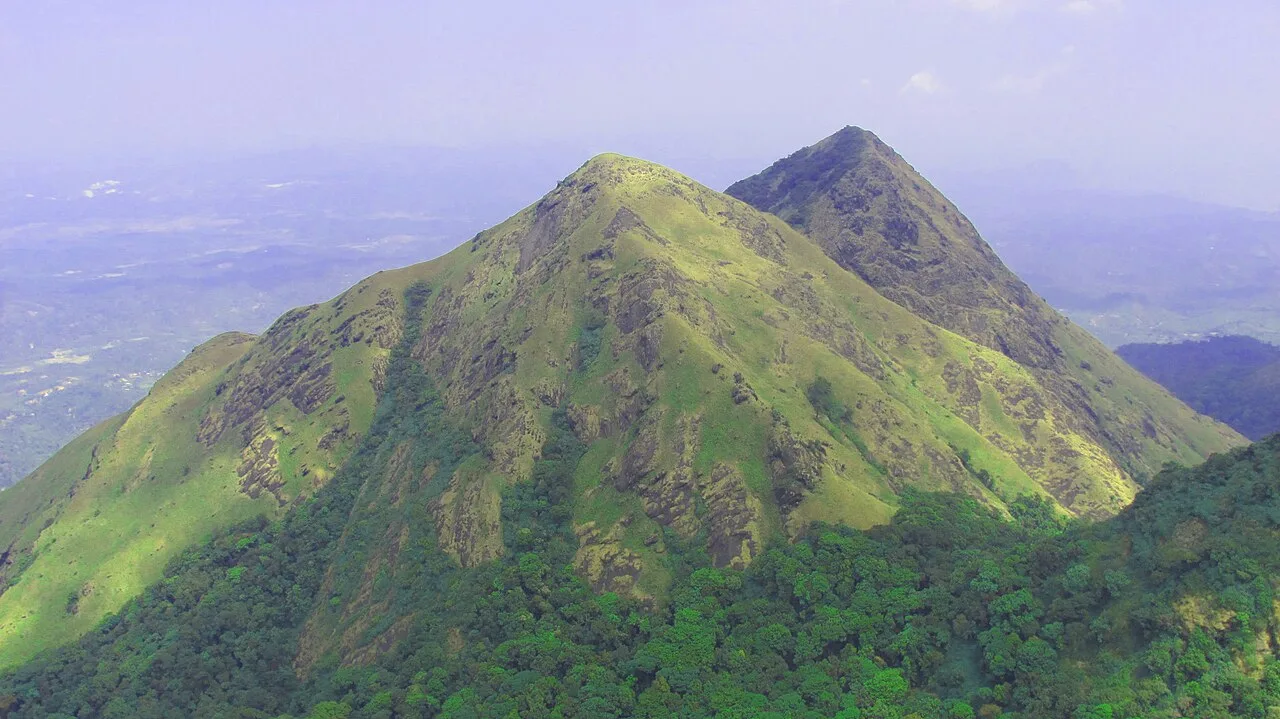
Chembra Peak, near Kalpetta

City guide · Kerala

Kalpetta

Kalpetta is the administrative and commercial centre of Wayanad, serving as the district headquarters and the headquarters of Vythiri taluk. Set among the Western Ghats at about 780 metres above sea level, it is surrounded by hills and coffee and tea plantations.

Famous for

  • Wayanad district headquarters
  • Coffee and tea plantations
  • Wayanad spice trade
  • Puliyarmala Jain temple
  • Gateway to Chembra Peak
In the city
4
Nearby
1
Districts
Wayanad, Kozhikode

Why Kalpetta matters

Kalpetta is the administrative and commercial centre of Wayanad, serving as the district headquarters and the headquarters of Vythiri taluk. Set among the Western Ghats at about 780 metres above sea level, it is surrounded by hills and coffee and tea plantations. The Kozhikode–Mysore highway runs through town, making Kalpetta a key stop for journeys across Wayanad and between Kerala and Karnataka.

Visitors use the town as a base for exploring the district’s landscapes, including the Chembra Peak area, Pookode Lake and plantation country around Meppadi and Vythiri. Kalpetta itself offers a busy market, places of worship and practical services, alongside a relaxed hill-town setting. Coffee, tea, pepper and other spices are prominent in local trade. Its importance comes less from a single landmark than from its role as Wayanad’s service hub and a convenient starting point for nature, food and cultural experiences across the district.
Famous for: crafts, trade & products

Kalpetta is closely linked to Wayanad’s plantation economy. Coffee and tea, along with pepper, cardamom and other spices, are grown across the surrounding highlands and sold through local traders. The town’s shops and market are useful places to look for packaged coffee, tea and regional spices. Wayanad Jeerakasala and Gandhakasala rice, distinctive local varieties with geographical indication recognition, can also be found through regional food sellers and specialist outlets when in stock.

Wayanad is not especially known for a major textile or saree tradition, and Kalpetta is better understood as a centre for agricultural produce than for large-scale manufacturing. Bamboo and cane goods, forest-based products and handmade items associated with communities in the wider district may be available at craft and tribal-product outlets. Visitors can browse the town’s market and general stores for everyday produce, or seek out dedicated local-product shops for gifts. Plantations and farm outlets around Kalpetta and nearby settlements offer another way to encounter the region’s coffee, tea and spices.

History

Wayanad’s history reflects the lives of its Indigenous communities, the influence of regional rulers and later British expansion. The area came under the Mysore rulers before British control, and the resistance led by Pazhassi Raja is part of the region’s history. Kalpetta developed as a settlement amid the hills and plantations, gaining importance as a road-linked market and administrative centre.

The Indian independence movement in Wayanad first took organised shape in Kalpetta. A political conference held there in 1921 under Dharmaraja Iyer brought together figures including K. P. Kesava Menon and A. K. Gopalan, and an Indian National Congress committee was formed around that time. Mahatma Gandhi visited Kalpetta on 14 January 1934. When Wayanad district was established in 1980, Kalpetta became its headquarters. It was then a village panchayat and became a municipality in 1990, growing into the district’s principal centre for administration, commerce and services.

Food, festivals & culture

Malayalam is the main language of daily life, alongside Indigenous languages and Kannada and Tamil influences in this border region. Food reflects Kerala’s rice-based cooking: visitors will commonly find meals with rice, curries and vegetable sides, as well as puttu, appam, tapioca and dishes flavoured with local pepper and spices. Payasam and unniyappam are familiar sweets at celebrations. Food traditions vary among Wayanad’s communities, and local eateries offer a chance to sample regional preparations.

Onam, usually celebrated in August or September, and Vishu in April are important occasions, alongside Eid, Christmas and temple festivals. Kalpetta’s places of worship include the Puliyarmala Jain temple, while Hindu temples, churches and mosques serve the town’s diverse communities. Across Wayanad, ritual arts and Indigenous cultural traditions form an important part of community life; performances and celebrations are generally tied to particular places and occasions rather than staged as everyday city attractions. Seasonal fairs and local gatherings bring residents together and may showcase regional food and produce.

Visiting the city

October to May is generally a comfortable period to visit, with cooler weather and better conditions for exploring the hills. The monsoon brings lush scenery but also heavy rain, so check local conditions before planning outdoor trips. The nearest major airport is Calicut International Airport, while Kozhikode railway station is a principal rail connection; Kalpetta itself has no railway station. Buses and taxis connect the town with other parts of Wayanad and nearby cities, and autos are useful for short trips around town.

Explore Kalpetta’s central market and town centre, then visit Puliyarmala Jain temple. Nearby areas such as Vythiri, Pookode and Meppadi make good excursions, with routes toward plantations and the Chembra Peak area. Allow extra travel time on winding hill roads, especially during wet weather.

Attractions

Places to visit in Kalpetta

Sights within about 12 km of each other, even when they fall in different districts.

Short trips

Around Kalpetta

Within about 40 km — easy half-day or day trips from the city.

Map

Kalpetta on the map

  1. 1Chembra Peak
  2. 2Pookode Lake
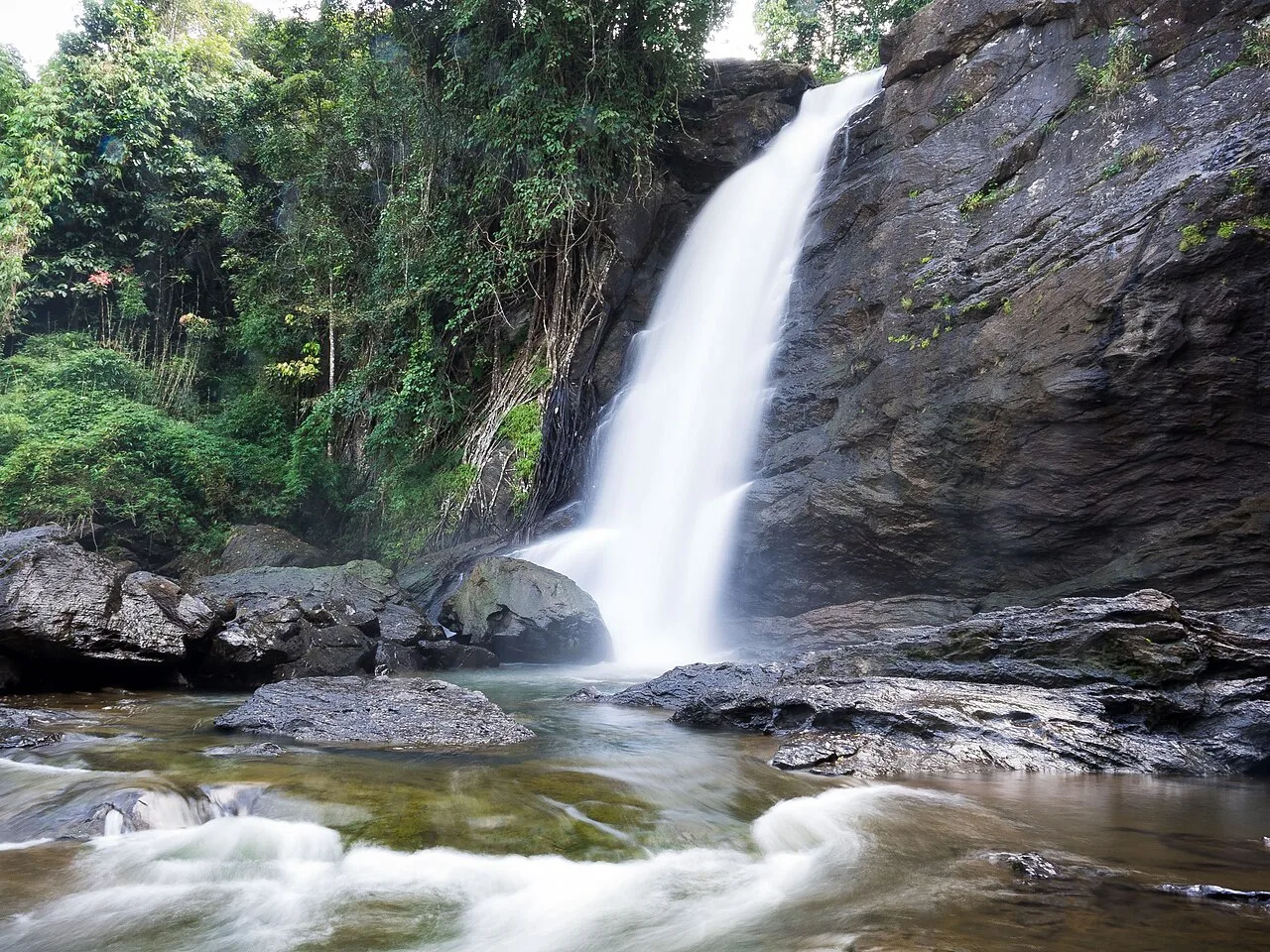
  3. 3Soochipara Falls
  4. 4Thusharagiri Falls
  5. 5Edakkal caves

Kerala

Other cities to explore