Ghumoopedia — Explore, Discover, Experience
Sign in
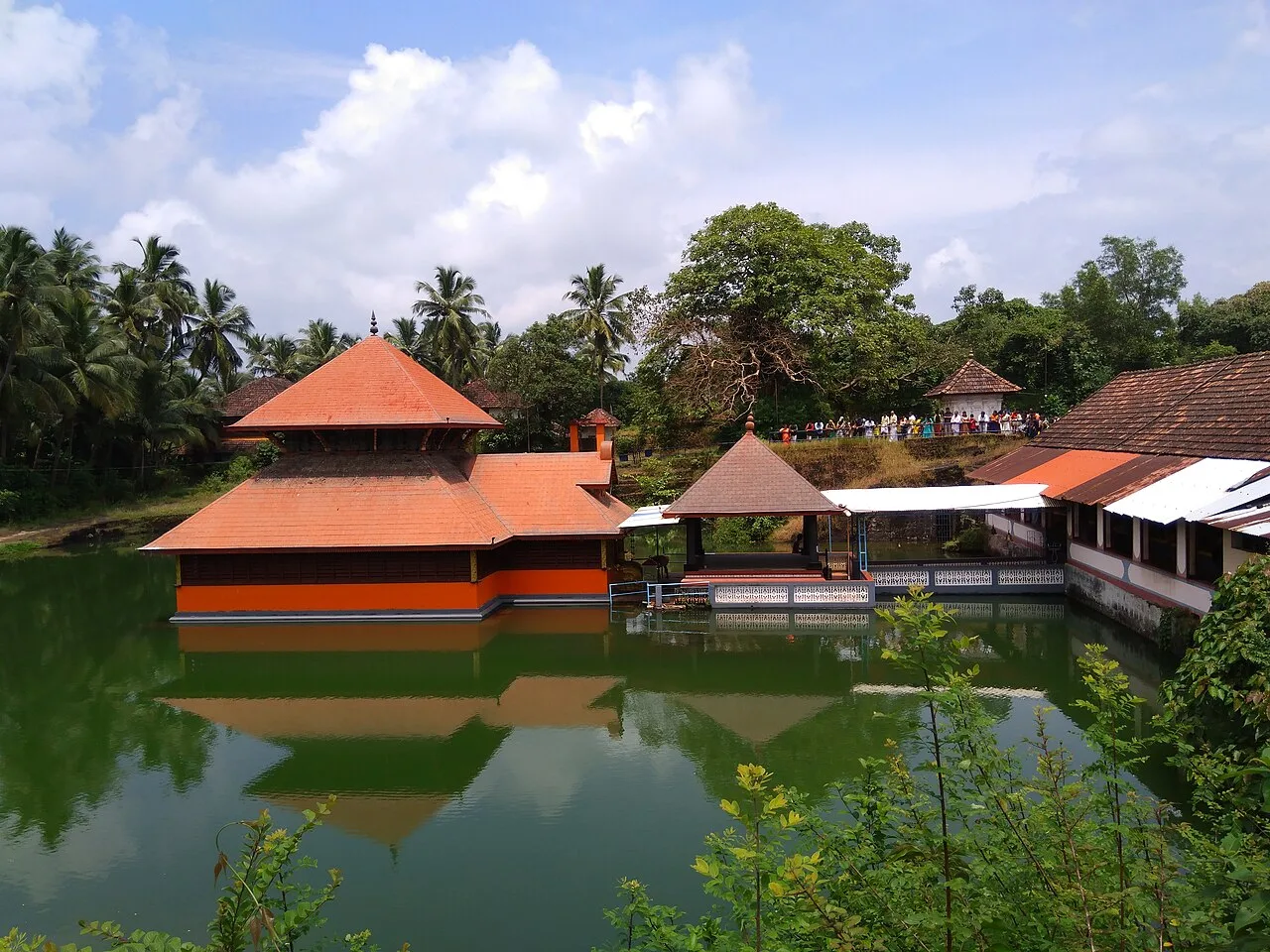
Ananthapura Lake Temple, near Kasaragod

City guide · Kerala

Kasaragod

Kasaragod is Kerala’s northernmost district headquarters, a coastal town shaped by the meeting of the Chandragiri River and the Arabian Sea. It serves as a regional centre for administration, trade and travel, and offers a distinctive blend of Malayalam, Tulu and Kannada influences.

Famous for

  • Bekal Fort
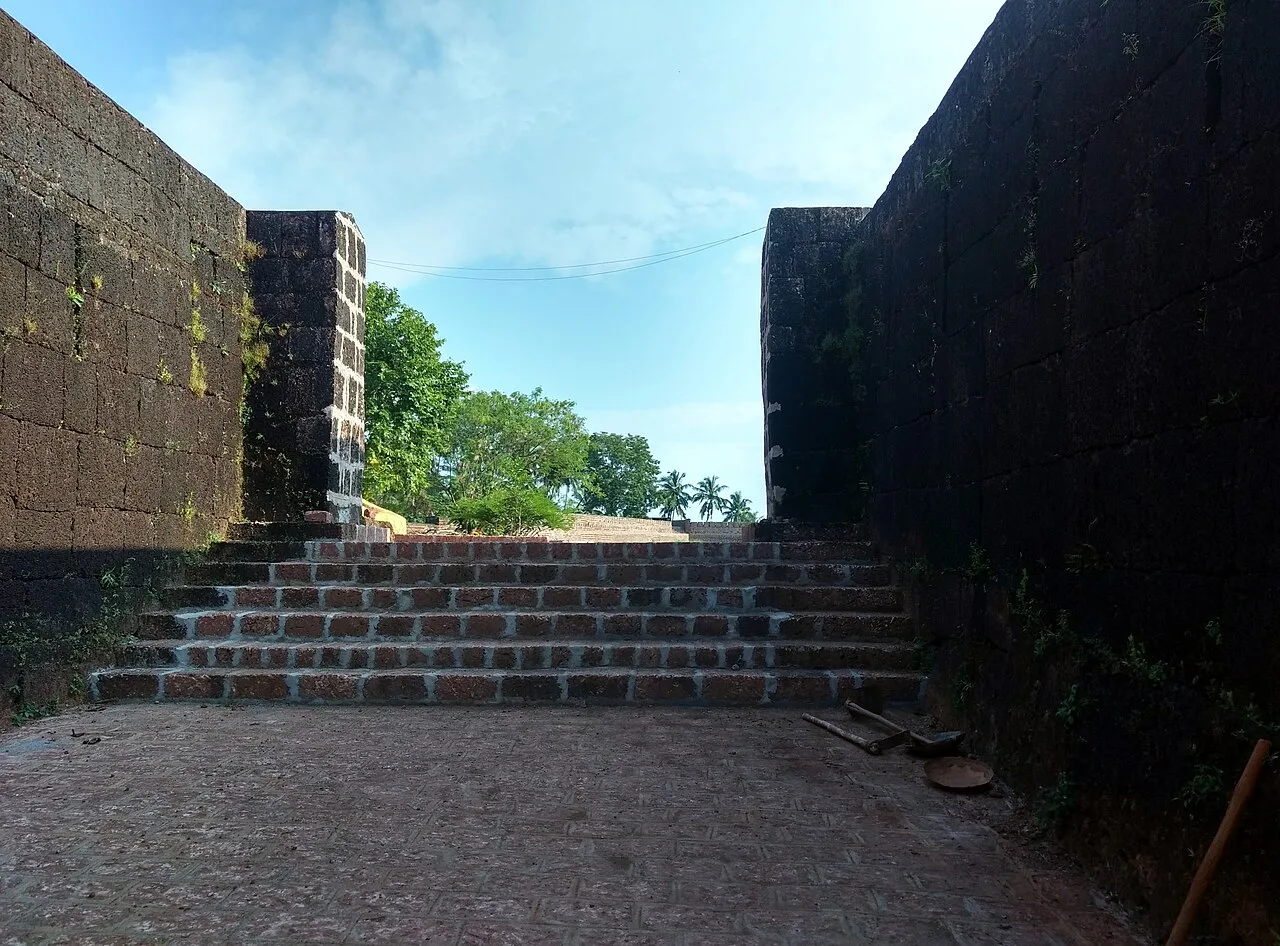
  • Chandragiri Fort
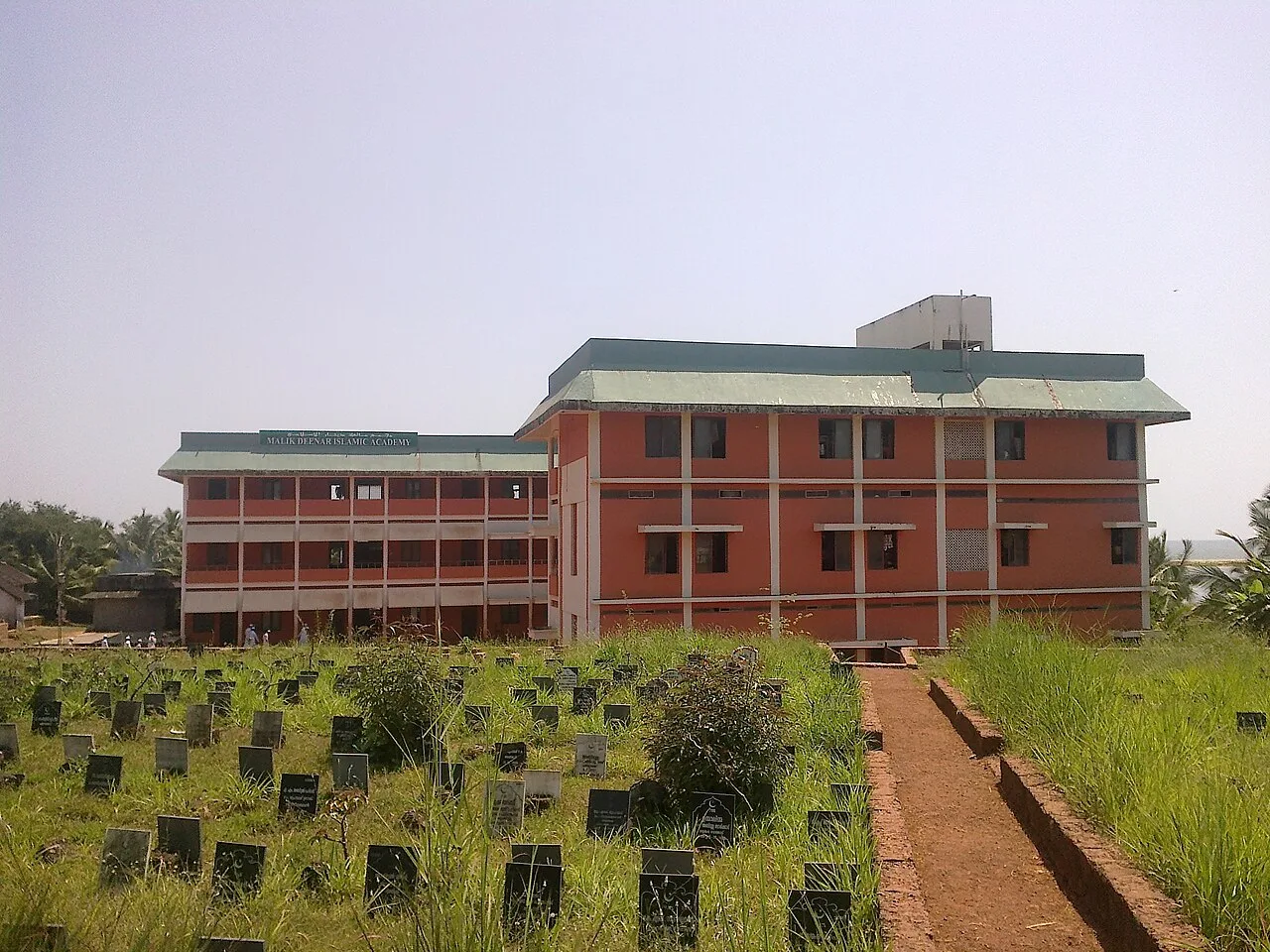
  • Malik Deenar Mosque
  • Ananthapura Lake Temple
  • Kasaragod handloom sarees
  • Seven-language heritage
In the city
4
District
Kasaragod

Why Kasaragod matters

Kasaragod is Kerala’s northernmost district headquarters, a coastal town shaped by the meeting of the Chandragiri River and the Arabian Sea. It serves as a regional centre for administration, trade and travel, and offers a distinctive blend of Malayalam, Tulu and Kannada influences. The district is often called Sapta Bhasha Sangama Bhumi, or the land where seven languages meet, reflecting its long-standing cultural diversity.

Visitors come for a remarkable range of heritage and landscapes within reach of the town. Chandragiri Fort stands above the river estuary, while the celebrated Bekal Fort lies along the coast to the south. Religious landmarks include the historic Malik Deenar Mosque, Madhur Temple and Ananthapura Lake Temple. Beyond the shore, the hills of Ranipuram and Kottancheri and the region’s rivers and backwaters offer a greener side of northern Kerala. Kasaragod’s appeal lies not in a single attraction but in the close interplay of coastal scenery, layered history and living traditions.
Famous for: crafts, trade & products

Kasaragod is associated with handloom weaving, especially cotton sarees made in the region. These are part of a broader northern Kerala textile tradition, with restrained designs and practical everyday wear. Visitors can ask at local handloom cooperative outlets and textile shops in town about locally woven pieces; availability and designs vary. The town’s markets also serve residents from surrounding villages, making them useful places to browse clothing, household goods and regional provisions.

The surrounding district’s livelihoods include agriculture and small-scale processing, with coconut, arecanut, cashew and spices among the products found in local trade. Coir goods and coconut-based products are also part of the area’s craft and commercial landscape. Kasaragod is not primarily known as a large manufacturing centre, so its appeal for shoppers is more in everyday markets and locally made goods than in a dedicated luxury or export district. For a more direct connection to the region’s craft traditions, ask shopkeepers or local tourism staff about current handloom outlets and artisan sellers.

History

Kasaragod’s history reflects its position between the Malabar coast and the Tulu-speaking regions to the north. In early times, the area formed part of Puzhinadu and the Ezhimala realm. Later, northern territories came under the Kumbala dynasty, while lands south of the Chandragiri River were linked with Kolathunadu and the Nileshwaram rulers. The port and its hinterland also drew Arab and other overseas traders. Malik Deenar Mosque preserves an important strand of the region’s early Muslim history.

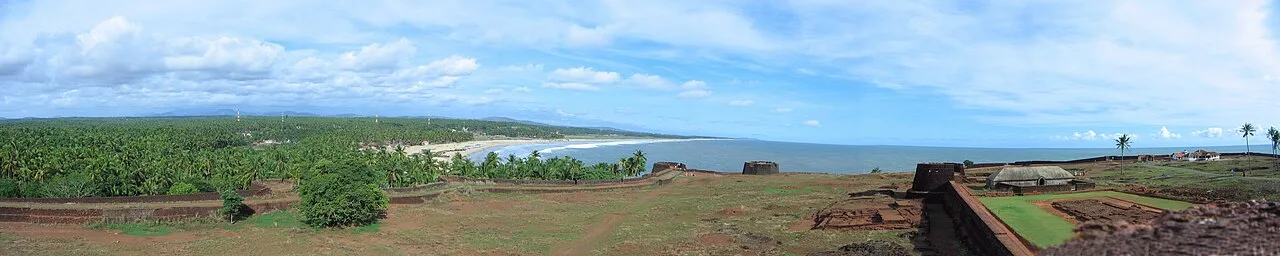
In the seventeenth century, Keladi ruler Shivappa Nayaka built Bekal Fort, now a landmark of the coast. The region later experienced the campaigns of Hyder Ali and Tipu Sultan, followed by British rule. Kasaragod became part of South Canara under the Madras Presidency and joined Kerala when the state was formed in 1956. The town became a municipality in 1966, and Kasaragod district was established in 1984, strengthening the town’s role as the administrative centre of the far north.

Food, festivals & culture

Daily life reflects Kerala’s coastal foodways and the area’s close links with Tulu Nadu. Rice, fish, coconut and seasonal produce feature prominently; visitors may encounter fish curries, appam, pathiri and biryani alongside Tulu-influenced dishes such as neer dosa. Tea-time snacks and sweets vary by household and community. Malayalam is widely used, while Tulu and Kannada are also part of the region’s everyday linguistic landscape; Beary and Konkani are heard among some communities.

The calendar brings together Onam and Vishu celebrations, Muslim observances including Eid, and Christmas, alongside temple festivals held at different times of year. Theyyam performances and temple ritual arts are part of the wider northern Malabar heritage, while Yakshagana connects the district with neighbouring Karnataka. Places of worship show this cultural range: Malik Deenar Mosque in Thalangara, Madhur Temple and Ananthapura Lake Temple are among the best-known sites. Local observances are community-led, so festival dates and performances can vary from year to year.

Visiting the city

The most comfortable time to visit is generally November to February, when conditions are cooler and drier. The southwest monsoon, usually from June into September, brings heavy rain and lush scenery but can complicate outdoor plans. Mangaluru International Airport is the nearest major airport, across the Karnataka border. Kasaragod railway station is the town’s main rail gateway, with services on the coastal route.

Auto-rickshaws, local buses and taxis are useful for getting around; a taxi is convenient for combining sights beyond the town centre. Explore Thalangara for the old mosque and waterfront atmosphere, the Chandragiri area for its fort and river views, and Madhur for its temple. Bekal, south of town, makes a popular coastal excursion, while the hills and backwaters are better approached with a planned day trip. Check local conditions before heading to remote nature sites.

Attractions

Places to visit in Kasaragod

Sights within about 12 km of each other, even when they fall in different districts.

Map

Kasaragod on the map

  1. 1Ananthapura Lake Temple
  2. 2Bekal Fort
  3. 3Chandragiri Fort
  4. 4Malik Dinar Mosque

Kerala

Other cities to explore