
Ghumoopedia — Explore, Discover, Experience
Sign in
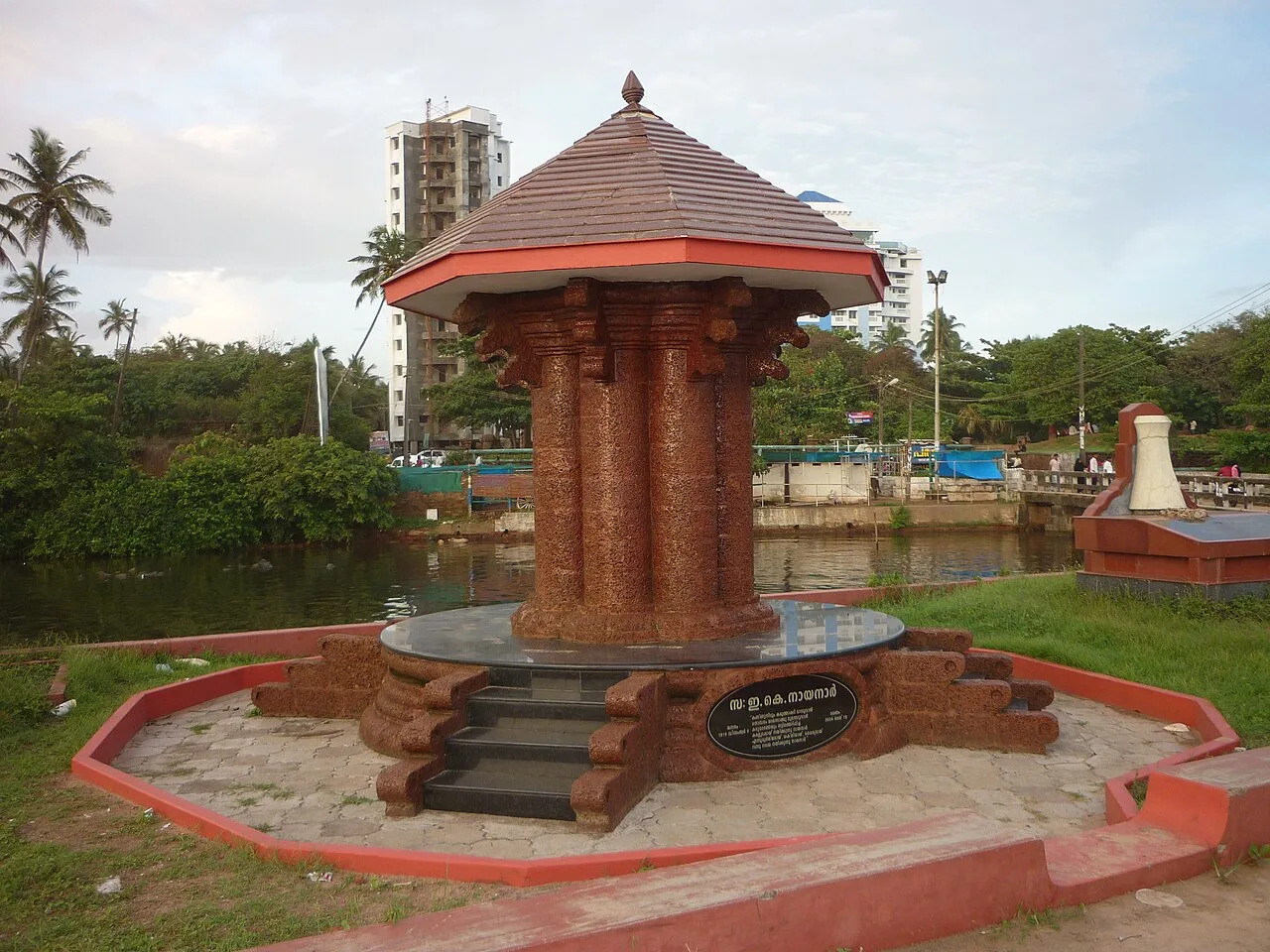
Payyambalam Beach (Kannur Beach), near Kannur

City guide · Kerala

Kannur

Kannur is a coastal city in northern Kerala and the administrative centre of Kannur district. Its position on the Arabian Sea has connected it for centuries to trade along the Malabar Coast, while its present-day character blends a busy regional centre with a strong tradition of weaving, ritual arts and maritime history.

Famous for

  • Kannur handloom textiles
  • Theyyam performances
  • St Angelo Fort
  • Malabar seafood cuisine
  • Muzhappilangad drive-in beach
In the city
1
District
Kannur

Why Kannur matters

Kannur is a coastal city in northern Kerala and the administrative centre of Kannur district. Its position on the Arabian Sea has connected it for centuries to trade along the Malabar Coast, while its present-day character blends a busy regional centre with a strong tradition of weaving, ritual arts and maritime history. Malayalam is the main language, and the city also reflects the region’s diverse religious and trading communities.

Visitors come for the imposing St Angelo Fort, the former Arakkal royal residence and the beaches along the coast. Kannur is especially associated with handloom cloth and Theyyam, a vivid ritual performance practised at local shrines, particularly during the cooler months. The wider district offers further draws, including Muzhappilangad’s long drive-in beach and the Muthappan temple at Parassinikadavu. Together, these places make Kannur a useful base for exploring northern Kerala’s coastline and cultural traditions. The city also serves as a transport, education and commercial hub for surrounding towns and villages.

Famous for: crafts, trade & products

Kannur has a long-standing handloom tradition, with cotton fabrics and home textiles among its best-known products. Kannur home furnishings have a Geographical Indication, and the region’s weavers produce items such as bed linen, curtains and towels. Visitors can look for locally woven goods at handloom cooperative outlets and textile shops in the city; asking for products made in Kannur helps distinguish local work from mass-produced fabric.

The city also has a history of trade in Malabar pepper and other coastal goods. Beedi-making became an important local industry, and the Dinesh Beedi cooperative is associated with that history. Today, retail trade, services and small-scale manufacturing contribute to the local economy. For everyday shopping, central Kannur’s market streets and commercial areas offer textiles, spices, household goods and regional foods. Seafood and packaged snacks are also widely available, though many are regional specialities rather than products unique to the city. Kannur is best known for its weaving and coastal commerce, rather than for a large number of distinct craft industries.

History

The region around Kannur has evidence of prehistoric settlement, including megalithic burial sites and rock-cut caves. In the early historic period, the Ezhimala kingdom held power in this part of the Malabar Coast. It was followed by the Mushika line and, later, the Kolathunadu kingdom, whose rulers made Kannur an important political centre. The Arakkal royal family, Kerala’s prominent Muslim dynasty, later held authority in the city and the Laccadive Islands.

European powers competed for control of Kannur’s coast. The Portuguese built St Angelo Fort in 1505; the Dutch later took it and eventually sold it to the Arakkal ruler. British influence grew around Kannur and nearby settlements, and the town became known in English as Cannanore. It was part of Malabar District under the Madras Presidency. Kannur municipality was established in 1866, and the city became the headquarters of the district after Kerala was formed. It was upgraded to a municipal corporation in 2015.

Food, festivals & culture

Kannur’s food belongs to the wider Malabar tradition, with rice, coconut, spices and seafood prominent in home cooking. Visitors may find Malabar biryani, pathiri, fish curries and dishes made with mussels, alongside snacks such as unnakkaya and sweets including mutta mala. Recipes and names vary between communities and households, so local eateries and bakeries offer a useful introduction to the region’s cooking.

Theyyam is the area’s most distinctive performance tradition: costumed performers combine music, dance and ritual at village shrines, generally during the season from around October into May. Temple festivals and observances of Onam and Vishu mark the Malayalam calendar; Eid is also celebrated widely. Mappila songs and other folk traditions reflect the coast’s varied cultural history. Malayalam is the principal language, while English is commonly understood in visitor-facing settings. Places of worship include temples, mosques and churches, as well as the Parassinikadavu Muthappan temple in the surrounding region. St Angelo Fort and the Arakkal museum offer different perspectives on the city’s past.

Visiting the city

October to February is generally a comfortable time to visit, with less rain and milder weather than the monsoon months. Those hoping to see Theyyam should check local seasonal programmes, as performances take place at different shrines and dates vary. Kannur International Airport, near Mattannur, is the nearest airport; Kannur railway station is the city’s main rail station, with connections along the coast.

Auto-rickshaws, taxis and local buses are useful for getting around. Central Kannur is convenient for markets, restaurants and transport, while the Fort Road area is a good base for visiting St Angelo Fort and the seafront. Payyambalam is popular for its beach, and the Arakkal museum is another nearby stop. Allow extra time for trips beyond the city to Muzhappilangad beach or Parassinikadavu.

Attractions

Places to visit in Kannur

Sights within about 12 km of each other, even when they fall in different districts.

Map

Kannur on the map

  1. 1Payyambalam Beach (Kannur Beach)

Kerala

Other cities to explore