
Ghumoopedia — Explore, Discover, Experience
Sign in
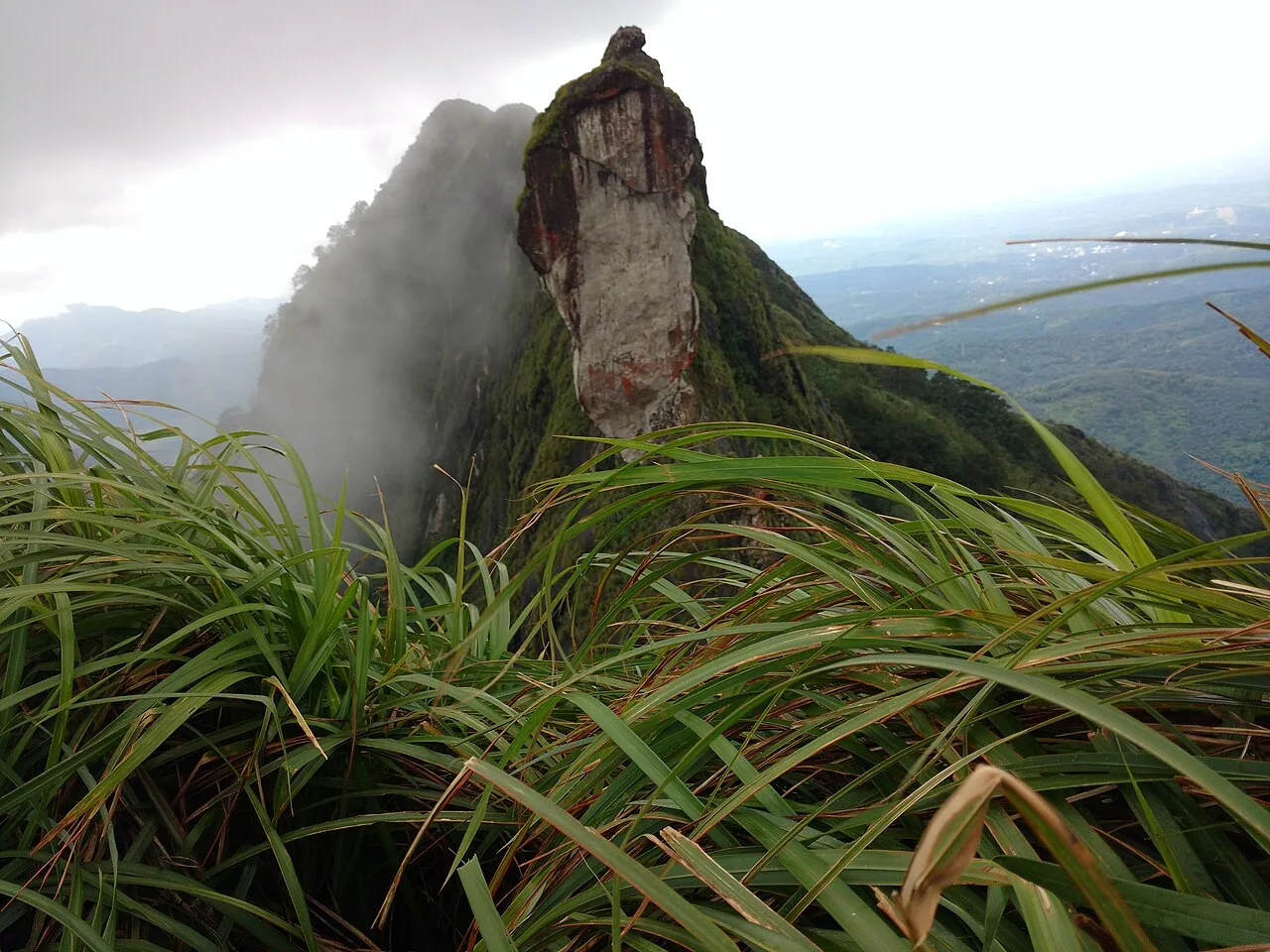
Illickal Kallu, near Erattupetta

City guide · Kerala

Erattupetta

Erattupetta is a busy foothill town in Kottayam district, set where routes from the plains lead toward Kerala’s High Ranges. Its importance comes less from grand monuments than from its role as a regional trading centre: spices, rubber, arecanut and other farm produce move through the town from surrounding settlements and hill areas.

Famous for

  • Foothill spice trade
  • Poonjar principality heritage
  • Gateway to Wagamon
  • Rubber and arecanut trade
In the city
1
District
Kottayam

Why Erattupetta matters

Erattupetta is a busy foothill town in Kottayam district, set where routes from the plains lead toward Kerala’s High Ranges. Its importance comes less from grand monuments than from its role as a regional trading centre: spices, rubber, arecanut and other farm produce move through the town from surrounding settlements and hill areas. The town also serves as a practical starting point for journeys to Wagamon, a hill destination about 22 kilometres to the east, with scenic uplands and a cooler climate drawing visitors onward.

Erattupetta’s history and present-day character reflect layers of migration and exchange. It was once the commercial capital of the Poonjar principality, and its communities include people with roots in both Kerala and Tamil Nadu. Today, shops, services and agricultural trade give the town a lively everyday rhythm, while its position between Kottayam and the hills makes it a useful stop for travellers exploring the region. It is best appreciated as a working town and a gateway rather than as a resort in itself.

Famous for: crafts, trade & products

Erattupetta is best known commercially for agricultural produce from the surrounding foothills and highlands. Spices, rubber, arecanut and other crops are traded through the town, continuing a role in regional commerce that once included hill produce brought down from the Cardamom Hills. Its markets and trading streets are the most practical places to look for everyday goods and locally handled produce; availability varies with season and supply.

The town is not especially associated with a single textile, craft tradition or GI-tagged product. Visitors should therefore look to its agricultural trade rather than expect a specialist handicraft quarter or a signature souvenir. Shops in the town centre serve residents and nearby villages, while the route east toward Wagamon connects Erattupetta with a wider hill-farming landscape. Rubber and spice activity, local services and trade together underpin its role as a commercial hub. For travellers, the most distinctive shopping experience is seeing a busy regional town at work, rather than visiting a dedicated visitor market.

History

Erattupetta’s name is linked to the meeting of two rivers: “aaru” means river in Dravidian languages, while “peta” means town. Older forms of the name include Erapoli and Erapuzha. The settlement grew at the foothills as a point of exchange between the plains and hill country. Muthuvan traders once brought produce from the Cardamom Hills down to the town, helping establish its commercial importance.

Erattupetta was the trading capital of the Poonjar principality until 1949, and the Poonjar royal family and its associates helped shape the area’s early history. Migration from Tamil regions and other parts of Kerala added to the town’s diverse communities and trading life. Its defining story is more closely tied to princely-era inland commerce than to colonial ports or major colonial institutions. After the principality’s political role ended, Erattupetta continued to grow as a local service and agricultural-trade centre. Its present-day links to surrounding villages and the Wagamon hills maintain that regional role.

Food, festivals & culture

Erattupetta’s culture reflects its long history of migration and trade. Malayalam is the main language of daily life, and some families retain speech influenced by Tamil. The town has a strong Muslim presence alongside Christian and Hindu communities, with mosques, churches and temples serving as important places of worship and community gathering. Religious observances and family traditions shape the local calendar.

Eid celebrations follow the Islamic lunar calendar, so their timing changes from year to year. Onam, generally celebrated in August or September, brings Kerala’s seasonal festivities, while Christmas in December is marked by Christian communities. Temple festivals also take place locally, usually according to each temple’s own calendar. Everyday meals draw on Kerala cooking, including rice, fish and coconut-based preparations; visitors may also encounter Mappila-influenced dishes such as pathiri and biryani. These are part of a wider regional food culture rather than a single dish that defines the town. Music and performance traditions are varied, shaped by community and religious occasions.

Visiting the city

The cooler, drier months from roughly October to February are generally comfortable for exploring Erattupetta and continuing to the hills; monsoon months bring heavy rain and can make hill roads less convenient. Cochin International Airport is the nearest major airport, while Kottayam railway station is the main rail gateway commonly used for the town. From either, continue by road; local buses, taxis and auto-rickshaws are useful for getting around, with a car or taxi convenient for excursions toward Wagamon.

Explore the town centre for its shops, food and everyday trading activity, then head east toward Wagamon for hill scenery. Nearby foothill roads and villages offer a glimpse of the agricultural landscape that sustains Erattupetta’s commerce. Allow extra time for road travel during wet weather.

Attractions

Places to visit in Erattupetta

Sights within about 12 km of each other, even when they fall in different districts.

Map

Erattupetta on the map

  1. 1Illickal Kallu

Kerala

Other cities to explore