
Ghumoopedia — Explore, Discover, Experience
Sign in
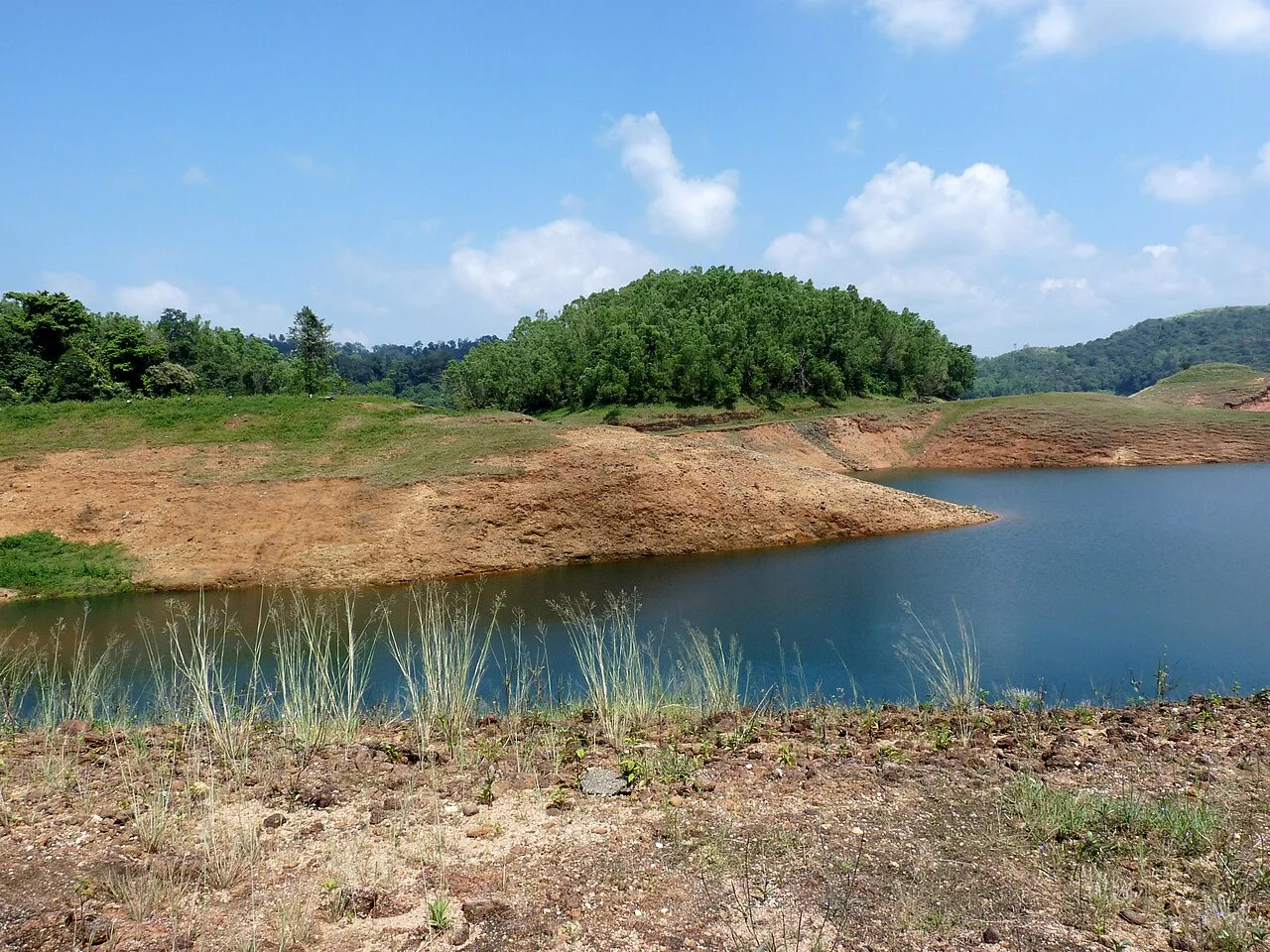
Idukki Dam, near Idukki

City guide · Kerala

Idukki

Idukki is a small administrative and visitor centre in Kerala’s Western Ghats, best understood as a cluster of nearby settlements rather than a single compact town. Cheruthoni, Painavu, Thadiyampadu, Idukki proper and Vazhathope form its principal localities; Painavu is the district headquarters.

Famous for

  • Idukki Arch Dam
  • Cheruthoni Dam
  • Periyar river valley
  • Idukki cardamom
  • High-range spice estates
In the city
1
District
Idukki

Why Idukki matters

Idukki is a small administrative and visitor centre in Kerala’s Western Ghats, best understood as a cluster of nearby settlements rather than a single compact town. Cheruthoni, Painavu, Thadiyampadu, Idukki proper and Vazhathope form its principal localities; Painavu is the district headquarters. The Periyar river valley and the surrounding hills give the area its distinctive setting, while the name Idukki is associated with the Malayalam word for a gorge.

The dams are the town’s best-known landmarks. Idukki Arch Dam and nearby Cheruthoni Dam are major parts of Kerala’s hydroelectric infrastructure and draw visitors interested in engineering, reservoirs and mountain scenery. The wider district is also known for cardamom and other plantation crops, forested hills and outdoor destinations. Idukki is therefore both a working administrative centre and a starting point for exploring the high ranges. Visitor access to dam facilities can be regulated, so check current arrangements before making a trip.

Famous for: crafts, trade & products

Idukki is not particularly known as a textile, saree or handicraft centre. Its strongest product association is agriculture: the district’s high ranges grow cardamom, pepper, tea and other crops. Idukki cardamom has a Geographical Indication, reflecting the area’s reputation for the spice. These products are more closely tied to the wider district and its plantation belt than to the small township itself.

For locally grown spices and packaged produce, look in grocery shops and market areas in Cheruthoni and Painavu; selection varies, and larger trading centres elsewhere in the district offer a broader choice. Tea and spice outlets across the high ranges may sell estate or regional products. Idukki’s other defining institution is the hydroelectric complex centred on Idukki and Cheruthoni dams. The project is a major part of Kerala’s power infrastructure, rather than a visitor-facing market or manufacturing industry. Visitors should confirm which dam areas are accessible before travelling.

History

The high ranges around present-day Idukki were historically part of the princely state of Travancore. During the colonial period, plantation development and new routes into the hills reshaped parts of the wider region, particularly its tea- and spice-growing areas. The present township, however, is chiefly associated with modern administration and the development of hydroelectric infrastructure rather than with an old urban centre.

Idukki district was formed in 1972, and Painavu became its headquarters. The construction of the Idukki hydroelectric project brought roads, public facilities and new settlement activity to the area. The arch dam and nearby Cheruthoni Dam became the most visible symbols of this development and helped put Idukki on Kerala’s visitor map. Today the town’s administrative role is shared across its neighbouring localities, while the district’s economy and identity extend well beyond the township into plantation, forest and hill regions.

Food, festivals & culture

Everyday food reflects Kerala’s wider home cooking: rice, fish or vegetable curries, tapioca, appam and puttu are familiar choices, often seasoned with locally grown spices. Menus and ingredients vary across the district, with both Malayalam- and Tamil-speaking communities contributing to the food culture. Malayalam is the main language in the town; Tamil is also heard in parts of the surrounding high ranges.

Onam, usually celebrated in August or September, and Vishu, generally in April, are important seasonal festivals. Christmas is widely observed, and local temple and church festivals bring neighbourhood communities together at different times of the year. Kerala art forms such as Kathakali, Mohiniyattam and chenda-based music belong to the broader cultural setting, though performances are not a daily feature of this small township. Hindu temples, churches and mosques serve local residents; visitors should ask locally about services and festival events.

Visiting the city

The drier months from roughly November to February are generally comfortable for exploring the hills. The monsoon brings lush scenery but also heavy rain, so allow flexibility for road journeys. Cochin International Airport is the main air gateway; Kottayam railway station is a useful rail connection for onward travel by road. Buses and taxis connect the area with other Kerala towns, while a car or local taxi is practical for moving between its spread-out settlements and nearby sights.

Cheruthoni is convenient for town services and dam-area visits, while Painavu is the administrative centre. Thadiyampadu, Idukki proper and Vazhathope offer a quieter look at the surrounding settlement pattern. The dams and Periyar valley are the principal local attractions, but access rules can change. Check current visitor arrangements before setting out, and allow extra time for winding hill roads.

Attractions

Places to visit in Idukki

Sights within about 12 km of each other, even when they fall in different districts.

Map

Idukki on the map

  1. 1Idukki Dam

Kerala

Other cities to explore