
Ghumoopedia — Explore, Discover, Experience
Sign in
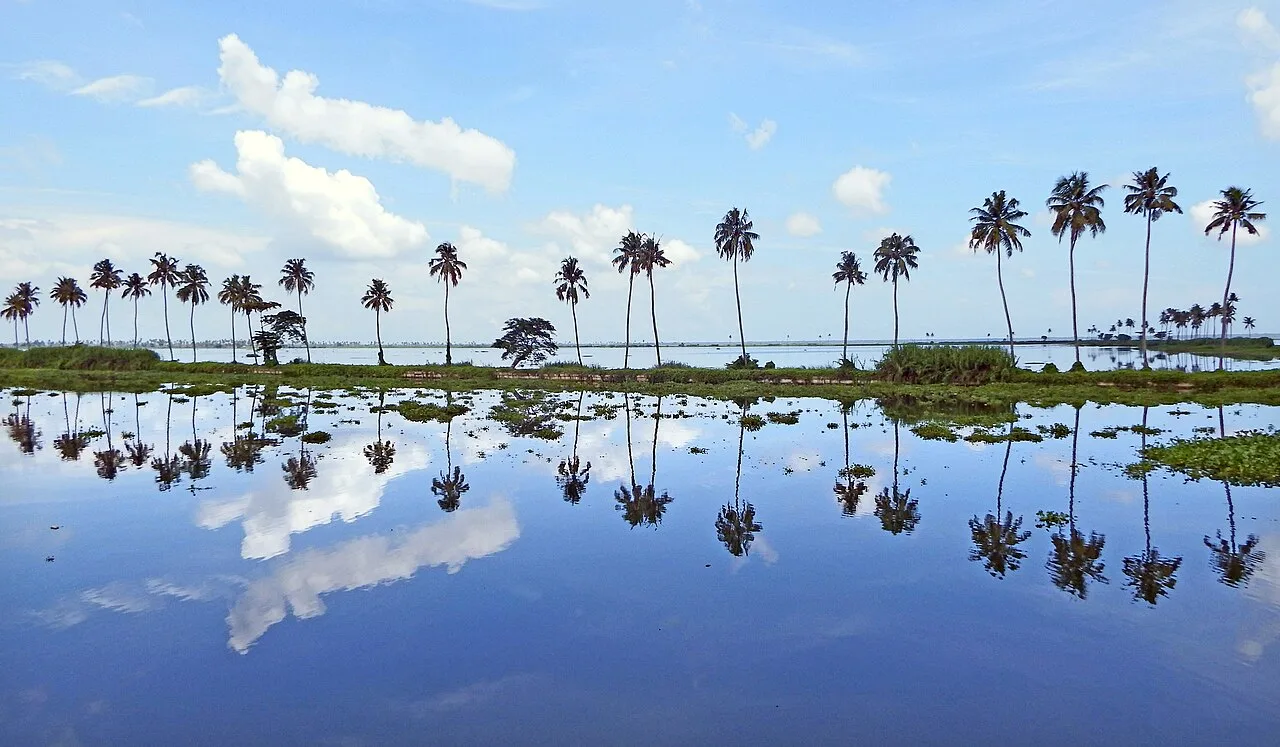
Vembanad Lake, near Ezhupunna

City guide · Kerala

Ezhupunna

Ezhupunna is a village in Cherthala taluk, Alappuzha district, set between Alappuzha and Kochi and close to National Highway 66. Its location gives it a practical role as a connecting point between the coastal settlements of central Kerala and the Kochi region.

Famous for

  • Prawn farming
  • Pokkali rice cultivation
  • Coconut plantations
  • Seafood processing
  • Rural backwater landscapes
In the city
1
District
Alappuzha

Why Ezhupunna matters

Ezhupunna is a village in Cherthala taluk, Alappuzha district, set between Alappuzha and Kochi and close to National Highway 66. Its location gives it a practical role as a connecting point between the coastal settlements of central Kerala and the Kochi region. Ezhupunna is a panchayat in the Aroor Assembly constituency and the Alappuzha Parliamentary constituency, with neighbouring areas including Kumbalangi and Chellanam.

The village is best known for livelihoods tied to its landscape: prawn farming, Pokkali rice cultivation and coconut growing. Food-processing and cold-storage businesses also form part of its local economy, while many residents commute to professional jobs in Kochi. Visitors are more likely to value Ezhupunna for a quiet look at village life, fields and waterways than for a major sightseeing circuit. The railway station and nearby highway make it accessible, though it remains a small settlement rather than a destination with a large visitor infrastructure.

Famous for: crafts, trade & products

Ezhupunna’s best-known products come from its wetlands and coastal economy rather than from a particular textile, handicraft or branded market. Prawn farming is an important livelihood, and Pokkali rice is cultivated in fields adapted to the area’s brackish-water conditions. Coconut plantations are another familiar part of the rural landscape. These activities reflect the close relationship between farming, fishing and the region’s waterways.

Food processing and cold-chain businesses are also present, including companies working with frozen foods, seafood and animal nutrition. Ezhupunna is not widely known as a centre for sarees, traditional crafts or a GI-tagged product, and visitors should not expect a dedicated craft bazaar. For locally produced food, ask at village shops or businesses about what is available; larger shopping choices can be found in nearby towns and the Kochi area. The village’s agricultural fields and working landscape offer a more direct sense of its local products than a formal visitor market.

History

Ezhupunna’s development is closely connected to the waterways, wetlands and farming traditions of the Cherthala coast. The wider Cherthala region formed part of the former princely state of Travancore, while nearby Kochi developed as an important port and trading centre. Ezhupunna’s local story, however, is principally that of a rural settlement shaped by cultivation, fishing and links between neighbouring communities rather than by a prominent palace, fort or royal court.

Pokkali rice farming and prawn cultivation reflect long-standing adaptation to fields affected by brackish water and seasonal conditions. During the colonial period, the wider coast experienced changing trade and transport links, though Ezhupunna is not especially known for a separate colonial-era monument or event. In modern times, road and rail connections, its position near National Highway 66 and the growth of food-processing businesses have broadened the village’s links to Kochi and other regional centres. It is administered as a panchayat in Alappuzha district.

Food, festivals & culture

Everyday food in Ezhupunna reflects Kerala’s coastal and agricultural setting. Rice is a staple, often served with fish or prawns and preparations using coconut, spices and seasonal produce. Pokkali rice belongs to the local farming landscape, though availability of particular varieties or dishes can vary. There is no single widely recognised local sweet or signature dish associated specifically with the village.

Malayalam is the principal language; English is also used in schools, workplaces and visitor-facing settings. Onam, generally celebrated during the late-monsoon season, and Vishu in spring are important parts of Kerala’s annual calendar. Temple festivals and church feast days bring local communities together at different times of year; dates vary by institution. Christian worship is part of village life, with Vadakakath Church among the local landmarks. Festival music may include devotional singing and, at temple celebrations, traditional percussion. Visitors should check locally for public celebrations rather than assume a fixed annual programme.

Visiting the city

The cooler, relatively dry months from October to March are generally the most comfortable time to visit. Monsoon weather can bring heavy rain and affect outdoor plans. Cochin International Airport is the nearest major airport. Ezhupunna railway station serves the village, though only some passenger trains halt there; check current services before planning a rail journey.

National Highway 66 provides road access, and buses, taxis and auto-rickshaws are useful for getting around locally. Ezhupunna is best explored at an unhurried pace: look for its village roads, coconut groves, agricultural fields and waterways, and ask locally about access before entering working farms. Nearby Kumbalangi and Chellanam offer further glimpses of the coastal landscape toward Kochi. There is limited destination-focused visitor infrastructure, so plan meals and onward transport in advance.

Attractions

Places to visit in Ezhupunna

Sights within about 12 km of each other, even when they fall in different districts.

Map

Ezhupunna on the map

  1. 1Vembanad Lake

Kerala

Other cities to explore