
Ghumoopedia — Explore, Discover, Experience
Sign in
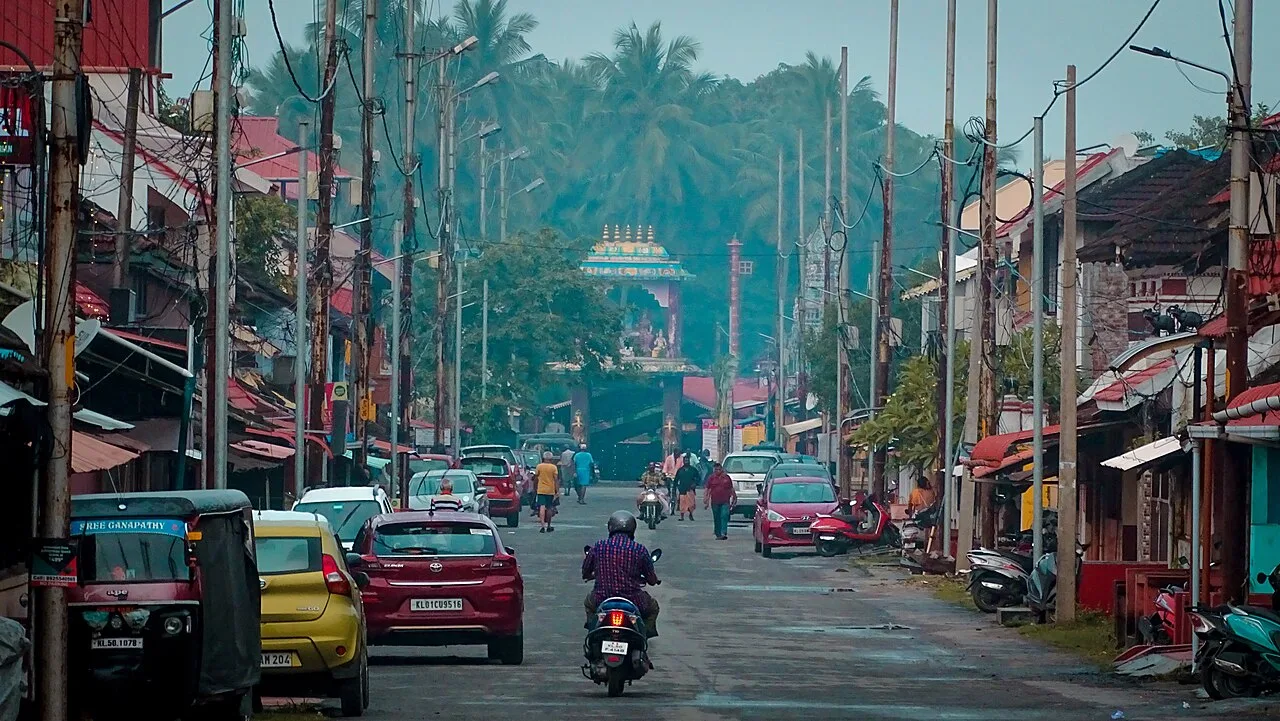
Kalpathy Heritage Village, near Palakkad

City guide · Kerala

Palakkad

Palakkad is the administrative centre of its district and a key link between Kerala and Tamil Nadu. The Palakkad Gap, a broad passage through the Western Ghats, has long connected the Malabar region with the plains to the east; today, roads and railways through the gap keep the city important for travel and trade.

Famous for

  • Palakkad Fort
  • Palakkadan Matta rice
  • Kalpathy Ratholsavam
  • Palakkad Gap
  • Viswanatha Swamy Temple
In the city
3
District
Palakkad

Why Palakkad matters

Palakkad is the administrative centre of its district and a key link between Kerala and Tamil Nadu. The Palakkad Gap, a broad passage through the Western Ghats, has long connected the Malabar region with the plains to the east; today, roads and railways through the gap keep the city important for travel and trade. Malayalam is the main language of daily life, alongside Tamil and other languages heard in this border region.

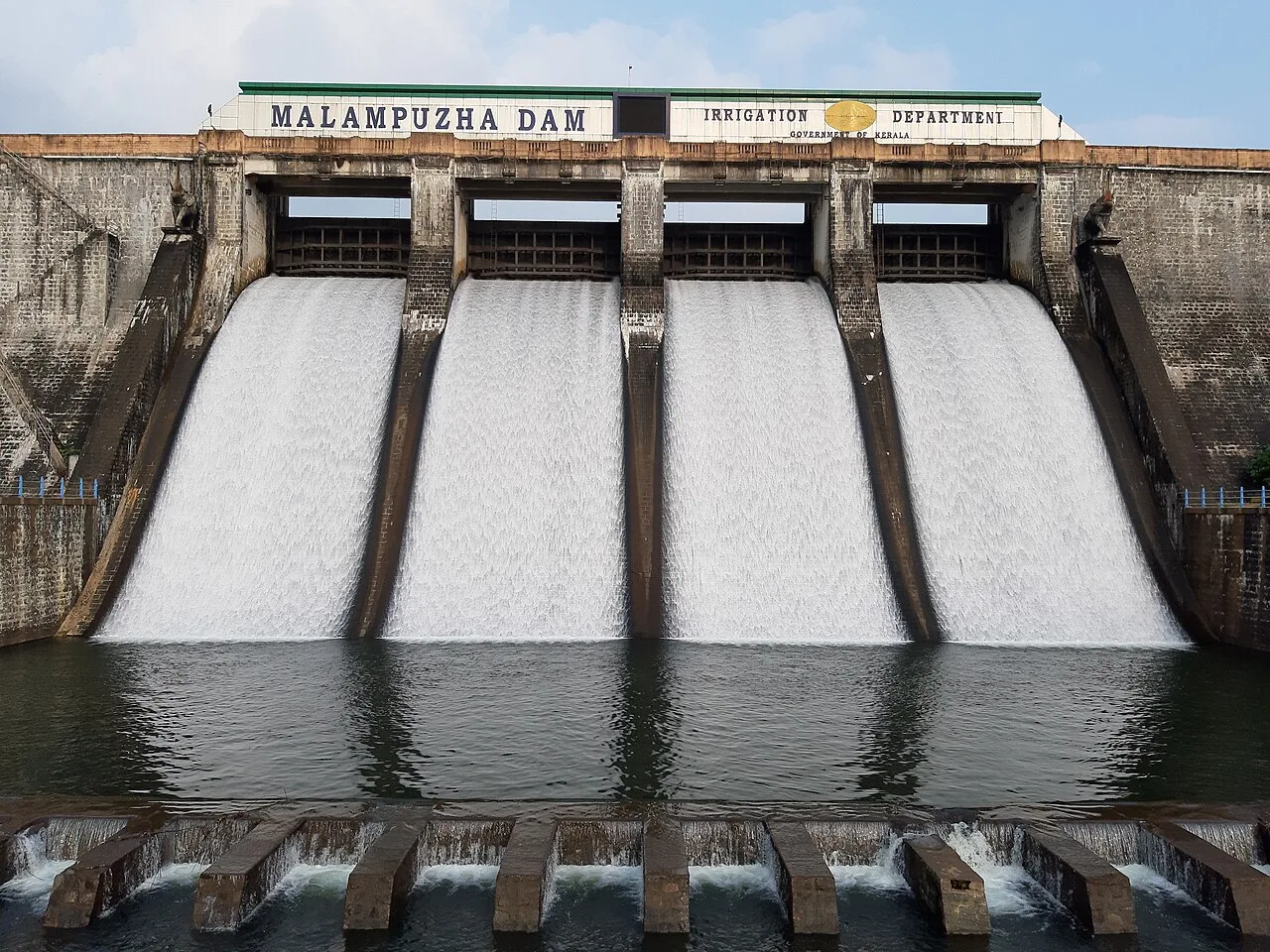
Visitors come for the 18th-century Palakkad Fort, the old temple quarter of Kalpathy and the area’s green countryside. Kalpathy’s Viswanatha Swamy Temple is closely associated with the annual Ratholsavam, when decorated temple chariots move through the streets. Nearby Malampuzha Dam and gardens make an easy excursion. The city is also an education and railway hub, with institutions including IIT Palakkad and Government Victoria College, and the headquarters of the Palakkad Railway Division. Its mix of historic landmarks, temple traditions and modern connections makes it a useful base for exploring central Kerala and the western edge of Tamil Nadu.
Famous for: crafts, trade & products

Palakkad is best known for Palakkadan Matta rice, a red-hued rice variety grown in the region and recognised with a Geographical Indication. It is a staple of local meals and can be found in grocery shops, supermarkets and provision stores around the city. Rice and other farm produce are important to the district’s economy, and local markets offer seasonal produce alongside everyday household goods.

The city is not especially known for a signature saree-weaving tradition or a widely recognised handicraft. Its commercial character is more closely tied to agriculture, transport and education. For a sense of local trade, browse the central market areas and shops around the town centre; packaged regional rice is also sold by food retailers. Kanjikode, on the city’s outskirts, is an established industrial area, adding manufacturing to the region’s economic base. Major institutions include IIT Palakkad, Government Victoria College, NSS College of Engineering and the Palakkad Railway Division headquarters. These give the city a role beyond tourism, as a centre for study, public services and rail operations.

History

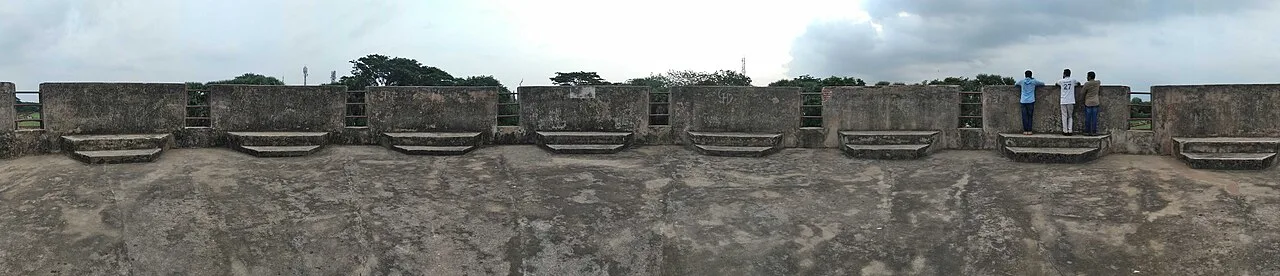
The Palakkad region was shaped by its position beside the Palakkad Gap, a long-used route between the Malabar Coast and the Tamil plains. The Palakkad Rajas, also known as the rulers of Tarur Swaroopam, governed the area, which at different times came under the influence of the Zamorin of Calicut. In 1757, the Palakkad Raja sought help from Hyder Ali of Mysore. Hyder Ali took control of the region and rebuilt Palakkad Fort in 1766. After the Mysore wars, the area passed under British rule and became part of the Madras Presidency.

Palakkad’s municipality was established in 1866. Following Indian independence and the formation of Kerala in 1956, the city became the headquarters of Palakkad district. Railways, education and public administration helped it grow as a regional centre. The Palakkad Railway Division, established in 1956, remains an important part of the city’s modern identity.

Food, festivals & culture

Rice is central to Palakkad’s food, often served with vegetable curries, lentils, pickles and coconut-based dishes. The region’s Palakkadan Matta rice is a familiar staple. Palakkad Iyer cooking also reflects a long local tradition, with dishes such as olan, avial and pulissery, and festive sweets including payasam. Restaurants and small eateries around the town serve Kerala meals as well as Tamil-influenced fare.

The best-known celebration is Kalpathy Ratholsavam, usually held around October or November at the Viswanatha Swamy Temple. Its processions of decorated wooden chariots draw devotees and visitors to the old streets of Kalpathy. Onam, generally celebrated in August or September, and Vishu in April are also observed with family gatherings, festive meals and temple visits. Malayalam is the principal language, while Tamil is widely understood and spoken by many residents. Temple music, percussion and Carnatic traditions are part of the cultural landscape; the city’s Hindu temples, churches and mosques serve communities across the area.

Visiting the city

The cooler, drier months from November to February are generally comfortable for exploring. The southwest monsoon brings heavy rain, especially around July, while March and April can be hot. Coimbatore International Airport is the nearest major airport, about 62 kilometres away; Cochin and Calicut airports are other options. Palakkad Junction, at Olavakkode, is the main railway station, and Palakkad Town station is closer to the centre.

Buses, auto-rickshaws and taxis make it straightforward to get around. The central area is convenient for the fort, shops and transport links. Set aside time for Kalpathy’s temple streets, particularly during the Ratholsavam season. Malampuzha Dam and gardens, roughly 15 kilometres from the city, make a popular outing. Road connections also make Palakkad a practical stop between Kerala and Coimbatore in Tamil Nadu.

Attractions

Places to visit in Palakkad

Sights within about 12 km of each other, even when they fall in different districts.

Map

Palakkad on the map

  1. 1Kalpathy Heritage Village
  2. 2Malampuzha Dam
  3. 3Palakkad Fort

Kerala

Other cities to explore