
Ghumoopedia — Explore, Discover, Experience
Sign in
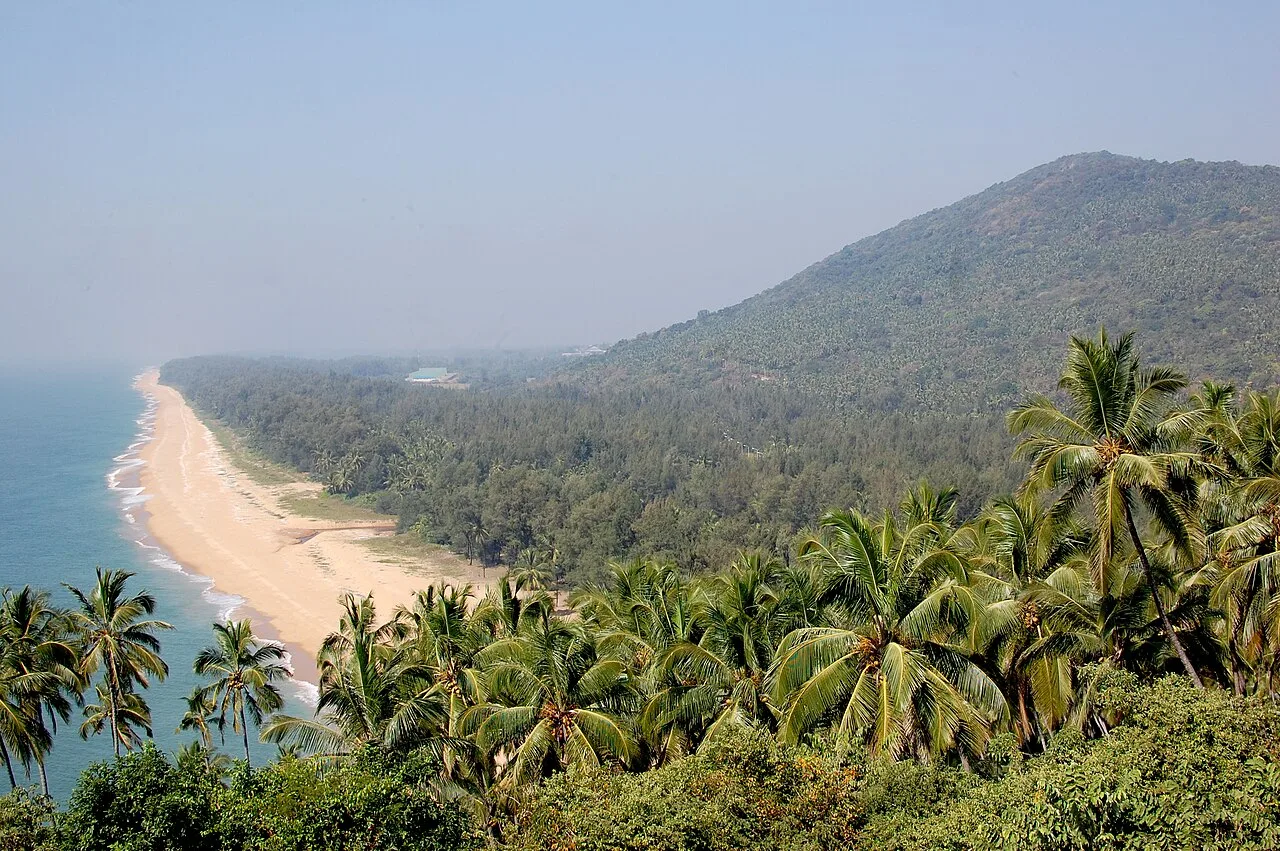
Ezhimala, near Payyanur

City guide · Kerala

Payyanur

Payyanur is a municipal town and taluk headquarters in northern Kannur district, serving as a commercial and administrative centre for the surrounding coastal, midland and highland communities. National Highway 66 and rail links make it a useful stop between Kannur and Kasaragod, while roads from town connect inland settlements toward the Western Ghats.

Famous for

  • Payyannur Pavithra ring
  • Payyanur khadi
  • Subrahmanya Swami Temple
  • Payyanur Salt Satyagraha
  • Kavvayi backwaters
  • Theyyam and Poorakkali
In the city
2
Districts
Kannur, Kasaragod

Why Payyanur matters

Payyanur is a municipal town and taluk headquarters in northern Kannur district, serving as a commercial and administrative centre for the surrounding coastal, midland and highland communities. National Highway 66 and rail links make it a useful stop between Kannur and Kasaragod, while roads from town connect inland settlements toward the Western Ghats. The Perumba River and nearby Punnakka and Kavvayi waterways shape its setting and link it to the region’s backwaters.

Visitors come for the town’s temple traditions and its distinctive Payyannur Pavithra ring, as well as for nearby Kavvayi’s waterways and coastal scenery. Payyanur also has a place in Kerala’s freedom movement: it was an important centre of the 1930 Salt Satyagraha in Malabar. Today, its role combines local trade, public services, transport and cultural life. The establishment of Payyanur taluk in 2018 strengthened its administrative importance within Kannur district.
Famous for: crafts, trade & products

Payyanur is best known for the Payyannur Pavithra Mothiram, a traditional gold ring associated with ritual use and recognised with a Geographical Indication. It is made by skilled goldsmiths, and visitors can enquire at established jewellery shops in town about its design and availability. The ring is a specialised craft rather than a widely stocked everyday souvenir, so it is worth checking with local sellers before making a dedicated visit.

Khadi and handloom weaving are also part of Payyanur’s identity, reflecting the region’s craft and social history. Look for locally made cloth at khadi outlets, co-operative sales points and textile shops in the town centre; selection can vary. Payyanur’s markets and shops mainly serve everyday needs across the surrounding villages, with food, household goods and clothing among the regular offerings. The town is not known for a large tourist bazaar or a broad range of signature manufactured goods, so its strongest draws for craft-minded visitors remain the Pavithra ring and locally produced textiles.

History

Payyanur belongs to the historic region of Kolathunadu, once associated with the Kolathiri rulers. Its position between the coast, rivers and inland routes supported settlement and local exchange. Like much of northern Kerala, the area later came under Mysore rule and then British administration as part of Malabar, within the Madras Presidency. Temple traditions and local accounts preserve older layers of community life, though the town’s past is also closely tied to the region around it.

Payyanur became prominent in India’s freedom movement through the 1930 Salt Satyagraha. Under the leadership of K. Kelappan, the campaign brought civil disobedience to the Malabar coast and made the town an important name in Kerala’s nationalist history. In modern times, Payyanur developed as a road and rail centre for northern Kannur, alongside its municipal and trading functions. On 10 March 2018, it became a taluk headquarters, bringing together villages formerly administered under other taluks and expanding its role as a local service centre.

Food, festivals & culture

Malayalam is the principal language of daily life, with English used in business and public services. Payyanur’s food reflects northern Kerala’s Malabar cooking: rice, fish and other seafood are common, alongside dishes such as pathiri and biryani. Local eateries and market-side restaurants are good places to try regional meals; sweets and snacks vary by shop, with Malabar favourites such as kalathappam and unnakaya found in the wider area.

Temple festivals, Theyyam performances and Poorakkali are important parts of the cultural calendar. Theyyam is generally performed in the cooler months, with the season often extending from autumn into spring; dates depend on each shrine. Poorakkali, a rhythmic group dance traditionally performed by men at Bhagavathy temples, is especially associated with the spring festival season. Payyanur’s Subrahmanya Swami Temple is a major place of worship, while temples, mosques and churches across the town and nearby villages reflect a diverse community. Festival schedules are set locally and can change from year to year.

Visiting the city

November to February is generally the most comfortable period to visit, with less rain and milder conditions than during the monsoon. Kannur International Airport is the nearest airport, roughly 70 km away by road; Payyanur railway station is the main station for the town. National Highway 66 runs through the area, and local buses, taxis and auto-rickshaws help with trips around town and nearby villages.

Explore the central market streets and the area around Subrahmanya Swami Temple for everyday town life, shops and local food. Perumba and the river surroundings offer a sense of Payyanur’s waterside setting. For a change of pace, head toward Kavvayi to see its backwaters and islands; nearby coastal areas offer further opportunities to explore the northern Kannur landscape. Check locally for access and conditions before planning time on the water or at the coast.

Attractions

Places to visit in Payyanur

Sights within about 12 km of each other, even when they fall in different districts.

Map

Payyanur on the map

  1. 1Ezhimala
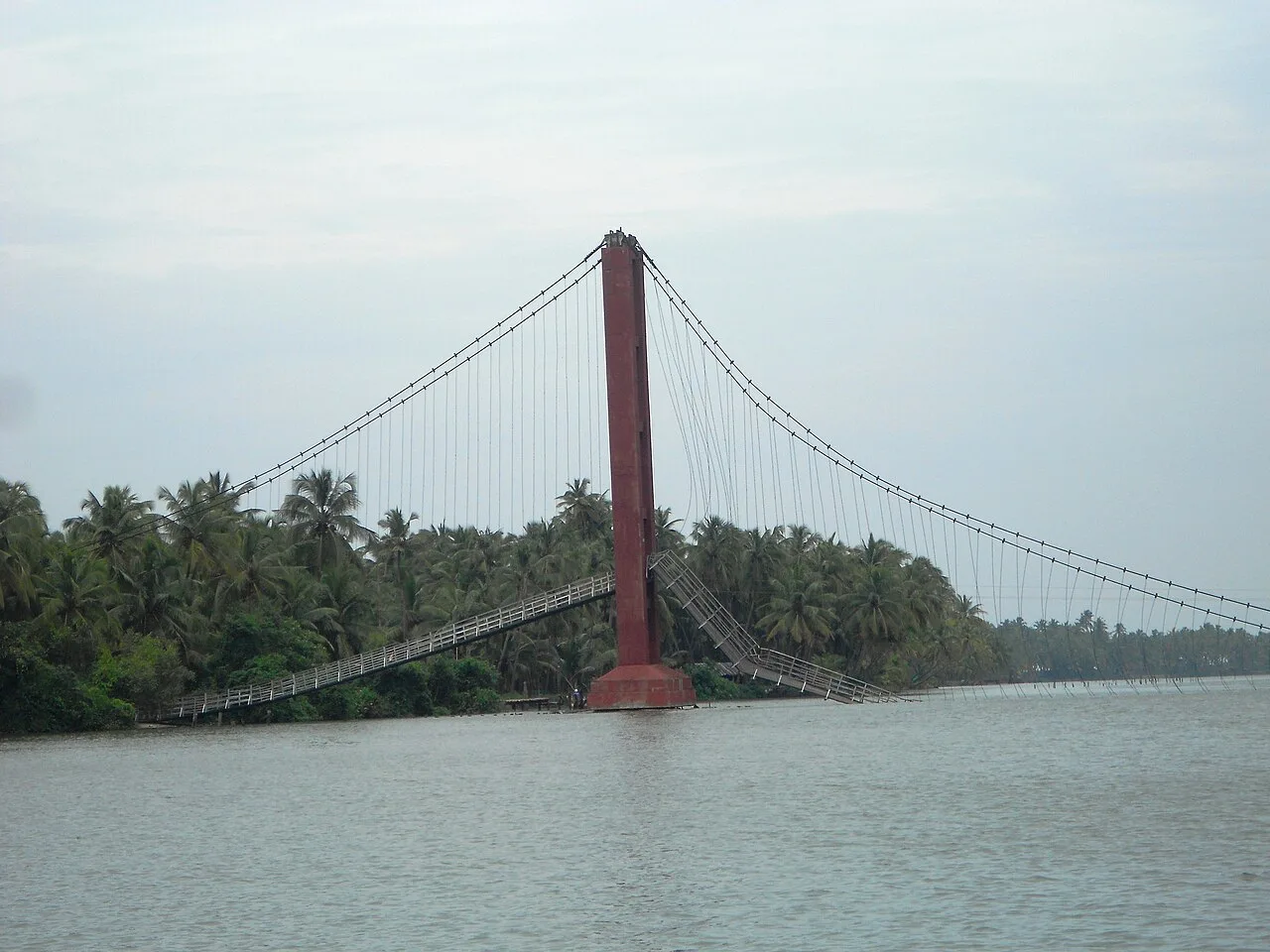
  2. 2Valiyaparamba Backwaters

Kerala

Other cities to explore