
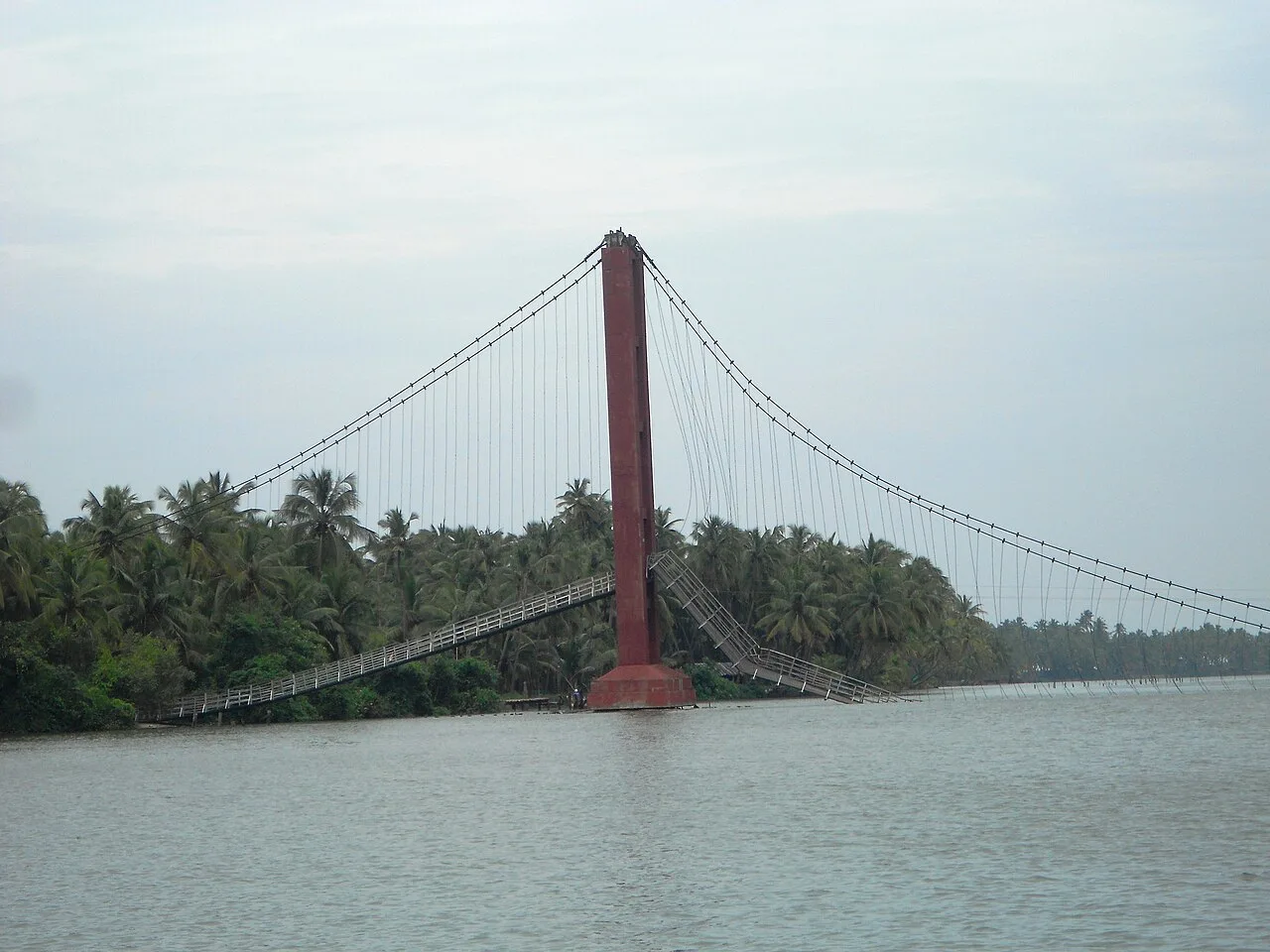
Valiyaparamba Backwaters
Valiyaparamba Backwaters is a backwater destination in Kasaragod district, Kerala, linked to the coastal island of Valiyaparamba. Visitors come to see its backwater and island setting.
Key facts · verified by Ghumoopedia editors
- Type of place
- Natural attraction
- Best time to visit
- September to March; June to August for monsoon Ayurveda and green landscapes
- Nearest railway station
- Payyanur · about 8 km (straight line)
- Nearest airport
- Kannur International Airport · about 51 km (straight line)
- Verified
- 21 Nov 2026
Plan a trip from Valiyaparamba Backwaters — a day-by-day route through places nearby.
Valiyaparamba Backwaters names a backwater area associated with Valiyaparamba, an island along Kerala’s coast. Administratively, the island belongs to Hosdurg taluk in Kasaragod district, within the state of Kerala, India. The place’s identity combines two linked descriptions: the backwaters and the island of Valiyaparamba. Its location can be set out from the local administrative unit, Hosdurg taluk, to the wider district and state: Kasaragod and Kerala. At the national level, this coastal island is in India. Taken together, these details place Valiyaparamba Backwaters in the same district and state as the island, while distinguishing the backwater area from the island itself. Kerala packs a lot into a narrow strip: the backwaters and houseboats of Alappuzha and Kumarakom, the tea hills of Munnar and the spice forests of Thekkady, the beaches of Kovalam, Varkala and Bekal, the colonial and Jewish heritage of Fort Kochi, and living art forms — Kathakali, Theyyam, Mohiniyattam and temple festivals with caparisoned elephants. Kerala is warm and humid at sea level all year. The southwest monsoon from June to September brings very heavy rain, and the northeast monsoon adds showers in October and November; the hill stations of Munnar, Wayanad and Vagamon are cool year-round and cold on winter nights. The usual best time to visit is September to March; June to August for monsoon Ayurveda and green landscapes. Timings, fees and access arrangements must be confirmed locally. For official information, see Kerala Tourism at https://www.keralatourism.org.
Why it matters
Valiyaparamba is a coastal island in Hosdurg taluk, Kasaragod district, Kerala. Its importance is primarily regional: the island and surrounding backwaters form part of a lived coastal landscape where waterways connect settlements, fields and the Arabian Sea. Visitors come for quiet boat journeys and views of village life, rather than for a large built monument. The area is associated with the wider Kavvayi backwater system and offers a different setting from Kerala’s more heavily visited southern backwater destinations. No UNESCO listing or ASI-protected status for Valiyaparamba Backwaters is established in the available information. Boat access, routes and landing points can vary, so confirm arrangements locally and treat the waterway as both a natural setting and a working landscape.
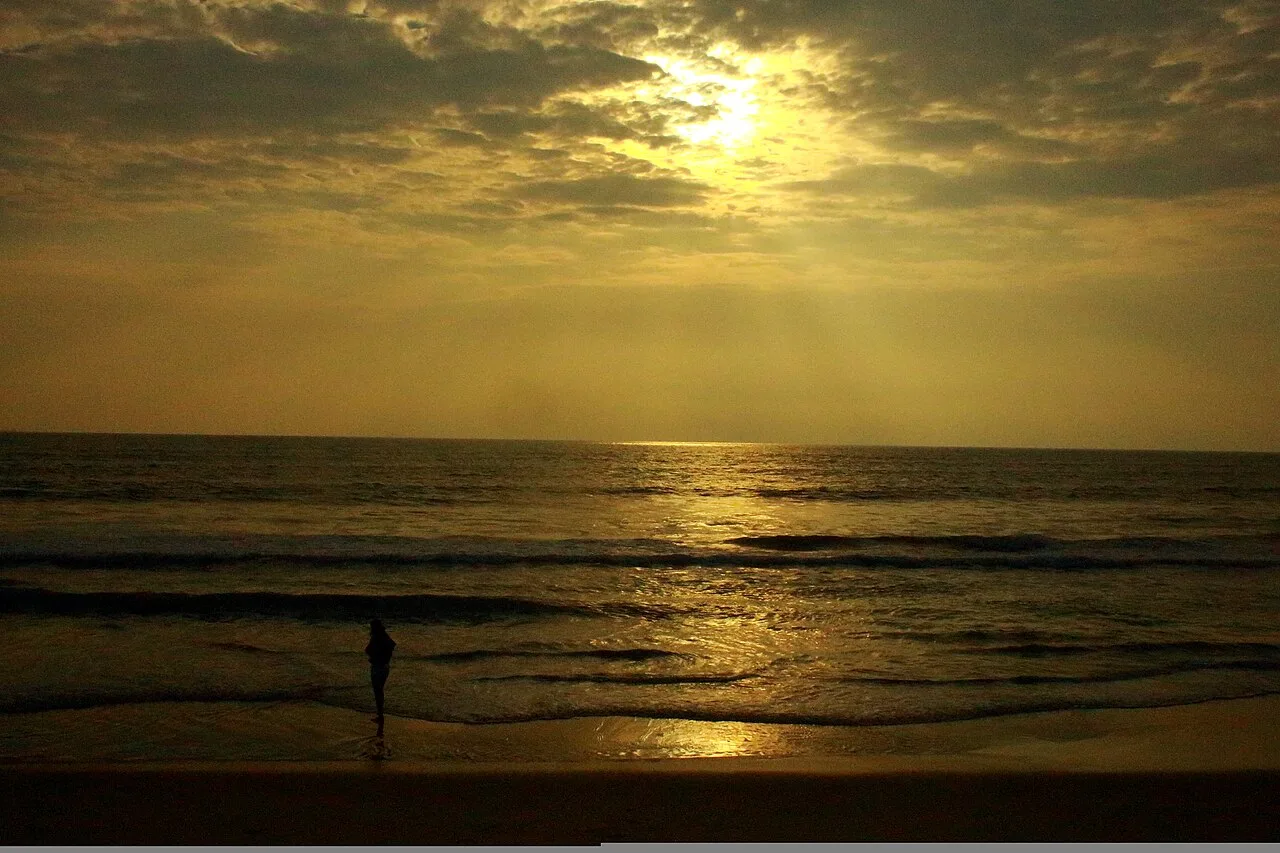
The backwaters are part of Kerala’s low-lying coastal landscape, shaped over time by the interaction of rivers, the sea, sediment and seasonal water levels. Valiyaparamba is an inhabited coastal island in Hosdurg taluk; no reliable founding date or single builder is associated with it. Its history is better understood through the settlements and livelihoods sustained by the waterways than through a single monument or royal event. Fishing, small-scale farming and movement by boat have long been important features of life around the backwaters, although details differ between villages and should not be treated as a complete account of every community’s past. The landscape has changed with roads, bridges, modern transport and evolving fishing and agricultural practices. Houseboat and leisure-boat visits have added tourism to these working waters, while public and local transport continue to serve residents. No specific major restoration programme or formal heritage designation for the backwaters is confirmed here. Visitors interested in local history can ask residents or a knowledgeable local guide about the particular landing place and village they visit; stories and practices may be local rather than representative of the entire island.
Origin stories & folklore
No single, well-documented origin legend for Valiyaparamba Backwaters can be reliably identified. As in many Kerala coastal communities, oral accounts may connect particular waterways, temples, churches or family histories with local events and beliefs. These stories can vary from village to village and are best understood as local tradition rather than verified history. Ask a resident or guide whether a story is appropriate to share, and avoid presenting a tale heard on one boat trip as a belief held by everyone in the region. The backwaters themselves are more securely described through their changing coastal geography and the everyday lives shaped by water.
Spend unhurried time on the water at Valiyaparamba Backwaters: a day cruise or overnight houseboat, a small shikara or a canoe through the narrow canals shows paddy fields, toddy shops, churches and village life. Avoid long midday trips in the hottest months, and ask for the boat to anchor away from noisy stretches at night. A comfortable itinerary is one main visit in the morning, a local meal at midday and a short nearby stop before an afternoon return. Use the district list on this site to find other places in Kasaragod, but check the route and its condition before combining stops. If a festival is on — such as Onam, Thrissur Pooram, the Nehru Trophy snake-boat race on Punnamada Lake, the Theyyam season in Kannur and Kasaragod, or the Attukal Pongala — roads and stays can be busy, and the experience can be unforgettable. Leave no litter: many sites are protected by the communities around them.
Suggested itineraries
Half day: Arrange a boat from a suitable local access point; take a slow cruise through the backwaters and canals (about 2–3 hours); have a local meal nearby before returning. Full day: Start with a morning boat journey (about 2–3 hours); take a relaxed midday meal and rest; visit a nearby village or waterfront area in the afternoon, then return with transport arranged in advance. Gentler option: Choose a shorter, seated boat outing with easy boarding confirmed beforehand, followed by a meal or rest at an accessible nearby stop; avoid unnecessary walking on uneven banks.
Life around Valiyaparamba is closely connected with waterways, village routines, fishing and food. Malayalam is widely used in Kerala; Kasaragod is also linguistically diverse, and languages such as Tulu and Kannada are spoken in parts of the district. Local customs and religious practices vary between settlements. Temple observances and Theyyam performances are part of the wider cultural life of Kasaragod, but performances are seasonal and are not guaranteed at the backwaters. Visitors may see churches, places of worship, toddy shops and everyday boat traffic along a route. Ask before photographing people, homes or religious activities, and follow local guidance about appropriate conduct.
Local communities
The island and neighbouring backwater settlements are home to people whose livelihoods may include fishing, farming, boat work, small shops and other local services. Some residents work in transport or tourism, including operating or supporting boat trips, while others commute for work and education. These activities vary by village and season; the backwaters are not simply a recreational setting but part of the local economy and daily movement. Kasaragod’s communities are diverse in language and religious practice. Be considerate around working boats, nets, landing places and private homes, and seek permission before photographing individuals or entering a property.
Festivals & events
Festival activity depends on the village and its local calendar. Temple festivals and Theyyam performances take place in parts of Kasaragod, with Theyyam generally associated with the cooler-season months; neither should be assumed to be happening at Valiyaparamba during a visit. Onam is widely observed in Kerala, usually around August or September, and may bring family gatherings and busier travel. Nearby towns and religious sites may also hold annual observances at different times of year. Check with local organisers for current arrangements. Festival days can mean crowded roads, limited accommodation and changes to ordinary access, so allow flexibility and respect any restrictions around rituals.
Local food in Kerala includes appam with stew, puttu with kadala curry, idiyappam, the vegetarian sadya served on a banana leaf, Kerala parotta with beef or chicken fry, Malabar biryani and pathiri in the north, karimeen pollichathu (pearl-spot fish in banana leaf), toddy-shop fish curry, banana chips and many kinds of payasam. Ask what is fresh that day; many small eateries cook a limited daily menu. Coconut oil and coconut are used in most dishes; ask for less spice if needed. Toddy shops serve some of the best fish curry in Kerala, and a full sadya is the highlight of Onam. Remote sites may have no restaurant at all. Carry water and snacks, eat a proper breakfast before long drives, and ask your accommodation for a packed lunch if you are heading out early. Try a home-cooked or local thali meal when you can — it is often the best food on the route. Choose clean places, drink sealed or filtered water, and carry your packaging back with you.
Shopping & local experiences
Shopping options at the waterside are limited and vary by village. Look for locally made food products, seasonal produce or small everyday items at village shops and markets in nearby towns, rather than expecting a dedicated souvenir centre. Kasaragod district has local craft and food traditions, but availability depends on the market and season. Ask before buying items made from natural materials, and avoid collecting shells, plants or other material from the water’s edge. A meal or refreshments from a local eatery can be a good way to support nearby businesses; confirm ingredients and dietary needs directly.
Valiyaparamba is a coastal island surrounded by backwaters in Kerala’s low-lying northern coast. The landscape includes sheltered waterways, narrow canals and banks edged by settlements, fields and vegetation; the wider backwater system connects with the coastal environment. Water levels and conditions change with rainfall, tides and season. Travellers may notice aquatic plants, cultivated paddy landscapes and trees along the banks, but vegetation varies by location. The waterways support fish and other aquatic life and can provide habitat for waterbirds and other birds. Sightings are never guaranteed, and quiet observation is preferable to approaching wildlife or disturbing feeding areas. The southwest monsoon brings heavy rain, while warmer months can feel humid and exposed on the water. Keep litter, plastics and food waste out of the backwaters.
September to March; June to August for monsoon Ayurveda and green landscapes
The nearest principal railway station by straight-line distance is Payyanur, roughly 8 km away. The nearest operating airport by straight-line distance is Kannur International Airport, roughly 51 km away. These figures are calculated from map coordinates — actual road distance is longer. Thiruvananthapuram, Kollam, Kottayam, Ernakulam, Thrissur, Shoranur, Kozhikode and Kannur are the main rail stops along the coast line; Kochi, Thiruvananthapuram, Kozhikode and Kannur have international airports. In the backwaters, the public Water Transport Department ferries are the cheapest way to see village life; houseboats and shikara boats leave from Alappuzha's Punnamada jetty, Kumarakom and Kollam. Choose a houseboat classified by Kerala Tourism, check life jackets on board and agree the route and timing in writing. When comparing train, bus and flight, count the complete door-to-door time: a flight saves the most time only if the onward road transfer is short, while an overnight train can save a hotel night. Kerala's coastal rail line is busy, so reserve trains early; KSRTC buses are frequent and often quicker to hill stations. Book your return before you leave, because seats fill quickly on weekends, festivals and holidays. Current train numbers, timings, return services and fares are not listed here; check IRCTC and NTES for trains and the airline's own schedule for flights. No permit is needed to visit Kerala. Several major temples, including Sree Padmanabhaswamy in Thiruvananthapuram and Guruvayur, admit only Hindus and enforce a strict dress code — men wear a mundu (dhoti) and remove shirts, women wear a saree or long skirt. Forest activities in Periyar, Eravikulam, Silent Valley, Parambikulam and Thattekad must be booked with the Kerala Forest Department, and Eravikulam National Park usually closes in February and March for the Nilgiri tahr calving season.
Confirm onward and return timings on IRCTC / NTES, the state bus operator or your airline before travel. A dash means current timings or fares have not been verified.
Getting around
On arrival, local buses and autos can help reach nearby towns or a chosen access point, while taxis may be useful for a more flexible journey. Availability can vary, so arrange onward transport before starting a boat trip, especially if returning later in the day. Boats are the main way to explore narrow waterways; ask the operator about the route, duration, safe boarding and return arrangements. Walking is possible around accessible village roads and landing areas, but paths may be uneven or narrow. Parking, where available, is generally tied to a specific jetty or operator; check locally and avoid blocking residents’ access.
Hours, tickets & permissions
The backwaters are an open natural landscape rather than a single ticketed enclosure, so entry arrangements depend on the access point, boat operator and any local restrictions. Boat trips may require advance arrangements, and some landing places or private properties are not public access areas. Ask whether permits, entry tickets, identity documents or separate camera permissions apply to your chosen route; requirements can change. Follow instructions about life jackets and restricted areas. Confirm current operating hours, fees and access rules with the boat operator or relevant local managing authority before setting out.
Facilities
Facilities vary by landing place and boat operator. Food may be available at nearby village eateries or shops, but options can be limited along quieter stretches. Toilets, drinking water, shaded waiting areas and parking are not guaranteed at every access point, so check before travelling and carry drinking water. ATMs and broader services are more likely in nearby towns than at the waterside. Guides or boat operators may be available by arrangement. Confirm the boat’s safety equipment and whether stops, meals or facilities are included; do not assume that every route has a staffed visitor centre.
Accessibility
Access depends on the chosen jetty and boat. Banks, village lanes and boarding points may be uneven, narrow or muddy, with steps or a gap between shore and boat; ramps and accessible toilets cannot be assumed. Walking distances can be kept short if transport drops visitors close to a suitable landing, but confirm this in advance. Shade may be limited on open water and in exposed waiting areas. Wheelchair and stroller access is therefore uncertain and should be checked with the operator before setting out. Older visitors or anyone with balance, mobility or heat-related concerns may prefer a short trip, assisted boarding and a companion.
No permit is needed to visit Kerala. Several major temples, including Sree Padmanabhaswamy in Thiruvananthapuram and Guruvayur, admit only Hindus and enforce a strict dress code — men wear a mundu (dhoti) and remove shirts, women wear a saree or long skirt. Forest activities in Periyar, Eravikulam, Silent Valley, Parambikulam and Thattekad must be booked with the Kerala Forest Department, and Eravikulam National Park usually closes in February and March for the Nilgiri tahr calving season. Carry a photo ID at all times and save the emergency number 112 and your accommodation's contact offline. Waterfalls, dams and rivers are dangerous in the monsoon: keep behind barriers and leave if the water rises suddenly.
Photography
Soft morning or late-afternoon light often suits the water, village edges and reflections; conditions vary with cloud and season. Ask the boat operator to pause only where safe, and photograph from public areas or your boat without entering private land. Everyday scenes and landscapes are generally suitable subjects, but seek permission before taking close portraits or photographing homes, worship or ceremonies. Drone use may be restricted by aviation rules, local conditions or privacy concerns; do not fly without confirming current permissions. Keep equipment secure on the water and avoid disturbing birds or other wildlife.
Choose a stay by the full journey to Valiyaparamba Backwaters, not just the district name. Overnight houseboats include meals and a crew but switch off air-conditioning at times; lakeside homestays in Kumarakom and Kuttanad are quieter alternatives. In summer, check air-conditioning and backup power; in the monsoon, check that the property is accessible if roads flood. Book in advance for weekends, festivals and the peak season (September to March; June to August for monsoon Ayurveda and green landscapes). Confirm the exact location, meals included, check-in time and cancellation terms in writing. Avoid sending money to unverified contacts or touts at stations. Carry some cash, as card and digital payments can be unreliable in remote areas.
Bekal Fort and Bekal Beach are established attractions in Kasaragod district and can be considered with a separate visit, depending on the route and available time. Chandragiri Fort, near Kasaragod town, offers another historic stop. Ananthapura Lake Temple is a notable temple in the district; visitors should check local customs and access arrangements. Nileshwaram is a nearby town that can serve as a base for local services or onward travel. These places are not all immediately beside the backwaters, so check road conditions and travel time before combining them in one day.
For couples, Valiyaparamba Backwaters rewards a slow pace: arrive early for soft light and fewer crowds, share a local meal and keep the evening free. An overnight houseboat on Vembanad, a sunset on the Varkala cliffs or a misty morning walk through Munnar's tea estates makes the trip memorable. Public displays of affection can be frowned upon in conservative communities and at religious sites, so be discreet. Keep a buffer in your itinerary, because weather and road conditions can delay plans.
Q: How much time should I allow for Valiyaparamba Backwaters? A: A few hours is enough for a boat outing; allow longer if you want a meal and a relaxed village stop. Q: When is a good season to visit? A: September to March is generally a comfortable period in Kerala. The monsoon months bring heavy rain and greener scenery, but conditions can affect boat trips. Q: Is there an entry ticket? A: The backwaters are not a single gated attraction. Boat charges or access requirements depend on the operator and landing point; confirm locally. Q: Is it suitable for children and older visitors? A: It can be, with a suitable boat, life jackets and help boarding. Check access and weather conditions, and choose a shorter trip if needed. Q: Can I stay nearby? A: Accommodation options are more likely in nearby towns and established tourist areas. Check the location, transport and availability before booking.
Be the first to share photos, stories, advice or a helpful contact for Valiyaparamba Backwaters.
Loading…