
District · Kerala
Kasaragod
Kasaragod is Kerala’s northernmost district, set between the Arabian Sea and the Western Ghats, beside Karnataka.
Kasaragod is Kerala’s northernmost district, where the Arabian Sea coast meets laterite country, river valleys and the foothills of the Western Ghats. Its varied landscape includes beaches, estuaries and backwaters, as well as inland highlands such as Ranipuram. The district’s position beside Karnataka has shaped a character influenced by several languages and cultural traditions, including Malayalam, Tulu and Kannada. Historic sites reflect changing coastal powers and trade: Bekal and Chandragiri forts overlook the shore and river mouths, while the Malik Dinar Mosque and Ananthapura Lake Temple speak to distinct religious histories. Kasaragod became a separate district in 1984 and is known for its mix of coastal life, heritage and green inland scenery.
Kasaragod is Kerala’s northernmost district, set between the Arabian Sea and the Western Ghats, beside Karnataka. Its location gives it a distinctive mix of Malayalam, Tulu and Kannada influences, visible in local speech, food and religious traditions. Travellers come for coastal landmarks such as Bekal Fort and Chandragiri Fort, the heritage of Malik Dinar Mosque and Ananthapura Lake Temple, and the quieter waterways of Valiyaparamba. Inland, Ranipuram offers a change from the coast to forested hills. The district suits a trip combining heritage, backwaters and varied scenery, with travel routes that can also connect with coastal Karnataka.
Kasaragod’s history reflects its position on routes linking the Malabar coast with the Kannada-speaking interior. The area was associated with regional powers including the Kolathiri rulers and, at different times, the Vijayanagara Empire. From the 16th and 17th centuries, the Ikkeri Nayakas of Keladi held influence in parts of the region. Bekal Fort is generally attributed to Shivappa Nayaka and dated to 1650; Chandragiri Fort is also associated with the Nayakas. Coastal trade and the spread of different religious communities shaped local settlements, while the Malik Dinar Mosque preserves an important Muslim heritage. In the late 18th century, Mysore’s rulers, including Hyder Ali and Tipu Sultan, extended their power over parts of Malabar before British rule expanded after the Anglo-Mysore conflicts. Under British administration, much of present-day Kasaragod was part of South Canara district in the Madras Presidency. After Indian independence, the area remained in Madras State until the reorganisation of states in 1956, when Kasaragod taluk became part of Kerala. Kasaragod district was formed in 1984.
6 destination guides
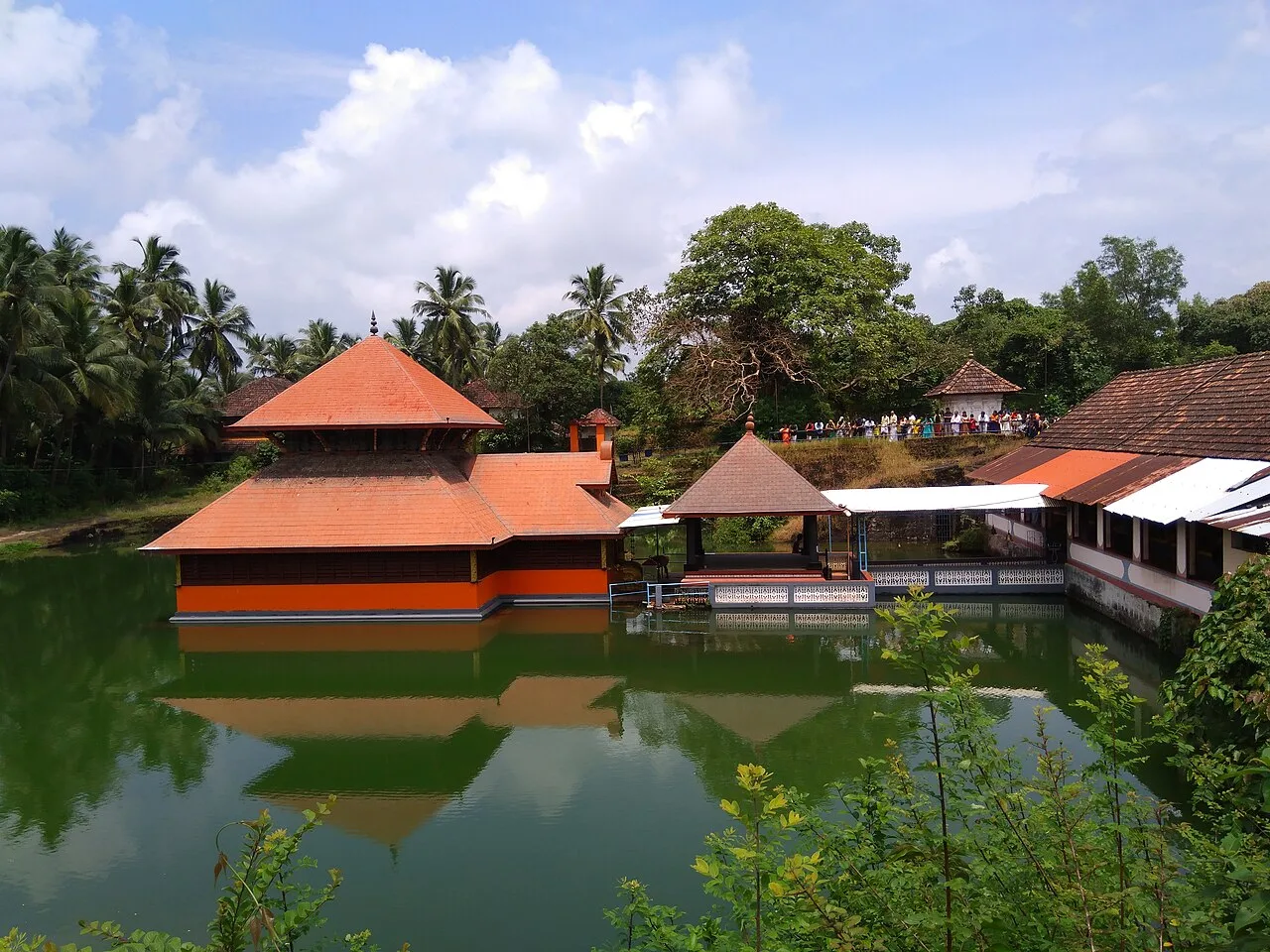
Ananthapura Lake Temple
Ananthapura Lake Temple is a Hindu shrine in Kerala’s Kasaragod district, dedicated to Anantha Padmanabhaswamy. Visitors come for its unusual tank setting and traditions connecting it with Thiruvananthapuram.
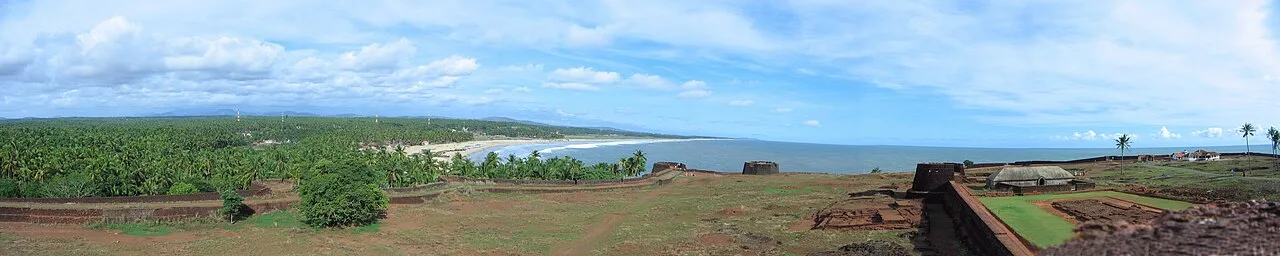
Bekal Fort
Bekal Fort is a medieval stronghold in Kasaragod district, Kerala, built by Shivappa Nayaka of Keladi in 1650. Visitors come to see its scale and historic site.
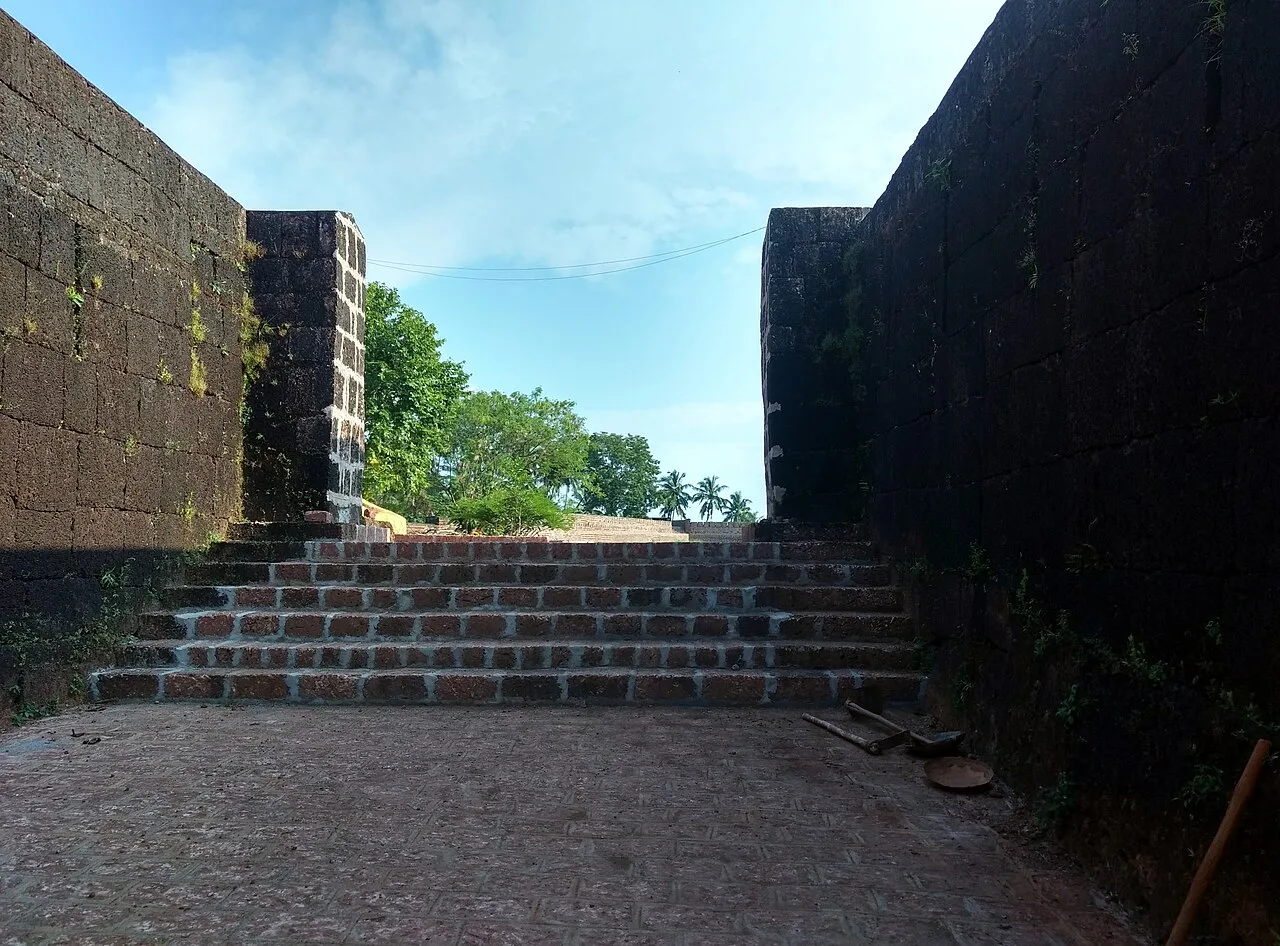
Chandragiri Fort
Chandragiri Fort is a seventeenth-century fortification in Kerala’s Kasaragod district. Visitors come to see its ruined, square-plan structure beside the Chandragiri River.
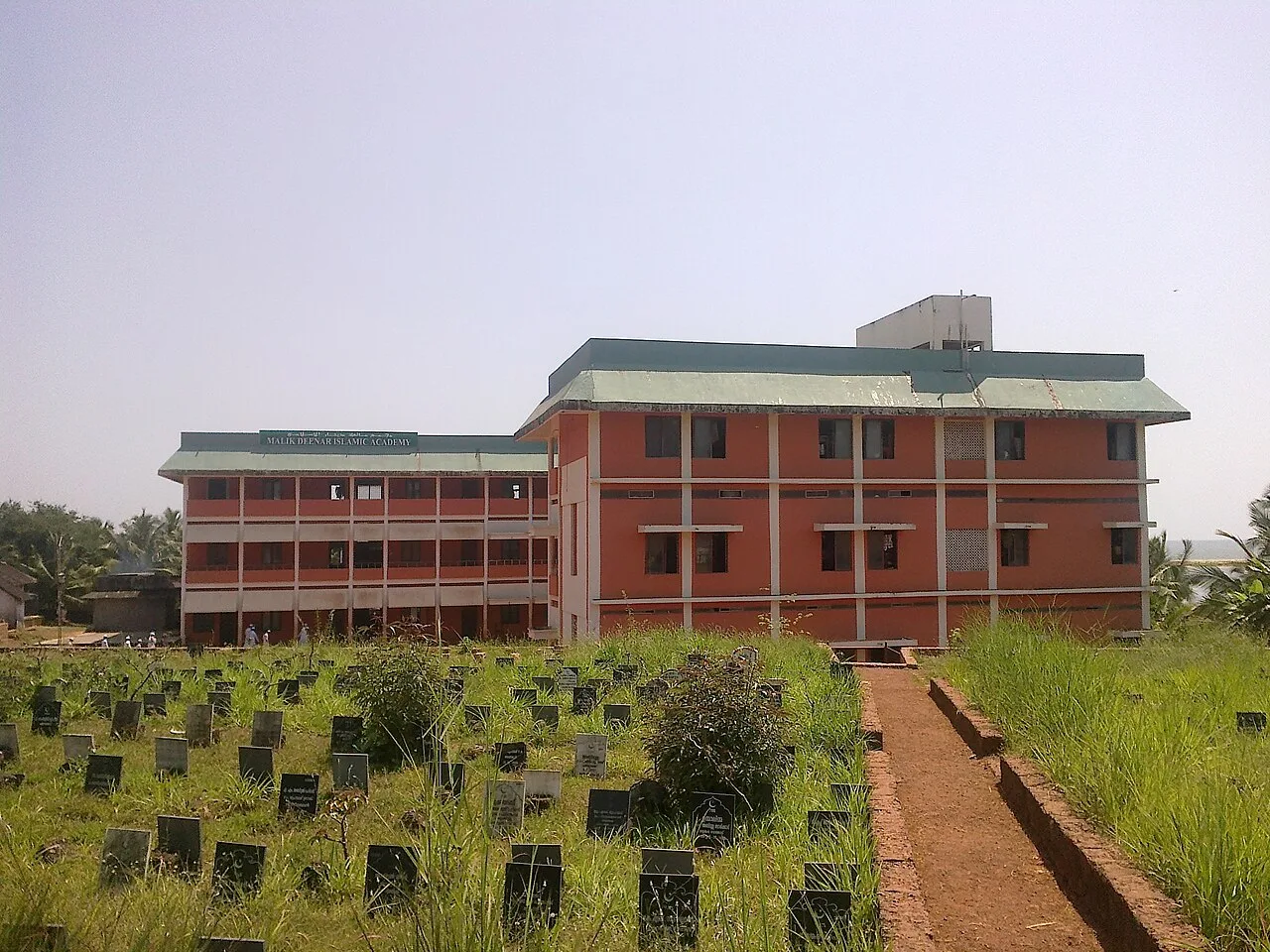
Malik Dinar Mosque
Malik Dinar Mosque is a Sufi Sunni mosque and dargah in Thalangara, Kasaragod. Visitors come to worship and to learn about a place associated with Malik Dinar and among India’s oldest mosques.
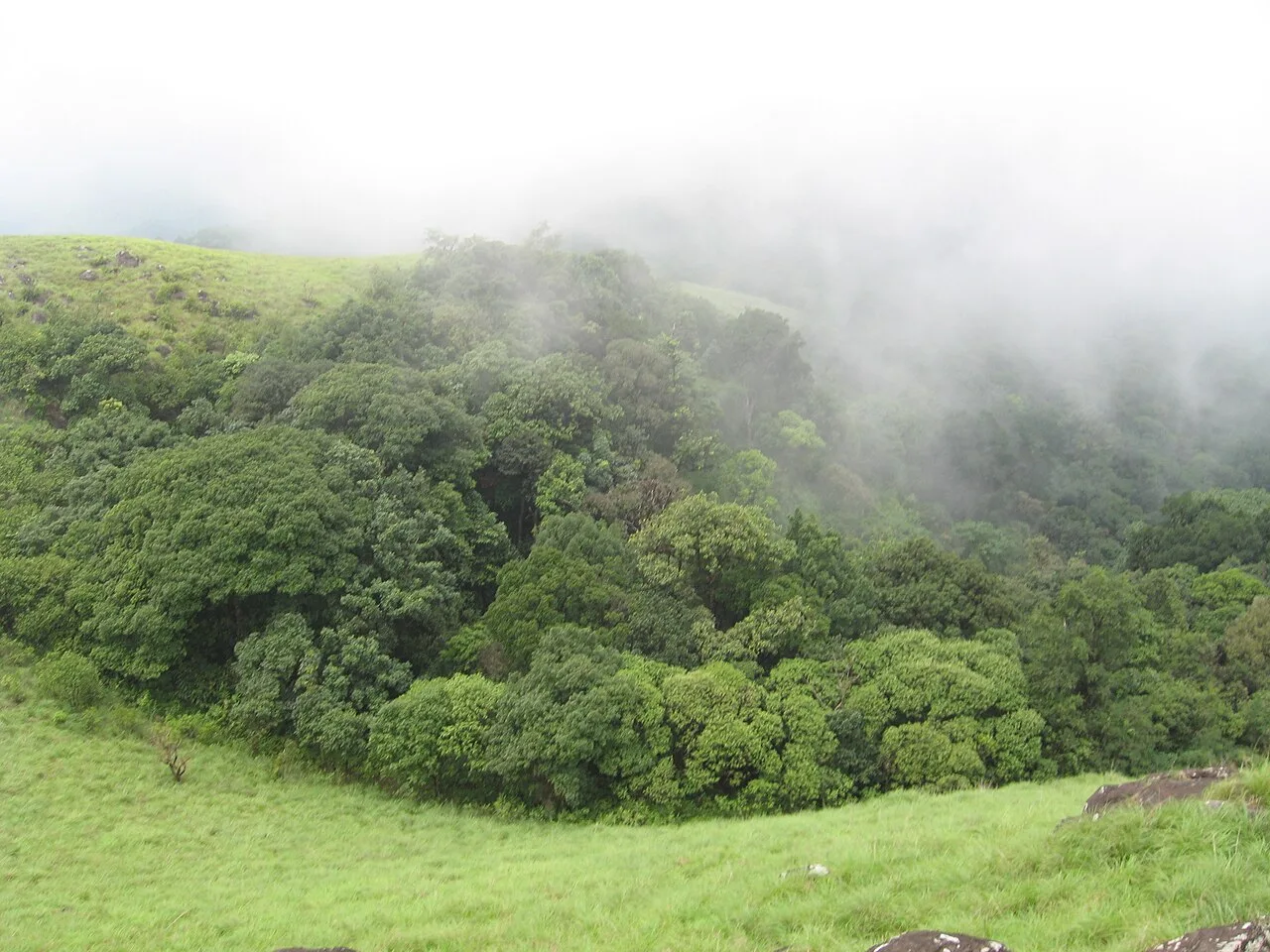
Ranipuram
Visitors come to Ranipuram, a village and notable tourist destination in Kerala’s Kasaragod district, for its location near Talakaveri Wildlife Sanctuary and the Kerala–Karnataka border.
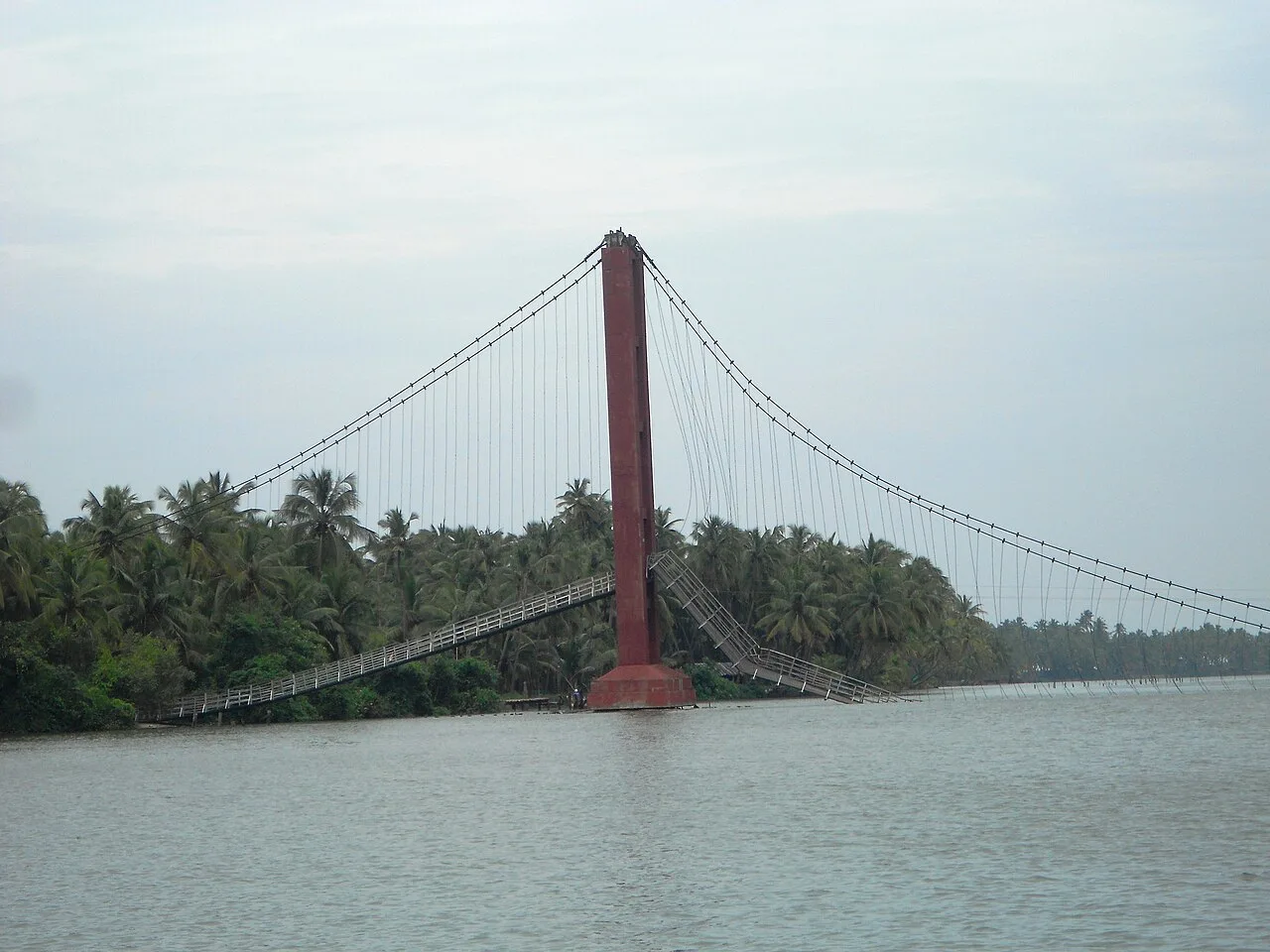
Valiyaparamba Backwaters
Valiyaparamba Backwaters is a backwater destination in Kasaragod district, Kerala, linked to the coastal island of Valiyaparamba. Visitors come to see its backwater and island setting.
Kasaragod’s food reflects northern Kerala’s Malabar cooking as well as the district’s coastal setting and proximity to Karnataka. Rice is central, served in forms such as pathiri, puttu and appam; Malabar biryani is another regional favourite. Fish and other seafood feature in many coastal meals, often seasoned with coconut, chilli and local spices. Across Kerala, meals may also include idiyappam, Kerala parotta, banana chips and payasam, while a vegetarian sadya is served on a banana leaf for festive occasions. Menus at small eateries can be limited and seasonal, so it is worth asking what has been prepared fresh that day.
Kasaragod is associated with handloom weaving, including Kasaragod sarees, a recognised regional textile tradition. Weaving forms part of Kerala’s broader handloom heritage, with cotton cloth made on traditional looms and designs varying by producer. The district is also a meeting point for northern Kerala and coastal Karnataka performance cultures. Theyyam, a ritual art tradition of northern Kerala, and Yakshagana, strongly associated with Karnataka and performed in the border region, are important living arts rather than crafts. Visitors may encounter performances at local festivals; dates and access vary, so ask locally and be respectful of ritual settings.
Theyyam performances are an important regional tradition, usually held during the cooler months from around October to May, often at local shrines. Temple festivals and mosque observances also draw communities from nearby towns and villages; dates vary by institution and lunar calendar. Onam, Vishu and Eid are observed across the district, with Eid dates changing each year. Larger shrine festivals and holiday periods can make nearby roads busier and reduce room availability, especially in established coastal and town centres. Check locally for event schedules when planning a visit.
Elsewhere in Kerala
The district runs from an Arabian Sea coastline of beaches, estuaries and backwaters to laterite plains and the forested foothills of the Western Ghats. The Chandragiri and other rivers flow west towards the sea, while Valiyaparamba’s waterways create a network of islands and narrow channels. Ranipuram is among the inland highland areas, where roads become more winding and walks can be steep or slippery. Coastal towns are linked by the north–south highway and railway, but reaching backwater edges and hill trails generally requires local road travel.
Kasaragod has a tropical coastal climate. March to May is generally hot and humid, while the southwest monsoon, usually from June into September, brings heavy rain, rougher coastal conditions and slippery roads and trails. The months from October to February are usually more comfortable for sightseeing, with less rain and milder conditions, making them a good general time to visit. Pack light, breathable clothing and sun protection for the coast, plus a light layer and sturdy shoes for Ranipuram. During monsoon travel, carry rain protection and allow flexibility for weather-related delays.
Kasaragod railway station is a useful arrival point for the district town, on the coastal rail corridor connecting Kerala with Karnataka. Mangaluru International Airport, in Karnataka, is a common airport for reaching Kasaragod town; Kannur International Airport can also serve parts of the district, particularly farther south. National Highway 66 runs along the coast, while inland roads connect towns and hill areas. State and private buses link major settlements, and taxis or auto-rickshaws can help with shorter or less frequent routes. Services to remote attractions may be limited, so check current services locally before travelling.
Kasaragod town and the main coastal settlements are connected by National Highway 66, local roads and buses. State and private buses serve many towns, but services to smaller villages, trailheads and backwater access points may be less frequent. Auto-rickshaws are useful for short local trips; taxis offer more flexibility for linking several sights in a day. Roads towards Ranipuram are narrower and winding, so allow extra travel time. Boat trips on Valiyaparamba are generally arranged locally rather than treated as a district-wide scheduled transport service. Confirm current road and boat access before setting out.
2 days: Bekal Fort → Chandragiri Fort → Malik Dinar Mosque → Ananthapura Lake Temple; sleep both nights in Kasaragod town. 3 days: Valiyaparamba Backwaters → Bekal Fort → Chandragiri Fort → Malik Dinar Mosque → Ananthapura Lake Temple; sleep in Nileshwar, then Kasaragod town. 4 days: Valiyaparamba Backwaters → Ranipuram → Bekal Fort → Chandragiri Fort → Malik Dinar Mosque → Ananthapura Lake Temple; sleep in Nileshwar, near Ranipuram, then Kasaragod town.
Kasaragod town is a practical base for Malik Dinar Mosque, Ananthapura Lake Temple and Chandragiri Fort, while Bekal and nearby coastal settlements suit visits to Bekal Fort. Nileshwar works well for Valiyaparamba Backwaters, and a stay near Ranipuram can reduce the early road journey to the hills. Options include hotels and homestays, with some government or pilgrimage-linked lodges in the wider district. Simple dharamshala-style accommodation may be limited; check availability and access before relying on it.
Coastal heat and monsoon rain can make outings tiring, while hill paths at Ranipuram may be uneven, steep or slippery; use suitable footwear and follow local guidance. Do not enter rough seas or unfamiliar backwater channels, and use clean drinking water. Watch for leeches and wildlife on forested trails, and avoid feeding or approaching animals. Roads can be narrow, wet and poorly lit away from main routes; check conditions before travelling after heavy rain. Mobile coverage can vary in inland areas. Confirm any current access rules or permit requirements with official local or forest authorities before visiting; do not assume a permit is or is not required.
- Dakshina Kannada · Karnatakaabout 50 km
- Kannurabout 78 km
- Kodagu · Karnatakaabout 79 km
- Mahe · Puducherryabout 100 km
- Hassan · Karnatakaabout 105 km
- Udupi · Karnatakaabout 110 km
- Chikkamagaluru · Karnatakaabout 120 km
- Wayanadabout 147 km
Straight-line distance between the centres of each district's destinations; road distance is longer.
Q: How many days should I spend in Kasaragod? A: Two days can cover several heritage sights; three or four days allow more time for the backwaters and inland hills. Q: When is the best time to visit? A: October to February is generally comfortable for sightseeing. Monsoon months bring heavy rain and can affect road and trail access. Q: What is the best base for a first visit? A: Kasaragod town is convenient for northern heritage sights; Nileshwar suits Valiyaparamba, while Bekal is useful for the coast. Q: How do I get to Kasaragod? A: Kasaragod railway station is on the coastal rail corridor. Mangaluru International Airport is a common airport for the town, and Kannur International Airport can serve parts farther south. Q: Is Kasaragod suitable for families or elderly travellers? A: Yes, many town and coastal visits can suit families, but forts may involve steps and uneven ground, and Ranipuram trails can be strenuous. Choose stops and transport to suit mobility needs.
This page draws on our 6 destination guides for Kasaragod and is updated as our team checks it.
Be the first to share photos, stories, advice or a helpful contact for Kasaragod.
Loading…