
District · Karnataka
Hassan
Hassan district is a rewarding stop in Karnataka for travellers interested in temple architecture, pilgrimage and hill landscapes.
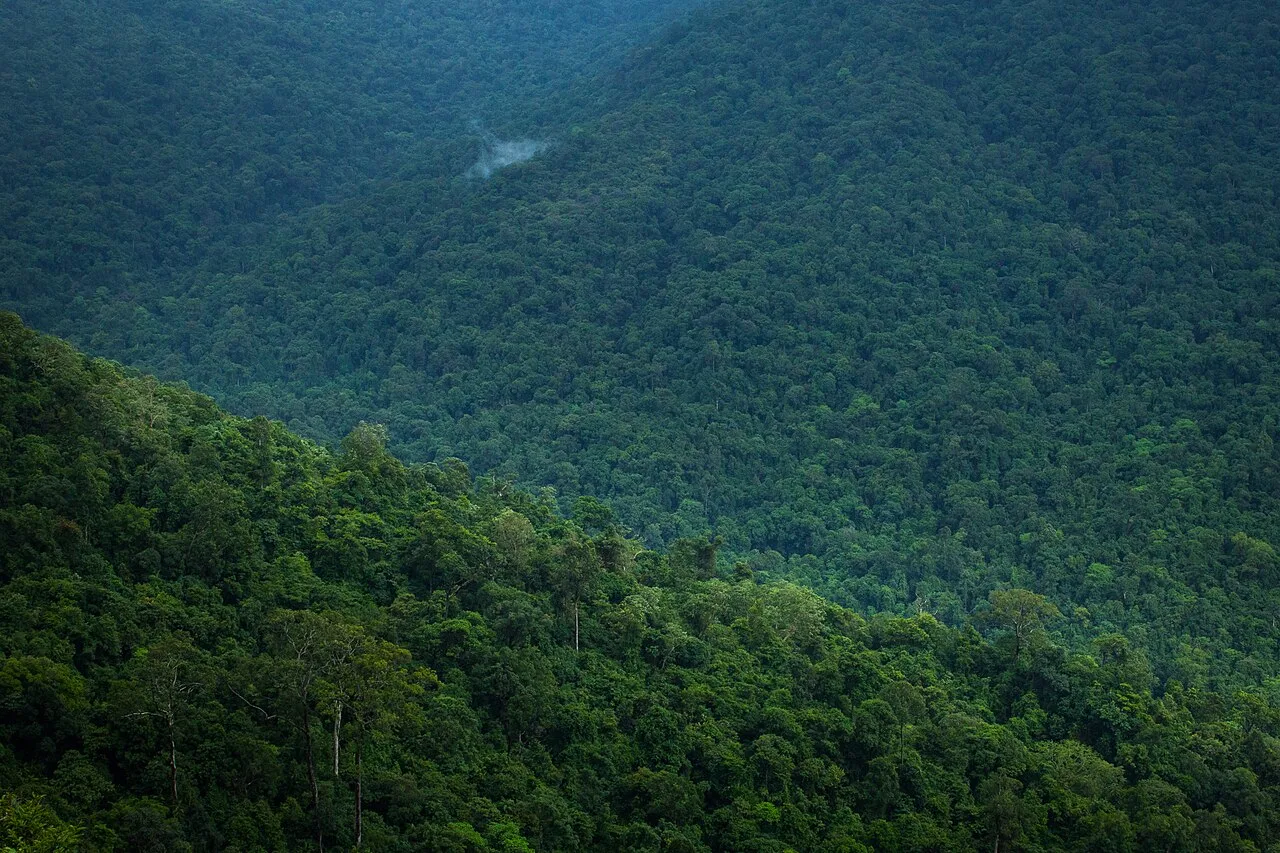
Hassan district brings together Karnataka’s temple country and the wooded slopes of the Western Ghats. Around Hassan, Belur and Halebidu, agricultural landscapes frame some of the finest surviving monuments of the Hoysala period. The 12th-century Chennakeshava Temple at Belur and Hoysaleswara Temple at Halebidu are celebrated for their richly carved stonework. Shravanabelagola, home to the monumental Gommateshwara statue, is an important Jain pilgrimage centre. Farther west, the landscape rises towards Sakleshpur and the forests of Bisle, where heavy rainfall sustains lush vegetation. Near Sakleshpur, Tipu Sultan’s star-shaped Manjarabad Fort adds a different chapter of military history. The district rewards a journey that balances architectural detail, pilgrimage traditions and time in the hills.
Hassan district is a rewarding stop in Karnataka for travellers interested in temple architecture, pilgrimage and hill landscapes. Its central circuit links Belur and Halebidu, where Hoysala-era temples are known for intricate stone carving; Shravanabelagola is a major Jain pilgrimage centre, marked by the Gommateshwara statue. Westward, the terrain rises towards Sakleshpur and the forested Western Ghats, offering a striking change of scene from the agricultural plains. Manjarabad Fort adds a later military landmark to the mix. The district suits visitors who want to combine heritage sites with time in the hills rather than focus on a single town or monument.
The region’s recorded past includes the Western Ganga dynasty, whose rule and Jain patronage are closely associated with Shravanabelagola. From the 11th century, the Hoysalas established their power in southern Karnataka and developed Belur and Halebidu as important centres. Their temples, including Chennakeshava and Hoysaleswara, reflect the dynasty’s distinctive architectural and sculptural traditions. The region later came under the influence of the Vijayanagara Empire and, in subsequent centuries, the Wodeyars of Mysore. In the late 18th century, Tipu Sultan ruled the Mysore kingdom and built Manjarabad Fort as part of its western defences. After the Mysore wars, the area came under British influence and remained within the princely state of Mysore, which was administered under British paramountcy. Hassan developed as an administrative district under Mysore’s government; its boundaries and administration changed over time. After Indian independence, it became part of the reorganised Mysore state, renamed Karnataka in 1973. The district’s present identity brings together these political histories with enduring religious and architectural traditions.
5 destination guides
Bisle Ghat and Reserve Forest
A forested passage through the Western Ghats in Hassan district, Bisle is visited for its river route and a viewpoint overlooking mountain ranges across three districts.
Chennakeshava Temple, Belur
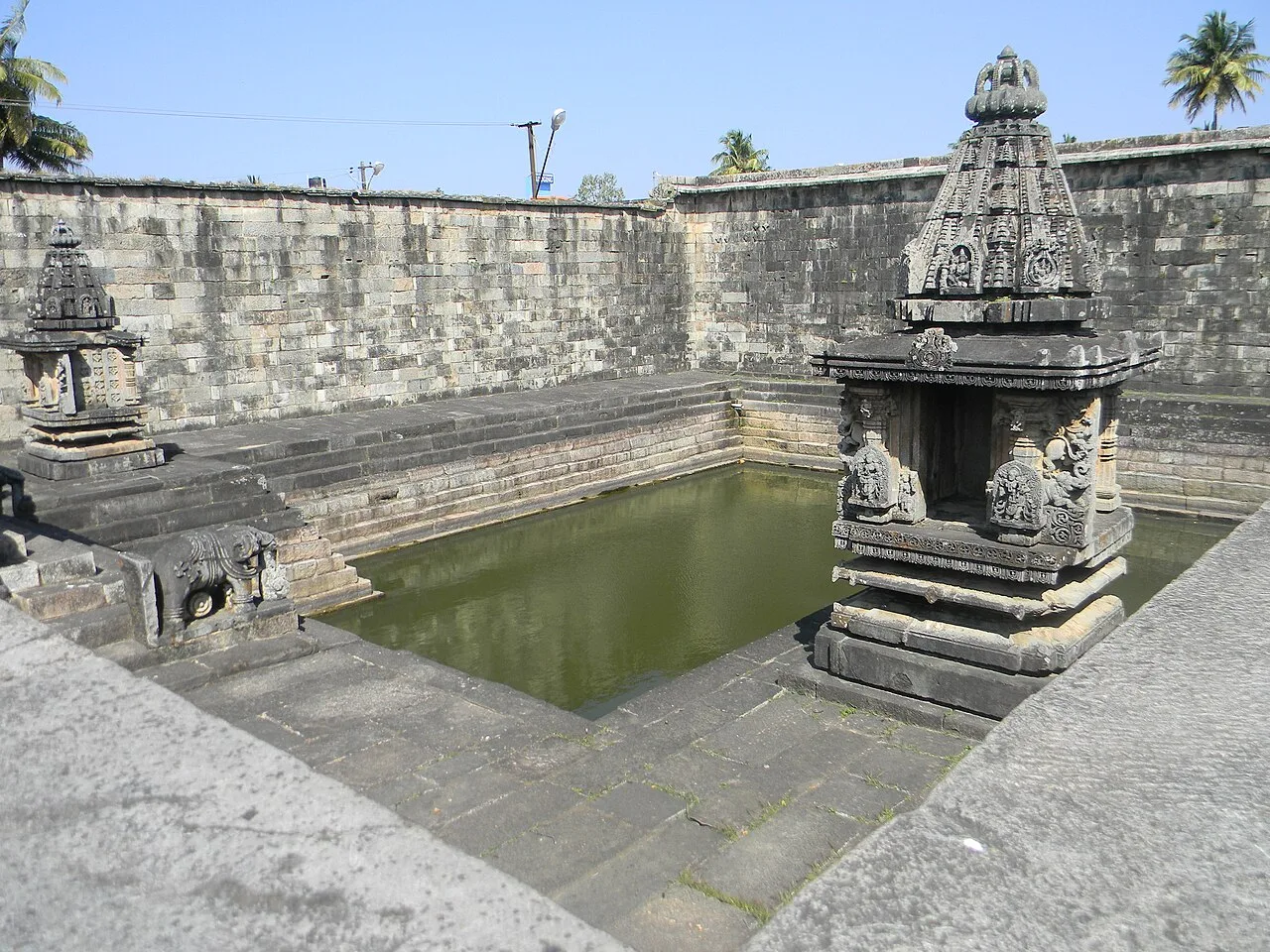
A 12th-century Hindu shrine in Belur, the Chennakeshava Temple is dedicated to Vishnu. Visitors come to see its Hoysala architecture, detailed sculpture and imagery spanning several religious traditions.
Hoysaleswara Temple, Halebidu
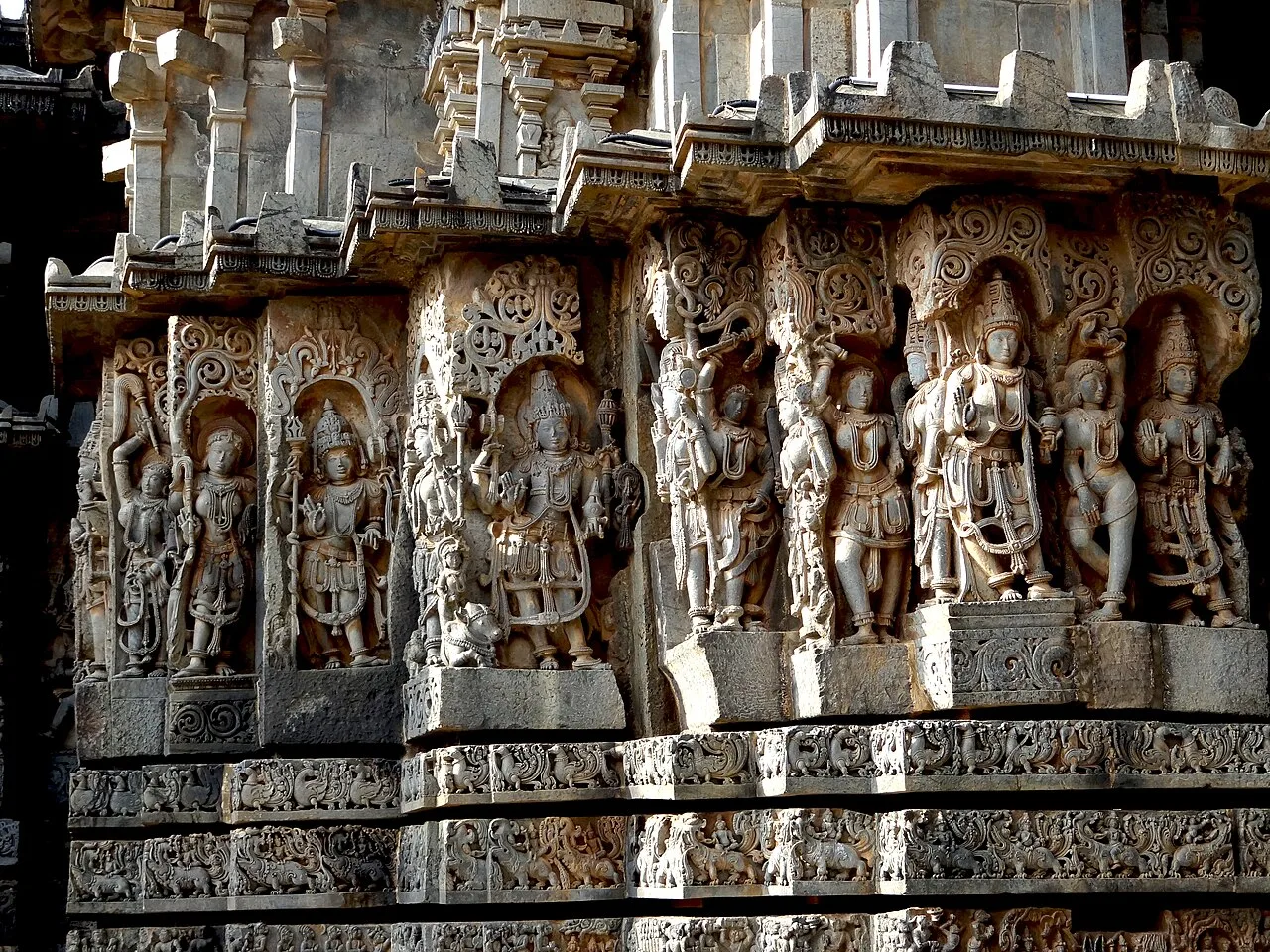
Hoysaleswara Temple is a 12th-century Shaiva monument in Halebidu, Karnataka. Visitors come to see its twin shrines and the extensive stone carvings that portray religious traditions and life in medieval South India.
Manjarabad Fort
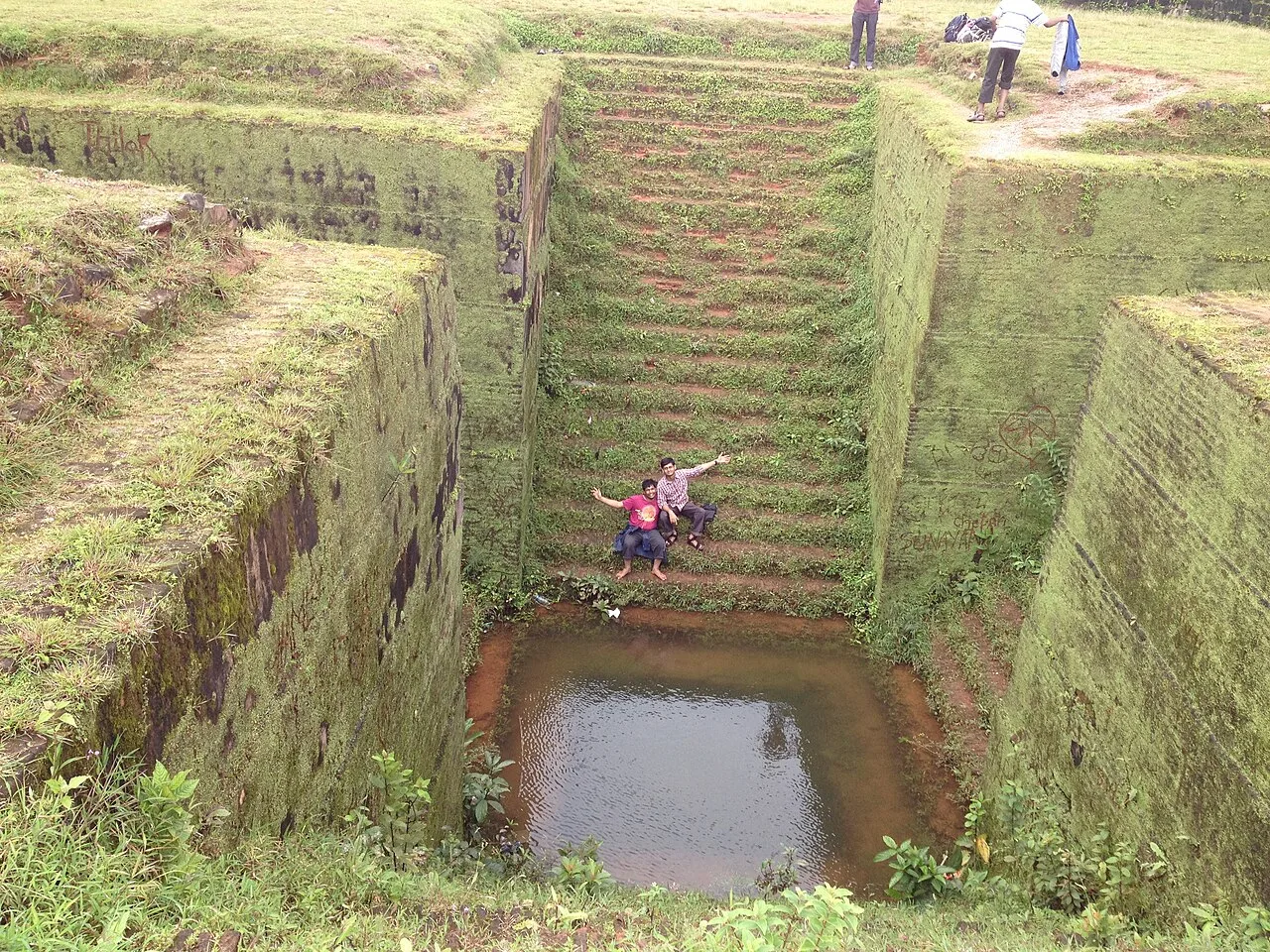
Manjarabad Fort is a star-shaped stronghold in Hassan district, Karnataka, built by Tipu Sultan in 1792. Visitors come to see its distinctive defensive plan and French design influences.
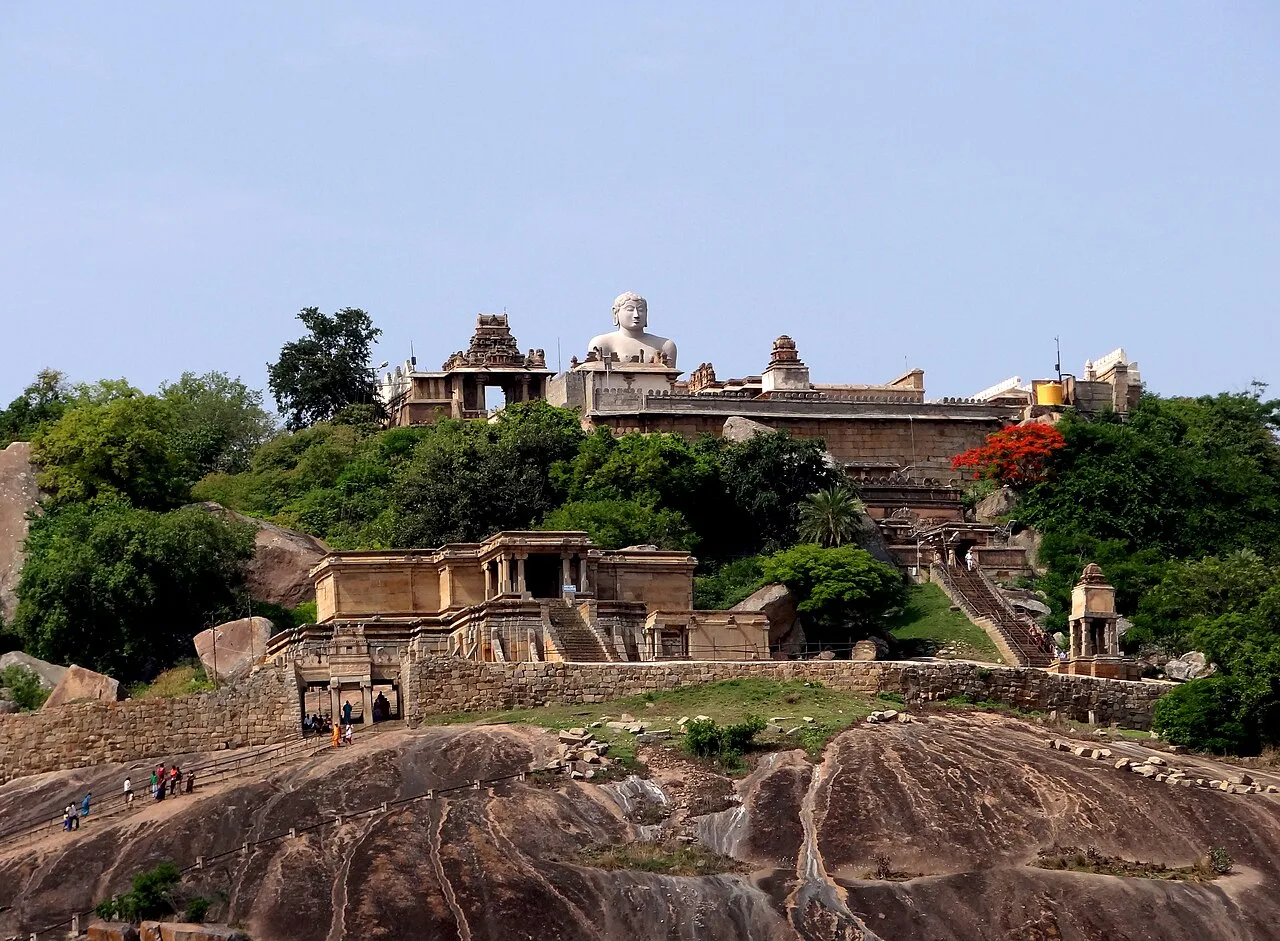
Shravanabelagola (Gommateshwara Statue)
Shravanabelagola is a town in Karnataka’s Hassan district and an important Jain pilgrimage destination, visited for the Gommateshwara Bahubali statue and its temples and inscriptions.
Food in Hassan draws on southern Karnataka’s everyday cooking and the Malnad traditions of its wetter western hills. Idli, vada, dosa and filter coffee make a familiar breakfast, while vegetarian meals commonly centre on rice, sambar, rasam and vegetable preparations. Ragi mudde, usually eaten with a curry or sambar, belongs to the wider southern Karnataka food tradition. Bisi bele bath and akki rotti are other regional dishes worth looking for. Menus vary between temple towns, Hassan city and the Sakleshpur countryside. Small eateries may prepare only a few dishes each day, so asking what is freshly cooked is useful.
Hassan’s best-documented artistic heritage is Hoysala stone carving, seen at Belur and Halebidu. Sculptors worked soapstone into elaborate bands of animals, floral ornament, dancers and narrative scenes drawn from Hindu traditions. These temples offer a particularly rich introduction to the region’s architectural sculpture; a knowledgeable guide can help distinguish decorative motifs from storytelling panels. Shravanabelagola adds a major Jain sculptural tradition through its monumental Gommateshwara image. Sandalwood carving and silk weaving belong to Karnataka’s wider craft heritage, but should not automatically be presented as Hassan-made products.
Shravanabelagola’s Mahamastakabhisheka, a large Jain ceremony held at intervals of about twelve years, draws especially large pilgrimage crowds and can make nearby rooms scarce. The town also receives regular pilgrims throughout the year. Temple festivals and processions take place in Belur, Halebidu and other local centres, though schedules vary. Ugadi, Deepavali and Dasara are observed across the district, as elsewhere in Karnataka, generally bringing family travel and busy transport around holiday periods. For major festival visits, reserve accommodation early and check local announcements, since event schedules and crowd arrangements can change.
The eastern and central parts of Hassan district have rolling agricultural countryside, while the land rises westward towards the forested Western Ghats around Sakleshpur and Bisle. The Hemavati and Yagachi river systems and their reservoirs are part of the district’s wider landscape. There is no coastline. The gentler central terrain makes the Belur–Halebidu heritage circuit relatively straightforward by road, while western routes are more winding and can be affected by heavy monsoon rain, mist and occasional slips. Forest cover and steep slopes make visits to Bisle more dependent on weather and road conditions.
Hassan has a warm summer, a rainy monsoon and a generally milder, drier winter. The southwest monsoon usually brings the heaviest rain to the western hills, particularly around Sakleshpur and Bisle; roads can be wet, visibility reduced and forest walks difficult. The central temple towns also receive rain, though conditions vary across the district. October to February is often the most comfortable period for combining monument visits with hill travel. March to May can feel hot, so plan outdoor sightseeing for cooler parts of the day. Pack light clothing, sun protection and water for the plains; bring a light jacket and sturdy, rain-resistant footwear for the hills, especially during the wet season.
Hassan Junction is the main railway gateway for the district’s central temple circuit. Sakleshpur railway station is useful for the western hills, subject to current train services. Airport choice depends on your itinerary: Kempegowda International Airport Bengaluru is a practical major gateway, while Mangaluru International Airport can suit western Hassan. The Bengaluru–Mangaluru highway connects Hassan and Sakleshpur, with onward roads to Belur, Halebidu and other destinations. KSRTC and local buses serve major towns; taxis and autorickshaws help with last-mile travel. A hired vehicle offers more flexibility around Bisle, where rain can affect hill-road conditions. Check current services locally.
Road travel is the most practical way to connect Hassan with Belur, Halebidu, Shravanabelagola and Sakleshpur. The Bengaluru–Mangaluru highway serves the Hassan–Sakleshpur corridor, with connecting roads to the heritage towns and forested west. KSRTC and local buses link major towns, but reaching smaller sites or fitting several stops into a day may require a taxi or hired vehicle. Autorickshaws are useful for short trips within towns; shared vehicles may operate on some local routes but availability varies.
2 days: Chennakeshava Temple, Belur → Hoysaleswara Temple, Halebidu. Sleep night 1 in Belur or Hassan. 3 days: Shravanabelagola (Gommateshwara Statue) → Chennakeshava Temple, Belur → Hoysaleswara Temple, Halebidu. Sleep night 1 in Hassan; night 2 in Belur or Hassan. 4 days: Shravanabelagola (Gommateshwara Statue) → Chennakeshava Temple, Belur → Hoysaleswara Temple, Halebidu → Manjarabad Fort → Bisle Ghat and Reserve Forest. Sleep night 1 in Hassan, night 2 in Belur or Hassan, and night 3 in Sakleshpur.
Hassan is a convenient base for Shravanabelagola and the Belur–Halebidu circuit, with hotels and other town accommodation. Belur offers a quieter option for an overnight stay near its temple, while Halebidu has fewer choices. Sakleshpur is the practical base for Manjarabad Fort and the western hills, with hotels and homestays; availability can be more limited near forest areas. Pilgrim accommodation and dharamshalas may be available in religious centres, subject to local arrangements. Book ahead during major festivals and busy holiday periods.
Wear sturdy footwear at temple complexes, where carved stone floors and steps can be uneven or slippery, especially after rain. In the hills, monsoon showers, mist, fallen branches and occasional road slips can slow travel; check local conditions before driving to Bisle. Keep a respectful distance from wildlife and do not walk into forest areas after dark. Use treated or sealed drinking water. Follow local forest and road instructions; confirm any access rules or permits with the relevant authorities before visiting, as requirements can change.
- Kodaguabout 60 km
- Chikkamagaluruabout 66 km
- Mandyaabout 101 km
- Kasaragod · Keralaabout 105 km
- Dakshina Kannadaabout 110 km
- Mysuruabout 110 km
- Kannur · Keralaabout 126 km
- Shivamoggaabout 134 km
Straight-line distance between the centres of each district's destinations; road distance is longer.
Q: How many days should I spend in Hassan district? A: Two days can cover Belur and Halebidu; allow three or four days to include Shravanabelagola and the western hills. Q: When is the best time to visit? A: October to February is generally comfortable for temple visits and hill travel; monsoon brings lush scenery but can disrupt western roads. Q: What is the best base for the main sights? A: Hassan works well for the central heritage circuit, while Sakleshpur is useful for Manjarabad Fort and the western hills. Q: How do I get to Hassan district? A: Hassan Junction is a rail gateway, and buses and road connections serve the main towns. Bengaluru and Mangaluru airports can suit different itineraries. Q: Is the district suitable for families or elderly travellers? A: Yes, with planning.
This page draws on our 5 destination guides for Hassan and is updated as our team checks it.
Be the first to share photos, stories, advice or a helpful contact for Hassan.
Loading…