
District · Karnataka
Gadag
Gadag lies in northern Karnataka’s dry interior, between regional centres such as Hubballi and the historic landscapes of the Deccan.
Gadag district lies in northern Karnataka’s largely dry interior, where open agricultural plains and low hills surround towns and villages with a rich architectural inheritance. Its historic character is especially visible in the temples associated with the Western Chalukyan period. At Dambal, the 12th-century Doddabasappa Temple demonstrates the architectural experimentation of that tradition. Lakkundi, once a major urban centre before the 14th century, preserves a remarkable concentration of temples and historic water structures within a village setting. In Gadag town, the Shiva-dedicated Trikuteshwara Temple remains an important religious landmark. Together, these places make the district particularly rewarding for travellers interested in medieval architecture, sacred landscapes and the everyday life surrounding historic monuments.
Gadag lies in northern Karnataka’s dry interior, between regional centres such as Hubballi and the historic landscapes of the Deccan. Travellers come chiefly for its medieval sacred architecture: the Western Chalukyan temples of Dambal and Lakkundi, and the Shiva-dedicated Trikuteshwara Temple in Gadag town. Lakkundi’s temples and historic water structures sit within a living village, while Dambal offers a quieter rural setting. The district suits visitors interested in temple design, stone carving and the relationship between heritage sites and everyday life. Gadag town is a practical base for exploring these places and provides a sense of the region’s contemporary urban life.
The Gadag region formed part of the Deccan, where political power shifted among early and medieval dynasties. The Rashtrakutas held influence in the region before the rise of the Western Chalukyas, whose Kalyani-based rulers supported temple building and shaped the architectural heritage visible at Lakkundi, Dambal and Gadag. Lakkundi was an important urban centre before the 14th century. Later, the area came under successive Deccan powers, including the Vijayanagara Empire and, in different periods, the Deccan sultanates. Under British rule, Gadag was part of Dharwad district in the Bombay Presidency. After Indian independence and the reorganisation of states in 1956, it became part of Mysore State, later renamed Karnataka. Gadag district was created in 1997 when it was separated from Dharwad district. Its layered history is especially evident in its temples, inscriptions and historic water structures, while the district’s towns and villages also reflect the agricultural and trading life of the northern Karnataka plateau.
3 destination guides
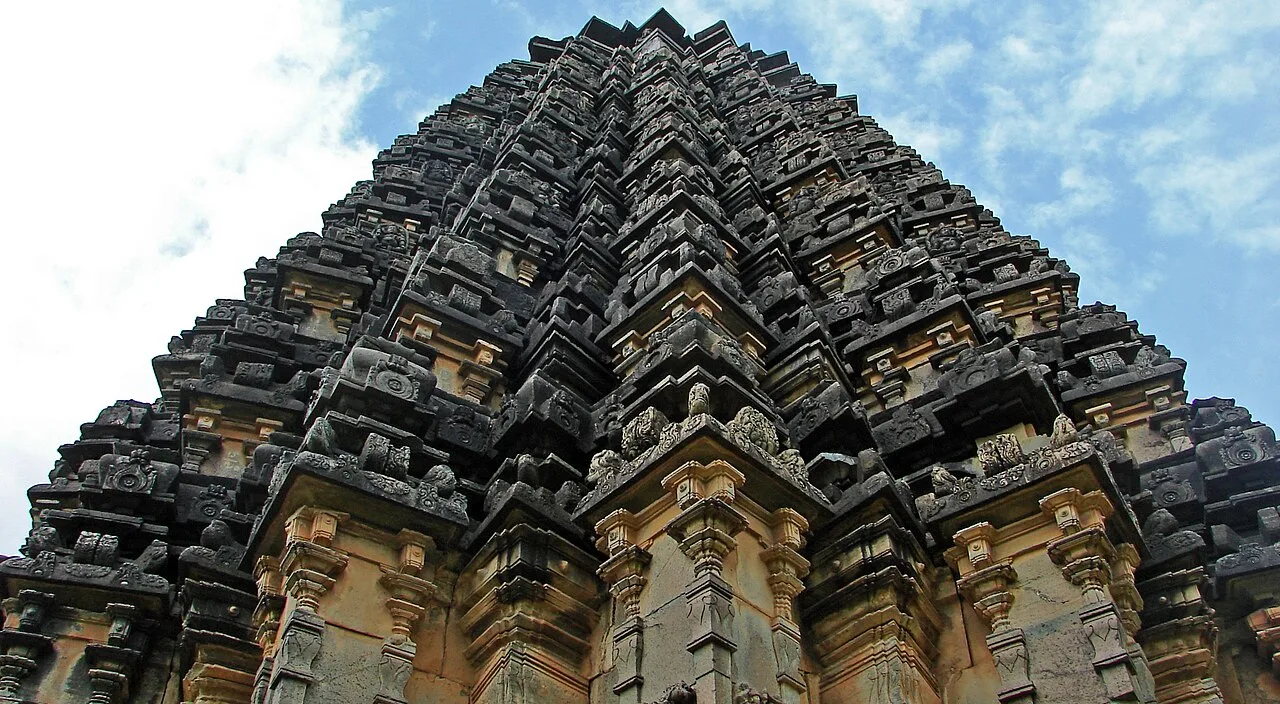
Doddabasappa Temple
Doddabasappa Temple, in Dambal, Karnataka, is a 12th-century work of Western Chalukyan design. Visitors come to see its Shiva shrine and its place within the region’s architectural tradition.
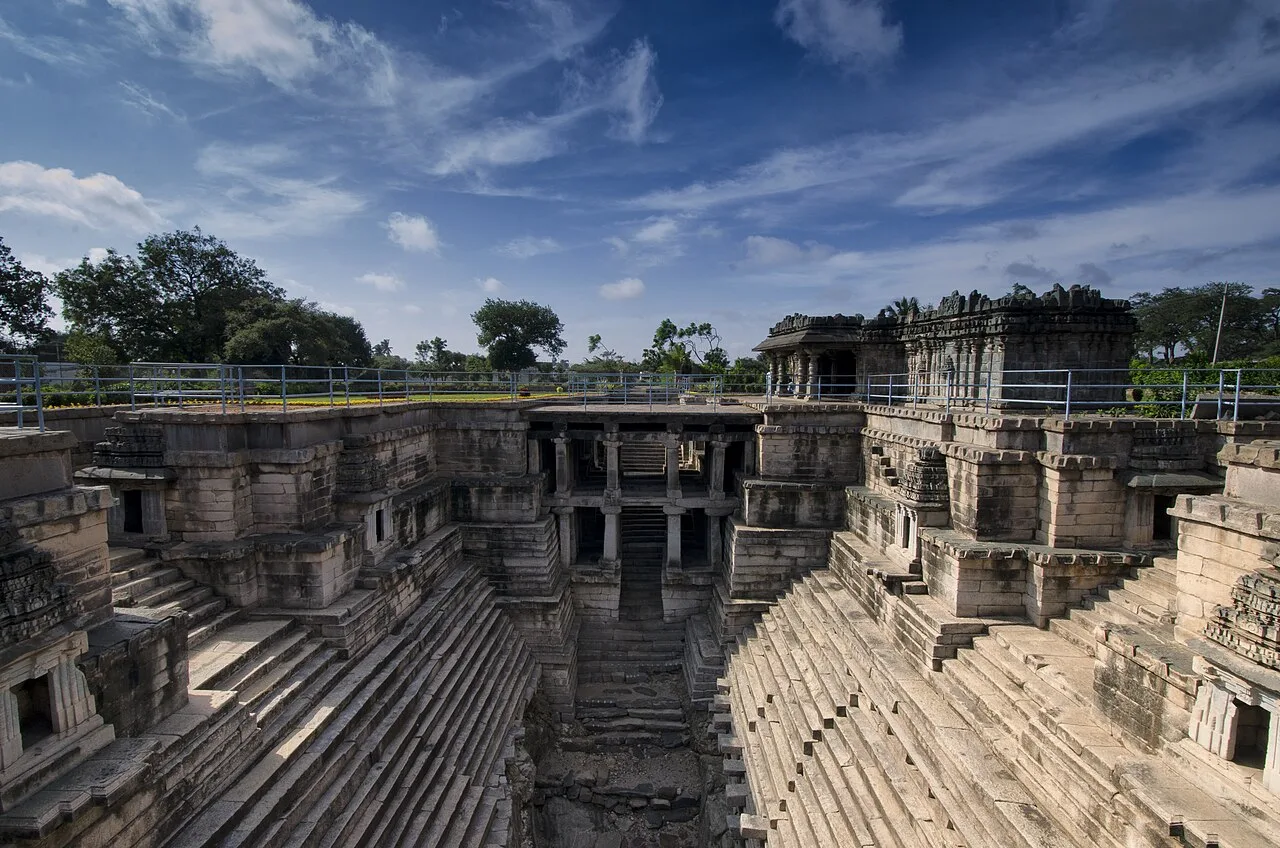
Lakkundi
Lakkundi is a historic village in Karnataka’s Gadag district, visited for its Hindu and Jain temple remains, water structures and examples of Kalyana Chalukya architecture.
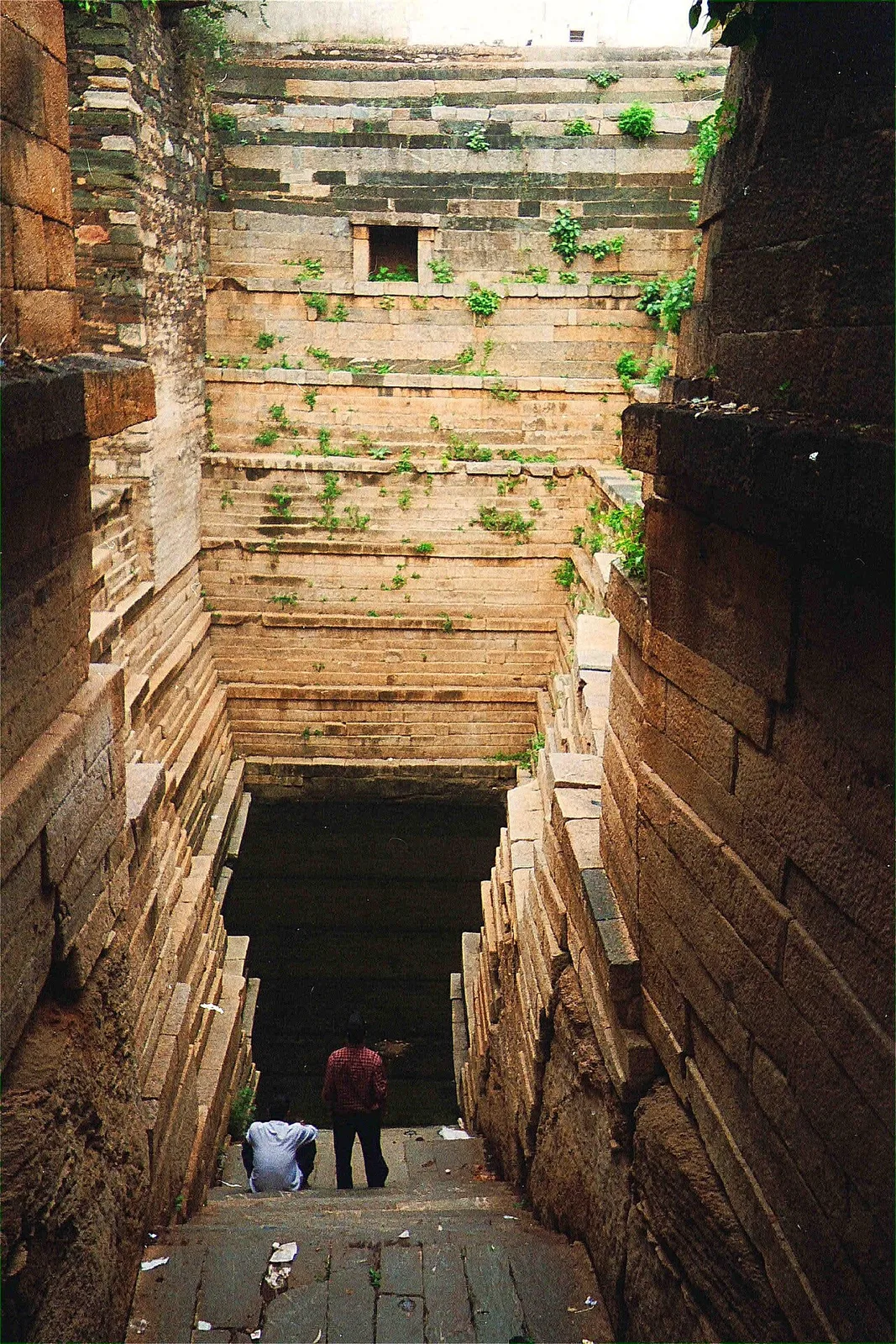
Trikuteshwara Temple, Gadag
In Gadag, Karnataka, Trikuteshwara Temple is a carved Hindu place of worship dedicated to Shiva. Visitors come to see its three lingas, Saraswathi shrine and carved columns.
Food in Gadag belongs broadly to northern Karnataka’s culinary tradition, with jowar-based jolada rotti, pulse preparations and vegetable dishes forming familiar combinations. Look for ennegayi, a stuffed brinjal preparation, alongside peanut chutney powder and seasonal greens. These are regional favourites rather than dishes exclusive to Gadag. Simple vegetarian meals and tiffin breakfasts of idli, vada or dosa are practical choices when travelling between temple towns. Dharwad pedha is a sweet associated with nearby Dharwad and the wider region. Small eateries may prepare only a limited daily selection, so asking what is freshly cooked is often more useful than expecting an extensive menu.
Gadag’s most visible artistic inheritance is architectural stone carving: temple walls, pillars and decorative details offer a close view of medieval craftsmanship. Dambal and Lakkundi are especially useful places to appreciate this heritage, though historic carving should not be confused with a thriving souvenir industry. For textiles, the wider northern Karnataka region is associated with Kasuti embroidery and Ilkal saris; Ilkal itself is in neighbouring Bagalkot district. Such regional textiles may be worth seeking in established shops, but ask where an item was woven or embroidered rather than assuming it was made locally.
Ugadi, Makar Sankranti, Deepavali and Dasara are observed in Gadag, as in much of Karnataka, with family gatherings and local religious activities. Maha Shivaratri is relevant to visitors interested in the district’s Shiva temples, though the scale of observance varies by place. Temple celebrations and village fairs may take place at different times of year, but schedules can change and should be checked locally. These occasions can bring larger crowds to temple precincts and busier roads; accommodation in Gadag town may be more in demand around major festivals and holiday periods.
Gadag is an inland district of the northern Karnataka plateau, with broad cultivated plains, dry scrub and scattered low rocky hills. There is no coastline or extensive forest landscape among the destinations covered here. Seasonal streams and local water bodies are more prominent in the rainy months, while the surrounding countryside is generally dry for much of the year. The open terrain makes road travel between Gadag, Lakkundi and Dambal practical, though rural stretches can be exposed to sun and dust. Historic wells and stepwells at Lakkundi also reflect the importance of managing water in this relatively dry setting.
The district has a generally hot, semi-arid climate. Summer, especially before the monsoon, can make outdoor sightseeing tiring, so plan temple visits for cooler parts of the day and carry sun protection. The monsoon usually brings rain from around June into September; conditions vary, and wet roads can slow rural journeys. Winter, broadly from November to February, is usually the most comfortable season for exploring monuments and villages. October to February is a good general window to visit. Pack breathable clothing, a hat, sunscreen and water; add a light layer for cooler evenings and a rain jacket or umbrella during the monsoon.
Gadag Junction is the district’s principal rail gateway, while Hubballi Airport is the nearest practical airport for the destinations covered here. Gadag is connected by road with Hubballi and other northern Karnataka centres; state-run and private buses provide options for reaching the town. Gadag town makes a convenient base for Trikuteshwara Temple and onward trips to Lakkundi and Dambal. Auto-rickshaws are useful for local journeys, while a hired vehicle can simplify visits to several heritage sites in one day. Bus connections and last-mile transport to smaller places may require advance enquiry. Check current services locally.
Gadag town is the main transport base for the district’s heritage visits. Road connections link it with Lakkundi and Dambal, and local or regional buses may serve these routes, though services to smaller places can be less frequent. Auto-rickshaws are useful within Gadag and for shorter local journeys. A hired car or taxi can make it easier to visit several sites in one day and to manage the last stretch to rural temples. Confirm return transport and local bus options before setting out, particularly for Dambal. There are no boat journeys involved in these circuits.
2 days: Trikuteshwara Temple, Gadag → Lakkundi → Doddabasappa Temple; sleep in Gadag town on night 1. 3 days: Lakkundi → Trikuteshwara Temple, Gadag → Doddabasappa Temple; sleep in Gadag town on nights 1 and 2.
Gadag town is the most practical base for all three destinations, with hotels and basic lodges and access to local transport and services. It works especially well for a short circuit that includes Lakkundi and Dambal as day visits. Smaller villages may have limited visitor accommodation, so do not assume a wide choice of homestays or guesthouses near the temples. Pilgrim-oriented lodging or dharamshalas may be available locally, but facilities and access can vary. Confirm arrangements in advance during festivals and holiday periods.
Carry drinking water and sun protection, especially during hot weather; use sealed or reliably treated water. Temple grounds can have uneven stone paving, steps and worn surfaces, so take care, particularly in wet weather or if mobility is limited. Rural roads may be narrow, dusty or affected by monsoon rain; allow flexibility and confirm return transport from smaller places. Mobile connectivity and services can be less dependable outside towns. Keep valuables secure in crowded temple areas and follow local guidance on worship spaces and photography. The listed heritage sites do not ordinarily require protected-area permits, but check officially if temporary access rules are announced.
- Koppalabout 38 km
- Bagalkotabout 60 km
- Dharwadabout 65 km
- Haveriabout 74 km
- Vijayanagaraabout 81 km
- Belagaviabout 123 km
- Chitradurgaabout 150 km
- Uttara Kannadaabout 170 km
Straight-line distance between the centres of each district's destinations; road distance is longer.
Q: How many days should I spend in Gadag district? A: Two days can cover the three listed heritage destinations at a steady pace; three days allows a more relaxed visit. Q: When is the best time to visit? A: October to February is generally the most comfortable period for outdoor sightseeing. Q: Where is the best base for these visits? A: Gadag town is the most practical base for Trikuteshwara Temple, Lakkundi and Dambal. Q: How do I get to the district? A: Gadag Junction is the main rail gateway. Hubballi Airport is the nearest practical airport for these destinations, with onward travel by road. Q: Is Gadag suitable for families or elderly travellers? A: Yes, with planning. Allow time between sites, arrange suitable road transport and take extra care on uneven temple paths and steps.
This page draws on our 3 destination guides for Gadag and is updated as our team checks it.
Be the first to share photos, stories, advice or a helpful contact for Gadag.
Loading…