
District · Karnataka
Bengaluru Urban
Bengaluru Urban is the metropolitan heart of Karnataka and a major centre of government, commerce, education and technology in southern India.
Bengaluru Urban district is centred on Bengaluru, Karnataka’s capital, on the elevated Deccan Plateau. Its landscape is now largely metropolitan, though gardens, lakes, rocky outcrops and green edges such as Bannerghatta National Park offer breaks from dense development. The city’s layered history includes its growth under Kempe Gowda, the rule of Mysore’s Wodeyars and Tipu Sultan, and the expansion of the British cantonment. Historic palaces, religious sites and civic buildings sit alongside technology campuses, markets and busy neighbourhoods. Bengaluru is known both for its role in Karnataka’s political and economic life and for a cosmopolitan character shaped by migration from across India.
Bengaluru Urban is the metropolitan heart of Karnataka and a major centre of government, commerce, education and technology in southern India. Visitors find a city of contrasts: historic palaces and temples, colonial-era institutions, lively markets and modern neighbourhoods, alongside gardens and urban lakes. Its best-known sights include Lalbagh Botanical Garden, Bengaluru Palace, Vidhana Soudha and Tipu Sultan's Summer Palace. The district also offers a way to explore Karnataka’s changing history, from the city’s formation under Kempe Gowda to its present cosmopolitan character. Bannerghatta National Park, on the city’s southern edge, provides a green escape from the built-up centre.
Bengaluru’s recorded urban history is closely associated with Kempe Gowda, a local chief who established a fortified settlement here in the 16th century. The city later came under the Wodeyars of Mysore and, in the 18th century, the rule of Hyder Ali and Tipu Sultan. Tipu’s summer palace remains a reminder of that period. After Tipu’s defeat in 1799, the British established a cantonment east of the older city. The settlement and cantonment developed as distinct urban centres before expanding towards one another, leaving different street patterns and architectural legacies. Bengaluru grew as an administrative and military centre under British rule and continued to expand after Indian independence, becoming Karnataka’s capital. The city’s growth accelerated with public-sector industries, education and, later, information technology. The former Bengaluru district was divided into Bengaluru Urban and Bengaluru Rural in 1986. The city’s official name changed from Bangalore to Bengaluru in 2014; the urban district remains part of a rapidly expanding metropolitan region.
11 destination guides
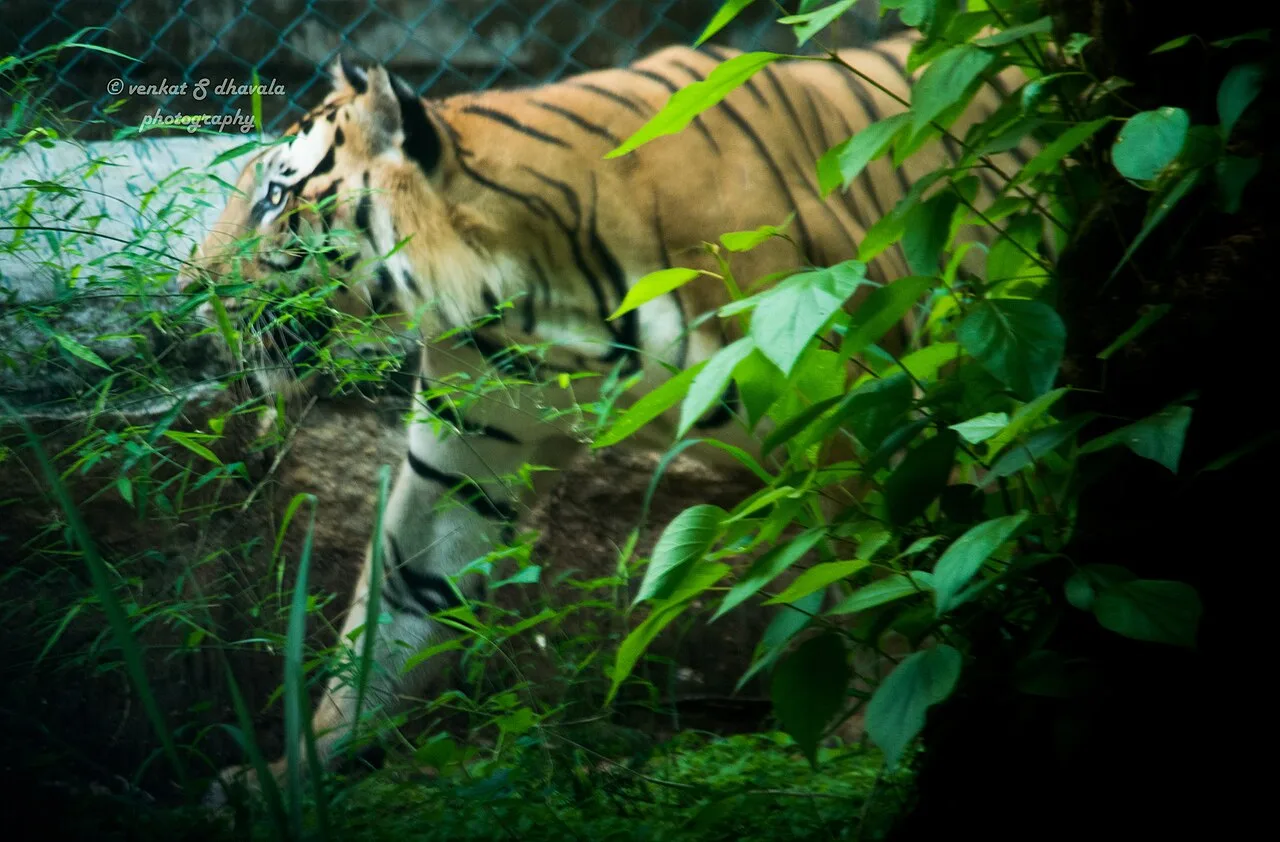
Bannerghatta National Park
A protected area in Bengaluru, Karnataka, Bannerghatta National Park received national park status in 1974. Visitors come for its wildlife, guided safaris, temples, trekking and hiking.
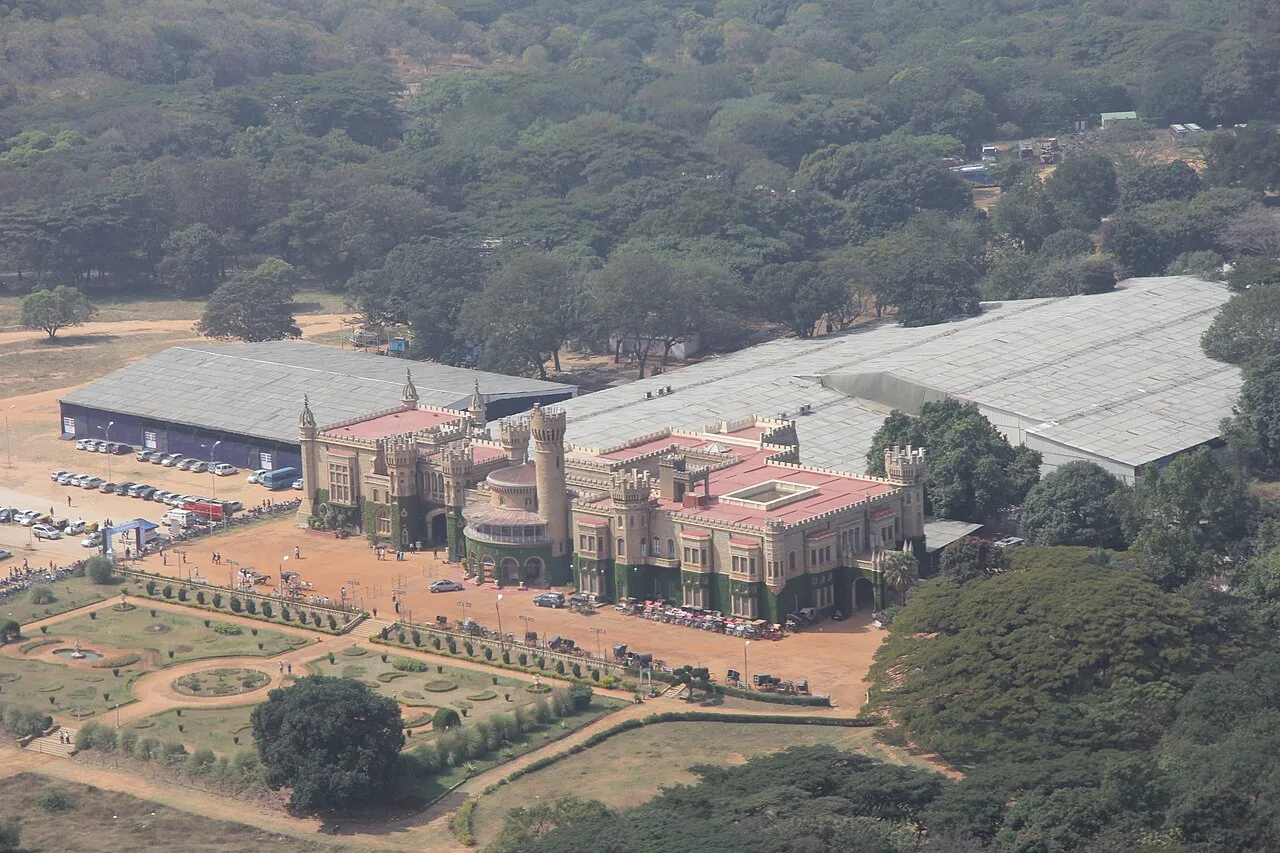
Bengaluru Palace
Bengaluru Palace is a nineteenth-century royal landmark in Bengaluru, Karnataka; visitors can view it and find fairs, events and an amusement park on its grounds.
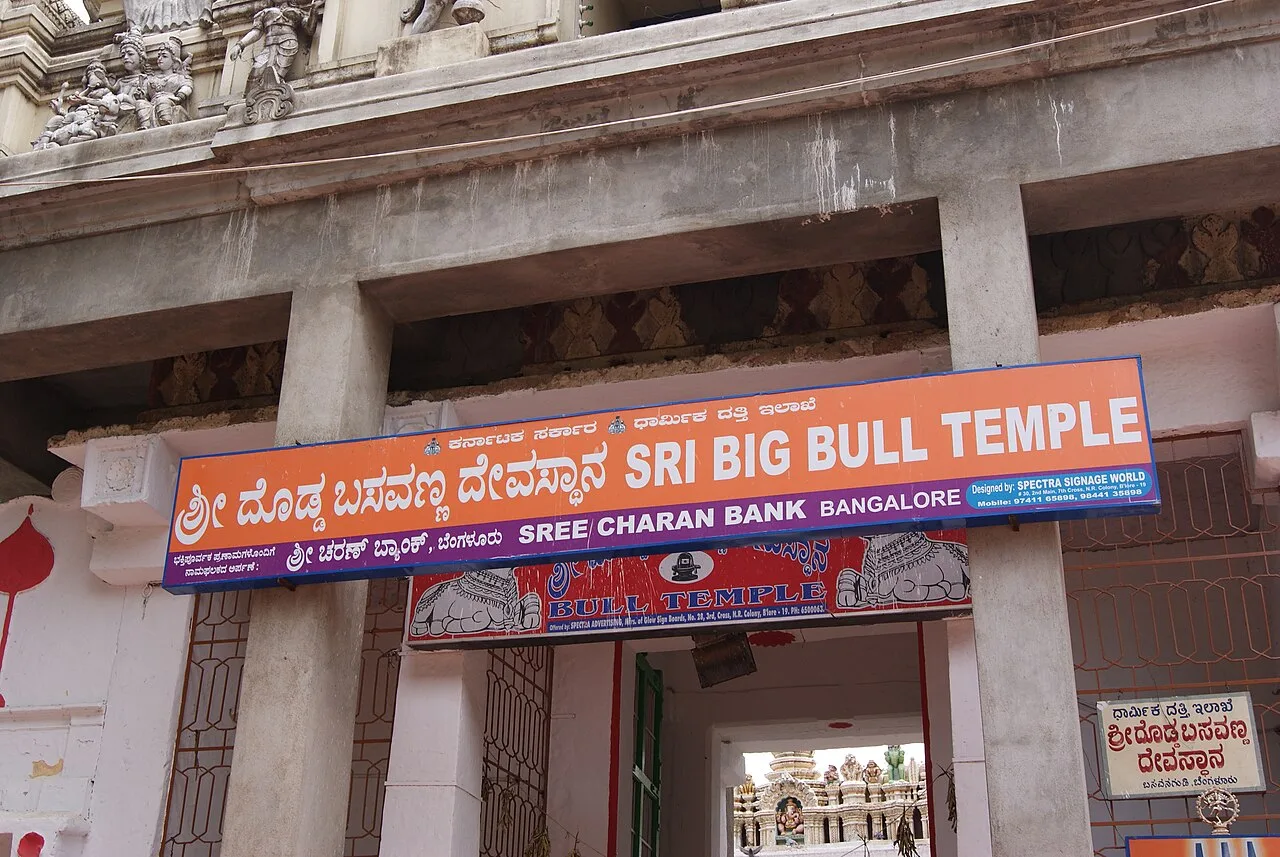
Bull Temple (Dodda Basavana Gudi)
Dodda Basavana Gudi is a Nandi shrine in Basavanagudi, Bengaluru, known for its large stone image and the annual Kadalekaayi Parishe groundnut fair.
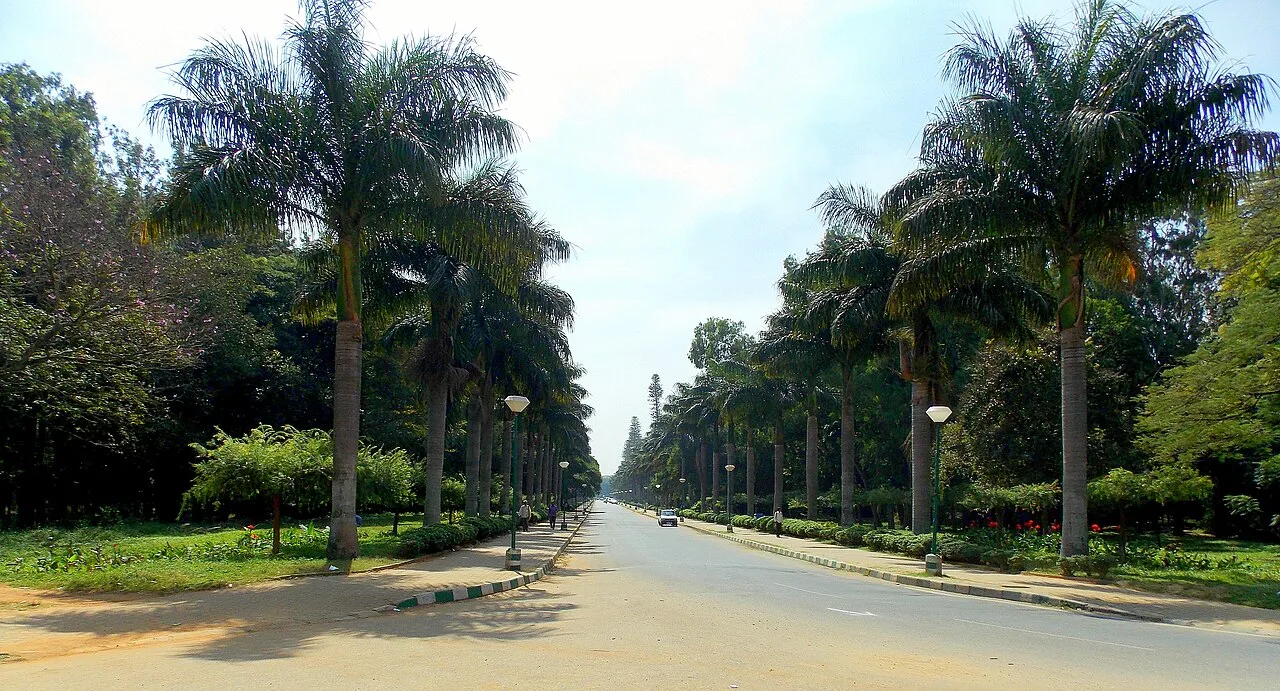
Cubbon Park
Cubbon Park, officially Sri Chamarajendra Park, is a historic public park in Bengaluru’s Central Business District, known for its greenery, monuments, walking routes and plant life.
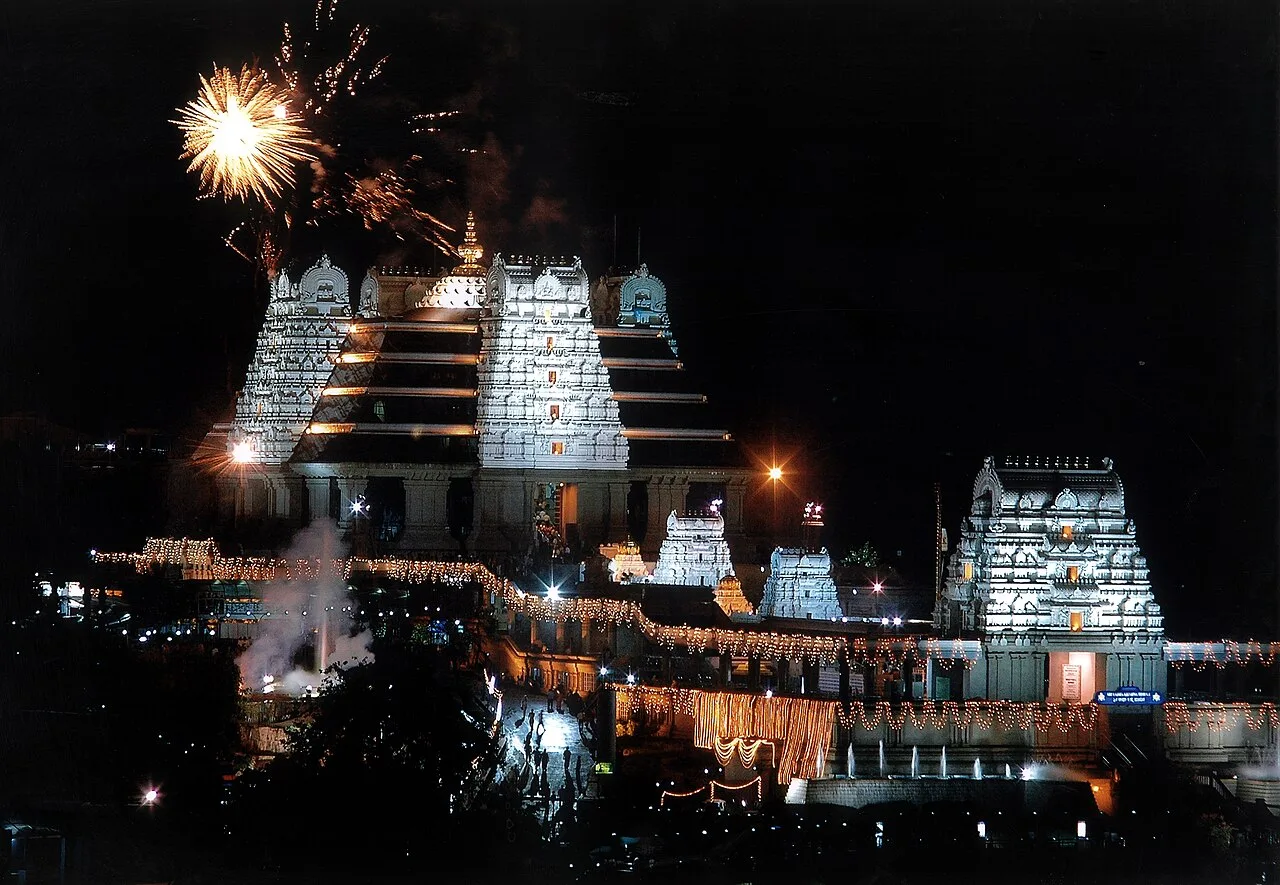
ISKCON Temple
ISKCON Temple in Bengaluru is a Hindu place of worship devoted to Radha and Krishna. People visit to worship the deities and learn about the temple’s promotion of monotheism.
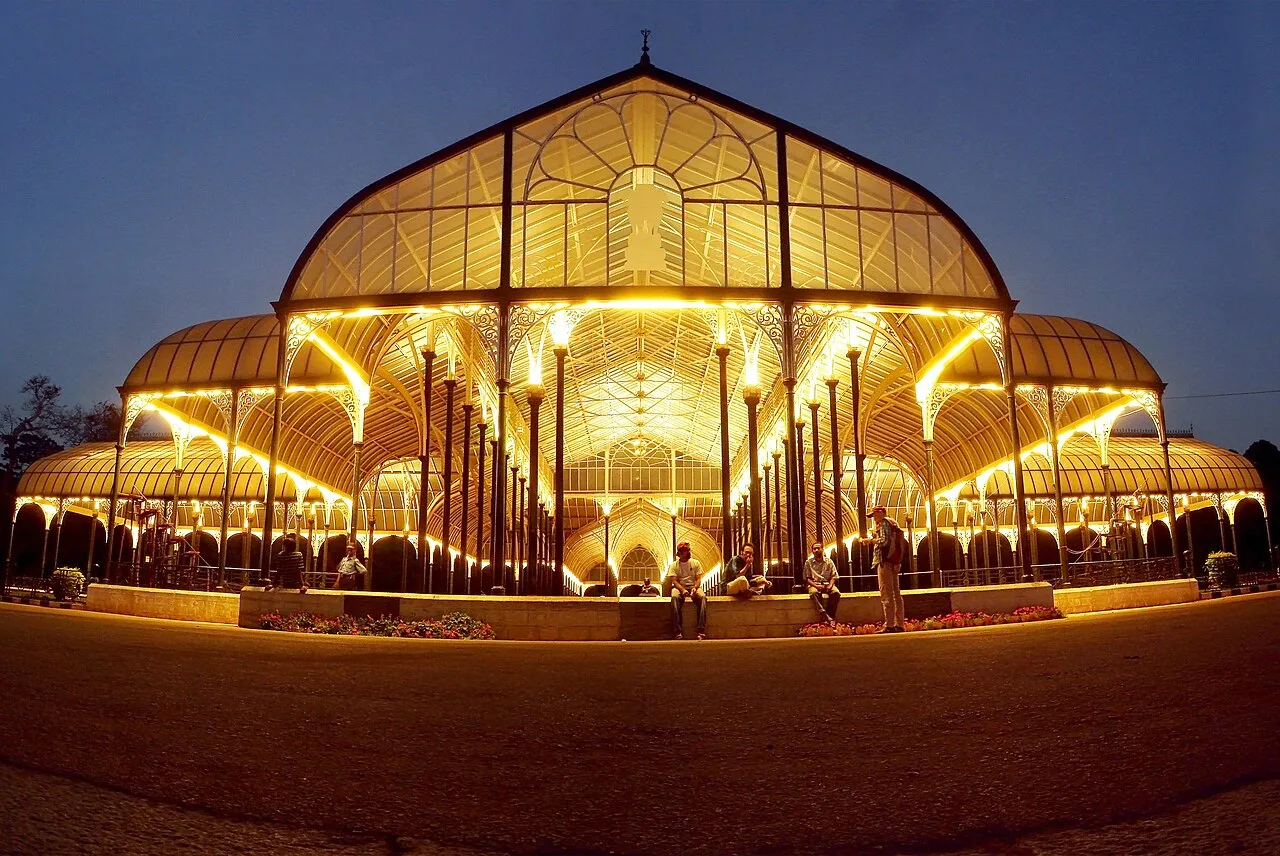
Lalbagh Botanical Garden
A historic garden in Bengaluru, Lalbagh is known for its plant collections, public parkland and flower displays, while also providing habitat for urban wildlife.
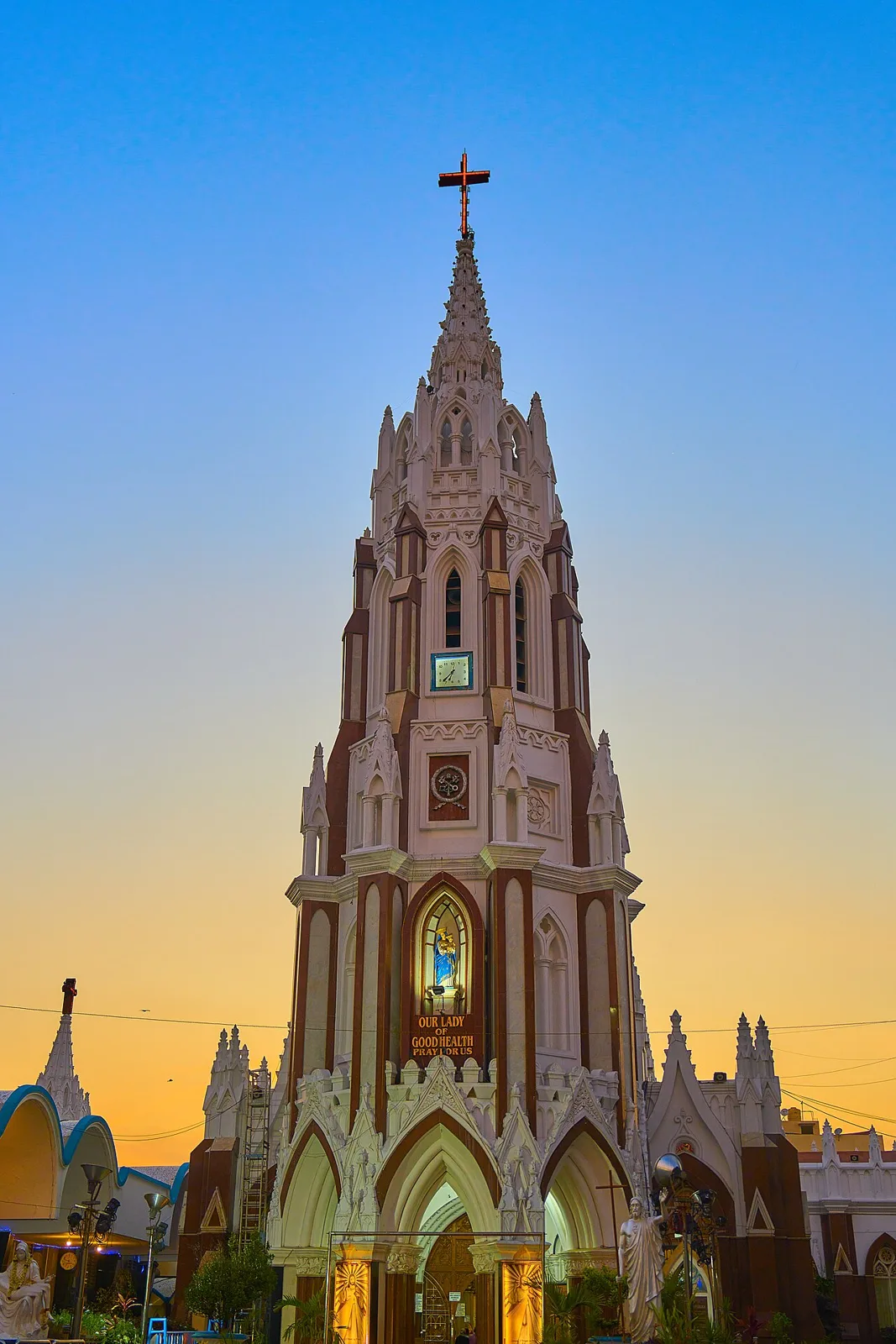
St. Mary's Basilica
In Bengaluru Urban district, St. Mary's Basilica is a shrine in Shivajinagar, also called Blackpally. Visitors come for its September feast, which draws devotees from across Bangalore’s metropolitan area.
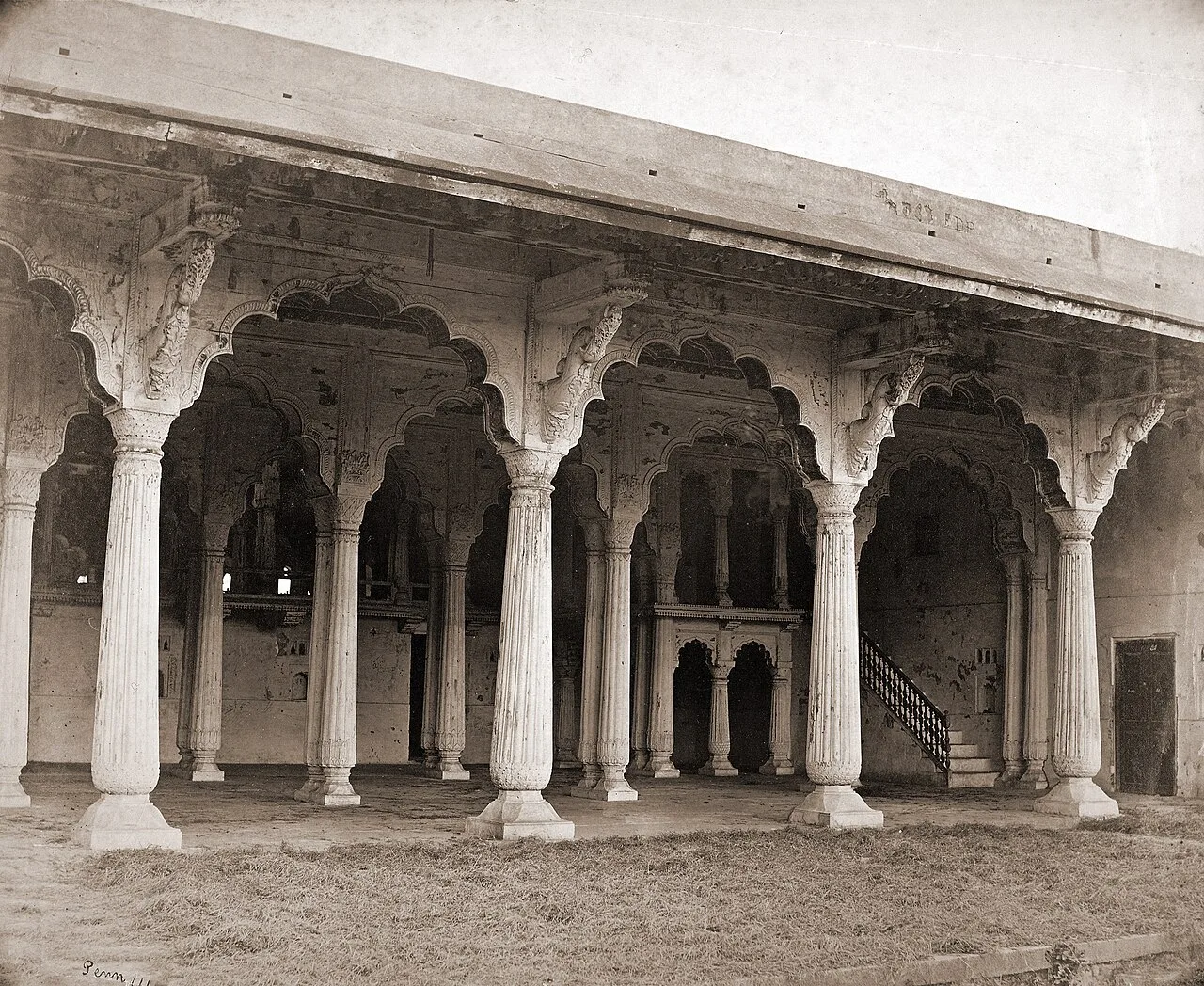
Tipu Sultan's Summer Palace
Tipu Sultan’s Summer Palace in Bengaluru is a teak-built Indo-Islamic residence associated with the Mysorean ruler. Visitors come to see its architecture and a museum on Tipu Sultan and his administration.
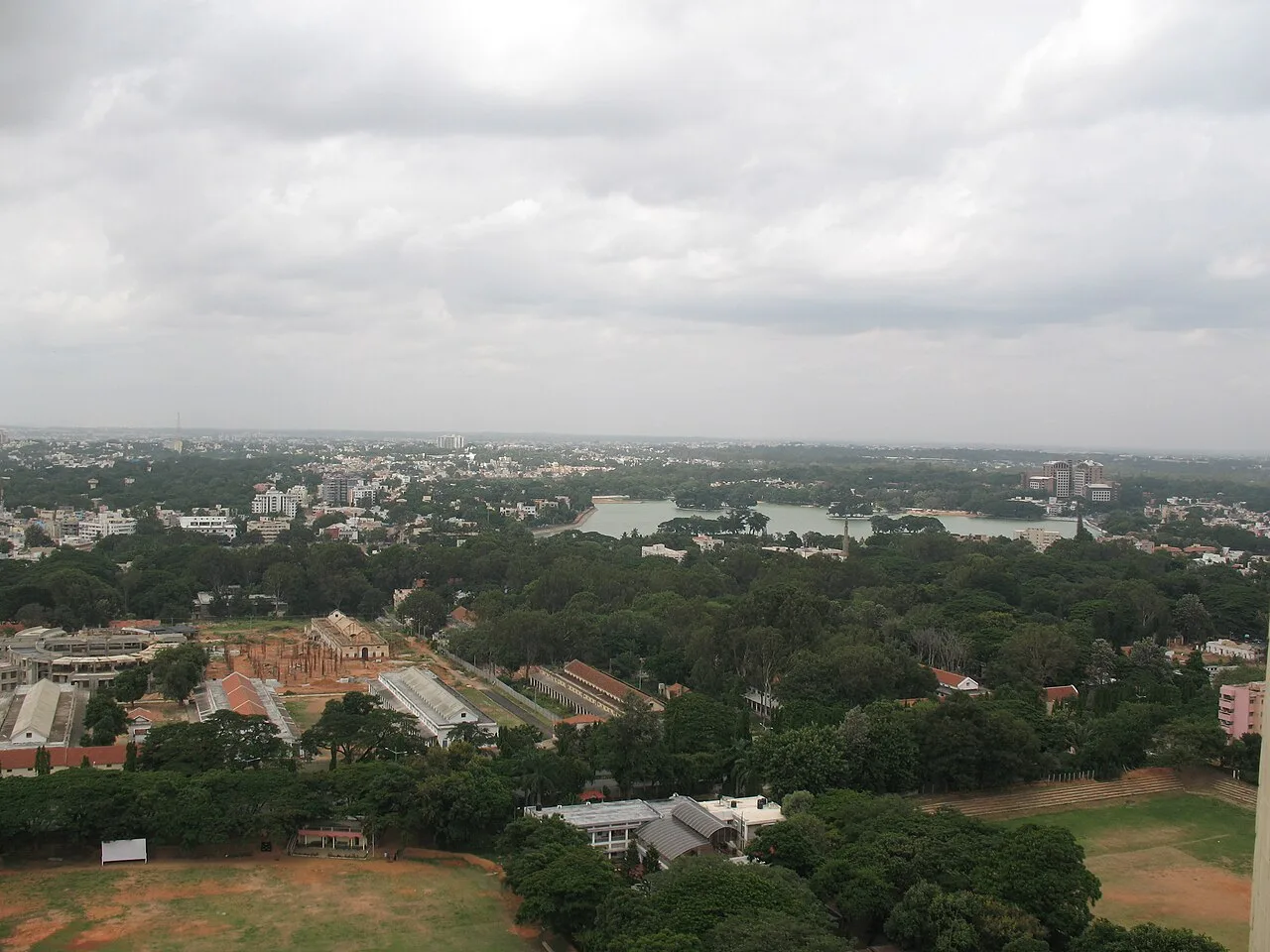
Ulsoor Lake
Ulsoor Lake, also called Halasuru Lake, is one of Bengaluru’s largest lakes. Visitors can see its islands and a waterbody associated with the city’s past.
Bengaluru’s food reflects Karnataka’s varied regional cooking as well as the city’s diverse population. Local favourites include bisi bele bath, a rice-and-lentil dish, and Mysore masala dosa; ragi mudde with sambar is another familiar Karnataka meal. For breakfast, try idli or vada with filter coffee, a much-loved tiffin tradition. Restaurants and small eateries serve food from across the state, while menus and specialities vary by neighbourhood. Some celebrated dishes mentioned across Karnataka, such as coastal fish curry or Coorg pandi curry, belong to other regions rather than Bengaluru specifically. Ask what has been freshly prepared that day.
Bengaluru is a major place to encounter Karnataka’s crafts, though many traditions are associated with other parts of the state. Markets and specialist shops may carry sandalwood or rosewood work, handloom textiles and Mysore-style paintings. The colourful lacquered wooden toys of Channapatna, a craft tradition from the wider Bengaluru region, are a familiar example of local craftsmanship. Availability and provenance can vary, so ask sellers where an item was made and look for reliable information about materials and production. The city’s galleries and cultural events also showcase contemporary design alongside traditional forms.
Bengaluru’s calendar reflects Karnataka traditions as well as the city’s diverse communities. Ugadi, the Kannada and Telugu new year, is usually celebrated in March or April, while Dasara festivities take place in September or October. The Bengaluru Karaga, a major local procession associated with the Dharmaraya Swamy Temple, is generally held in March or April. Basavanagudi’s Kadalekai Parishe, a groundnut fair, usually takes place around November or December. Ganesh Chaturthi and Christmas are also widely observed. Major festival periods can bring crowds, road closures and heavier demand for rooms, especially near event venues.
The district lies on the elevated Deccan Plateau, with a largely built-up landscape of neighbourhoods, roads and technology campuses. Bengaluru’s network of lakes and parks offers open space within the city, while rocky outcrops and the wooded terrain around Bannerghatta mark its southern edge. The Vrishabhavathi flows through the wider urban area, though much of the landscape is shaped by development and water-management infrastructure. Traffic and urban sprawl influence travel times more than terrain does. Green areas and the national park can feel markedly different from the dense central districts, particularly during and after the monsoon.
Bengaluru has a generally moderate plateau climate, with warmer, drier conditions in summer, rain during the monsoon seasons and cooler, more comfortable weather in winter. Rain can affect road travel and bring sudden showers, particularly during the southwest monsoon; post-monsoon rain is also possible. October through February is often a comfortable period for sightseeing, though the city can be visited year-round. Summer outings are easier earlier or later in the day. Pack light clothing, comfortable walking shoes and sun protection; carry a light layer for cooler evenings. A compact rain jacket or umbrella is useful during rainy months.
Kempegowda International Airport serves Bengaluru, while KSR Bengaluru City Junction is the principal railway station for many visitors. The city is connected by national highways to destinations including Mysuru, Chennai and Hyderabad; road conditions and journey times vary with traffic. Within Bengaluru, Namma Metro, BMTC buses, taxis and auto-rickshaws provide ways to get around, although congestion can make journeys slow. The Metro is useful for some central and east-west trips, but not every attraction is close to a station. For destinations such as Bannerghatta National Park, check the best current combination of road transport and public transit. Check current services locally before travelling.
Namma Metro serves a growing set of routes, while BMTC buses cover much of the city and connect many neighbourhoods. Taxis and auto-rickshaws are useful for journeys between sights, though road congestion can make travel slow and unpredictable. KSR Bengaluru City Junction and other rail stations serve regional connections; road routes link the city with destinations such as Mysuru, Chennai and Hyderabad. For Bannerghatta National Park, check current public-transport and road options before setting out, as the best combination can depend on your starting point. Walking works for some compact areas, but not for every attraction.
2 days: Vidhana Soudha, Visvesvaraya Industrial and Technological Museum, Cubbon Park, Bengaluru Palace, ISKCON Temple; sleep night in central Bengaluru. Day 2: Tipu Sultan's Summer Palace, Lalbagh Botanical Garden, Bull Temple (Dodda Basavana Gudi); sleep not required. 3 days: Lalbagh Botanical Garden, Tipu Sultan's Summer Palace, Bull Temple (Dodda Basavana Gudi); sleep night 1 in central Bengaluru. Day 2: Vidhana Soudha, Visvesvaraya Industrial and Technological Museum, Cubbon Park, St. Mary's Basilica, Ulsoor Lake; sleep night 2 in central or eastern Bengaluru. Day 3: Bannerghatta National Park; return to Bengaluru.
Central Bengaluru is a practical base for Vidhana Soudha, Cubbon Park, the museum and several historic sights, with a broad range of hotels and guesthouses. Areas around MG Road, Shivajinagar and the central business district can suit visitors relying on public transport, while southern Bengaluru is convenient for Lalbagh, Basavanagudi and Bannerghatta trips. Hotels, serviced apartments and homestays are available across the city; simpler lodgings and some dharamshalas may be found near religious areas. Choose a base with suitable Metro or road access for your planned circuit.
Bengaluru is a large, busy city, so allow extra time for road journeys and use care when crossing congested streets. Rain can leave roads slippery or waterlogged, while summer sun makes water and sun protection important. Drink safe, treated water and take ordinary precautions with food. At Bannerghatta National Park, follow staff instructions, remain in permitted visitor areas and do not approach or feed wildlife; check access and any current requirements with the park officially. Mobile connectivity is generally available in the city but may vary at the park. Keep belongings secure in crowded markets, stations and festival gatherings.
- Ramanagaraabout 37 km
- Chikkaballapurabout 47 km
- Tumakuruabout 73 km
- Kolarabout 74 km
- Dharmapuri · Tamil Naduabout 97 km
- Chittoor · Andhra Pradeshabout 116 km
- Mandyaabout 119 km
- Mysuruabout 125 km
Straight-line distance between the centres of each district's destinations; road distance is longer.
Q: How many days should I spend in Bengaluru Urban? A: Two days cover several central sights; three days allow time for Bannerghatta National Park and a less hurried visit. Q: When is the best time to visit? A: October through February is often comfortable for sightseeing. Carry rain protection during monsoon periods. Q: Where is the best base for a visit? A: Central Bengaluru suits many city sights; southern Bengaluru is convenient for Basavanagudi, Lalbagh and Bannerghatta. Q: How do I get to Bengaluru? A: Kempegowda International Airport serves the city, and KSR Bengaluru City Junction is a principal rail station. Road links connect Bengaluru with major regional destinations. Q: Is Bengaluru suitable for families or elderly travellers? A: Yes, though traffic, walking distances and crowded venues can be tiring. Plan breaks, check step-free access where needed and use taxis for journeys between distant sights.
This page draws on our 11 destination guides for Bengaluru Urban and is updated as our team checks it.
Be the first to share photos, stories, advice or a helpful contact for Bengaluru Urban.
Loading…