
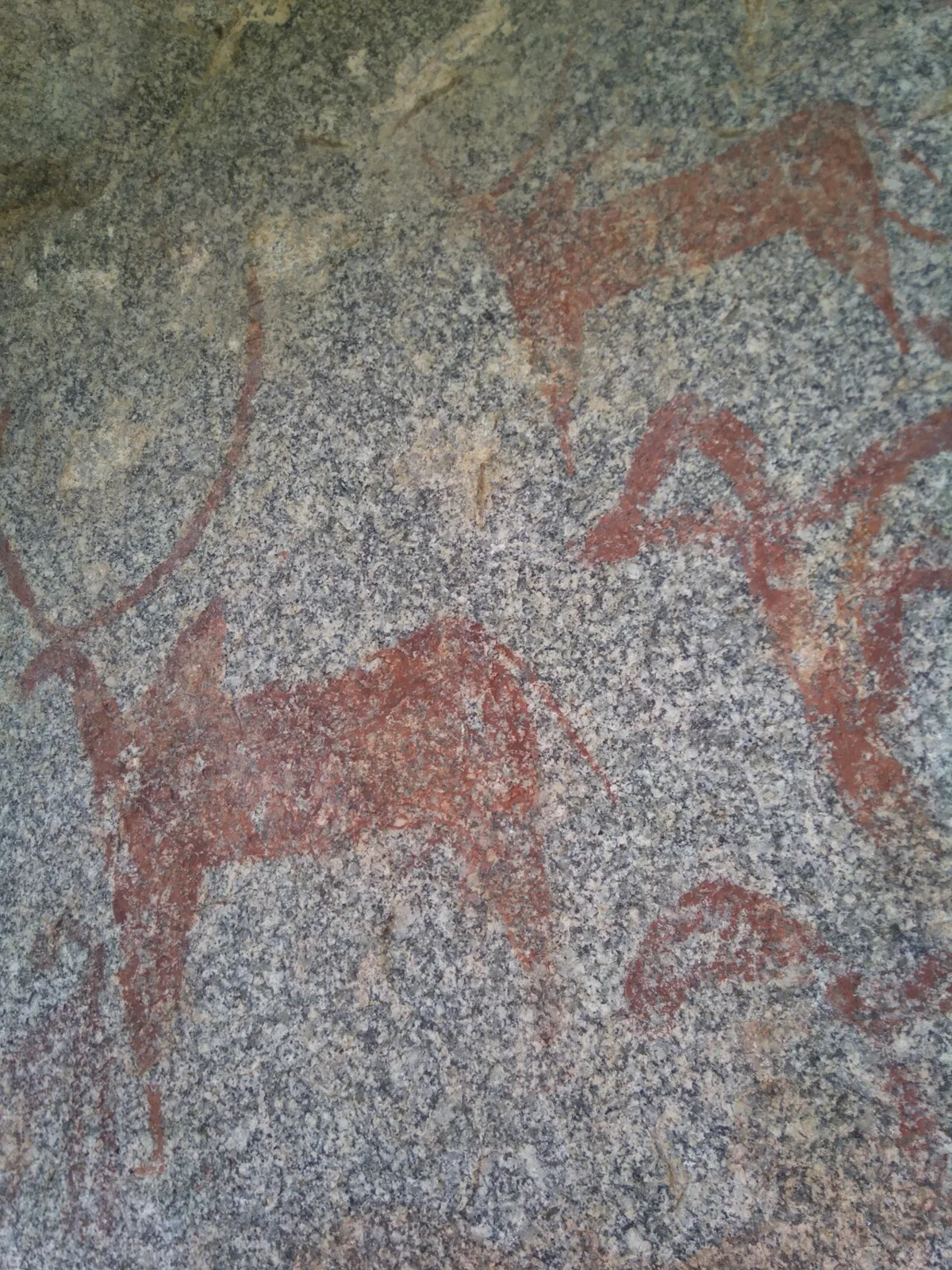
District · Karnataka
Vijayanagara
Vijayanagara district is a rewarding stop in central Karnataka for travellers interested in archaeology, sacred places and the Deccan landscape.
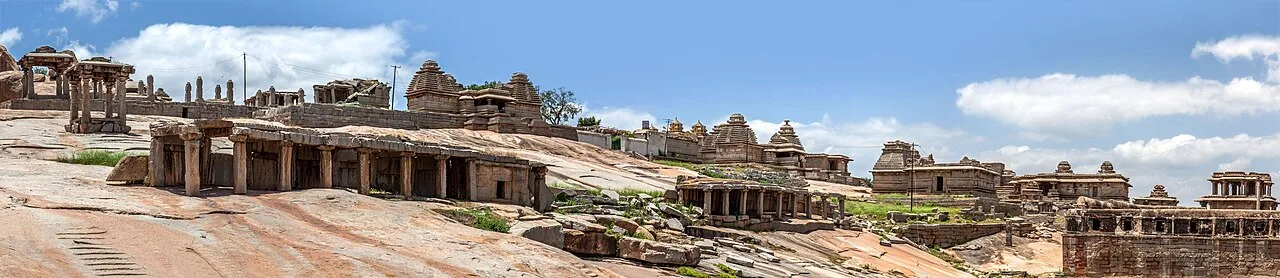
Vijayanagara district in Karnataka is shaped by the Tungabhadra River, granite boulder hills and the monumental remains of Hampi. Once the capital of the Vijayanagara Empire, Hampi preserves an extraordinary landscape of temples, royal structures and archaeological remains, recognised as a UNESCO World Heritage Site. Virupaksha Temple remains a living sacred centre, while Vijaya Vittala Temple, Lotus Mahal and the Elephant Stables reveal different aspects of the former capital. Hosapete is the main practical base for exploring this heritage landscape, with the Tungabhadra Dam adding a contrasting waterside excursion. Nearby Anegundi and Daroji Sloth Bear Sanctuary complement a visit, but belong to neighbouring Koppal and Ballari districts respectively.
Vijayanagara district is a rewarding stop in central Karnataka for travellers interested in archaeology, sacred places and the Deccan landscape. Its defining attraction is Hampi, the former capital of the Vijayanagara Empire, where temples, royal precincts and other remains sit among granite hills beside the Tungabhadra River. Virupaksha Temple continues as a place of worship, while the Vijaya Vittala Temple, Elephant Stables and Lotus Mahal offer different views of the historic city. Hosapete is the district’s practical base, and Tungabhadra Dam provides a contrasting waterside visit. The area also makes a useful regional hub for journeys towards neighbouring Koppal and Ballari districts.
Hampi grew as the capital of the Vijayanagara Empire, founded in the fourteenth century. Under successive rulers, the city developed into a major political, commercial and religious centre, with temples, market streets, waterworks and royal buildings spread across the Tungabhadra landscape. In 1565, the empire’s forces were defeated at the Battle of Talikota by a coalition of Deccan sultanates. The capital was subsequently attacked and much of it abandoned, though the Virupaksha shrine remained active and the region continued to be inhabited. Control of the wider area shifted among regional powers over subsequent centuries, including Deccan and Mysore authorities. During British rule, parts of the region were administered within the Madras Presidency; boundaries and administration changed over time. After Indian independence, the area formed part of Ballari district in Karnataka. Vijayanagara district was created in 2021 from parts of Ballari district, with Hosapete as its administrative centre. Hampi’s monuments are recognised as a UNESCO World Heritage Site.
9 destination guides · 7 on the map
Anegundi
Anegundi is a Karnataka village once known as Kishkindha and considered older than Hampi. Visitors are interested in its historical associations and a nearby ash mound linked by tradition to Vali.
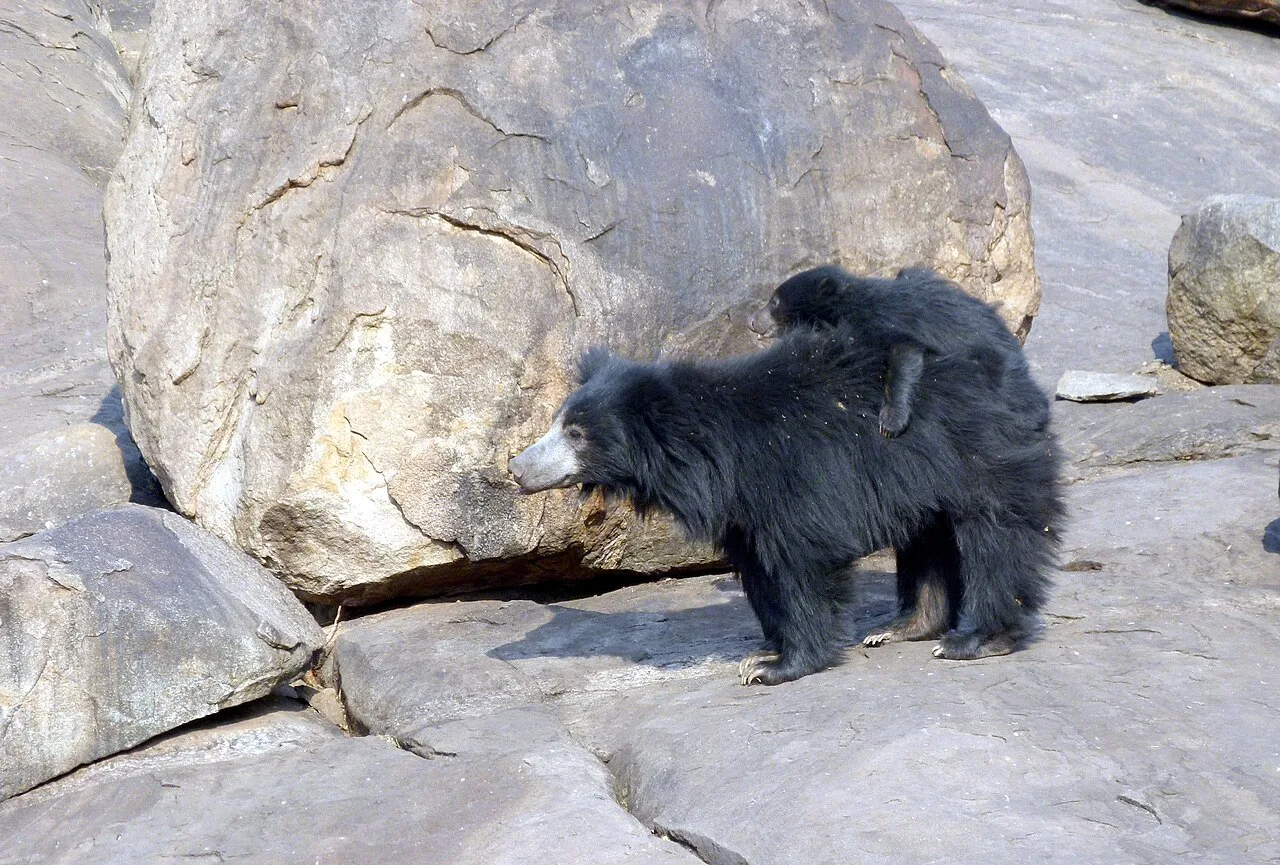
Daroji Sloth Bear Sanctuary
Daroji Sloth Bear Sanctuary in Karnataka protects sloth bears across a landscape near Ballari and Hampi. Visitors come to see bears, particularly as they descend the hillocks in the evening.
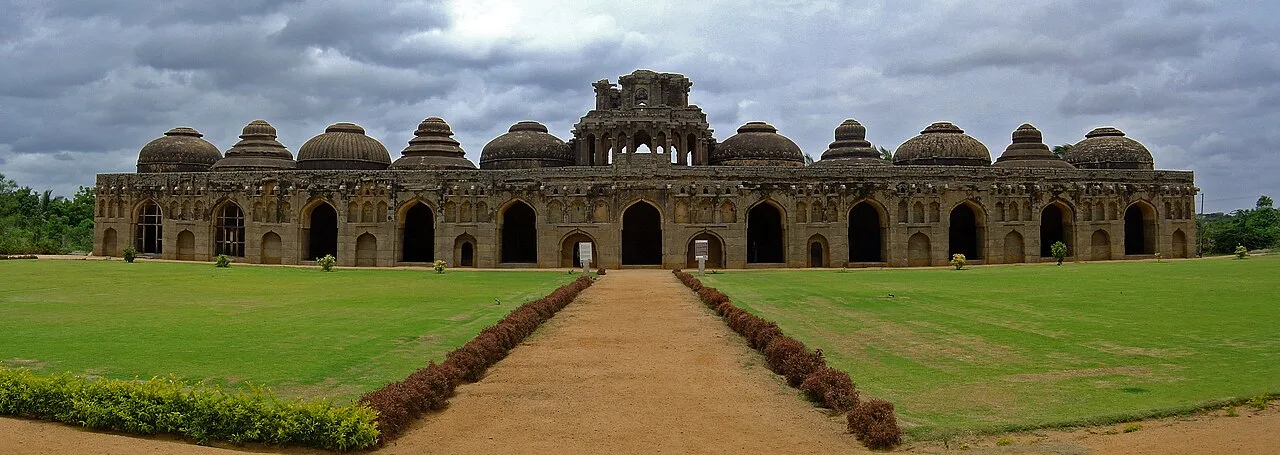
Elephant Stables
Elephant Stables is a heritage site in Karnataka’s Vijayanagara district. Visitors may include it in their travels to explore the area’s heritage sites.
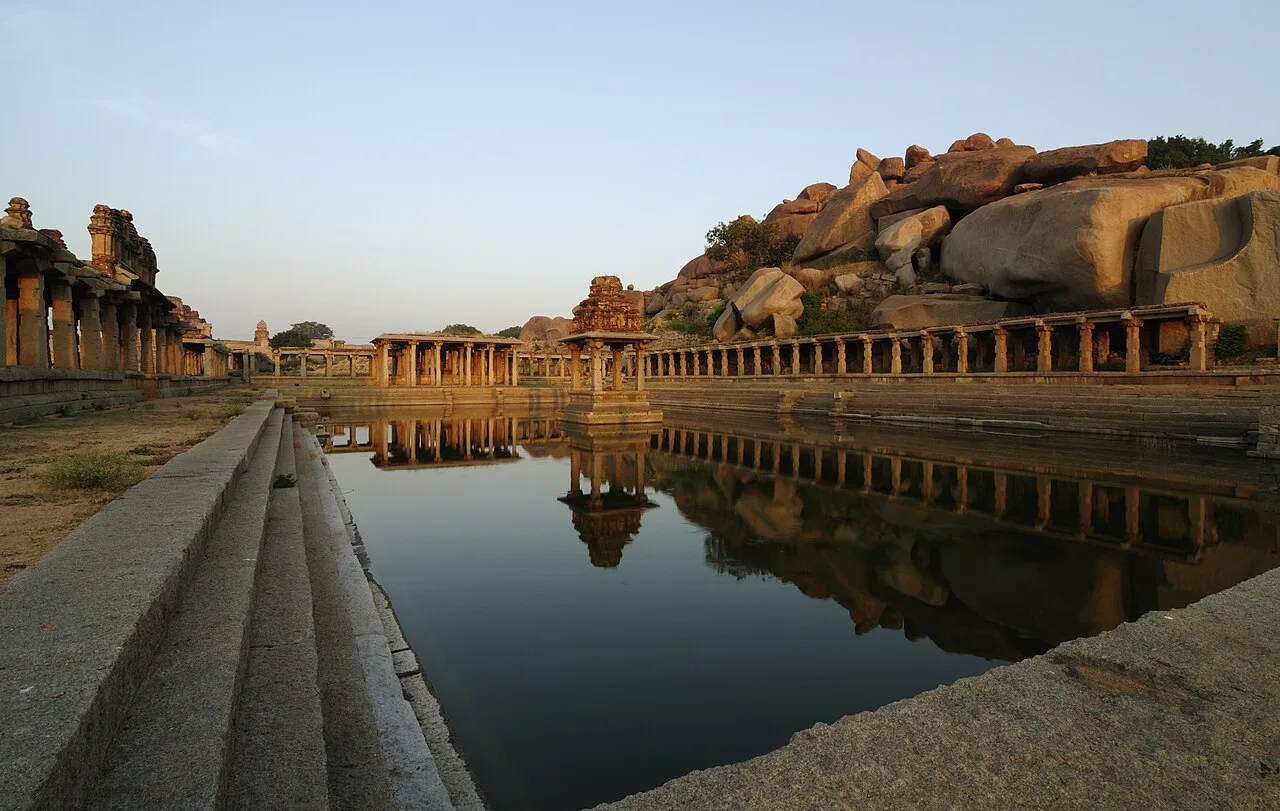
Hampi Monuments
Hampi is a UNESCO-listed archaeological and religious landscape in Karnataka, known for its Vijayanagara-era remains. Visitors come to explore its temples, royal structures and continuing places of worship.
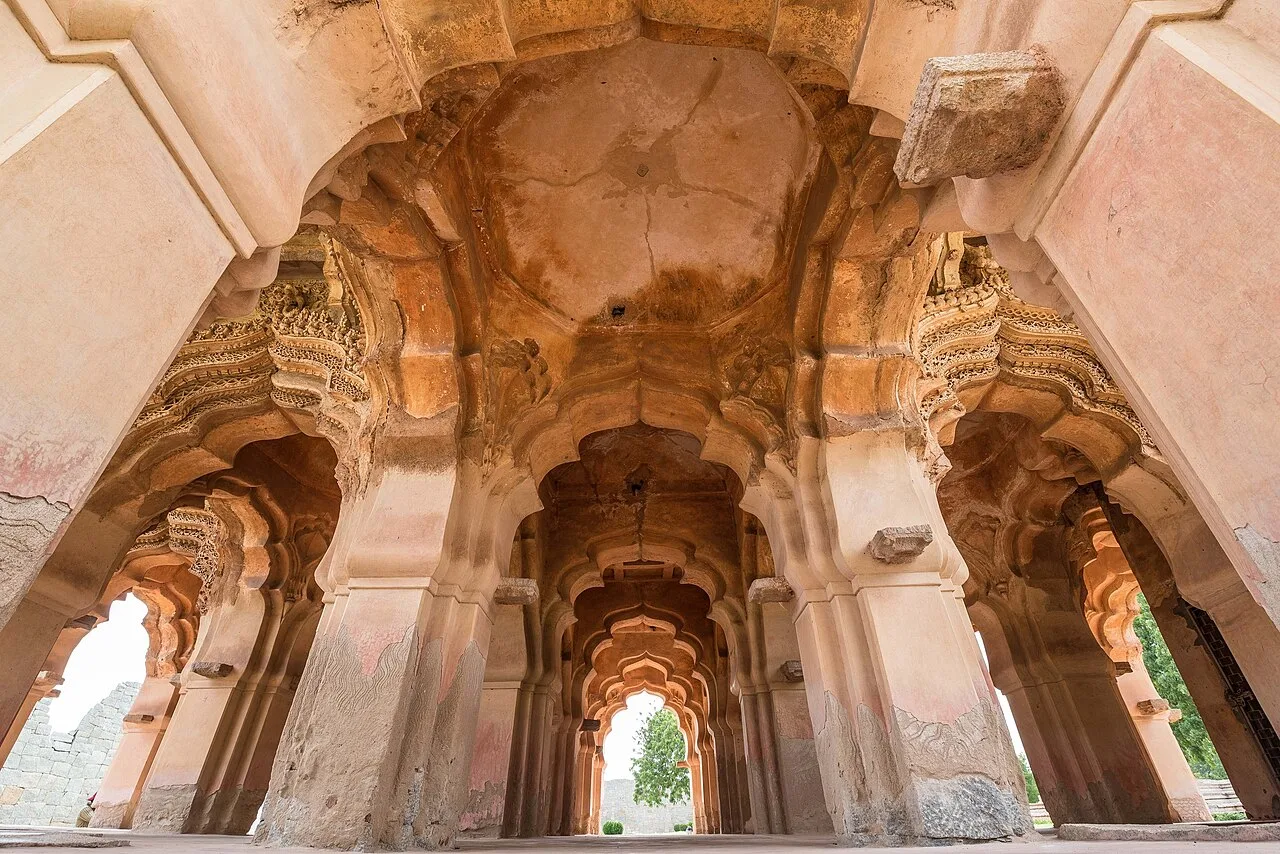
Lotus Mahal
Lotus Mahal, also known as Chitrangini Mahal, is a secular building in Hampi, Karnataka. Visitors come to see its two-storey design, which reflects the architectural tradition of the Vijayanagara Empire.
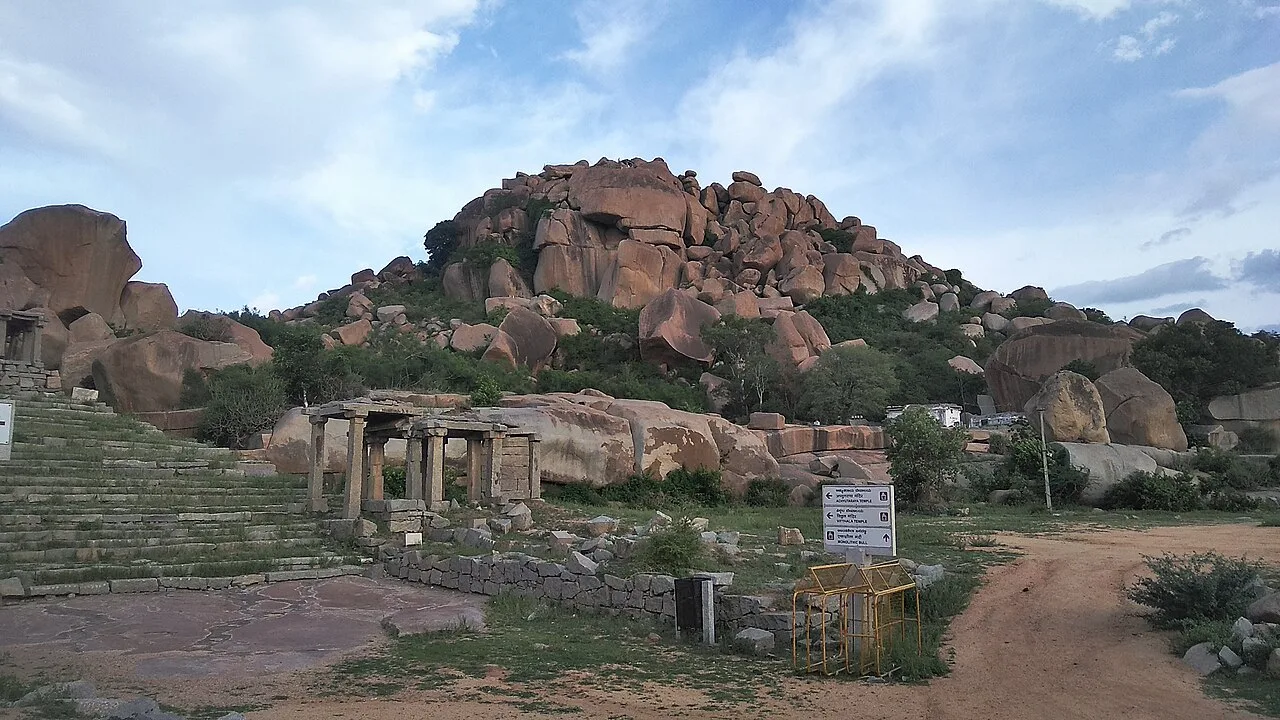
Matanga Hill
In Hampi, Karnataka’s Vijayanagara district, Matanga Hill is a rocky rise associated with the Ramayana and the former Vijayanagara capital. Visitors explore its religious associations and place in the region’s history.
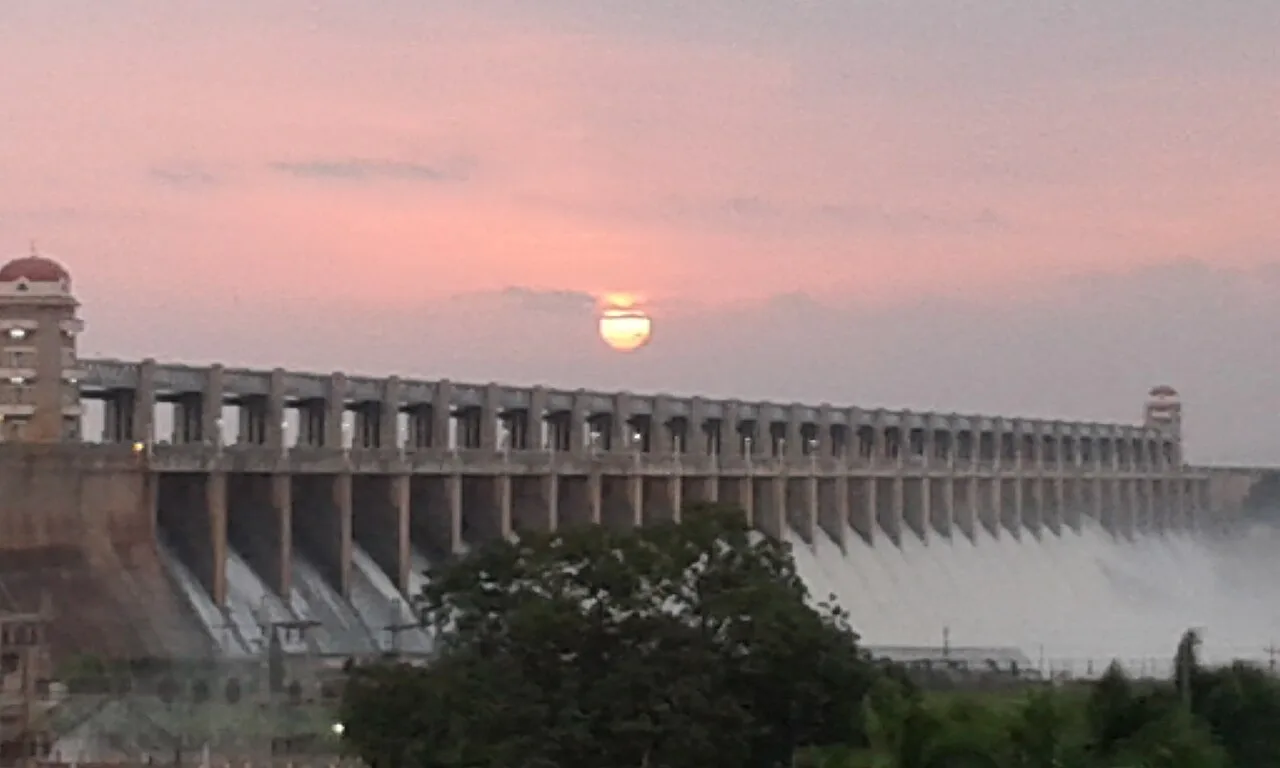
Tungabhadra Dam
Tungabhadra Dam, also known as Pampa Sagar, is a multipurpose reservoir on Karnataka’s Tungabhadra River. Visitors interested in water infrastructure come to see its stone-masonry construction and its role in irrigation, electricity generation and flood management.
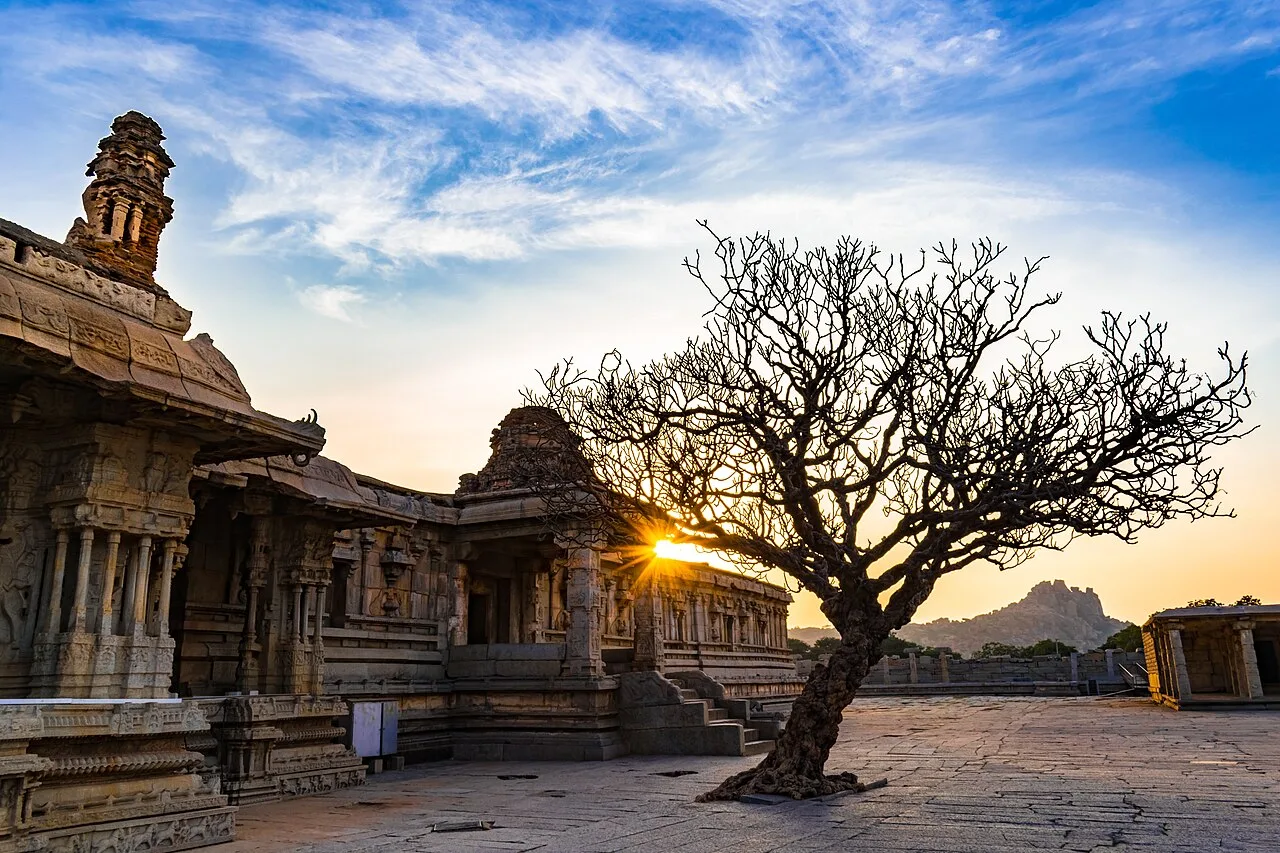
Vijaya Vittala Temple
Vijaya Vittala Temple is a sacred place in Karnataka’s Vijayanagara district. Visitors come to see it as a temple and recognise its religious significance.
Virupaksha Temple
Set beside the Tungabhadra at Hampi, Virupaksha Temple is a historic Shiva shrine and the site’s principal pilgrimage destination, drawing visitors for its enduring religious significance.
Food here draws on the wider traditions of northern Karnataka, where jolada rotti, or jowar flatbread, is commonly paired with vegetable preparations, pulses and chutneys. A regional meal may include ennegayi, a stuffed brinjal preparation, along with curd and spiced accompaniments. Idli, vada, dosa and filter coffee are familiar breakfast choices in Karnataka eateries, while rice-based meals offer straightforward vegetarian options. These are regional traditions rather than dishes unique to Vijayanagara. In small establishments, ask what has been freshly prepared that day; menus can be limited, and seasonal vegetables often shape the meal.
Hampi's carved stone pillars, sculptural panels and architectural ornament are the district's clearest expression of historic craftsmanship. They offer a richer introduction to local artistic heritage than assuming every souvenir sold nearby was made locally. Wider northern Karnataka traditions include Ilkal handloom saris, associated with Ilkal in Bagalkot district, and Kasuti embroidery, known for intricate counted-thread motifs. These should be understood as regional textile traditions, not Vijayanagara specialities. When buying textiles or carved souvenirs, ask where they were produced and whether the work is handmade.
Hampi Utsav, also known as Vijaya Utsava, is a cultural festival associated with the Hampi region and is generally held in the cooler part of the year; its schedule can vary. Virupaksha Temple’s annual chariot festival is usually celebrated in spring, drawing worshippers and visitors. Religious observances at the temple and seasonal events in Hosapete add to the local calendar. Festival periods can bring larger crowds to Hampi and make rooms in Hosapete and nearby settlements harder to find, so check current event announcements and arrange accommodation ahead when travelling during a major celebration.
The district lies on the dry Deccan plateau, where granite boulder hills and open, rocky terrain surround Hampi. The Tungabhadra River cuts through the landscape, supporting the historic settlement and creating a striking contrast with the surrounding scrub and cultivated land. Tungabhadra Dam and its reservoir shape the area around Hosapete. Much of the heritage site is exposed, with uneven stone paths, slopes and substantial distances between monument clusters. Sightseeing often involves walking in the heat and arranging road transport between areas, so sturdy footwear, water and an early start are useful.
The district has hot, generally dry summers, a monsoon season and cooler, more comfortable winters. Summer heat can make exposed ruins and long walks tiring, while monsoon showers may leave stone paths slippery and can affect outdoor plans. The most comfortable period for sightseeing is usually from late monsoon into winter and the early part of the year, when conditions are milder. Carry sun protection, a hat and water in warmer months; during the rains, pack a light waterproof layer and shoes with good grip. Even in winter, days can be sunny, so bring protection for outdoor visits.
Hosapete Junction is the principal rail gateway for Hampi and a useful arrival point for the district. Jindal Vijayanagar Airport at Toranagallu is a nearby air gateway, though flight availability should be confirmed before planning connections. Road approaches commonly run through Hosapete, with links towards Bengaluru, Hubballi and Ballari; KSRTC buses connect district towns and regional centres. From Hosapete, buses, auto-rickshaws and hired cars provide onward travel towards Hampi. The monuments are spread across a substantial landscape, so combine walking within clusters with transport between them. Check current services locally.
Hosapete is the main transport hub, with road links towards Hampi, Ballari and other regional centres. Local buses and auto-rickshaws serve common routes, while hired cars or taxis are useful for reaching monument clusters and the dam. Services and availability can vary, so confirm locally. Hampi’s archaeological landscape is spread out: walking works well within individual clusters, but transport helps connect them. Some visitors use bicycles where available, though rocky paths and heat may limit their usefulness. Do not assume regular boat services across the river; check current local arrangements before relying on a crossing.
2 days: Virupaksha Temple → Hampi Monuments → Matanga Hill → Vijaya Vittala Temple → Elephant Stables → Lotus Mahal; sleep in Hampi or Hosapete both nights. 3 days: Virupaksha Temple → Matanga Hill → Hampi Monuments; sleep in Hampi or Hosapete. Next day: Vijaya Vittala Temple → Elephant Stables → Lotus Mahal; sleep in the same base. Final day: Tungabhadra Dam; return to Hosapete. 4 days: Virupaksha Temple → Hampi Monuments; sleep in Hampi or Hosapete. Next day: Matanga Hill → Vijaya Vittala Temple; sleep in the same base. Third day: Elephant Stables → Lotus Mahal; sleep in Hosapete. Final day: Tungabhadra Dam; sleep in Hosapete or continue onward.
Hosapete offers the widest choice of practical accommodation, including hotels and guesthouses, and suits visitors prioritising transport links and services. Hampi and nearby settlements have smaller guesthouses and homestays that can place visitors closer to the monuments, though facilities and availability vary. Government accommodation may be available in the wider area, but check current booking arrangements. Dharamshalas and other simple lodging may serve pilgrims in some places. For a short heritage visit, choose one base rather than changing rooms; book ahead during festivals and busy travel periods.
Hampi’s rocky ground, uneven steps and exposed paths require sturdy footwear and care, especially near hill edges. Heat and strong sun can make walking strenuous; carry drinking water, take breaks and avoid climbing in poor light or wet conditions. Keep away from unsafe river edges and dam areas, and follow local instructions; do not feed or approach wildlife. Road conditions and local transport availability can vary, and mobile connectivity may be limited in some spots. Keep valuables secure in crowded areas. No special permit is generally needed for the main Hampi visit, but confirm current access rules with official authorities for any restricted site or activity.
- Koppalabout 46 km
- Gadagabout 81 km
- Bagalkotabout 105 km
- Chitradurgaabout 123 km
- Haveriabout 128 km
- Raichurabout 138 km
- Dharwadabout 145 km
- Anantapur · Andhra Pradeshabout 157 km
Straight-line distance between the centres of each district's destinations; road distance is longer.
Q: How many days should I spend in Vijayanagara district? A: Two days can cover key Hampi monuments; three or four allow a slower visit and time for Tungabhadra Dam. Q: When is the best time to visit? A: The cooler months, from late monsoon into winter and early in the year, are generally most comfortable for walking among the ruins. Q: What is the best base for visiting Hampi? A: Hosapete has the broadest practical services and transport links; Hampi-area stays offer closer access to the monuments. Q: How do I get to the district? A: Travel by rail to Hosapete Junction or check current flights to Jindal Vijayanagar Airport, then continue by road to Hampi. Q: Is the district suitable for families or elderly travellers? A: Yes, with planning. The terrain is uneven and exposed, so use transport between clusters, allow rest breaks and choose accessible visits.
This page draws on our 9 destination guides for Vijayanagara and is updated as our team checks it.
Be the first to share photos, stories, advice or a helpful contact for Vijayanagara.
Loading…